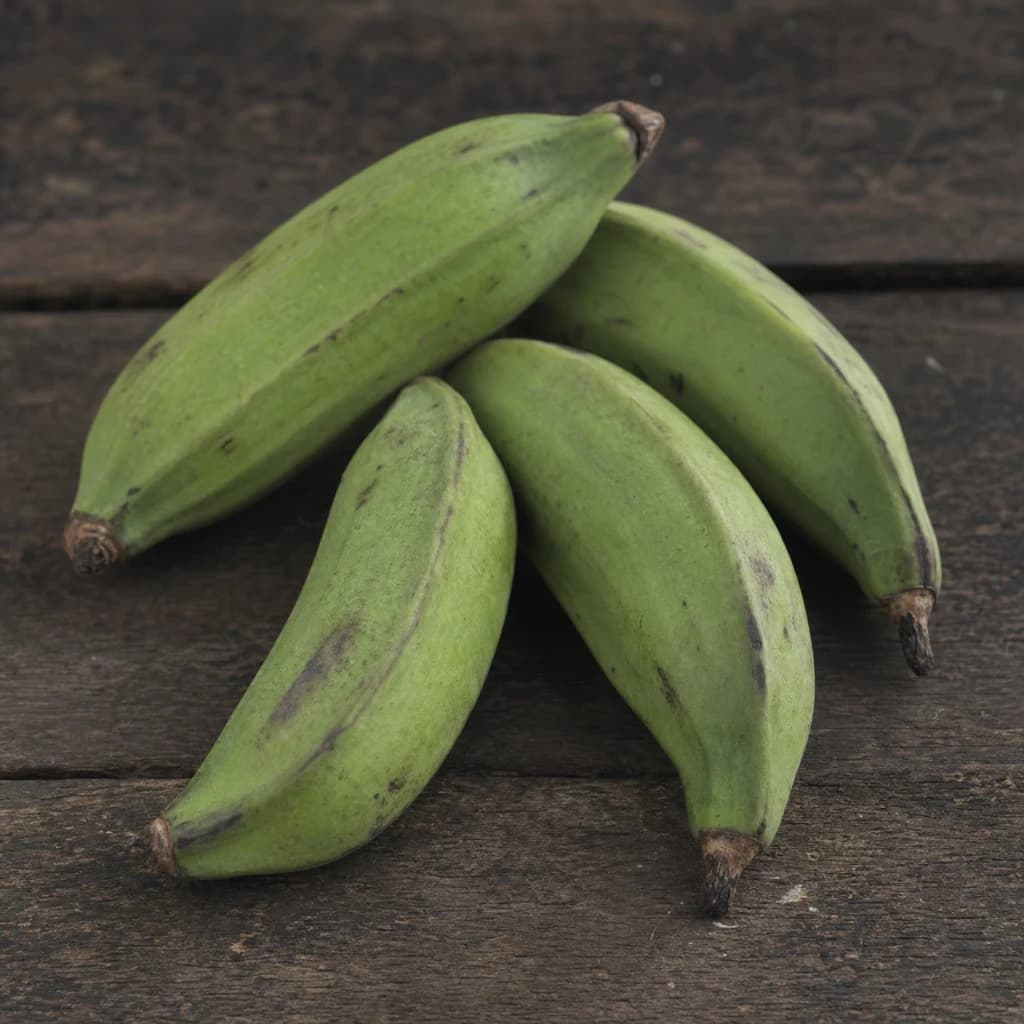
Natural form
Green ash plantains as harvested — thick-skinned, starchy, and unripe.
Shows the raw ingredient exactly as it appears in a market or kitchen before any preparation, establishing color, size, and skin texture.
Produce
Ash Plantain
Starchy Sri Lankan cooking plantain used green in curries and salads.
Ash plantain (alu kesel) is a Sri Lankan cooking banana harvested while green and very starchy, used as a vegetable rather than a fruit. It is peeled, boiled, and turned into curries, mallung, and salads, often with coconut and spices. The dense flesh holds its shape when cooked and tastes mild and savory.
Ash plantain (Puhul Doovi) is a starchy cooking plantain central to Sri Lankan cuisine, distinct from the common green plantains found in Latin American markets. Its flesh is denser and higher in starch than culinary bananas, which allows it to hold its shape during prolonged cooking—a critical quality for curries where the pieces should remain intact after simmering. The fruit develops its characteristic greyish-ash coating naturally as it ripens, signaling that it has progressed beyond the fully green stage while still being appropriate for cooking. This coating is not mold or defect; it is a mark of authenticity and the preferred ripeness for Sri Lankan preparations. In Sri Lanka, ash plantain is a daily staple, appearing in everyday rice and curry meals as well as festive spreads, pol sambols, and special occasion pol curries. Its neutral starchy character makes it remarkably adaptable—it absorbs seasonings without dominating and provides body and substance to coconut milk-based sauces without breaking down into mush.
- Measured in
- piece
- Storage
- Pantry
Types & varieties
The Sri Lankan name for ash plantain; 'puhul' means plantain, 'doovi' refers to the ash-like coating
Indian hybrid varieties with similar ash-like markings used in cooking; closest substitute when Sri Lankan ash plantain is unavailable
Choosing and Preparing Ash Plantain
Selecting the right stage of ripeness matters for different preparations. For curries and frying, choose firm fruits with no give when pressed—they should feel heavy for their size. The ash coating should be present but the flesh underneath should still be mostly green. Avoid any fruits with bruises, soft spots, or an all-yellow skin, which indicates overripening for cooking purposes. The skin can be thicker than regular bananas, so peeling requires a different approach: score the skin lengthwise with a knife and then use the knife edge or a spoon to pry it away from the flesh. Cut pieces just before cooking to prevent oxidation and textural changes. For frying, slice uniformly thin—about 3–4mm—for even browning; for curries, cut into 2cm pieces or thicker slices that can withstand simmering without falling apart.
- For curries: select firm, green fruits with slight ash markings and no give when pressed
- For salads: choose very firm, predominantly green fruits with minimal ripeness
- Peel by scoring skin lengthwise, then prying away with knife or spoon
- Cut just before cooking to maintain texture and prevent discoloration
- Slice thin and uniform for frying; cut chunkier for curries
Understanding the Ash Coating
The greyish-ash coating that gives this plantain its name develops naturally during ripening and is a reliable indicator of proper cooking maturity. As the fruit ripens, the starches convert partially to sugars, and the skin develops these characteristic blotches. This is not mold, residue, or disease—it is a natural phase of the fruit's development. In Sri Lanka, the presence of this coating is actually preferred because it signals the ideal balance of starch and sweetness that Sri Lankan palates expect. Do not scrub or peel off this coating; simply wash the fruit before peeling as you would any produce. The coating may be more pronounced on some fruits than others, but all indicate appropriate ripeness for cooking.
- The ash coating is a natural ripening marker, not a defect
- Do not scrub or remove the coating—it will be removed with the skin
- Washing before peeling is sufficient preparation
- More coating generally means riper, which is fine for cooking
Common uses
Tips & pitfalls
- Select firm, unblemished green fruits for curries; avoid bruises or soft spots—they should feel heavy for their size and have no give when pressed
- The ash-colored markings are normal and indicate proper ripeness for cooking—the grey coating is not mold and will be removed with the skin
- Peel by scoring the thick skin lengthwise, then prying it away with a knife or spoon, working from top to bottom
- Cut pieces just before cooking to prevent discoloration and textural changes from oxidation
- Do not overcook or the pieces will disintegrate; test for doneness at 12–15 minutes depending on size—they should offer slight resistance when pierced
- When frying, slice uniformly thin (3–4mm) for even cooking and crisp results; thicker pieces (2cm+) are better for curries
- If substituting regular green plantain, reduce cooking time slightly as ash plantain is denser and holds its shape longer
- Store whole unripe fruits at room temperature away from other produce; do not refrigerate until cut
Nutrition
Energy
636 kJ · per 100 g
Where the calories come from
Protein
1.3g
3% DV
Carbs
36.7g
13% DV
Fat
0.1g
0% DV
Fiber
2.2g
8% DV
Sugars
2.3g
of which
Sodium
2mg
0% DV
Source · USDA FoodData Central · approx. Plantains, green, raw
View on FDC →In the shops
Matched grocery products
No matched grocery products for Ash Plantain yet.
Good to know
- Type
- Starchy cooking plantain (Musa spp.)
- Origin
- Sri Lanka; widely grown throughout the island, particularly in dry zone regions
- Primary Use
- Cooked in curries or fried; also used raw in salads when unripe
- Flavor
- Mild and slightly sweet when cooked; neutral starchy base that absorbs surrounding seasonings
- Texture When Cooked
- Firm and dense, similar to a very firm boiled potato; holds shape well under extended cooking
- Availability
- Year-round in Sri Lanka; found in South Asian grocery stores internationally, often frozen or fresh
- Storage
- Store unripe at room temperature; once cut, refrigerate in airtight container up to 3 days
- Identifying Feature
- Develops distinctive greyish-ash colored blotches or coating on skin as it ripens
Substitutes
- Green cooking plantain — Closest substitute with similar texture and starch content; may cook slightly faster, so reduce time by a few minutes
- Green banana (unripe) — Different flavor profile—milder and less starchy—but comparable cooking behavior; cut and cook immediately to prevent browning
- Raw green bananas — Harder to find outside South Asia but works; note they are less starchy than ash plantain and may break down more easily in long-cooked dishes
Pairs with
Also called
Alu Kesel · Ash Plantain · Cooking Plantain
Appears in these dishes
Related
Tomato
Juicy, sun-sweet fruit for sauces, salads, and slow-cooked depth
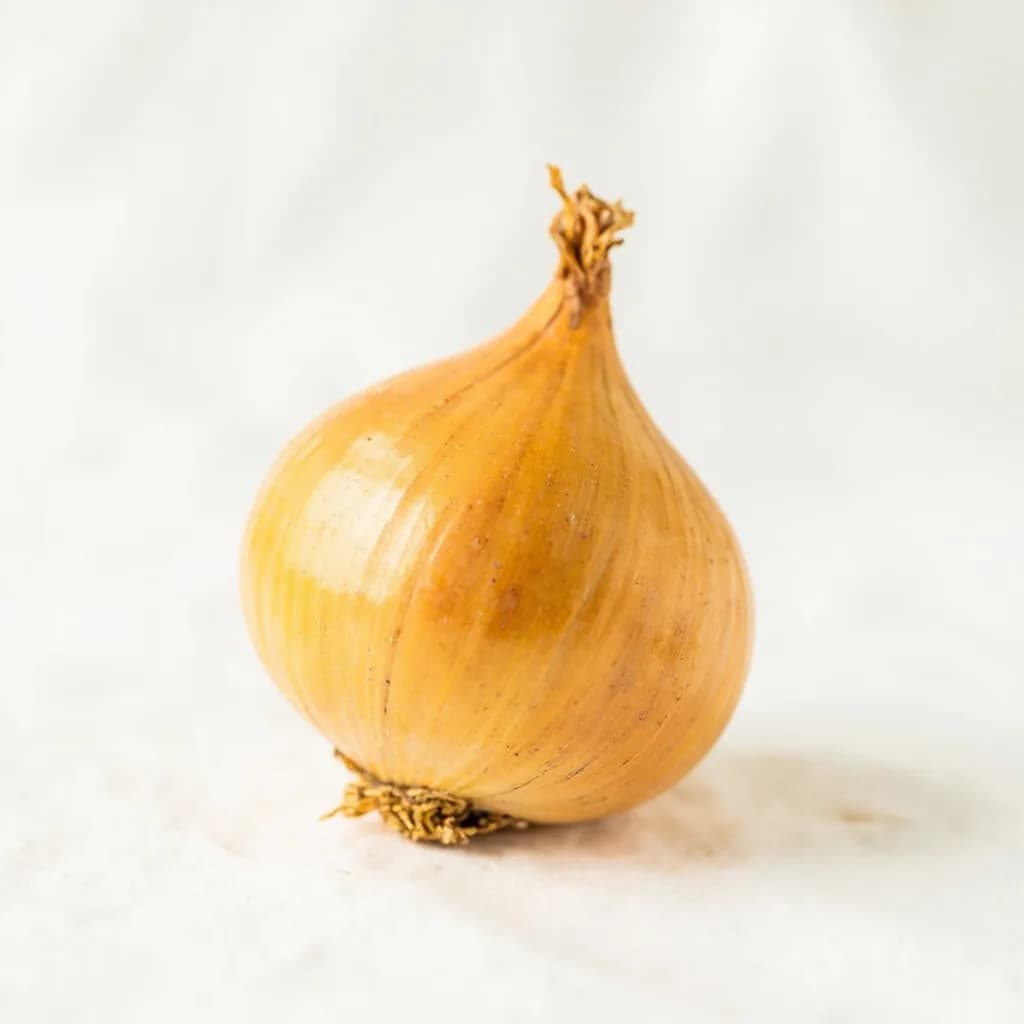
Yellow Onion
The aromatic backbone of soups, sofritos, and braises
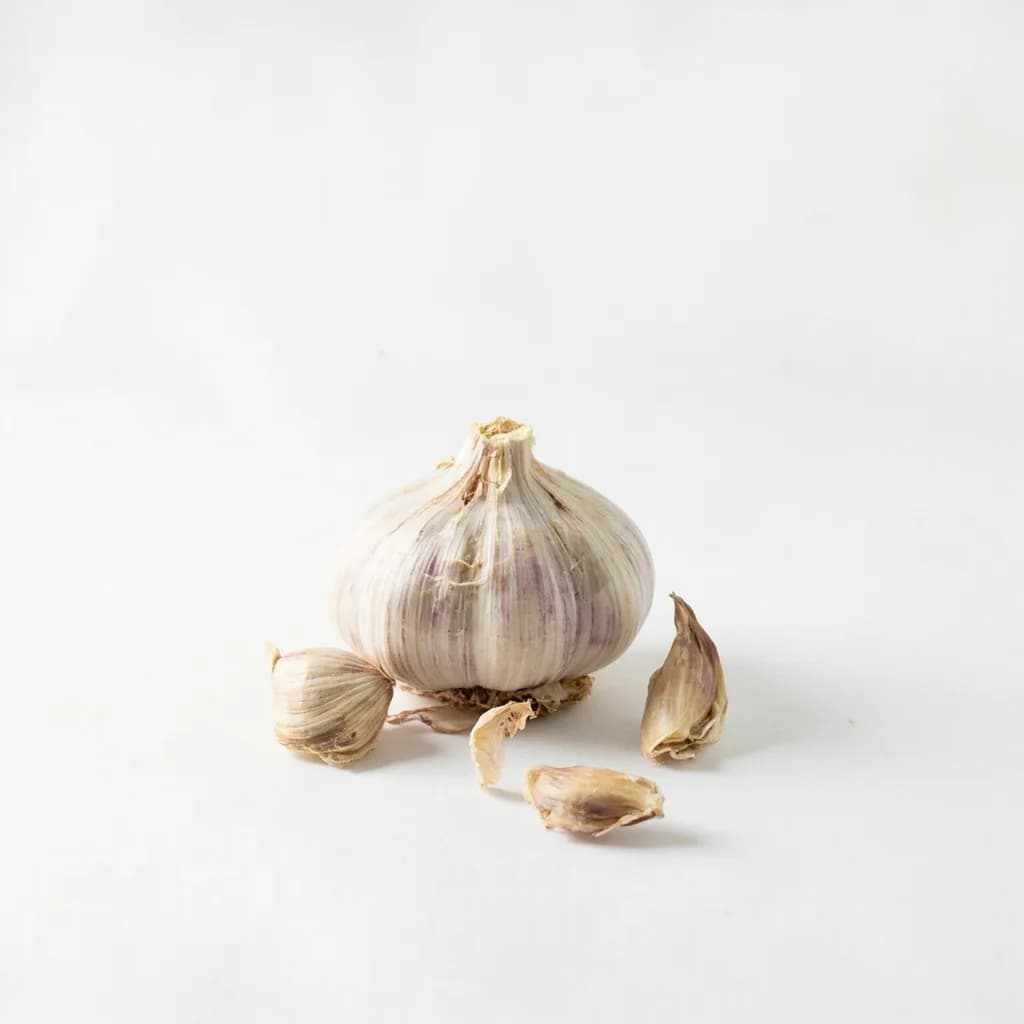
Garlic
Pungent cloves that perfume nearly every savory dish
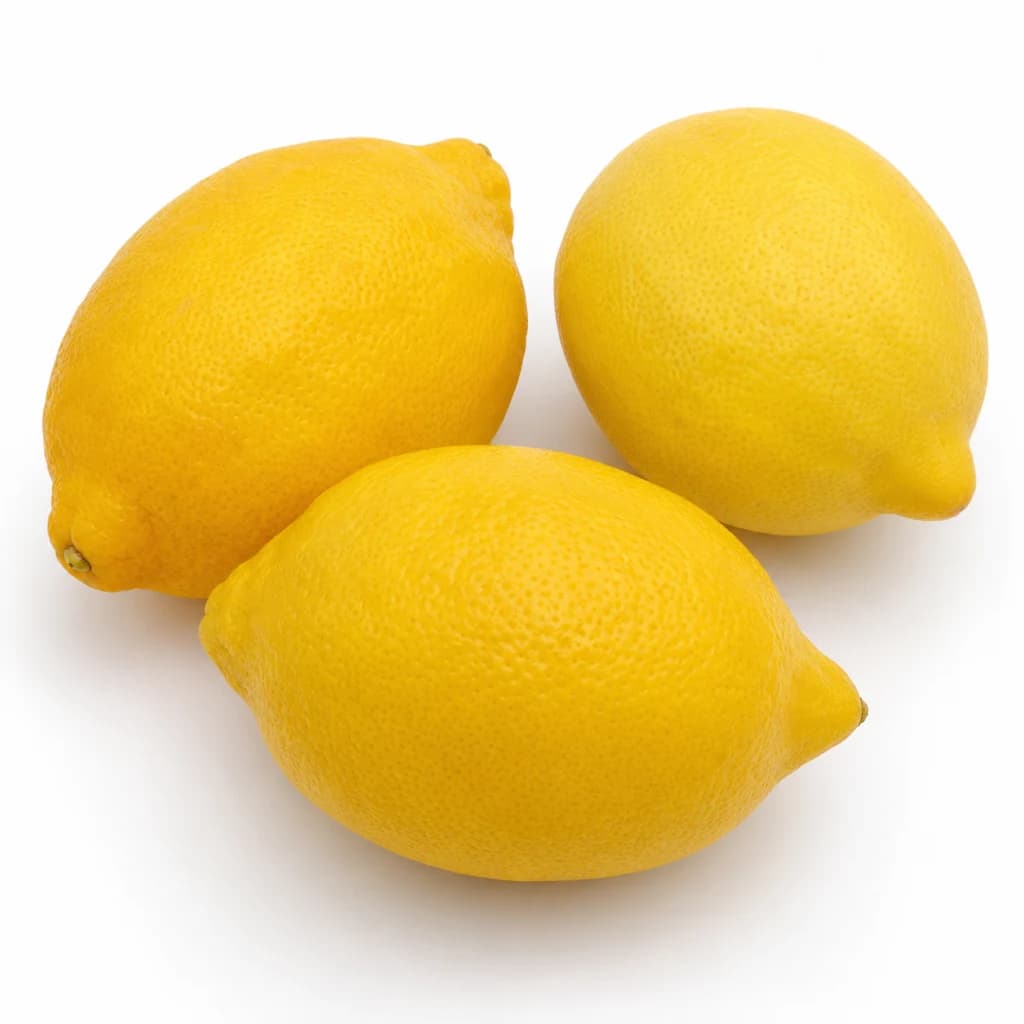
Lemon
Bright, acidic citrus that wakes up almost any dish
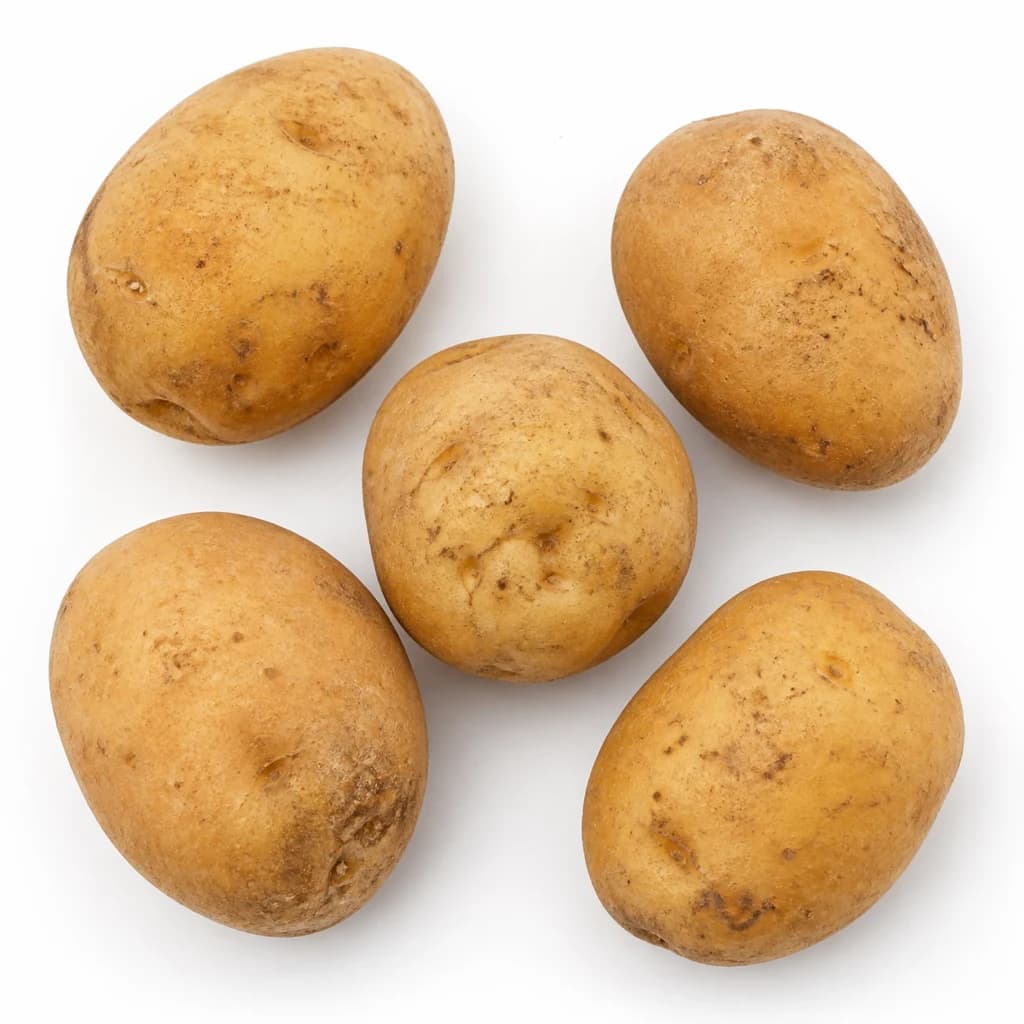
Potato
Humble, hearty staple — roast, mash, fry, or boil
Carrot
Sweet, crunchy root — raw, roasted, or the base of a sofrito
Cucumber
Cool, crisp, and watery — for salads, pickles, and tzatziki

Lettuce
Crisp leaves for salads, wraps, and a fresh crunch