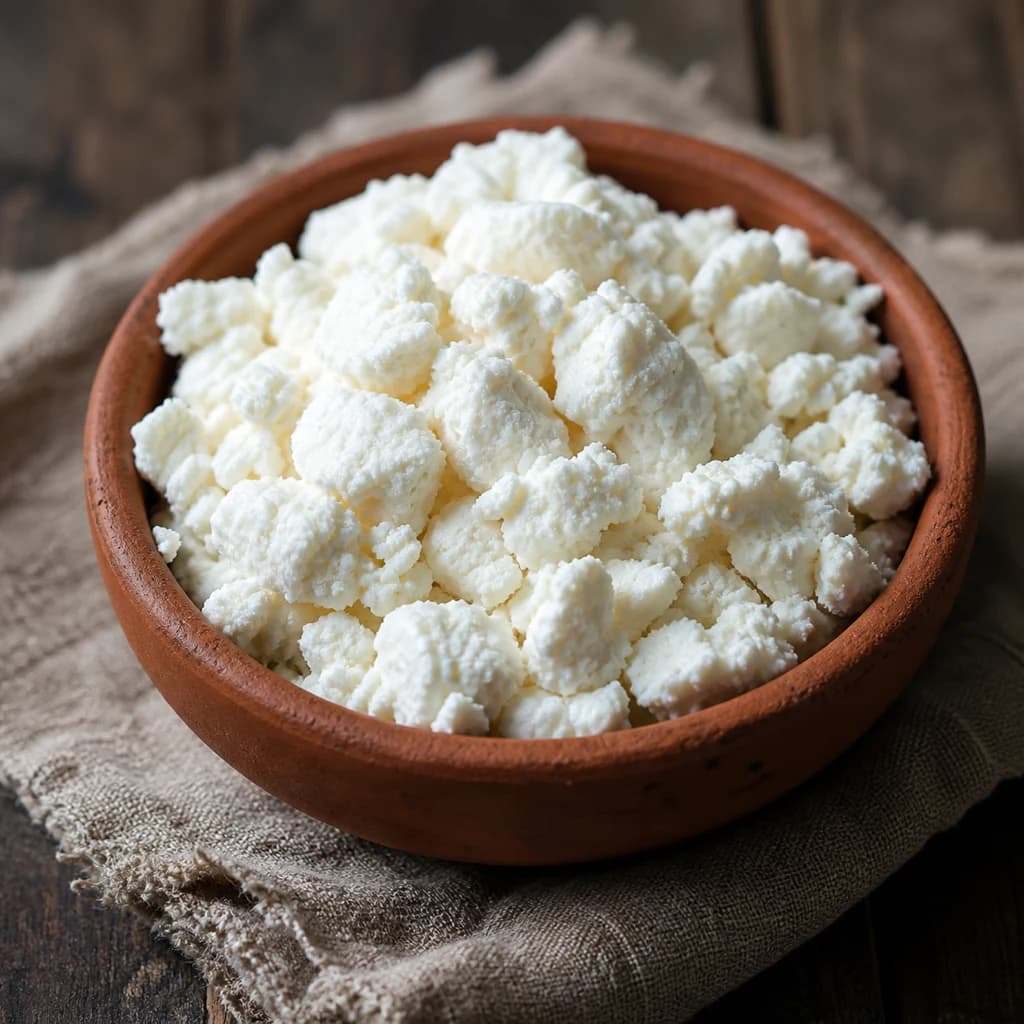
Natural form
Freshly drained ayib piled in a clay bowl, showing its crumbly white texture.
Shows the cheese in its typical serving state — the core form a reader needs to recognize it.
Dairy & Eggs
Ayib (Ethiopian Cottage Cheese)
Mild, crumbly Ethiopian fresh cheese that cools spicy stews and injera.
Ayib is a mild, crumbly Ethiopian fresh cheese, similar to dry cottage cheese, made by curdling soured milk and draining the whey. It has a soft, slightly grainy texture and a fresh, milky flavor. It is served alongside spicy stews (wat) and gomen to balance the heat, often scooped up with injera.
Ayib is a fresh, unaged acid-coagulated cheese that forms the backbone of Ethiopian dairy tradition. Made primarily from cow's milk (occasionally goat's milk), it is produced by heating milk to 85–90°C and then introducing an acidulant—traditionally lemon juice, lime juice, or leftover whey from previous batches. The resulting curds are strained through cheesecloth for two to four hours, yielding a white, crumbly, soft cheese with high moisture content. Its flavor is mild and slightly tangy with clean lactic notes, providing a neutral base that readily absorbs seasonings. Unlike aged cheeses, ayib is meant to be eaten within days of making it; the high moisture content and absence of aging mean it spoils rapidly, typically within three to five days refrigerated. In Ethiopian cuisine, ayib occupies a unique structural role: it is the cooling counterbalance to the fierce heat of berbere-spiced stews, the neutral canvas that lets fiery dishes shine without overwhelming the palate. The word 'ayib' simply means 'cheese' in Amharic—there is no separate word for aged cheese in traditional Ethiopian cuisine, because aged cheese has never been part of the culinary culture. Nearly every Ethiopian meal includes ayib, whether dolloped into hot wat at the table, spread on injera as a base layer, or seasoned with mitmita as a table condiment. In Ethiopian homes, ayib is rarely purchased; it is made fresh, often in small batches prepared daily for each meal, using milk sourced from local markets.
- Measured in
- g
- Storage
- Fridge
Allergens
Types & varieties
Unsalted or lightly salted; the most common form, serving as a neutral cooling element on the platter
Mixed with berbere spice blend; takes on a reddish tint and delivers gentle heat
Ayib prepared as a mild stew with berbere; served as a side dish or spread
Fresh ayib mixed with chopped chives, parsley, or green onions; often called ayib qima
Ayib seasoned with mitmita (pulverized bird's eye chili blend); a common tabletop condiment
Ayib vs. Other Ethiopian Dairy
Ayib is distinct from the fermented and cultured dairy products that also appear in Ethiopian cuisine. Argash is a traditional yogurt, thicker and more tart than commercial varieties, while ibe is clotted cream with a rich, concentrated fat content. These products serve different culinary purposes—argash is eaten as a side or used in drinks, while ibe is often dolloped onto stews or eaten with bread. Ayib, by contrast, is always fresh and neutral, designed to absorb rather than impose flavor. While some preparation methods resemble paneer-making, ayib typically uses less acid and produces a softer, more crumbly curd than paneer, which is pressed and holds its shape more firmly.
- Ayib: fresh, neutral, cooling; eaten within days of making
- Argash: fermented yogurt, tart and thick; used as side or drink base
- Ibe: clotted cream, high fat, rich; dolloped onto dishes as enrichment
- Unlike paneer, ayib is never pressed dry; it retains moisture for its cooling function
Ayib in the Modern Kitchen
Urban Ethiopian restaurants have introduced ayib beyond its traditional contexts. The most notable adaptation is serving ayib with honey and bread as an appetizer—a sweet-savory combination not found in traditional home cooking. This modern pairing leverages ayib's neutral, absorbent character to carry both the honey's sweetness and the bread's starchiness. When using ayib in non-Ethiopian contexts, think of it as a fresh, cooling element that can temper spicy dishes, provide moisture and tang to salads, or serve as a soft, crumbly topping for soups and grain bowls. Its mildness means it plays well with bold flavors—citrus, herbs, chili, and honey all transform it easily.
- Appetizer: ayib drizzled with honey, served with flatbread
- Salad: ayib as a crumbled cheese substitute in grain bowls
- International cooling agent: dolloped onto curries, chilis, or soups
- Absorbent base: mixed with any bold seasoning to create spreads
Common uses
Tips & pitfalls
- Make fresh ayib at home by heating whole milk to 85–90°C, adding 2 tbsp lemon juice per liter, stirring gently, then straining through cheesecloth for 2–4 hours; do not over-strain or it becomes dry and chalky
- Never cook ayib for extended periods—high heat breaks down the curds into a grainy, watery mess; add it only in the final moments of cooking or serve it raw
- Store ayib in a clean, airtight container with a slight film of salted whey on top to extend freshness by 1–2 days; the whey creates a protective barrier against spoilage
- If buying commercial cottage cheese as a substitute, drain it well in a sieve lined with cheesecloth for 30 minutes to achieve a closer texture and remove excess moisture
- Season ayib just before serving—salt draws out moisture and dilutes the mild flavor if left too long, leaving you with a watery, less appealing product
- Ethiopian households make ayib in small batches fresh for each meal rather than storing it; plan accordingly when cooking Ethiopian food and treat it as a same-day ingredient
- For ayib keye, sauté onions in niter kibbeh, add berbere and a small amount of water, simmer briefly, then fold in fresh ayib off the heat—never boil after adding the cheese or the curds will disintegrate
- Traditional ayib is unsalted; adding salt is a modern shortcut; if using salt, use sparingly (about ¼ tsp per 500g) and fold it in just before serving
Nutrition
Energy
397 kJ · per 100 g
Where the calories come from
Protein
10.9g
22% DV
Carbs
3g
1% DV
Fat
4.2g
5% DV
Fiber
0.1g
0% DV
Sugars
0.4g
of which
Sodium
403mg
18% DV
Source · USDA FoodData Central · approx. Cheese, cottage, with vegetables
View on FDC →In the shops
Matched grocery products
No matched grocery products for Ayib (Ethiopian Cottage Cheese) yet.
Good to know
- Origin
- Ethiopia, East Africa; fundamental to Ethiopian cuisine for centuries
- Primary Milk
- Cow's milk; occasionally goat's milk
- Cheese Type
- Fresh, unaged acid-coagulated cheese; similar to cottage cheese or ricotta
- Color
- White
- Texture
- Crumbly, soft curds; moist but not wet
- Flavor
- Mild, slightly tangy; clean lactic notes; neutral base that absorbs seasonings
- Fat Content
- Typically 2–5% (low-fat when made from skim or semi-skim milk)
- Shelf Life
- 3–5 days refrigerated; spoils rapidly due to high moisture and no aging
- Traditional Coagulant
- Lemon juice, lime juice, or leftover whey from previous batches
- Serving Temperature
- Room temperature or slightly chilled; not cooked for extended periods
- Cultural Role
- Served at almost every Ethiopian meal; considered a cooling contrast to fiery stews
Substitutes
- Ricotta — Closest commercial substitute; similar mild flavor and crumbly-moist texture; drain excess whey before using
- Cottage Cheese (small-curd) — Nearly identical texture and mild flavor; rinse briefly if too salty for a cleaner taste
- Paneer (unseasoned) — Comparable crumbly texture and neutral flavor; press firmly to remove excess moisture before using
- Fresh Farmer's Cheese — American-style farmer's cheese has similar mild tang and moisture level; crumbles well
- Mascarpone — Too rich and smooth, but works in a pinch for cooling hot dishes; lacks the crumbly texture
Pairs with
Also called
Ethiopian Cottage Cheese
Appears in these dishes
Related

Whole Milk
Rich, full-fat milk for drinking, coffee, sauces, and baking
Butter
Golden fat for searing, baking, and finishing a sauce
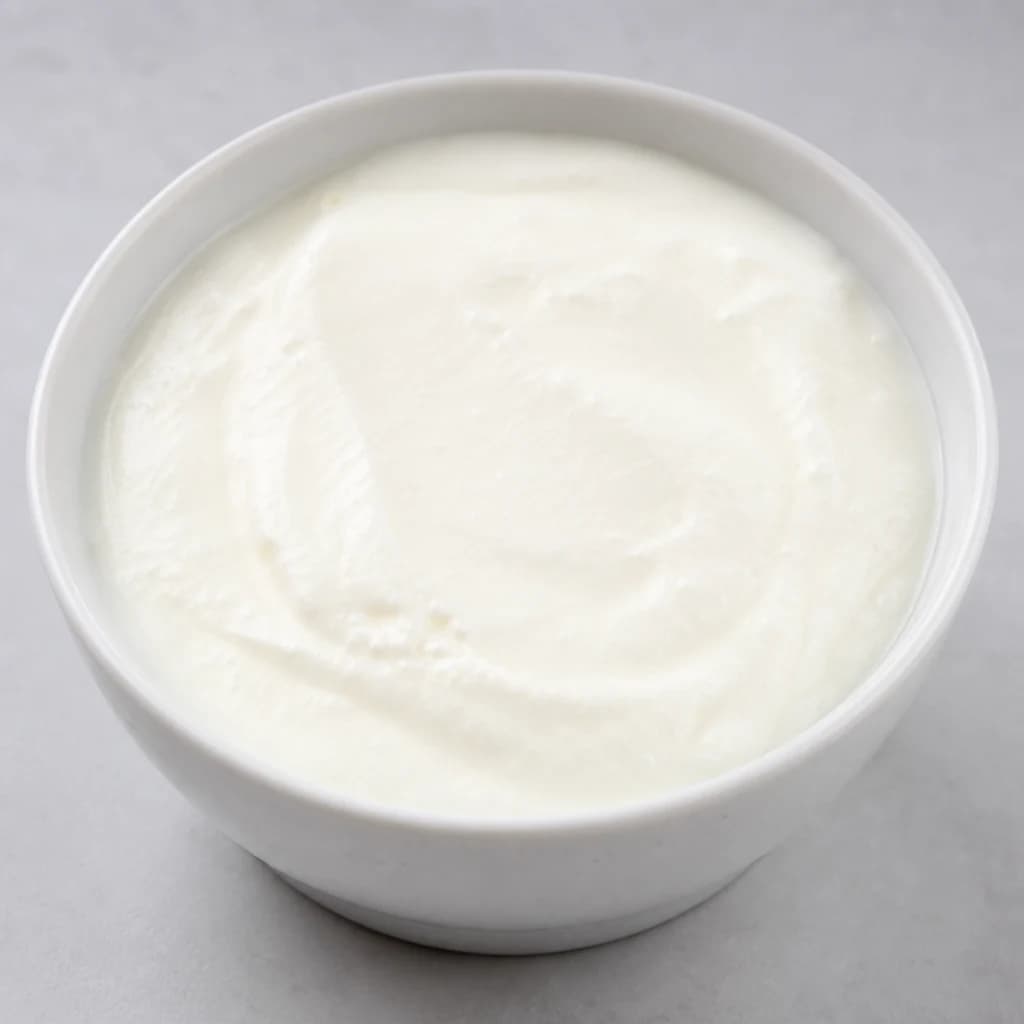
Yogurt
Tangy, creamy culture for breakfast, sauces, and marinades
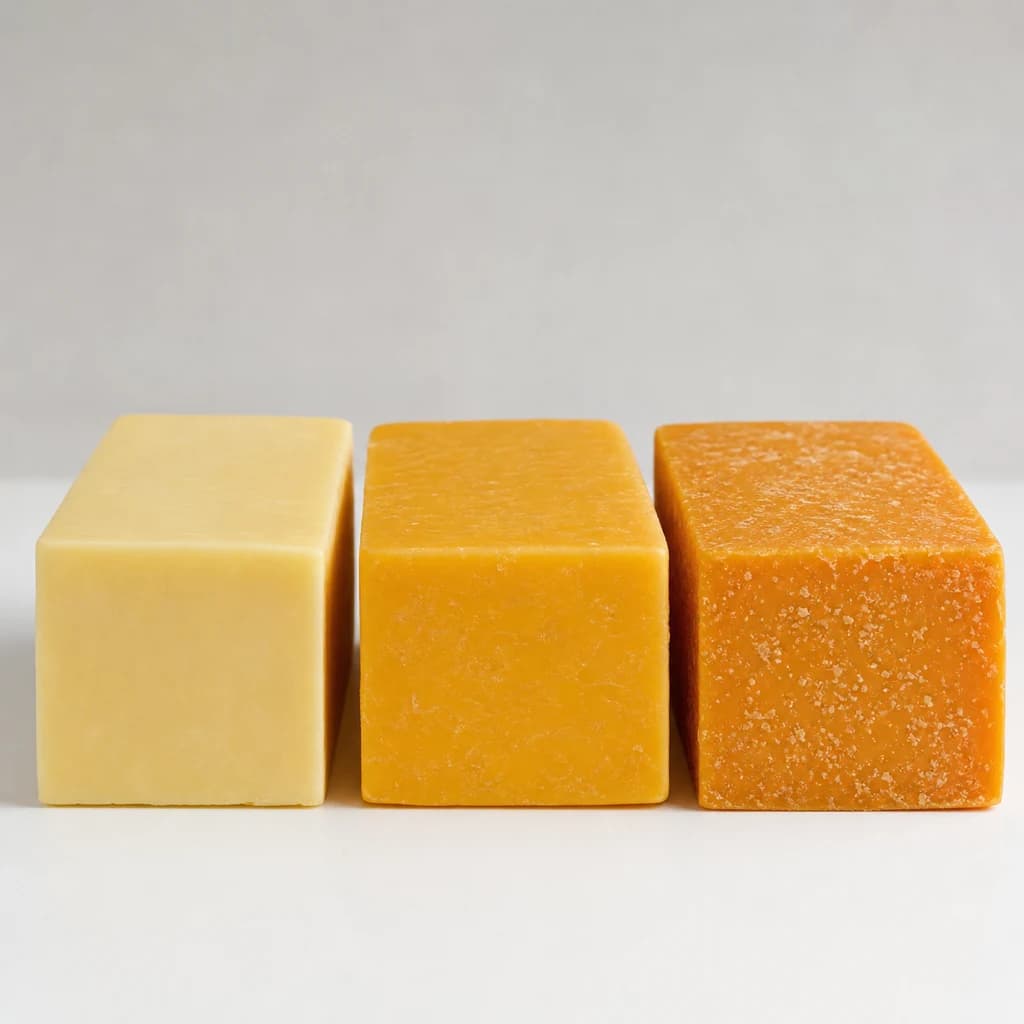
Cheddar Cheese
Sharp, melty cheese for sandwiches, gratins, and grating
Skim Milk
Fat-free milk for lighter drinking, coffee, and cooking
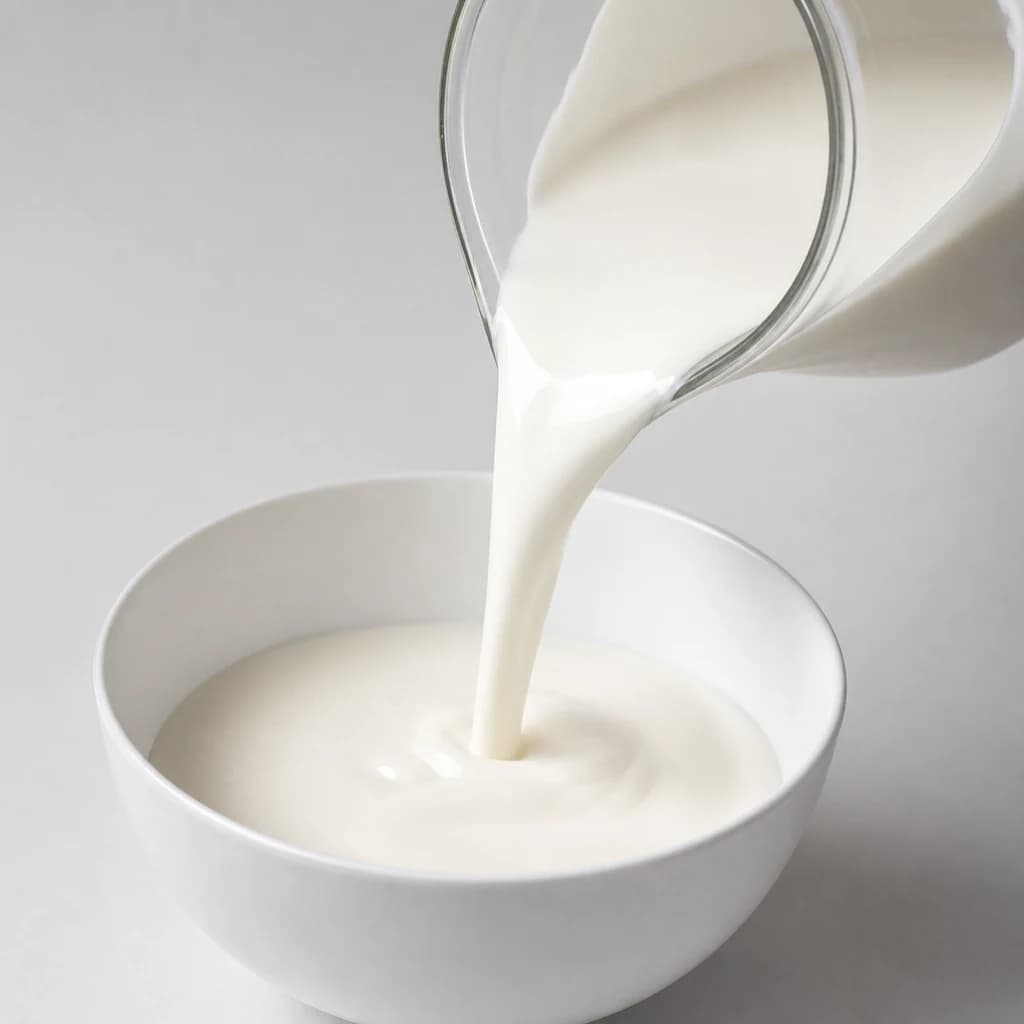
Heavy Cream
Rich cream that whips, enriches sauces, and sets ganache

Sour Cream
Tangy, thick cream for dolloping, baking, and dips
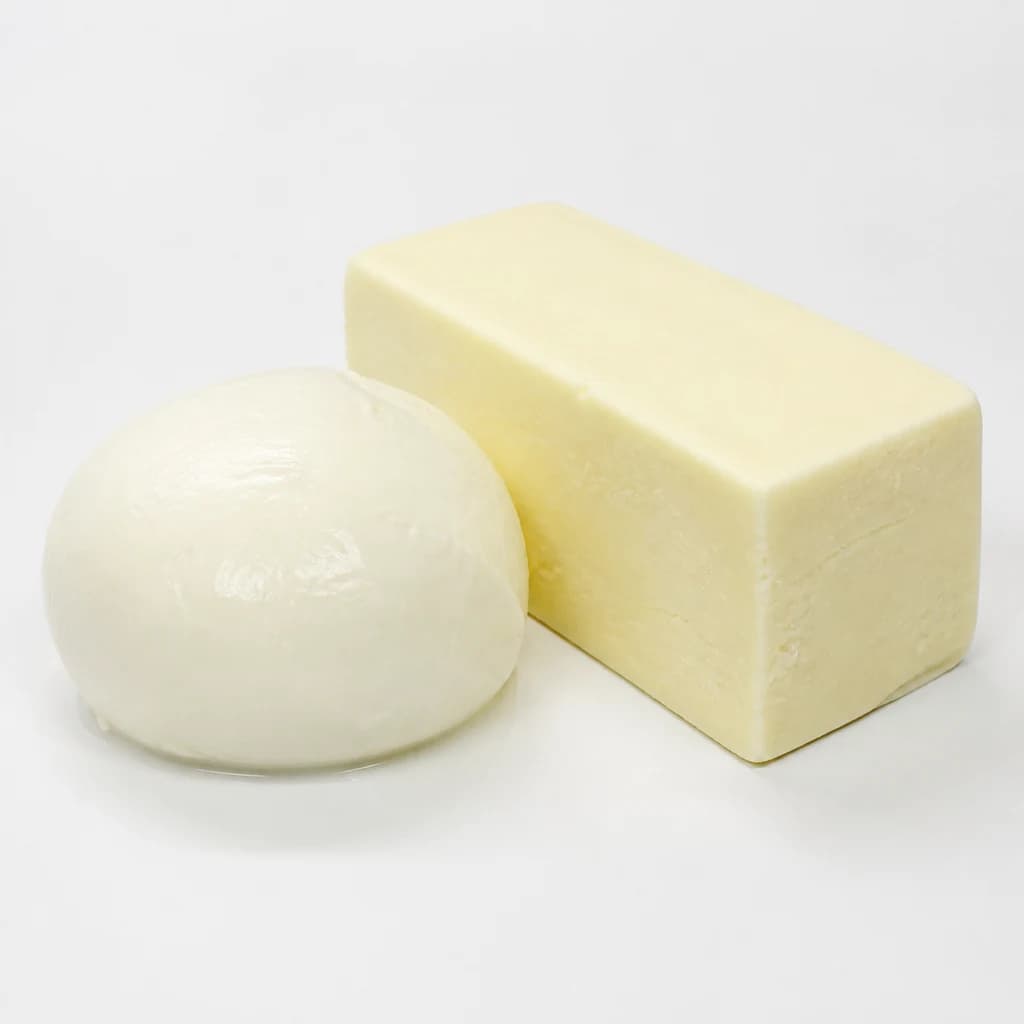
Mozzarella
Soft, milky cheese that melts into stretchy pizza pulls