Proteins
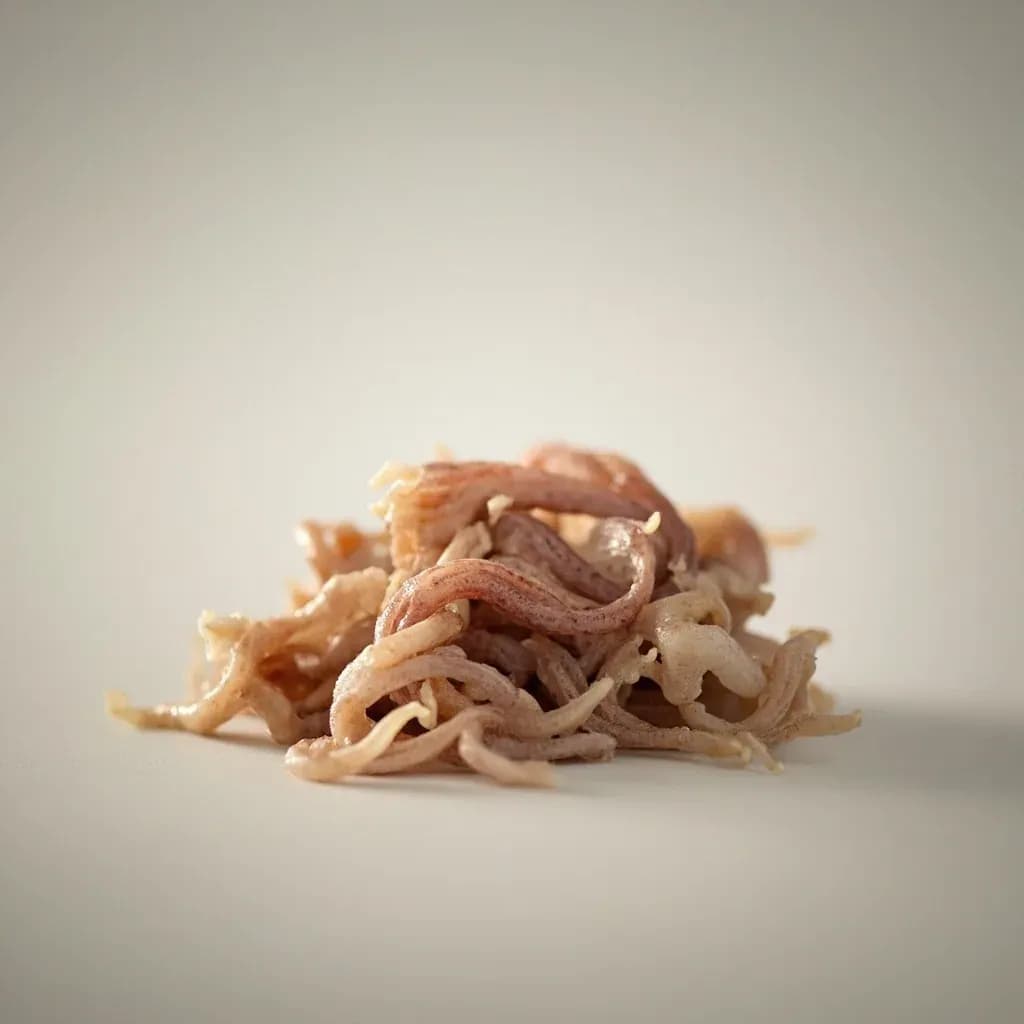
Baby Squid (Chipirones)
Tiny tender squid, often flash-fried whole or grilled — a staple of Spanish tapas.
Baby squid are very small, immature squid prized for their tenderness and sweet, briny flavor. In Spanish cooking they are flash-fried whole (chipirones a la plancha) or quickly sautéed in garlic and olive oil, and they cook in seconds to avoid turning rubbery. Their small size means they need almost no cleaning beyond removing the quill.
Baby squid (chipirones) are the juvenile form of various squid species, harvested before reaching 10 cm mantle length. Their significance lies in exceptional tenderness — the entire squid, mantle and tentacles, is edible with virtually no waste, and their small size means less cleaning work than their mature counterparts. Unlike larger cephalopods, baby squid cook in under two minutes, though this requires attention rather than complacency. Their delicate, sweet-briny flavor takes readily to bold partners like garlic, lemon, and olive oil, which anchors so many iconic Mediterranean and Atlantic preparations. The honest truth about baby squid: freezing is your friend. Flash-freezing on the boat breaks down collagen in the tentacles, rendering them tender rather than rubbery — frozen baby squid are often preferable to so-called fresh squid that has spent days degrading in transit. The cleaning is the real skill to develop; once cleaned, the cooking is almost insultingly simple.
- Measured in
- g
- Storage
- Fridge
Allergens
Types & varieties
Loligo vulgaris; the classic Spanish tapas squid, 4–8 cm; the benchmark for tenderness. Caught in Atlantic and Mediterranean waters.
Doryteuthis opalescens; common in North American markets. Slightly smaller, mild-flavored, widely available frozen.
Sepia officinalis; not true squid but used interchangeably in many preparations. Slightly sweeter, firmer texture.
Often sold as baby squid in South American markets. Larger than chipirón, tends toward a firmer bite.
Cleaning Baby Squid
The cleaning process takes 10–15 minutes per 500 grams but becomes intuitive after the first batch. Twist off the head at the base of the mantle — this removes most of the viscera in one motion. Pull out the translucent quill and discard it. Reach into the mantle with your fingers and scrape out any remaining entrails, then rinse well under cold running water. The final step: locate the small, dark beak at the cluster of tentacles and pinch it out or cut it away with a paring knife. Some cooks remove the eyes at this point, though it's optional if you're flash-cooking.
- Twist off head at mantle base — viscera usually come with it
- Remove the transparent quill
- Rinse mantle inside and out
- Pinch or cut out the beak from the tentacles
- Clean 500 g in 10–15 minutes once you have the motion
The Freezing Question
Always buy frozen unless you have direct access to a morning catch. Squid deteriorate rapidly after harvest — their enzymes work quickly, and without flash-freezing the flesh can become mushy within a day or two. Flash-freezing on the boat preserves that just-caught tenderness. Thaw overnight in the refrigerator or under cold running water. Do not refreeze thawed squid.
- Frozen is often fresher than fresh at inland markets
- Freezing tenderizes tentacles by breaking down collagen
- Thaw in refrigerator overnight or under cold water
- Never refreeze thawed squid
Common uses
Tips & pitfalls
- Always clean them thoroughly: twist off the head, pull out the innards, remove the transparent quill, and push out the beak from the center of the tentacles — rinse well under cold water
- Pat completely dry before cooking: any surface moisture causes steaming rather than searing, which ruins the caramelization and tender texture
- Freeze before cooking if you want to eat the tentacles: freezing breaks down the collagen slightly and makes the tentacles more tender, not rubbery
- Never marinate for more than 20–30 minutes in acid — lemon or lime juice will effectively cook ceviche, but prolonged acid exposure turns the flesh mealy
- Season immediately before cooking, not an hour ahead: salt draws out moisture and will make them steam in the pan instead of sear
- Cook in small batches over highest heat: crowding the pan drops the temperature, causes the squid to release moisture, and produces a tough, gray result rather than a golden sear
- Test one piece first when trying a new batch or preparation: squid size and freshness affect ideal cooking time by 15–30 seconds
- The mantle can be left intact or cut into rings — rings cook faster but are more prone to overcooking; whole mantles are more forgiving
Nutrition
Nutrition
No USDA FoodData Central match for Baby Squid (Chipirones) yet. We surface a per-100 g profile once a generic whole-food entry is matched and verified.
In the shops
Matched grocery products
No matched grocery products for Baby Squid (Chipirones) yet.
Good to know
- Common names
- Chipirón, calamarcito, pequeño calamar, baby squid, squidlet
- Typical size
- 3–10 cm (1–4 inches) mantle length
- Flavor
- Sweet, briny, mildly oceanic — delicate enough to take on marinades without overwhelming
- Texture
- Tender when cooked briefly; turns rubbery and chewy if overcooked
- Peak season
- Spring and early summer in Atlantic/Mediterranean waters; year-round from aquaculture and flash-frozen
- Shelf life
- 1–2 days refrigerated if very fresh; freeze immediately if not using same day
- Freezer storage
- Up to 3 months without significant quality loss — freezing is standard practice
- Yield
- Virtually 100% — entire squid is edible once cleaned; ink sac is also usable
Substitutes
- Cuttlefish (sepia) — Closest substitute in texture and flavor; cuttlefish is slightly sweeter and holds its shape slightly better in long braises. Cook time is nearly identical.
- Large squid, trimmed — Cut the mantle of a large squid into rings or strips to mimic baby squid size; same flavor, slightly longer cooking time required.
- Small octopus tentacles — Completely different texture (firm and dense vs. tender) but works in grilled or fried preparations where squid is called for. Not suitable for quick pan-searing.
Pairs with
Also called
Chipirones · Puntillitas · Baby Calamari
Related
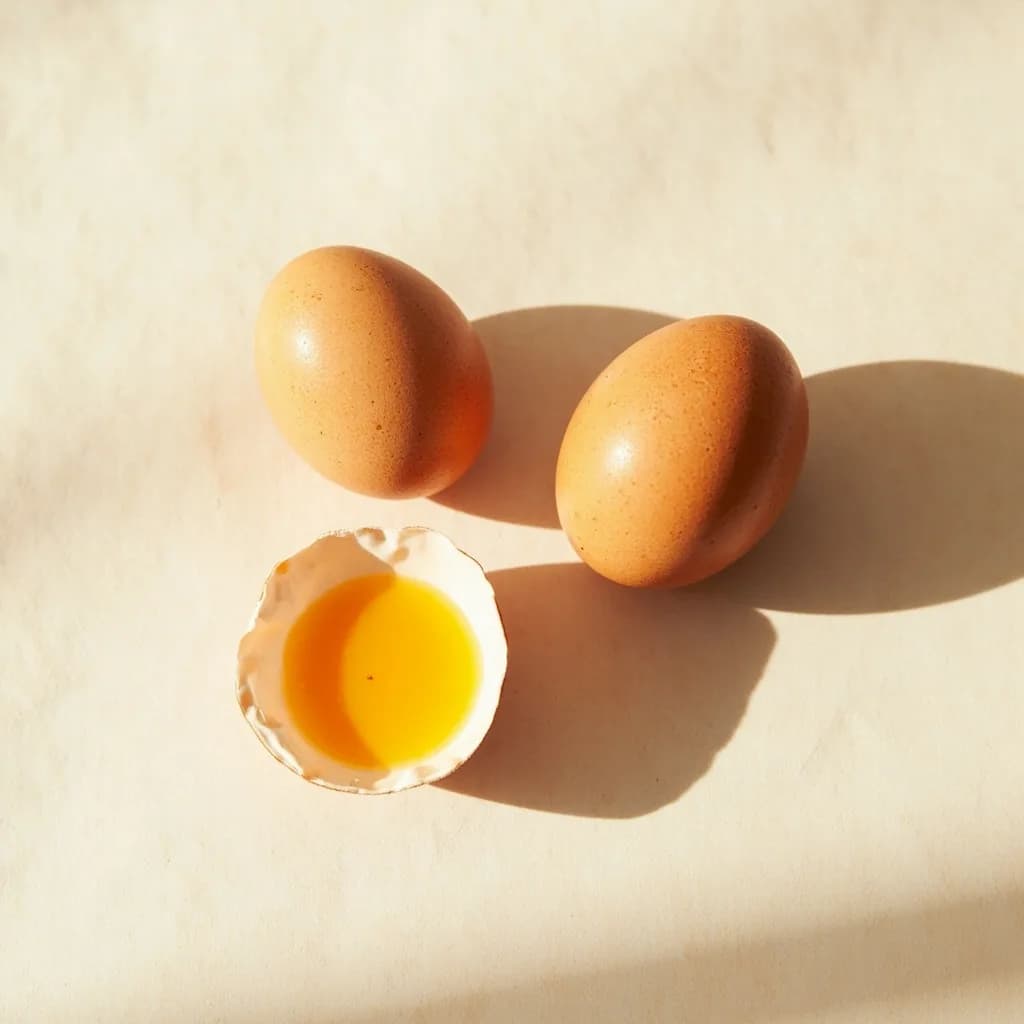
Egg
The kitchen's everything ingredient — bind, leaven, enrich, or fry
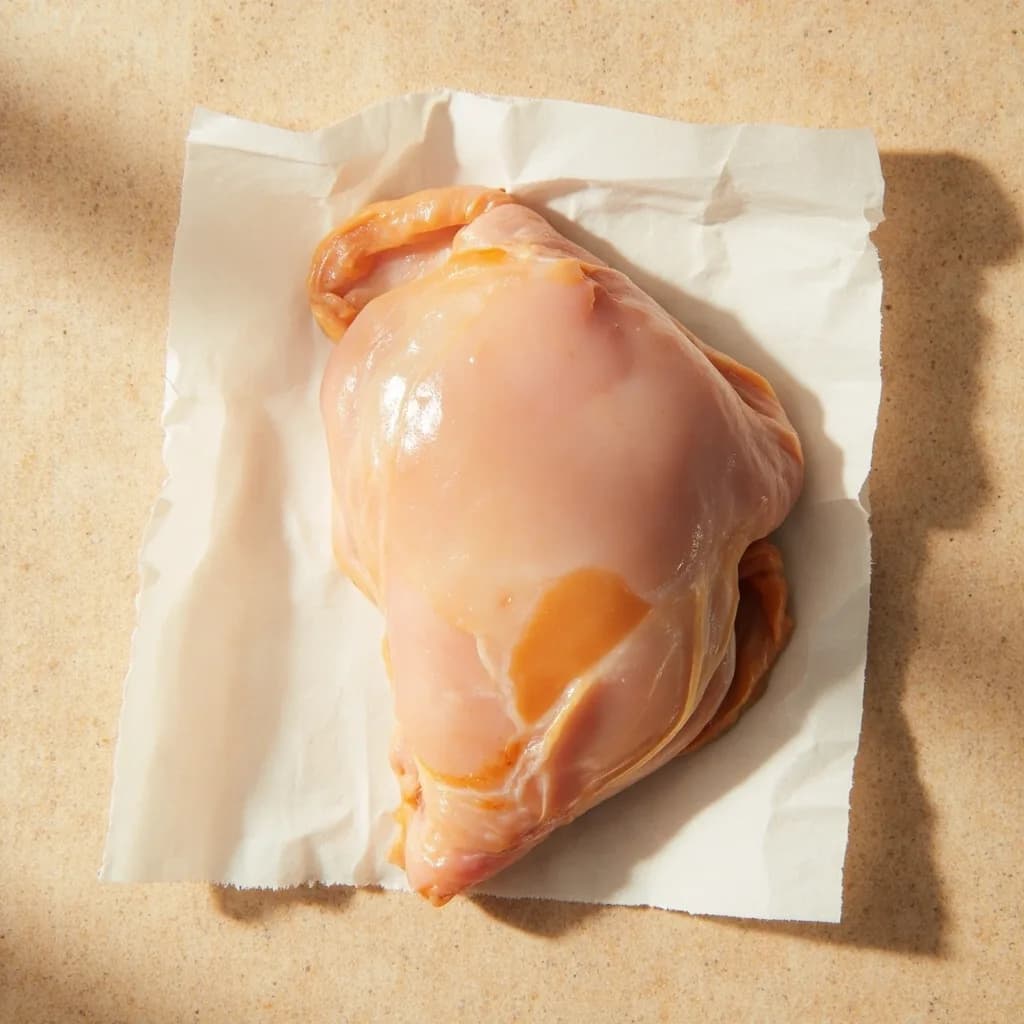
Chicken Breast
Lean, quick-cooking white meat for everyday dinners

Ground Beef
Versatile minced beef for burgers, ragù, tacos, and meatballs
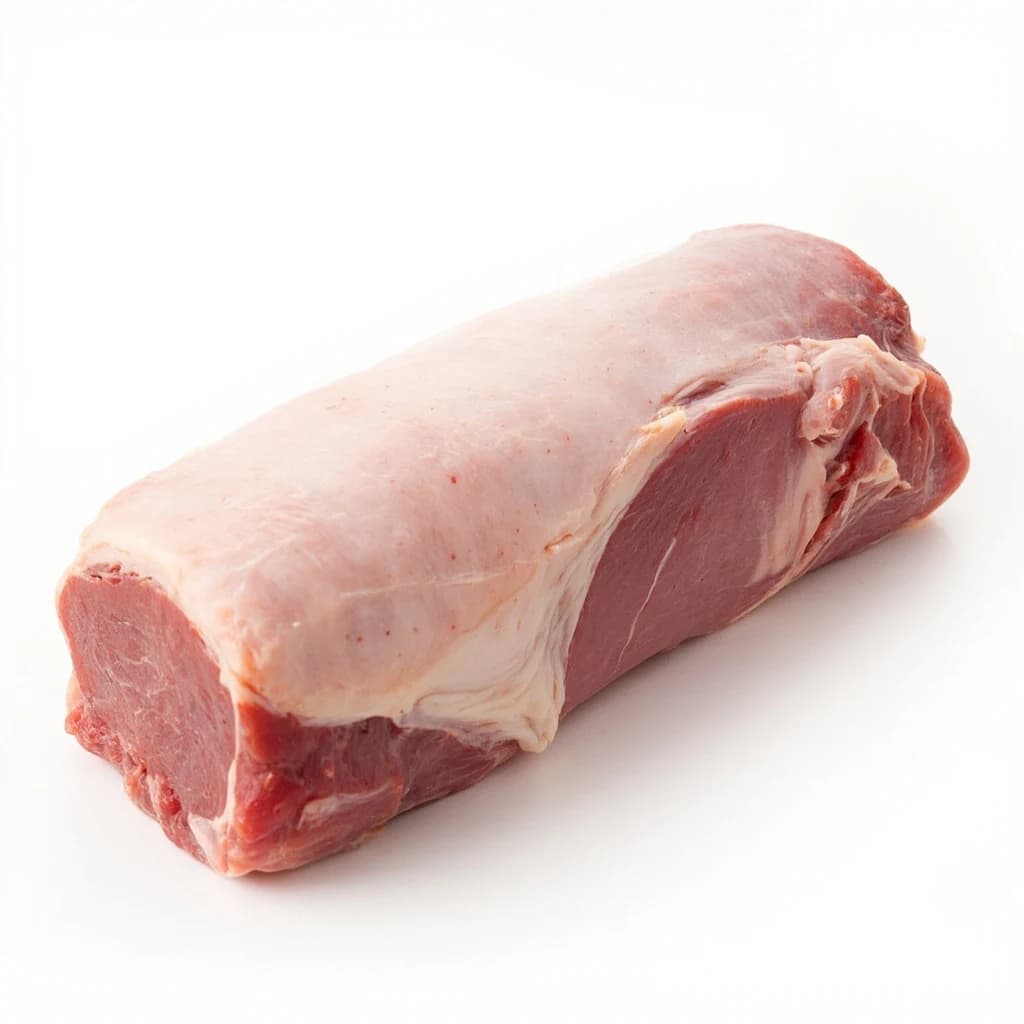
Pork Loin
Lean, tender roasting cut that stays juicy with care
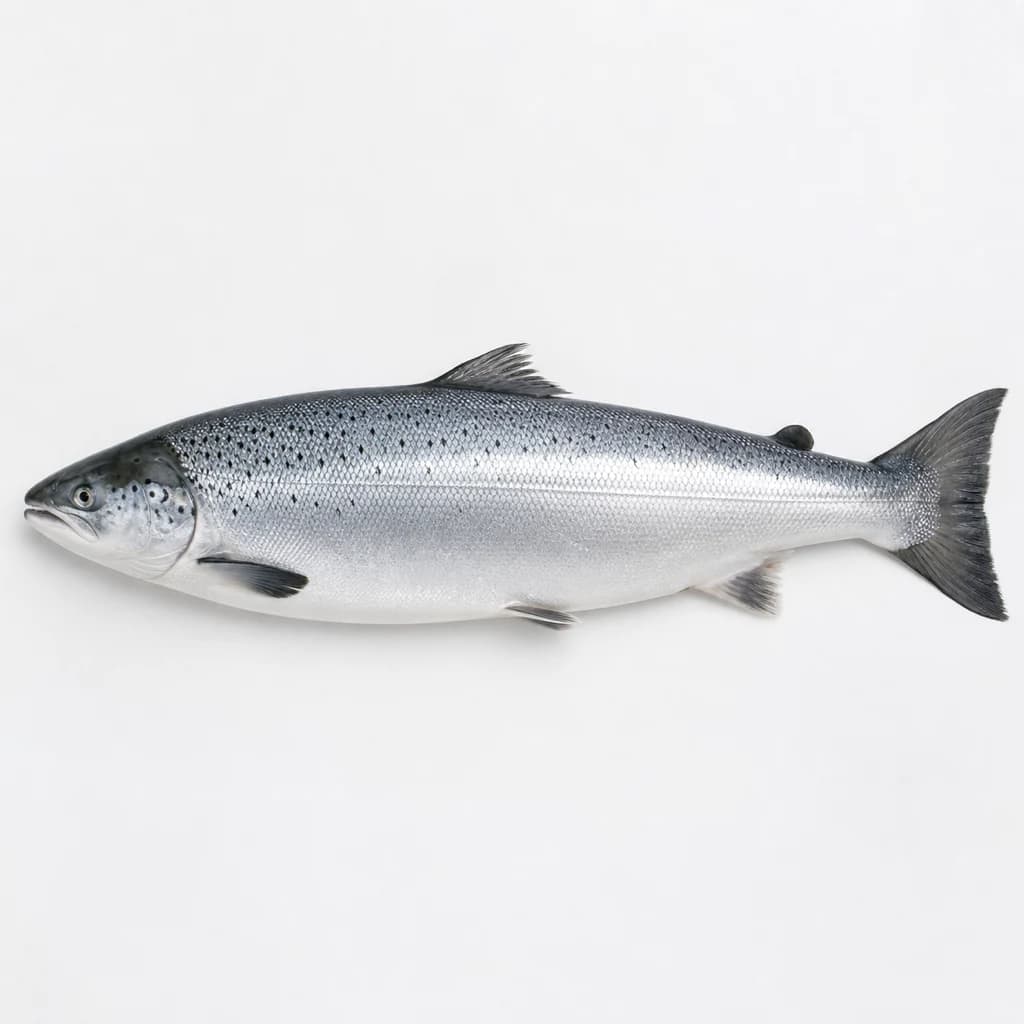
Salmon
Rich, rosy fish that roasts, grills, or cures beautifully

Egg White
Pure protein that whips to airy peaks for meringue and more
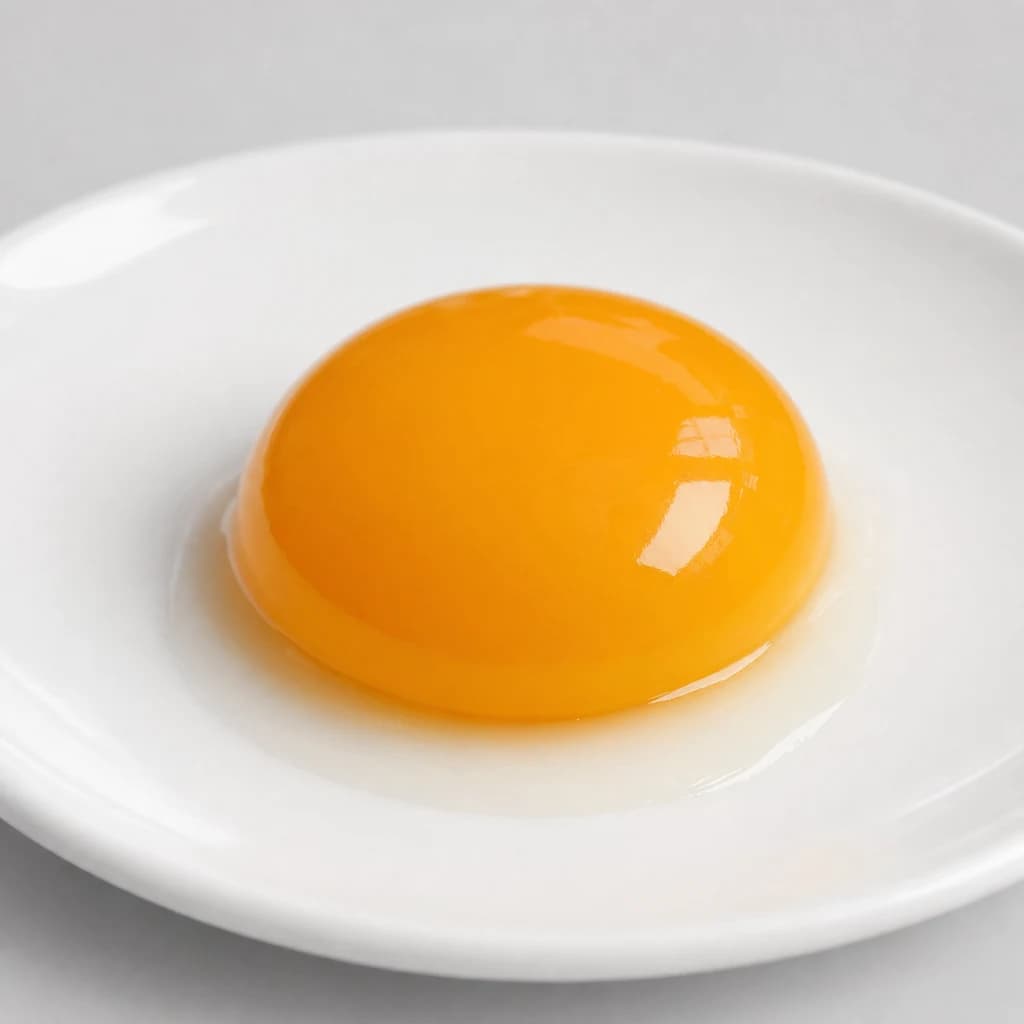
Egg Yolk
Rich, golden yolk for custards, mayonnaise, and pasta

Quail Egg
Tiny, speckled eggs for garnishing and elegant bites