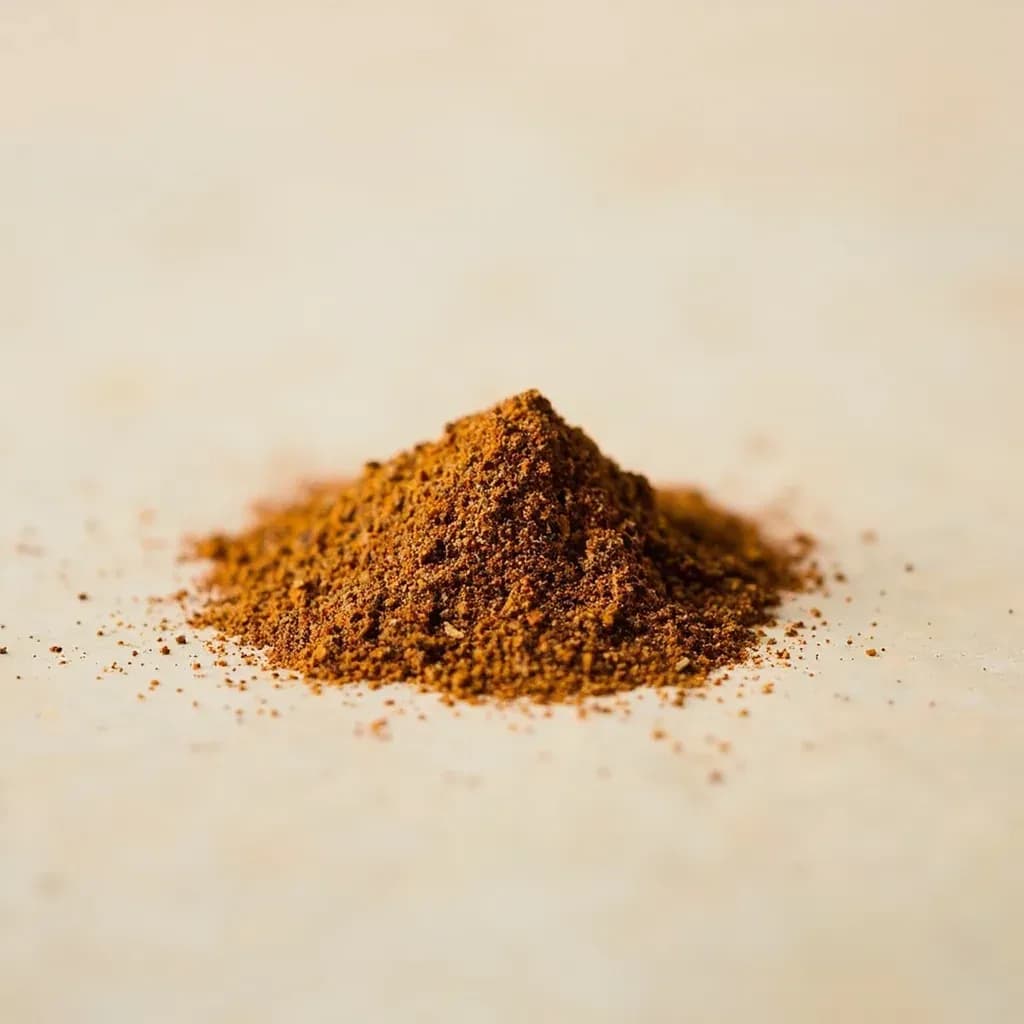
Spices
Baharat Spice Blend
Warm Middle Eastern all-purpose blend of black pepper, allspice, cinnamon and cumin.
Baharat, meaning simply spices in Arabic, is a warm, all-purpose Middle Eastern blend usually combining black pepper, allspice, cinnamon, cloves, cumin and coriander. It seasons meats, rice, soups and stews across the Levant and Gulf, with regional variations. Use it as a rub or stir it into braises for deep, aromatic warmth.
Baharat is a warm, aromatic spice blend from the Arabian Peninsula that serves as the region's everyday all-purpose seasoning—functional rather than ceremonial, used in kitchens rather than reserved for special occasions. The word itself means "spices" in Arabic, and the blend typically centers on black pepper and allspice as constants, with regional variations adding cumin, cinnamon, cardamom, coriander, cloves, and sometimes paprika or dried lime. What distinguishes baharat from similar warm blends like Indian garam masala is its characteristic allspice note and the practice of toasting whole spices before grinding, which deepens and rounds the flavors into something more integrated than simply adding individual spices. The blend is potent—small amounts are sufficient to season a pot of rice, a marinated kebab, or a slow-braised lamb stew—and its versatility across meat, vegetable, and legume dishes reflects the practical, everyday role it plays in Middle Eastern cooking. Regional versions reflect local spice trade history and culinary preferences, with Yemeni baharat being the most distinct due to the influence of Yemen's historic coffee and spice trade routes, which brought turmeric and dried lime into the mix.
- Measured in
- g
- Storage
- Pantry
Types & varieties
Distinct from hawaij; includes turmeric and dried lime peel; used in soups, grilled meats, and bread
Heavy on allspice; used as an all-purpose seasoning; includes cinnamon, cumin, coriander, cloves, nutmeg, black pepper, and paprika
Tends toward sweeter profile; prominent cinnamon and cardamom; common in meat rubs and rice dishes
Regional variations; typically includes dried rose petals or cardamom in coastal areas
Influenced by trade routes; warmer and more complex; sometimes called a ras el hanout cousin
The Allspice Question
Allspice is the defining ingredient that separates baharat from other warm blends. Its flavor suggests a combination of cinnamon, nutmeg, and clove—which is where the name originates—but it is unmistakably its own spice, with a distinctive roundness that unifies the other flavors in the blend. When allspice is absent, as in some commercial versions that skimp on cost, the blend loses its identity. Always check that allspice appears in a commercial baharat's ingredient list.
- Taste the blend before using it—good baharat should have a perceptible allspice roundness
- Grinding allspice fresh with other spices produces noticeably better results than pre-ground
- If allspice is unavailable, you can approximate by combining cinnamon, nutmeg, and a tiny amount of clove, but the result will differ
Common uses
Tips & pitfalls
- Toast whole spices in a dry pan over medium heat until fragrant, about 2-3 minutes, then cool completely before grinding for maximum flavor impact
- Grind your own blend in small batches for brighter, more vibrant results than most commercial versions, which often sit in warehouses for months
- Add baharat to dishes early in cooking, 10-15 minutes before serving, to let the flavors integrate fully rather than sitting on the surface
- Store with a small piece of cinnamon stick or a few cardamom pods to absorb excess moisture and extend shelf life
- When substituting, remember that baharat is warmer and less hot than chili-based blends; adjust other seasonings accordingly
- Use sparingly at first—the blend is potent and can overwhelm delicate proteins like fish; a teaspoon per pound is usually sufficient
- Commercial versions vary dramatically in quality and ratio; always smell and taste before using and adjust seasoning as needed
- Do not confuse Yemeni hawaij with Yemeni baharat—they are different spice blends with distinct profiles; hawaij is used in soups, for coffee, and with grilled meats
Nutrition
Energy
1301 kJ · per 100 g
Where the calories come from
Protein
10.8g
22% DV
Carbs
68.5g
25% DV
Fat
6.7g
9% DV
Fiber
28g
100% DV
Sodium
18mg
1% DV
Source · USDA FoodData Central · approx. Spices, cardamom
View on FDC →In the shops
Matched grocery products
No matched grocery products for Baharat Spice Blend yet.
Good to know
- Origin
- Arabian Peninsula, used throughout the Middle East; Yemeni and Lebanese varieties are most documented
- Meaning
- Arabic word for "spices"
- Core Ingredients
- Black pepper, allspice, cinnamon, cumin, cardamom, coriander; cloves and nutmeg common; paprika or dried lime in some versions
- Flavor Profile
- Warm, slightly sweet, aromatic with mild heat; allspice provides the signature note
- Form
- Ground fine powder, typically from toasted whole spices
- Shelf Life
- 6 months sealed, up to 1 year in optimal cool, dark storage
- Storage
- Airtight container away from heat and light; cool, dark pantry is sufficient for ground blend
Substitutes
- Garam Masala — Indian blend; shares warmth and complexity but lacks allspice; different cultural association and flavor identity
- Lebanese 7-Spice — Nearly identical ingredient list with heavier allspice emphasis; makes an acceptable substitute
- Chinese Five Spice — Similar warm profile but lacks the peppery heat; includes star anise and fennel which create a distinctly different flavor
- Ras el Hanout — North African blend; warmer and more complex with floral notes; acceptable substitute in tagines and grain dishes
Pairs with
Also called
mixed-spice · bharat-mixed-spice · bharat
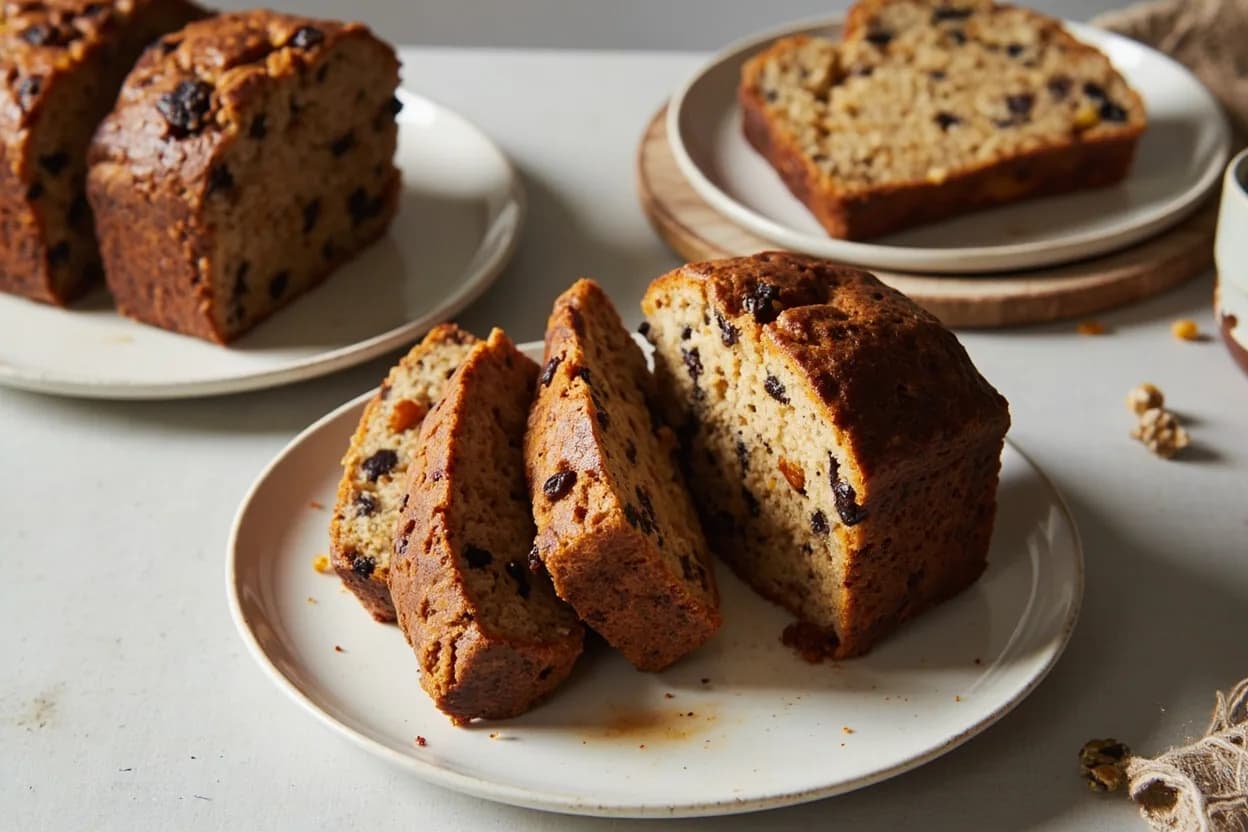
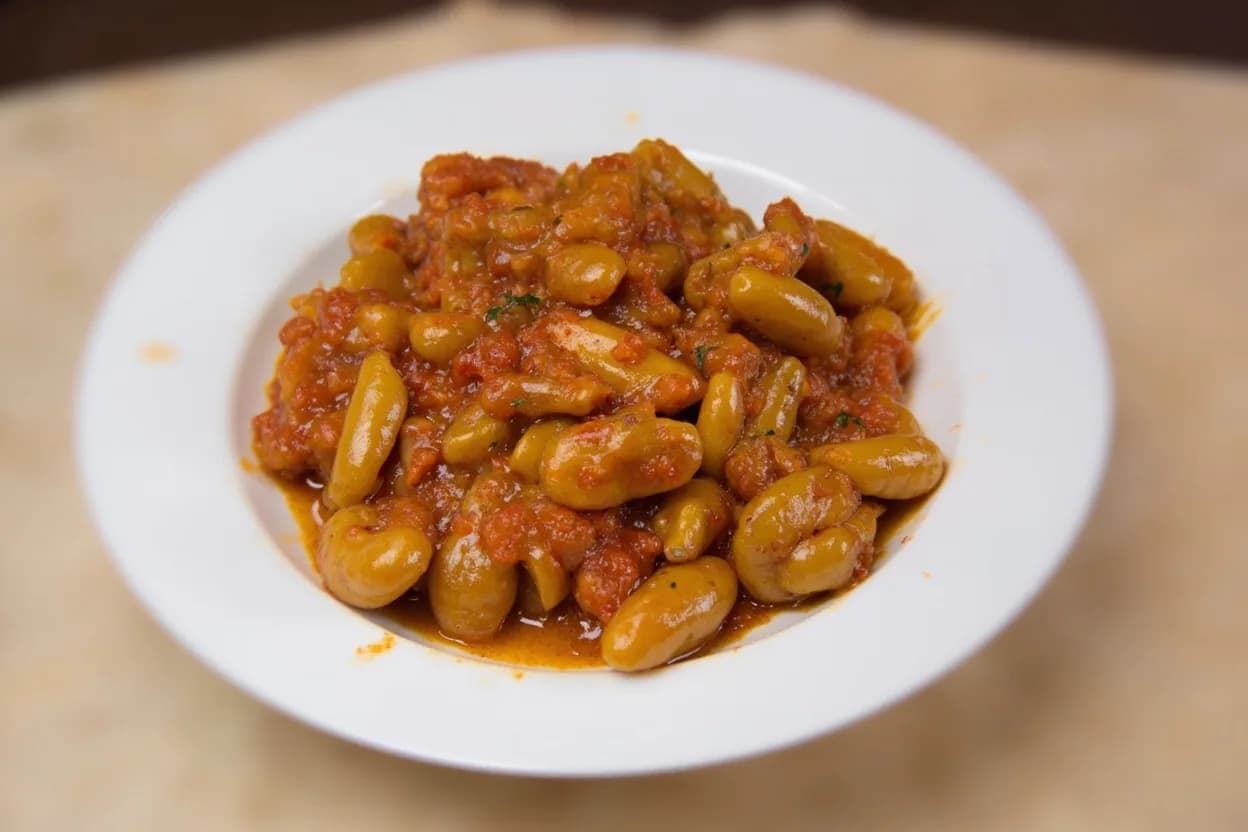
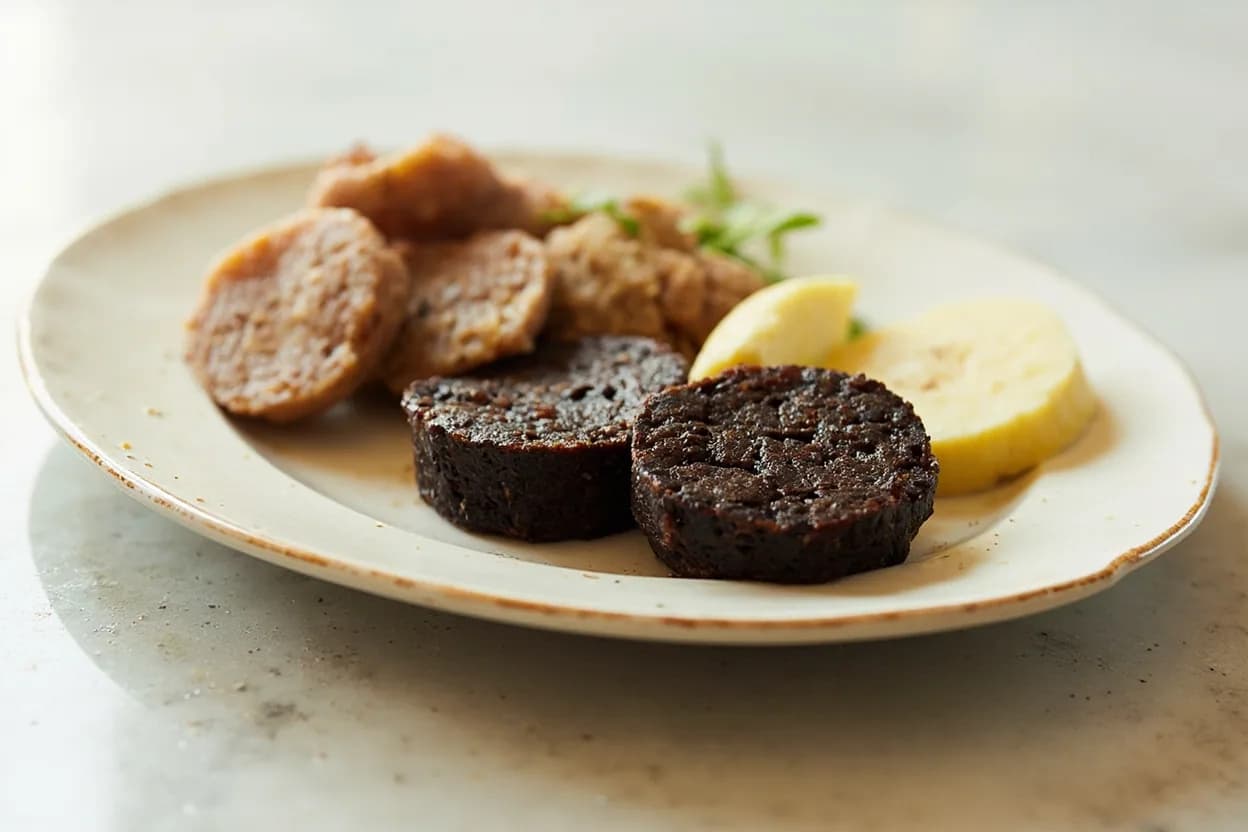
Appears in these dishes
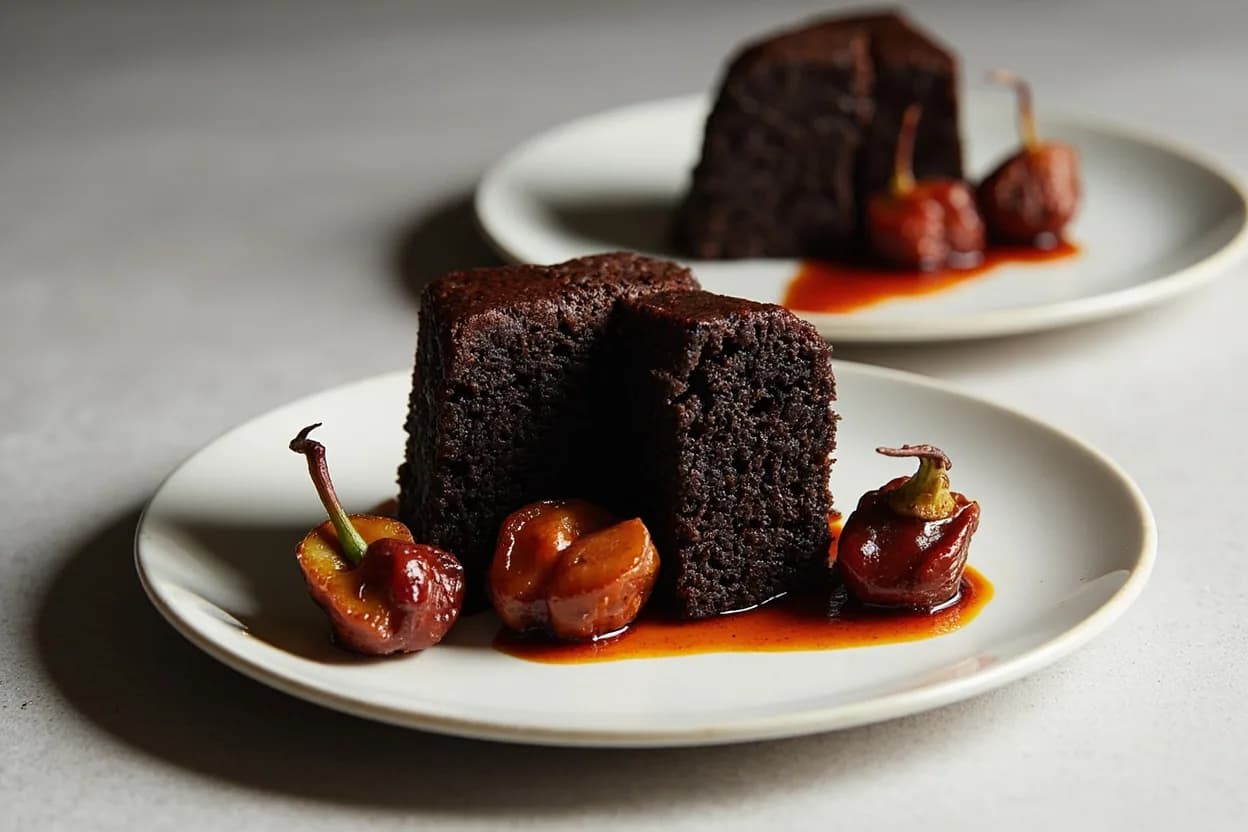
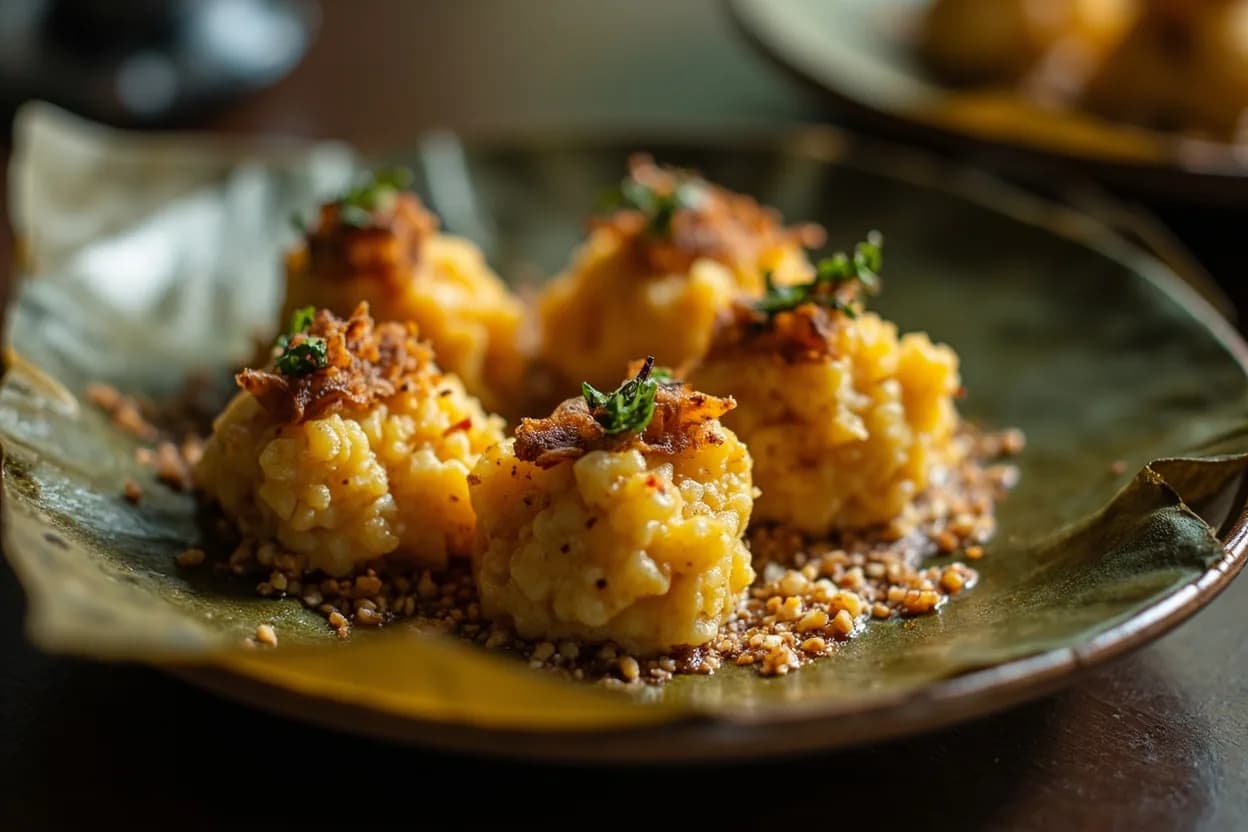
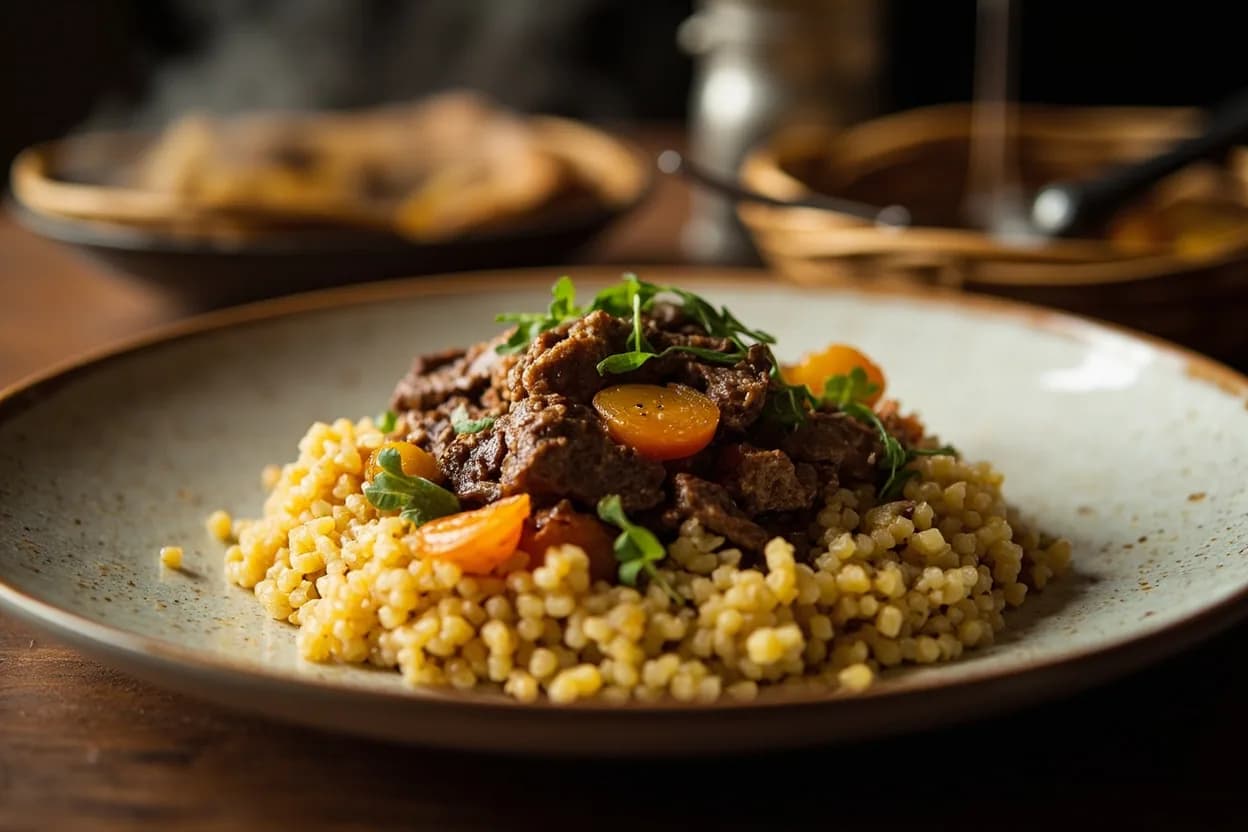
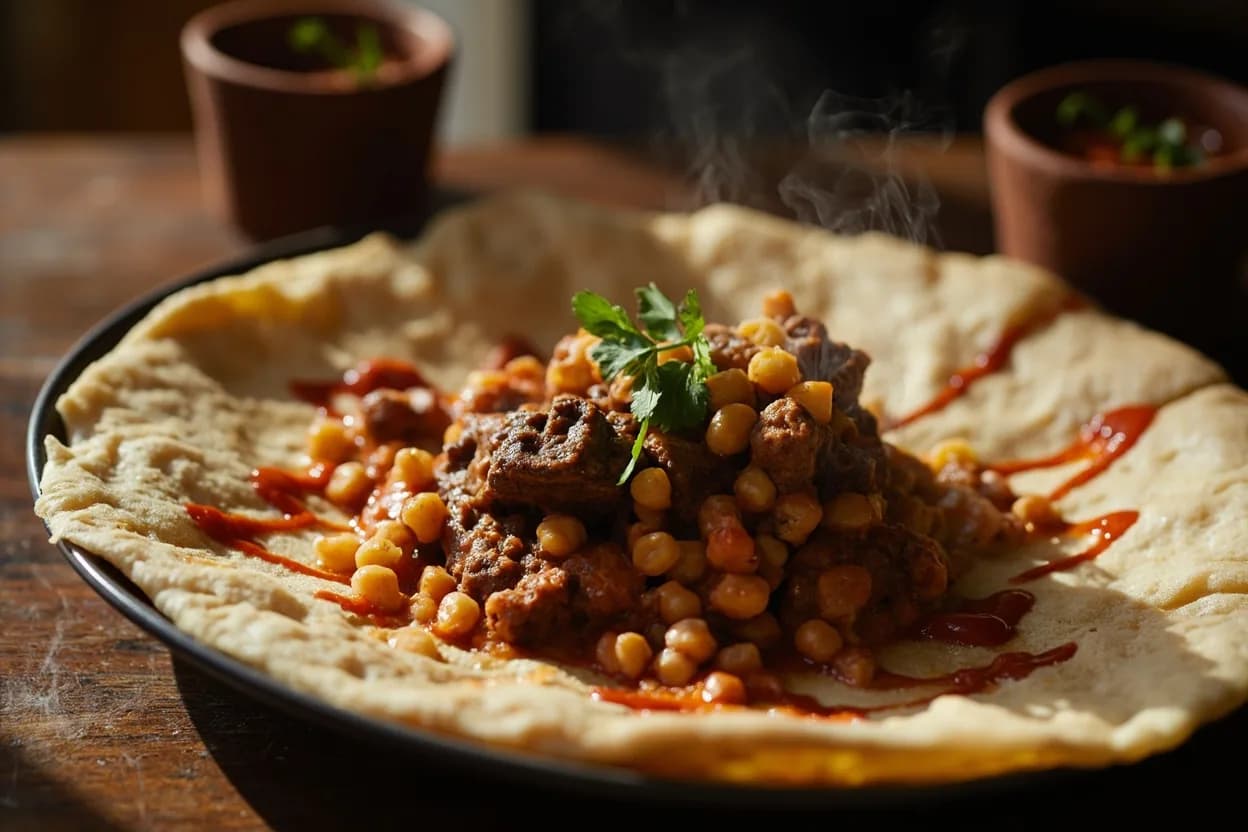
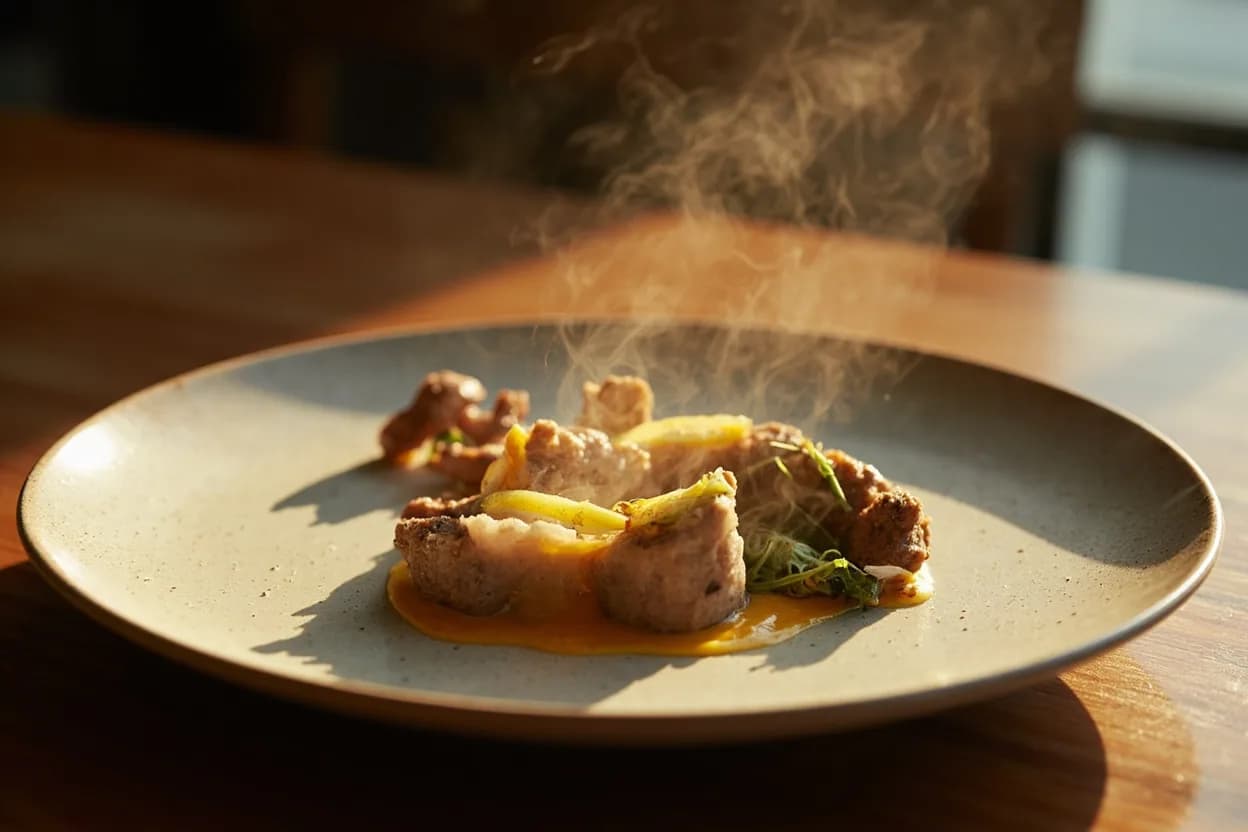
Related
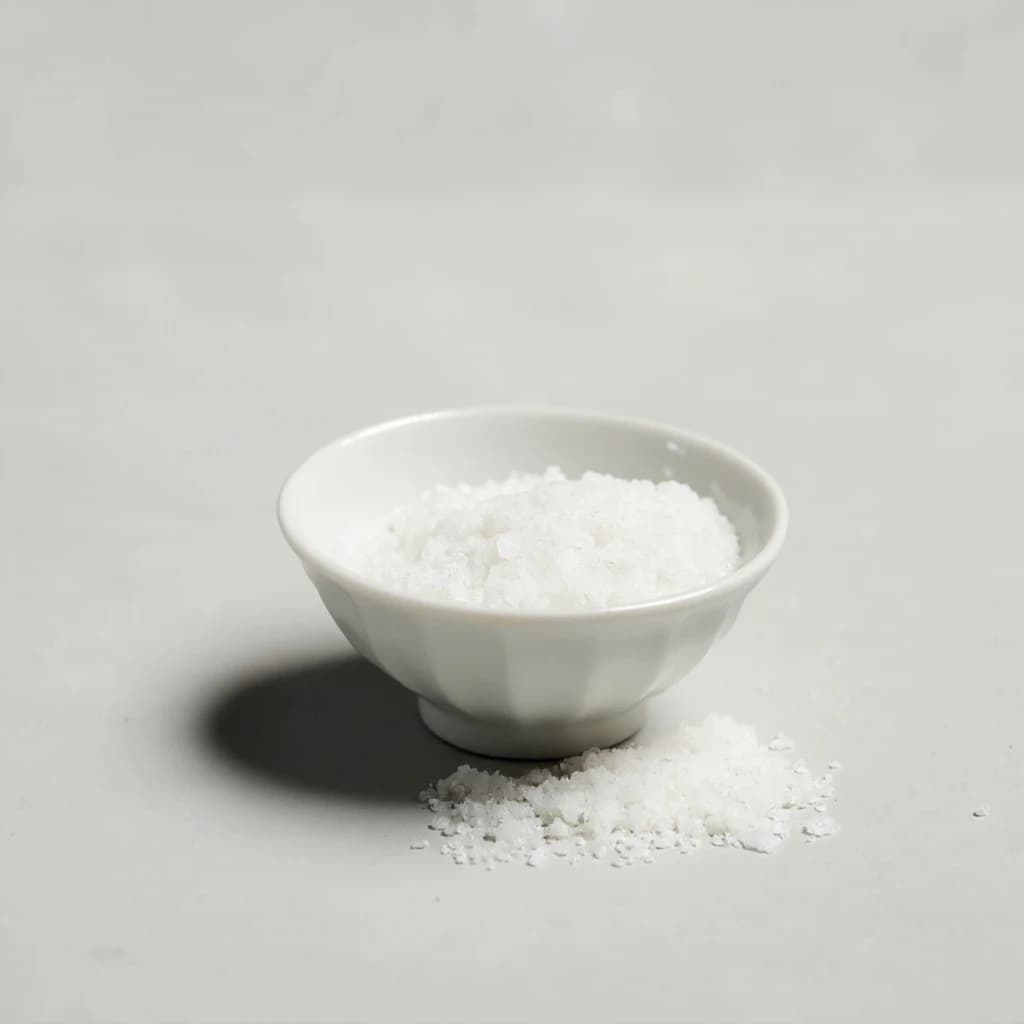
Salt
The one seasoning that makes everything else taste like itself

Black Pepper
Pungent, woody heat — best cracked fresh over anything savory
Amchur
Dried unripe mango ground to a tart, fruity souring powder
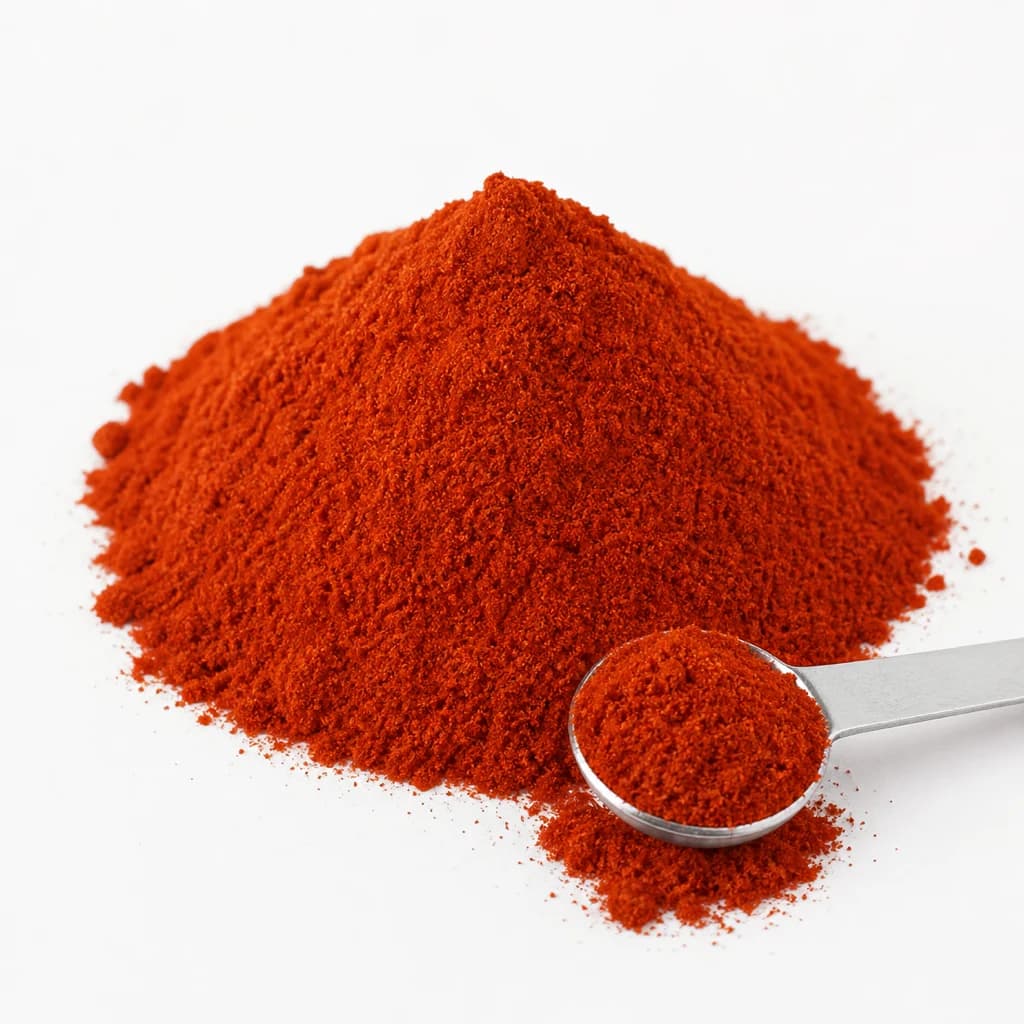
Paprika
Sweet, vivid ground pepper for color and gentle warmth
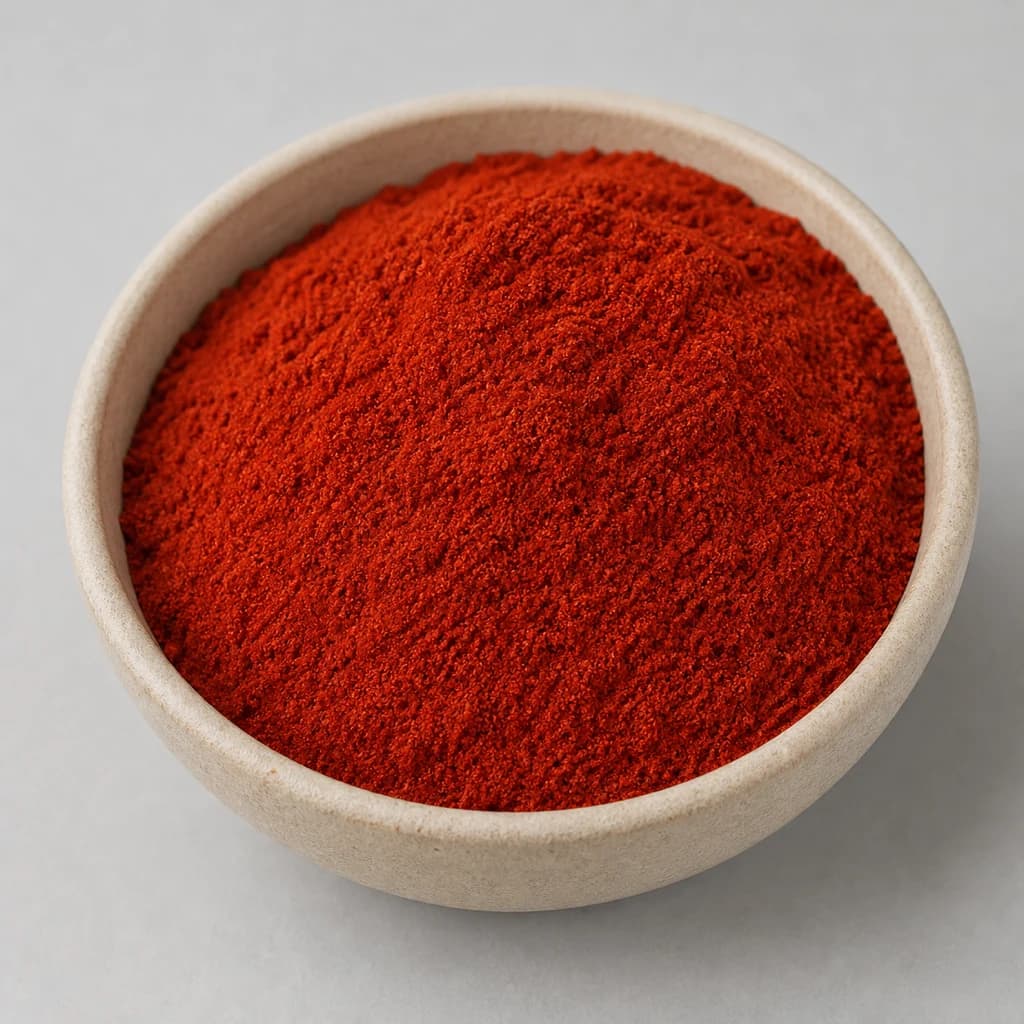
Smoked Paprika
Deep, smoky ground pepper for a campfire warmth
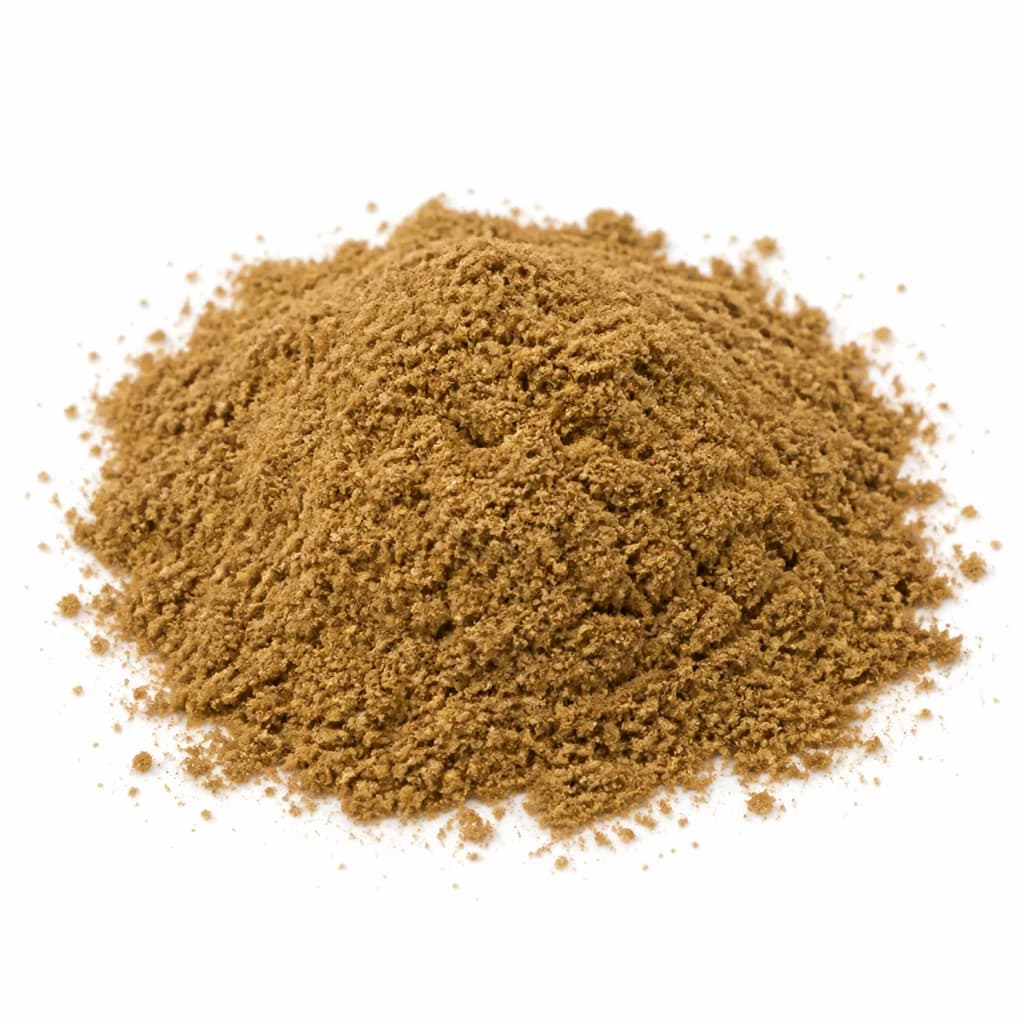
Cumin
Warm, earthy spice central to curries, chili, and tacos
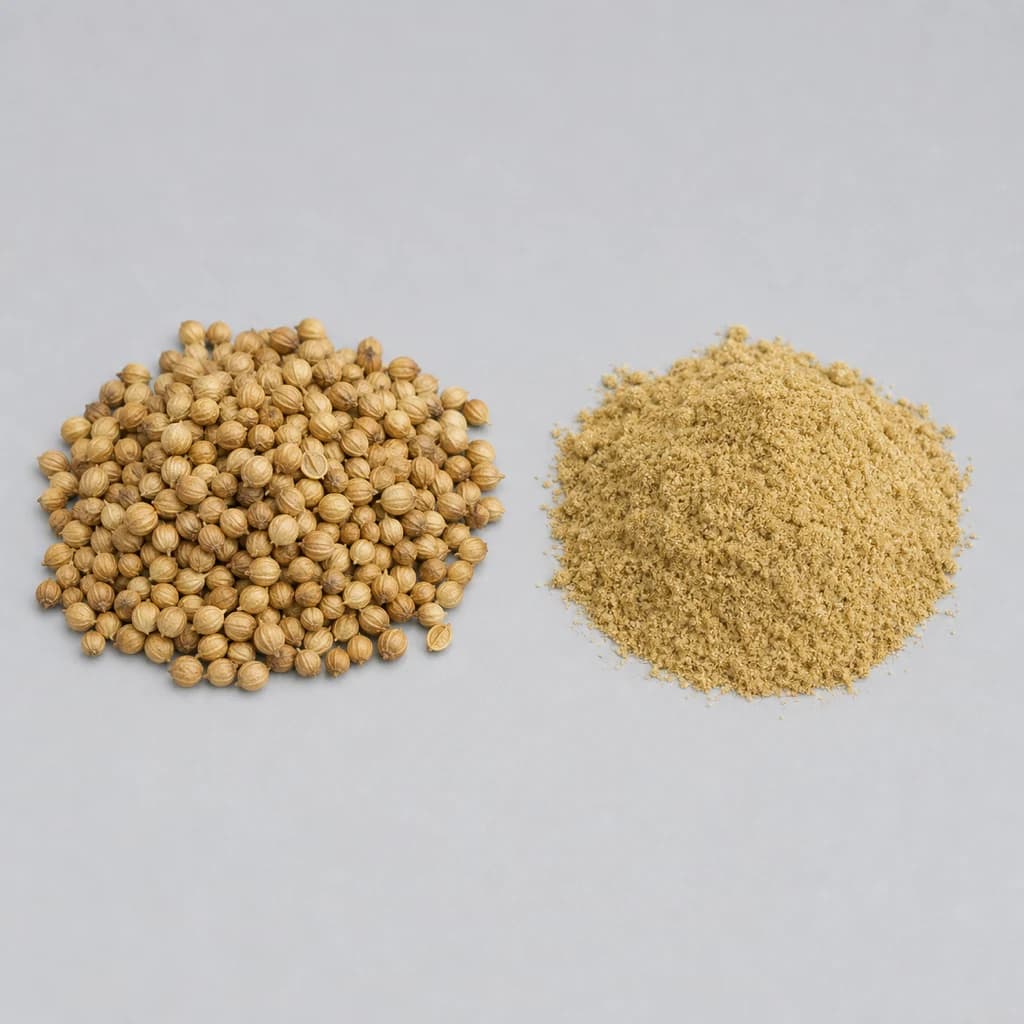
Coriander Seed
Citrusy, warm seed for curries, pickles, and rubs
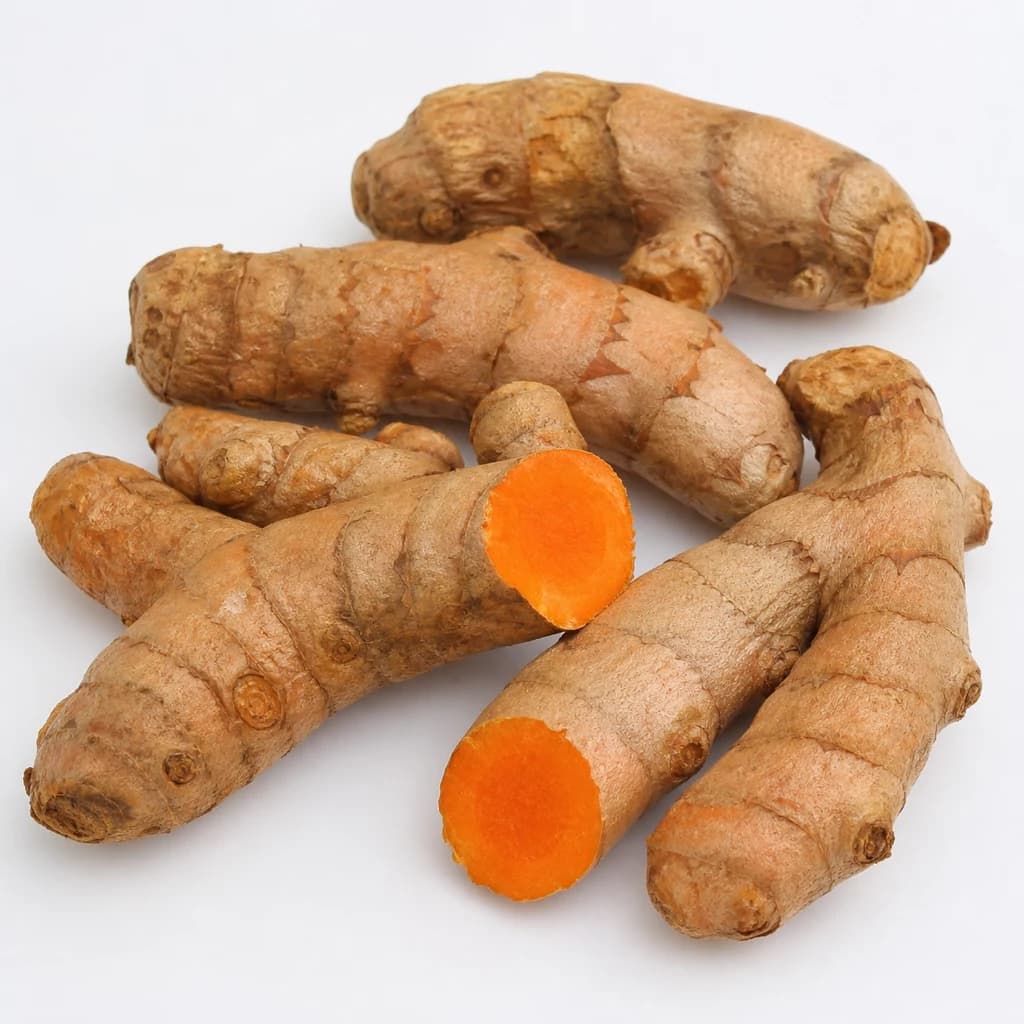
Turmeric
Golden, earthy spice for curries, rice, and color