Proteins
Lamb Barbacoa
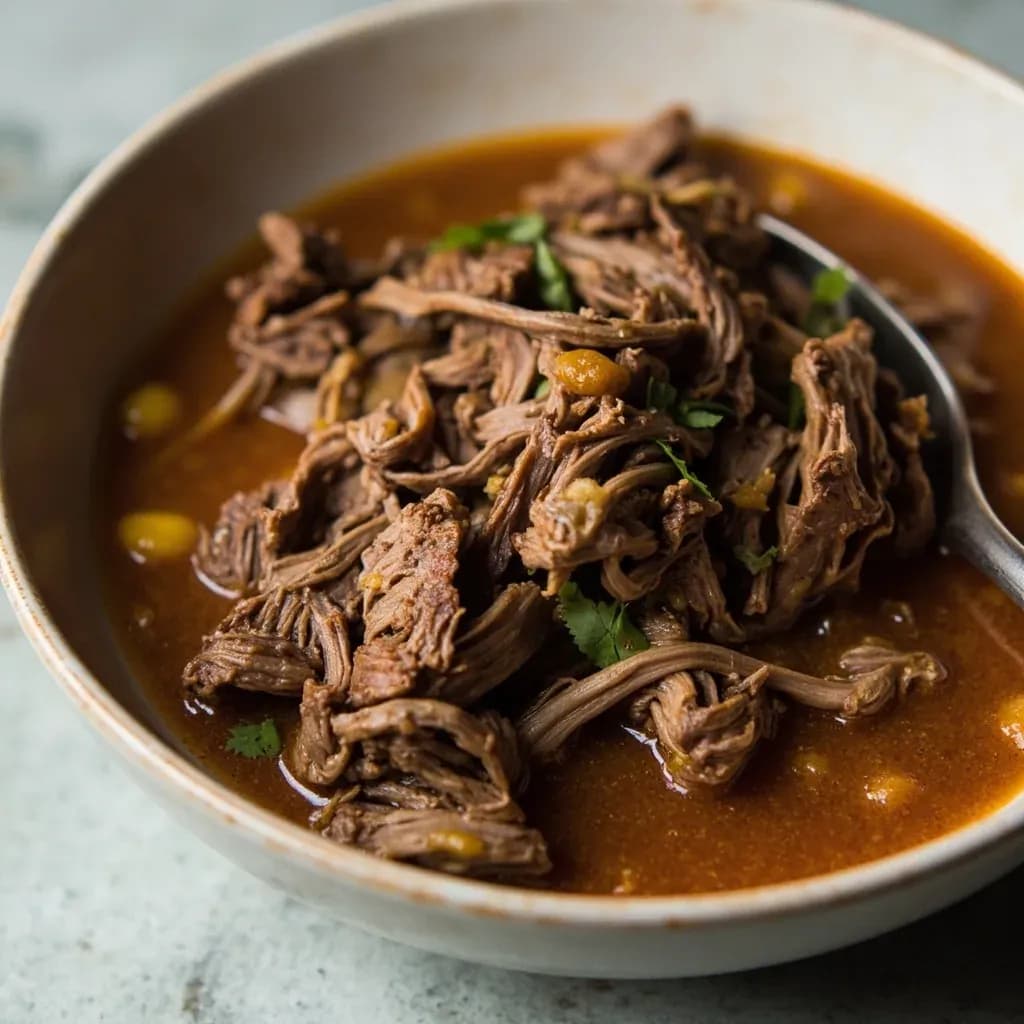
Mexican-style lamb slow-cooked until fall-apart tender, shredded for tacos and consomé.
Lamb barbacoa is lamb seasoned with chilies and spices, wrapped in agave or banana leaves and slow-cooked until meltingly tender, traditionally in an underground pit. The shredded meat is served in tacos with onion, cilantro and the rich cooking broth (consomé). It is a celebrated weekend and special-occasion dish in central Mexico.
Lamb barbacoa is a centuries-old Mexican preparation in which whole young lamb or lamb shoulder is slow-cooked until the meat surrenders completely to a fork, yielding deeply savory, mildly smoky shreds that carry the unmistakable richness of well-rendered lamb. The technique descends from pre-Hispanic cooking practices of indigenous peoples who sealed meat in maguey leaves and slow-roasted it in underground pits, a method that persists in rural Mexico but has been adapted to Dutch ovens, slow cookers, and pressure cookers in modern kitchens. The process is deceptively simple—salt, dried chiles, aromatics, low heat, and patience—yet it produces a dish of extraordinary complexity: tender meat that falls into ribbons, a dark, aromatic consommé that functions as both cooking liquid and first-course broth, and a smoky depth that no braise with wine or stock can replicate. Barbacoa de borrego matters not only as a flavor reference point for Mexican cuisine but as a living link to the agricultural and communal traditions of central Mexico, where whole families still gather on weekends around pit-roasted lamb.
- Measured in
- g
- Storage
- Fridge
Types & varieties
The classic lamb version; most traditional and widely recognized across central Mexico
Goat (cabrito) version, popular in northern Mexico and Texas; slightly leaner, more delicate gaminess
Beef version, typically uses head, cheek, or navel; increasingly common in US taquerias
Specifically young lamb (cordero lechal), found in central Mexican highland regions; exceptionally tender
Regional style from Hidalgo state; typically uses whole lamb wrapped in maguey leaves before pit-roasting
Often beef cheek or head; sold in taco stands with consommé as a breakfast food
Traditional Versus Modern Preparation
The distinction between traditional and modern barbacoa lies in equipment and scale, not flavor philosophy. In rural central Mexico, barbacoa de borrego is still prepared by digging a pit, lining it with hot stones and maguey leaves, placing the seasoned whole lamb inside, covering with more maguey, earth, and weights, and allowing it to cook overnight. This method imparts a mineral, smoky quality from the earth and maguey that no oven can fully replicate. In the modern kitchen, a heavy Dutch oven with a tight seal accomplishes the same steam-trapping result. The critical elements remain: bone-in meat, minimal liquid that becomes precious broth, tight sealing to retain moisture, and extended low-temperature cooking. Pressure cookers reduce time to 45–60 minutes with a natural release, but purists argue the texture differs slightly—still tender, but without the depth of flavor that develops over hours.
- Traditional pit cooking requires 4–8 hours and yields pronounced smoky, earthy flavor
- Dutch oven method at 275–300°F replicates most of the traditional results
- Pressure cookers work for speed but sacrifice some depth of flavor development
- Tight sealing—whether with foil, banana leaves, or maguey—is non-negotiable
The Consommé: An Integral Component
In traditional Mexican barbacoa service, the consommé is not an afterthought but a first course. As the lamb slow-cooks, its connective tissue, marrow, and rendered fat melt into the minimal liquid at the pot's base, creating a dark, intensely savory broth that is strained, seasoned with lime and salt, and served in small cups alongside the shredded meat. This broth carries concentrated lamb essence and the flavors of the chiles and aromatics used to season the meat. Many taquerias in Mexico serve the consommé before the tacos arrive, garnished with fresh onion, oregano, and lime. At home, reserve every drop of cooking liquid; skim excess fat if desired, but do not discard this treasure—it can also be used as a base for soups, rice, or future cooking.
- Strain through fine-mesh sieve and season with salt and fresh lime juice
- Serve hot as a first course or alongside tacos for dipping
- Can be refrigerated 5 days or frozen 3 months
- Use as cooking liquid for rice or beans to extend the barbacoa experience
Common uses
Tips & pitfalls
- Use bone-in lamb cuts for maximum flavor; the marrow and connective tissue render during long cooking
- Season simply—dried chiles (guajillo, ancho), garlic, cumin, oregano, and salt are traditional; avoid overwhelming the lamb's flavor
- Wrap tightly in foil or banana leaves before slow-cooking to retain moisture and flavor
- Add a small amount of liquid (water, broth, or beer) to the pot to create steam and eventually consumable broth
- Rest the cooked meat 20–30 minutes before shredding to retain juices
- Shred against the grain of the meat fibers for best texture
- The consommé collected during cooking is valuable—serve it as a first course or use for later cooking
- Do not rush the cooking; low and slow is essential for true barbacoa texture
Nutrition
Energy
1180 kJ · per 100 g
Where the calories come from
Protein
16.6g
33% DV
Carbs
0g
0% DV
Fat
23.4g
30% DV
Fiber
0g
0% DV
Sugars
0g
of which
Sodium
59mg
3% DV
Source · USDA FoodData Central · approx. Lamb, ground, raw
View on FDC →In the shops
Matched grocery products
No matched grocery products for Lamb Barbacoa yet.
Good to know
- Origin
- Central Mexico; roots in pre-Hispanic indigenous cooking traditions using underground pits
- Traditional Method
- Slow-roasted in a subterranean pit (horno de tierra), 4–8 hours
- Modern Method
- Dutch oven, slow cooker, or pressure cooker; same low-heat principle applies
- Typical Cut
- Bone-in shoulder or leg; traditional preparation uses the whole carcass
- Flavor Profile
- Deeply savory, rich, mildly smoky with pronounced lamb intensity; tender, shreddable texture
- Yield
- Approximately 40–50% of raw weight as finished shredded meat
- Prep and Cook Time
- 30–60 minutes prep; 5–8 hours cooking
- Difficulty
- Low technique, high patience; mostly hands-off once cooking begins
Substitutes
- Beef Barbacoa (Cheek or Chuck) — Similar texture and flavor profile; more accessible and milder than lamb; most common substitute in US taquerias
- Goat Barbacoa — Traditional alternative; slightly leaner with a more delicate, gamey flavor; excellent in tacos
- Pork Shoulder — Not traditional but widely available; lacks the intensity of lamb; cook low and slow until fall-apart tender
- Slow-Braised Lamb Shoulder — Can achieve similar tenderness; reduce cooking liquid and shred for tacos; flavor profile is close but less smoky
Pairs with
Also called
Barbacoa de Borrego
Related

Egg
The kitchen's everything ingredient — bind, leaven, enrich, or fry
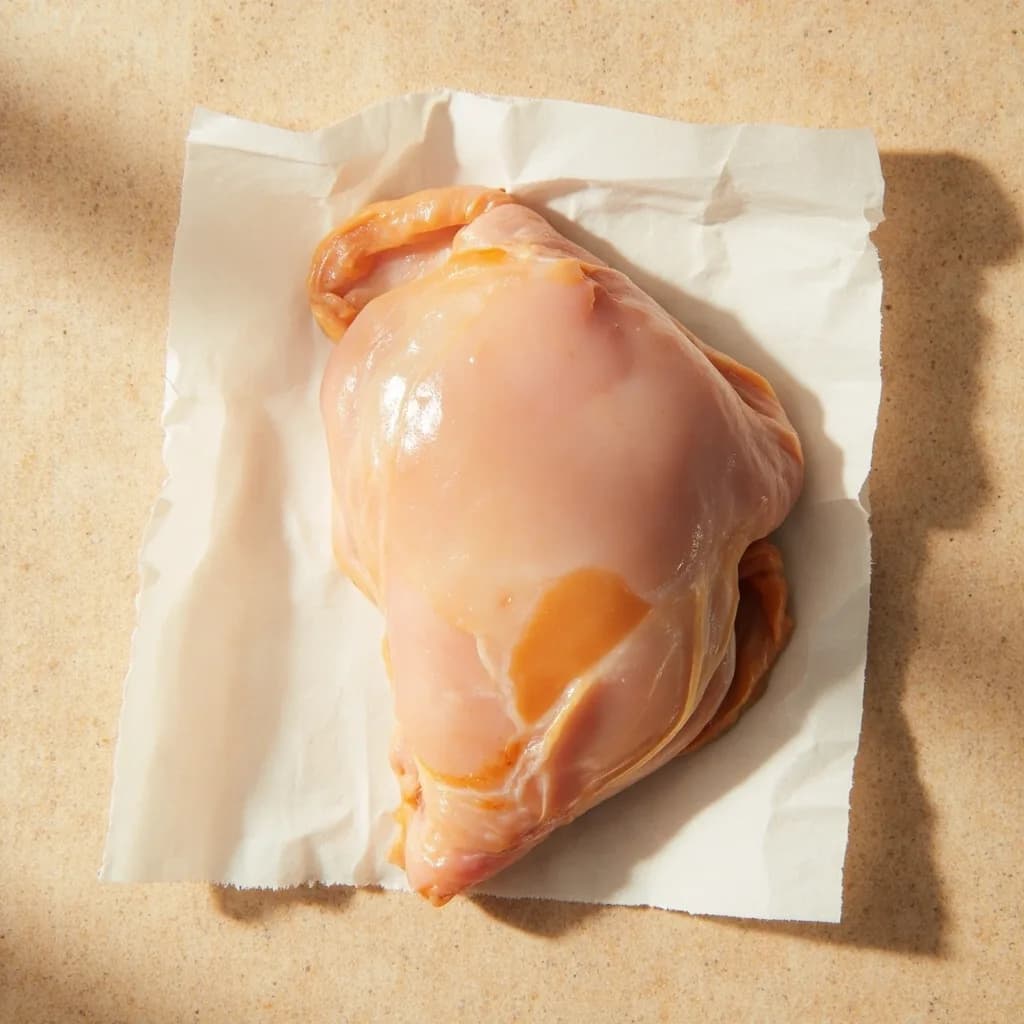
Chicken Breast
Lean, quick-cooking white meat for everyday dinners

Ground Beef
Versatile minced beef for burgers, ragù, tacos, and meatballs
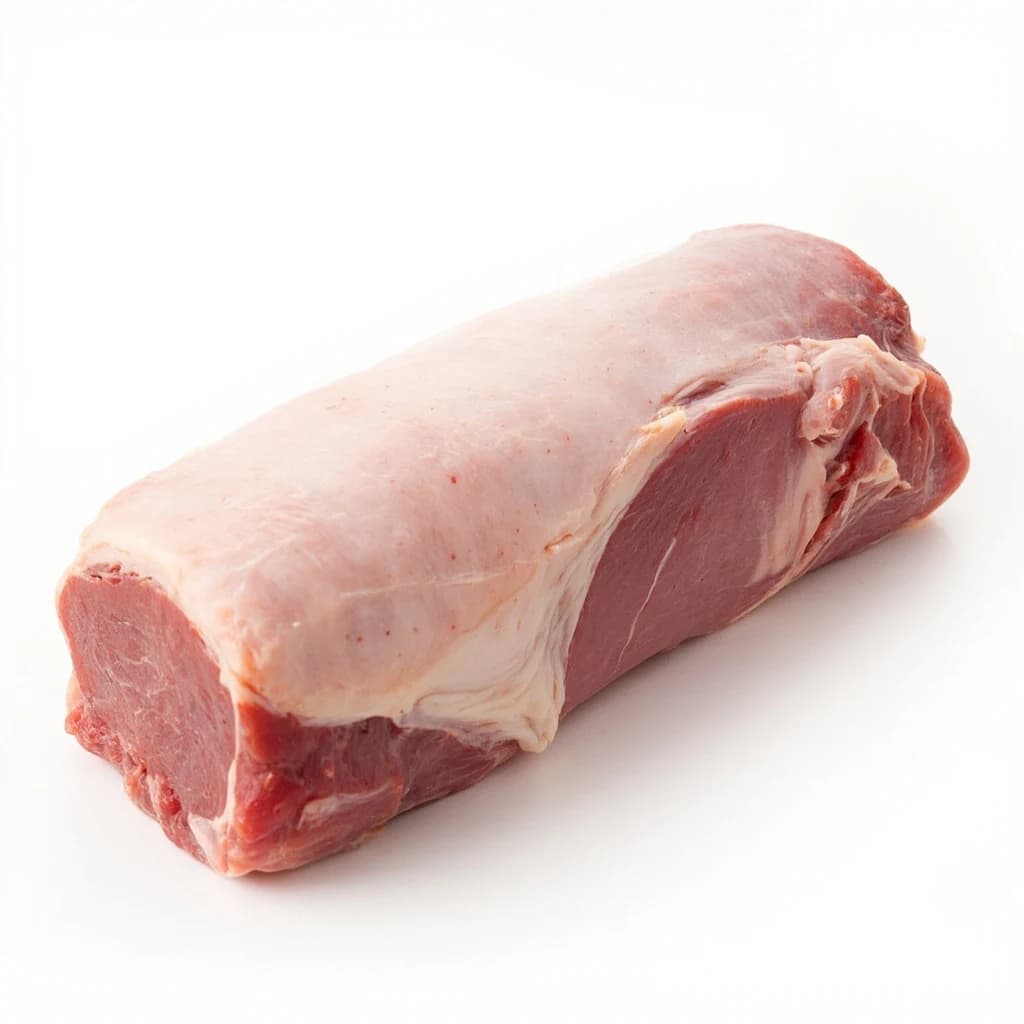
Pork Loin
Lean, tender roasting cut that stays juicy with care
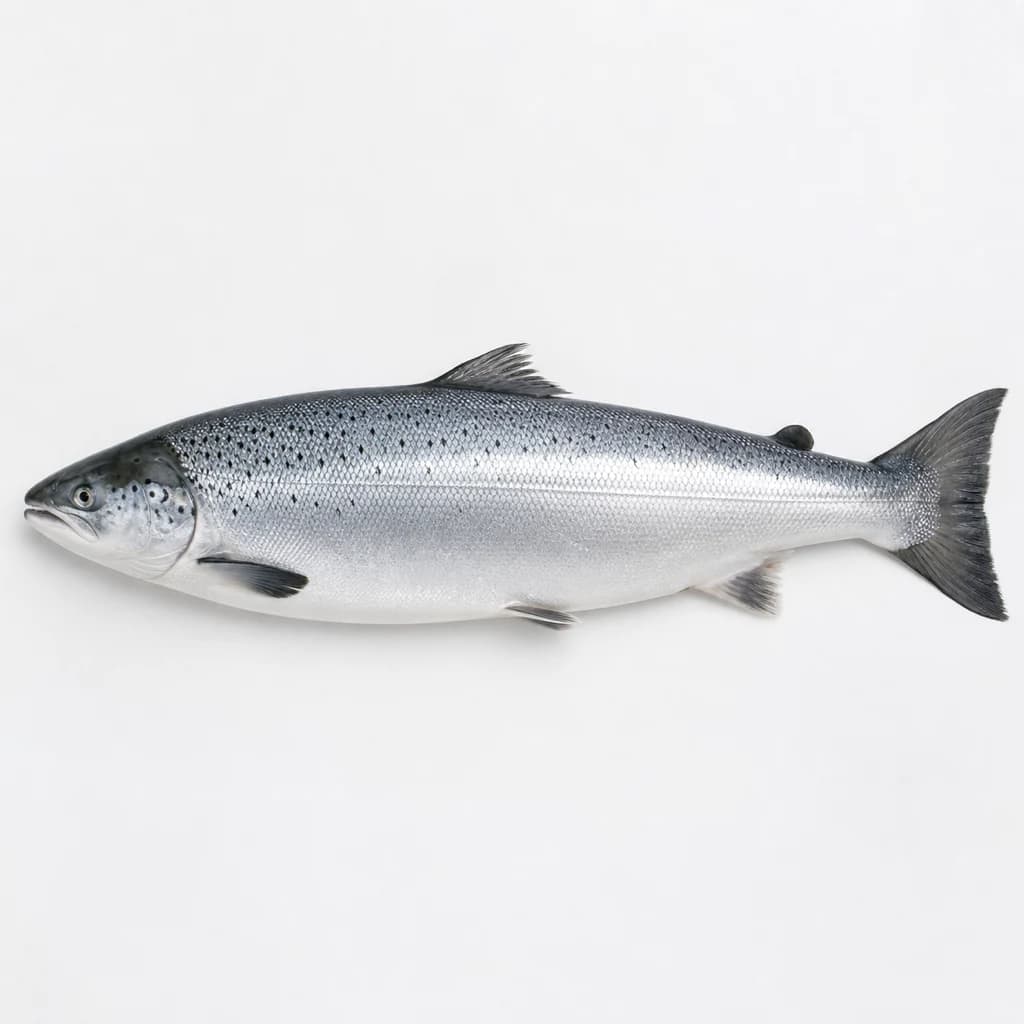
Salmon
Rich, rosy fish that roasts, grills, or cures beautifully

Egg White
Pure protein that whips to airy peaks for meringue and more
Egg Yolk
Rich, golden yolk for custards, mayonnaise, and pasta

Quail Egg
Tiny, speckled eggs for garnishing and elegant bites