Proteins
Bonga Fish
Small oily West African shad, often smoked, lending deep smoky umami to soups and stews.
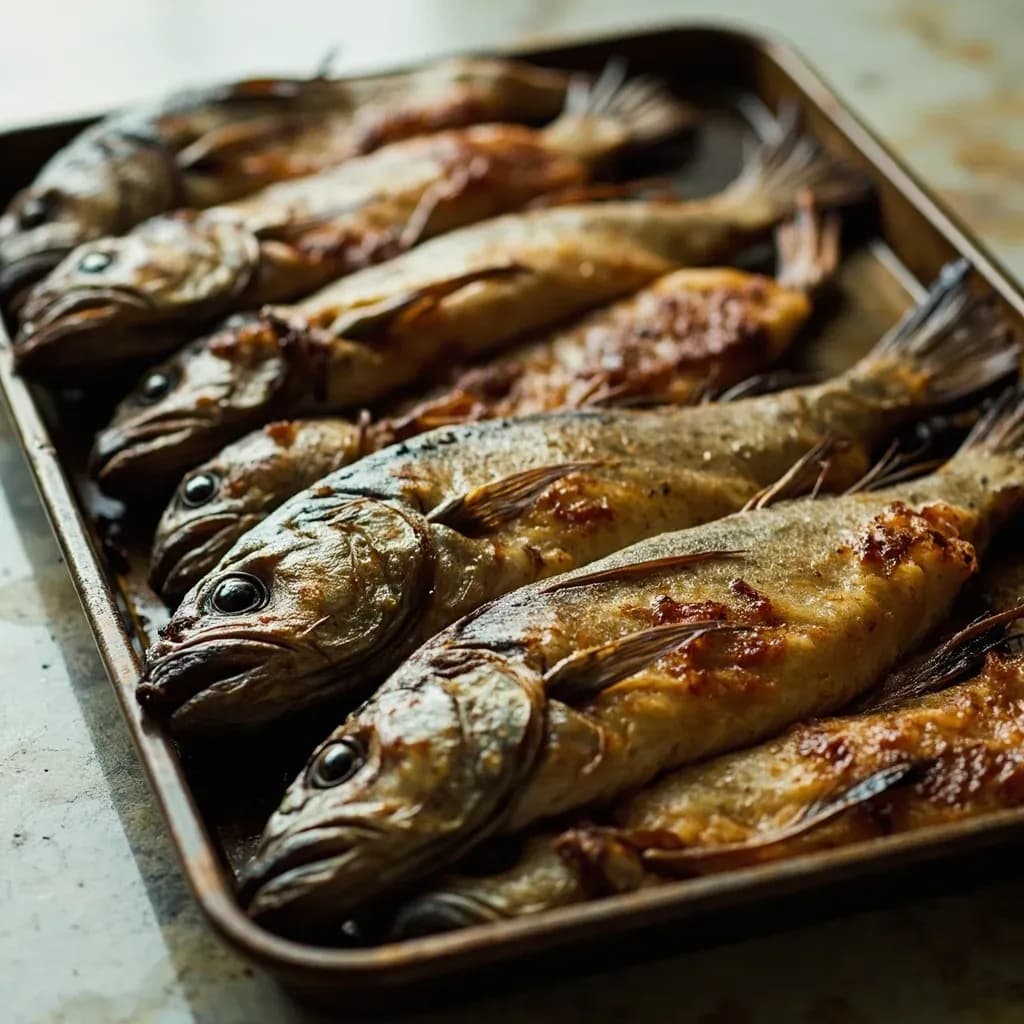
Bonga fish is a small, oily shad abundant along the West African coast. It is most often smoked or dried, then crumbled into soups, jollof, and stews to lend a smoky, savory backbone, much like a regional bouillon. The smoked version keeps well and is a beloved pantry flavor-builder.
Bonga fish (Ethmalosa fimbriata) is a small, oily shad native to the brackish coastal waters and estuaries of West Africa, ranging from Senegal to Angola. It belongs to the Clupeidae family, the same lineage as herring and sardines, and is the dominant smoked fish in Nigerian, Ghanaian, and Ivorian cooking. What distinguishes bonga from other smoked fish is its intensely smoky, deeply savory character—the fish is traditionally hot-smoked over mangrove wood fires, which penetrates the flesh and renders it mahogany-colored, firm-textured, and powerfully flavored. Its high fat content means the smoke adheres aggressively, creating a pronounced umami backbone that few other ingredients can replicate. In West African coastal households, bonga is not a delicacy but a pantry staple—the backbone of everyday soups, stews, and rice dishes that define the regional cuisine.
The fish typically measures 15–30 cm and is almost always sold already smoked in markets, sorted by size and quality. Larger whole-smoked pieces command higher prices because they can be served as a visible component in soups; smaller, more fragmented pieces are preferred when the fish serves purely as a flavor base. Fresh bonga is available only in coastal markets and must be cooked the same day. The smoking process transforms a highly perishable fish into something shelf-stable for weeks at room temperature (longer refrigerated), making it a critical protein source in regions without reliable cold storage. Its small, soft bones are edible and nutritious when the fish is cooked whole, contributing calcium to diets that may otherwise lack it.
When using bonga in cooking, understand that its flavor is not subtle—it dominates rather than supports. This is intentional in the cuisines where it evolved: West African soups built on palm oil rely on that deep smokiness to balance the nuttiness of the fat and the bitterness of leafy greens. The smoke character itself varies by wood type; mangrove wood produces a notably sweet, penetrating smoke. In dishes where a milder presence is desired, soaking in warm water before cooking tames the intensity without losing the essential smoky-umami identity.
- Measured in
- g
- Storage
- Pantry
Allergens
Types & varieties
The most widely traded form; deep mahogany color, firm texture, intense smoky flavor
Less common than smoked; flatter, papery texture; milder smoky note
Heavily salt-cured, often combined with drying; very long shelf life
Available in coastal markets; soft-fleshed, spoils quickly; used the same day
Used as a flavor base in some West African condiment traditions
Buying and storing bonga
In Nigerian and Ghanaian markets, smoked bonga is sold loose in open stalls, sorted by size. Larger whole pieces are preferable when the fish will be served as a component; smaller fragments work perfectly when flaked into soups as a flavor base. Reject pieces with grey, wet, or slimy surfaces—white mold is acceptable and harmless, but moisture indicates spoilage. The smoke quality varies with the wood used; mangrove wood smoke imparts a notably deep, slightly sweet character that is considered premium. Store in airtight containers away from direct sunlight; refrigeration extends shelf life significantly without altering flavor. For long-term storage, freeze in portions wrapped tightly in plastic.
- Larger whole-smoked pieces command higher prices and are preferred for soups served as a component
- White mold on smoked fish is acceptable; grey, wet, or slimy surfaces indicate spoilage
- Mangrove wood smoke produces a notably deeper, slightly sweeter flavor than other woods
- Airtight containers and refrigeration extend shelf life significantly
Preparation fundamentals
Before adding smoked bonga to any dish, rinse it under warm water and pick through carefully to remove visible scales, gills, and any dark visceral residues—these impart bitter, soapy notes that will ruin the dish. Break the fish by hand along the spine into 2–3 pieces rather than chopping with a knife; this avoids bone shards and preserves the flaky texture. Do not attempt to fillet bonga; the flesh is too small and the bones too fine. Simply flake the cooked fish as needed, or leave pieces whole for soups where they will be served at the table. The small, soft bones are edible and contribute calcium when eaten whole, which is traditional and nutritionally valuable.
- Always rinse and pick through to remove scales, gills, and dark visceral residues
- Break by hand along the spine, never chop—avoids bone shards
- Do not attempt to fillet; simply flake or use whole pieces
- Small bones are edible and a good calcium source when cooked whole
Common uses
Tips & pitfalls
- Always rinse smoked bonga under warm water and pick through to remove visible scales, gills, and any dark visceral residues before using—these impart bitter, soapy notes.
- To tame excessive smokiness for delicate palates, soak the smoked fish in warm water for 15–30 minutes before cooking; discard the soak water.
- Break smoked bonga by hand along the spine into 2–3 pieces rather than chopping; this avoids bone shards and preserves the flaky texture.
- Add smoked bonga early in soup or stew preparations (after building the base, before the leafy greens) so the smoky essence permeates the entire dish.
- The small, soft bones are edible and a good calcium source when the fish is cooked whole; do not attempt to fillet—simply flake the flesh.
- Store smoked bonga in airtight containers away from direct sunlight; refrigeration extends shelf life significantly without altering flavor.
- Do not overcook soups with smoked bonga once it has been added—10–15 minutes of gentle simmering is sufficient to integrate flavor.
- When buying, reject pieces with grey, wet, or slimy surfaces; white mold is acceptable and harmless.
Nutrition
Energy
519 kJ · per 100 g
Where the calories come from
Protein
20g
40% DV
Carbs
0g
0% DV
Fat
4.2g
5% DV
Fiber
0g
0% DV
Sodium
60mg
3% DV
Source · USDA FoodData Central · approx. Fish, bluefish, raw
View on FDC →In the shops
Matched grocery products
No matched grocery products for Bonga Fish yet.
Good to know
- Scientific name
- Ethmalosa fimbriata
- Family
- Clupeidae (shad family)
- Geographic origin
- West African coastal waters and estuaries, Senegal to Angola, including Gulf of Guinea and Lagos Lagoon
- Typical size
- 15–30 cm (small to medium)
- Fat content
- High for its size; oily with pronounced omega-3 fatty acids
- Primary forms
- Hot-smoked (most common), sun-dried, salted, fresh, fermented paste
- Flavor profile
- Strong oceanic, intensely smoky when dried/smoked, pronounced umami
- Shelf life
- Smoked: several weeks at room temperature, months refrigerated; fresh: 1–2 days
Substitutes
- Stockfish (dried cod) — Provides similar smokiness and umami backbone but milder oceanic flavor; ideal for palm oil soups when bonga is unavailable
- Dried or smoked mackerel — Comparable oiliness and smoky depth; cut into similar-sized pieces; slightly sweeter finish
- Kipper fillets — Smoked herring technique; similar flavor intensity and texture; good one-to-one substitute in any recipe
- Dried catfish (Ijo or Panla) — Another West African smoked fish staple; slightly softer flesh, equally intense; the standard substitute in Nigerian markets
- Sardines (canned, smoked) — Work in stews and soups; less smoky, milder; increase quantity by 25% to approximate flavor impact
Pairs with
Also called
Bonga Fish (Smoked Shad) · Smoked Bonga · Shad
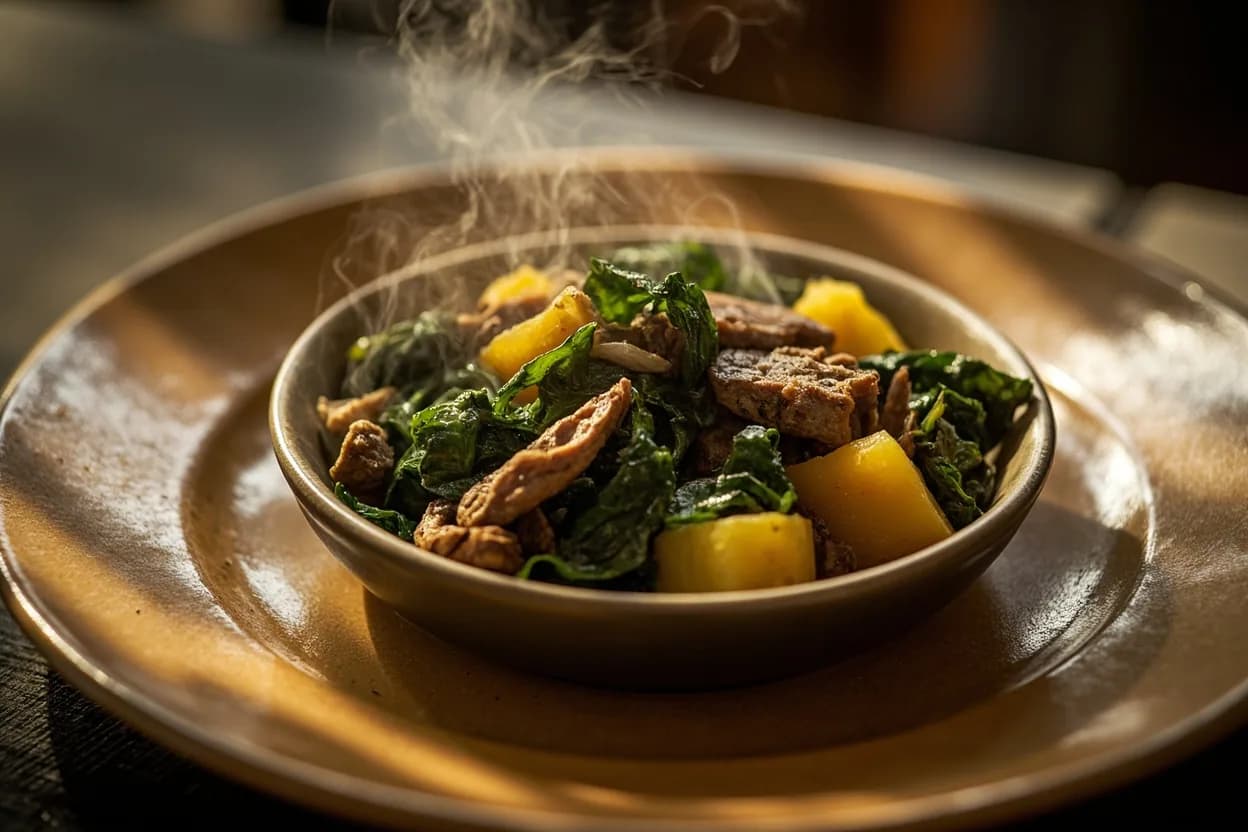
Appears in these dishes
Related
Egg
The kitchen's everything ingredient — bind, leaven, enrich, or fry
Chicken Breast
Lean, quick-cooking white meat for everyday dinners

Ground Beef
Versatile minced beef for burgers, ragù, tacos, and meatballs
Pork Loin
Lean, tender roasting cut that stays juicy with care
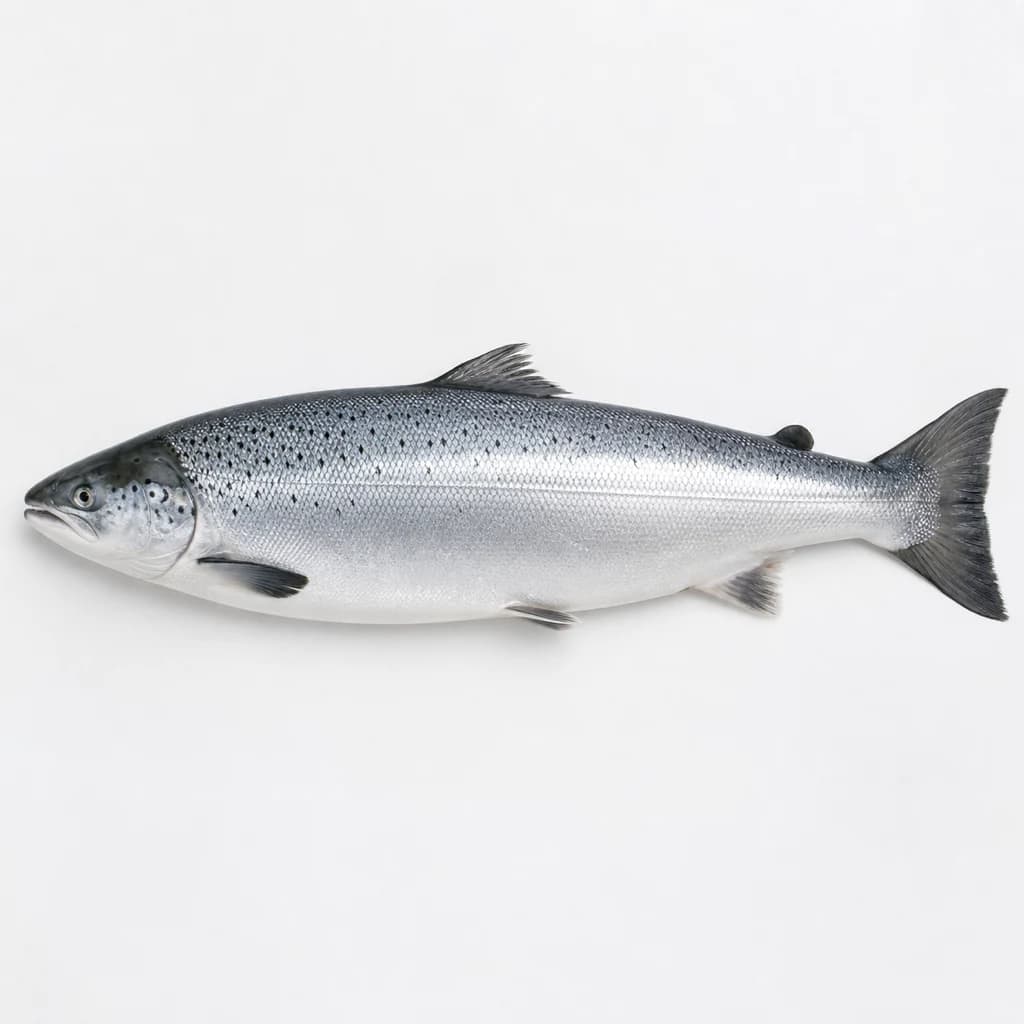
Salmon
Rich, rosy fish that roasts, grills, or cures beautifully

Egg White
Pure protein that whips to airy peaks for meringue and more
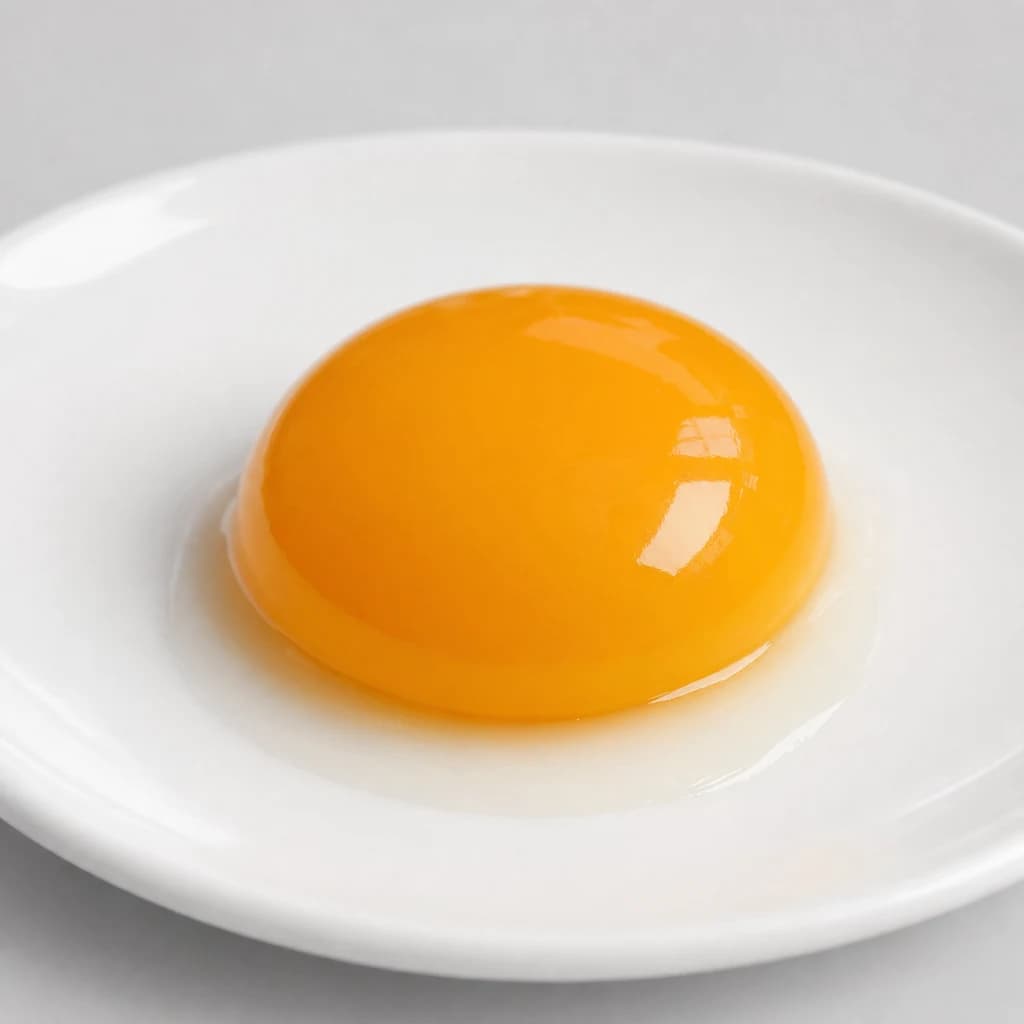
Egg Yolk
Rich, golden yolk for custards, mayonnaise, and pasta

Quail Egg
Tiny, speckled eggs for garnishing and elegant bites