Proteins
Buffalo Meat (Buff)
Lean, deep-flavored water-buffalo meat — the 'buff' of Nepali momos and curries.
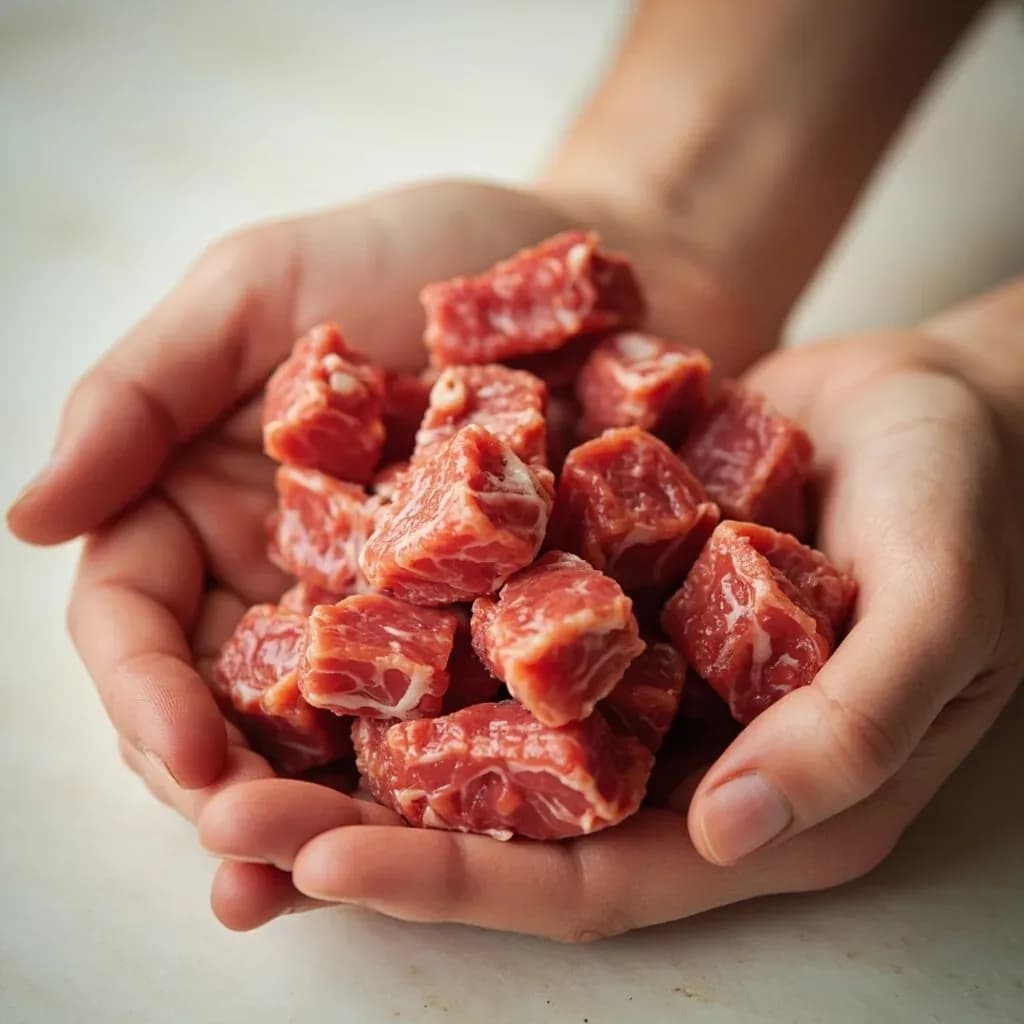
Buffalo meat, known as 'buff' in Nepal, comes from water buffalo and is leaner and more deeply flavored than beef. It is central to Nepali cooking, ground for momo dumpling fillings, simmered into spicy curries, and dried into sukuti jerky. Its low fat means it benefits from slow cooking or careful searing to stay tender.
Buffalo meat (called "buff" or "buff meat" in Nepali cuisine) is the dominant red protein of Nepal, sourced from the water buffalo (Bubalus bubalis) — not to be confused with American bison. Unlike India, where cattle hold sacred status in Hinduism, the water buffalo carries no such prohibition in Nepal, making it the everyday red meat that beef is elsewhere. The meat is notably darker and leaner than beef, with a coarser grain and a deeper, slightly gamey flavor that registers as earthy and assertive rather than simply savory. Its leanness — often reaching 90% lean — is its defining characteristic and its central challenge in the kitchen. Water buffalo raised in the Himalayan foothills and river valleys of Nepal develop a distinctly flavored meat that forms the backbone of Newari cuisine from the Kathmandu Valley, appearing in preparations ranging from street-side sekuwa to ceremonial momo dumplings. The meat's low fat content means it responds best to the addition of fat in ground preparations and to wet, low-and-slow cooking for whole cuts — dry, high-heat methods will render it tough and dry.
- Measured in
- g
- Storage
- Fridge
Types & varieties
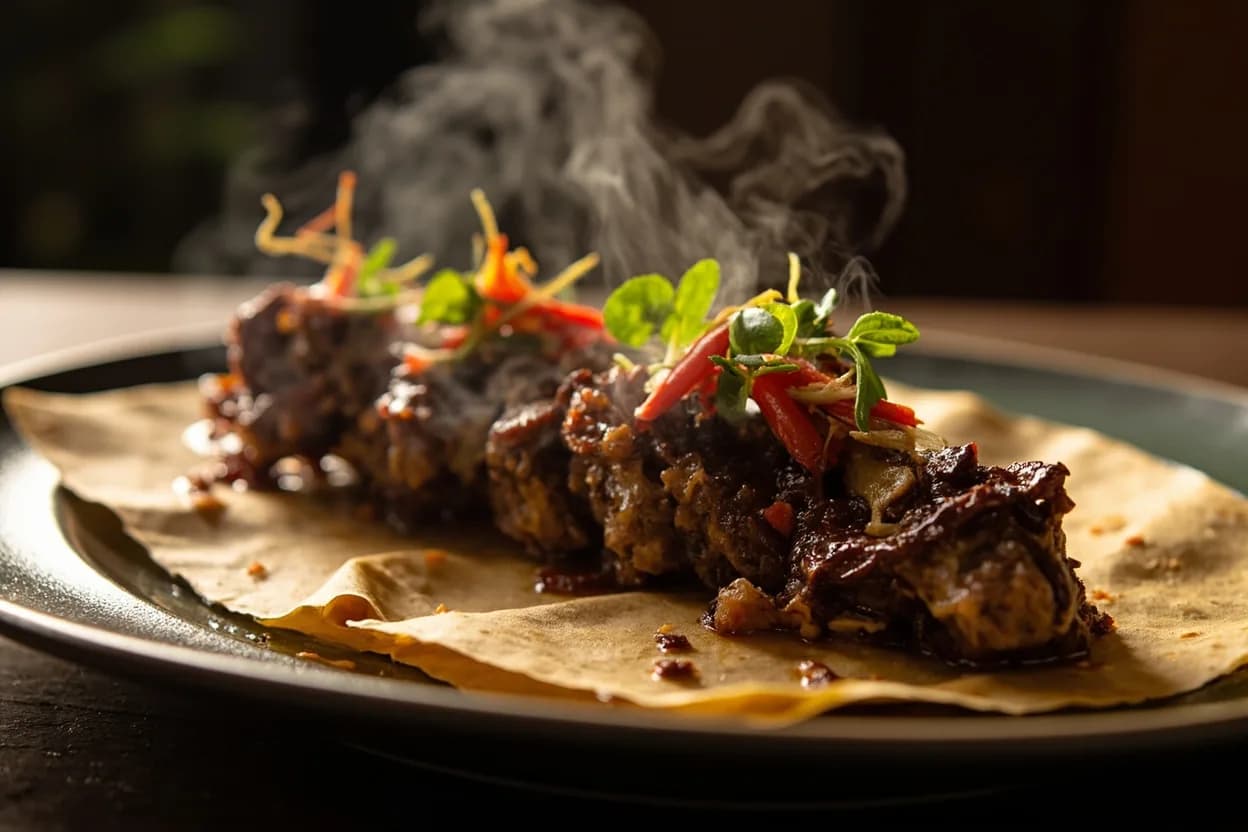
Charcoal-smoked, spiced grilled buffalo meat — a Newari classic from the Kathmandu Valley; the meat is briefly grilled then tossed in a hot mustard-oil spice mix
Dry-roasted or grilled spiced buffalo chunks, a quintessential Nepalese street food; often marinated in ginger-garlic and mustard oil before cooking
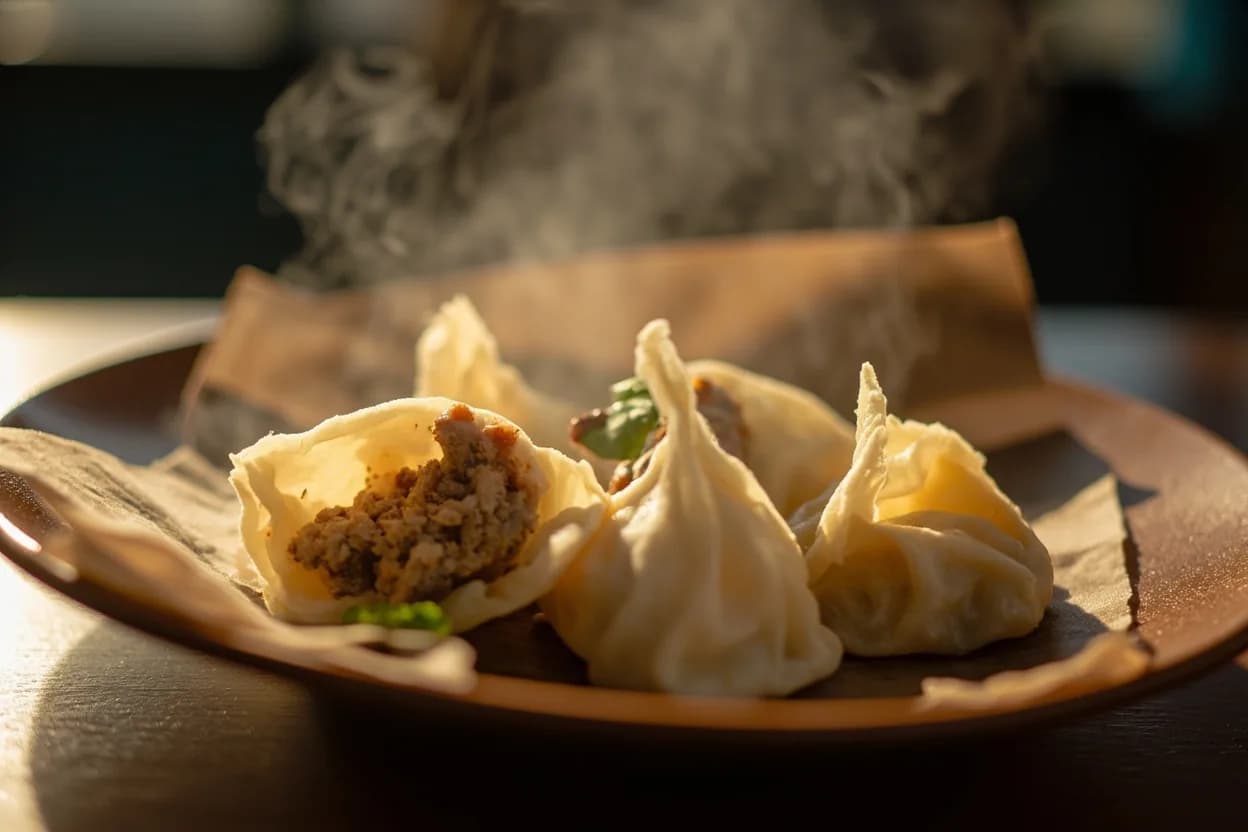
Minced buffalo meat, typically mixed with buff suet or ghee for moisture, seasoned with ginger-garlic for the beloved Nepali dumplings
Sun-dried or smoke-dried buffalo meat, chewy and intensely flavored; eaten as a snack or rehydrated and added to curries
Buffalo offal preparations including liver, kidney, and tripe; spiced and cooked with mustard oil, served at breakfast or for special occasions
Buff vs. Bison: A Critical Distinction
The water buffalo (Bubalus bubalis) of South Asia is a different animal entirely from the American bison. Bison is never called "buff" in culinary contexts, and its flavor and fat content differ notably from water buffalo meat. When a recipe calls for "buff" or "buffalo meat" in the context of Nepali, Indian, or Himalayan cooking, it refers to water buffalo — the animal that provides milk for paneer and ghee as well as meat throughout the region.
Understanding the Leanness
Buff's extreme leanness is both a benefit and a hurdle. The meat is naturally lower in fat than beef, venison, or bison, which means it lacks the internal lubrication that keeps those meats juicy during cooking. For ground preparations like momo filling, kebabs, or patties, adding fat is not optional — it is essential. Buffalo suet, buff fat trimmed from cuts, or clarified butter (ghee) all work. A standard ratio is roughly 85% lean meat to 15% fat for momo filling. For whole cuts intended for braising or currying, the leanness is an asset: the meat holds its shape well and absorbs spices deeply without becoming greasy.
Common uses
Tips & pitfalls
- Buff is significantly leaner than beef — add fat (buffalo suet or ghee) when making ground preparations to prevent dryness; a 15–20% fat content is appropriate for momo filling
- The meat benefits from a marinade of ginger-garlic paste and mustard oil for at least 2 hours; this tenderizes and builds the flavor foundation
- When cooking whole cuts, use wet methods (braising, curries) rather than dry high-heat; low-and-slow in liquid yields tender, not tough, results
- In momos, combine minced buff with finely grated radish or cabbage to retain moisture and add subtle sweetness that balances the meat's earthiness
- Sukuti must be soaked 30–60 minutes in warm water before cooking to rehydrate properly; otherwise it stays chewy and won't absorb the curry sauce
- The slightly gamey flavor is authentic — do not mask it with sweet Western-style marinades; instead, amplify with ginger, garlic, and mustard oil
- Always cook buff thoroughly; some traditional preparations use minimal heat which carries risk with uninspected meat, particularly offal (tamas)
- Do not confuse water buffalo with American bison in recipes — they differ in fat content, texture, and flavor intensity
Nutrition
Energy
414 kJ · per 100 g
Where the calories come from
Protein
20.4g
41% DV
Carbs
0g
0% DV
Fat
1.4g
2% DV
Fiber
0g
0% DV
Sodium
53mg
2% DV
Source · USDA FoodData Central · Game meat, buffalo, water, raw
View on FDC →In the shops
Matched grocery products
No matched grocery products for Buffalo Meat (Buff) yet.
Good to know
- Scientific name
- Bubalus bubalis (water buffalo)
- Primary region
- South Asia, especially Nepal, India, Bangladesh
- Color
- Darker red than beef, nearly black when raw
- Texture
- Coarser grain than beef, lean with minimal marbling
- Fat content
- Significantly leaner than beef (up to 90% lean)
- Flavor profile
- Deep, slightly gamey, earthy; more assertive than beef
- Iron content
- Higher iron than beef, giving deeper color and pronounced mineral notes
- Common forms
- Fresh cuts, ground/minced, dried (sukuti), cured
Substitutes
- Beef — Closest texture and behavior; slightly sweeter and less gamey; increase ginger, garlic, and chili in the seasoning to compensate
- Yak meat — Similar lean quality and gamey depth; authentic substitute in Himalayan regions where both animals are raised
- Lean lamb or mutton — Different fat profile but comparable depth of flavor; works well in curries and braises with appropriate spice adjustments
- Venison — Similar leanness and gamey character; excellent in smoked or charcoal-grilled preparations; adjust for slightly milder flavor
Pairs with
Also called
Buff · Water Buffalo Meat · Buffalo Meat (Buff)
Appears in these dishes
Related

Egg
The kitchen's everything ingredient — bind, leaven, enrich, or fry

Chicken Breast
Lean, quick-cooking white meat for everyday dinners

Ground Beef
Versatile minced beef for burgers, ragù, tacos, and meatballs

Pork Loin
Lean, tender roasting cut that stays juicy with care

Salmon
Rich, rosy fish that roasts, grills, or cures beautifully

Egg White
Pure protein that whips to airy peaks for meringue and more

Egg Yolk
Rich, golden yolk for custards, mayonnaise, and pasta

Quail Egg
Tiny, speckled eggs for garnishing and elegant bites