Proteins
Yak Meat
Lean, mildly sweet Himalayan red meat braised, dried or used in momos and stews.
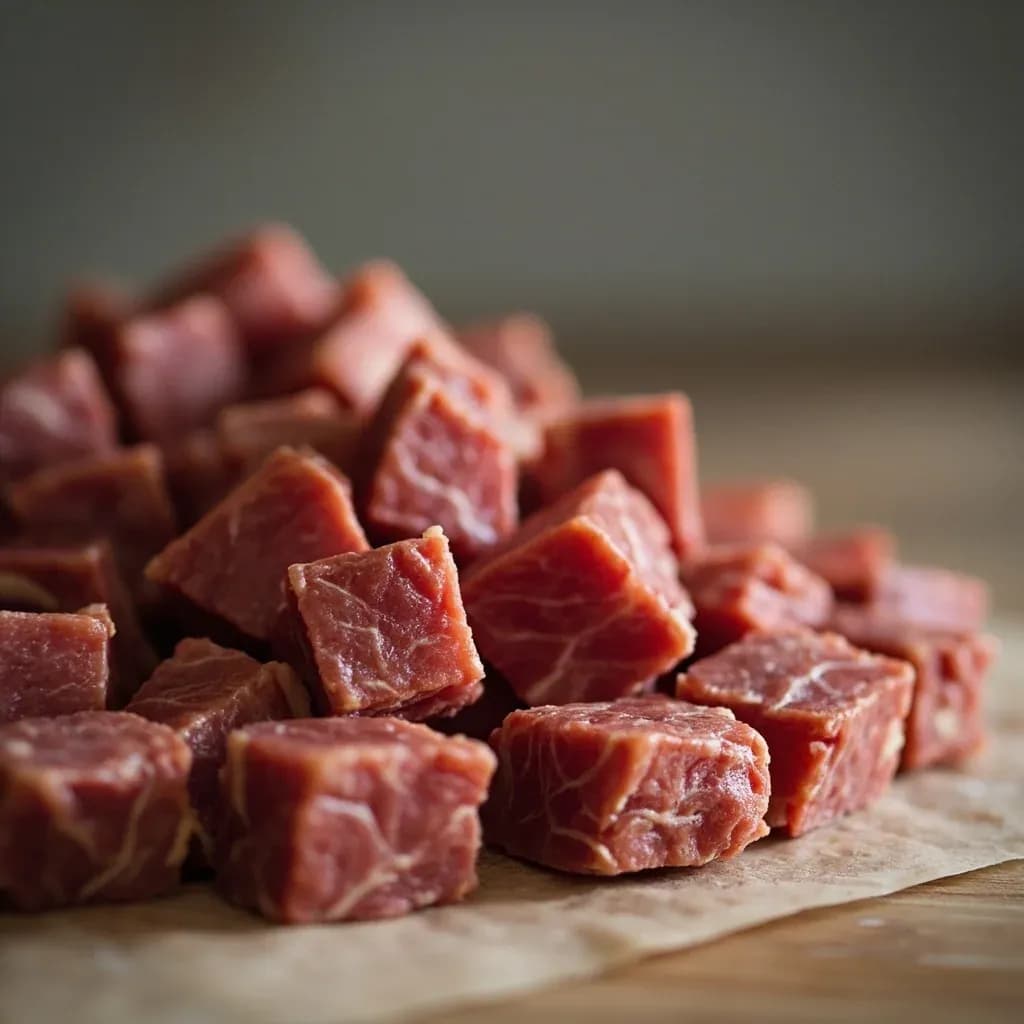
Yak meat is a lean, dark red meat from the high-altitude Himalayan ox, central to Tibetan, Nepali and Mongolian cooking. It is braised in stews, ground for momo dumplings, or air-dried into chewy jerky for travel. Lower in fat than beef, it has a slightly sweet, clean flavor and benefits from slow, moist cooking.
Yak meat comes from Bos grunniens, the domesticated yak—an animal selectively bred for over 5,000 years in the harsh conditions of the Tibetan Plateau and surrounding high-altitude regions. Over 90% of the world's yak population grazes on China's Qinghai-Tibet Plateau, with significant herds also in Mongolia, India, Nepal, and Bhutan. For more than 10 million people living above 10,000 feet in Central Asia, yak is not a delicacy but a dietary cornerstone, providing essential protein, fat, and dairy where few other livestock thrive. The animal's sparse high-altitude diet and constant physical demands produce a meat that is notably different from lowland beef.
The meat is deeply red—visibly darker than conventional beef—and extraordinarily lean, with fat content between 2–5% compared to 15–20% for typical beef. Protein runs 20–24% by weight, making yak one of the densest protein sources in the red meat category. The flavor is mildly sweet with a subtle gamey quality and a faint smoky mineral note that reflects the alpine grasses and herbs in the yak's diet. The texture is dense and fine-grained, which means it behaves differently in the kitchen than beef: it can be tender when cooked to medium-rare or earlier, but becomes rapidly tough and dry if subjected to high heat or overcooked. Traditional preparations—air-drying at altitude, smoking, fermentation—developed as practical responses to climates where refrigeration was unavailable, and these methods remain central to Himalayan and Mongolian yak cookery today.
In Western markets, yak is primarily sold fresh or frozen through specialty ranches and butchers serving Himalayan communities, while dried and cured forms appear in Tibetan and Mongolian grocery stores. Expect to pay 20–40% more per pound than premium beef. The exceptional leanness that makes yak attractive to health-conscious cooks also demands respect in the kitchen: without intervention, it will outpace beef for dryness. Understanding how to manage that leanness—through added fat in ground preparations, careful temperature control in steaks, and low-and-slow methods for tougher cuts—is the key to cooking yak well.
- Measured in
- g
- Storage
- Fridge
Types & varieties
Whole cuts from shoulder, loin, rib, or leg; sold in specialty markets and some butcher shops serving Himalayan communities. Best cooked to medium-rare or earlier.
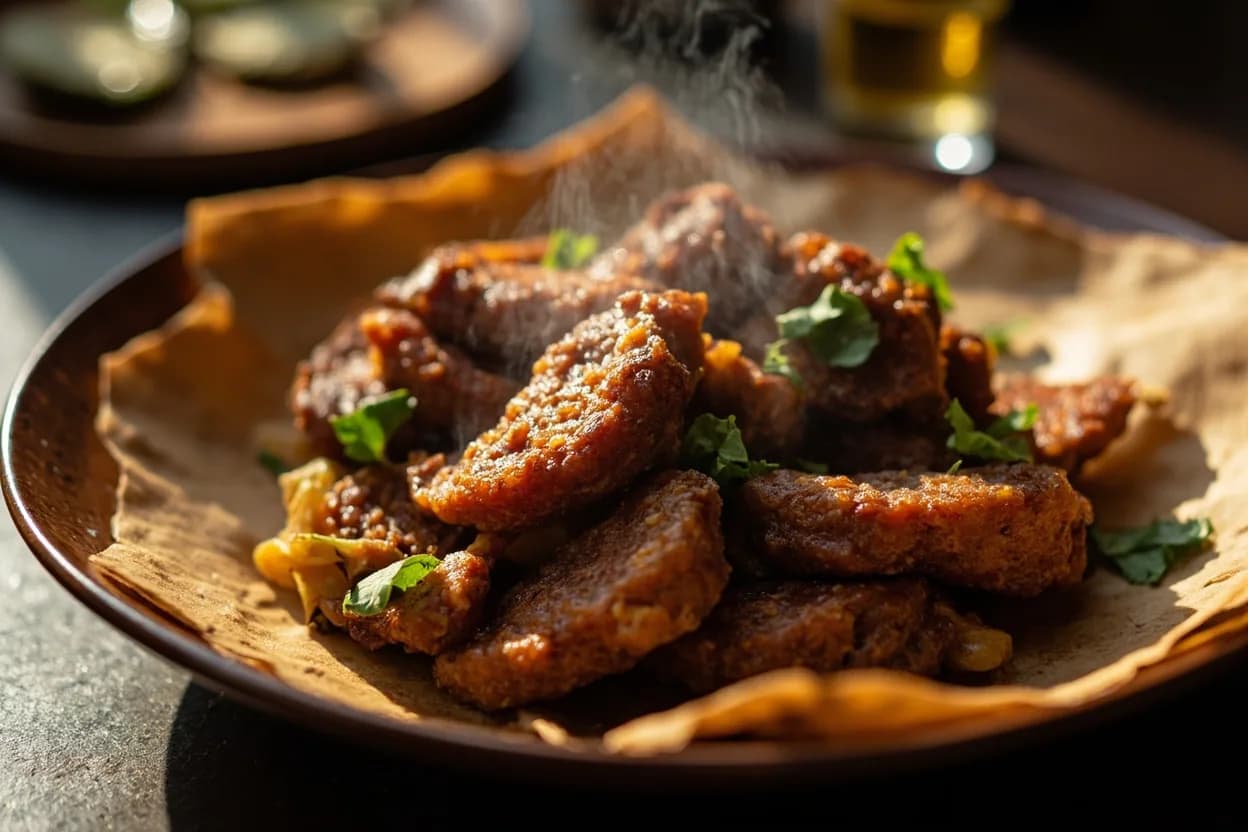
Air-dried yak meat using the traditional Nepalese and Tibetan method; cold, dry mountain air cures it without refrigeration. Denser than beef jerky; must be soaked 30–60 minutes before cooking. Used in curries and snacks.
Cured with salt and cold-smoked; common in Mongolia and Tibetan border regions. Keeps several weeks refrigerated. Excellent sliced thin for charcuterie boards or rehydrated in soups.
Ground yak meat stuffed into casing, often seasoned with Sichuan peppercorn, ginger, or traditional Himalayan spices. The fat content of the casing provides moisture the lean meat lacks.
Cured yak belly or jowl, cold-smoked. Significantly lower fat than pork bacon but delivers rich smoky depth. Shrinks more than pork bacon during cooking.
Wet-cured yak leg or shoulder, slow-cooked or smoked. Traditional in Mongolian cuisine; slice thin for sandwiches or dice into fried rice and grain bowls.
Common uses
Tips & pitfalls
- Cook yak low-and-slow when using tougher cuts—shoulder and chuck require 2–3 hours in liquid; high heat will toughen it in minutes
- Use a meat thermometer and target 130–135°F (54–57°C) for medium-rare; yak dries out rapidly above that range
- Marinate lean cuts 2–4 hours in acid (lemon juice, yogurt) or enzymatic tenderizers (papaya, ginger) before grilling—this breaks down surface proteins and adds moisture
- Add fat back in: mix ground yak with 10–15% pork fat, duck fat, or beef suet for burgers, sausages, and meatballs; without it, these preparations will be dry and dense
- Rest carved steaks 5–8 minutes before serving—cutting too soon lets juices escape and compounds the dryness problem
- When using dried sukuti, soak in warm water for 30–60 minutes before cooking; changing the water once halfway through removes excess salt and ensures even rehydration
- Do not overwork ground yak when forming patties or meatballs—overmixing compacts the protein and produces a dense, rubbery texture that is a common mistake
- Season generously with salt; lean meat has less fat to carry flavor, so it tastes flat compared to fattier proteins unless you season assertively
- If sourcing from a ranch, ask whether the yak was dry-aged—14–21 days of dry aging produces markedly superior tenderness and flavor concentration
- Freeze fresh yak in portioned vacuum-sealed bags; thaw slowly in the refrigerator over 24–48 hours to preserve texture and moisture
- At high altitude (above 5,000 ft / 1,500m), add 10–20% more liquid to braises and extend cooking times by 25% to account for faster evaporation and boiling-point differences
Nutrition
Energy
828 kJ · per 100 g
Where the calories come from
Protein
19.4g
39% DV
Carbs
0g
0% DV
Fat
12.7g
16% DV
Fiber
0g
0% DV
Sugars
0g
of which
Sodium
68mg
3% DV
Source · USDA FoodData Central · approx. Beef, grass-fed, ground, raw
View on FDC →In the shops
Matched grocery products
No matched grocery products for Yak Meat yet.
Good to know
- Origin
- Tibetan Plateau, Himalayas, Nepal, Bhutan, Mongolia, Central Asia (wild and domesticated)
- Animal
- Bos grunniens (domesticated yak); Bos mutus (wild yak, now rare)
- Color
- Deep red, noticeably darker than conventional beef
- Fat Content
- 2–5% (exceptionally lean; wild yak even leaner)
- Protein
- 20–24% by weight
- Flavor
- Mildly sweet, subtly gamey, faint smoky mineral note from high-altitude grazing
- Texture
- Dense, fine-grained, muscular; can turn rapidly tough and dry if overcooked
- Typical Cuts
- Shoulder, chuck, rib, loin, leg (mirrors beef primals)
Substitutes
- Lean Beef (sirloin or eye of round) — Closest texture and mild flavor profile to yak; very similar cooking behavior. The most accessible substitute in Western markets.
- Bison — Comparable leanness and sweet flavor; direct 1:1 substitute in most yak preparations. Cook to the same medium-rare temperature range.
- Venison (loin or shoulder) — Lean and gamey but with stronger flavor than yak; excellent for stews and braises. Reduce cooking time slightly to avoid toughness.
- Alpine Grass-Fed Beef — From high-altitude European breeds; leaner and more intensely flavored than conventional beef. Works particularly well in Tibetan and Himalayan-inspired dishes.
Pairs with
Also called
Tibetan Yak · Yak Beef
Appears in these dishes
Related

Egg
The kitchen's everything ingredient — bind, leaven, enrich, or fry
Chicken Breast
Lean, quick-cooking white meat for everyday dinners

Ground Beef
Versatile minced beef for burgers, ragù, tacos, and meatballs
Pork Loin
Lean, tender roasting cut that stays juicy with care
Salmon
Rich, rosy fish that roasts, grills, or cures beautifully

Egg White
Pure protein that whips to airy peaks for meringue and more

Egg Yolk
Rich, golden yolk for custards, mayonnaise, and pasta

Quail Egg
Tiny, speckled eggs for garnishing and elegant bites