
Natural form
A fresh wheel of caș, showing its pale ivory surface and soft, tender body.
Establishes the cheese's characteristic pale color, rounded form, and delicate texture that distinguishes it from aged cheeses.
Dairy & Eggs
Caș (Fresh Sheep Cheese)
Romanian fresh, unsalted sheep's-milk cheese; the base for telemea and cașcaval.
Caș is a Romanian fresh, soft, unsalted cheese traditionally made from sheep's milk. It has a mild, milky flavor and a tender, crumbly texture. Eaten fresh with bread or polenta (mămăligă), it is also the starting curd for aged cheeses like cașcaval and brined telemea.
Caș is a fresh, unaged sheep's-milk cheese that forms the foundation of Romanian cheesemaking. It is produced through acid coagulation using natural whey cultures, then drained in cheesecloth molds without heavy pressing, which preserves its soft, crumbly texture and slight moisture. The result is a white-to-ivory cheese with a clean, mildly milky flavor and a fat content typically between 6–8%. Unlike aged cheeses, caș is meant to be consumed fresh, within a week of production, which is why finding it outside Romania requires visiting reputable Eastern European markets or specialty producers.
What makes caș culturally significant is its dual role: it is both a finished fresh cheese enjoyed at the table and the essential raw material for two of Romania's most important cheeses—telemea (brined and briefly aged into a feta-style) and cașcaval (pressed, salted, and aged into a semi-hard Provolone-like cheese). This positions caș in Romanian cooking much like fresh curd functions elsewhere—as the starting point from which multiple products diverge. In rural Transylvania, families historically made small batches daily or weekly from their own sheep flocks; today, urban demand is largely served by commercial producers, though mountain villages and markets in Maramureș, Apuseni, and the Southern Carpathians still offer the best examples.
In the kitchen, fresh caș behaves predictably: it crumbles easily, melts at moderate heat, and absorbs dressings or fat when tossed. Its mildness makes it versatile for both savory and slightly sweet preparations, though it dries out quickly under high heat or prolonged baking. The cheese's lack of brine means it has a shorter shelf life than feta or aged cheeses—plan to use it within a week of purchase, and expect it to smell clean and milky, never sour or ammoniated.
- Measured in
- g
- Storage
- Fridge
Allergens
Types & varieties
Made exclusively from sheep's milk; more pronounced flavor and higher fat content (6–8%). The traditional, preferred variety from mountain producers.
Made from cow's milk in the same fresh style; milder flavor and lower fat. Common in lowland areas where sheep are less available.
Caș that has been brined and briefly aged, becoming a feta-like cheese. Can also be made directly from cow's milk.
Not a variety of caș but its primary derivative: fresh caș is pressed, salted, and aged to produce cașcaval, similar to Provolone.
Common uses
Tips & pitfalls
- Purchase caș from reputable Romanian or Eastern European delis and markets; quality varies enormously between producers—ask for recommendations from experienced staff
- If the cheese arrives too dry and crumbly, crumble it finely and toss with 1 tablespoon of whey, whole milk, or olive oil per cup to restore moisture before using in salads or spreads
- Do not confuse fresh caș with smoked cașcaval or aged cașcaval—they are entirely different products with different textures, flavors, and shelf lives; caș spoils quickly, aged cașcaval keeps for months
- When using in baked dishes like mămăligă or pasta, add the cheese toward the end of cooking or bake at moderate temperatures to prevent it from drying out and turning rubbery
- For frying (caș pane), use cheese that has drained longer and feels drier; fresh caș releases too much moisture and will splatter violently in hot oil
- If you detect a sour or ammonia scent, the cheese is past its prime—fresh caș should smell clean and milky with no funky undertones
- When traveling in Romania, seek out local mountain markets and small-scale village producers in Maramureș, Apuseni, or Southern Carpathian regions for the best-quality fresh caș
- If substituting ricotta or farmer's cheese, note that these may be slightly sweeter; adjust seasoning accordingly and do not expect identical flavor—texture will be close
Nutrition
Energy
1628 kJ · per 100 g
Where the calories come from
Protein
25.6g
51% DV
Carbs
1.6g
1% DV
Fat
31.1g
40% DV
Fiber
0g
0% DV
Sugars
1.6g
of which
Sodium
800mg
35% DV
Source · USDA FoodData Central · approx. Cheese, fontina
View on FDC →In the shops
Matched grocery products
No matched grocery products for Caș (Fresh Sheep Cheese) yet.
Good to know
- Type
- Fresh, unaged sheep's-milk cheese (occasionally mixed with cow's milk)
- Origin
- Romania — primarily Transylvania and the Carpathian region
- Texture
- Soft, crumbly, slightly moist when fresh; white to ivory in color
- Salt Content
- Unsalted or very lightly salted (no brine)
- Shelf Life
- Refrigerate and consume within 7–10 days
- Primary Role
- Key intermediate for telemea (feta-style) and cașcaval (aged Provolone-style)
- Traditional Production
- Acid-coagulated, drained in cheesecloth 24–48 hours; not heavily pressed
- Fat Content
- Typically 6–8% in sheep's-milk versions
Substitutes
- Ricotta — Closest in texture and mildness; made from cow's milk but works in most applications. Use equal volume; may be slightly sweeter and wetter, so drain before frying.
- Fresh farmer's cheese — American-style farmer's cheese is similar in moisture and mild flavor; acceptable for frying, baking, and crumbling over dishes.
- Queso fresco — Mexican fresh cheese has a comparable crumbly texture and mild flavor; good for crumbling over salads and tacos, though slightly saltier.
- Paneer — Indian fresh cheese holds its shape better when cooked; acceptable for fried applications but has a distinct milky flavor profile and slightly denser texture.
- Fresh goat cheese (chèvre) — Similar moisture and tang, though with a distinct goat flavor that will alter the character of the dish; works well in salads and spreads.
Pairs with
Also called
Cas Cheese
Related

Whole Milk
Rich, full-fat milk for drinking, coffee, sauces, and baking
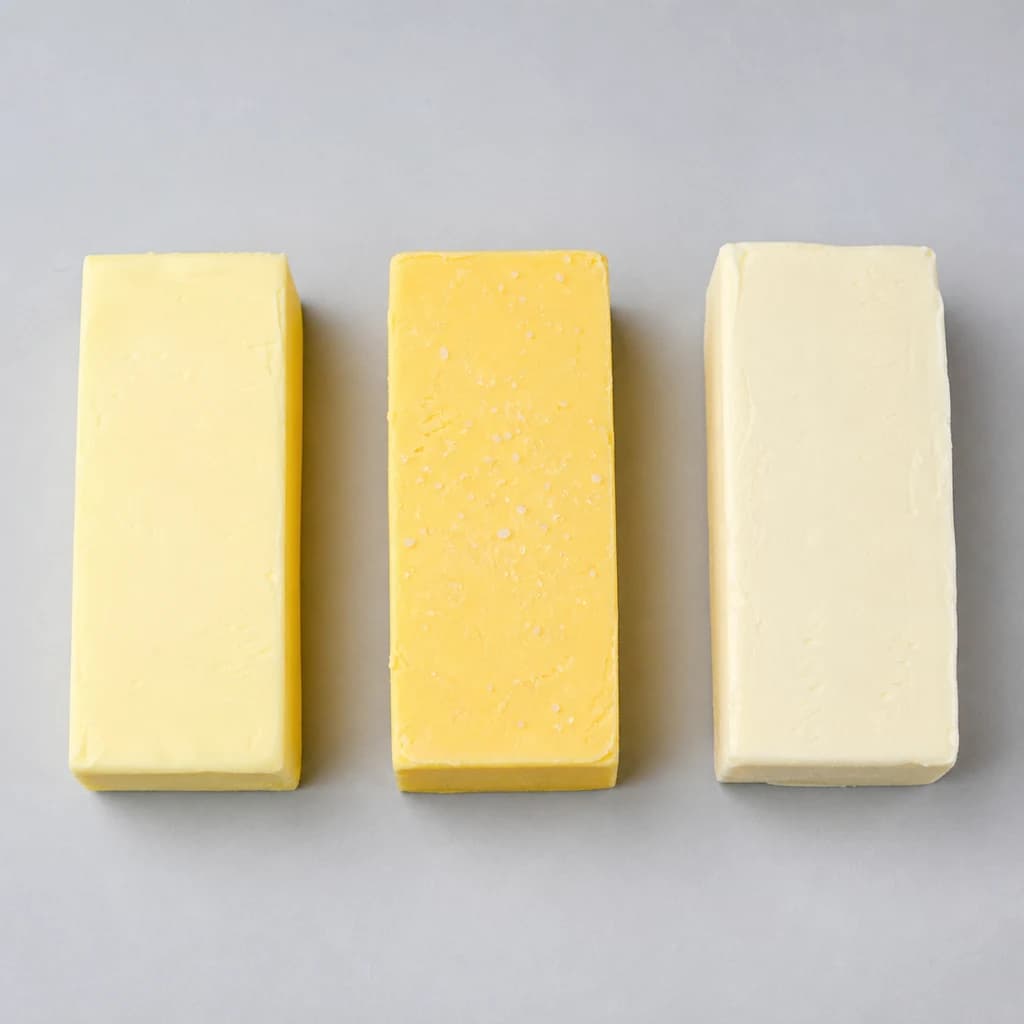
Butter
Golden fat for searing, baking, and finishing a sauce
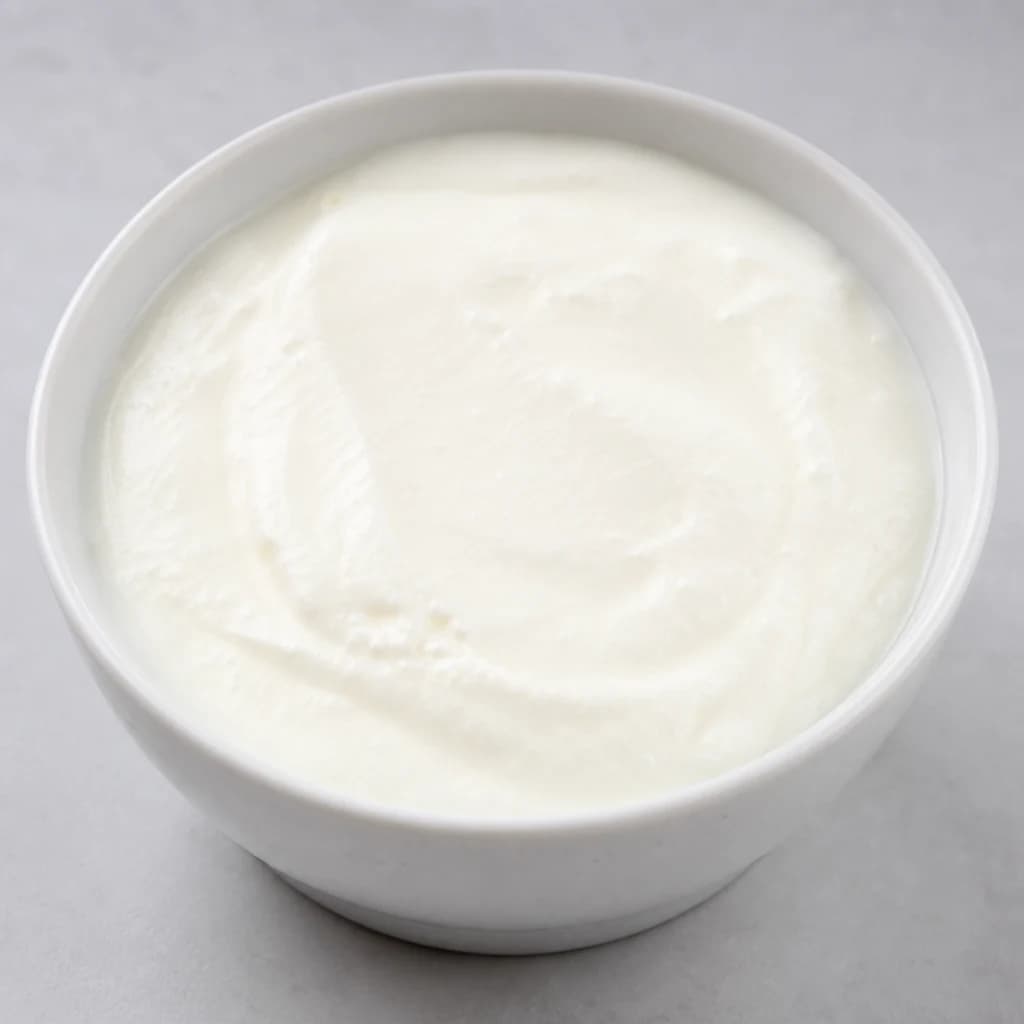
Yogurt
Tangy, creamy culture for breakfast, sauces, and marinades
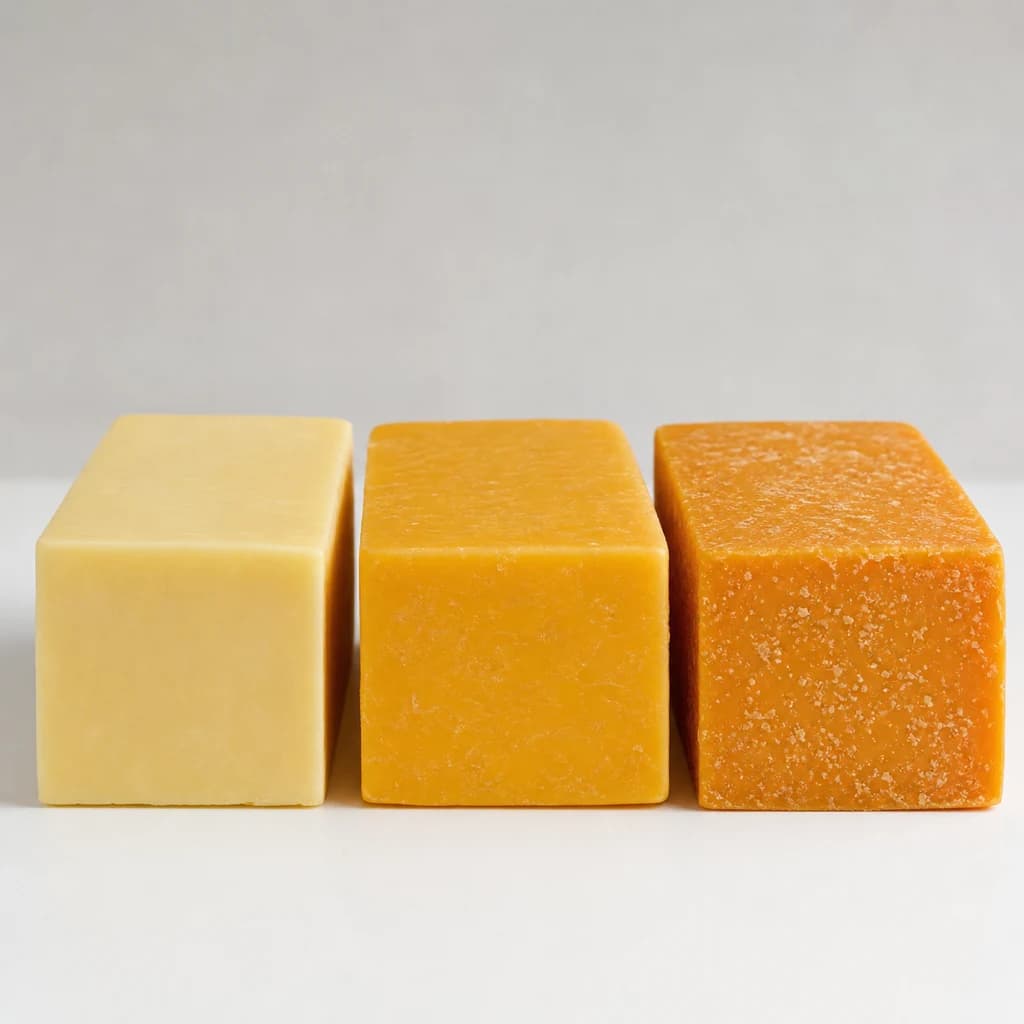
Cheddar Cheese
Sharp, melty cheese for sandwiches, gratins, and grating
Skim Milk
Fat-free milk for lighter drinking, coffee, and cooking
Heavy Cream
Rich cream that whips, enriches sauces, and sets ganache

Sour Cream
Tangy, thick cream for dolloping, baking, and dips
Mozzarella
Soft, milky cheese that melts into stretchy pizza pulls