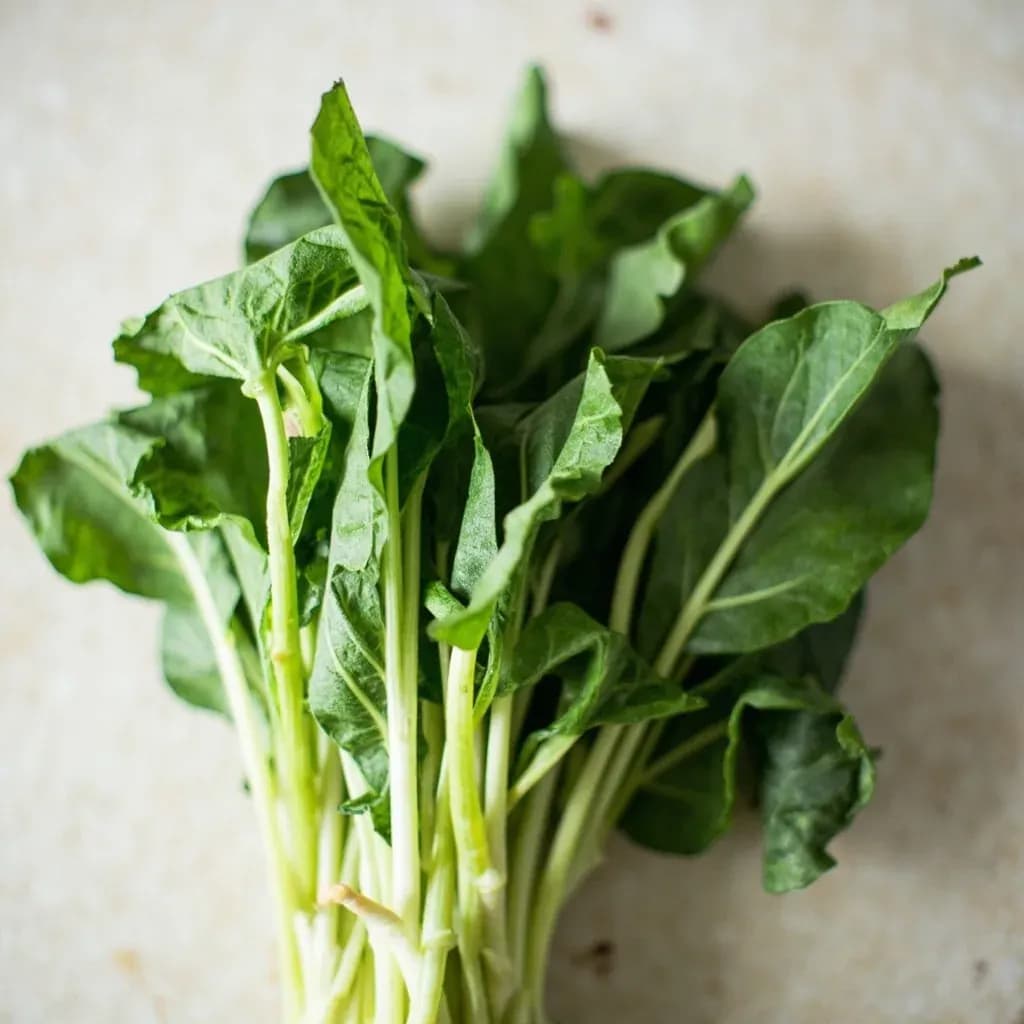
Produce
Chayote Leaf
Tender vine leaves and tips of the chayote plant, cooked as a leafy green.
Chayote leaves are the tender young leaves and shoot tips of the chayote vine, eaten as a leafy vegetable across Latin America and Asia. They are stir-fried, boiled, or added to soups, with a mild, slightly grassy flavor similar to other squash greens. The most tender tips are favored for quick cooking.
Chayote leaves are the tender young vine leaves and shoot tips of the chayote plant (Sechium edule), a member of the gourd family native to Mexico and Central America. Cultivated since pre-Columbian times alongside the familiar pear-shaped fruit, the leaves have long been treasured in Latin American, Caribbean, and Filipino kitchens as a nutritious and abundant green. Their flavor is mild and distinctly herbaceous—think summer squash meets fresh spinach—with a tender texture when harvested young. The plant produces vigorously in warm months, making the leaves a practical byproduct for home growers. Chayote leaves cook down dramatically and require brief, attentive preparation to maintain their color and delicate structure.
- Measured in
- g
- Storage
- Fridge
Types & varieties
Smooth, pale green fruit; leaves are the standard type harvested
Ridged, darker green fruit; leaves are equally usable and interchangeable
Lighter-colored fruit; leaves behave identically in cooking
Selecting and Storing
Fresh chayote leaves are rarely found in mainstream U.S. supermarkets but may be available at Latin American, Caribbean, or Asian grocery stores. When purchasing, look for bright green, unblemished leaves that are still supple—brittle or yellowing leaves indicate age. The tender shoot tips are a bonus. Store unwashed and completely dry in a loosely tied plastic bag in the refrigerator's crisper drawer. Moisture accelerates spoilage, so resist the urge to wash until just before cooking. Use within two to three days for optimal quality.
- Choose young, bright green leaves; avoid any with brown spots or yellowing
- Store dry and unwashed in a loosely sealed plastic bag
- Use within 2–3 days; leaves deteriorate rapidly once wet
Preparation Basics
Rinse leaves thoroughly under cool running water, checking both surfaces for soil or insects. For young leaves from actively growing tips, you can cook them whole. For more mature leaves, strip the central rib and larger side veins—these are tough even after cooking. Young stems are edible; peel older, fibrous stems before using. The leaves cook down dramatically, so plan accordingly: one pound of fresh leaves yields only one to two cups cooked.
- Remove central ribs and large veins from mature leaves
- Young stems are fine to use; peel older fibrous stems
- Expect significant shrinkage during cooking
Common uses
Tips & pitfalls
- Harvest or purchase young, bright green leaves—older leaves develop a tough texture and slightly bitter flavor
- Remove the central rib and larger veins from mature leaves before cooking; young leaves can be cooked whole
- Cook quickly over high heat or blanch briefly—overcooking produces a mushy texture and dull, olive-colored leaves
- Add a splash of acid (lime or vinegar) when cooking to brighten the color and balance the flavor
- Stems are edible if young and tender; peel older stems before using
- When substituting for spinach, use slightly less—chayote leaves have more moisture and cook down significantly
- Store unwashed and dry to prevent rapid spoilage; wet leaves deteriorate quickly
- If growing chayote, harvest leaves regularly to encourage continued fruit and foliage production
Nutrition
Energy
255 kJ · per 100 g
Where the calories come from
Protein
1.1g
2% DV
Carbs
14.7g
5% DV
Fat
0.5g
1% DV
Fiber
3g
11% DV
Sugars
9g
of which
Sodium
3mg
0% DV
Source · USDA FoodData Central · approx. Kiwifruit, green, raw
View on FDC →In the shops
Matched grocery products
No matched grocery products for Chayote Leaf yet.
Good to know
- Origin
- Native to Mexico and Central America; cultivated since pre-Columbian times
- Plant family
- Cucurbitaceae (gourd family); same family as squash, cucumbers, melons
- Plant part used
- Young vine leaves and tender shoot tips
- Flavor
- Mild, slightly grassy; similar to summer squash but distinctly green and herbaceous
- Peak season
- Warm months when vine growth is vigorous; year-round in tropical climates
- Texture
- Tender when young; becomes tough and stringy if harvested too mature
- Primary cuisines
- Mexican, Central American, Caribbean, Filipino (sayote), Brazilian, Puerto Rican
- Storage
- Refrigerate unwashed in plastic bag; use within 2–3 days for best quality
- Yield
- 1 pound fresh leaves yields approximately 1–2 cups cooked
- Nutrition
- High in calcium, iron, vitamins A and C, and dietary fiber
- Traditional preparation
- Sautéed with garlic and onion; added to soups and stews; blanched and dressed
Substitutes
- Spinach — Most direct substitute; similar texture and mild flavor; cook slightly less time
- Swiss chard — Comparable cooking time and behavior; stems can be treated similarly
- New Zealand spinach (kōkihi) — Similar mild, slightly grassy flavor; holds up well to cooking
- Water spinach (kangkong) — Comparable mild flavor; Filipino cuisine uses both interchangeably
- Collard greens — Less tender; must be cooked longer; remove tough center rib
Pairs with
Also called
Chayote Leaf · Chayote Greens · Chayote Tips
Related
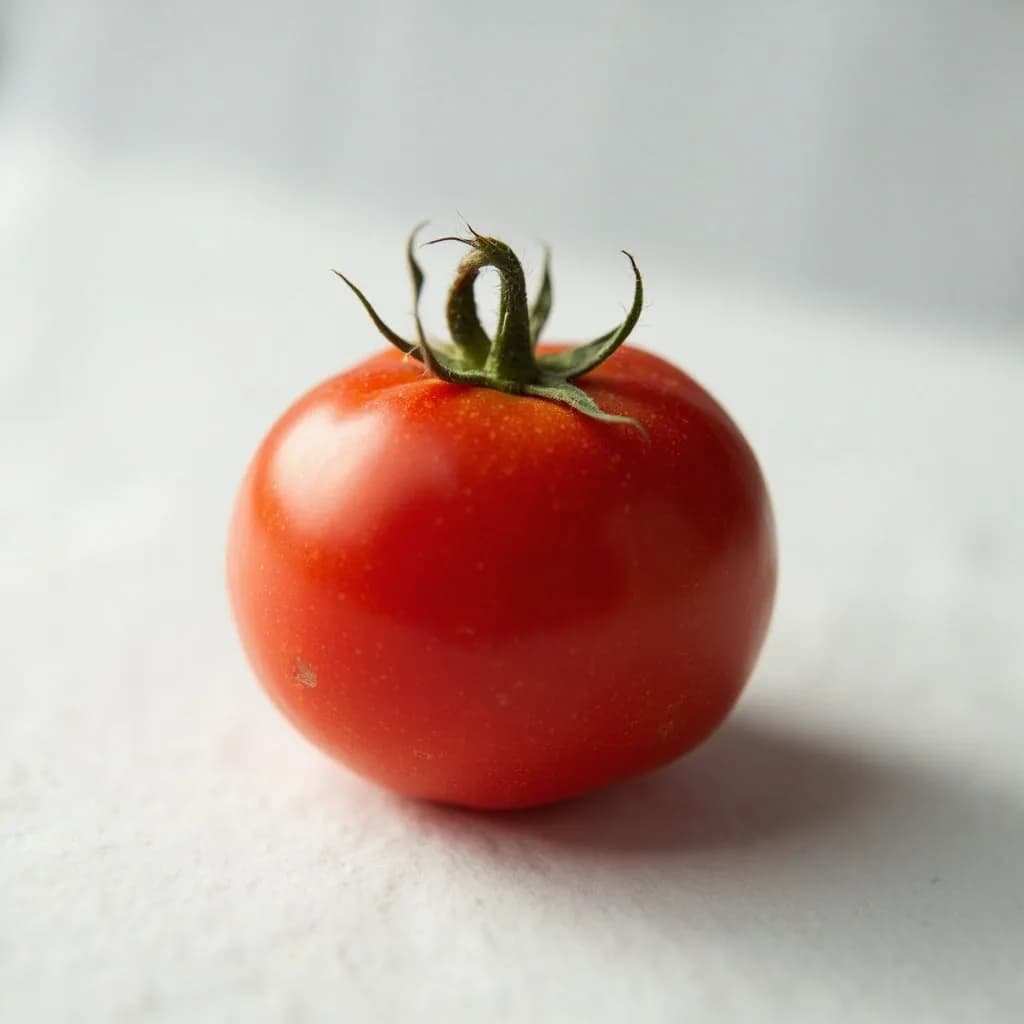
Tomato
Juicy, sun-sweet fruit for sauces, salads, and slow-cooked depth
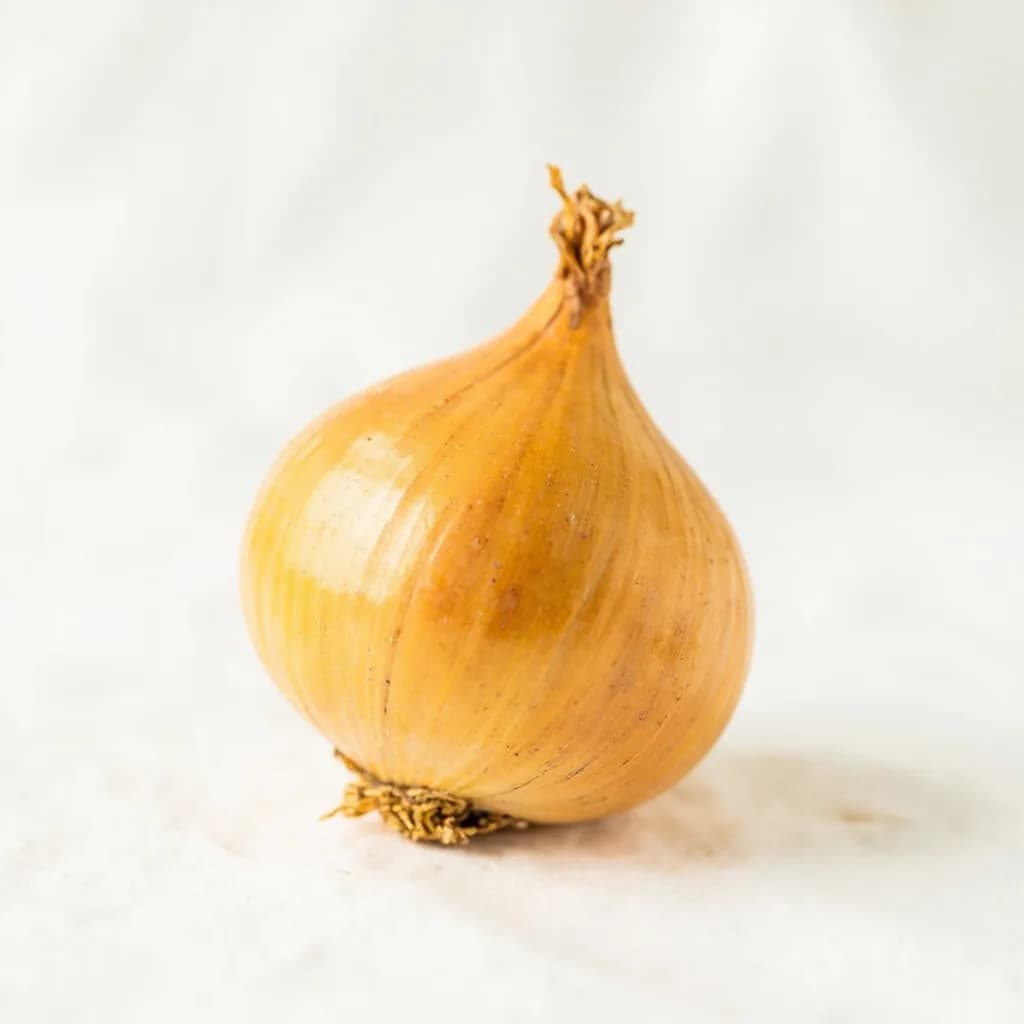
Yellow Onion
The aromatic backbone of soups, sofritos, and braises
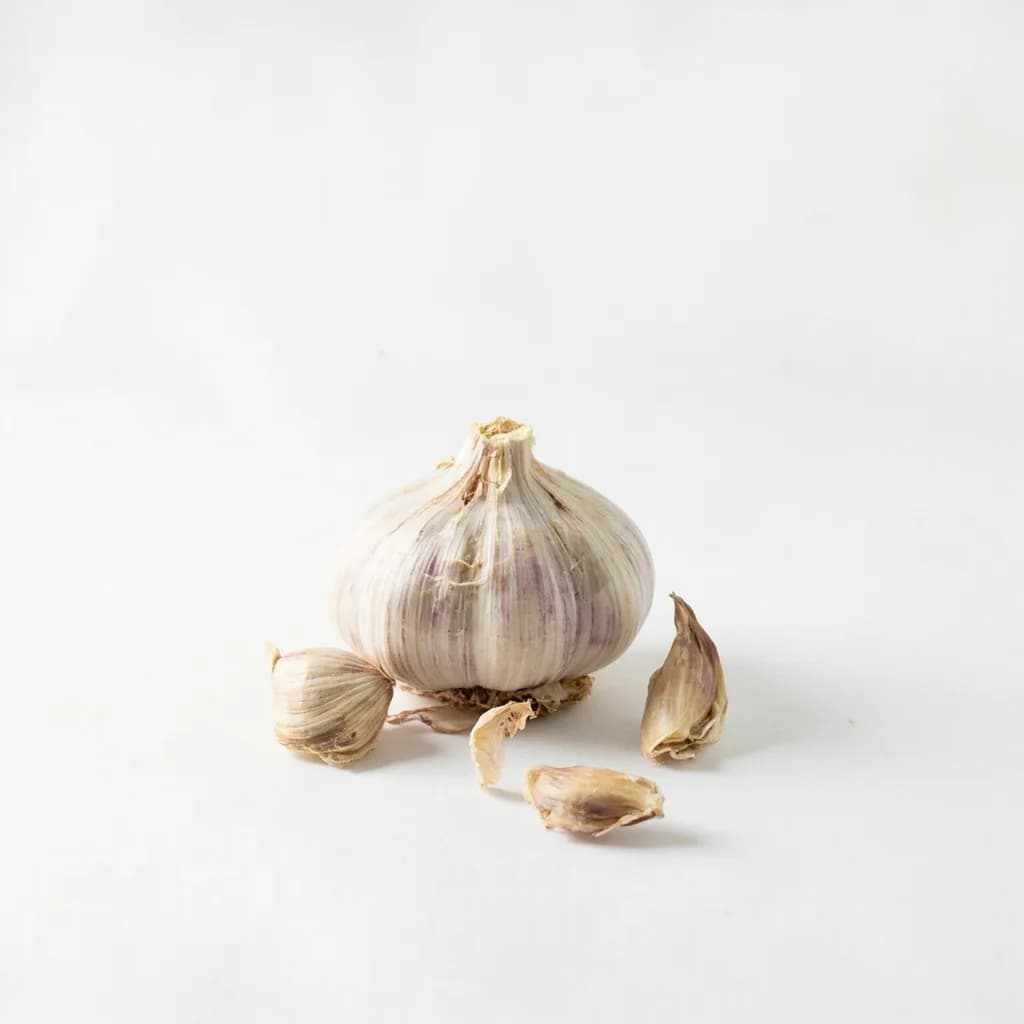
Garlic
Pungent cloves that perfume nearly every savory dish
Lemon
Bright, acidic citrus that wakes up almost any dish
Potato
Humble, hearty staple — roast, mash, fry, or boil
Carrot
Sweet, crunchy root — raw, roasted, or the base of a sofrito
Cucumber
Cool, crisp, and watery — for salads, pickles, and tzatziki

Lettuce
Crisp leaves for salads, wraps, and a fresh crunch