Produce
Cherimoya
Creamy custard-textured tropical fruit tasting of banana, pineapple, and vanilla.
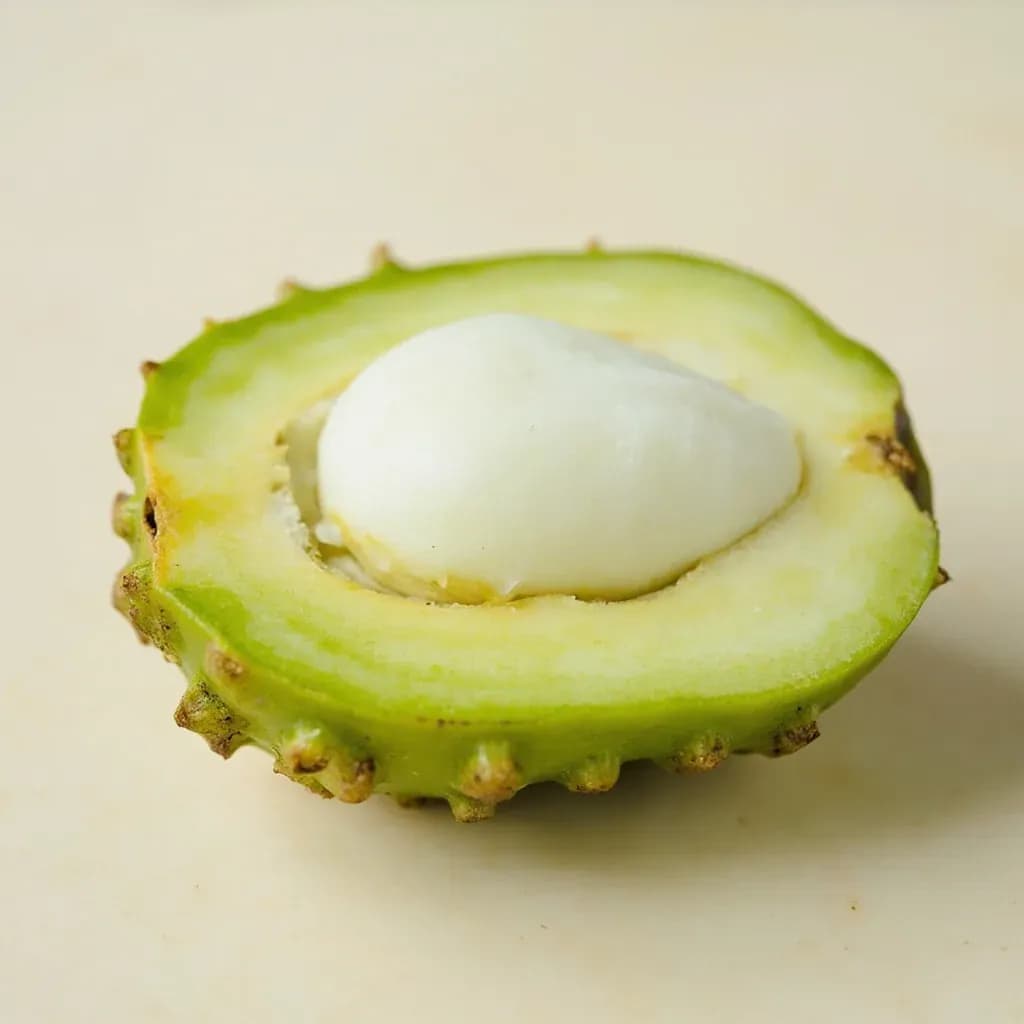
Cherimoya is a heart-shaped Andean fruit with green scaly skin and soft, custardy white flesh dotted with inedible black seeds. It is eaten chilled and scooped fresh, or blended into smoothies and ice creams, with a flavor blending banana, pineapple, and vanilla. Often called the custard apple, it is best eaten when slightly soft.
Cherimoya (Annona cherimola) is a subtropical fruit native to the cool Andean highlands of Peru and Ecuador, where it has been cultivated since pre-Columbian times. The Quechua name chirimuya translates to 'cold seed,' a reference to the species' adaptation to high-elevation climates atypical for tropical fruits. Prized by the Inca and depicted in pre-Columbian art, cherimoya has been grown in California since the late 18th century and today is commercially significant in Spain's Granada region, New Zealand, Australia, and Chile. California remains the primary US producer, with production concentrated in San Diego County.
For cooks, cherimoya's defining characteristic is its custard-like texture—the result of high water content and low starch—which makes it exceptional in raw preparations but unreliable when heated. The flesh ranges from white to cream-colored and melts on the tongue when fully ripe. Flavor-wise, it offers a complex tropical sweetness with low acidity, evoking banana, pineapple, vanilla, and papaya. Hand pollination is required outside its native range because the natural beetle pollinators are absent, which is why cultivated specimens tend toward fewer seeds than wild fruit.
Because the fruit bruises easily and deteriorates rapidly once ripe, timing is everything. The window between perfect ripeness and over-the-hill is narrow—typically 1 to 2 days. This perishability explains why cherimoya remains a seasonal treasure rather than a supermarket staple, and why the effort of sourcing and handling it pays off in exceptional eating experiences.
- Measured in
- piece
- Storage
- Fridge
Types & varieties
Principal commercial variety in Spain (Granada region); highly regarded for flavor and texture
Florida variety; large, conical fruit with slightly thicker flesh
Florida cultivar; good bearer with reliable quality
California selection; widely grown in San Diego County
Common commercial variety; smooth green skin when ripe
Has bronze-tinted skin markings; prized for sweetness
Lighter-skinned variant; flesh is particularly creamy
Several cultivars selected for distinct heart form; flavor varies by selection
Choosing and Ripening
Selecting cherimoya requires attention to firmness and color. Choose fruit that is plump, uniformly green, and free of blemishes or soft spots. Unlike many fruits, slight give when pressed gently indicates approaching ripeness—the stem end is the most reliable test. Ripen at room temperature (18–24°C) on a countertop; never refrigerate unripe fruit, which will cause chilling injury and prevent proper ripening. Once the fruit yields to gentle pressure and the skin takes on a slightly paler cast, it is ready. From this point, consume within 1–2 days.
- Uniformly green, blemish-free skin indicates fresh fruit
- Press gently at the stem end to test ripeness
- Ripen at room temperature only—never in the refrigerator
- Consume within 1–2 days of reaching ripeness
Preparing Cherimoya
Cut the fruit in half lengthwise with a sharp knife. The flesh separates easily from the skin—scoop it out with a spoon or use a melon baller for neat portions. Work over a bowl to catch the juices, which are the most flavorful part of the fruit. Remove ALL seeds without exception; they are toxic and have a bitter, irritant quality. Once seeded, the custard flesh can be eaten as-is, or used in any preparation calling for the fruit.
- Cut in half lengthwise with a sharp knife
- Scoop flesh from skin with a spoon or melon baller
- Collect escaping juices—they contain concentrated flavor
- Remove every seed—none are safe to eat
Common uses
Tips & pitfalls
- Select fruit that is plump, uniformly green, and free of blemishes or soft spots; slight give when pressed gently at the stem end indicates approaching ripeness
- Ripen at room temperature (18–24°C) on a countertop, never refrigerate unripe fruit
- Eat immediately once ripe—cherimoya bruises easily and deteriorates within 1–2 days
- Work over a bowl to catch juices, which are the most flavorful part of the fruit
- Remove ALL seeds—never consume them; they are toxic and have a bitter, irritant quality
- Avoid cooking the fruit excessively—high heat turns the flesh grainy and dulls the delicate flavor
- A squeeze of lime or pinch of salt heightens the tropical sweetness without overpowering
- Handle as you would a ripe avocado: with care, and quickly once ripe
Nutrition
Energy
314 kJ · per 100 g
Where the calories come from
Protein
1.6g
3% DV
Carbs
17.7g
6% DV
Fat
0.7g
1% DV
Fiber
3g
11% DV
Sugars
12.9g
of which
Sodium
7mg
0% DV
Source · USDA FoodData Central · Cherimoya, raw
View on FDC →In the shops
Matched grocery products
No matched grocery products for Cherimoya yet.
Good to know
- Scientific Name
- Annona cherimola
- Family
- Annonaceae (custard apple family)
- Origin
- Andean highlands of Peru and Ecuador, 1,500–2,000 m elevation
- Peak Season (Northern Hemisphere)
- November through March
- Typical Weight
- 150–500 g per fruit
- Flavor Profile
- Banana, pineapple, vanilla, and papaya; sweet with low acidity
- Calories (per 100 g)
- ~75 kcal
- Warning
- Seeds are toxic—contain acetogenins that are irritants and potentially harmful if ingested
Substitutes
- Atemoya — Hybrid of cherimoya and sugar-apple; most accessible substitute in markets; slightly firmer flesh
- Sugar-apple (Annona squamosa) — Similar custard texture but sweeter and less complex; seeds also toxic
- White sapote (Casimiroa edulis) — Comparable creamy texture and mild tropical flavor; different family but similar culinary behavior
- Ripe banana (in smoothies/desserts) — Provides creaminess and mild sweetness; lacks tropical complexity but reliable substitute in purées
- Ripe mango (in fresh preparations) — Sweetness and tropical notes; texture is firmer, not custard-like, but acceptable in salads and salsas
- Soursop (Annona muricata) — Same genus but distinctly tart and fibrous; works in cooked preparations where cherimoya is too delicate
Pairs with
Also called
Cherimoya · Custard Apple
Related
Tomato
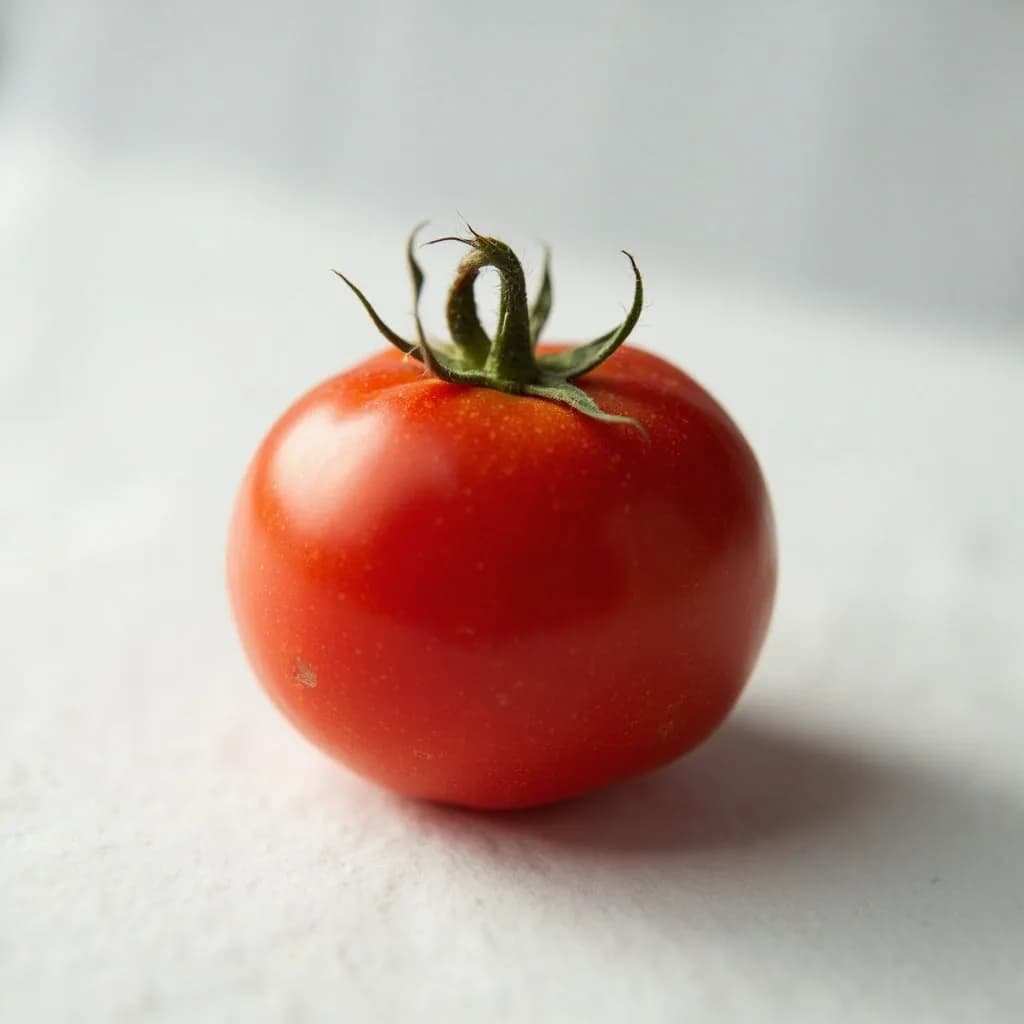
Juicy, sun-sweet fruit for sauces, salads, and slow-cooked depth
Yellow Onion
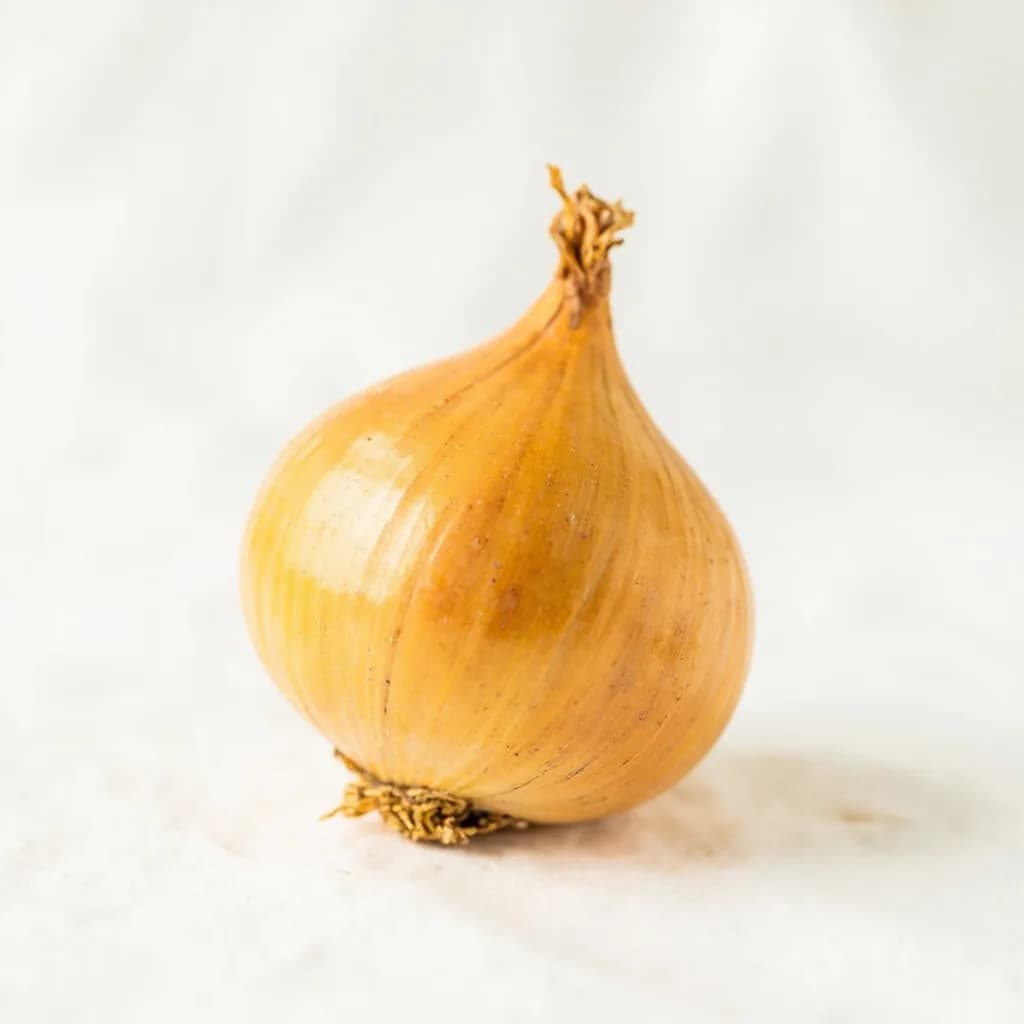
The aromatic backbone of soups, sofritos, and braises
Garlic
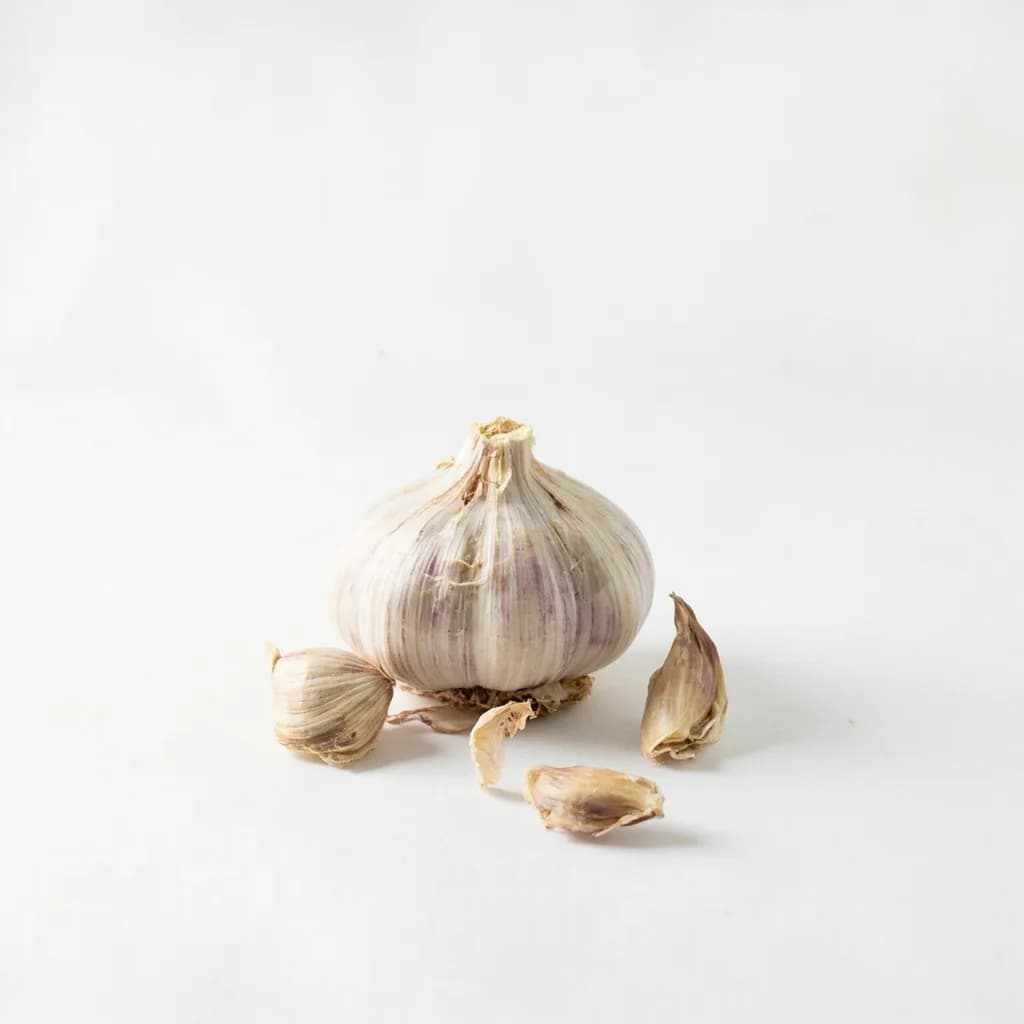
Pungent cloves that perfume nearly every savory dish
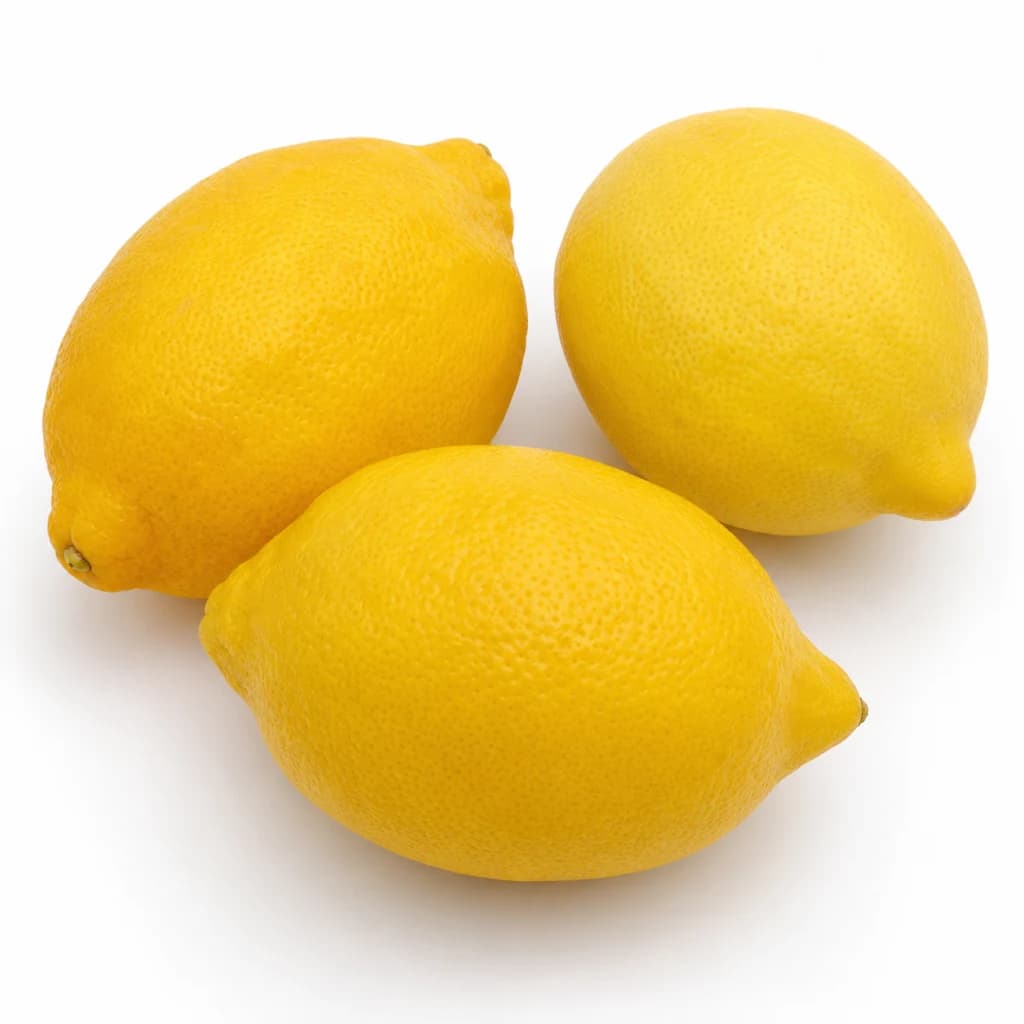
Lemon
Bright, acidic citrus that wakes up almost any dish
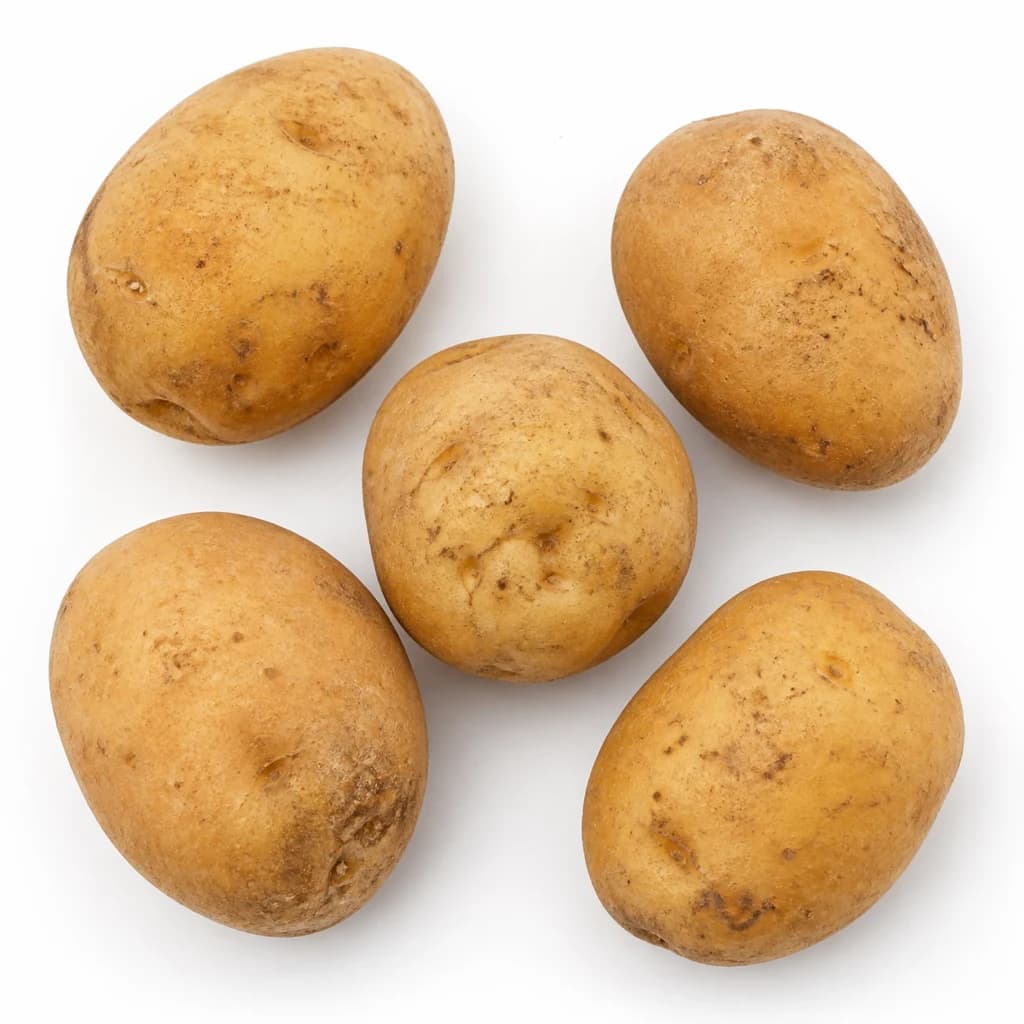
Potato
Humble, hearty staple — roast, mash, fry, or boil
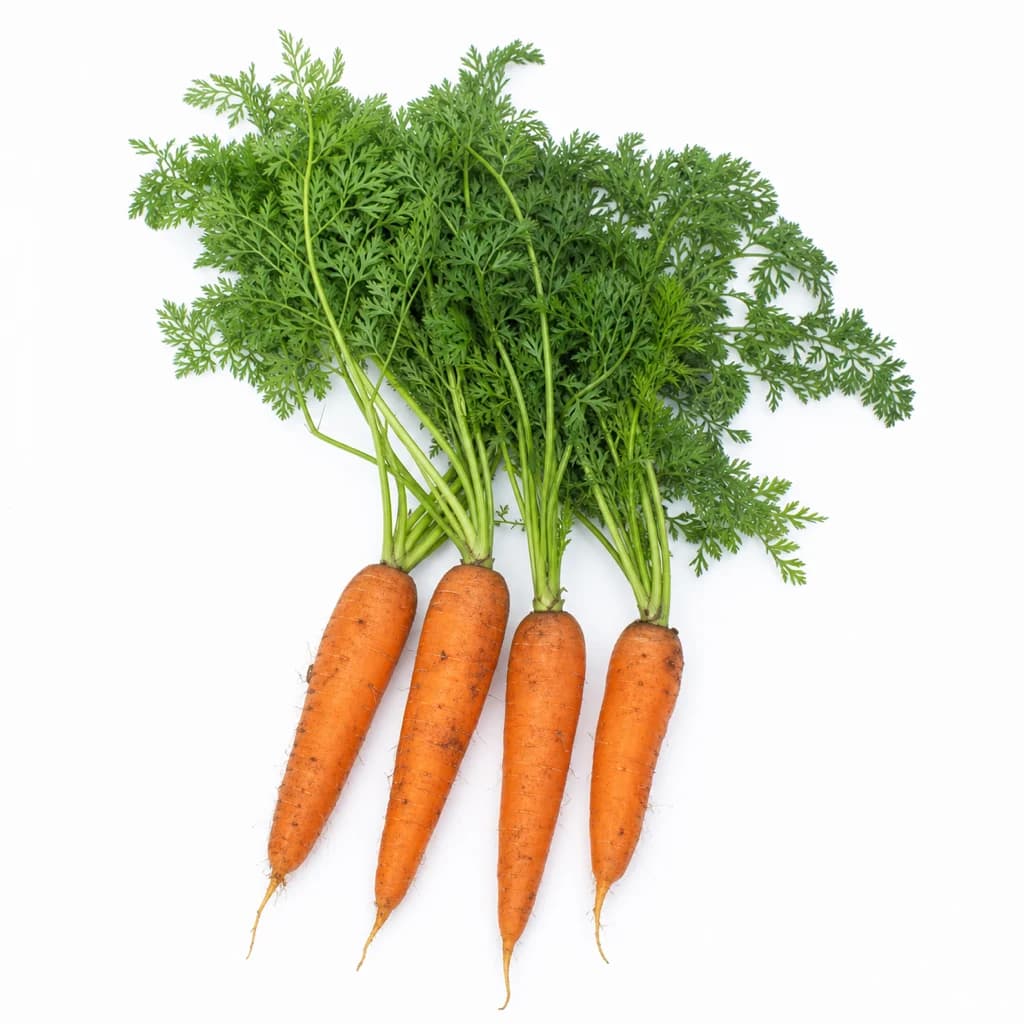
Carrot
Sweet, crunchy root — raw, roasted, or the base of a sofrito
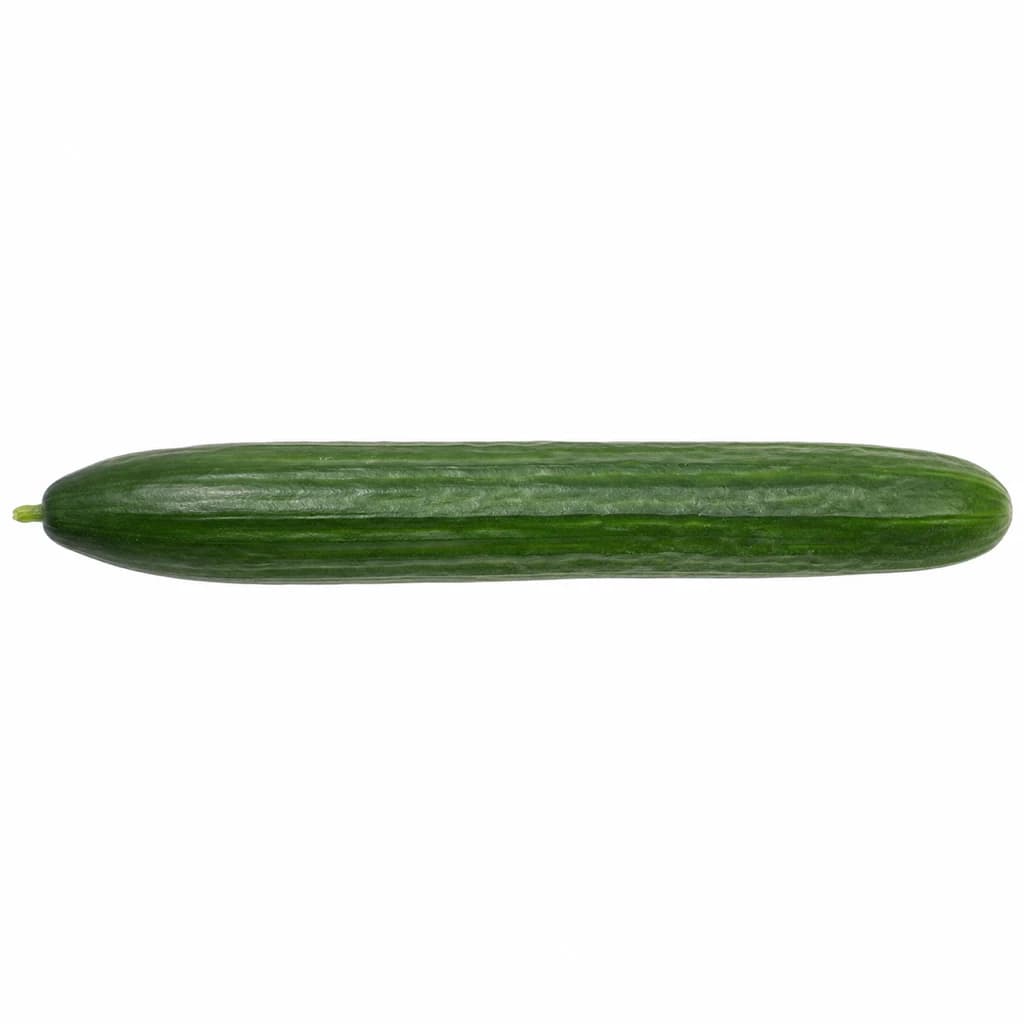
Cucumber
Cool, crisp, and watery — for salads, pickles, and tzatziki

Lettuce
Crisp leaves for salads, wraps, and a fresh crunch