
Natural form
A whole sugar apple shows its distinctive knobbly, segmented green skin before opening.
The unmistakable lumpy, scale-like exterior is the sugar apple's most recognizable feature — essential for identification in a market or garden.
Produce
Sugar Apple (Sweetsop)
Knobbly green tropical fruit with sweet, custard-like white flesh eaten fresh or blended into drinks.
The sugar apple is a knobbly, green, segmented tropical fruit whose lumpy skin pulls apart to reveal soft, fragrant white flesh studded with black seeds. Intensely sweet with a custard-like texture, it is eaten fresh with a spoon or blended into shakes and ice cream across the tropics. It is closely related to the soursop and cherimoya in the Annona family.
Sugar apple (Annona squamosa), also called sweetsop, is a tropical fruit native to the Americas that has spread throughout warm-climate regions worldwide. The fruit grows on a small deciduous tree and develops in a knobbly, heart-shaped to round form, typically tennis-ball to softball-sized. Its bright green skin segments naturally into hexagonal sections that separate by hand when ripe, revealing white flesh divided into creamy, custard-like segments. The flesh contains 15 to 30 shiny black seeds arranged between segments—these seeds contain toxic acetogenins and must be removed entirely before consumption.
The flavor profile is exceptionally sweet and dessert-like, evoking vanilla custard with subtle pear, banana, and tropical undertones. Sugar apple ranks among the sweetest of the Annona fruits, matching the creamy texture of cherimoya and atemoya while delivering concentrated sweetness. Unlike many fruits, sugar apple does not ripen significantly after harvest—it must be picked or purchased at peak ripeness. This perishability limits its availability outside tropical growing regions, making it a treasured find for travelers in the Caribbean, Southeast Asia, and Central America.
In the kitchen, sugar apple demands respect for its delicate character. High heat destroys its custard-like quality, so it excels in raw or minimally processed preparations. The fruit segments easily along its natural ridges, making it one of the easier Annona fruits to eat by hand. For best results, serve immediately after breaking it open—the flesh darkens and loses its creamy texture within an hour of exposure to air. A squeeze of citrus helps preserve its color and brightens the flavor in pureed applications.
- Measured in
- piece
- Storage
- Fridge
Types & varieties
Large-fruited commercial variety with exceptionally sweet flesh, developed in Thailand
Common cultivar in Florida and Caribbean; good flavor, moderate seed count
Popular Taiwanese variety; known for large fruit size and good flesh-to-seed ratio
Hawaiian selection with very creamy texture and high sugar content
Hawaiian variety; prized for exceptional sweetness and smooth texture
Less common variant with reddish tinge to skin; similar flavor to green varieties
Common uses
Tips & pitfalls
- Select fruits with bright green, unblemished skin that yields slightly to gentle pressure; avoid those with dark spots or dry, brown patches
- Ripe sugar apples emit a subtle, sweet fragrance near the stem end; no fragrance indicates immaturity
- Do not refrigerate unripe fruits; they will not ripen properly in the cold
- Once ripe, store in the refrigerator for up to 3 days; the flesh oxidizes quickly once exposed to air
- Break or cut the fruit open by hand or with a knife, then separate the segments to access the flesh
- Remove every seed meticulously—never blend whole segments without deseeding, as seeds are toxic and their alkaloids will contaminate the flesh
- Eat immediately after opening, as the creamy flesh degrades in texture and darkens within an hour
- For smoothies or purees, work quickly and add a squeeze of citrus (lime or lemon) to stabilize the color and brighten flavor
- Do not cook sugar apple extensively—high heat destroys its delicate, custard-like character; use only in raw or minimally heated preparations
- Pair with ingredients that complement rather than overpower its subtle sweetness, such as coconut, mild tropical fruits, or warm spices at low concentration
Nutrition
Energy
393 kJ · per 100 g
Where the calories come from
Protein
2.1g
4% DV
Carbs
23.6g
9% DV
Fat
0.3g
0% DV
Fiber
4.4g
16% DV
Sodium
9mg
0% DV
Source · USDA FoodData Central · Sugar-apples, (sweetsop), raw
View on FDC →In the shops
Matched grocery products
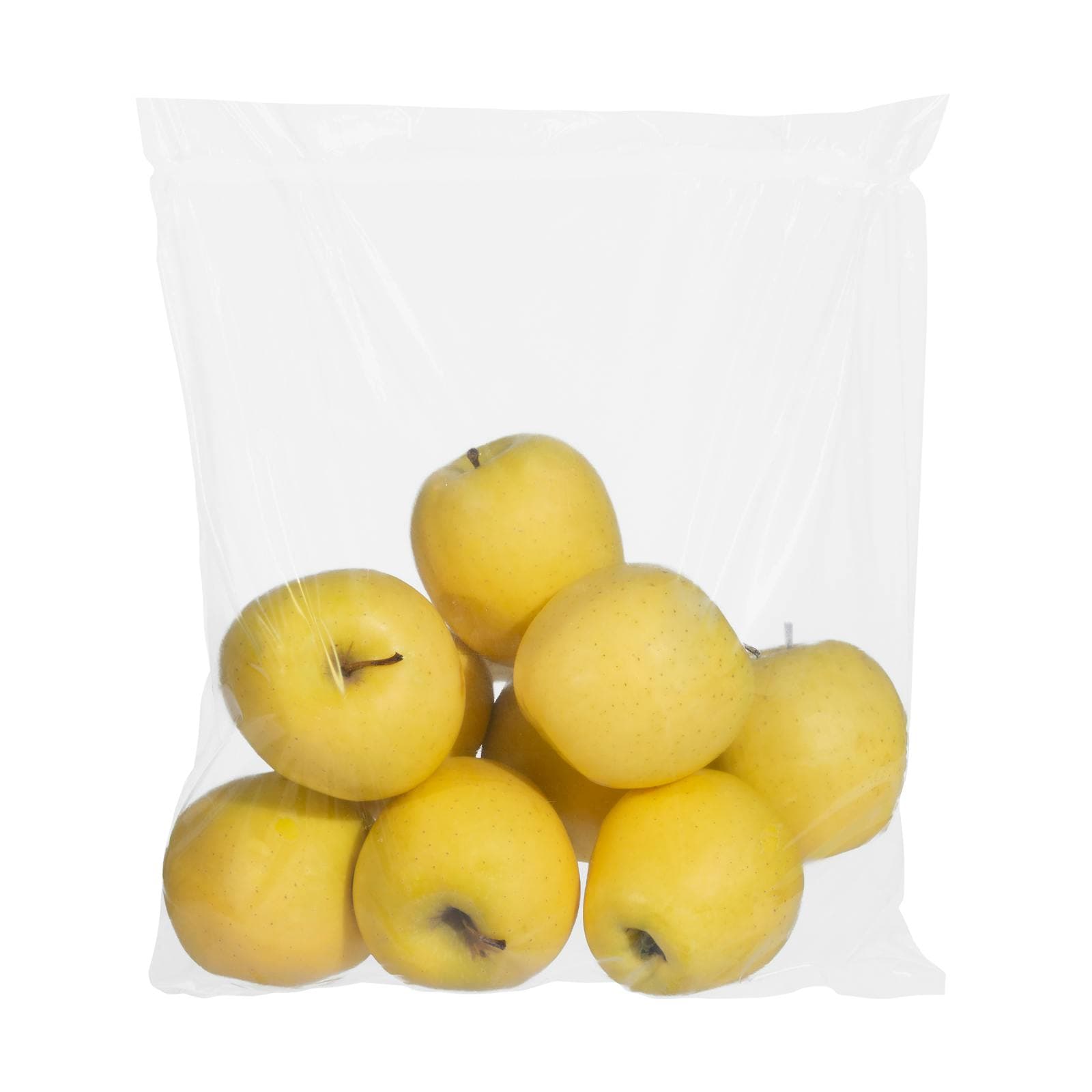 €2.84
€2.84Golden Apples
1.58 kg · Mercadona
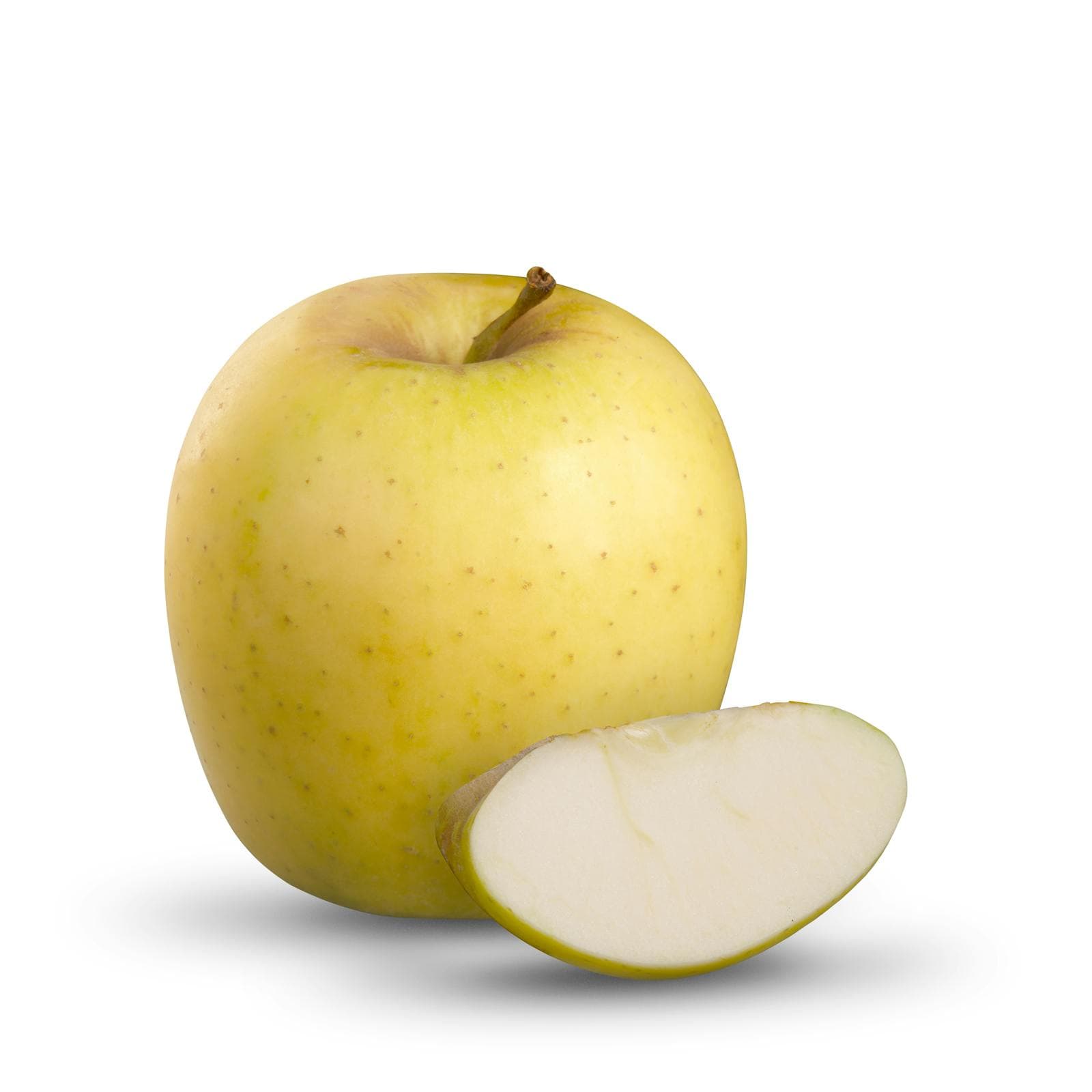 €0.44
€0.44Golden Apple
200 g · Mercadona
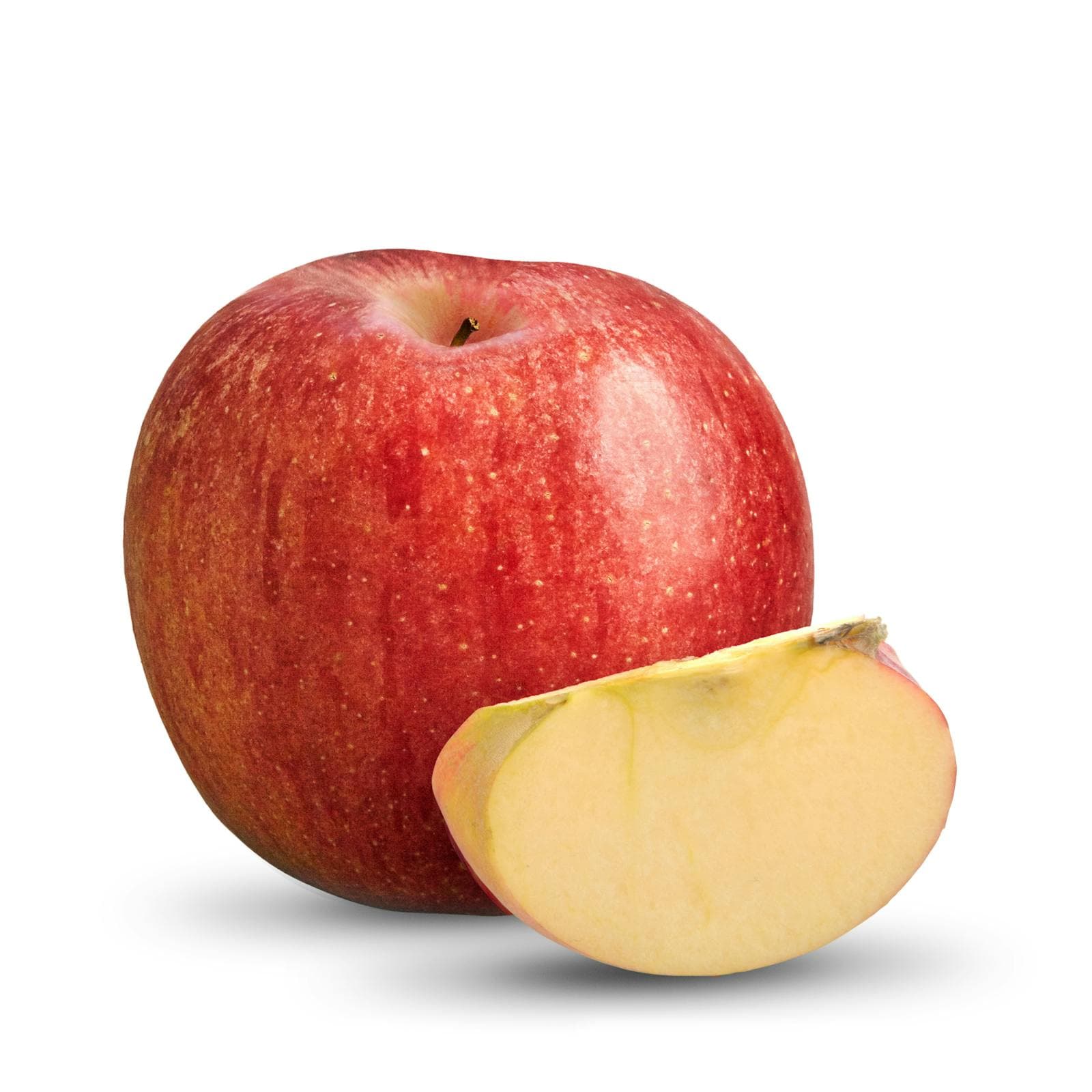 €0.62
€0.62Red Sweet Apple
230 g · Mercadona
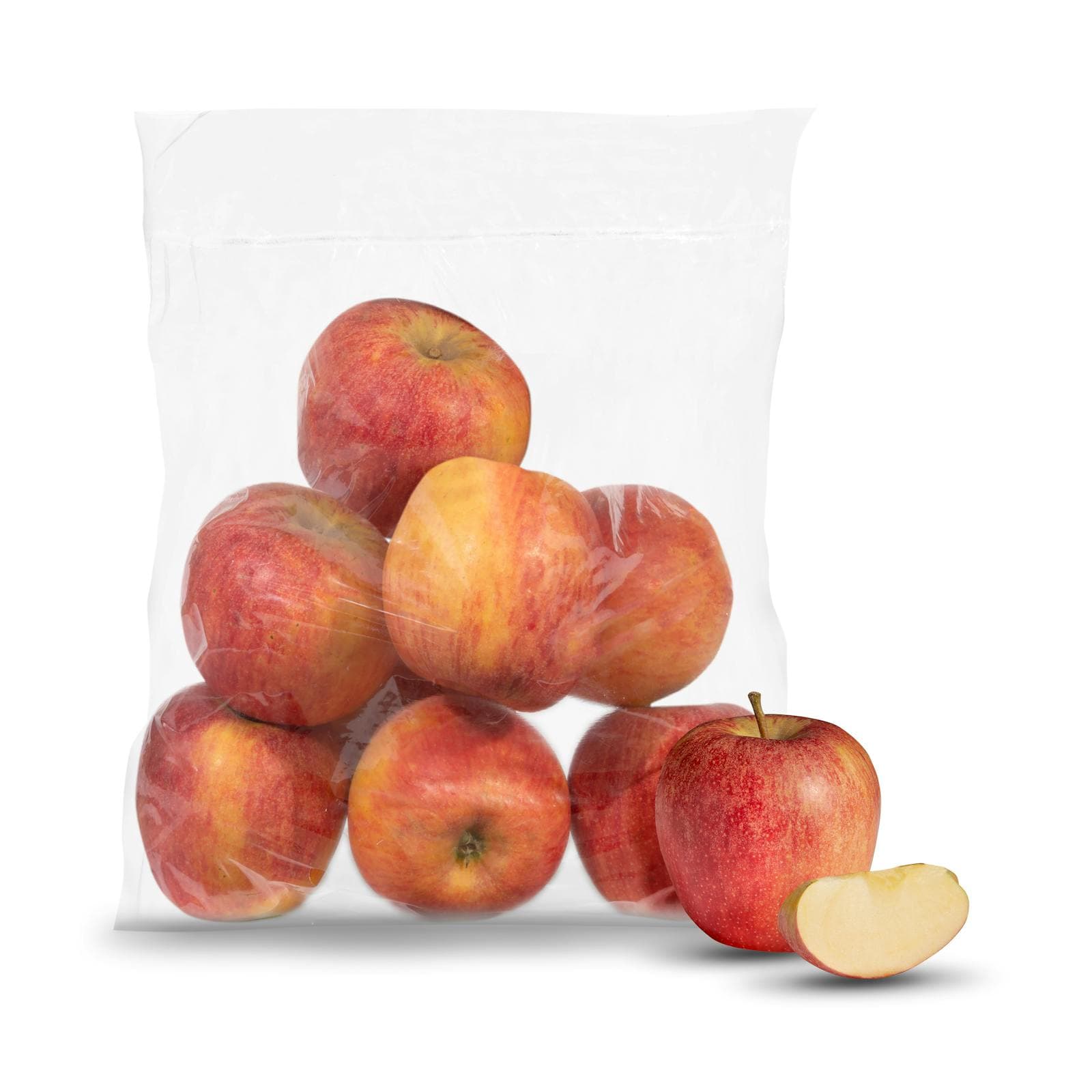 €3.77
€3.77Sweet Red Apples
1.57 kg · Mercadona
 €0.43
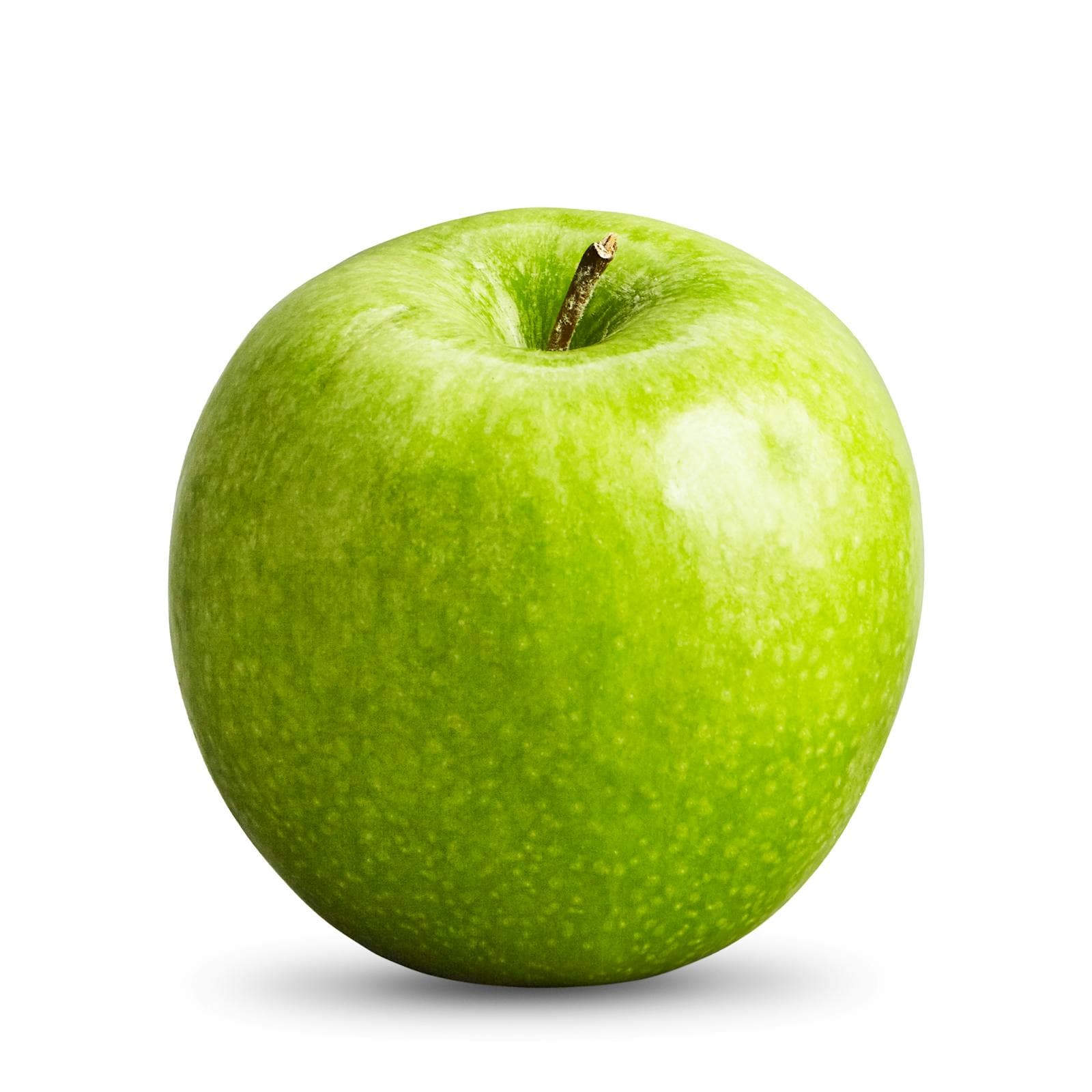
€0.43Granny Smith Apple
180 g · Mercadona
 €0.59
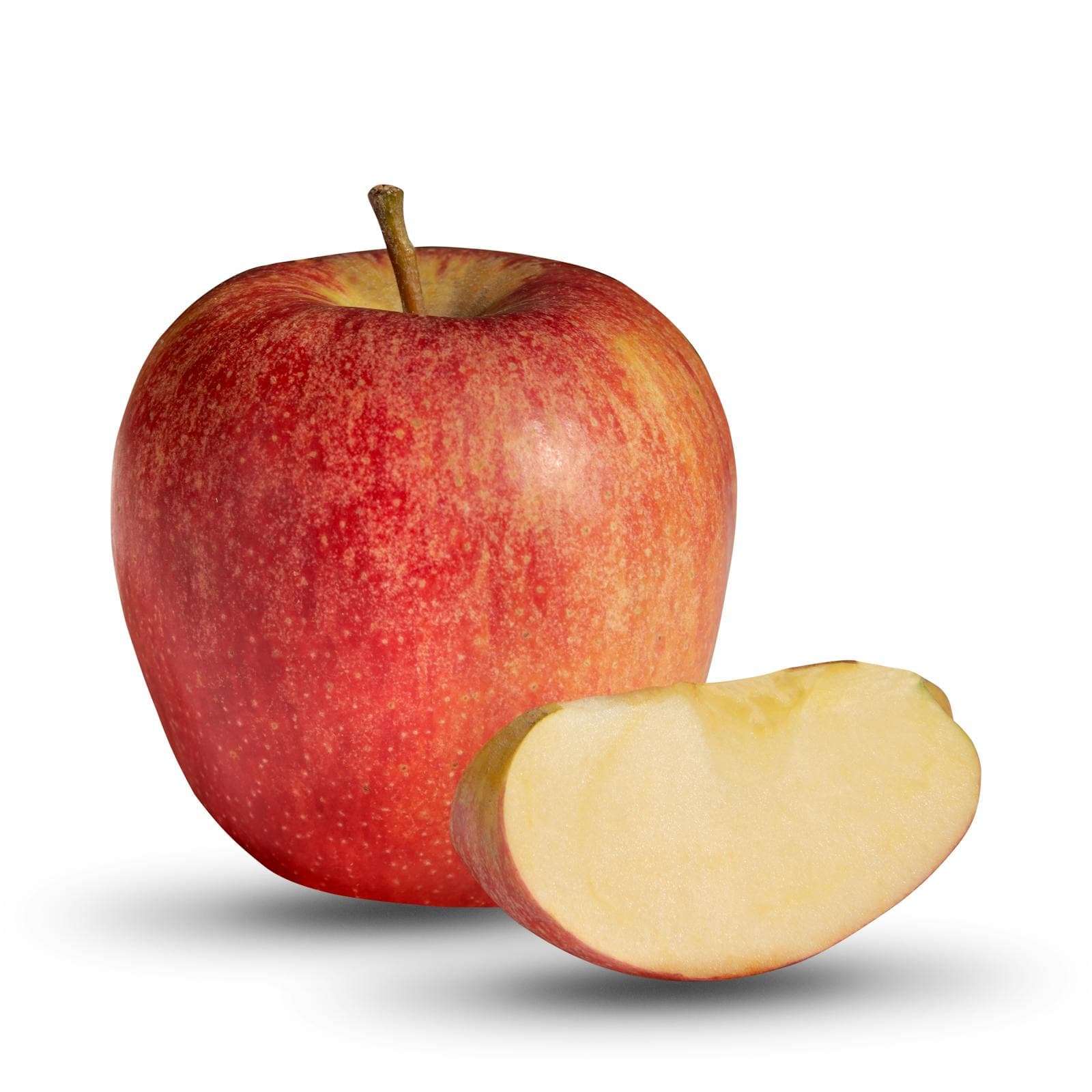
€0.59Semi-Sweet Red Apple
220 g · Mercadona
Good to know
- Scientific Name
- Annona squamosa
- Also Known As
- Sweetsop, custard apple (though 'custard apple' may refer to related Annona species)
- Origin
- Native to Central America, the Caribbean, and northern South America; now cultivated throughout tropical regions worldwide
- Peak Season
- Late summer through early autumn in tropical climates; available year-round in some regions
- Flavor Profile
- Very sweet, dessert-like; notes of vanilla custard, pear, and banana with subtle tropical undertones
- Texture
- Creamy, slightly grainy, like rich custard; contains 15–30 black, shiny seeds embedded in the flesh
- Shelf Life
- 2–3 days refrigerated when ripe; does not ripen significantly after harvest
- Toxicity
- Seeds are toxic (contain acetogenins); must be removed completely before consumption
Substitutes
- Cherimoya — Closest textural match; slightly less sweet, more floral; use 1:1 ratio
- Atemoya — Hybrid of sugar apple and cherimoya; similar sweet, creamy flesh; excellent direct substitute
- Soursop — Related Annona with creamy white flesh; significantly more acidic and tart; reduce sweetener if substituting in sweet applications
- Ripe banana — Provides creamy texture and natural sweetness; flavor profile is different but works in smoothies and desserts; use 1:1
- Mango (very ripe, soft) — Sweet tropical flavor and smooth texture; works well in smoothies and salads; use 1:1
- Custard apple (Australian) — Annona atemoya cultivar common in Australia; essentially the same fruit experience; substitute directly
Pairs with
Also called
Sweetsop · Custard Apple · Annona Squamosa · Ata
Related
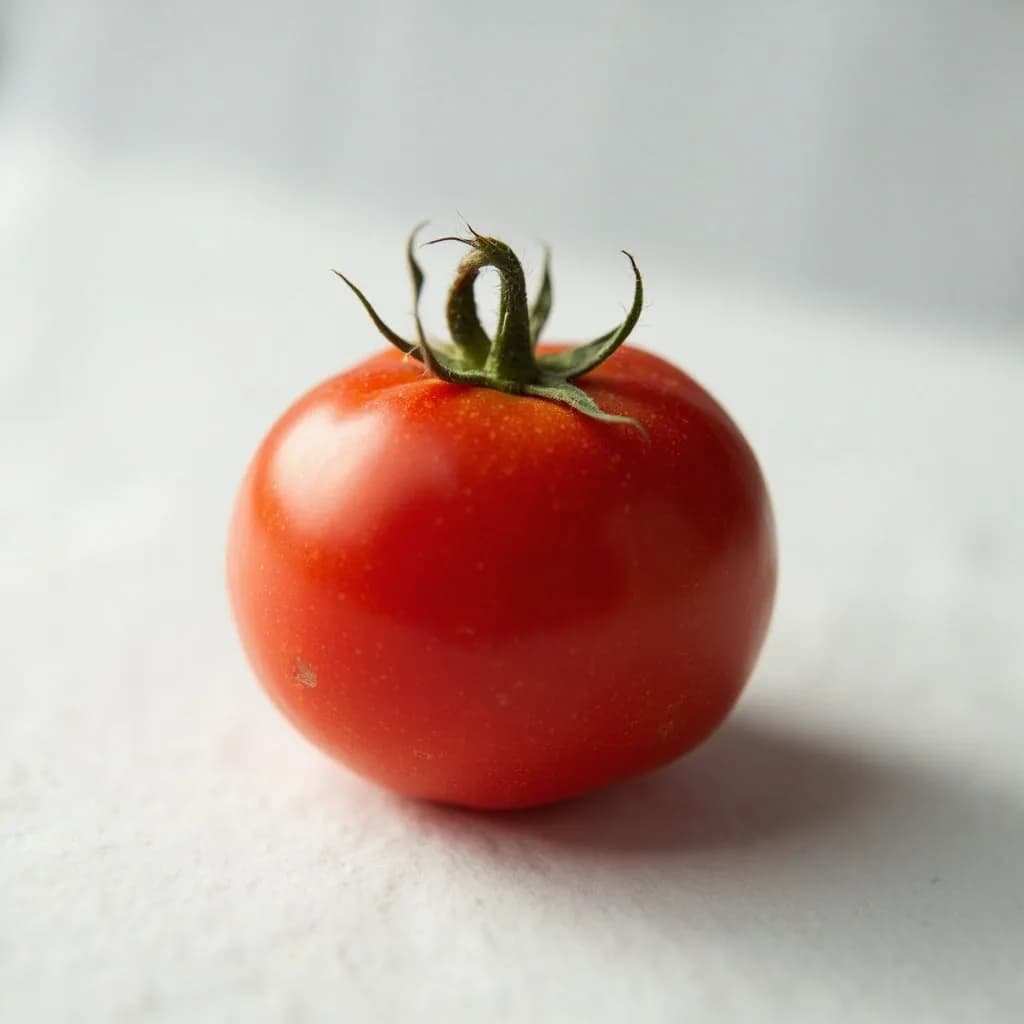
Tomato
Juicy, sun-sweet fruit for sauces, salads, and slow-cooked depth
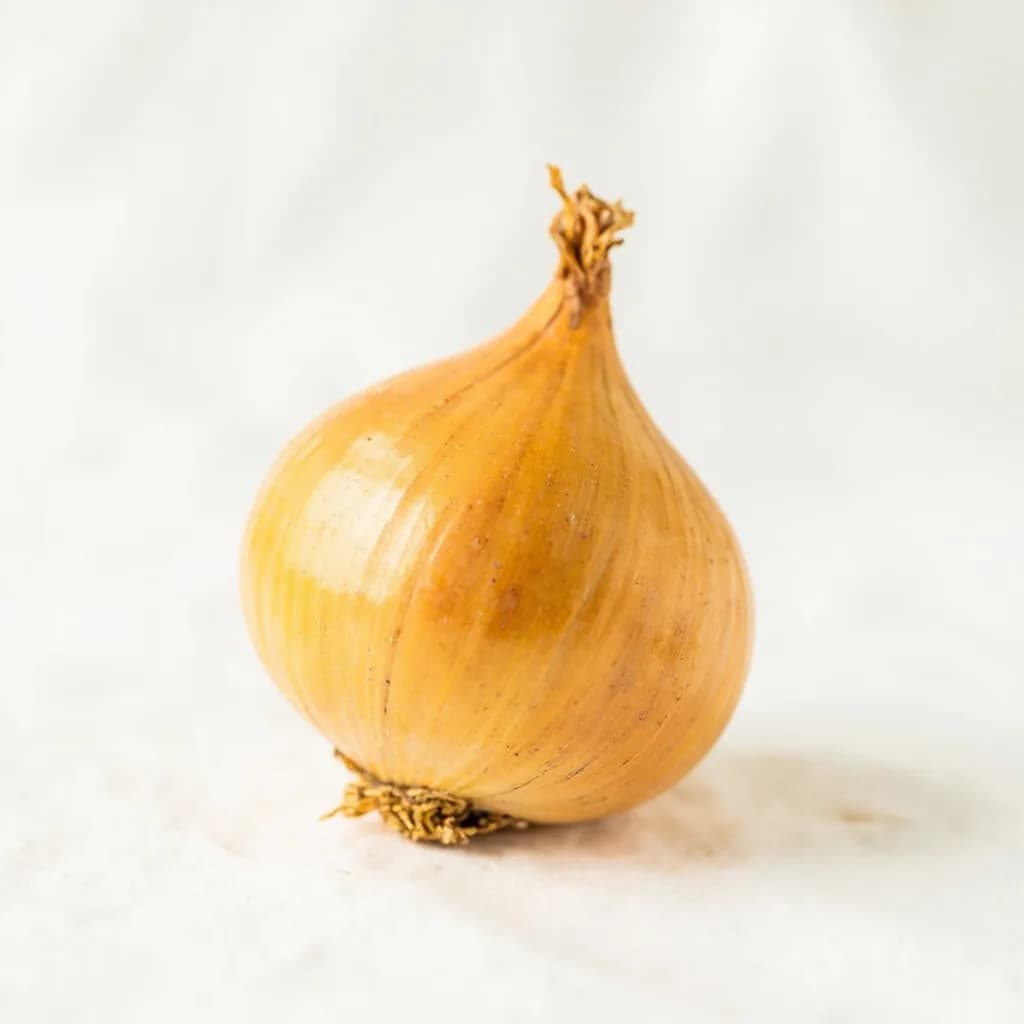
Yellow Onion
The aromatic backbone of soups, sofritos, and braises
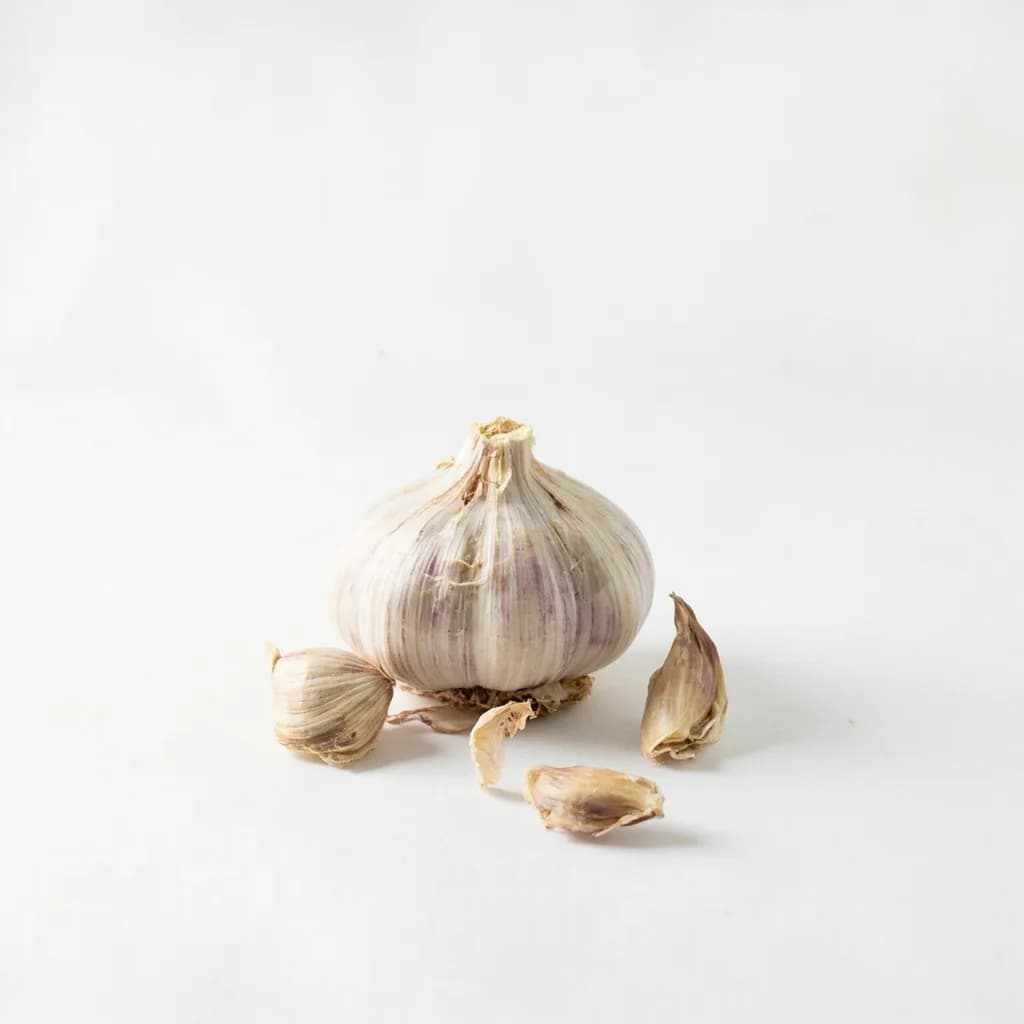
Garlic
Pungent cloves that perfume nearly every savory dish
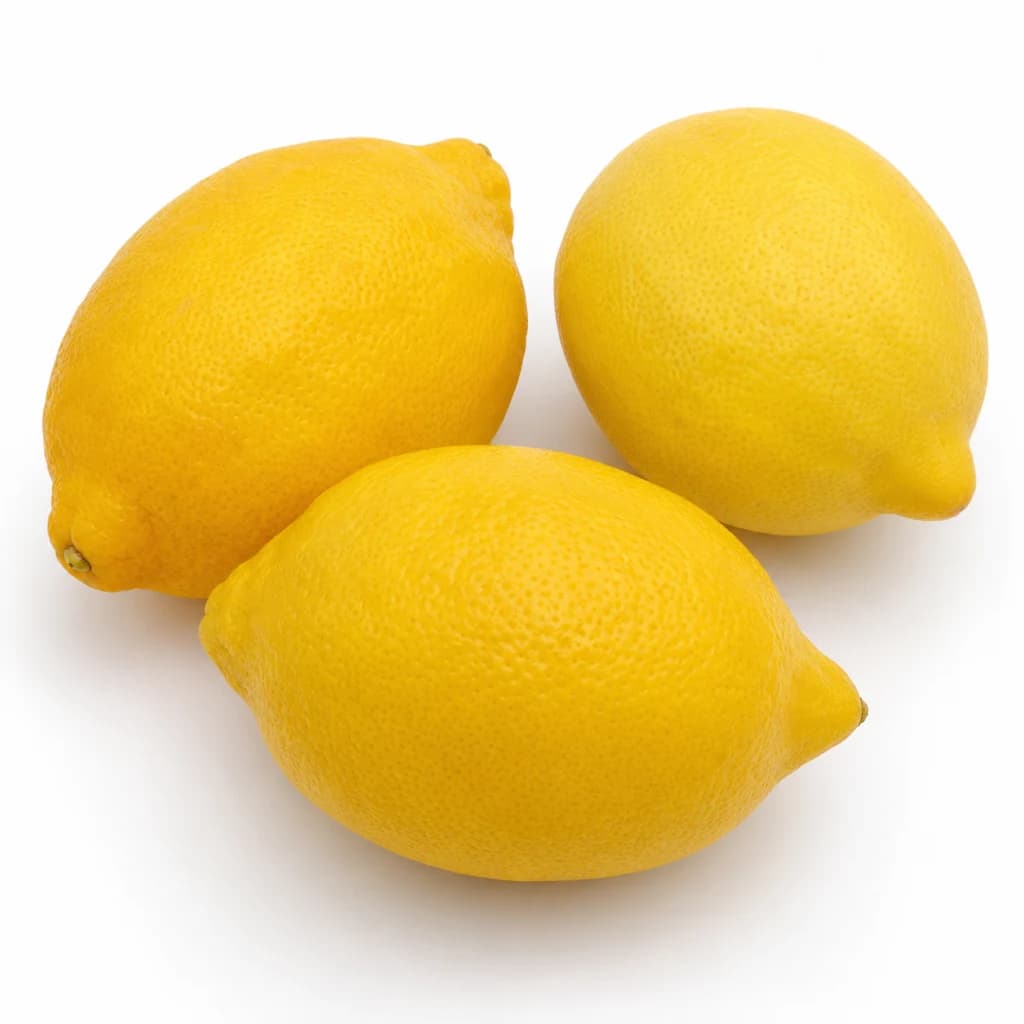
Lemon
Bright, acidic citrus that wakes up almost any dish
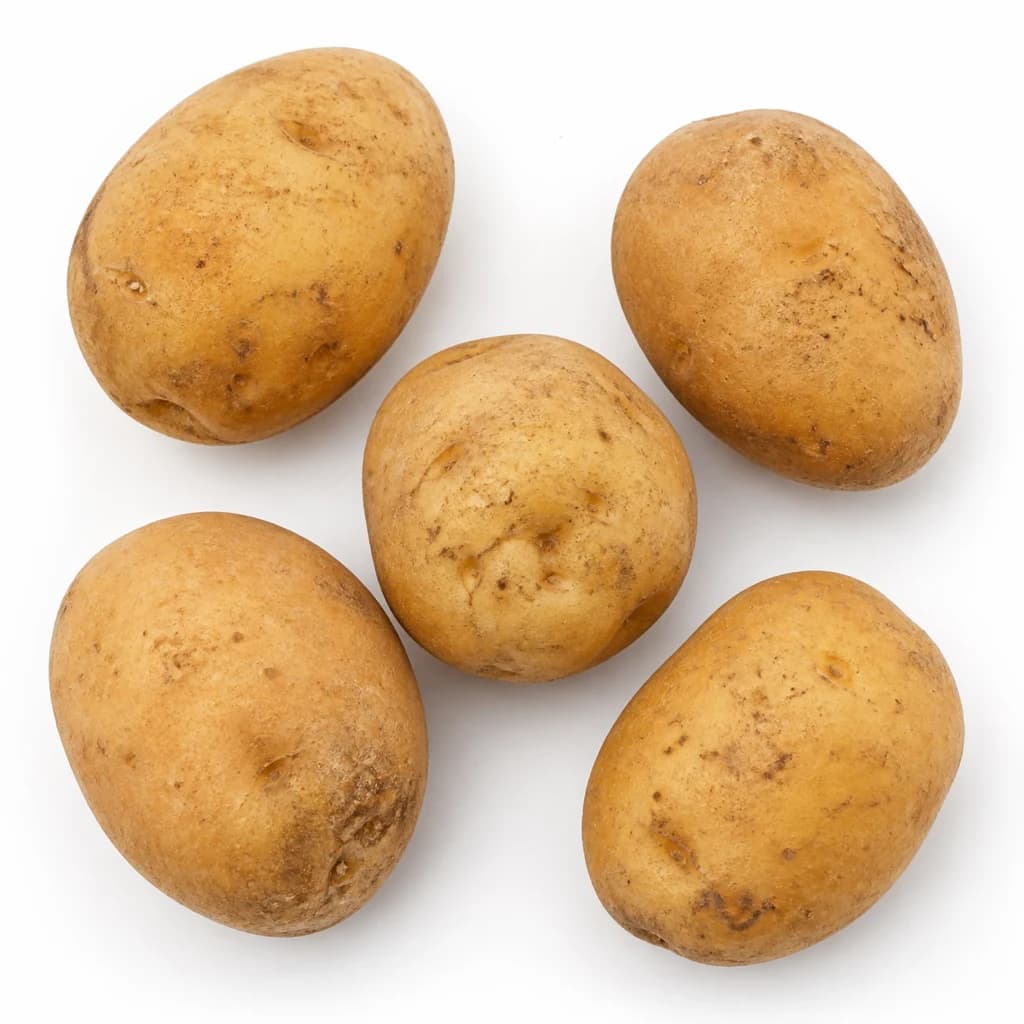
Potato
Humble, hearty staple — roast, mash, fry, or boil
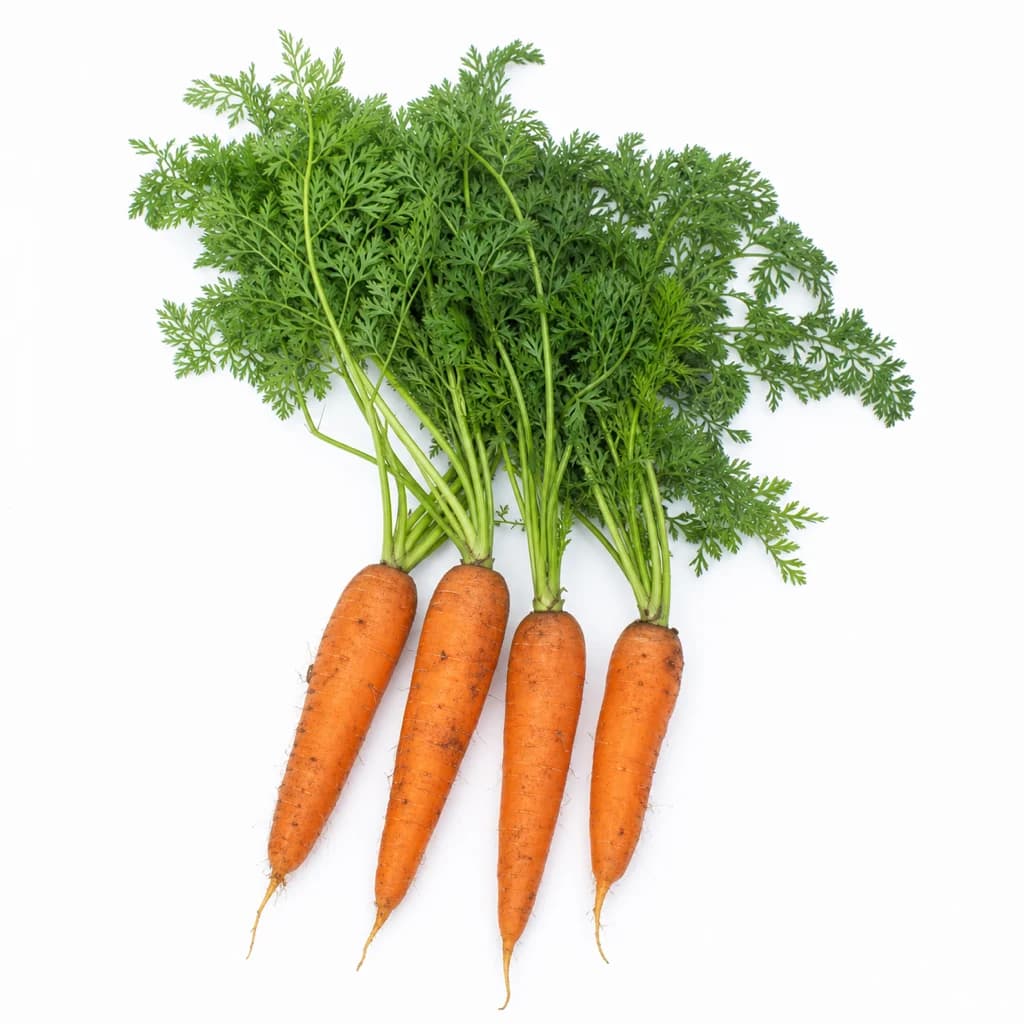
Carrot
Sweet, crunchy root — raw, roasted, or the base of a sofrito
Cucumber
Cool, crisp, and watery — for salads, pickles, and tzatziki

Lettuce
Crisp leaves for salads, wraps, and a fresh crunch