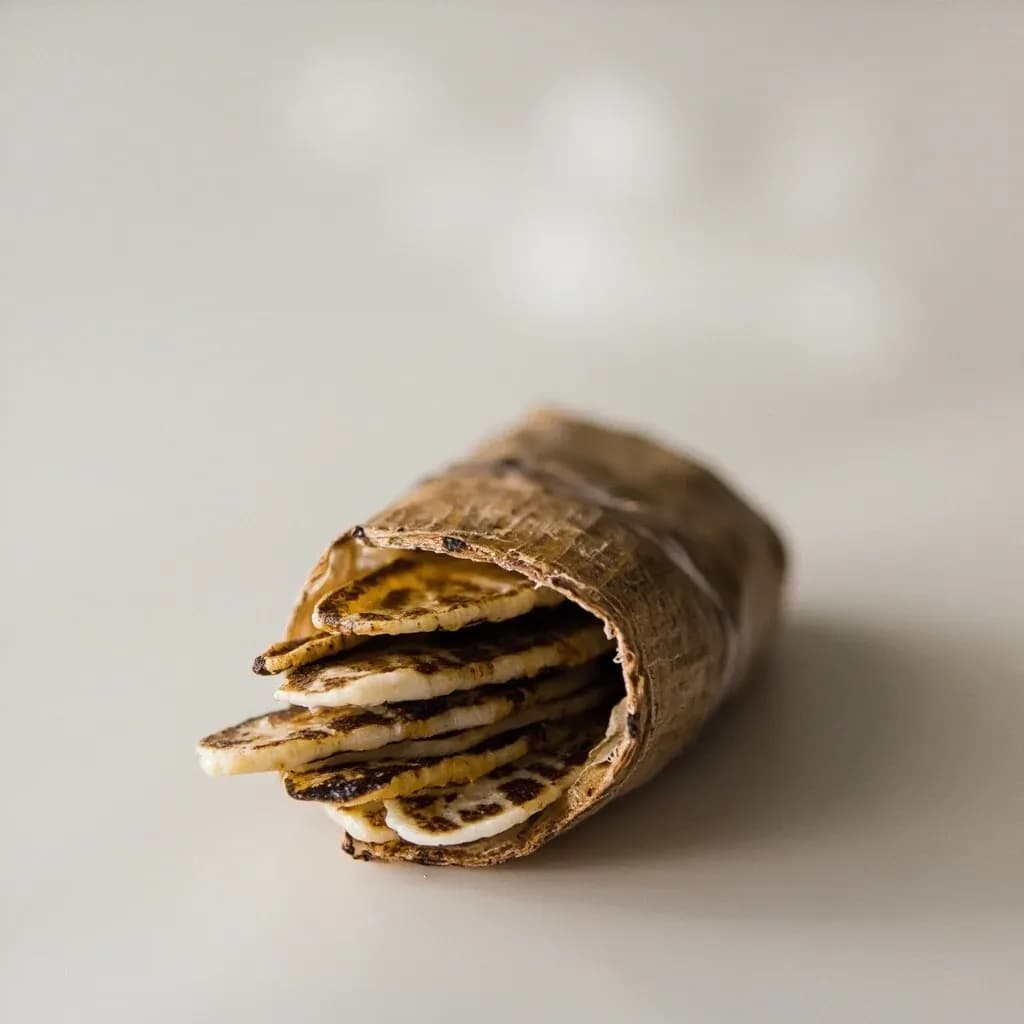
Proteins
Cod Roe
The egg sac of cod — fried, smoked into taramasalata, or cured as Japanese tarako.
Cod roe is the egg sac of the cod fish, sold fresh, smoked, salted, or canned. Fresh roe is poached, sliced, and fried (a British dish), while smoked cod roe is the classic base for taramasalata dip. Salt-cured cod or pollock roe (tarako/mentaiko) is a Japanese staple eaten with rice or in pasta.
Cod roe is the egg sac of the Atlantic cod (Gadus morhua), a firm, membrane-enclosed cluster of individual eggs that runs along both sides of the fish's body cavity. It is distinct from soft roe or milt, which comes from the male fish and has a softer, more delicate character. The roe appears pinkish-orange to deep coral when raw, with a clean ocean scent and a mildly sweet, briny flavor marked by a distinct umami depth. When cooked, it turns beige to golden and develops a pleasant slight resistance as the membrane melts, giving the eggs a firm but yielding bite.
The ingredient carries significant cultural weight across several cuisines. In Greece, smoked cod roe forms the base of taramasalata, the classic meze dip. In Japan, salted cod roe (tarako) appears in sushi, rice bowls, and as a savory component in numerous preparations. British and Northern European traditions favor it pan-fried in butter, often alongside eggs or potatoes. This range of applications stems from roe's behavior under heat: it holds its shape well when sliced thin or kept cold, making it versatile for both cooked and raw uses, while its rich, oceanic flavor stands up to bold accompaniments like butter, lemon, and cured fish.
When sourcing, fresh roe should smell clean and briny, never fishy or ammonia-like—it is highly perishable, lasting just 2–3 days refrigerated. Frozen roe keeps 3–4 months and is acceptable for most preparations, though fresh is preferable for applications where the delicate flavor is the star. Smoked, salted, and cured forms extend shelf life considerably and concentrate flavor, making them pantry staples in many traditions. The distinction between cod roe and pollock roe matters in recipes: pollock roe (mentaiko) is slightly more assertive and is the basis for Japanese spiced preparations, while true tarako is specifically cod.
- Measured in
- g
- Storage
- Fridge
Allergens
Types & varieties
Uncooked, firm roe with clean ocean scent; sold whole in membrane or separated into loose eggs; requires cooking before eating
Cured with salt and cold-smoked; darker color and concentrated flavor; sold in blocks or logs; ready to use as spreads or dip base
Salted and sometimes marinated with sake or squid ink; vibrant orange color; firm, slightly dry texture; often sold split and deveined
Heavily salted and pressed; requires soaking 2–4 hours before use; common in Mediterranean and Scandinavian cooking
Blended smoked roe with oil and lemon; ready to use as a spread, dip base, or sauce component
Fresh Roe vs. Prepared: When to Use What
The choice between fresh and prepared roe shapes the entire dish. Fresh roe requires cooking and rewards careful handling: slice it cold (slightly frozen if needed for clean cuts) and cook briefly over medium heat to avoid toughening. Prepared forms—smoked, salted, or pasted—skip the cooking step entirely and bring built-in flavor complexity that fresh roe lacks. Smoked roe works raw in spreads and dips, while salted roe needs soaking to remove excess salt but then performs like fresh. Tarako is ready to use straight from the package, sliced or crumbled into dishes without further cooking.
- Use fresh roe for pan-frying, baking, or when the clean oceanic character should lead the dish
- Use smoked roe raw in taramasalata, on toast, or folded into sauces off heat
- Use salted roe after soaking; it behaves like fresh roe in cooked preparations
- Use tarako raw, sliced or crumbled as a finishing component in Japanese dishes or on toast
Taramasalata: Origins and Variations
Taramasalata traces to the Greek islands, particularly those with strong fishing traditions, where smoked cod roe became the standard base when carp roe was scarce. The traditional method uses day-old bread soaked in water, squeezed dry, then pounded with smoked roe and olive oil until the mixture is pale and creamy. Some versions add a small amount of potato or garlic, though purists argue these mask the roe's character. The Black Sea Greek tradition favors carp roe for a deeper, more mineral flavor, while mainland and island Greek versions typically specify smoked cod. The dish should be served barely chilled, with good olive oil and lemon on the side, alongside crusty bread or raw vegetables.
- Day-old bread soaked and squeezed dry creates the creamiest texture; fresh bread makes a gummy dip
- Work the roe and bread together in a mortar or use a food processor with the machine running slowly
- Add olive oil in a thin stream while working, as you would for mayonnaise, to emulsify
- The finished dip should be pale pink to off-white, depending on the intensity of the roe
- Serve at room temperature or barely chilled; cold dulls the flavor
Common uses
Tips & pitfalls
- Smell fresh roe before buying: it should smell clean and oceanic, not fishy or of ammonia—a strong off smell indicates bacterial spoilage
- To slice fresh roe cleanly, chill it 30 minutes first until slightly firm; cold roe holds together better than room-temperature roe
- Soak heavily salted roe in cold water for 2–4 hours, changing the water twice, to remove excess salt before cooking; fresh-tasting roe should taste briny but not aggressively salty
- Don't overcook roe: high heat makes it tough and rubbery; aim for just set through, about 3–4 minutes per side over medium heat
- Frozen roe should thaw slowly in the refrigerator overnight; rapid thawing at room temperature degrades texture and flavor
- Smoked roe is already quite salty; taste before adding additional salt to any dish, especially taramasalata or pasta sauces
- The membrane holding fresh roe eggs together melts slightly when cooked, giving a pleasant resistance; this is normal and desirable
- In Japanese preparations, tarako is often split lengthwise and deveined before use; the membrane is edible but deveining produces a smoother texture
Nutrition
Nutrition
No USDA FoodData Central match for Cod Roe yet. We surface a per-100 g profile once a generic whole-food entry is matched and verified.
In the shops
Matched grocery products
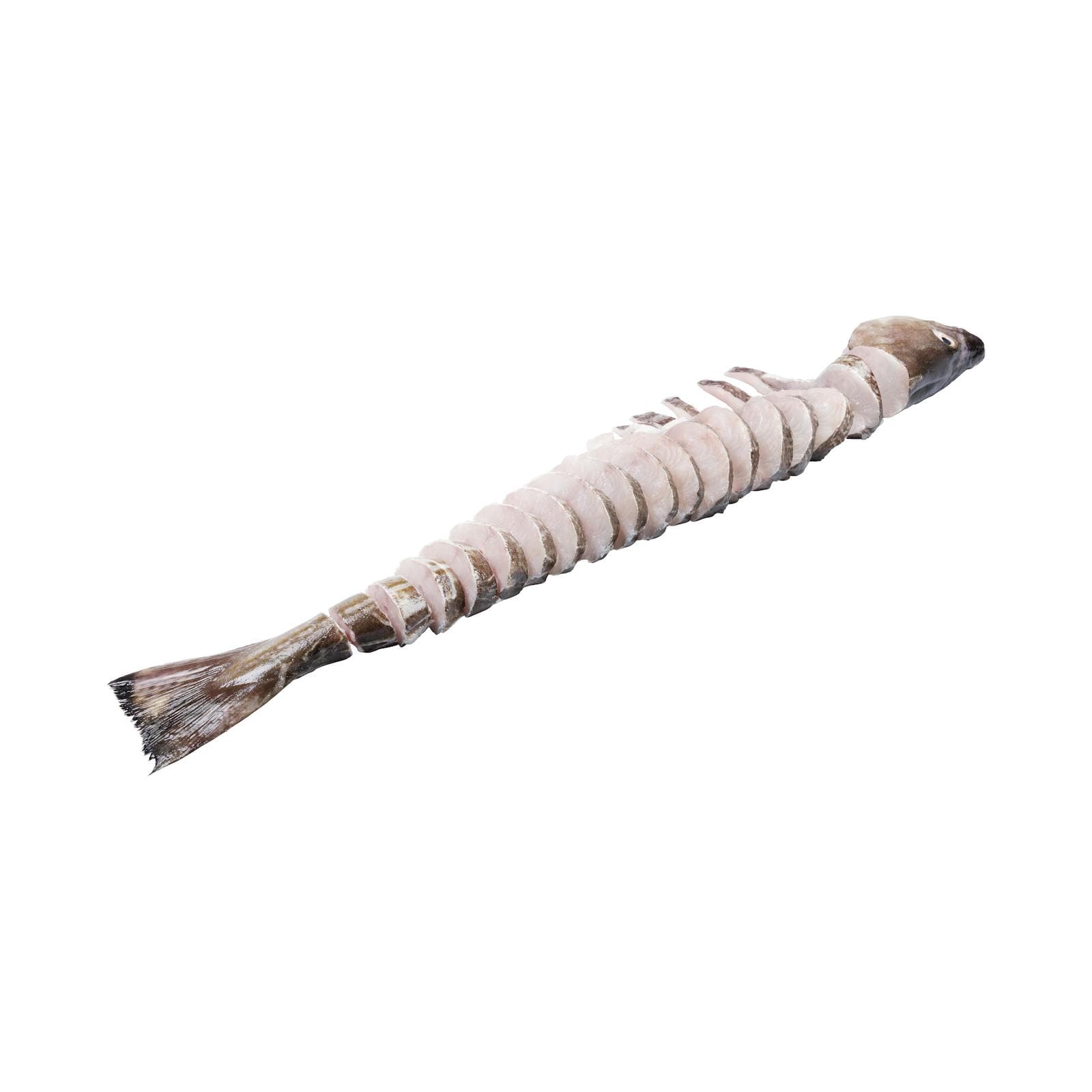 €31.62
Cod Slices
2.48 kg · Mercadona
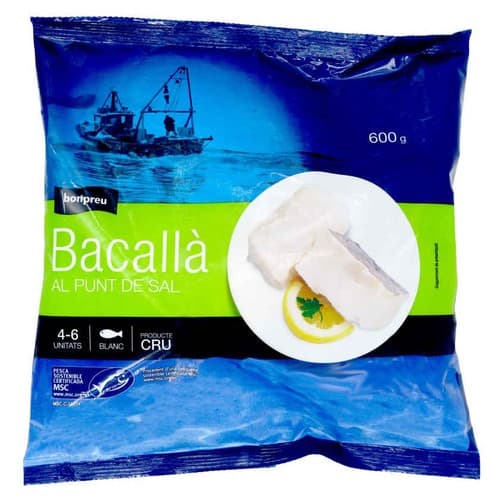 €11.99
Salted Cod
BONPREU · kg · Bonpreu
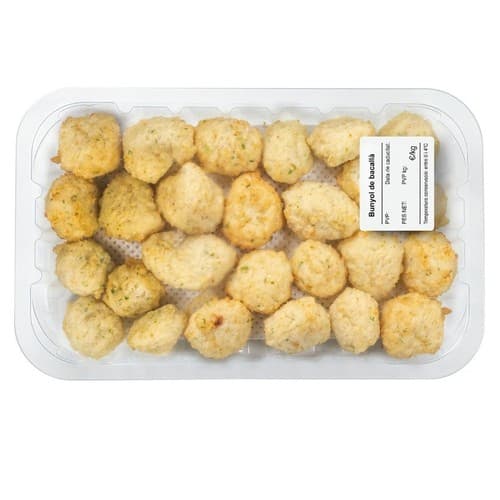 €2.99
€2.99Cod Fritters
kg · Bonpreu
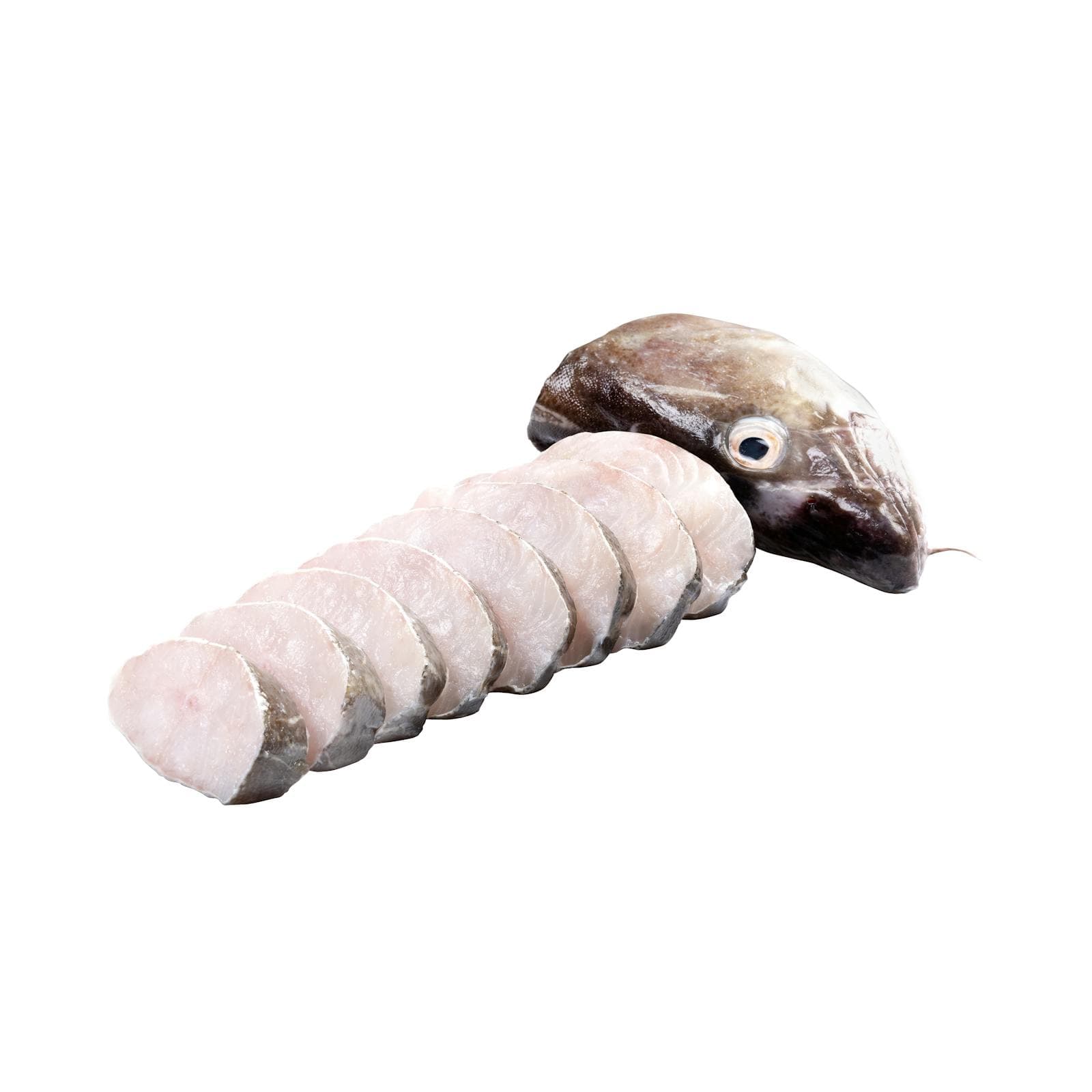 €15.04
Cod Half Piece Sliced
1.18 kg · Mercadona
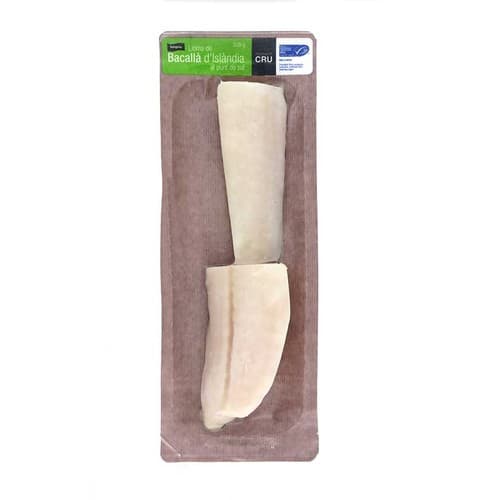 €8.99
€8.99Salted Cod Loin
BONPREU · kg · Bonpreu
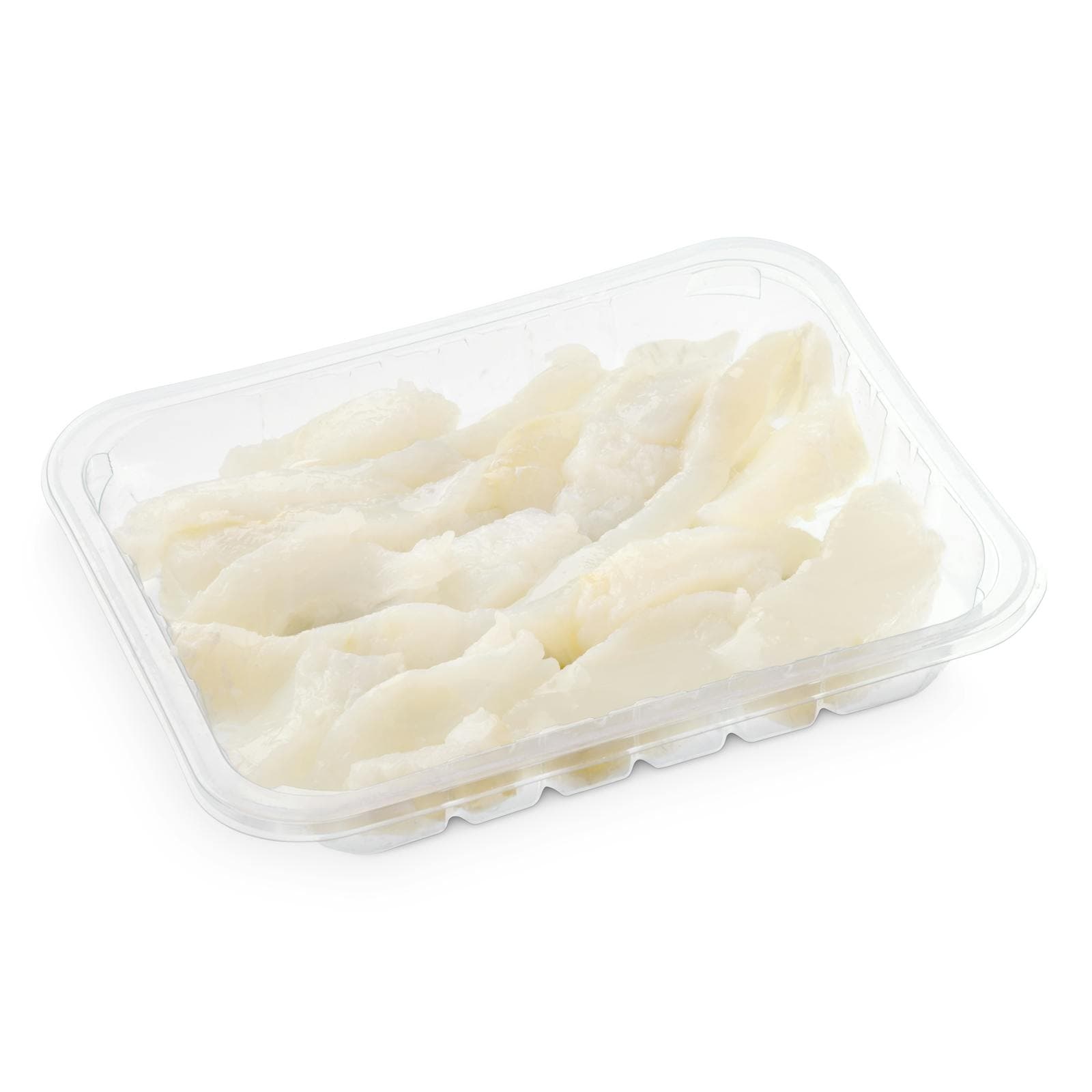 €7.27
€7.27Desalted Cod Crumbs
Hacendado · 285 g · Mercadona
Good to know
- Type
- Fish roe (egg sac of Atlantic cod)
- Color
- Pinkish-orange to deep coral when raw; beige to golden when cooked
- Flavor
- Briny and oceanic with mild sweetness and pronounced umami depth
- Texture
- Firm and slightly granular when raw; turns creamy when processed; membrane melts slightly when cooked, adding pleasant resistance
- Peak Season
- Late winter to early spring for North Atlantic wild cod; year-round from aquaculture
- Shelf Life
- 2–3 days refrigerated fresh; 3–4 months frozen; smoked roe keeps 2–3 weeks refrigerated
- Yield
- Roe is roughly 5–10% of whole fish weight; 100g serves 2–3 as an appetizer portion
- Nutritional Note
- High in protein, omega-3 fatty acids, vitamin B12, and iodine
- Availability
- Fresh at fishmongers and Asian markets; canned, smoked, and salted forms in specialty and grocery stores
- Primary Producing Regions
- North Atlantic (Norway, Iceland, UK, Canada) for Atlantic cod; related species from Northwest Pacific (Russia, Japan)
Substitutes
- Pollock Roe (Mentaiko/Karashi Mentaiko) — Closest flavor and texture; slightly more assertive; widely available in Japanese markets; use 1:1 in most applications
- Haddock Roe — Mild-flavored white fish roe with similar texture; excellent for frying; use 1:1 as a direct substitute
- Smoked Salmon Roe — Different fish but similar smoked, briny character; more expensive; better as a garnish than a cooked application
- Flying Fish Roe (Tobiko) — Smaller eggs with a subtle crunch; milder flavor; suitable for sushi and garnish applications; use 1:1
- Mullet Roe (Bottarga) — More concentrated, paddle-shaped; shave raw over dishes rather than cook; stronger flavor, use sparingly as a finishing element
Pairs with
Also called
Tarako · Smoked Cod Roe
Related
Egg
The kitchen's everything ingredient — bind, leaven, enrich, or fry
Chicken Breast
Lean, quick-cooking white meat for everyday dinners

Ground Beef
Versatile minced beef for burgers, ragù, tacos, and meatballs
Pork Loin
Lean, tender roasting cut that stays juicy with care
Salmon
Rich, rosy fish that roasts, grills, or cures beautifully

Egg White
Pure protein that whips to airy peaks for meringue and more
Egg Yolk
Rich, golden yolk for custards, mayonnaise, and pasta

Quail Egg
Tiny, speckled eggs for garnishing and elegant bites