Proteins
Coppa (Capicola)
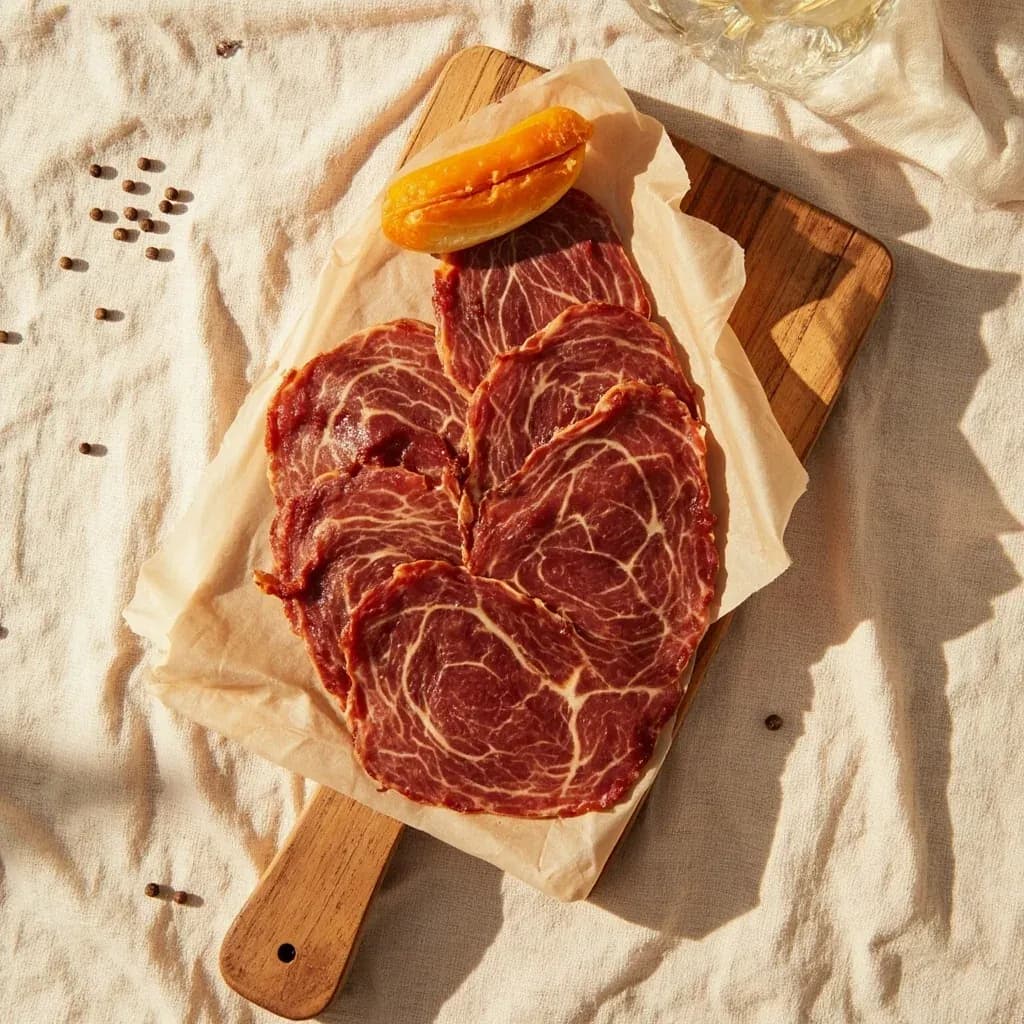
Dry-cured pork neck-shoulder muscle, marbled and spice-rubbed; sliced paper-thin for antipasto and sandwiches. Silky, peppery and meant to be eaten raw.
Coppa — known as capocollo in southern Italy and anglicized as capicola in American delis — is the single whole muscle that runs from a pig's upper neck down to the fourth or fifth rib, trimmed of bone and silver skin, dry-cured in salt and spices, then stuffed into a natural or beef-bung casing and air-dried. It belongs to the family of Italian salumi defined less by smoke than by the spice crust rubbed onto the surface before drying, and that crust — cracked black pepper in the north, fiery Calabrian paprika in the south — is what most immediately distinguishes a slice of coppa from prosciutto, lonza, or speck.
What makes coppa work at the table is the shoulder cut itself: a well-marbled, tender muscle rimmed by firm white fat and a silkier, looser grain than the hind leg used for prosciutto. The curing concentrates that fat and amplifies pork flavor without toughening the meat, which is why coppa feels almost buttery on the tongue when sliced thin, and unpleasantly chewy when sliced thick. It is a salume to eat raw or barely warmed, served at cool room temperature so the spice rub, the curing salt, and the fat all read clearly on the palate.
In practice, coppa behaves like a cross between prosciutto and a heavily peppered sausage: leaner and meatier than salami, fattier and more savory than bresaola, and structurally unlike any sliced deli ham. That versatility — equally at home on a salumi board, a sub roll, or a finished pizza — is why a good piece is worth buying whole and shaving yourself rather than settling for pre-sliced deli packets.
- Measured in
- g
- Storage
- Refrigerate
Find it in
Types & varieties
Piacenza, Emilia-Romagna. Cured with salt, pepper, and garlic in red wine — traditionally a local Gutturnio (Barbera–Croatina) — and aged at least 6 months; sweet-spicy and wine-flecked rather than chili-hot.
Calabria. Rubbed with sweet and hot Calabrian paprika and chili, giving it the signature deep red crust; assertive heat balanced by sweet pepper.
Poro area of Calabria (Vibo Valentia); pepper-forward, traditionally tied with twine and aged in mountain cellars.
Basilicata; rubbed with sweet paprika, garlic, and fennel seed — fragrant, mild, and aromatic rather than fiery.
Lazio tradition that cures the meat and then roasts it with herbs and wine, shifting the texture closer to porchetta than to a slicing salume.
Abruzzo; hot-pepper rubbed and aged in cool mountain cellars; firm, rustic, and pungent — a strong regional tradition rather than a formal DOP/IGP.
Italian-American deli style, often sold hot or sweet; usually milder, softer, and sometimes heat-treated and rolled rather than air-dried as a whole muscle.
Regional Styles at a Glance
The two stylistic poles to keep straight are northern and southern. Northern coppe — Coppa Piacentina being the reference — lean on black pepper, garlic, and red wine, with little to no paprika; the cured meat reads savory-sweet and slightly vinous. Southern versions, especially in Calabria, are defined by the heavy paprika-and-chili rub that turns the outer band of fat a deep brick red and pushes the flavor toward smoke-and-heat rather than wine-and-pepper. Knowing which you're holding matters for pairing: a Piacentina wants a glass of Barbera and a slice of melon, while a Calabrian wants Aglianico and a piece of sharp pecorino.
- Northern (Piacenza): black pepper, garlic, red wine; wine-flecked, aromatic.
- Southern (Calabria, Basilicata): sweet and hot paprika, sometimes chili; red-crusted, peppery heat.
- Central (Lazio): often cooked after curing, in porchetta style rather than raw.
- American deli: milder, sometimes hot or sweet, frequently heat-treated and rolled rather than air-dried whole muscle.
How to Slice Coppa Properly
The single biggest upgrade you can make to how coppa tastes is how you slice it. A thick slab reads as chewy, over-salted fat; a translucent shave dissolves on the tongue and lets the spice rub do its job.
- Bring the piece to cool room temperature for 15–20 minutes before slicing — cold fat smears and tears.
- Use a long, thin blade; warm it in hot water and dry it between cuts for the cleanest shave.
- Cut against the grain at a slight angle, as thin as you can manage without tearing.
- A home deli slicer on its thinnest setting is ideal; a sharp sujihiki or long chef's knife works well with practice.
- Slice only what you'll serve in the next hour or two; pre-sliced portions oxidize and dry out quickly.
Common uses
Tips & pitfalls
- Slice against the grain and as thin as possible — thick cuts feel chewy and over-salt the palate.
- Always temper at room temperature for 15–20 minutes before serving; cold coppa tastes muted and flat.
- Buy a whole piece and shave to order when you can — pre-sliced deli coppa oxidizes and stiffens within days.
- Run your knife under hot water and dry it between cuts for cleaner, translucent slices on a firm piece.
- Don't discard the outer fat rim — trim only rancid bits and render the rest into beans, pasta, or a pan sauce.
- Layer coppa on top of sandwich fillings so the salt and pepper hit the palate first, then balance with fat (provolone, butter) and acid (pickled peppers, mustard, vinegar).
- Skip plastic wrap for long storage of a whole piece; it traps moisture and dulls the casing. Use butcher paper or cheesecloth.
- Most common mistake: cooking coppa like bacon. It is already cured — long frying turns it leathery and over-salty. If you want it warm, just drape it on a finished pizza or fold it into pasta off the heat.
- Don't confuse coppa/capocollo with soppressata (a flattened cured sausage of minced pork) or with the rolled, heat-treated 'cappicola' sold in some U.S. delis — they're different products with different textures.
Nutrition
Nutrition
No USDA FoodData Central match for Coppa (Capicola) yet. We surface a per-100 g profile once a generic whole-food entry is matched and verified.
In the shops
Matched grocery products
No matched grocery products for Coppa (Capicola) yet.
Good to know
- Origin
- Italy, with DOP/IGP traditions in Emilia-Romagna, Calabria, Basilicata, and Lazio; notable regional styles also extend to Abruzzo.
- Cut of pork
- A whole single muscle from the upper neck/shoulder (the capocollo cut; U.S. butchery calls it pork neck-butt), running from the head to roughly the 4th–5th rib.
- Curing method
- Dry-cured with salt plus garlic, wine, and spices; stuffed into natural or beef-bung casing; air-dried and aged.
- Typical aging
- From a few weeks (industrial) to 6+ months for DOP and artisan pieces; Coppa Piacentina DOP requires a minimum of 6 months.
- Texture & flavor
- Silky, dense, sliceable whole muscle with intramuscular marbling; deeper, fattier pork flavor than prosciutto, dominated by the surface spice rub.
- Color
- Ruby to deep red lean with white marbling; rimmed by a band of firm white fat and a visibly spiced outer crust.
- Slicing & serving
- Always sliced thin, almost translucent, and brought to cool room temperature (~15–20 minutes out of the fridge) before eating.
- Storage
- Whole piece keeps months in a cool cellar (50–60°F / 10–15°C, 70–75% RH); once cut, wrap in butcher paper or cheesecloth, refrigerate, and use within 1–2 weeks.
- Allergens / diet
- Pork and salt; not automatically gluten-free, since some producers use gluten-containing ingredients in spice mixes or casings — verify with the maker if needed.
Substitutes
- Prosciutto crudo — Leaner and saltier, from the hind leg; works on boards and sandwiches but lacks coppa's shoulder marbling and peppery crust.
- Speck — Smoked cured leg from Alto Adige; closer in fattiness and savoriness, but the smoke is a different aromatic — better in cooked applications than on a raw board.
- Bresaola — Air-dried beef with a similar whole-muscle texture; useful when you want something non-pork, though the flavor is leaner and beefier.
- Lonza / lomo — Cured pork loin; leaner and more delicate, missing the shoulder fat that gives coppa its silkiness.
- Spanish lacón gallega — Cured pork shoulder from Galicia; a rustic stand-in on a charcuterie board when Italian coppa isn't available.
- Pancetta tesa (rolled, cured belly) — Heavier in fat and missing the pepper crust; reserve for cooked dishes where you want a bigger pork punch.
Pairs with
Also called
capicola · capocollo · gabagool · cured pork shoulder
Related
Egg
The kitchen's everything ingredient — bind, leaven, enrich, or fry
Chicken Breast
Lean, quick-cooking white meat for everyday dinners

Ground Beef
Versatile minced beef for burgers, ragù, tacos, and meatballs
Pork Loin
Lean, tender roasting cut that stays juicy with care
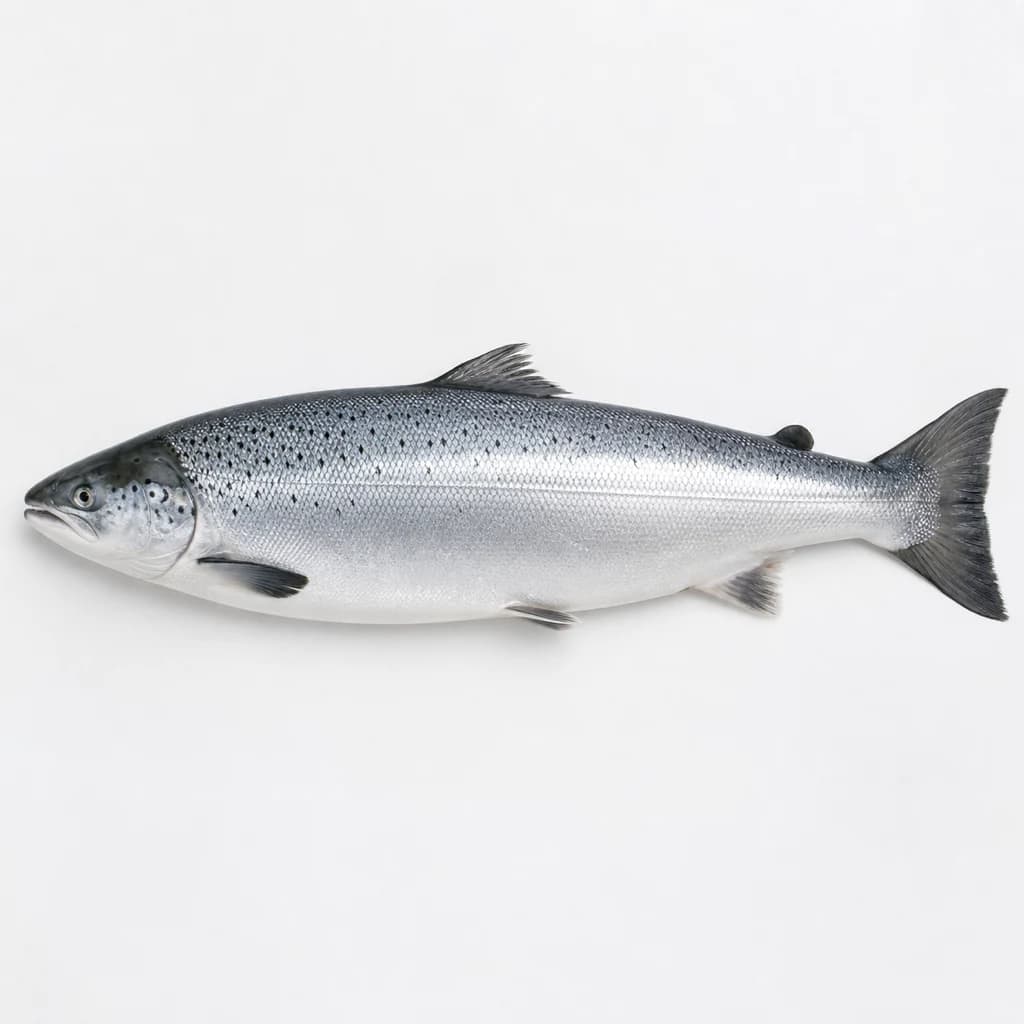
Salmon
Rich, rosy fish that roasts, grills, or cures beautifully

Egg White
Pure protein that whips to airy peaks for meringue and more
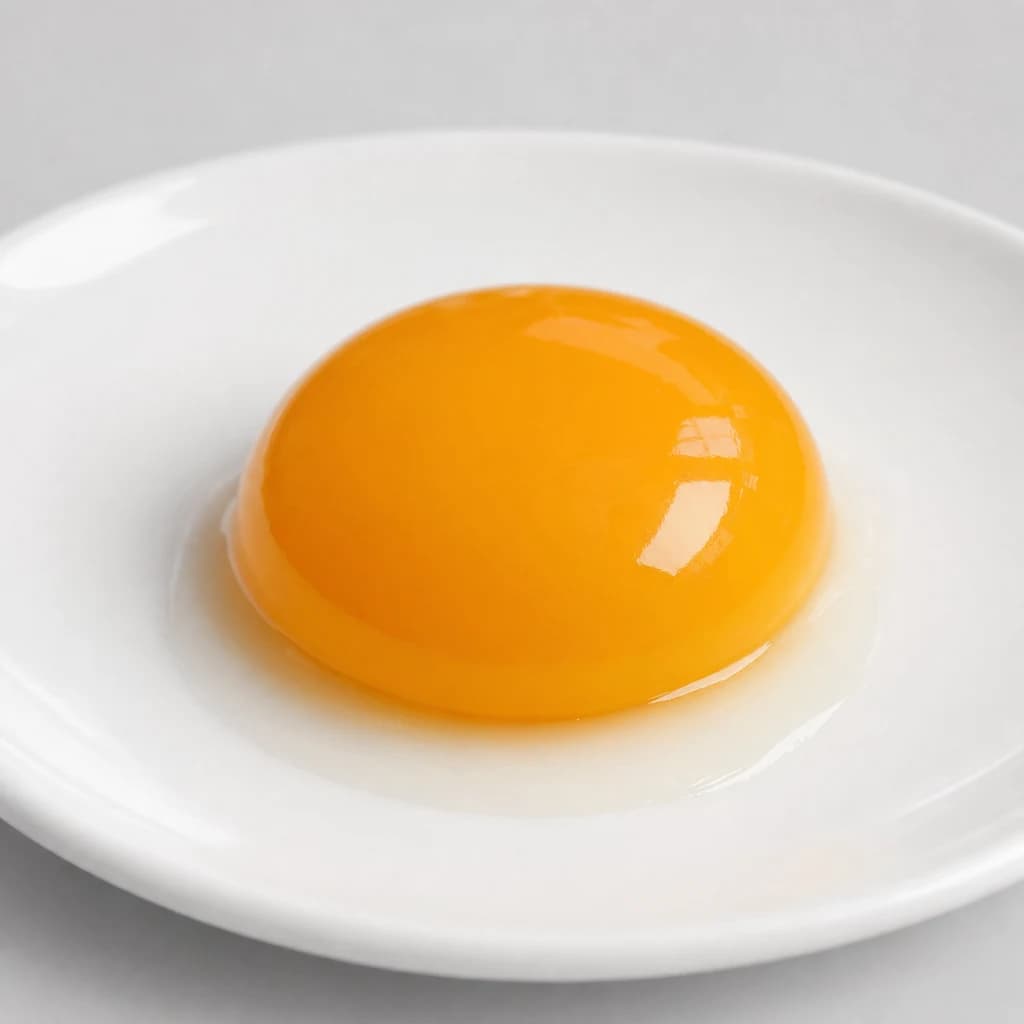
Egg Yolk
Rich, golden yolk for custards, mayonnaise, and pasta

Quail Egg
Tiny, speckled eggs for garnishing and elegant bites