
Ready to use
Cuajada served chilled in a small ceramic dish, ready to eat with honey drizzled on top.
Shows the typical serving presentation so readers immediately recognize how cuajada appears at the table.
Dairy & Eggs
Cuajada (Curd Cheese)
Soft, custard-like curdled milk eaten as a mild dessert with honey or sugar.
Cuajada is a soft, delicate Spanish dessert of milk set with rennet into a tender, custard-like curd. It is served chilled in small dishes and eaten plain or topped with honey, sugar, or nuts. Mild and milky with a barely-set, spoonable texture, it sits between a panna cotta and fresh cheese.
Cuajada is a fresh, rennet-coagulated curd cheese from northern Spain, particularly associated with the Basque Country, Navarra, La Rioja, and Castilla y León. Unlike Greek yogurt or skyr, which set through acid coagulation, cuajada achieves its silky, custard-like texture through the action of rennet on heated milk, producing fine, delicate curds that feel almost silken on the palate. The result is a white, mild, slightly tangy fresh cheese with a clean lactic flavor and a smooth, velvety mouthfeel—neither grainy like ricotta nor as dense as cream cheese. Cuajada holds a beloved place in northern Spanish cuisine as an everyday dessert, a snack, and a versatile culinary ingredient. Traditionally made with cow's milk, it is also produced from sheep's milk in some regions, yielding a richer, more complex version. The cheese is set in porous clay cazuelos, which contribute to its characteristic smoothness. While it has no protected designation of origin, cuajada is considered a traditional artisanal food in Basque, Navarro, and Riojan cooking—a living part of regional food culture rather than a standardized commercial product. The Basque word for the same product is "gazta," though "cuajada" is the standard commercial term.
- Measured in
- g
- Storage
- Fridge
Allergens
Types & varieties
Standard cow's milk version; most common in supermarkets
Sheep's milk version; richer, slightly more complex flavor; traditional in some regions
Buttery cuajada; higher fat content, creamier mouthfeel; more common in artisan production
Basque Country style; regional artisan tradition; often made with raw milk when permitted
From Clay Pot to Table
In northern Spain, cuajada is traditionally sold and served still in the earthenware cazuelo in which it sets. The porous clay absorbs excess moisture and imparts a subtle mineral quality that plastic or glass cannot replicate. Eating directly from the clay pot is not merely acceptable—it is the traditional method. In some Basque markets, vendors still sell cuajada this way, wrapped in paper for transport home.
- If you buy cuajada in a cazuelo, do not transfer it to plastic; use it within 2 days and enjoy it from the clay
- Artisan cuajada from specialty shops has a thicker, more substantial texture than commercial versions—seek it out for eating fresh
Understanding the Coagulation
Cuajada is fundamentally different from fermented dairy products. Greek yogurt and skyr rely on bacterial cultures to lower pH and cause proteins to coagulate. Cuajada, like true cheeses, uses rennet—an enzyme that cuts casein proteins and causes them to form a gel independent of acidity. This distinction matters in cooking: cuajada behaves like a fresh cheese, not a fermented one, and reacts differently to heat and acid.
- Do not add lemon juice or vinegar to cuajada thinking you will thicken it—it will not work the same way as with yogurt
- When cooking with cuajada, treat it as you would cream cheese or farmer's cheese rather than yogurt
Common uses
Tips & pitfalls
- Always check the sell-by date and use within 5–7 days for best quality
- Do not confuse cuajada with queso fresco—queso fresco is firmer and saltier with a different texture
- When making cuajada at home, heat milk to exactly 85–90°C (185–194°F) before adding rennet; too hot ruins the texture, too cool prevents proper curdling
- Use clay or earthenware cazuelos to set the curd; the porous material helps achieve the characteristic smooth texture
- Commercial cuajada has a thinner, more gel-like texture than artisan versions; artisan is preferable for eating fresh
- Never stir or break the curd once rennet is added; gentle handling is essential throughout setting
- If curds turn out grainy, the milk was heated too aggressively or the rennet was too strong—adjust temperature and dosage
- When substituting in baking, use cuajada weight-for-weight with other soft cheeses but reduce any added liquid in the recipe
- Avoid freezing cuajada—it destroys the delicate curd structure and produces a watery, grainy result when thawed
Nutrition
Energy
410 kJ · per 100 g
Where the calories come from
Protein
11.1g
22% DV
Carbs
3.4g
1% DV
Fat
4.3g
6% DV
Fiber
0g
0% DV
Sugars
2.7g
of which
Sodium
315mg
14% DV
Source · USDA FoodData Central · Cheese, cottage, creamed, large or small curd
View on FDC →In the shops
Matched grocery products
No matched grocery products for Cuajada (Curd Cheese) yet.
Good to know
- Origin
- Spain, particularly Basque Country, Navarra, La Rioja, and Castilla y León
- Primary Milk
- Cow's milk; sheep's milk used in some traditional versions
- Texture
- Soft, smooth, custard-like; fine, delicate curds without graininess
- Flavor
- Mild, slightly tangy, fresh milk taste; subtle lactic acidity
- Fat Content
- Typically 5–10%; varies by producer and region
- Color
- Pure white
- Shelf Life
- Refrigerated, 5–7 days maximum; highly perishable
- Traditional Equipment
- Clay or earthenware pots (cazuelos) for setting the curd
- Rennet
- Animal rennet traditionally; vegetable rennet alternatives available
- Serving Temperature
- Chilled or at room temperature, never hot
Substitutes
- Quark — German fresh cheese; similar texture but slightly tangier; closest substitute
- Fresh farmer's cheese — American style; similar curd structure; drain well before using
- Ricotta — Italian cheese; grainier texture than cuajada; acceptable for cooking applications
- Fromage frais — French fresh cheese; very similar texture and mildness; excellent substitute
- Cream cheese (full-fat) — Too thick and rich; thin with a splash of milk if used
Pairs with
Also called
Curd Cheese
Appears in these dishes

Related

Whole Milk
Rich, full-fat milk for drinking, coffee, sauces, and baking
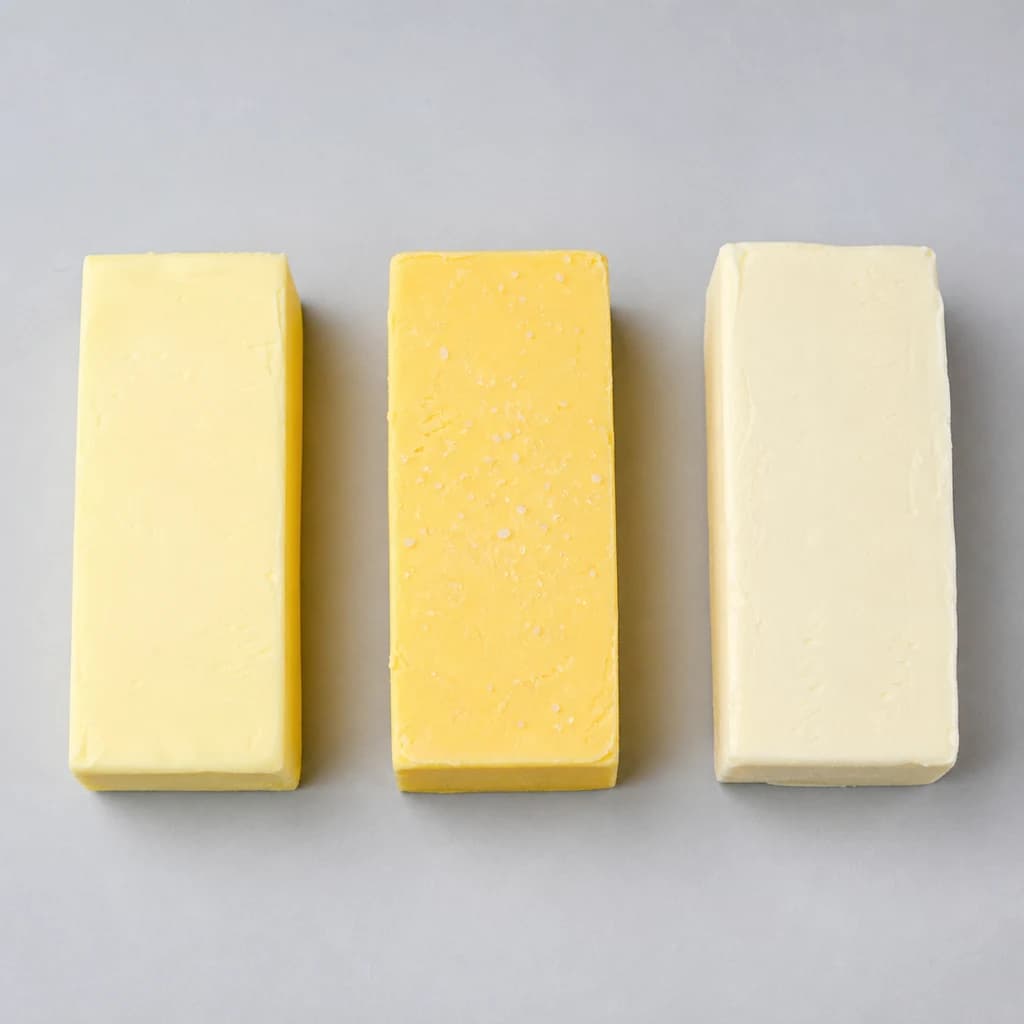
Butter
Golden fat for searing, baking, and finishing a sauce
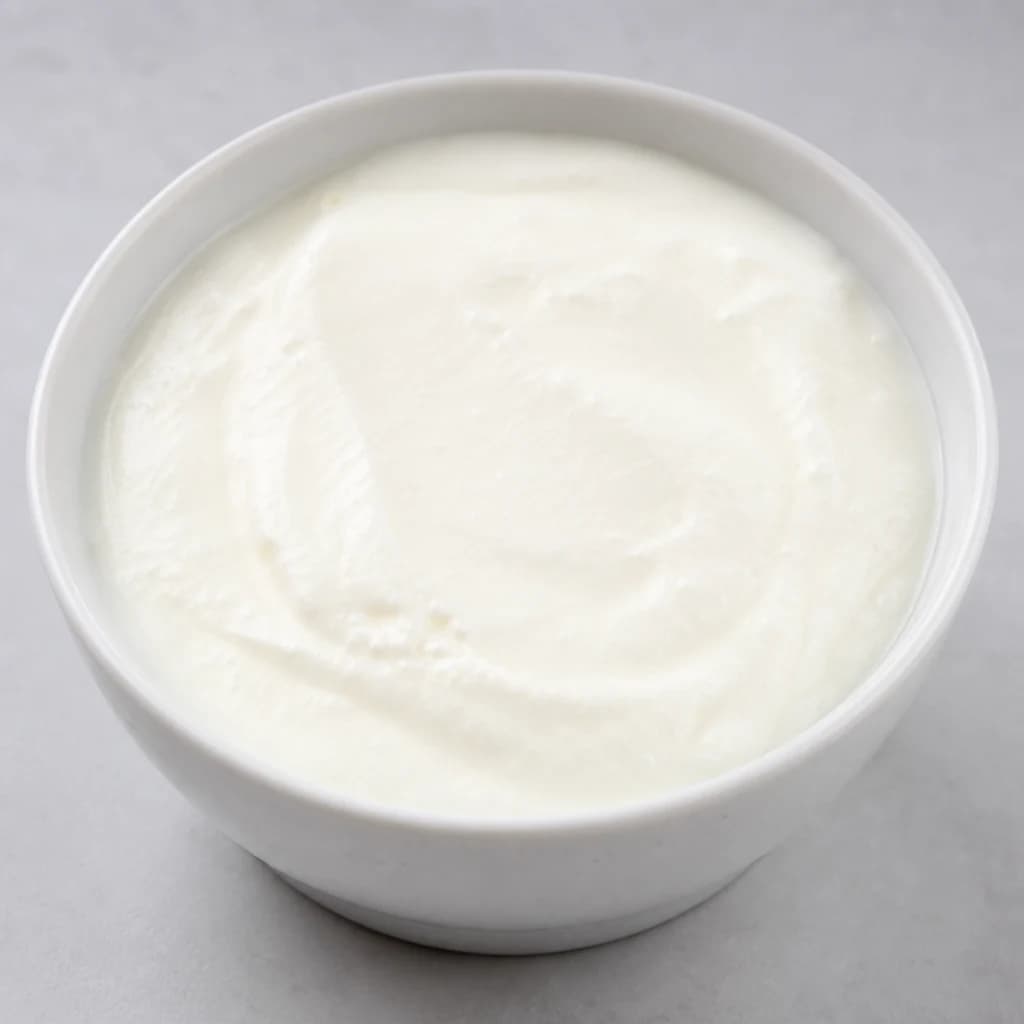
Yogurt
Tangy, creamy culture for breakfast, sauces, and marinades
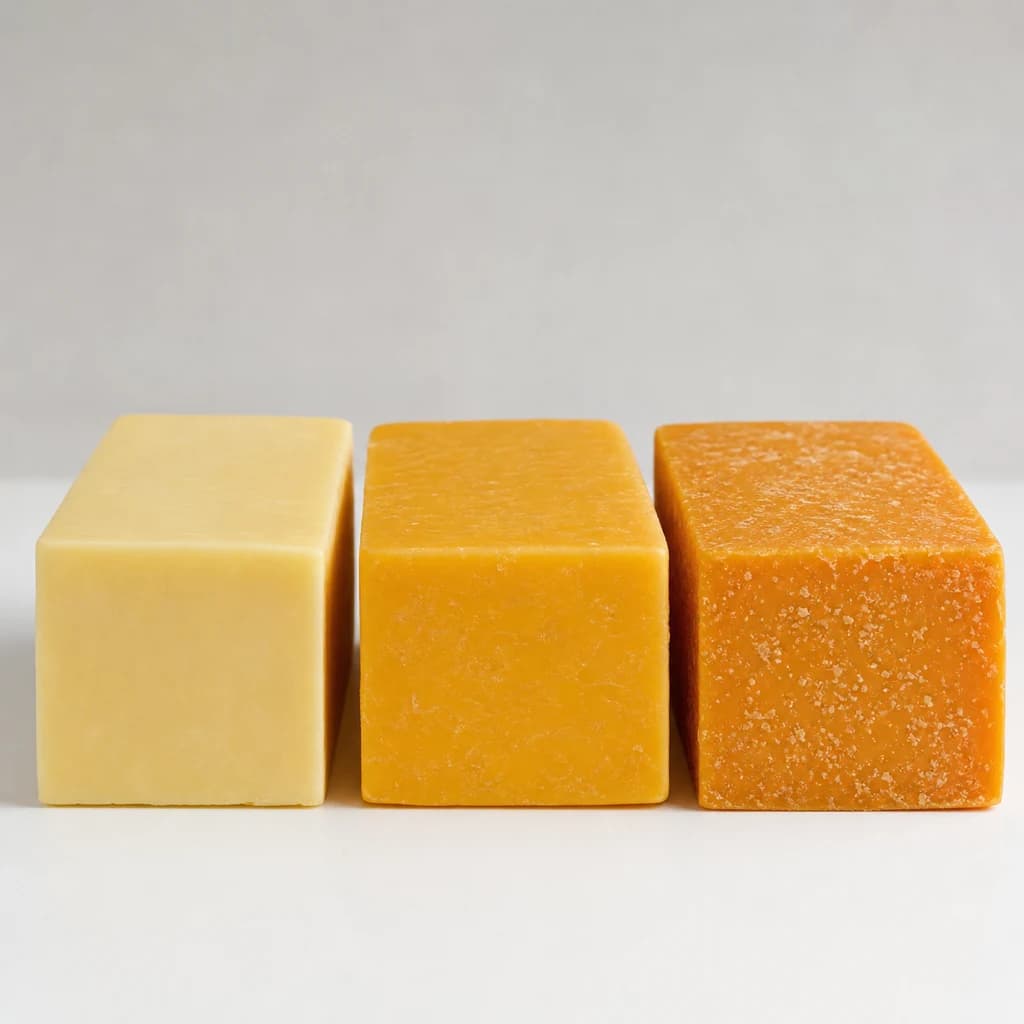
Cheddar Cheese
Sharp, melty cheese for sandwiches, gratins, and grating
Skim Milk
Fat-free milk for lighter drinking, coffee, and cooking
Heavy Cream
Rich cream that whips, enriches sauces, and sets ganache

Sour Cream
Tangy, thick cream for dolloping, baking, and dips
Mozzarella
Soft, milky cheese that melts into stretchy pizza pulls