Produce
Cubanelle Pepper
Long, thin-walled sweet pepper, mild and slightly fruity, popular for frying in Latin cooking.
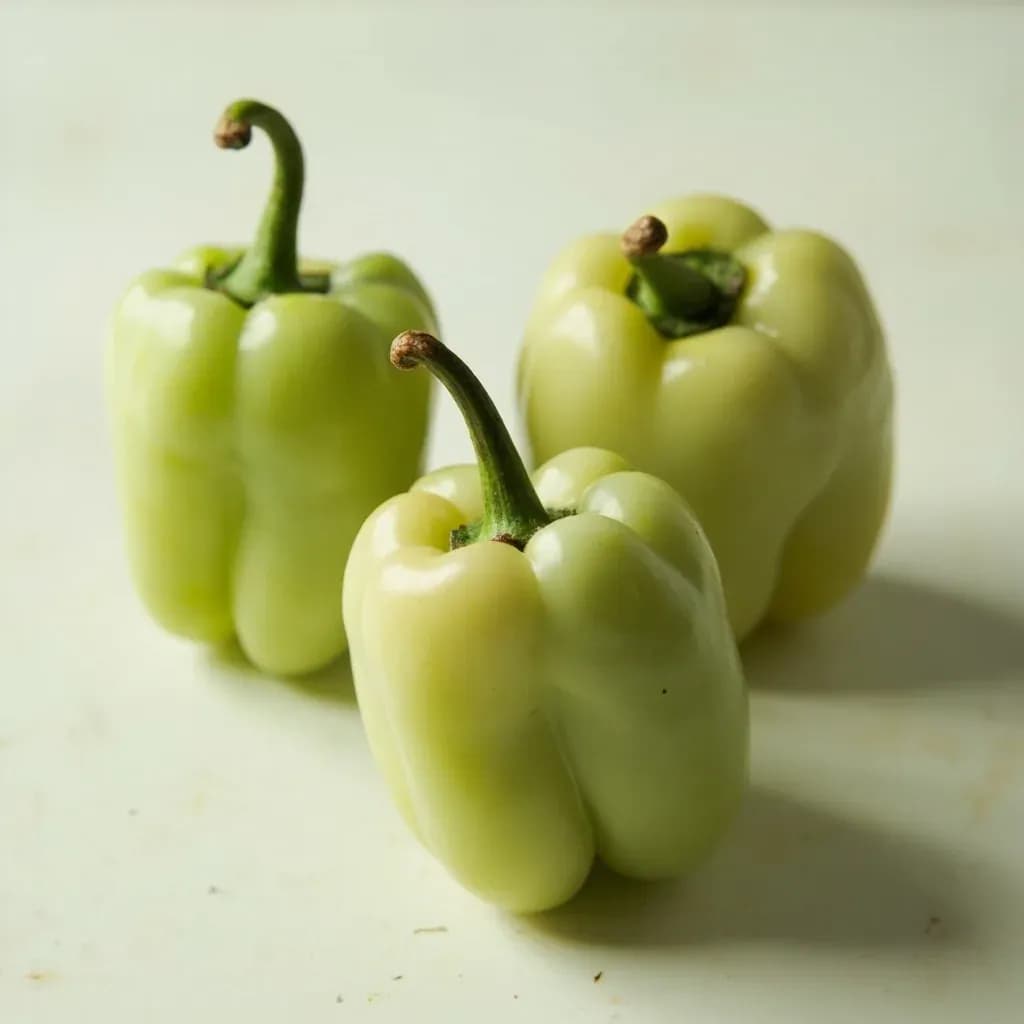
The Cubanelle is a long, tapered light-green to yellow sweet pepper with thin walls that fry and roast quickly. Mild with only a faint heat, it is a staple of Cuban, Puerto Rican, and Dominican kitchens for sofrito, stuffing, and sautes. Its delicate skin and sweet flavor make it preferable to bell peppers for frying.
The Cubanelle is a Capsicum annuum cultivar of exceptional utility in Latin and Caribbean cooking, prized for its long, tapered shape and thin walls that cook rapidly and caramelize beautifully. Often called the Italian frying pepper in American markets, it bridges two culinary traditions—Cuban and Puerto Rican cooks rely on it for sofrito and fried sides, while Italian-American kitchens treat the same or nearly identical pepper as a standard. The pepper transitions from light green (immature and mildly vegetal) through yellow-orange to deep red as it ripens, gaining sweetness and a faintly fruity quality that intensifies with high-heat cooking. Its thin walls make it forgiving for beginners yet deeply rewarding in skilled hands, because the flesh blisters, softens, and concentrates flavor in minutes rather than the extended cooking that thicker peppers require. The Cubanelle's defining characteristic is its behavior under heat: it does not collapse into mush or turn bitter when fried at high temperature, making it the canonical choice for fried peppers as a side dish or sandwich component.
- Measured in
- piece
- Storage
- Fridge
Types & varieties
Common grocery variety; light green to yellow-orange when ripe
Often interchangeable; may be slightly longer and thinner-walled
Hybrid; early maturing, wedge-shaped, yellow-orange to red; more disease resistant
Hybrid; bright yellow, prolific, slightly thicker walls than standard Cubanelle
Understanding Ripeness
The difference between unripe and ripe Cubanelles is substantial enough to affect your cooking. Immature green peppers carry a mildly bitter, vegetal edge that some cooks appreciate in fresh applications or quick sautéing. Ripe yellow-orange to red specimens develop genuine sweetness and a faint fruity depth that makes them superior for frying, where the sugars concentrate and caramelize. If a recipe does not specify, default to the more ripe yellow-orange stage for cooked dishes and reserve green peppers for raw or barely cooked uses. The transition happens quickly at the market—look for uniform color and firm flesh.
- Green = mildly bitter, vegetal; best for raw slicing or quick cooking
- Yellow-orange = sweeter, fruiter; ideal for frying and roasting
- Red = fully ripe; most complex but may be slightly softer
Cooking Behavior
Cubanelles owe their versatility to thin walls that conduct heat rapidly. In hot oil (375°F/190°C), they blister and tenderize in 1–2 minutes per side, developing sweet, slightly charred spots without steaming or turning mushy. The same thin walls make them poor candidates for prolonged braising or simmering—they will collapse into oblivion rather than holding structure. High heat is their natural partner; low-and-slow liquid cooking is not. When frying, resist the urge to move them constantly—let them develop contact with the pan floor for proper caramelization.
- Frying: high heat, short time; 375°F/190°C for 1–2 minutes per side
- Roasting: direct flame or 450°F/230°C oven; blistered skin slides off easily after resting in a closed bag
- Avoid: extended simmering, over-crowding (causes steaming), cooking past collapse
Common uses
Tips & pitfalls
- Select firm, glossy peppers with taut skin; avoid any with soft spots, wrinkles, or sunken lesions—these signal aging and flavor loss
- Heaviness relative to size indicates good hydration and crisp texture, not a dried-out interior
- For frying: slice into rings or large pieces, cook in hot oil (375°F/190°C) for 1–2 minutes per side until blistered and tender but not collapsed
- Do not overcrowd the pan—lowering the temperature results in steaming rather than frying, and the peppers will turn soft and pale instead of caramelized
- For raw applications: taste first; some peppers labeled Cubanelle may carry faint bitterness or trace heat that intensifies when uncooked
- To peel after roasting: place in a closed paper bag for 5 minutes, then the skin slides off easily without water-blanching
- Remove seeds and ribs for a cleaner, sweeter flavor; retain them for more authentic texture in cooked applications
- When buying in bulk for frying: look for uniform size to ensure even cooking—mixed sizes mean some burn while others stay underdone
- Frozen Cubanelles work well in cooked dishes (soups, stews, casseroles) but lose their crisp-tender quality for fresh or frying applications
Nutrition
Energy
121 kJ · per 100 g
Where the calories come from
Protein
0.9g
2% DV
Carbs
6.5g
2% DV
Fat
0.4g
0% DV
Fiber
2.8g
10% DV
Sugars
4.1g
of which
Sodium
3mg
0% DV
Source · USDA FoodData Central · approx. Peppers, jalapeno, raw
View on FDC →In the shops
Matched grocery products
No matched grocery products for Cubanelle Pepper yet.
Good to know
- Species
- Capsicum annuum
- Origin
- Caribbean, particularly Cuba; common throughout Latin America
- Scoville Range
- 0–500 SHU (sweet to faintly hot)
- Typical Size
- 4–6 inches (10–15 cm); elongated, slightly curved, tapered to a blunt tip
- Colors
- Light green (immature); yellow-orange to red (ripe)
- Wall Thickness
- Thin to medium-thin (ideal for quick, high-heat cooking)
- Peak Season
- Summer through early fall (available year-round)
- Storage
- Refrigerate unwashed in a loose plastic bag; use within 10–14 days
- Freezing
- Slice and freeze raw on a sheet pan, then transfer to airtight containers; best for cooked dishes thereafter
Substitutes
- Anaheim — Similar mild heat and thin walls; slightly longer and straighter; excellent for roasting and frying
- Poblano — Thicker walls and deeper flavor; may carry more heat; better for stuffing than quick-frying
- Shishito — Thin-walled, mild; similar frying behavior; slightly more uniform in shape; blistered as an appetizer
- Bell Pepper (green) — Thicker walls and higher moisture; will not char or caramelize as readily; less sweet
- Banana Pepper — Similar shape; often spicier; thinner flesh; better for pickling than frying
- Pimento — Sweet, thin-walled; too small to substitute directly for frying but works in cooked dishes
Also called
Italian Frying Pepper
Appears in these dishes
Related
Tomato
Juicy, sun-sweet fruit for sauces, salads, and slow-cooked depth
Yellow Onion
The aromatic backbone of soups, sofritos, and braises
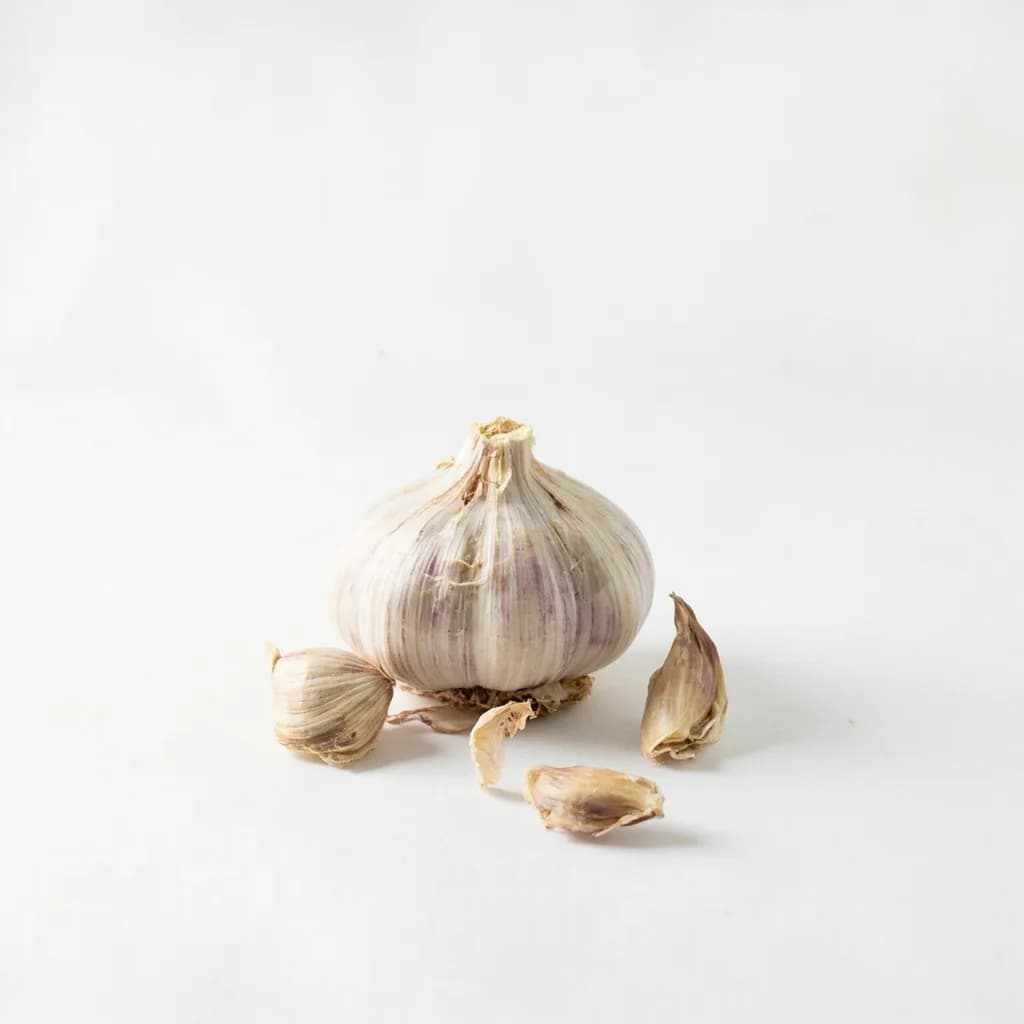
Garlic
Pungent cloves that perfume nearly every savory dish
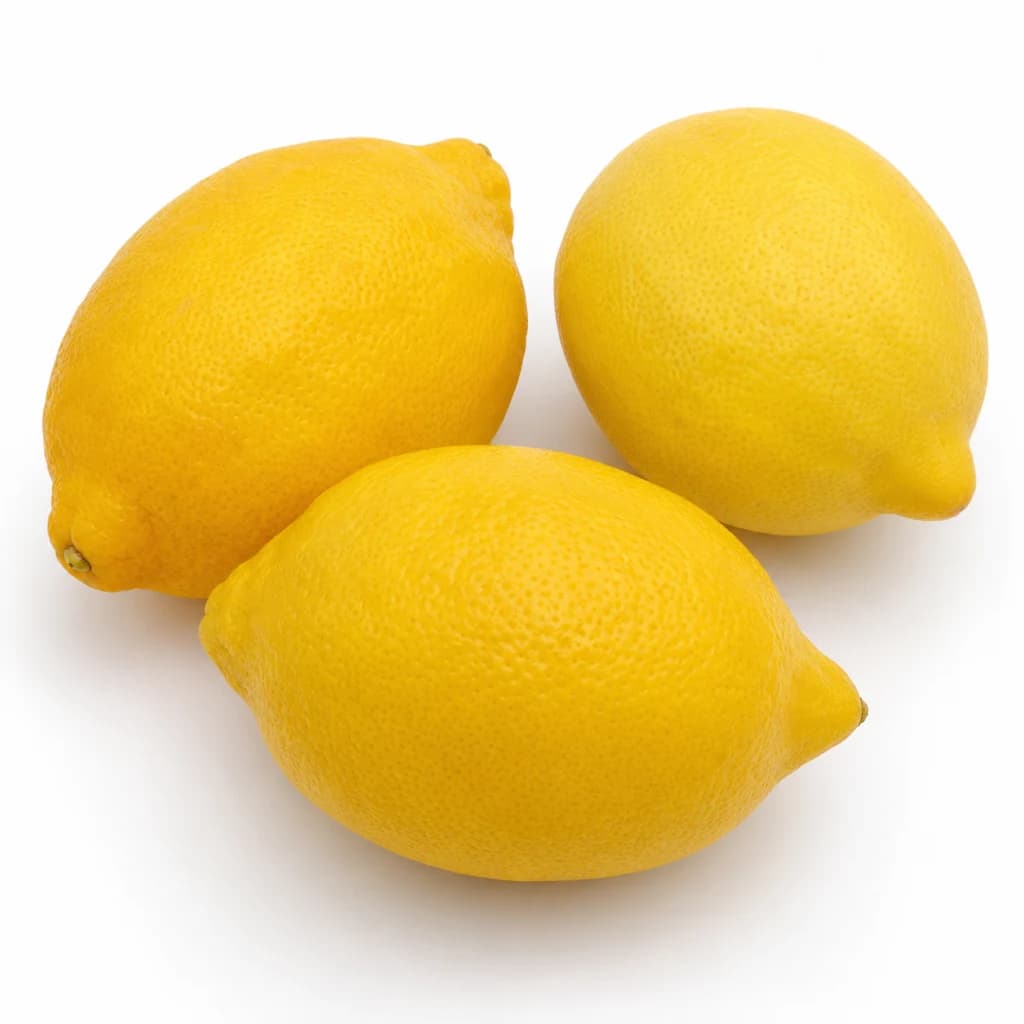
Lemon
Bright, acidic citrus that wakes up almost any dish
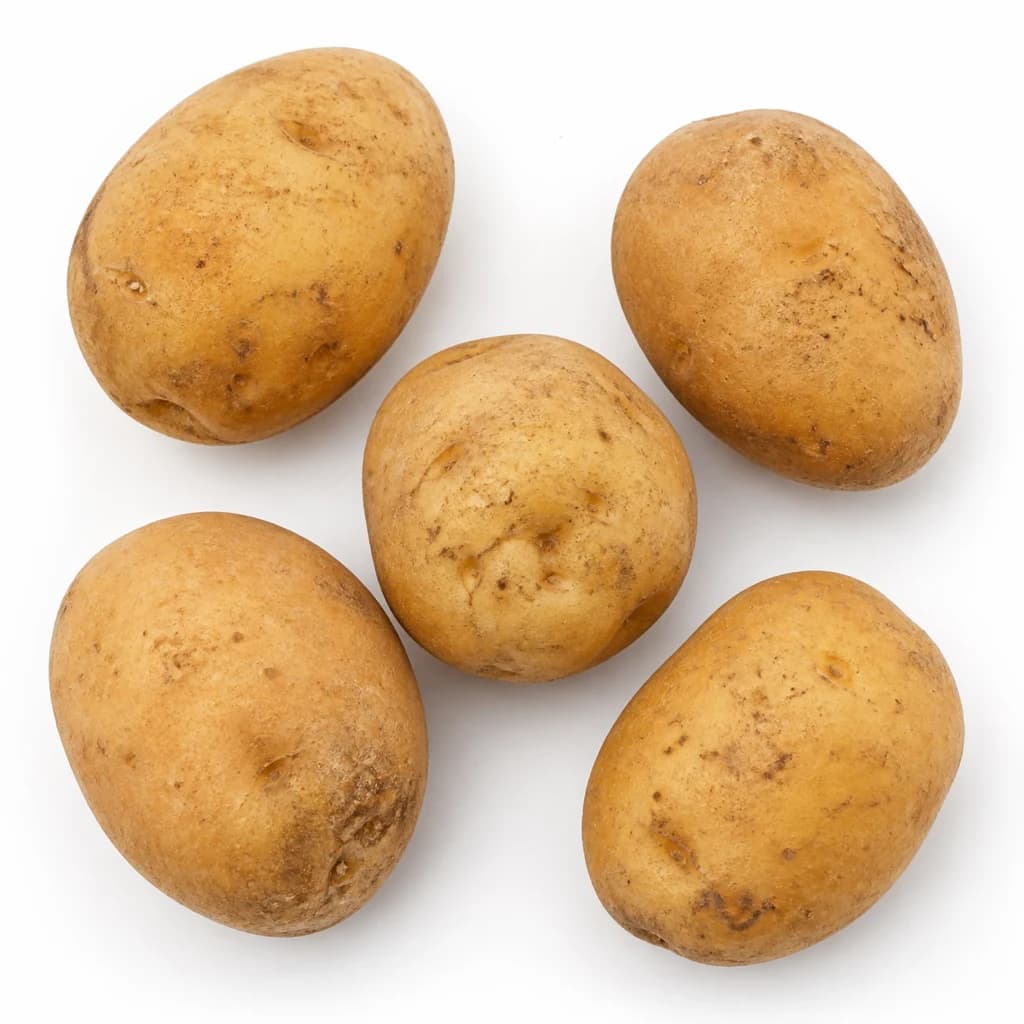
Potato
Humble, hearty staple — roast, mash, fry, or boil
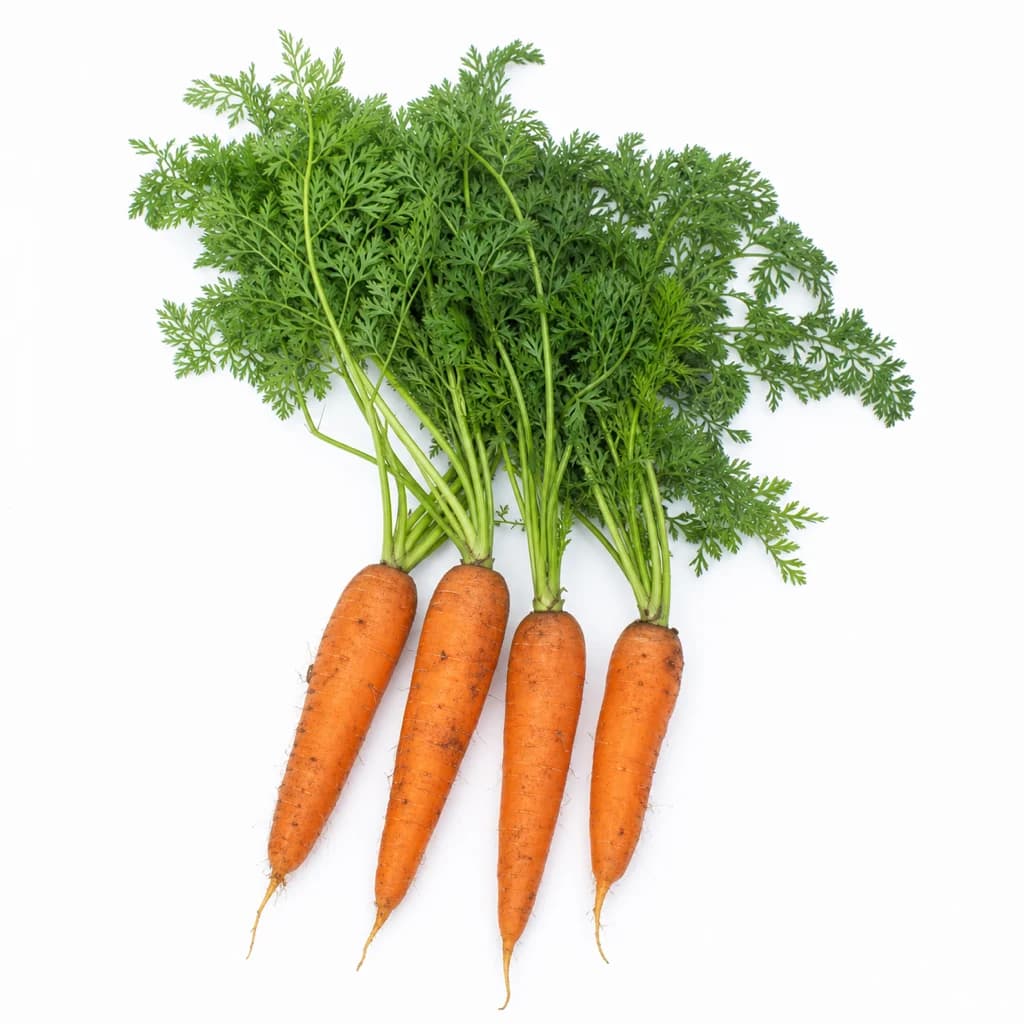
Carrot
Sweet, crunchy root — raw, roasted, or the base of a sofrito
Cucumber
Cool, crisp, and watery — for salads, pickles, and tzatziki

Lettuce
Crisp leaves for salads, wraps, and a fresh crunch