Produce
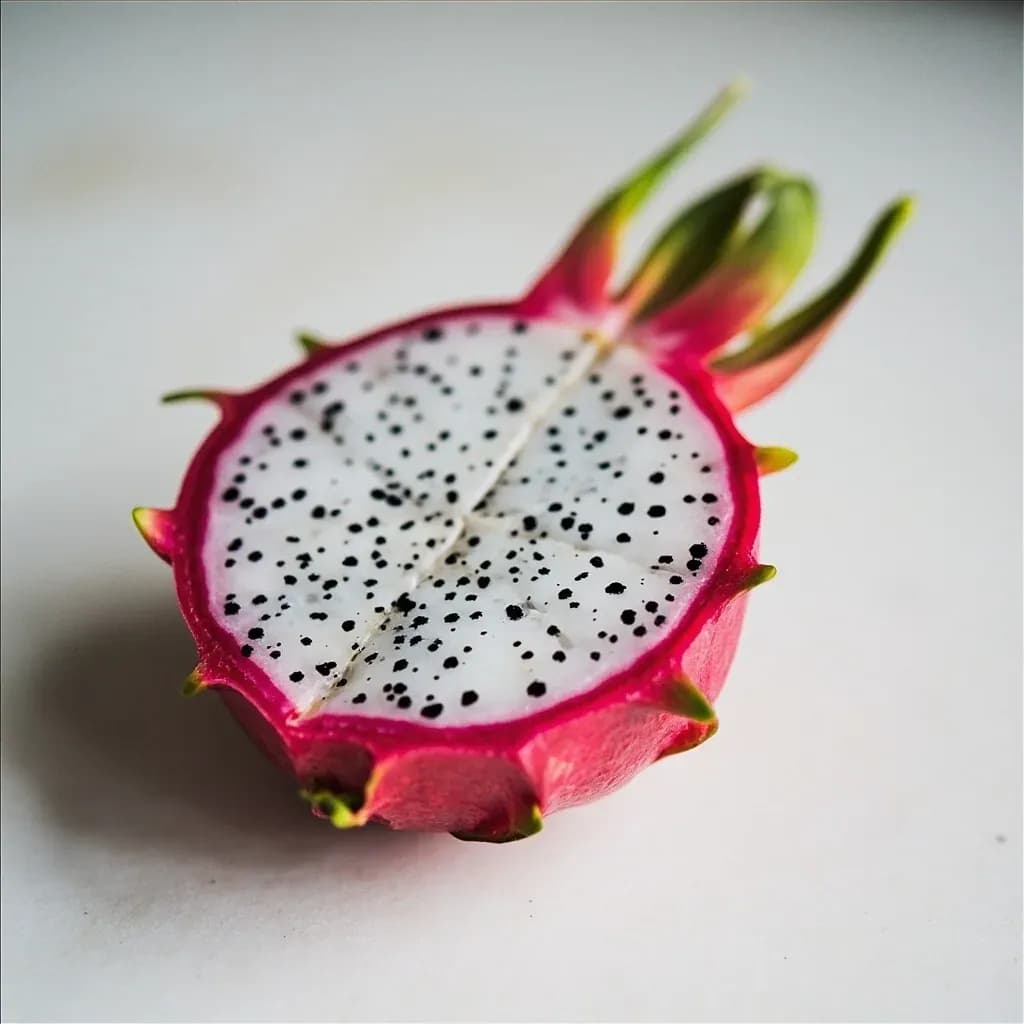
Dragon Fruit
Striking pink-skinned tropical fruit with speckled flesh, eaten fresh or in smoothies.
Dragon fruit, or pitahaya, is a tropical cactus fruit with vivid pink or yellow scaly skin and white or magenta flesh dotted with tiny black seeds. It is eaten fresh, scooped from the skin, and blended into smoothies, bowls, and salads. The flavor is mild and lightly sweet, more notable for its dramatic color and crunchy seeds than intense taste.
Dragon fruit, also known as pitaya or strawberry pear, is the fruit of several climbing cactus species in the genus Hylocereus. The plant produces large, fragrant flowers that bloom at night; the fruit develops 30–50 days after flowering. Despite its dramatic, otherworldly appearance—bright pink or yellow skin with a scaly, almost reptilian texture—dragon fruit has a notably mild, subtly sweet flavor often compared to a cross between kiwi and pear with faint floral notes. This contrast between striking looks and restrained taste makes it a chef's tool for visual impact rather than flavor dominance. The tiny black seeds scattered through the flesh are fully edible and similar to kiwi seeds; some preparations blend the flesh smooth to eliminate them, while others leave them intact for texture. Dragon fruit is cultivated extensively in Southeast Asia, Vietnam, Thailand, the Philippines, Israel, and southern Florida, though it originated in Central America and southern Mexico. The fruit does not ripen significantly after picking, so selection at purchase matters more than storage duration.
- Measured in
- piece
- Storage
- Fridge
Types & varieties
Most common commercial variety; bright pink skin with white flesh and black seeds
Deep magenta flesh; slightly sweeter and more intense than white variety; more perishable; best when visual impact matters
Yellow skin without pink coloration; white flesh; smaller and rounder; considered sweeter and less common commercially
Typically the white-fleshed variety common in Central American markets
Color and Its Quirks
The deep magenta flesh of red-fleshed varieties comes from betacyanins, the same pigment family found in beets. This color bleeds readily into surrounding ingredients, which is useful for visual drama in smoothie bowls and fruit salads but can be unexpected elsewhere. Consuming large quantities of red-fleshed dragon fruit may cause temporary pinkish discoloration of urine or stool—this is harmless but can alarm those unaware it occurs.
- Use red-fleshed variety when you want vivid color as a design element
- Expect the color to migrate in mixed preparations within minutes
Preventing Oxidation
Cut dragon fruit oxidizes quickly, developing a duller appearance and slightly altered flavor within an hour. This matters most when preparing fruit for display or when the flesh needs to stay pristine white.
- Toss cut flesh with citrus juice immediately to preserve color
- Work quickly and serve soon after cutting if no acid is desired in the dish
- Store cut fruit submerged in cold water with a squeeze of lime for short-term holding
Common uses
Tips & pitfalls
- Select fruit with vivid, evenly colored skin and slight give when gently pressed; avoid shriveled or overly soft specimens
- Do not peel before eating—the skin is not typically consumed
- Halve lengthwise with a sharp knife, then score the flesh in a crosshatch pattern before scooping for easier serving and better presentation
- Add dragon fruit to smoothies last and blend briefly; over-blending breaks the seeds and can make the texture mealy
- For savory applications, pair with lime, chili, and fish sauce for Southeast Asian-inspired flavor profiles
- The flesh oxidizes quickly when cut; toss with citrus juice if preparing more than a few minutes ahead
- Use red-fleshed variety when visual impact matters most; the color bleeds into surrounding ingredients
- Avoid expecting intense sweetness—dragon fruit's value is texture and appearance, not sugar content
Nutrition
Energy
1427 kJ · per 100 g
Where the calories come from
Protein
0g
0% DV
Carbs
85.1g
31% DV
Fat
0g
0% DV
Fiber
0.1g
0% DV
Sugars
53g
of which
Sodium
0mg
0% DV
Source · USDA FoodData Central · approx. Fruit syrup
View on FDC →In the shops
Matched grocery products
No matched grocery products for Dragon Fruit yet.
Good to know
- Scientific name
- Hylocereus undatus (white-fleshed); Hylocereus polyrhizus (red-fleshed); Selenicereus megalanthus (yellow)
- Origin
- Native to Central America and southern Mexico; now cultivated in Southeast Asia, Vietnam, Thailand, Philippines, Israel, and southern Florida
- Peak season
- Summer through fall in most regions; year-round in true tropical climates
- Flavor profile
- Mild, subtly sweet; kiwi–pear crossover with mild floral notes; intensity varies by variety
- Edible yield
- Approximately 60–70% of fruit weight is usable flesh
- Shelf life (whole)
- Up to 1 week refrigerated; cut fruit 1–2 days in airtight container
- Freezing
- Pureed flesh freezes well for up to 3 months; ideal for smoothie prep
- Perishability
- Moderate; does not continue to ripen significantly after harvest
Substitutes
- Kiwi — Similar texture with tiny edible seeds; milder flavor; use 1:1 in most fresh applications
- Papaya — Comparable tropical profile and soft texture; lacks the visual impact of pink flesh
- Melon (honeydew or cantaloupe) — Similar neutral sweetness and soft texture for fresh applications; not a direct flavor match
Pairs with
Also called
Pitahaya · Pitaya
Related
Tomato
Juicy, sun-sweet fruit for sauces, salads, and slow-cooked depth
Yellow Onion
The aromatic backbone of soups, sofritos, and braises
Garlic
Pungent cloves that perfume nearly every savory dish
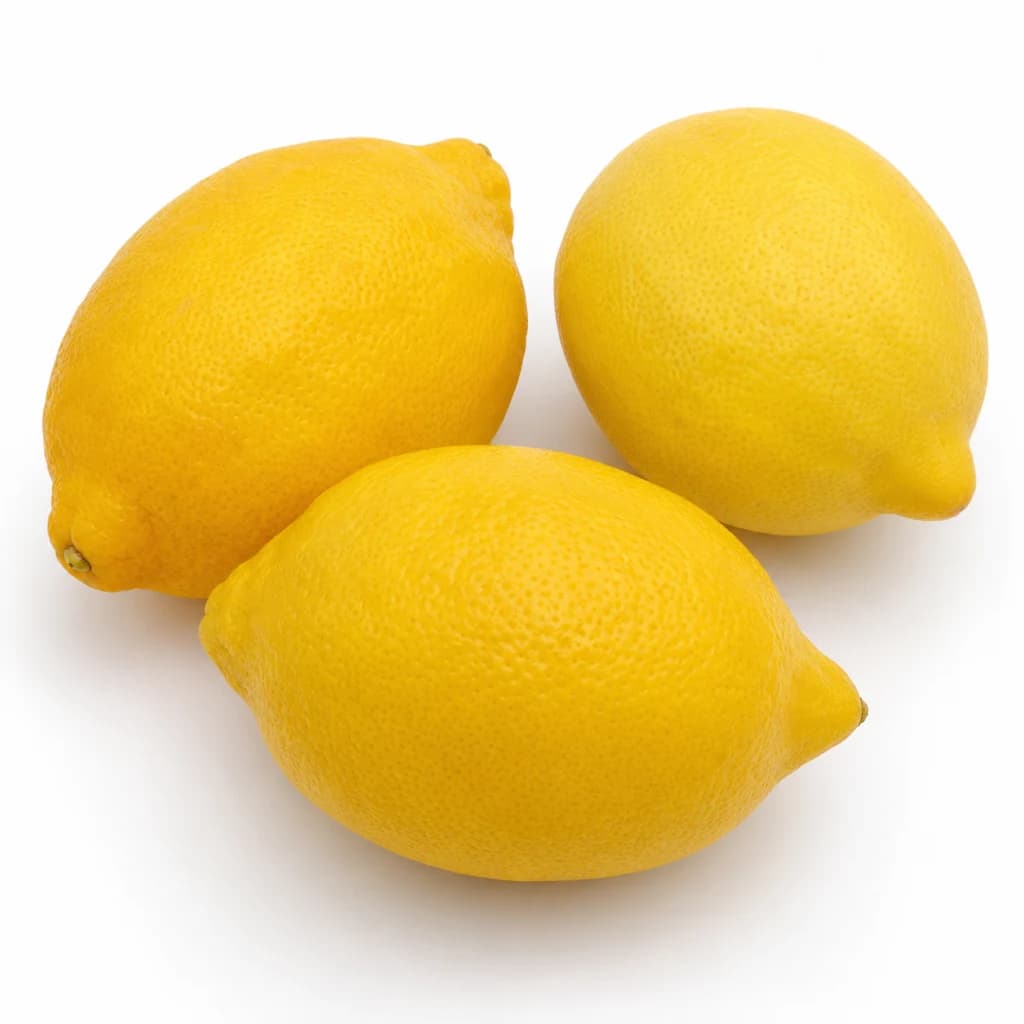
Lemon
Bright, acidic citrus that wakes up almost any dish
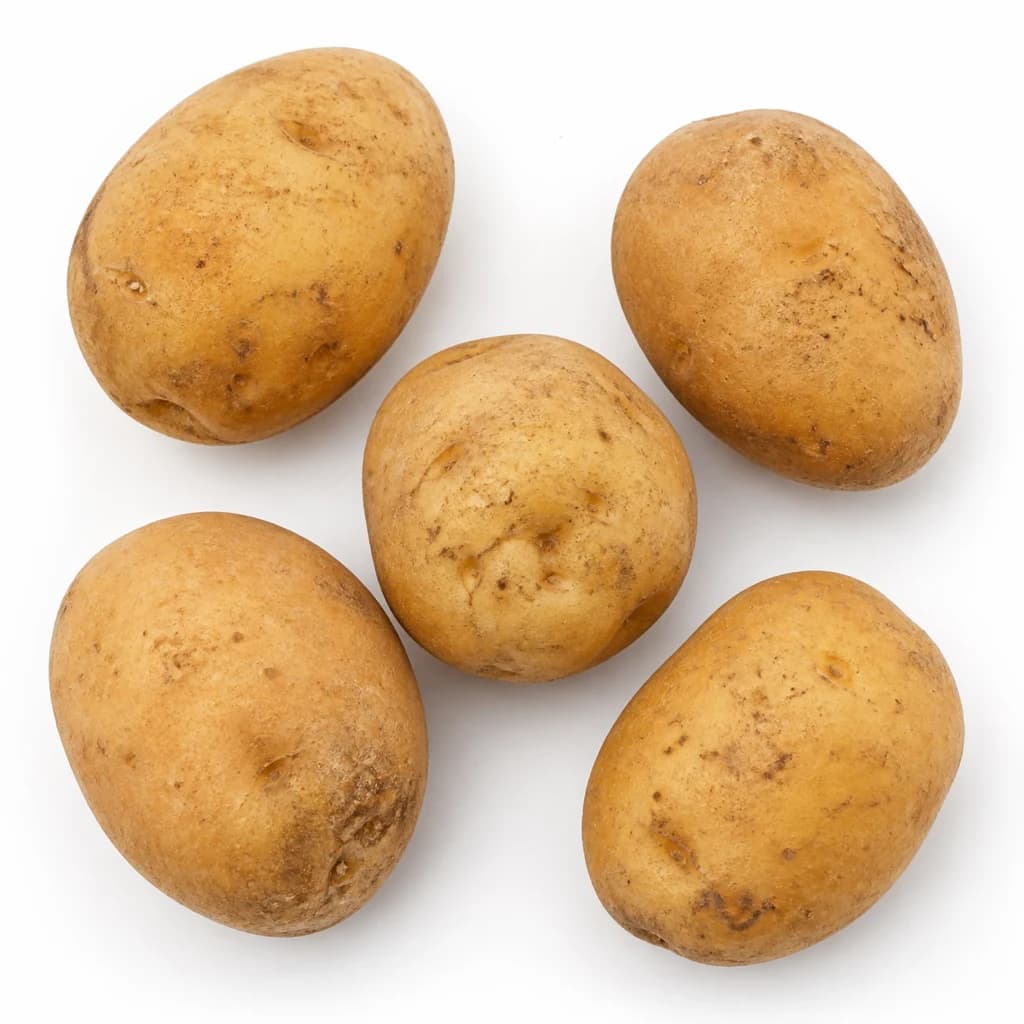
Potato
Humble, hearty staple — roast, mash, fry, or boil
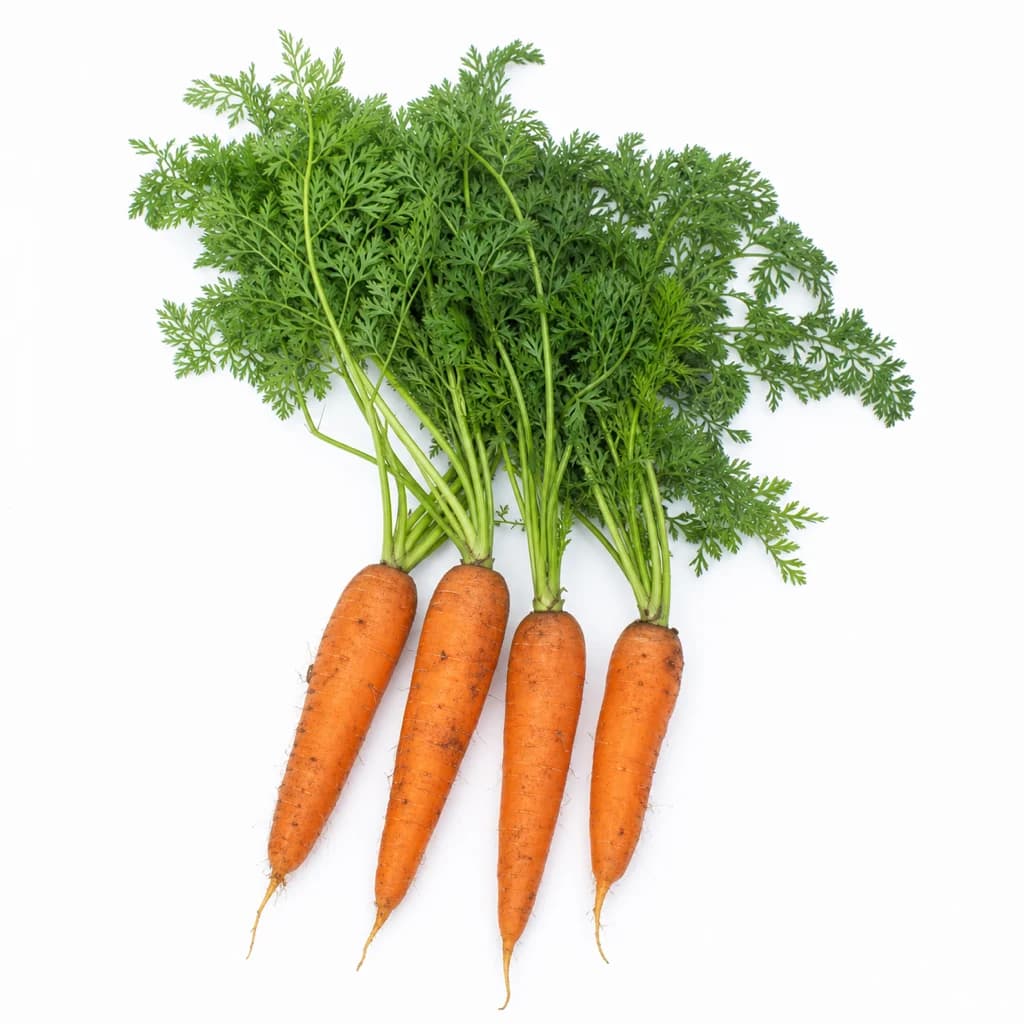
Carrot
Sweet, crunchy root — raw, roasted, or the base of a sofrito

Cucumber
Cool, crisp, and watery — for salads, pickles, and tzatziki

Lettuce
Crisp leaves for salads, wraps, and a fresh crunch