Baking
Einkorn Flour
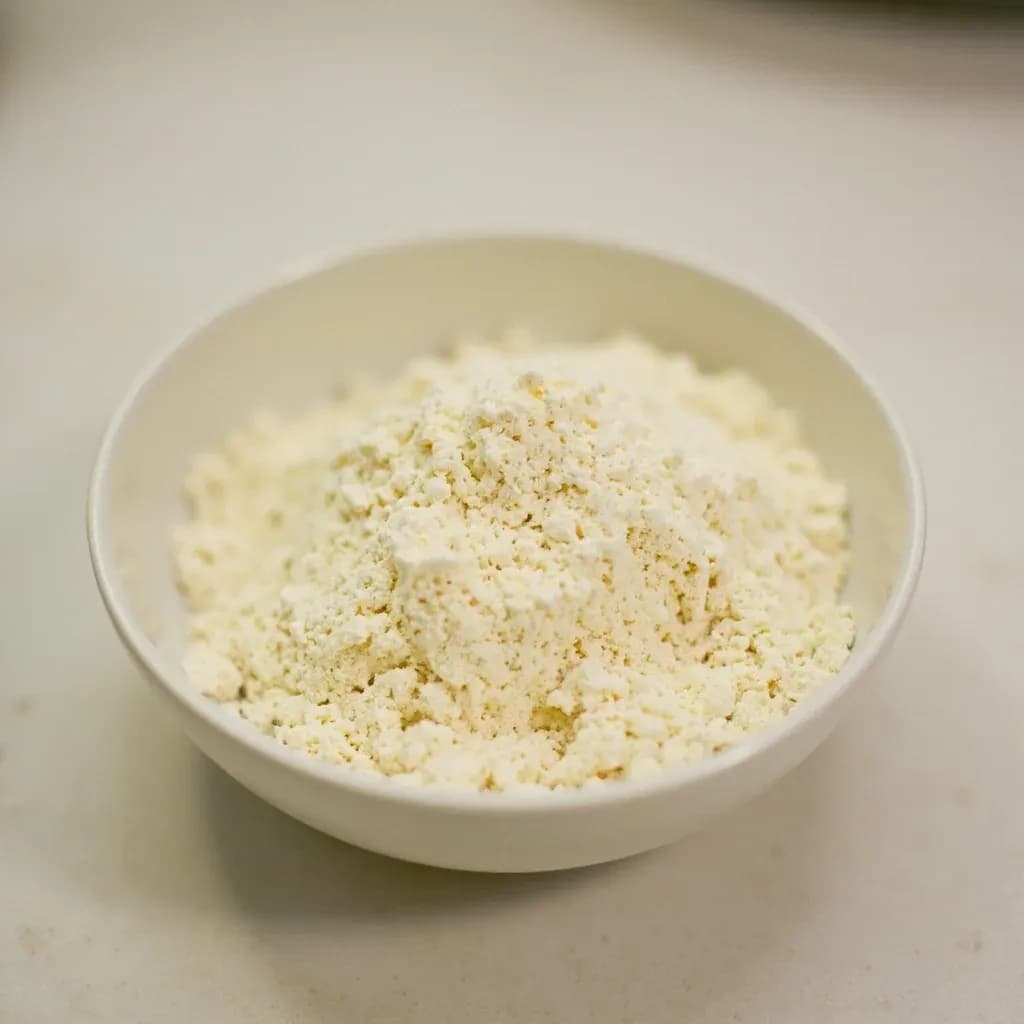
Flour from ancient einkorn wheat, nutty and golden with delicate, low-gluten dough.
Einkorn flour is milled from einkorn, one of the oldest cultivated wheats. It has a rich, nutty, slightly sweet flavor and a golden color from its high carotenoid content. Its weak, delicate gluten makes for tender baked goods but stickier, harder-to-handle dough than modern wheat.
Einkorn (Triticum monococcum) is the most ancient of cultivated wheat varieties, domesticated in the Fertile Crescent roughly 10,000 years ago—long before the hexaploid wheats that dominate modern agriculture. As a diploid wheat with 14 chromosomes (compared to modern bread wheat's 42), einkorn produces a fundamentally different flour. Its gluten network is weaker and more fragile than modern wheat, which means doughs behave quite differently: they are stickier, rise less dramatically, and require gentler handling. Despite protein levels comparable to common wheat, the gliadin composition differs—it lacks certain proteins found in modern wheat, which is why some people with non-celiac gluten sensitivity report better tolerance, though it is absolutely not safe for those with celiac disease or true wheat allergies. The flour mills to a surprisingly fine consistency for a whole grain, and its higher carotenoid content gives baked goods a distinctive golden hue and a nutty, slightly sweet flavor that distinguishes it unmistakably from modern wheat flour. Cooks must recalibrate expectations: einkorn does not substitute 1:1 in standard recipes, and its behavior in yeast breads demands patience and adaptation rather than the techniques used for conventional flour.
- Measured in
- g
- Storage
- Pantry
Allergens
Types & varieties
Planted in spring, harvested late summer; the most common variety in cultivation
Planted in fall, harvested early summer; less widely available than spring type
Common uses
Tips & pitfalls
- Do not expect 1:1 substitution in modern wheat recipes—einkorn doughs are noticeably stickier and rise less dramatically
- Reduce mixing time by roughly half compared to modern wheat recipes; overmixing degrades the fragile gluten network
- For yeast breads, use a shorter first fermentation and expect a tighter, flatter loaf than you would with bread flour
- Blend with stronger flours (bread flour, whole wheat) at 25–50% einkorn for improved structure in most leavened applications
- Do not expect the same oven spring—bake in a Dutch oven or covered vessel to retain steam and maximize rise
- Adjust hydration as needed; einkorn may absorb liquids slightly differently than expected
- Roll out doughs on lightly floured surfaces; the dough sticks more readily than new einkorn bakers anticipate
- Test doneness carefully; einkorn baked goods may appear done on the surface but can be gummy in the center if underbaked
Nutrition
Nutrition
No USDA FoodData Central match for Einkorn Flour yet. We surface a per-100 g profile once a generic whole-food entry is matched and verified.
In the shops
Matched grocery products
No matched grocery products for Einkorn Flour yet.
Good to know
- Scientific name
- Triticum monococcum
- Wheat type
- Diploid ancient wheat (2n=14 chromosomes)
- Chromosome count
- Half that of modern bread wheat (which is hexaploid, 2n=42)
- Gluten structure
- Weaker and more fragile than modern wheat gluten
- Protein content
- 12–18%, comparable to common wheat, but with different composition
- Color
- Golden hue from higher carotenoid content
- Origin
- Fertile Crescent; one of the first domesticated cereals, circa 10,000 years ago
- Shelf life
- 3–6 months in airtight container in cool, dry pantry; freeze to extend
Substitutes
- Spelt flour — Contains more gluten and behaves more like modern wheat; use in similar proportions but expect slightly different texture
- Whole wheat flour — Different flavor profile and gluten structure; best used blended rather than as a direct substitute
- Einkorn whole grain flour — Less refined option with stronger flavor; substitute by weight at same ratio, expect denser results
Pairs with
Also called
Ancient Wheat Flour
Related

All-Purpose Flour
The do-anything flour for bread, cakes, sauces, and dredging

Bread Flour
High-protein flour for chewy, well-risen breads
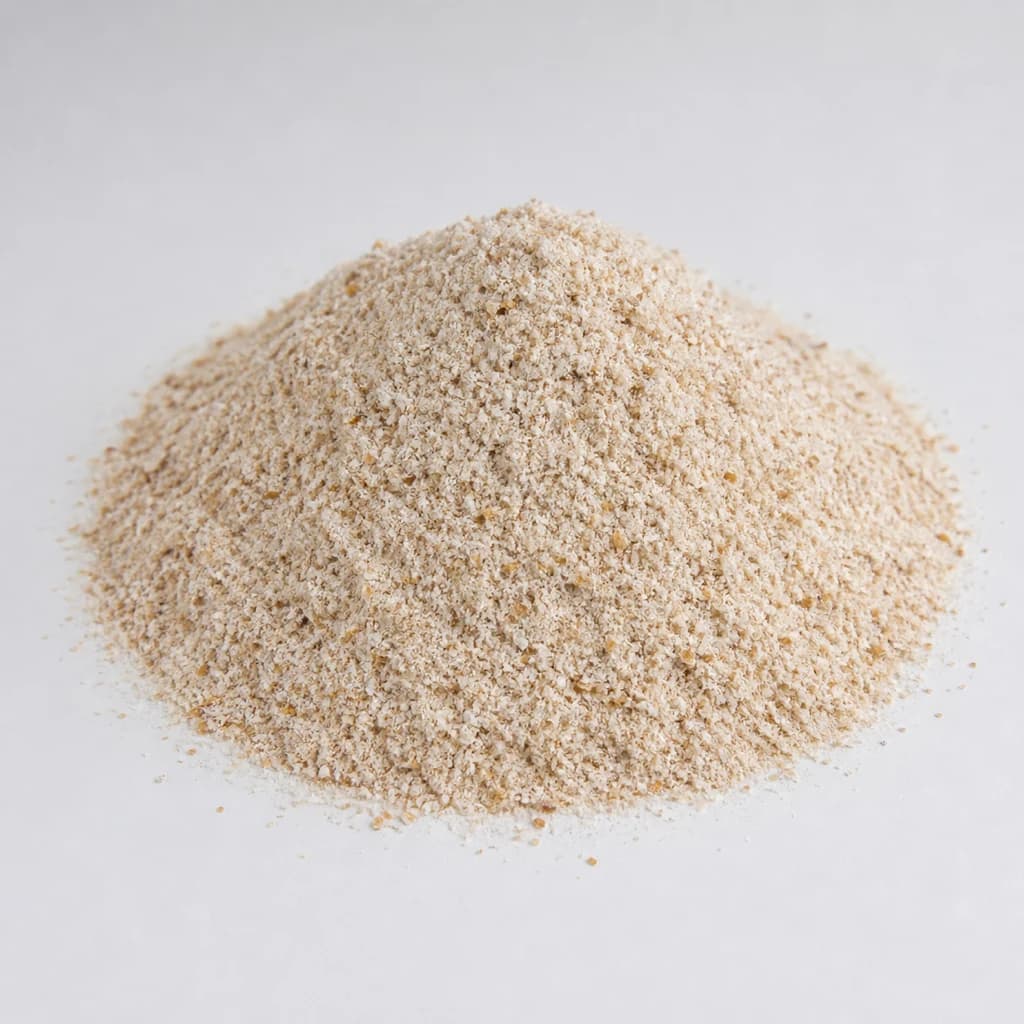
Whole Wheat Flour
Nutty, whole-grain flour for hearty breads and bakes
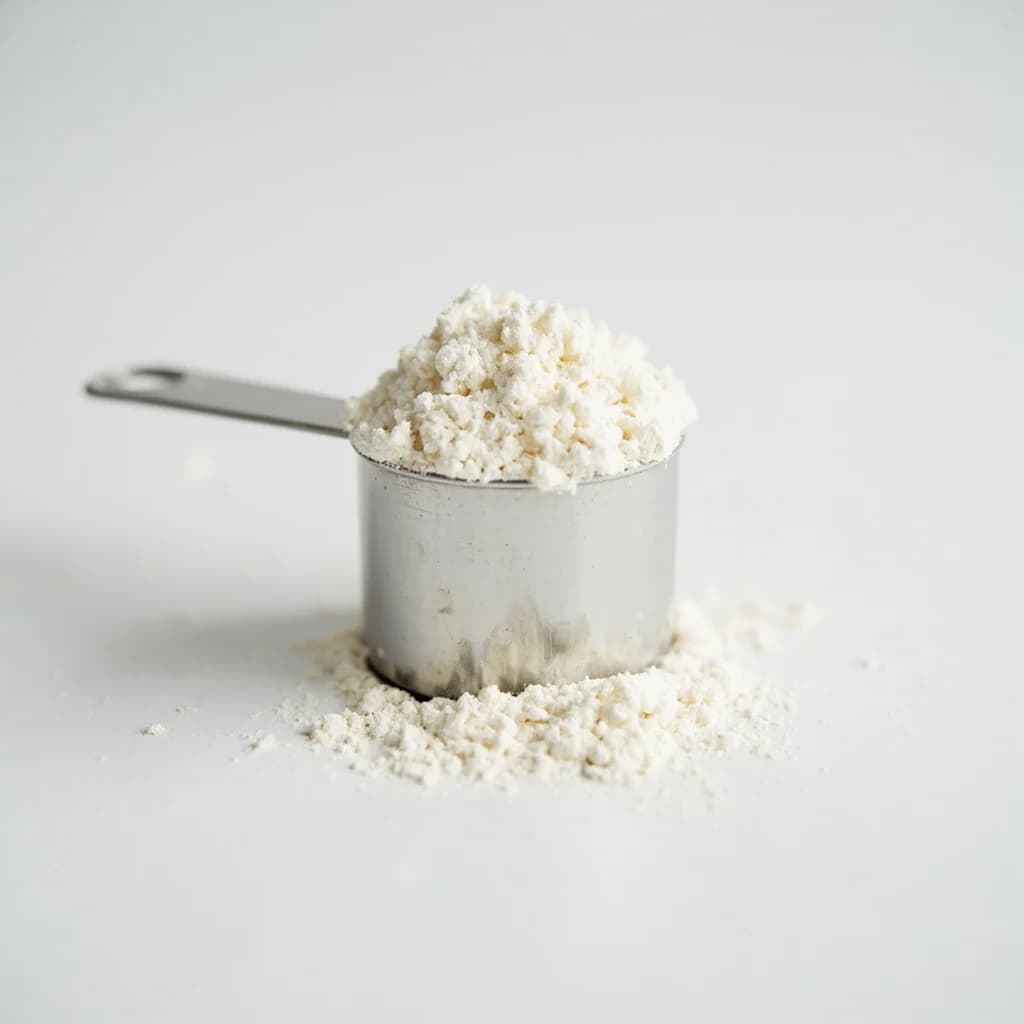
Cake Flour
Fine, low-protein flour for tender, delicate cakes
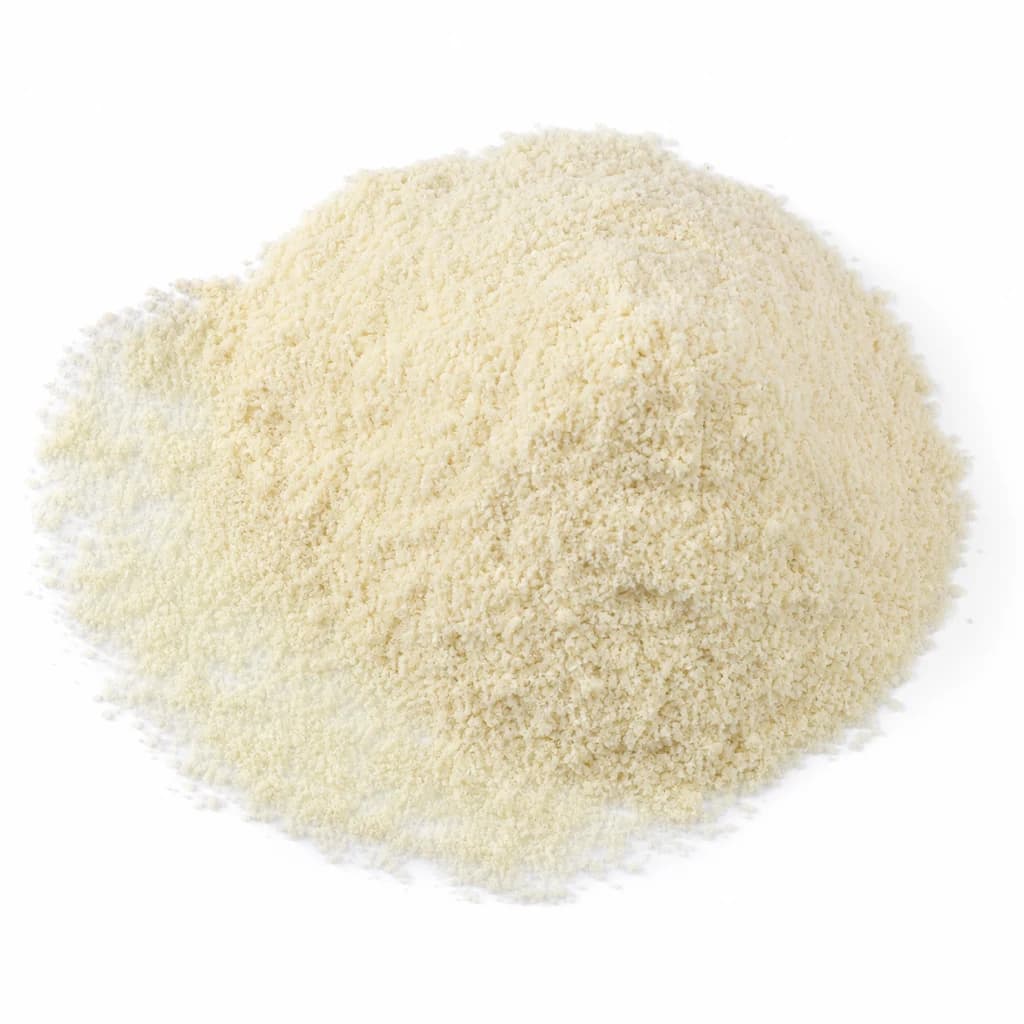
Almond Flour
Nutty, gluten-free flour for macarons and tender bakes

Baking Powder
All-in-one leavener for fluffy cakes, pancakes, and biscuits

Baking Soda
Pure leavener that needs acid to lift — and tenderize
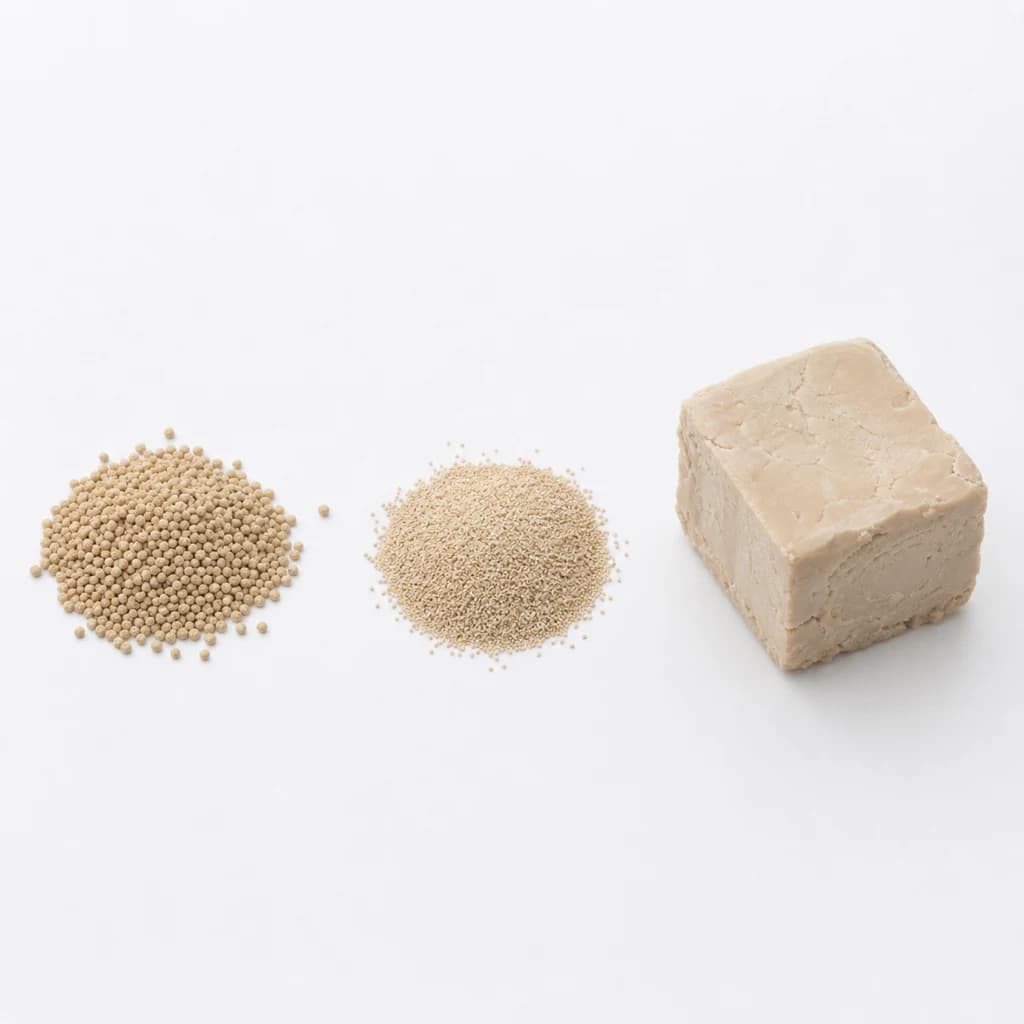
Yeast
Living leaven that makes bread rise and dough come alive