
Natural form
Whole fava bean pods, plump and bright green, freshly harvested in spring.
Shows the reader the ingredient as it appears at market or in the garden — the long, thick, velvety pod that distinguishes fava beans from other legumes.
Legumes & Beans
Fresh Fava Bean
Large green spring beans, sweet and buttery, shelled and often peeled for salads and stews.
Fresh fava beans, also called broad beans, are large flat green beans nestled in a thick, cushioned pod. Shelled and usually peeled of their tough outer skin, the bright inner beans are sweet and buttery, eaten in spring salads, purees, risottos, and Mediterranean and Middle Eastern dishes. They are best young and tender, as older beans turn starchy and need double-podding.
Fresh fava beans are one of the most rewarding—and most labor-intensive—spring vegetables. The beans grow inside velvety pods that can reach 25 cm, each pod holding 3 to 6 large beans roughly the size of a thumbnail. Their flavor is distinctively sweet and buttery with a faint earthiness; raw beans taste grassy and bright, while properly cooked beans become tender with a creamy interior. What sets them apart from almost every other legume is the double-peeling required: first the pod, then the thin, waxy skin around each individual bean. That skin is bitter and gives cooked beans a dense, mealy texture that overwhelms their delicate flavor. Skipping this step is the single most common mistake cooks make with favas. The beans are also a fleeting ingredient—they peak for only six to eight weeks in late spring—and their bright green color fades rapidly with overcooking or early addition of acid. Treat them quickly, peel them thoroughly, and cook them briefly.
- Measured in
- g
- Storage
- Fridge
Types & varieties
Classic variety with 3–5 large beans per pod; strong, robust flavor
Early-season variety; slightly smaller beans, similar flavor to Windsor
Large pods with 4–6 beans; the most widely available commercial variety
Bred for lower vicine-convicine content; noticeably milder flavor
Small, tender beans from Sicily or Egypt; often eaten raw or barely blanched
The Double-Peeling Method
The two-layer skin is what makes fresh favas unique and what trips up most cooks. The outer pod is removed first by snapping or cutting the stem and pulling it down along the seam. The beans inside are then blanched briefly (60–90 seconds in generously salted water, followed by an ice bath) to loosen the second skin. Work quickly after blanching—this skin tightens as beans cool and becomes exponentially harder to remove. Slip each bean out of its skin with your fingers. The only exception is very young, small beans from warm-climate sources (Sicily, Egypt), which may be tender enough to eat whole after brief cooking without peeling.
- Blanch in water seasoned like the sea—salty enough to season the beans and set the color
- Ice bath immediately to stop cooking and preserve bright green color
- Peel while beans are still warm; work in batches if preparing a large quantity
- Frozen blanched and peeled beans skip this step entirely
Cooking Behavior and Common Mistakes
Fresh favas behave differently from dried beans or canned legumes. They cook quickly and their texture changes fast—from starchy and chalky when underdone, to silky and tender when just right. Overcooking turns them mushy and dulls the color from bright green to olive. Acid (lemon juice or tomato) added early in cooking will also dull the color and muddy the flavor; add them at the end. Fava beans also react badly to aluminum or iron cookware, turning gray or black. The test for doneness is simple: taste one. Properly cooked beans have no raw starchy taste and a yielding, creamy texture.
- Never cook in aluminum or iron—beans will discolor
- Undercooked: starchy, chalky, slightly bitter. Properly cooked: tender, sweet, creamy
- Add lemon or tomato at the end of cooking, not the beginning
- A 60–90 second blanch is sufficient for most preparations; longer cooking is only for stews
Common uses
Tips & pitfalls
- Always peel each bean individually after blanching—the thin waxy skin is bitter and makes beans dense and mealy
- Work quickly after blanching; skins loosen within seconds and become difficult to remove as beans cool
- Season blanching water generously with salt to preserve the bright green color and season the beans from within
- Undercooked large beans are starchy and chalky; test by tasting one—properly cooked beans are tender with no raw taste
- For raw applications, blanch just 30 seconds and use immediately, or buy very small young beans
- Never cook fava beans in aluminum or iron cookware—they will turn gray or black
- To freeze: blanch 60 seconds, peel, spread on a sheet pan in a single layer to freeze individually, then bag—this prevents clumping
- Fava greens (tender shoot tips) are also edible and taste like a milder, sweeter pea green; cook them the same way
Nutrition
Energy
368 kJ · per 100 g
Where the calories come from
Protein
7.9g
16% DV
Carbs
17.6g
6% DV
Fat
0.7g
1% DV
Fiber
7.5g
27% DV
Sugars
9.2g
of which
Sodium
25mg
1% DV
Source · USDA FoodData Central · approx. Beans, fava, in pod, raw
View on FDC →In the shops
Matched grocery products
No matched grocery products for Fresh Fava Bean yet.
Good to know
- Season
- Late spring to early summer (April–June in Northern Hemisphere)
- Origin
- Mediterranean and Middle East; cultivated for over 8,000 years
- Flavor
- Sweet, buttery, slightly nutty and earthy when cooked; grassy when raw
- Bean size (shelled)
- 2–3 cm (about 1 inch) long
- Yield (shelled)
- 35–40% of pod weight; peeling reduces another 15–20%
- Blanching time
- 60–90 seconds in boiling salted water, then ice bath
- Shelf life
- 2–3 days refrigerated in pods; up to 1 month frozen after blanching and peeling
- Special note
- Avoid by people with G6PD deficiency (favism)—beans contain vicine and convicine compounds
Substitutes
- Edamame — Similar buttery texture; more vegetal flavor, less sweet; works in salads, as a snack, and in light preparations
- Lima beans — Comparable buttery, starchy quality when fresh; larger size; baby lima beans sold frozen are the closest substitute
- Fresh green peas — Closest flavor and texture for raw or lightly cooked applications; more readily available year-round
Pairs with
Also called
Broad Bean · Fava
Appears in these dishes
Related
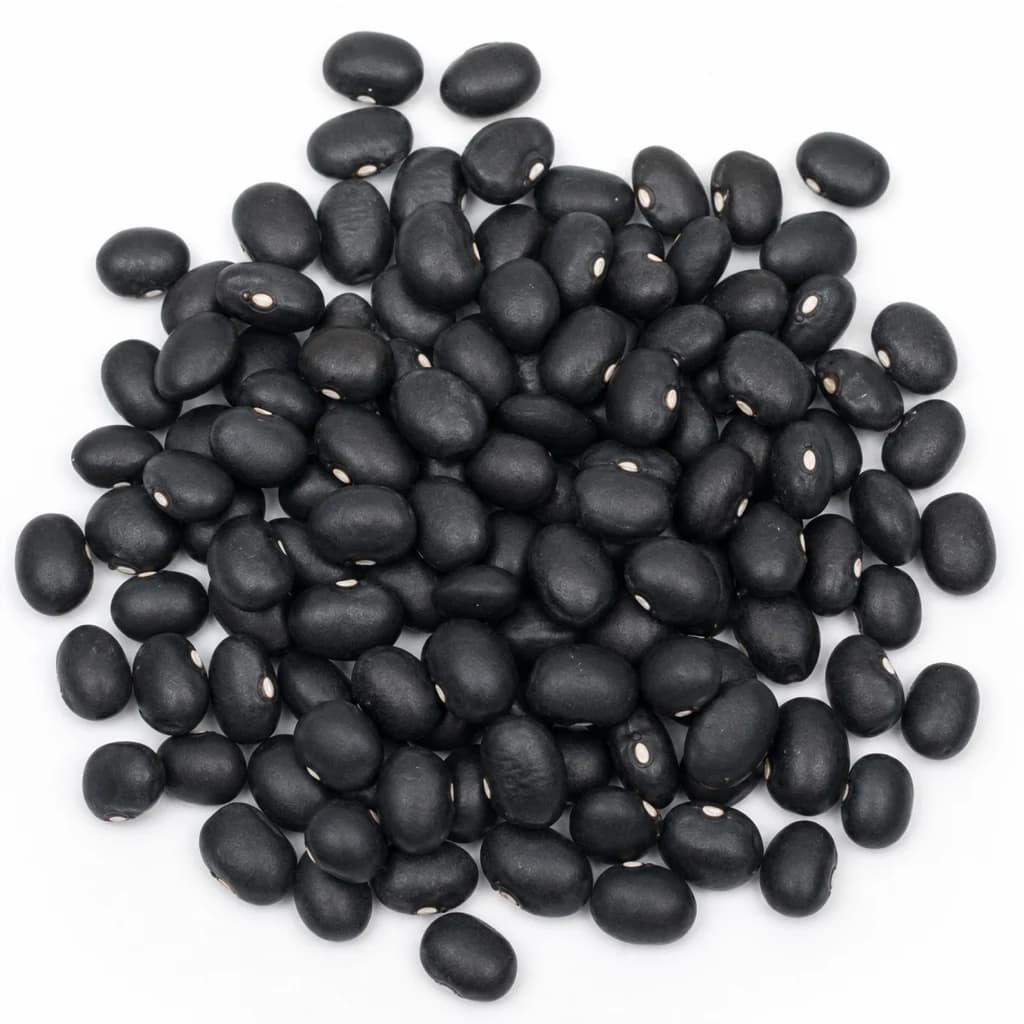
Black Beans
Earthy, creamy beans for bowls, soups, and tacos
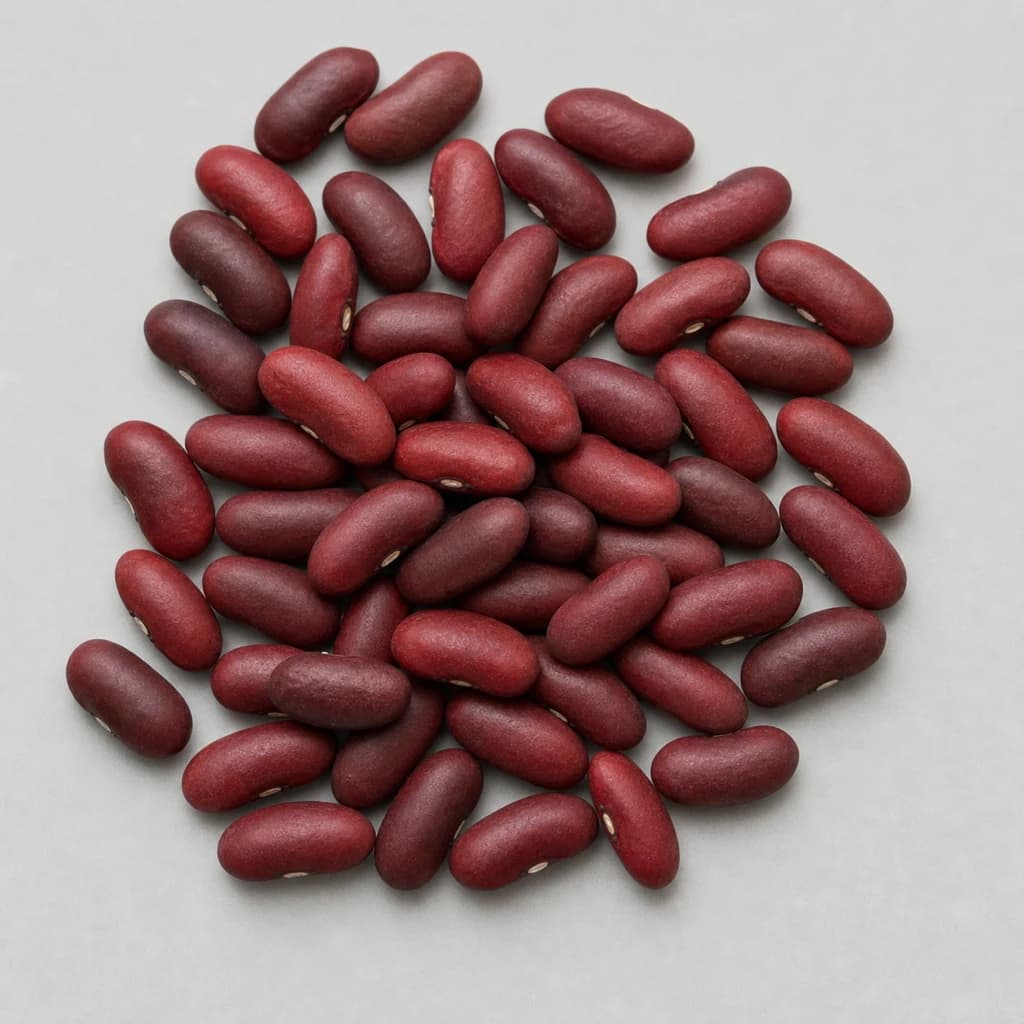
Kidney Beans
Hearty red beans that hold their shape in chili and stews
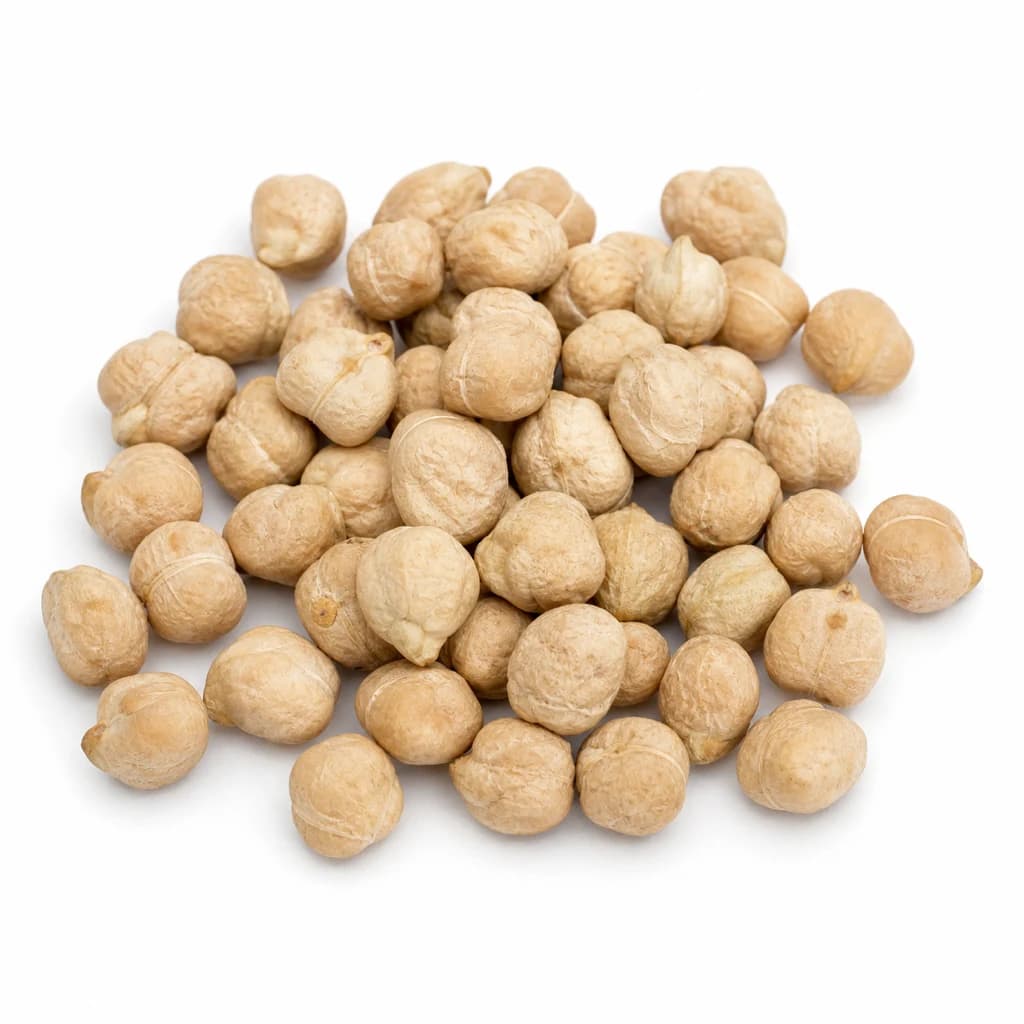
Chickpeas
Nutty, versatile beans for hummus, curries, and roasting
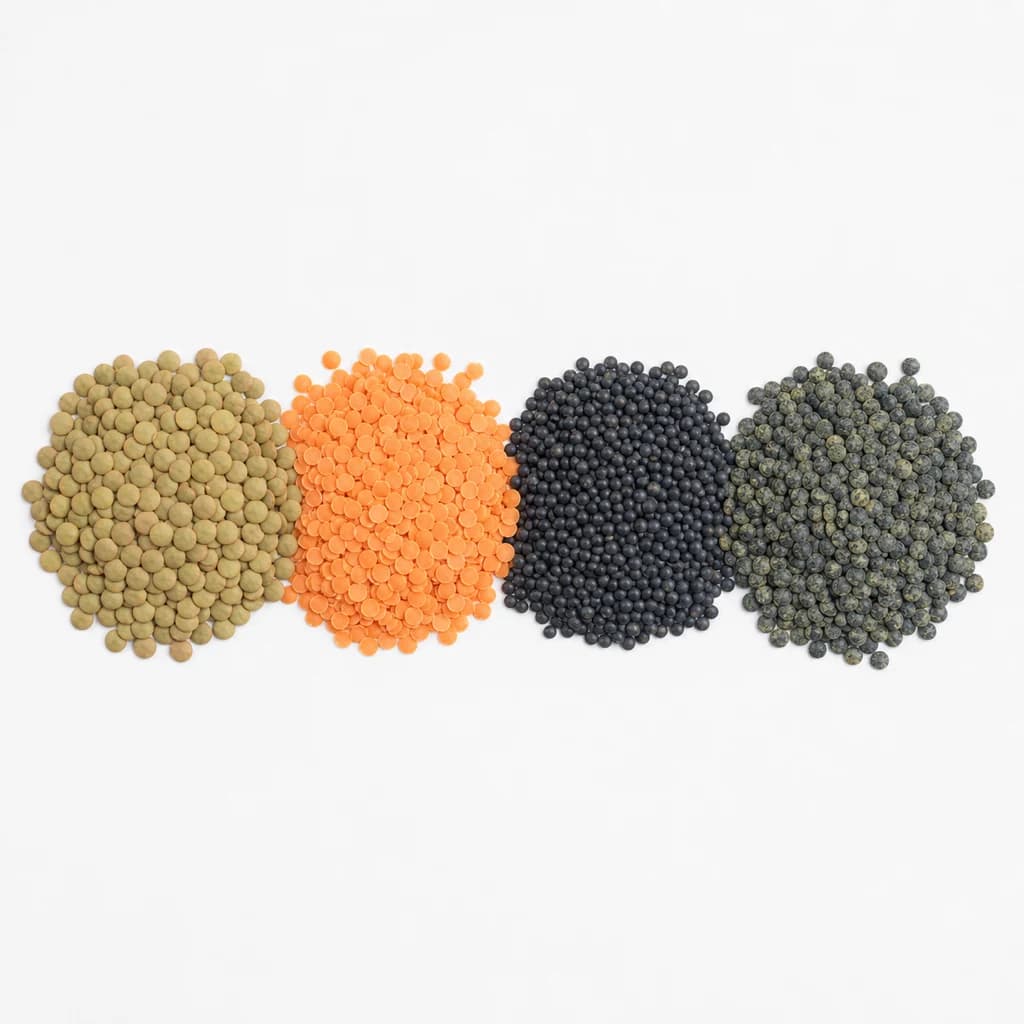
Lentils
Quick-cooking pulses for soups, dals, and hearty salads

White Beans
Creamy, mild beans for soups, stews, and silky purées
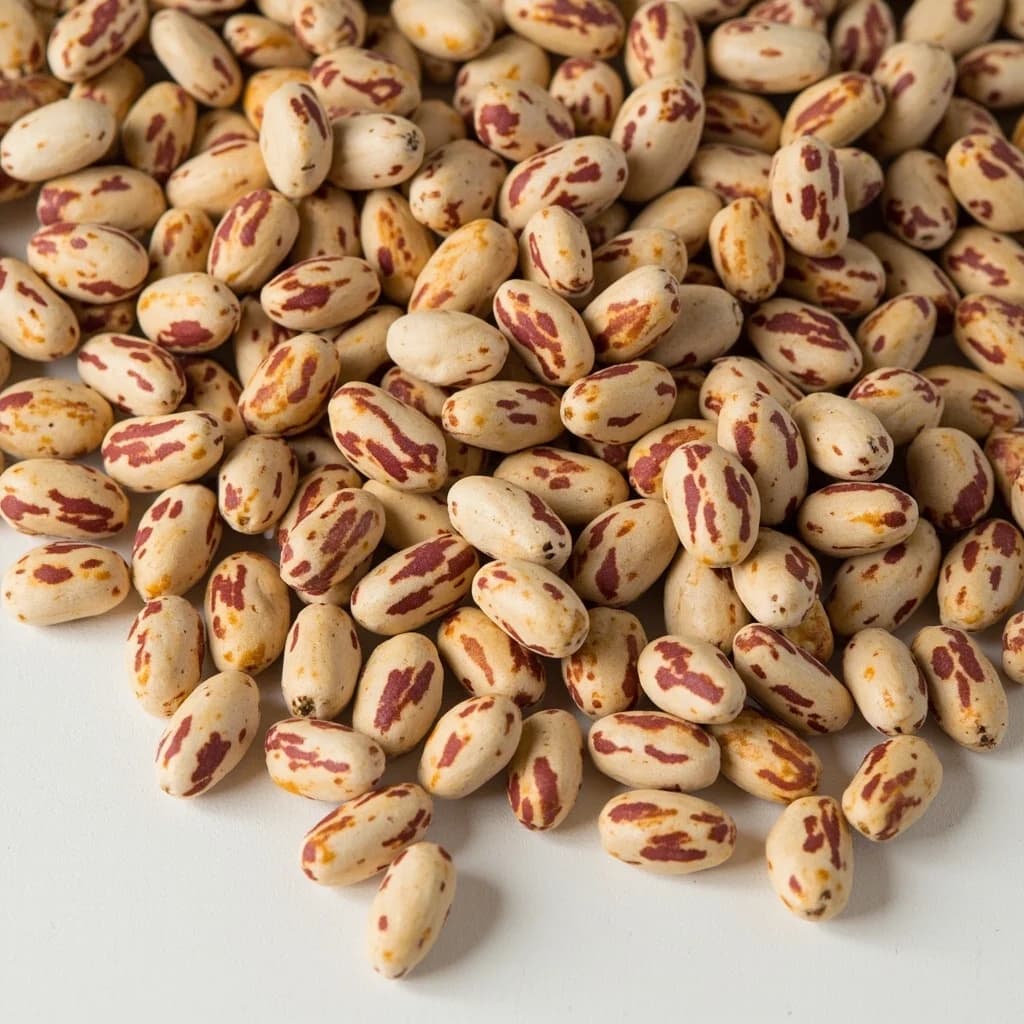
Pinto Beans
Creamy, speckled beans for refried beans and stews

Split Peas
Quick-cooking peas that melt into thick, comforting soups
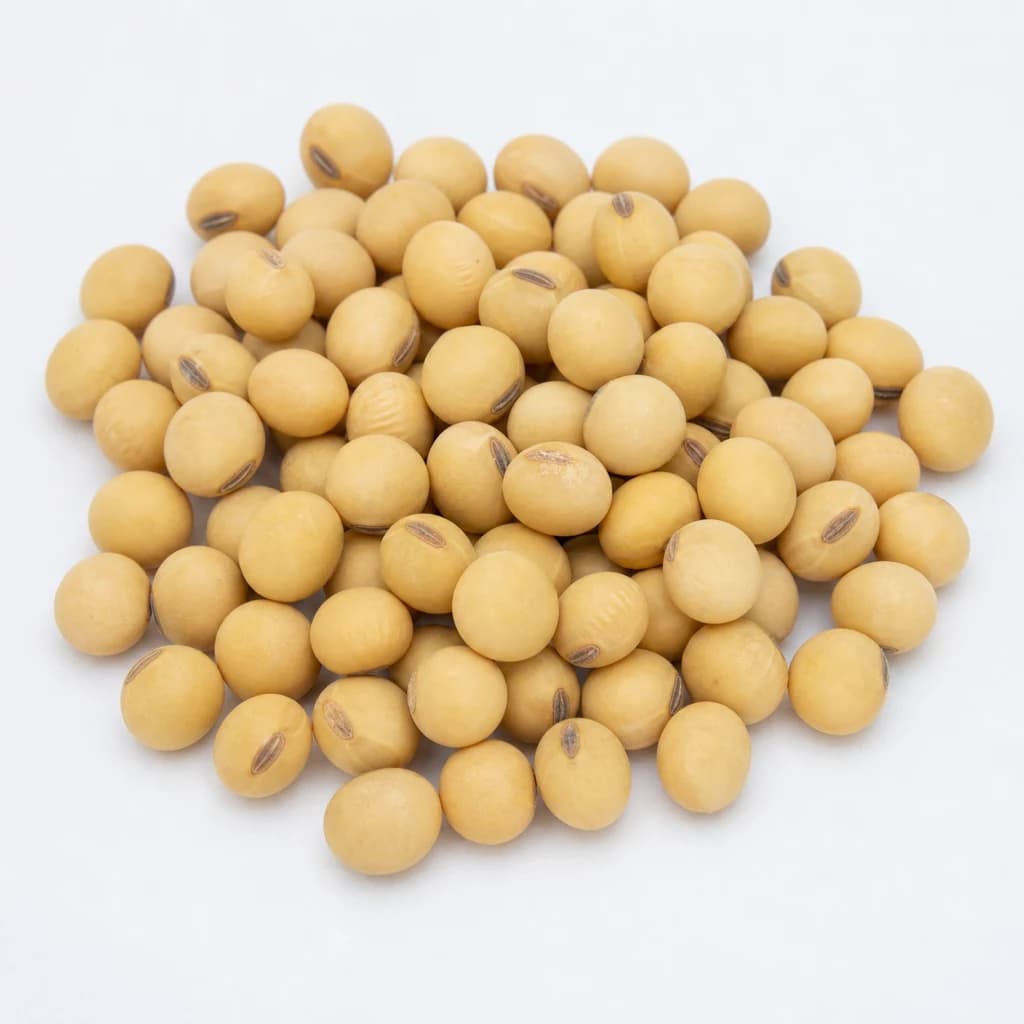
Soybeans
Protein-packed beans, the base for tofu and miso