Grains & Rice
Flat Rice Noodle
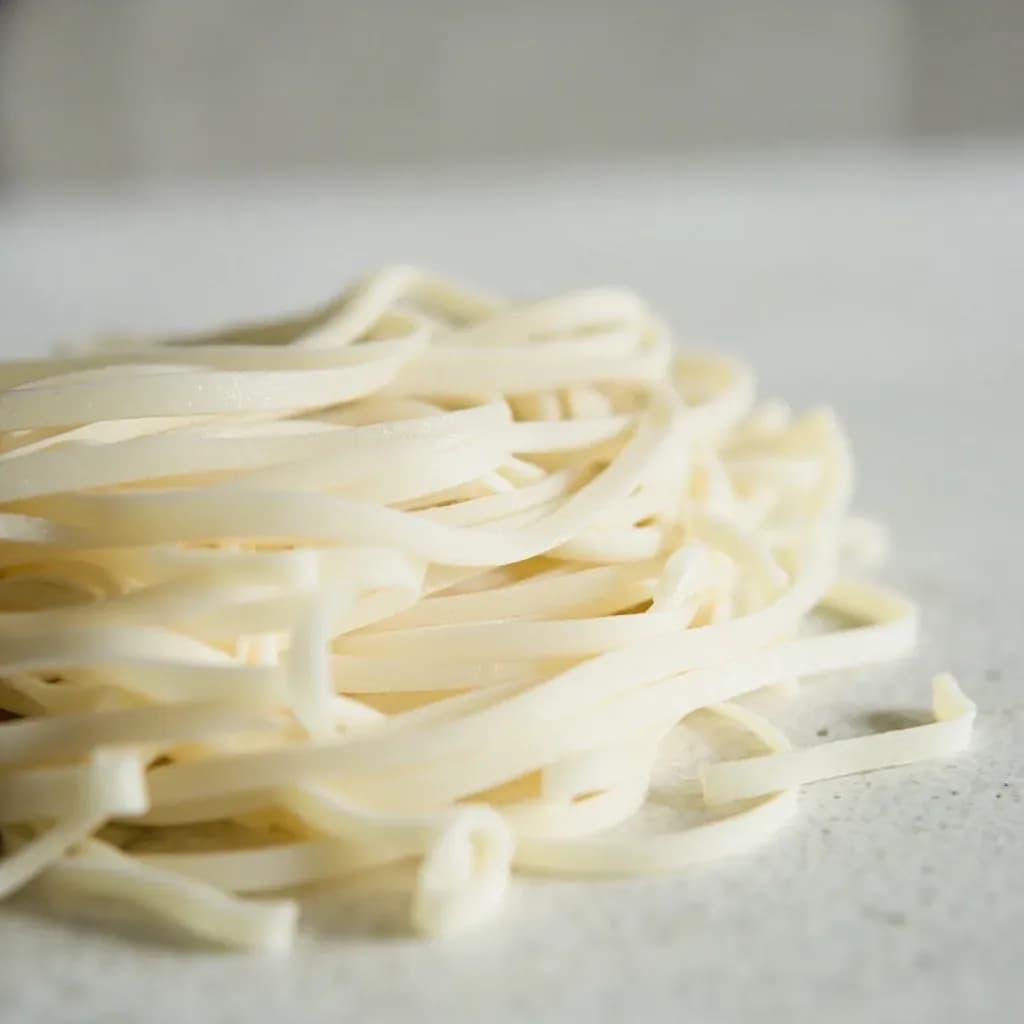
Wide, slippery rice noodles that soak up wok-fried sauces in pad see ew and char kway teow.
Flat rice noodles are made from rice flour and water, pressed into sheets and cut into wide ribbons, sold fresh or dried. They are central to Southeast Asian stir-fries like pad see ew and char kway teow, where their broad surface grabs smoky sauce. Fresh kway teow are soft and ready to wok, while dried versions need soaking.
Flat rice noodles are sheets or ribbons of rice flour and water, ranging from roughly 0.5 to 3 centimeters wide, with a slippery, non-sticky texture that makes them uniquely suited to wok cooking. Unlike wheat noodles, they contain no gluten, which means they do not develop elasticity — they remain tender and somewhat fragile, absorbing sauces by surface contact rather than holding them in a chewy matrix. The result is a noodle that clings to bold seasonings like oyster sauce and dark soy without becoming gluey, and that develops slight crispness on wok edges while remaining soft at the center. Their history spans southern China (where Cantonese cooks call them ho fun) and mainland Southeast Asia, with distinct regional traditions in Thailand, Vietnam, Malaysia, and Singapore. Wide flat noodles are the backbone of pad see ew and char kway teow precisely because their broad surface area maximizes contact with hot wok metal and clinging sauce — swap them for narrow noodles and the character of those dishes changes fundamentally. Fresh, refrigerated ho fun sheets are pliable and slightly sticky; dried versions are hard and translucent until soaked; frozen noodles come pre-cooked and need only thawing. Understanding which form you have — and how it behaves — is the single skill that determines success or failure with flat rice noodles.
- Measured in
- g
- Storage
- Pantry
Types & varieties
2–3 cm wide; primary choice for pad see ew, char kway teow, and most Thai stir-fries.
1–1.5 cm wide; used in milder stir-fries and some noodle soups.
Refrigerated, pliable; sold in tangled sheets or pre-cut strips; needs rinsing, not soaking.
Hard and brittle; requires 30–60 minutes soaking in room-temperature water until pliable but still firm; crumbles if over-soaked.
Fully cooked then frozen; thaw and rinse before use; more tender than fresh.
Common uses
Tips & pitfalls
- Never soak dried flat rice noodles in hot or boiling water — they swell unevenly, turn mushy, and fall apart in the wok.
- Soak dried flat rice noodles in room-temperature water for 30–60 minutes until they bend without snapping but still have a firm, chalky center; they finish cooking in the wok.
- For fresh noodles (ho fun), rinse under cold water to remove excess surface starch, which causes clumping and sticking during stir-frying.
- Work with high heat and fast timing — noodles go from wok to plate in under 3 minutes once cooking begins.
- Do not pre-cook noodles before stir-frying; blanch only if using in soup; for wok-frying, soaked noodles cook entirely in the wok.
- If noodles stick together after rinsing, separate the strands gently with your hands while still wet — once they clump, they will not separate in the pan.
- Sauce the noodles while tossing off direct heat or with the wok removed from the burner — this prevents the sugars in soy sauce from burning.
- For char kway teow, allow the wok to truly smoke before adding oil; the caramelization on the wok surface gives the characteristic smoky flavor.
Nutrition
Nutrition
No USDA FoodData Central match for Flat Rice Noodle yet. We surface a per-100 g profile once a generic whole-food entry is matched and verified.
In the shops
Matched grocery products
No matched grocery products for Flat Rice Noodle yet.
Good to know
- Made from
- Rice flour and water; some varieties add tapioca starch for elasticity.
- Typical width
- 0.5–3 cm; sen yai (wide) is most common for pad see ew.
- Fresh color
- Opaque white to slightly translucent; turns soft and sticky when cooked.
- Dried color
- Translucent white when raw; swells and whitens when soaked.
- Fresh storage
- Refrigerated, 3–5 days; frozen, up to 2 months (thaw before use).
- Dried storage
- Cool, dry place; 1–2 years sealed.
- Origin
- Southern China (Cantonese ho fun) and mainland Southeast Asia.
- Gluten-free
- Yes, naturally gluten-free (verify no added wheat starch).
Substitutes
- Rice vermicelli (sen mi) — Too thin; stir-fry results differ significantly. Acceptable for soups.
- Sweet potato noodle (dangmyeon) — Bouncier texture, slightly sweet; works in some stir-fries but absorbs sauces differently.
- Coconut rice noodle — Similar width and texture with a slight fragrance; good 1:1 substitute.
- Zucchini or carrot ribbons — Low-carb or gluten-free alternative with a different mouthfeel; not a direct culinary substitute.
- Udon (wheat) — Contains gluten; different chew; acceptable only when wheat is not a concern.
Pairs with
Also called
Kway Teow · Thick Rice Noodle · 粄條 · Ho Fun
Related

White Rice
Fluffy long-grain rice — the neutral base for almost any meal

White Bread
Soft sandwich loaf for toast, sandwiches, and crumbs
Brown Rice
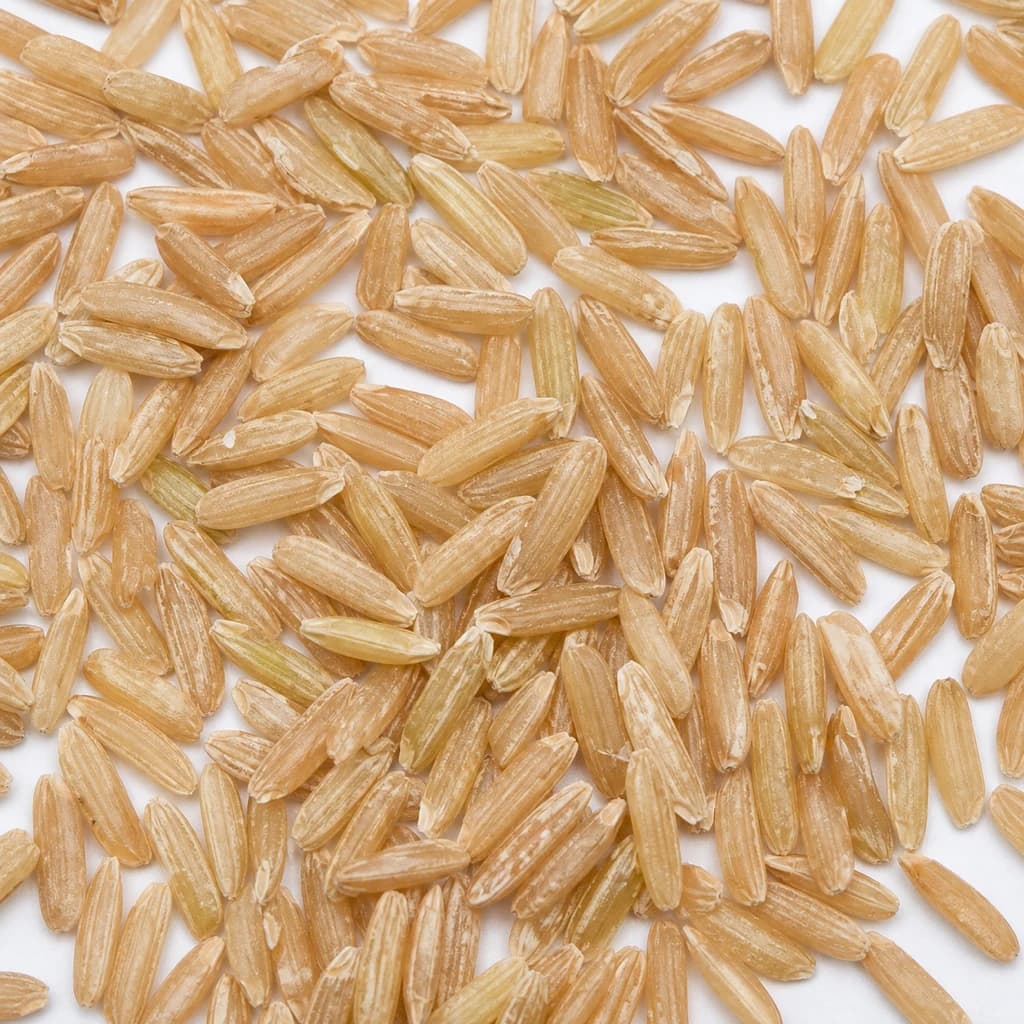
Nutty, whole-grain rice with chew and extra fiber

Basmati Rice
Fragrant, long-grain rice that cooks up light and separate
Jasmine Rice
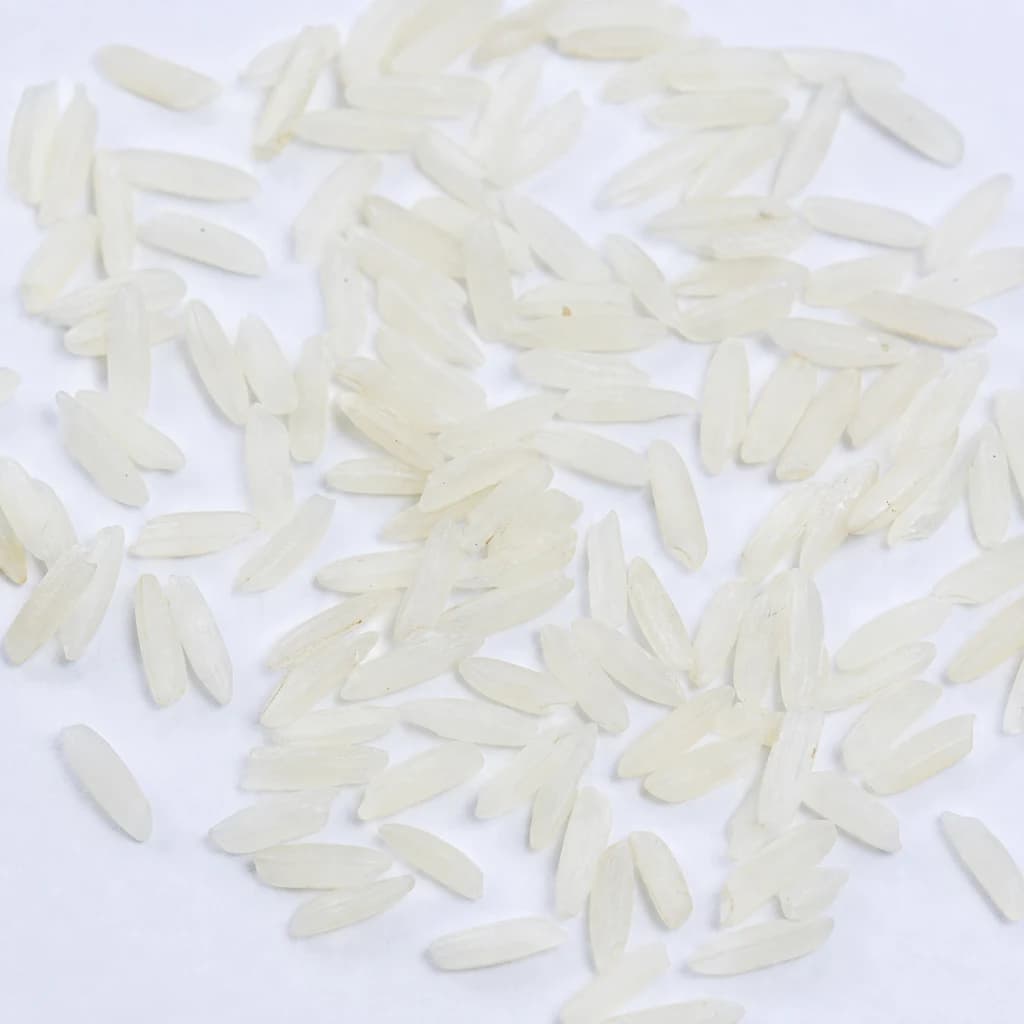
Soft, floral-scented rice that's the pillar of Thai meals
Arborio Rice
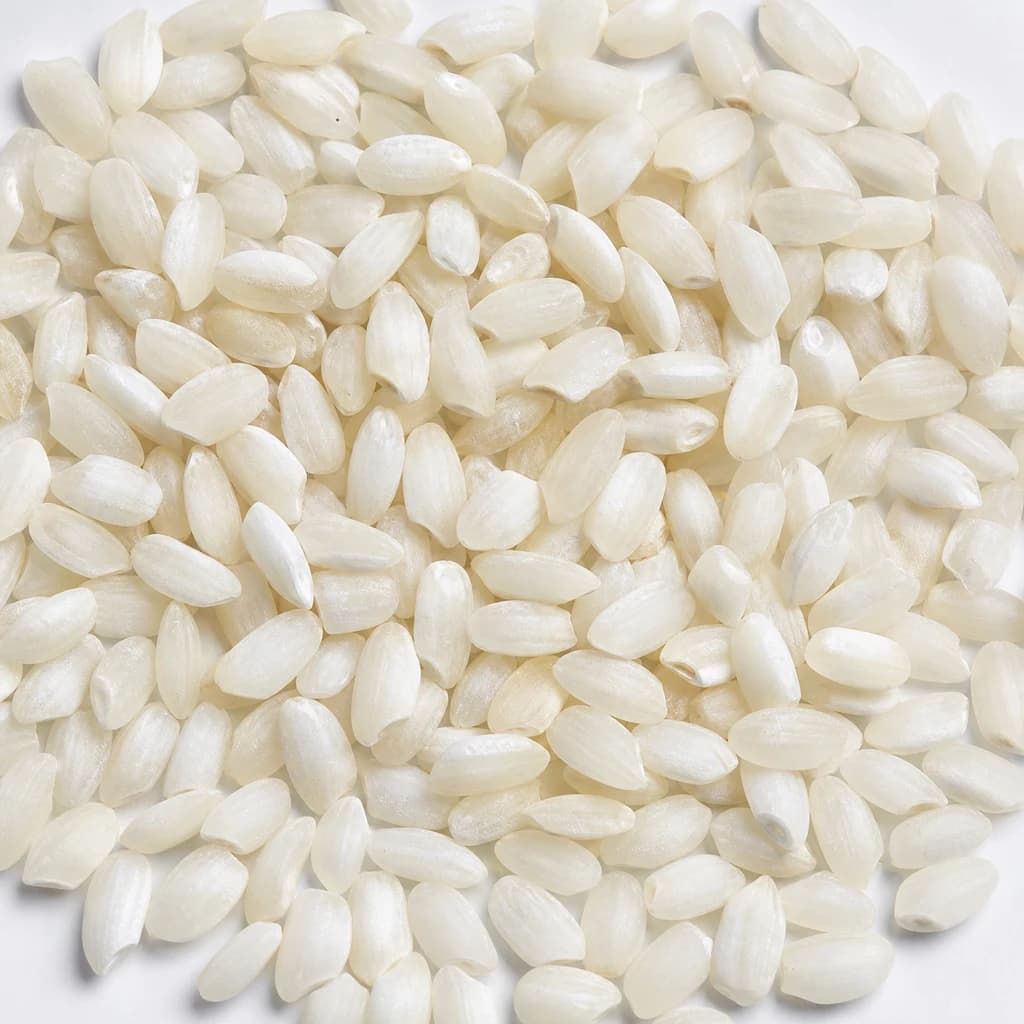
Plump, starchy rice that makes risotto creamy
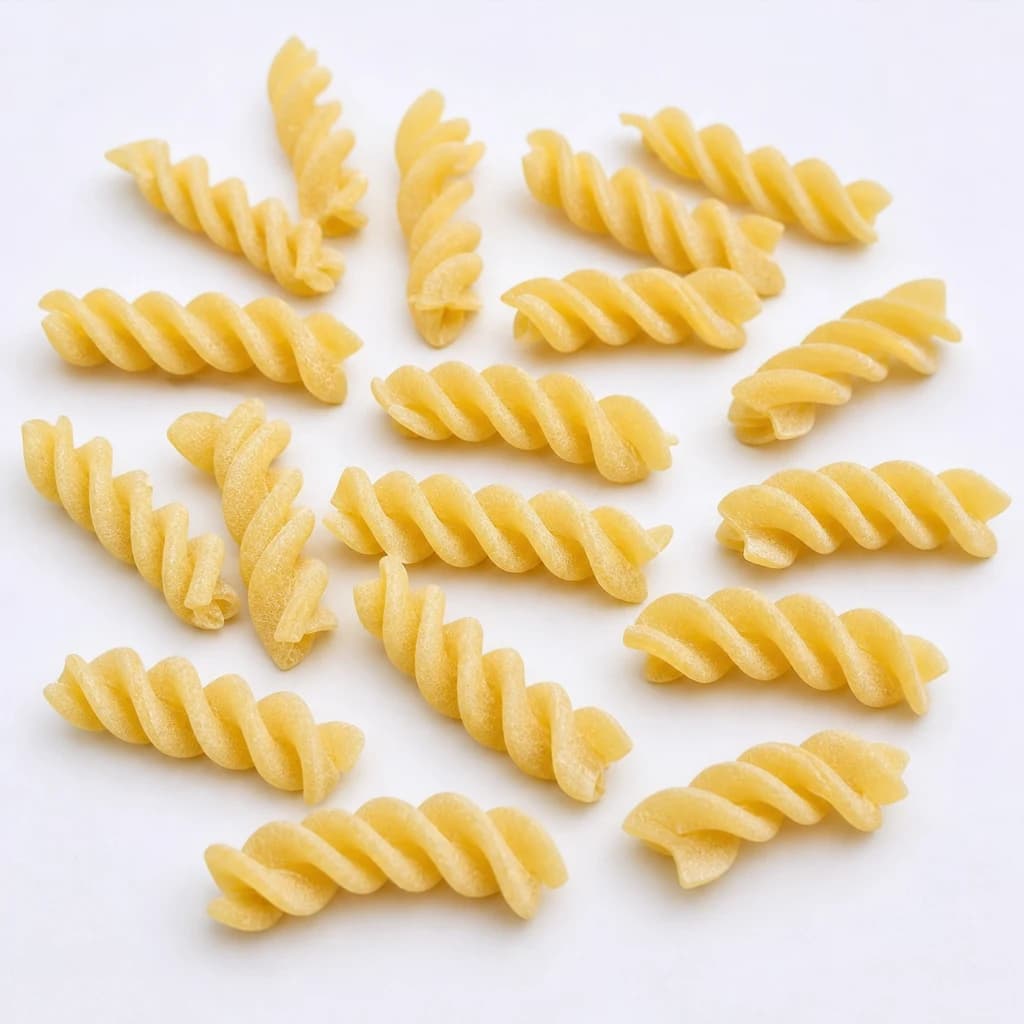
Fusilli
Spiraled pasta that twirls up sauce and dresses cold salads
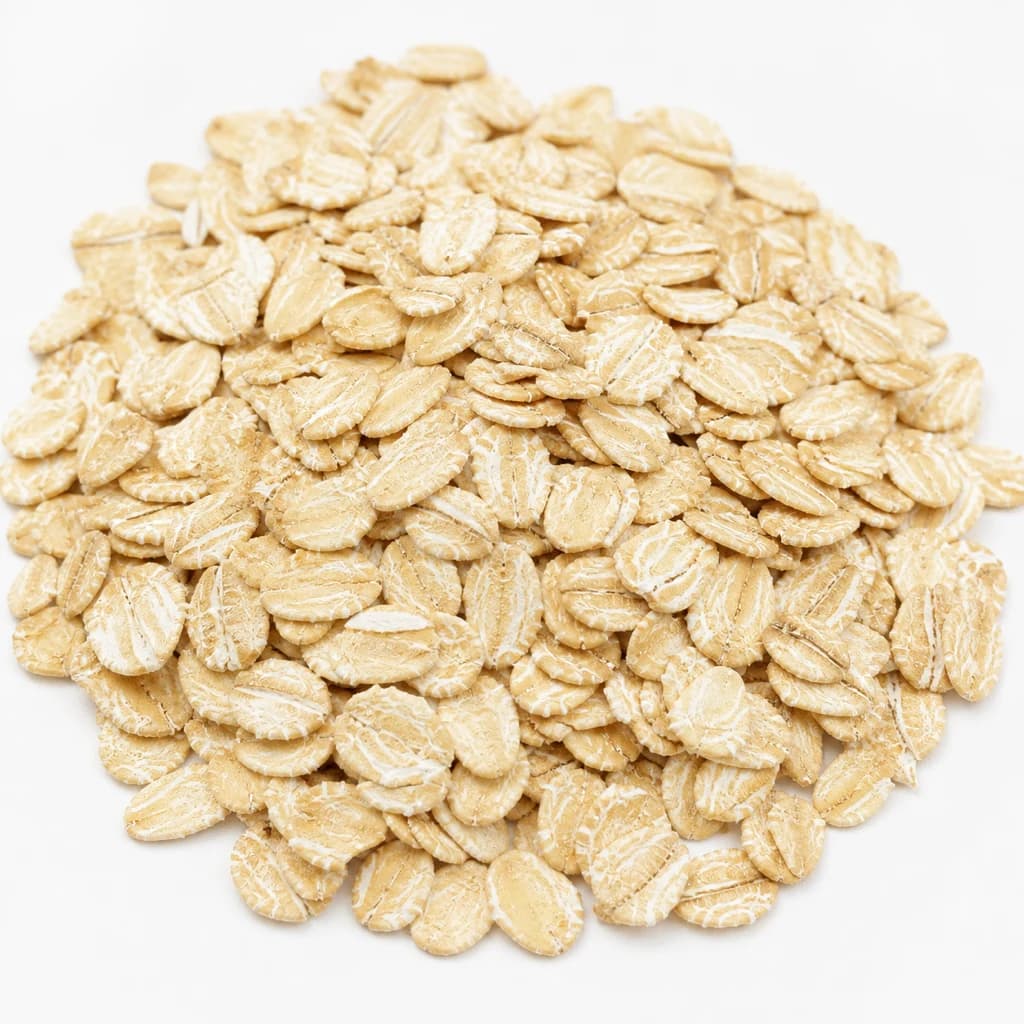
Rolled Oats
Hearty flakes for porridge, granola, and chewy cookies