Proteins
Fuet (Cured Pork Sausage)
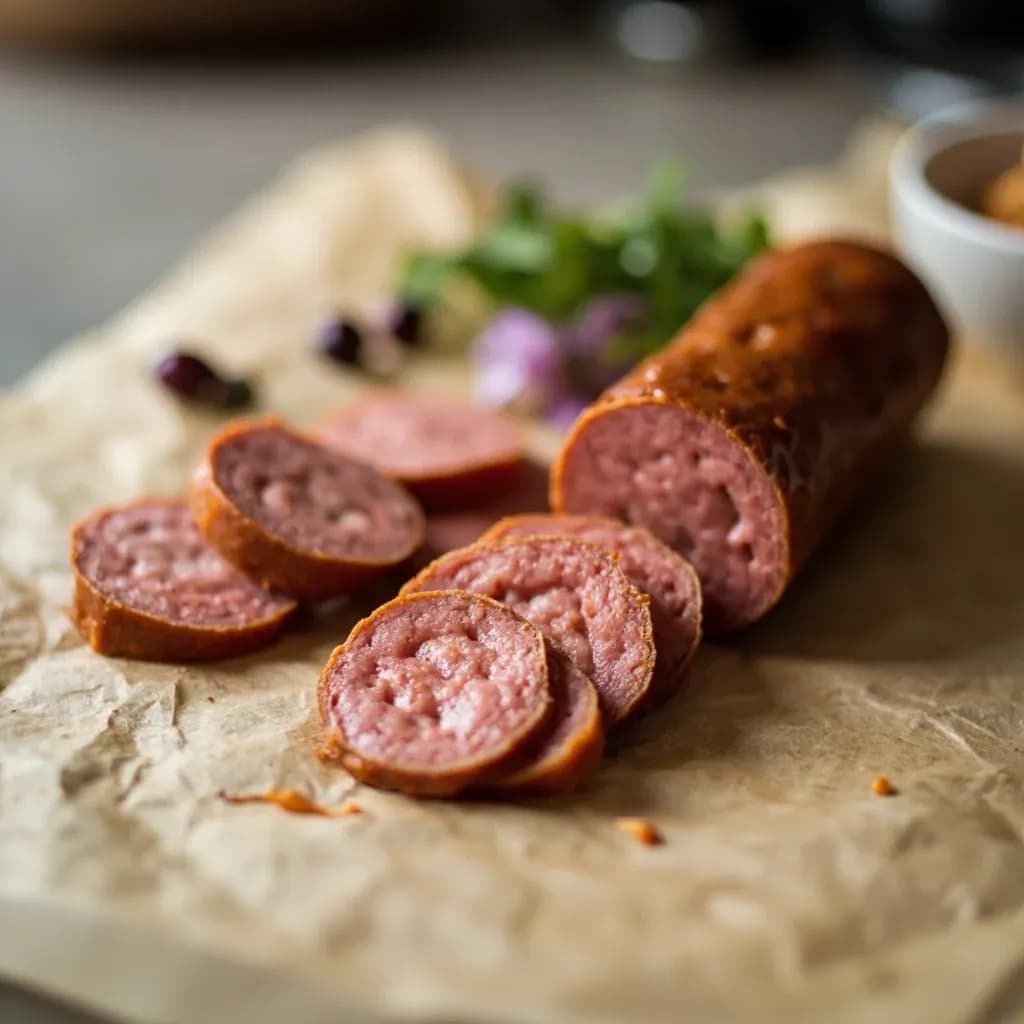
Thin Catalan dry-cured pork sausage, sliced and eaten as a snack or tapa.
Fuet is a thin, dry-cured Catalan pork sausage seasoned simply with salt and pepper and often dusted with white mold from curing. It is sliced and eaten cold as a snack or tapa, with a firm bite and mild, savory flavor. Its slender shape gives it a high surface area, drying it quickly into a concentrated taste.
Fuet is a thin, dry-cured pork sausage that hails from Catalonia, Spain, particularly the Osona region around the town of Vic. Unlike its cousin chorizo, fuet is notably leaner, drier, and more delicately spiced, with a higher proportion of meat to fat. The sausage is cured but not cooked—salt, pimentón (paprika), black pepper, and sometimes garlic draw out moisture over several weeks, transforming raw pork into a shelf-stable, ready-to-eat product. Its thin pork-intestine casing, typically 20–30 mm in diameter and 40–60 cm long, allows for rapid, even curing that gives fuet its characteristic firm bite and concentrated flavor.
The deep reddish-orange color comes from pimentón, which also imparts a mild smokiness, while black pepper provides backbone. In Catalonia, a whole fuet hanging in the kitchen or pantry is both a practical staple and a tradition—it's the kind of ingredient that signals a well-stocked home. The name itself derives from the Catalan word for "whip," a reference to its long, slender form. Fuet d'Osona carries Protected Geographical Indication (PGI) status, meaning authentic versions from that region meet strict production standards and bear a numbered seal on the hanging rope.
Because fuet is fully cured before you buy it, it behaves differently from raw cooking sausages. Treat it as you would a prosciutto or soppressata—it's already done. This means slicing it thinly and serving it raw, or adding it at the very end of cooked preparations where heat is used for flavor infusion, not for safety. The texture should be firm and slightly dry, slicing cleanly without crumbling, with a savory, peppery, mildly spicy flavor that lingers. If you encounter a fuet that feels soft, mushy, or exudes liquid, it has not cured properly and should be avoided.
- Measured in
- g
- Storage
- Fridge
Types & varieties
PGI-protected version from the Osona comarca; the benchmark for authenticity, bearing a numbered seal on the rope
Standard thin variant with black pepper and pimentón; the most common supermarket type
Garlic-enriched version; more pungent and aromatic, popular throughout Catalonia
Rustic farmhouse style; coarser grind, often with whole peppercorns visible, heartier texture
Related spreadable cured sausage from Mallorca; same paprika-spiced pork flavor but soft, spreadable texture
Fuet vs. Chorizo: Knowing the Difference
Many cooks confuse fuet with chorizo, and while they share pimentón as a key ingredient, they are distinct products. Fuet is thinner (20–30 mm versus 40–50 mm for chorizo), leaner, drier, and more lightly spiced. The curing process draws out more moisture in fuet, resulting in a firmer texture and longer shelf life. Chorizo retains more fat and internal moisture, giving it a softer bite and more intense, sometimes smokier, flavor. When a recipe calls for fuet and you substitute chorizo, the result will be richer, fattier, and more assertively spiced—the dish will need adjustment accordingly.
- Fuet: 20–30 mm diameter, lean, firm texture, lightly spiced
- Chorizo: 40–50 mm diameter, fattier, softer texture, more intensely spiced
- Both are cured and ready to eat raw, but chorizo is often sliced thicker
- In cooked dishes, fuet is added at the end; chorizo can handle longer cooking to render its fat
Understanding the PGI Seal
Fuet d'Osona from the Osona region carries Protected Geographical Indication, a European designation that guarantees the sausage is produced, cured, and packaged within that specific geographic area following traditional methods. When you see the numbered seal on the rope of a hanging fuet, you're getting a product that meets regulatory standards for authenticity. This doesn't mean non-PGI fuets are inferior—many excellent fuets are made outside Osona—but the seal provides a reliable benchmark when authenticity matters to you.
- Look for the numbered seal on the hanging rope for certified Fuet d'Osona
- PGI status applies to the region, not exclusively to one producer
- Non-protected fuets from other Catalan producers can be equally excellent
- The seal is most relevant when purchasing whole fuets; pre-packaged sliced fuet rarely displays it
Common uses
Tips & pitfalls
- Buy whole fuets whenever possible—pre-sliced versions dry out and oxidize rapidly, losing aroma and texture
- Bring to room temperature 15–20 minutes before serving; cold dulls the flavors and makes the fat seem waxy
- Slice with a long, sharp knife for clean, paper-thin cuts; a mandoline works well for ultra-consistent slices
- If the casing feels tough, peel it back and slice the interior meat—many Catalans eat the casing, but not everyone enjoys it
- Look for a taut, firm casing with an even reddish-orange color and no gray or greenish patches, which indicate spoilage
- A fine white bloom (mold) on the casing is normal and harmless; simply wipe it off with a damp cloth before slicing
- Avoid fuets that feel soft, mushy, or exude liquid—this indicates insufficient curing or improper storage
- Store whole fuets hung in a cool, dry pantry (ideally 15–18°C) until you're ready to cut; never refrigerate while whole
- When using fuet in cooked dishes, add it near the end—it's already cured and fully cooked through; heat is for flavor infusion only
- Pair with acidic, bright wines like young Penedès Garnacha, Txakoli, or Cava to cut through the richness
Nutrition
Energy
1213 kJ · per 100 g
Where the calories come from
Protein
13.9g
28% DV
Carbs
3g
1% DV
Fat
24.3g
31% DV
Fiber
0g
0% DV
Sugars
1.2g
of which
Sodium
563mg
24% DV
Source · USDA FoodData Central · approx. Sausage, Italian, pork, mild, raw
View on FDC →In the shops
Matched grocery products
No matched grocery products for Fuet (Cured Pork Sausage) yet.
Good to know
- Origin
- Catalonia, Spain (Osona region, especially Vic)
- Type
- Dry-cured pork sausage; ready to eat, not cooked
- PGI Status
- Fuet d'Osona carries Protected Geographical Indication
- Casing
- Natural pork intestine, 20–30 mm diameter
- Curing Time
- 3–8 weeks minimum, often longer for full flavor development
- Key Spices
- Salt, black pepper, pimentón (paprika); sometimes garlic
- Flavor
- Savory, peppery, mildly spicy, slight smoke from pimentón
- Shelf Life
- Several months hanging in a cool pantry; 2–3 weeks refrigerated once sliced
Substitutes
- Fuet de pagès — Rustic farmhouse-style version; nearly identical flavor profile with slightly coarser texture
- Sobrassada de Mallorca — Spreadable cured sausage from Mallorca; provides similar paprika-spiced pork flavor but different texture—spread rather than slice
- Chorizo picante (Spanish dry-cured) — Has comparable intensity and pimentón flavor; slice thinly and serve raw as a tapa; notably fattier and more moist
- Saucisson sec (French dry-cured sausage) — Similar texture and cured-pork intensity but lacks paprika; use a smoked variety to approximate the flavor
- Pepperoni (US-style cured sausage) — Thinly sliced cured sausage; different spice profile (fennel, chili) but works acceptably for tapas-style service
Pairs with
Also called
Cured Pork Sausage
Appears in these dishes
Related
Egg
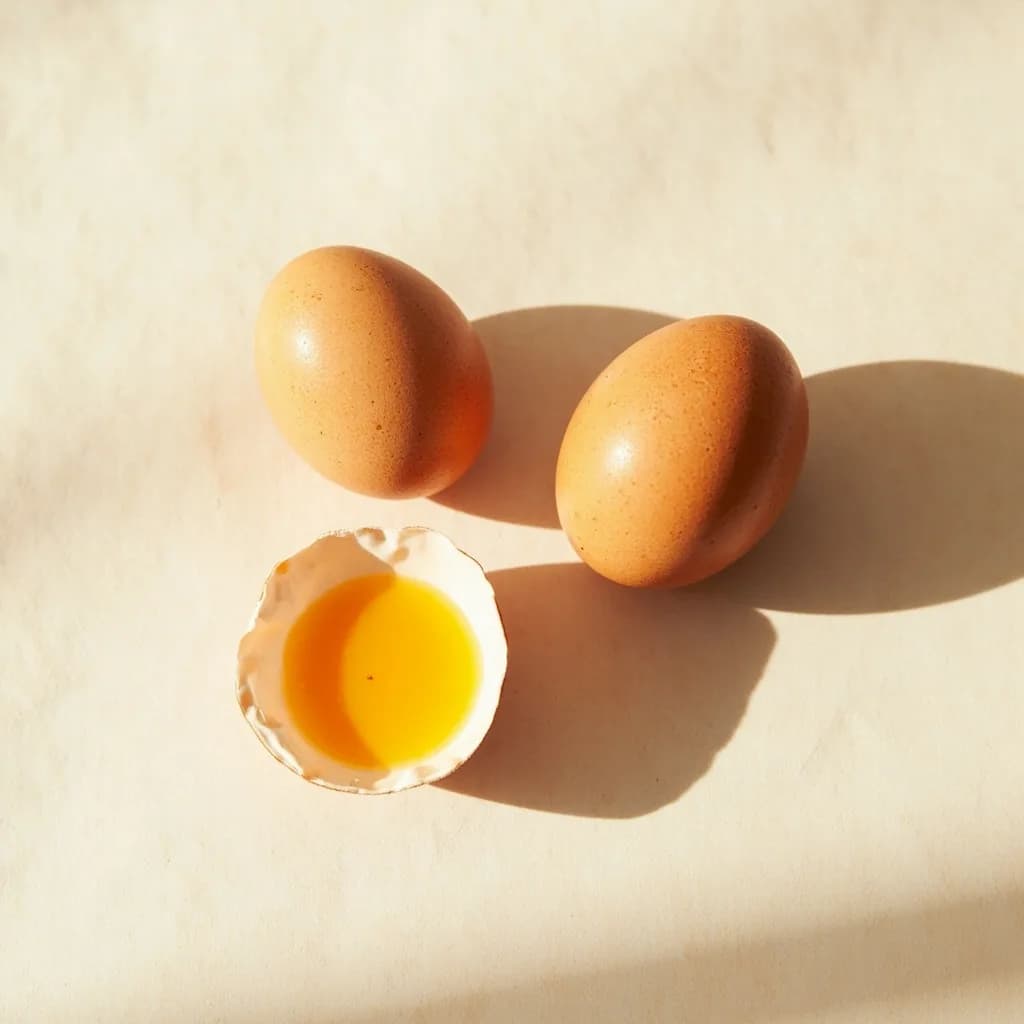
The kitchen's everything ingredient — bind, leaven, enrich, or fry
Chicken Breast
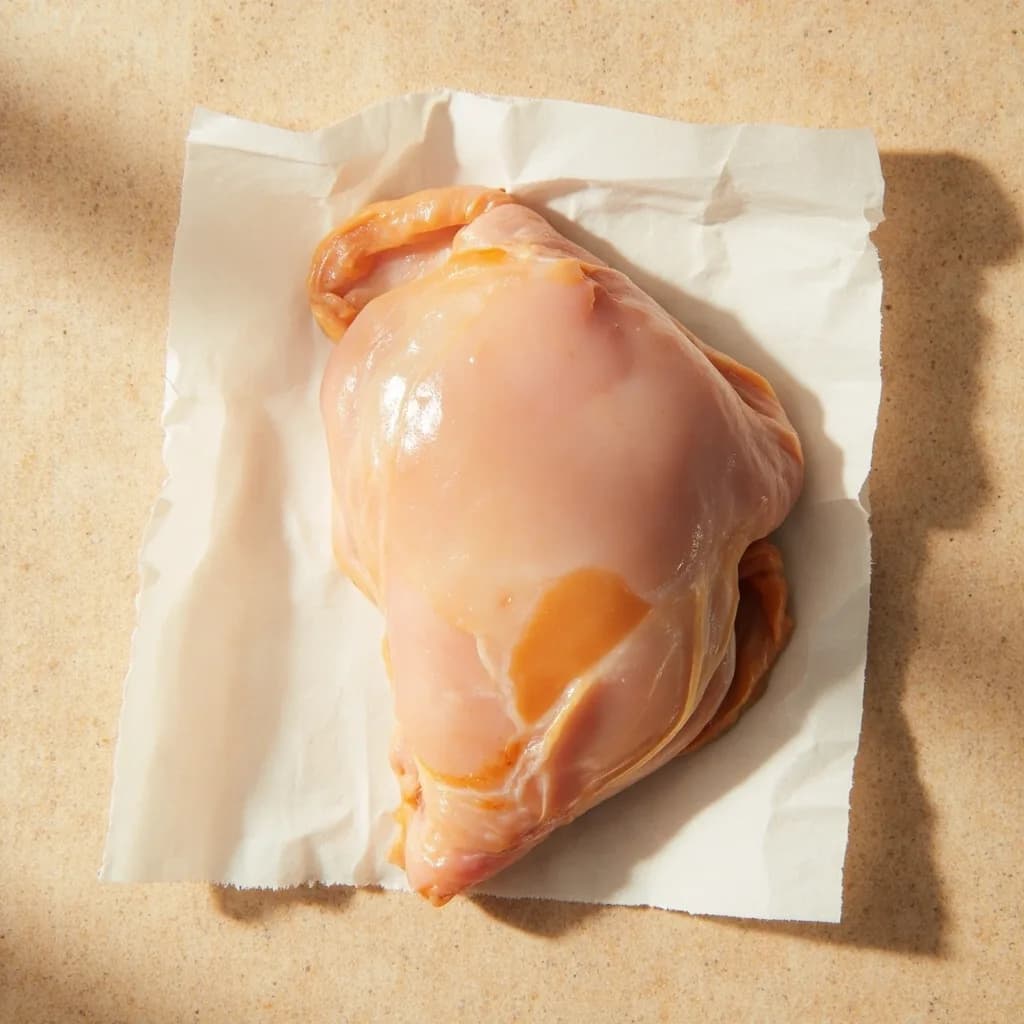
Lean, quick-cooking white meat for everyday dinners

Ground Beef
Versatile minced beef for burgers, ragù, tacos, and meatballs
Pork Loin
Lean, tender roasting cut that stays juicy with care

Salmon
Rich, rosy fish that roasts, grills, or cures beautifully

Egg White
Pure protein that whips to airy peaks for meringue and more

Egg Yolk
Rich, golden yolk for custards, mayonnaise, and pasta

Quail Egg
Tiny, speckled eggs for garnishing and elegant bites