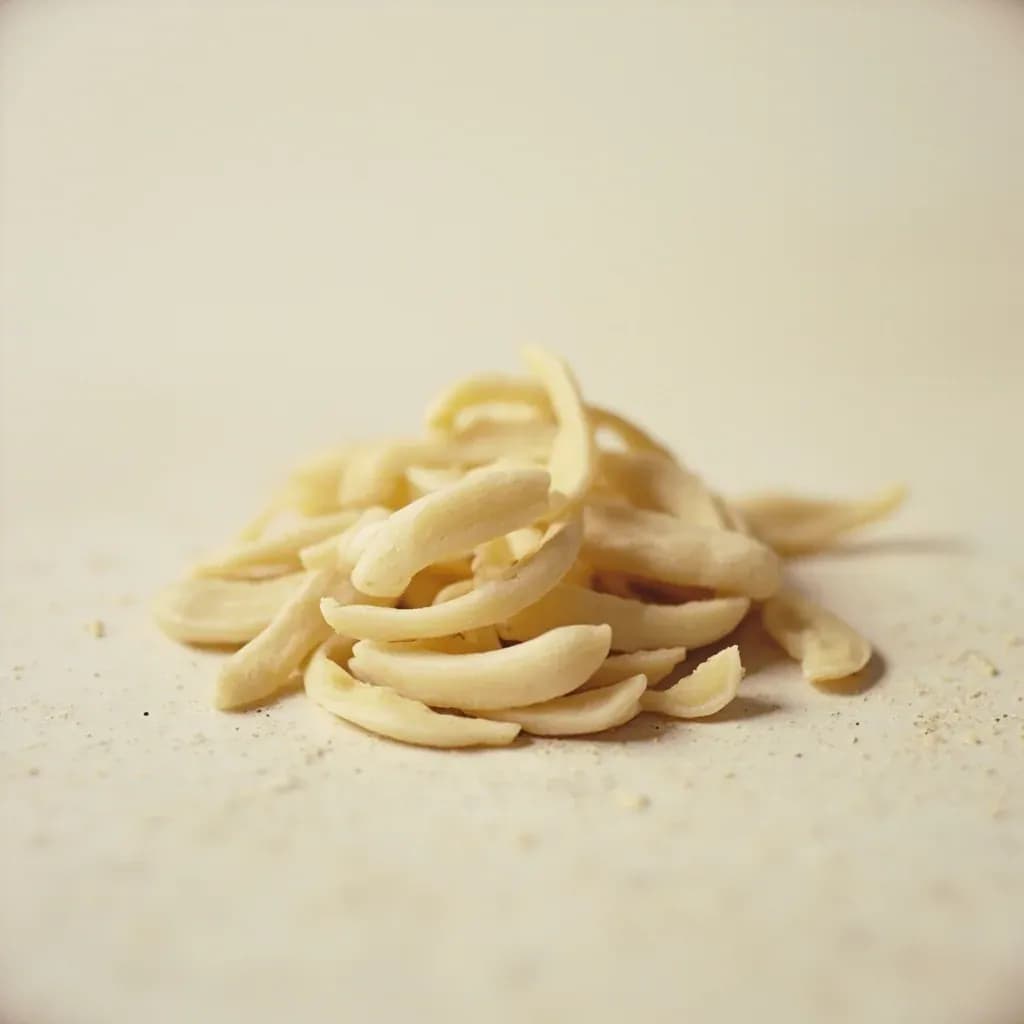
Legumes & Beans
Giant Bean (Gigantes)
Very large white beans baked in tomato sauce for the Greek dish gigantes plaki.
Giant beans, known as gigantes, are very large white runner or butter beans popular in Greek cooking. They are most famous baked in a sweet tomato-and-herb sauce as gigantes plaki, served warm or at room temperature with olive oil. Their large size and creamy interior make them a satisfying meze or main.
Giant beans (Phaseolus lunatus) are the large-seeded white beans that anchor one of Greece's most beloved comfort dishes. The name "gigantes" means giants, and at 20–25 mm cooked diameter, they're roughly twice the size of standard cannellini beans. That bulk is their defining trait—it allows them to hold shape through the long, slow oven bake that characterizes gigantes plaki, where smaller white beans would collapse into sauce. The most prized variety, Gigantes Prespon, carries PDO certification from the high-altitude Prespa Lakes region bordering North Macedonia, where cooler temperatures and mineral-rich soil produce a bean with a slightly thicker skin and more robust flavor than generic limas.
When cooked properly, gigantes have a buttery, creamy interior with a mild nutty quality, and they absorb surrounding flavors readily—whether that's the tomato, onion, and olive oil of plaki or the lemon and fresh herbs of a cold salad. Their texture is firm enough to hold shape under gentle pressure yet creamy within. In Greek cooking tradition, these beans occupy a special position: protein-rich and permitted on fasting days (Orthodox meatless periods), yet also served generously as celebratory hospitality food on name days and gatherings. This dual identity—humble enough for everyday cooking, substantial enough to honor guests—makes them a cornerstone of the Greek pantry.
- Measured in
- g
- Storage
- Pantry
Types & varieties
PDO-certified from the Prespa Lakes region; the benchmark variety with slightly thicker skin and more robust flavor
The broader lima family sold under this name in North America; good commercial substitute
British term for large creamy white limas; interchangeable in most recipes
Common uses
Tips & pitfalls
- Always discard soaking water and rinse beans thoroughly before cooking—this removes indigestible compounds
- Start beans in cold, freshly drawn water, bring to a gentle boil, then reduce to a steady simmer; rapid boiling can break the skins
- Never add salt or acidic ingredients (tomato, lemon, vinegar) until beans are fully tender—salt toughens the skins, acid prevents complete softening
- Skim foam during the first 10 minutes of simmering for a cleaner final result
- For gigantes plaki, par-cook the beans separately until just tender, then transfer to a sauced baking dish—this prevents them from overcooking in the oven
- Test older dried beans after 50 minutes; they take noticeably longer than fresher stock
- A properly cooked giant bean splits cleanly when bitten, with a creamy interior—not waxy, chalky, or floury
Nutrition
Energy
130 kJ · per 100 g
Where the calories come from
Protein
1.8g
4% DV
Carbs
7.1g
3% DV
Fat
0.1g
0% DV
Fiber
3.4g
12% DV
Sugars
3.3g
of which
Sodium
6mg
0% DV
Source · USDA FoodData Central · approx. Beans, snap, yellow, raw
View on FDC →In the shops
Matched grocery products
No matched grocery products for Giant Bean (Gigantes) yet.
Good to know
- Origin
- Greece; Prespa region (PDO-certified Gigantes Prespon)
- Type
- Phaseolus lunatus (lima bean cultivar)
- Size
- 20–25 mm cooked diameter; roughly 2× a cannellini bean
- Flavor
- Buttery, creamy, mildly nutty; absorbs surrounding flavors readily
- Texture (cooked)
- Firm enough to hold shape; creamy interior; skin intact if not overcooked
- Available
- Dried year-round; fresh season is autumn harvest
- Soak time
- 8–12 hours (overnight) in cold water
- Simmer time
- 60–90 minutes from boil until tender but not disintegrating
- Yield
- 1 cup dried → 2.5–3 cups cooked
- Storage (dried)
- Cool, dry, dark place; keeps 2–3 years sealed
- Storage (cooked)
- Refrigerate up to 5 days; freeze up to 3 months
Substitutes
- Large Lima Beans — Very similar size and texture; direct substitute in any recipe
- Butter Beans — British equivalent; same cooking behavior as gigantes
- Cannellini Beans — Smaller; will cook faster and may disintegrate in long bakes—reduce cooking time significantly
Pairs with
Also called
Gigantes · Elephant Bean · Greek Giant Bean
Related
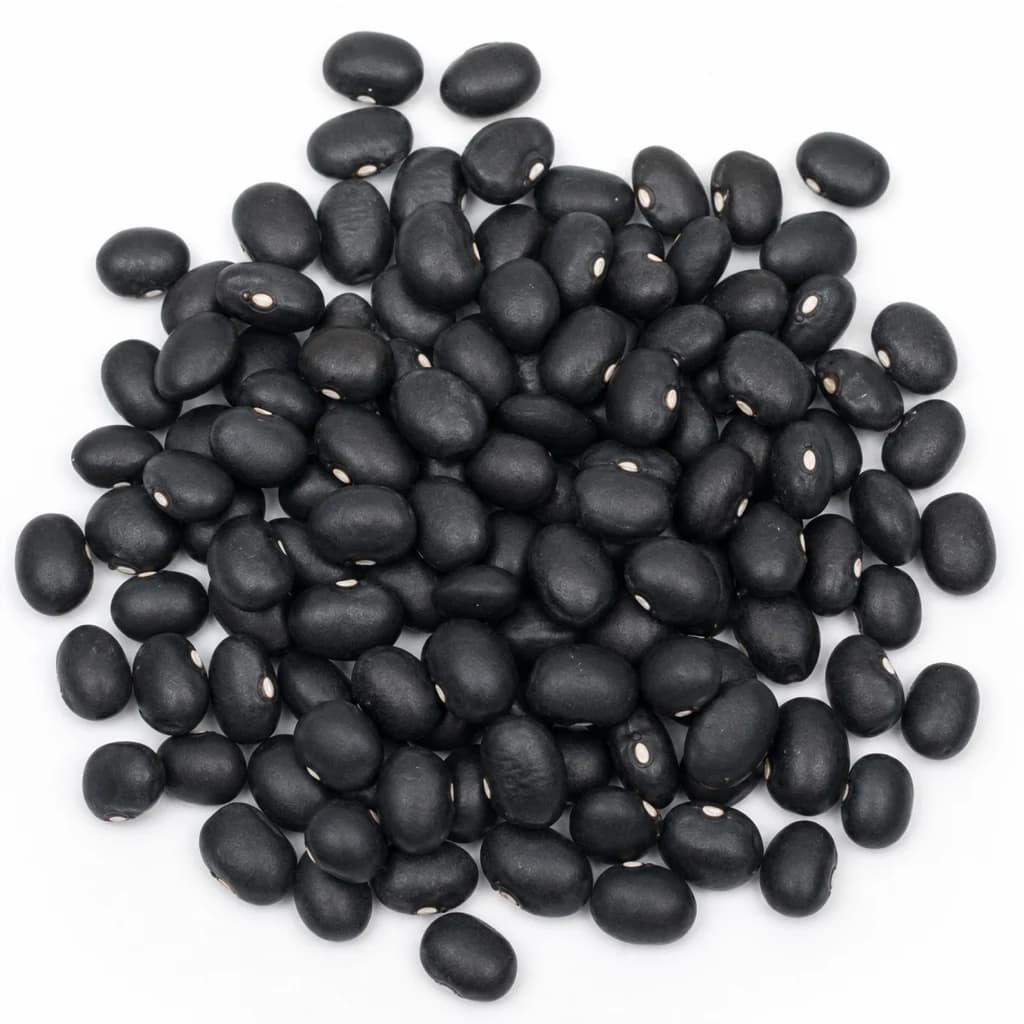
Black Beans
Earthy, creamy beans for bowls, soups, and tacos
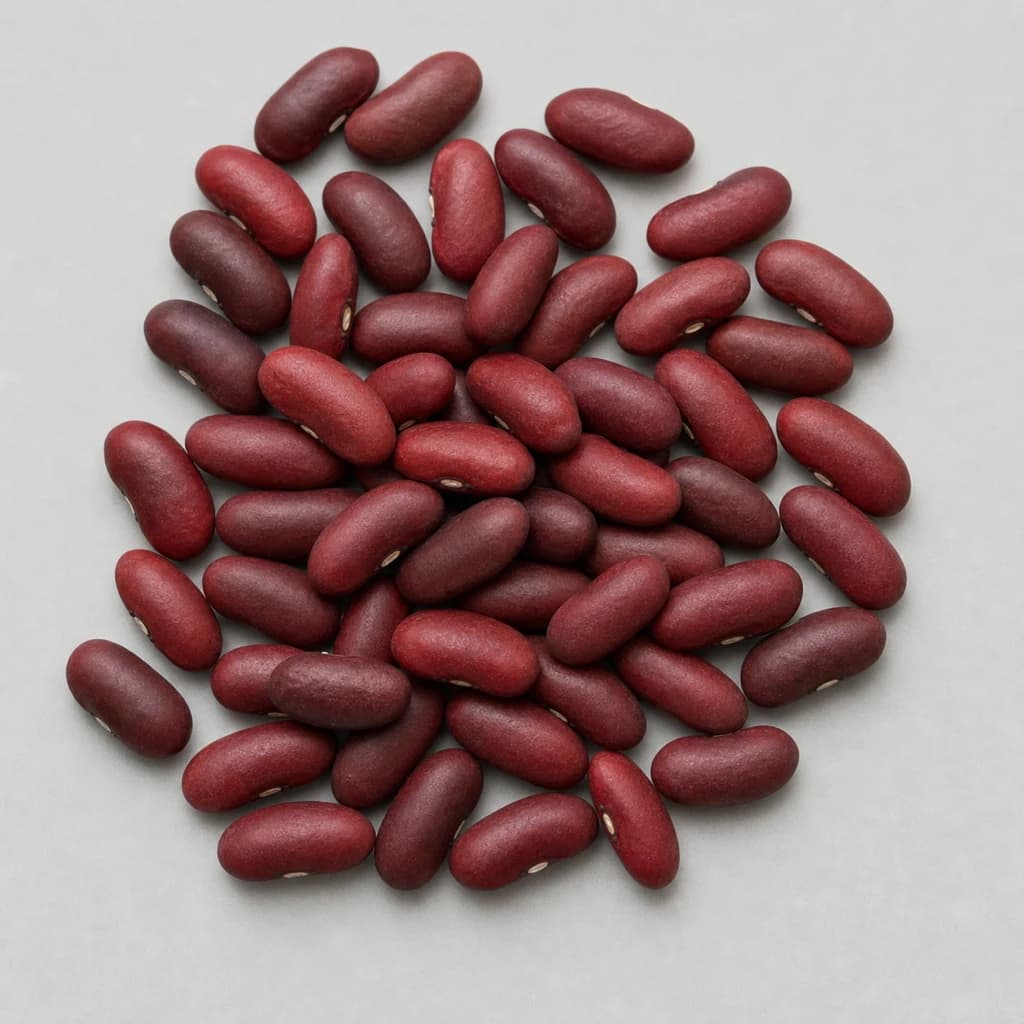
Kidney Beans
Hearty red beans that hold their shape in chili and stews
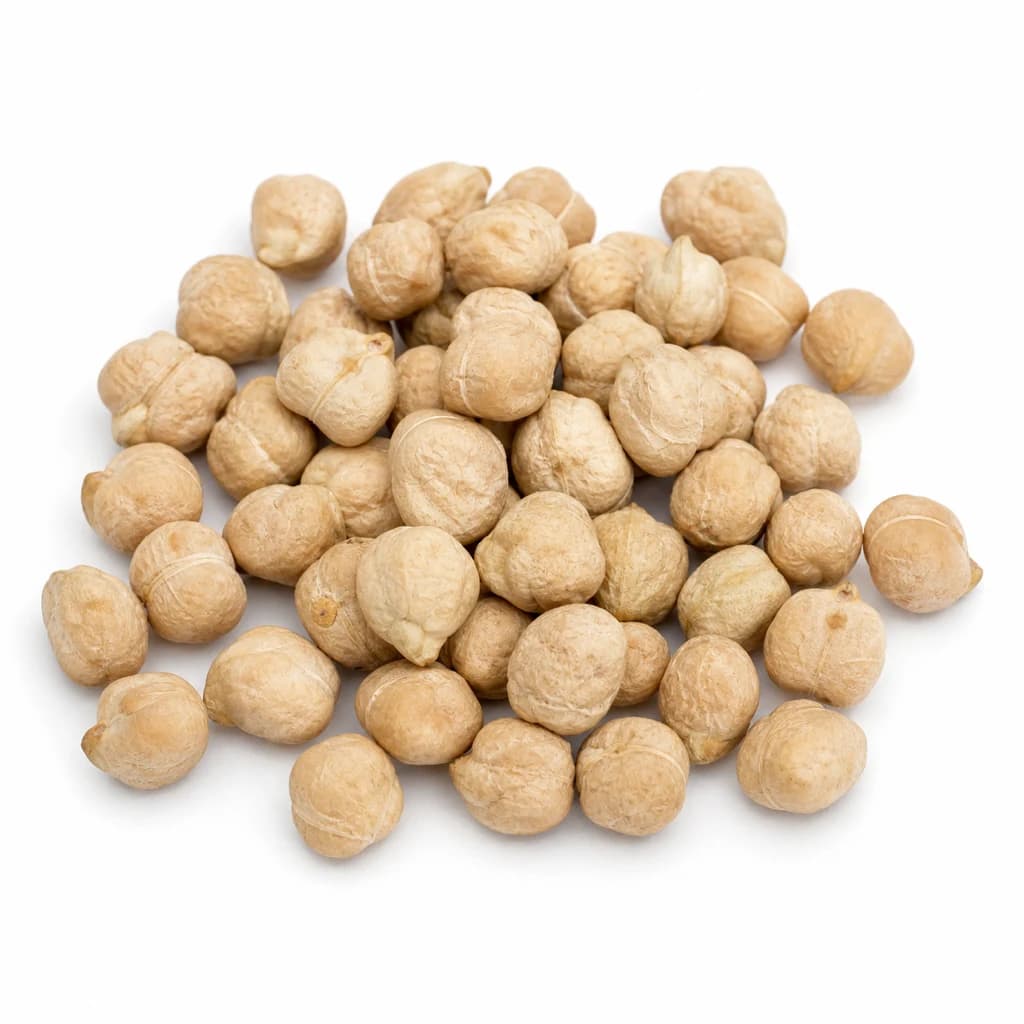
Chickpeas
Nutty, versatile beans for hummus, curries, and roasting
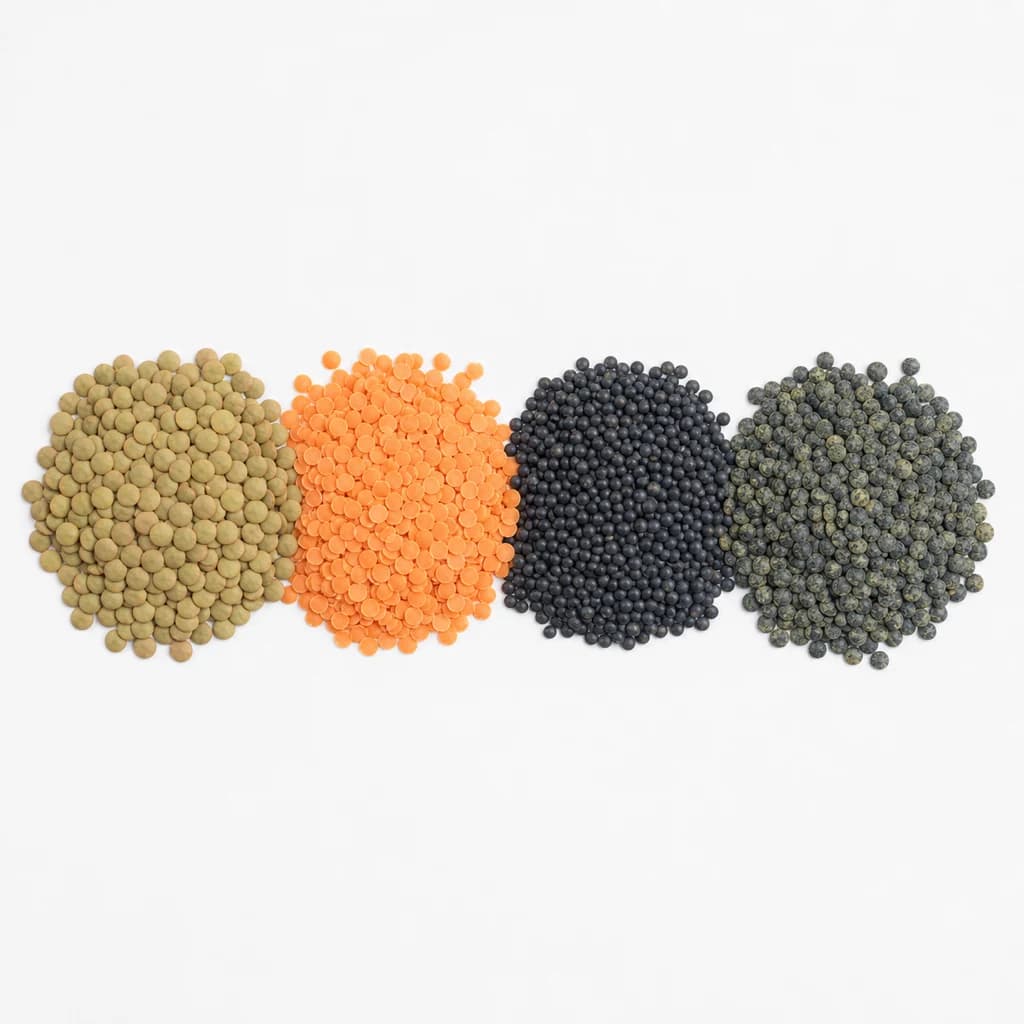
Lentils
Quick-cooking pulses for soups, dals, and hearty salads

White Beans
Creamy, mild beans for soups, stews, and silky purées
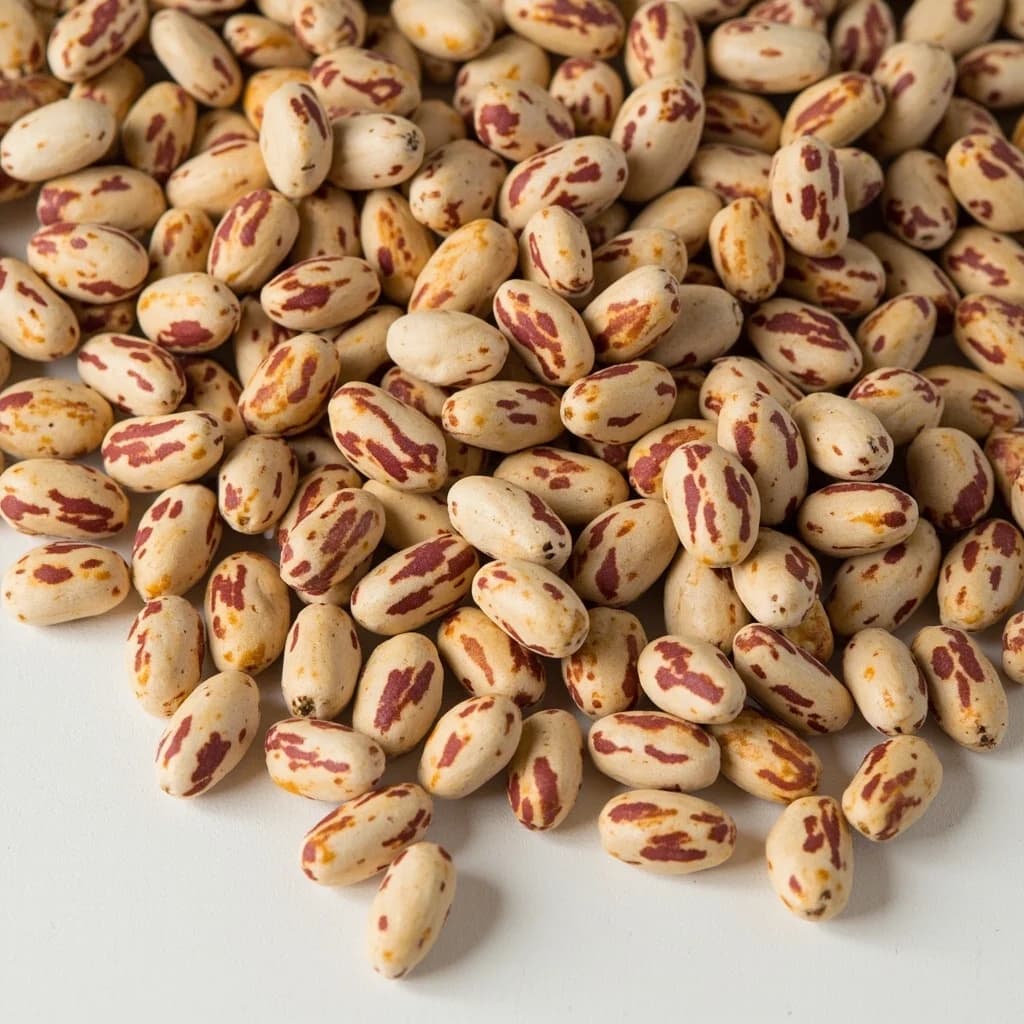
Pinto Beans
Creamy, speckled beans for refried beans and stews

Split Peas
Quick-cooking peas that melt into thick, comforting soups
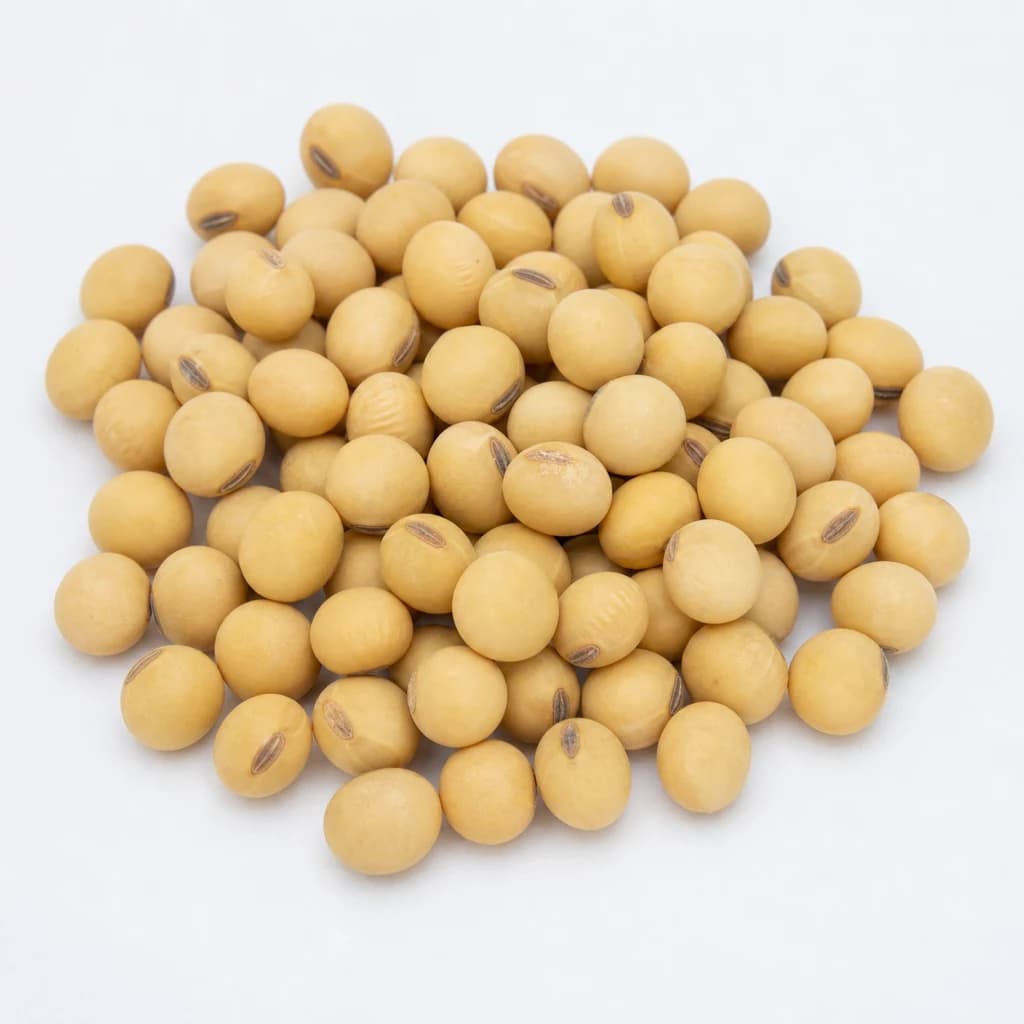
Soybeans
Protein-packed beans, the base for tofu and miso