Spices
Dried Ginger Powder (Sonth)
Ground dried ginger with concentrated warm, pungent heat for baking and spice blends.
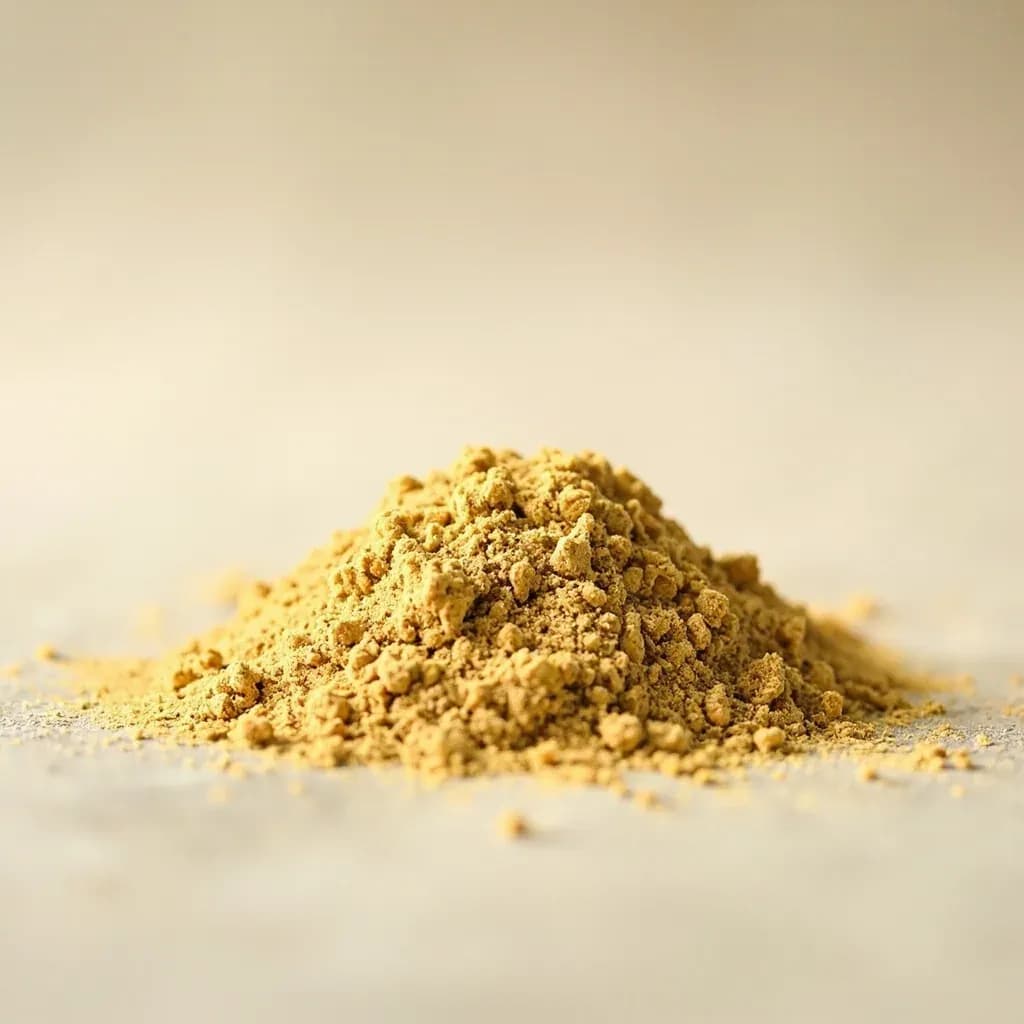
Dried ginger powder is made by grinding dehydrated ginger root into a fine, tan powder with a warm, pungent, slightly sweet bite. It is used in baking (gingerbread, cookies), spice blends, masala chai and dry rubs, where its flavor is more concentrated and less fresh than raw ginger. A little adds noticeable warmth, so measure carefully.
Dried Ginger Powder, known as Sonth in Hindi and Shunti in Sanskrit, is made from mature ginger root that has been peeled, sliced, and sun-dried or machine-dried before being ground to a fine, pale yellowish-beige powder. Unlike its fresh counterpart, the drying process converts gingerol into zingerone, giving the powder its characteristic warmer, slightly sweet flavor rather than the fresh root's bright, almost citrusy bite. This concentration means a little goes a long way—roughly 1/4 teaspoon of dried equals 1 tablespoon of fresh ginger by volume.
Sonth is a foundational spice in South Asian cooking, particularly prized in North Indian cuisine for pickles and achaars (most notably mango pickle), and in South India for spice powders and masalas. In Western kitchens, it appears mainly in baked goods like gingerbread and speculaas, and in warm beverages like chai. The powder keeps far longer than fresh ginger—2 to 3 years in an airtight container—making it a reliable pantry staple, though it loses potency over time. Unlike fresh ginger's volatile brightness, sonth delivers a steady, integrated warmth that melds into dishes when cooked, which is why it behaves differently in recipes than fresh ginger would.
- Measured in
- g
- Storage
- Pantry
Types & varieties
Commonly sun-dried, slightly coarser grind, intensely aromatic; standard for South Asian cooking
Renowned for bright, clean pungency and high oil content; premium for baking
Often machine-dried, milder flavor, paler color
May include rhizome skin, earthier flavor; differs from peeled sonth
Fresh vs. Dried: Knowing When to Use Which
The conversion of gingerol to zingerone is the crux of the difference. Fresh ginger delivers sharp, almost citrusy heat that volatilizes quickly during cooking—ideal when you want a bright, clean bite in stir-fries, marinades, or finishing sauces. Sonth, by contrast, provides a deeper, more integrated warmth that builds as dishes cook. In recipes where ginger is bloomed in oil or cooked into braises, soups, and spice blends, dried ginger is the correct choice. Avoid substituting fresh for dried in dry spice mixes like garam masala or curry powders, where moisture would throw off ratios and distribution. Conversely, substituting dried for fresh in a fresh garnish or bright sauce will produce flat, dull flavor without the lively bite you expect.
- Fresh: bright, volatile heat; add near end of cooking or raw
- Dried: warm, integrated heat; add early to meld with other spices
- Never substitute dried in recipes requiring fresh ginger as a garnish or in high-moisture applications where brightness is essential
- In spice blends cooked in fat (tadka, curry bases), dried ginger is the traditional and correct choice
Common uses
Tips & pitfalls
- Smell before buying—quality sonth is intensely aromatic; dull scent indicates stale product with depleted volatile oils
- Store away from stovetop heat; continuous warmth accelerates degradation of volatile compounds
- Add early in cooking (10–15 minutes before finishing) for integrated flavor; add late only when seeking sharp, bright heat
- When blooming in oil or ghee, stir for 30–60 seconds only—sautéing too long destroys flavor and darkens the powder
- Common mistake: using the same volume as fresh ginger—dried is far more concentrated and will overpower dishes
- Check labels for additives—pure sonth contains only ginger; some commercial powders include flour or anti-caking agents
- For baking, combine with cinnamon and clove to round sharp pungency; alone it can taste one-dimensional
- In humid climates, check monthly for clumping; discard if moldy or if aroma turns musty
Nutrition
Energy
335 kJ · per 100 g
Where the calories come from
Protein
1.8g
4% DV
Carbs
17.8g
6% DV
Fat
0.8g
1% DV
Fiber
2g
7% DV
Sugars
1.7g
of which
Sodium
13mg
1% DV
Source · USDA FoodData Central · approx. Ginger root, raw
View on FDC →In the shops
Matched grocery products
 €1.61
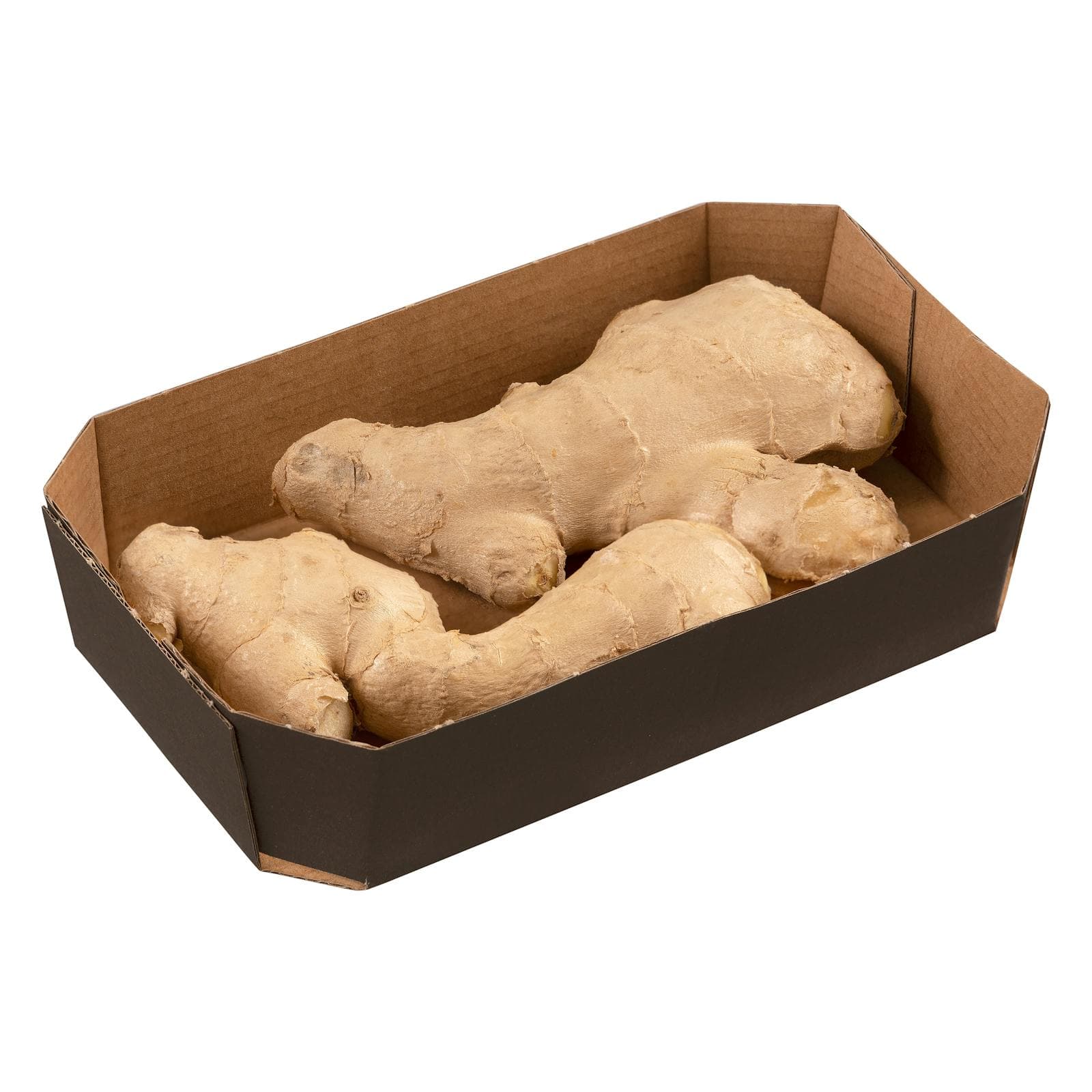
€1.61Ginger
200 g · Mercadona
 €0.60
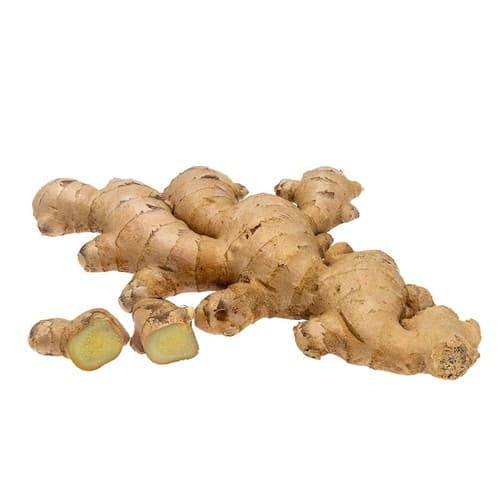
€0.60Fresh Ginger 1 unit
ud · Bonpreu
 €1.99
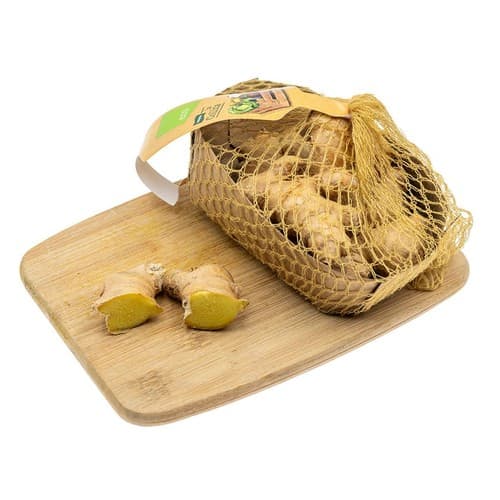
€1.99Organic Ginger La Collita in 150g Tray
LA COLLITA · kg · Bonpreu
Good to know
- Scientific name
- Zingiber officinale Roscoe
- Also called
- Sonth (Hindi), Shunti (Sanskrit), ground ginger
- Form
- Fine, pale yellowish-beige powder from dried, peeled ginger root
- Flavor profile
- Warm, pungent, slightly sweet; more concentrated and less bright than fresh ginger
- Key compounds
- Gingerol (converts to zingerone during drying, creating warmer flavor)
- Substitute ratio
- 1/4 teaspoon dried = 1 tablespoon fresh (1:4 by volume)
- Shelf life
- 2–3 years in airtight container away from heat and light
- Main producers
- India, Jamaica, Nigeria, China
Substitutes
- Fresh ginger — Use 4× the volume; add near end of cooking to approximate bright, fresh heat (imperfect substitute for dry preparations)
- Ground cinnamon — Provides warmth but not pungency; works in sweet applications only
- Cardamom (ground) — Shares warm, sweet quality; use half the amount in spice blends
- Turmeric powder — Adds color and mild warmth but distinctly bitter and earthy; not a close substitute
Also called
ground-ginger · dried-ginger-powder · ginger-dried · sonth
Appears in these dishes

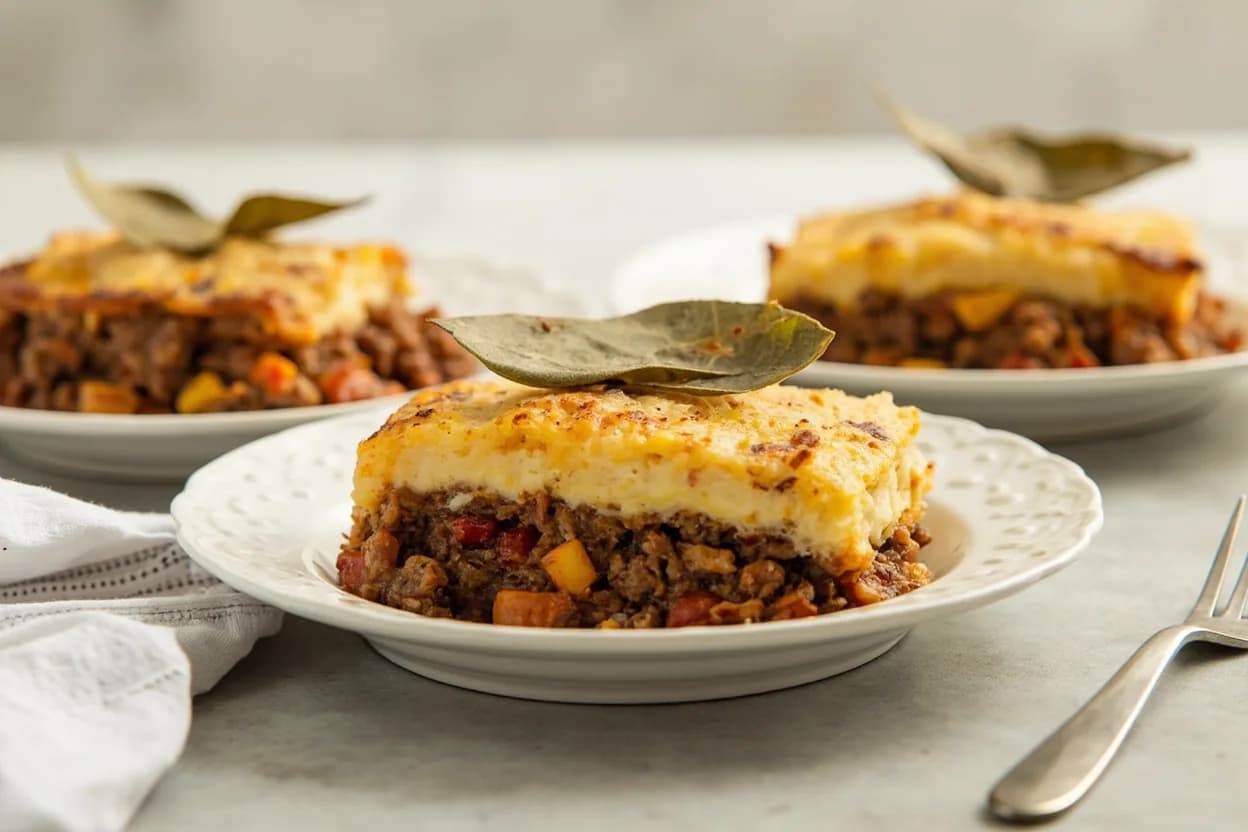
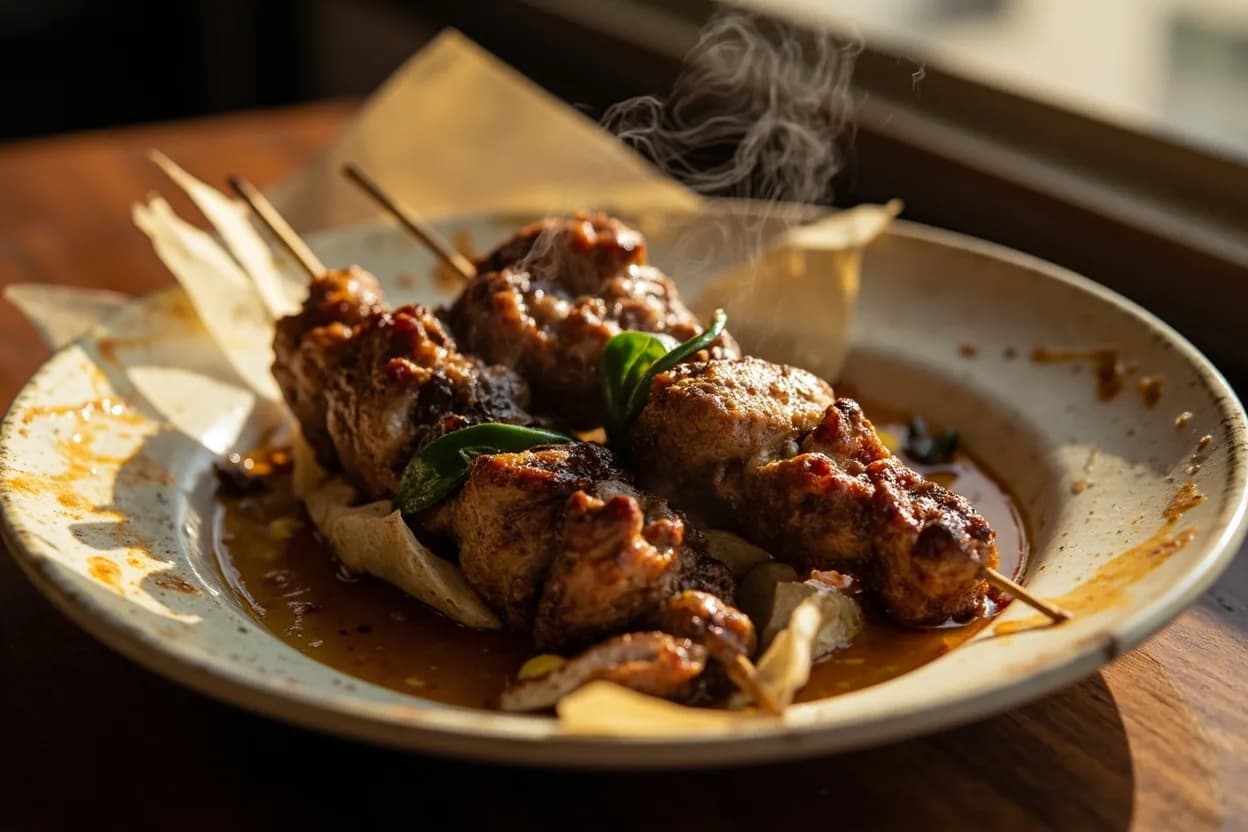
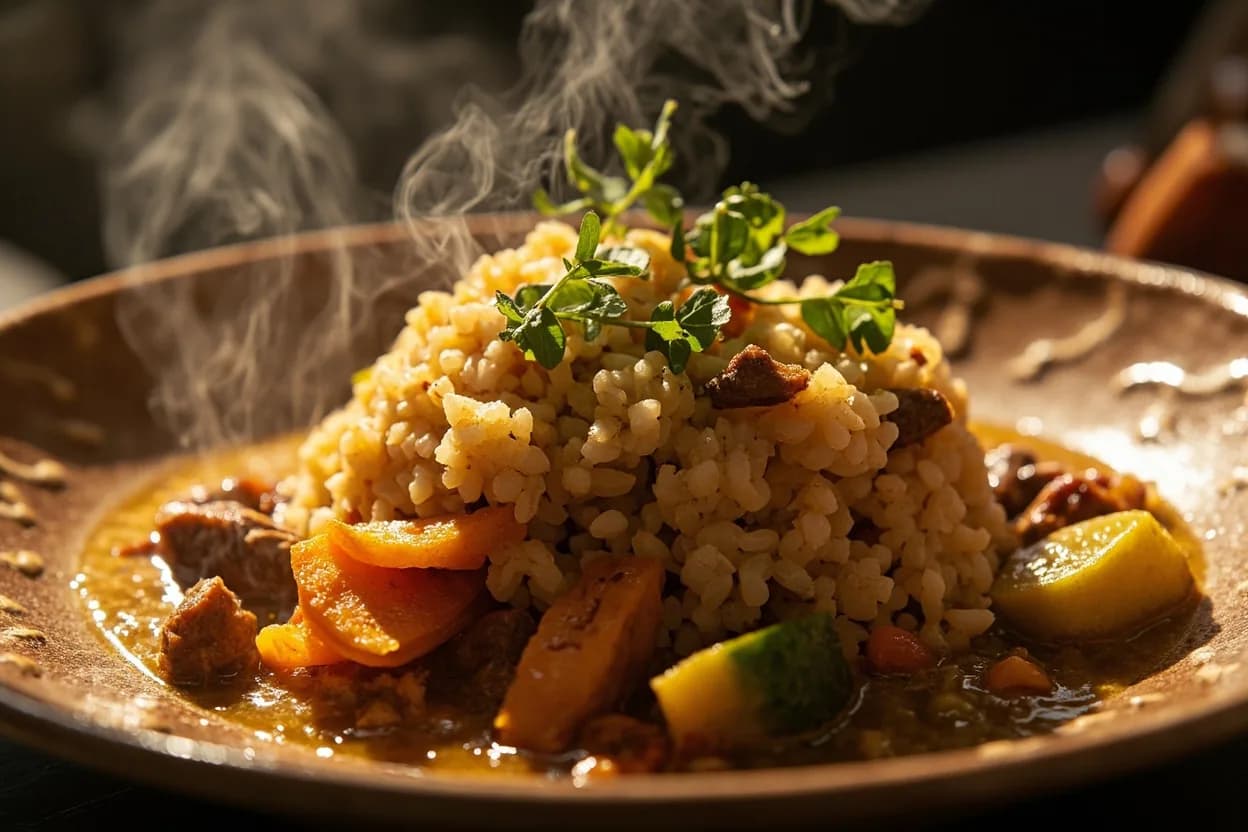
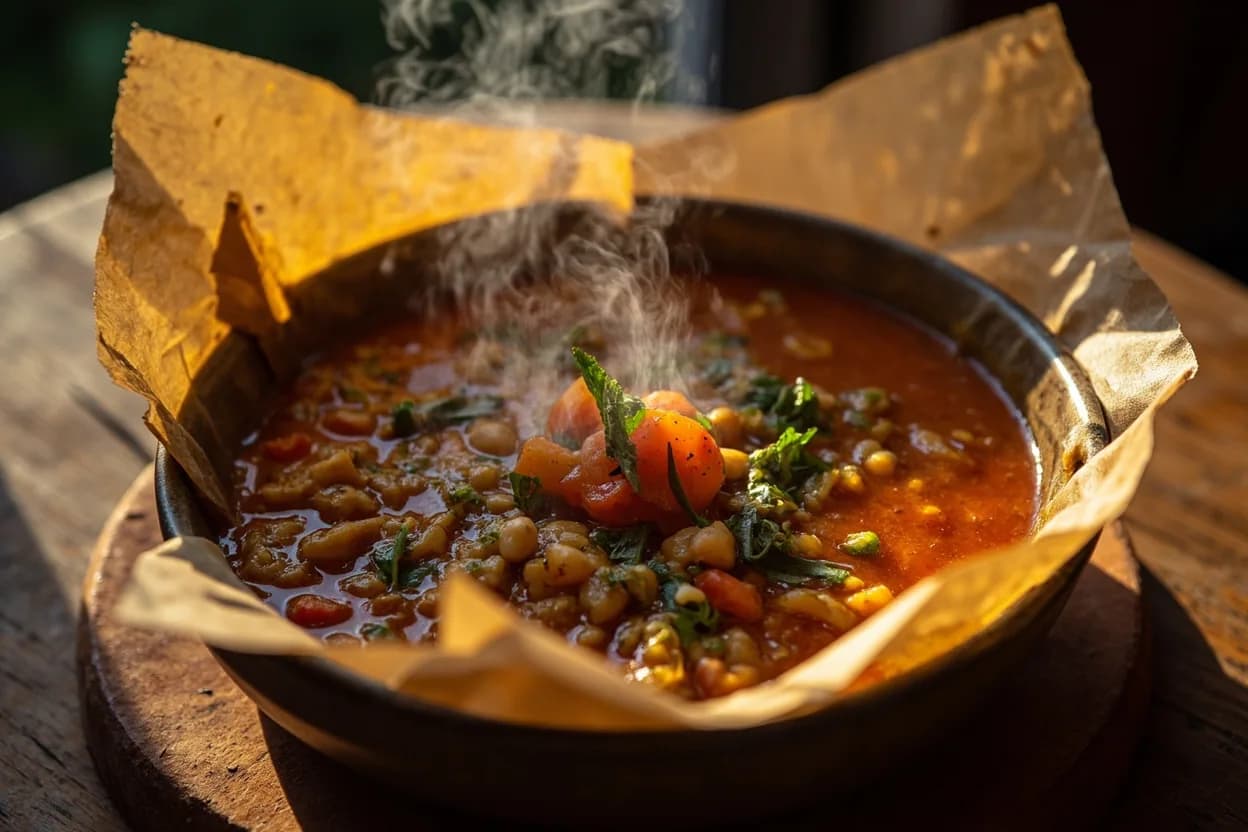

Related
Salt
The one seasoning that makes everything else taste like itself

Black Pepper
Pungent, woody heat — best cracked fresh over anything savory
Amchur
Dried unripe mango ground to a tart, fruity souring powder
Paprika
Sweet, vivid ground pepper for color and gentle warmth
Smoked Paprika
Deep, smoky ground pepper for a campfire warmth
Cumin
Warm, earthy spice central to curries, chili, and tacos
Coriander Seed
Citrusy, warm seed for curries, pickles, and rubs
Turmeric
Golden, earthy spice for curries, rice, and color