Produce
Green Jackfruit
Unripe jackfruit with neutral, meaty flesh used as a savory vegetable and plant-based meat substitute.
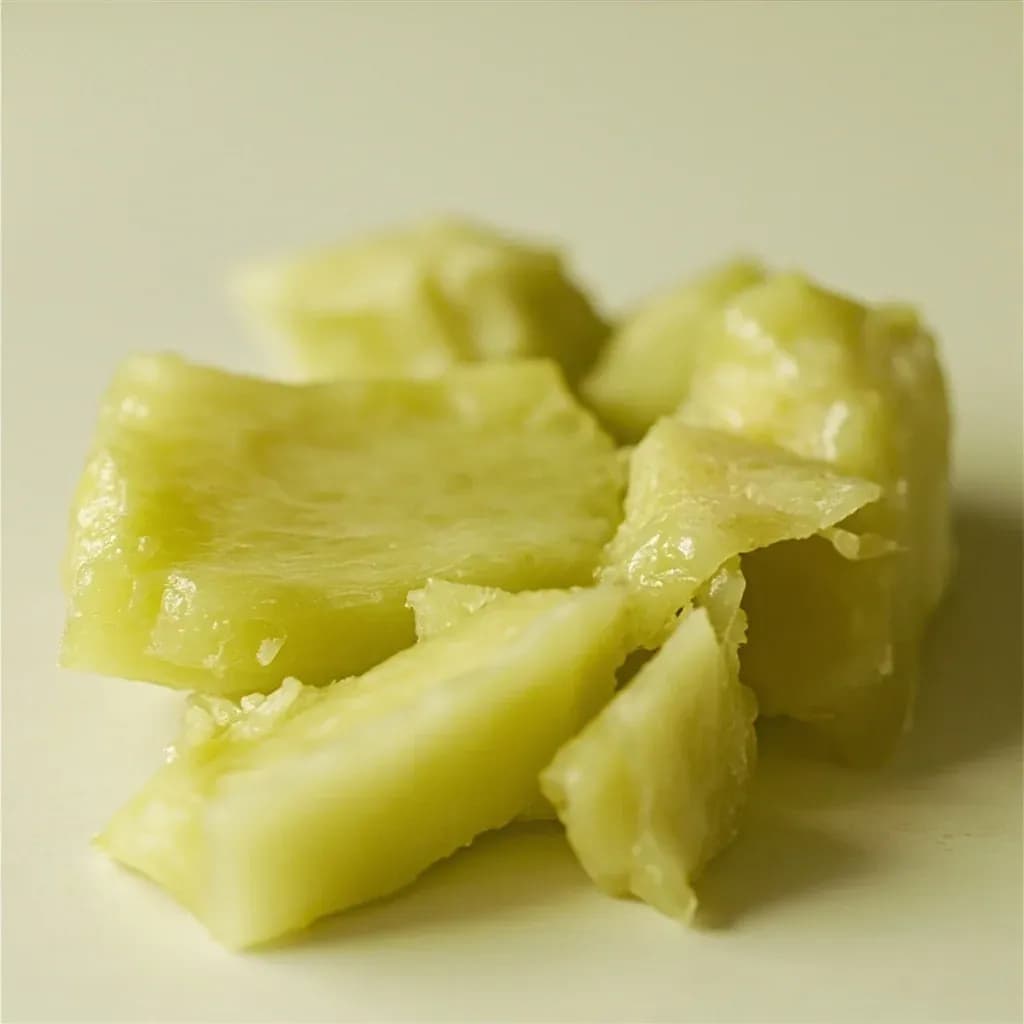
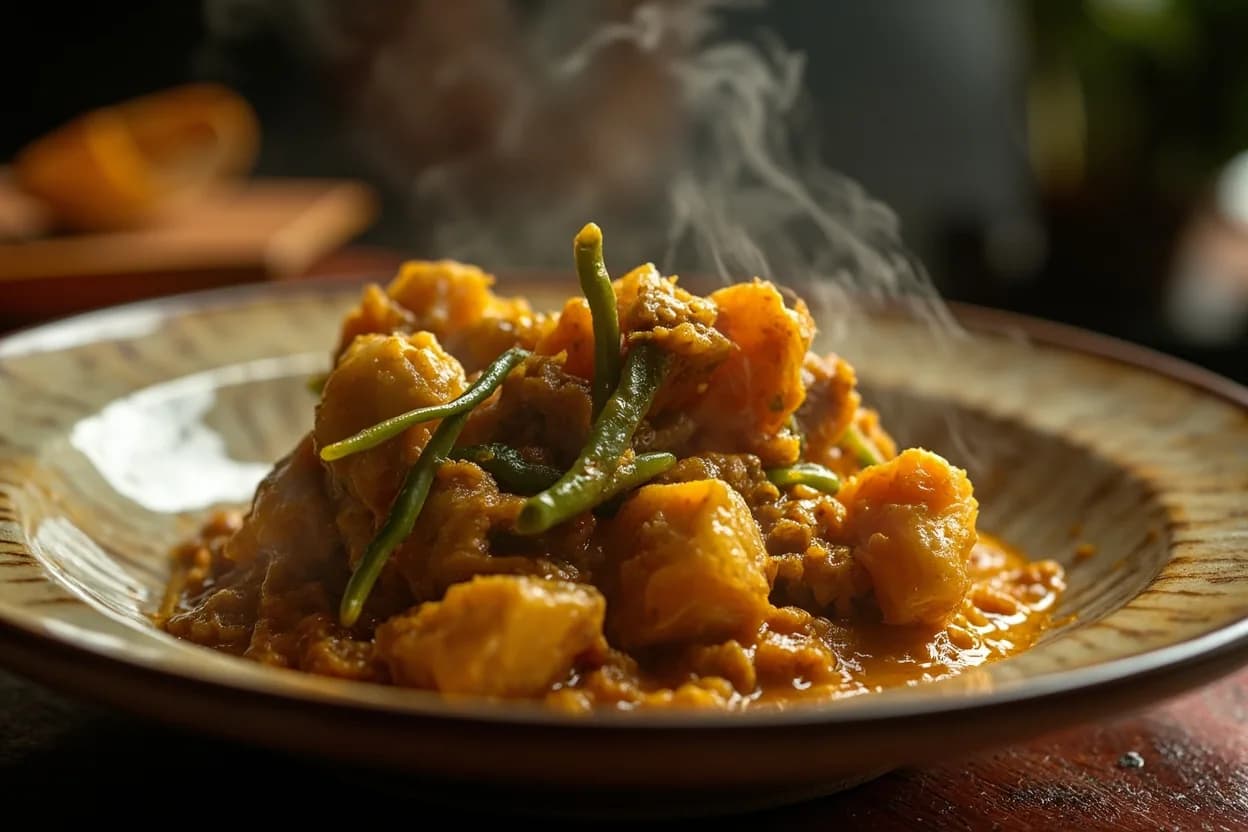
Green jackfruit is the unripe fruit of the jackfruit tree, with firm, neutral-tasting flesh that shreds into a meaty texture when cooked. It is simmered in South Asian curries like Sri Lankan polos and is widely used as a plant-based stand-in for pulled pork in tacos and sandwiches. Because it is bland on its own, it readily takes on spices, sauces, and smoke.
Green jackfruit is the unripe stage of Artocarpus heterophyllus, the world's largest tree-borne fruit, capable of reaching up to 80 pounds and three feet in length. Unlike its ripe yellow counterpart—which is sweet and used in desserts—green jackfruit has neutral, starchy flesh that shreds into a stringy, meat-like texture when cooked, making it one of the most effective whole-food plant-based meat alternatives available. Native to South and Southeast Asia, it has been a dietary staple in India, Bangladesh, Sri Lanka, Thailand, and the Philippines for centuries, appearing in curries, stews, and braises long before Western vegan cooking adopted it. The fruit's real strength in the kitchen is its remarkable ability to absorb and carry bold flavors while providing satisfying bulk and texture—it is essentially a blank canvas that takes on the character of whatever spices, sauces, or braising liquids it is cooked with. Fresh green jackfruit is sold whole or in chunks and has a short shelf life of five to seven days refrigerated, while canned young green jackfruit in brine is the most accessible form in Western markets and keeps for one to two years unopened.
- Measured in
- g
- Storage
- Pantry
Types & varieties
Commonly harvested green in Kerala, India for traditional dishes like kappa (tapioca) and jackfruit curries
Generic term in Kerala cuisine for green jackfruit; used in chakka curry (jackfruit stew) and bhajis
Green jackfruit variety popular in Bangladesh for savory preparations and bhuna (dry braise)
Thai variety prized for tender young flesh; common in sour curries and som tam salads
Most accessible Western form; ensure label specifies 'young green jackfruit in water/brine'—never syrup
Fresh vs. Canned: Choosing Your Form
Fresh green jackfruit offers superior texture—firmer, more resilient strands that hold up well in long braises and curries—but requires effort to handle due to its sticky latex and large size. Look for firm, pale green chunks without browning or soft spots. Canned young green jackfruit, while slightly softer in texture, is already partially cooked and dramatically reduces prep time; it is the practical choice for most home cooks outside of specialty Asian markets. When buying canned, always check the ingredient list: the only contents should be jackfruit, water, and salt. Avoid any can labeled 'in syrup' or simply 'jackfruit' without the 'young' or 'green' modifier, as this indicates the sweet, ripe variety.
- Fresh jackfruit chunks keep 5–7 days refrigerated; use within a day or two for best texture
- Frozen fresh chunks hold up well for up to 3 months in airtight packaging
- Canned jackfruit varies in brine salt content—rinse thoroughly if watching sodium intake
- Sealed pouches of young jackfruit are increasingly available as a lower-waste alternative to cans
Handling the Latex
Fresh jackfruit produces abundant sticky latex that can gum up your knife, hands, and cutting board, and can cause skin irritation in sensitive individuals. The solution is simple and effective: coat your hands, blade, and board generously with a neutral oil (vegetable, coconut, or avocado all work) before you begin cutting. Work quickly—the latex is most fluid when the fruit is freshly cut and lessens as the flesh oxidizes. Once you expose the inner flesh, you will notice the edible yellow-white pods (fruitlets) surrounded by pale starchy flesh; in green jackfruit the pods are small and undeveloped, and the flesh is the primary ingredient. Remove the central pithy core before cooking—it is tough and inedible. If latex does get on your skin, rubbing with oil and then washing with dish soap usually removes it.
- Use a large, sharp chef's knife; a serrated bread knife helps with the thick rind
- Cut the whole fruit into large wedges first, then separate flesh from rind and core
- If latex hardens on tools, soak in warm soapy water before scrubbing
- Some cooks freeze the whole fruit for 30 minutes before cutting to firm up the latex
Common uses
Tips & pitfalls
- Always drain and rinse canned jackfruit, then squeeze out excess water with a clean towel before cooking—this is the single most important step for proper texture and flavor absorption.
- Coat hands, knife, and cutting board with neutral oil before cutting fresh jackfruit; work quickly as latex lessens as the fruit oxidizes.
- Remove the central core (pithy core) from fresh jackfruit chunks before cooking—it is tough and inedible.
- For the most meat-like pulled texture, cook green jackfruit with moisture (braise, slow-cook, or simmer) then shred with two forks; dry cooking yields a chewier, less satisfying result.
- Canned young green jackfruit is already partially cooked and requires less cooking time than fresh chunks—adjust your recipe accordingly.
- Season aggressively—green jackfruit itself has little flavor, so rely on spices, marinades, and sauces to build taste; under-seasoning is the most common preparation mistake.
- Do not confuse green jackfruit with ripe yellow jackfruit; ripe is sweet and used in desserts, smoothies, and as a dried fruit—substituting ripe in a savory dish will ruin it.
- If your cooked jackfruit turns out mushy, it was likely overcooked or insufficiently dried before cooking; pat very dry before searing or frying for better texture.
Nutrition
Energy
397 kJ · per 100 g
Where the calories come from
Protein
1.7g
3% DV
Carbs
23.3g
8% DV
Fat
0.6g
1% DV
Fiber
1.5g
5% DV
Sugars
19.1g
of which
Sodium
2mg
0% DV
Source · USDA FoodData Central · Jackfruit, raw
View on FDC →In the shops
Matched grocery products
No matched grocery products for Green Jackfruit yet.
Good to know
- Scientific name
- Artocarpus heterophyllus (unripe stage)
- Origin
- Native to South and Southeast Asia; widely grown in India, Bangladesh, Sri Lanka, Thailand, Malaysia, Indonesia, and the Philippines
- Peak season
- Late spring through summer in tropical regions; year-round in canned form
- Flavor profile
- Mild and faintly sweet when raw; neutral and starchy, taking on surrounding flavors when cooked
- Typical size
- Whole fruit 10–80 lbs; young green jackfruit chunks typically 3–10 lbs
- Primary form
- Fresh (whole or chunked) or canned in brine/water; canned is the most common retail form in Western markets
- Key nutrients
- Fiber, potassium, vitamin C, B vitamins; approximately 2–3 g protein per cooked cup
- Shelf life (fresh)
- Refrigerate whole or cut chunks 5–7 days; freeze for up to 3 months
- Shelf life (canned)
- Unopened: 1–2 years; refrigerate opened unused portion 3–5 days
- Latex caution
- Abundant sticky latex in fresh fruit; coat hands and knife with neutral oil before handling
Substitutes
- Young green jackfruit (fresh) — Direct substitute; fresh has better texture than canned if available from an Asian market
- Artichoke hearts — Similar mild flavor and sauce-absorbing ability; more tender, less stringy texture
- Chickpeas (cooked) — Comparable protein content and holds shape well in curries and stews; different mouthfeel
- Firm tofu (pressed) — Absorbs flavors similarly; lacks stringy texture but works in most savory applications
- Cauliflower florets — Mimics texture when roasted or braised; absorbs flavors but crumbles more easily than jackfruit
- Lion's mane mushroom (pulled) — Similar stringy, meat-like texture; stronger umami flavor but adapts well to savory applications
- Jackfruit (ripe, canned in syrup) — NOT a substitute—ripe jackfruit is sweet and intended for desserts; will ruin savory dishes
Pairs with
Also called
Polos · Unripe Jackfruit
Appears in these dishes
Related
Tomato
Juicy, sun-sweet fruit for sauces, salads, and slow-cooked depth
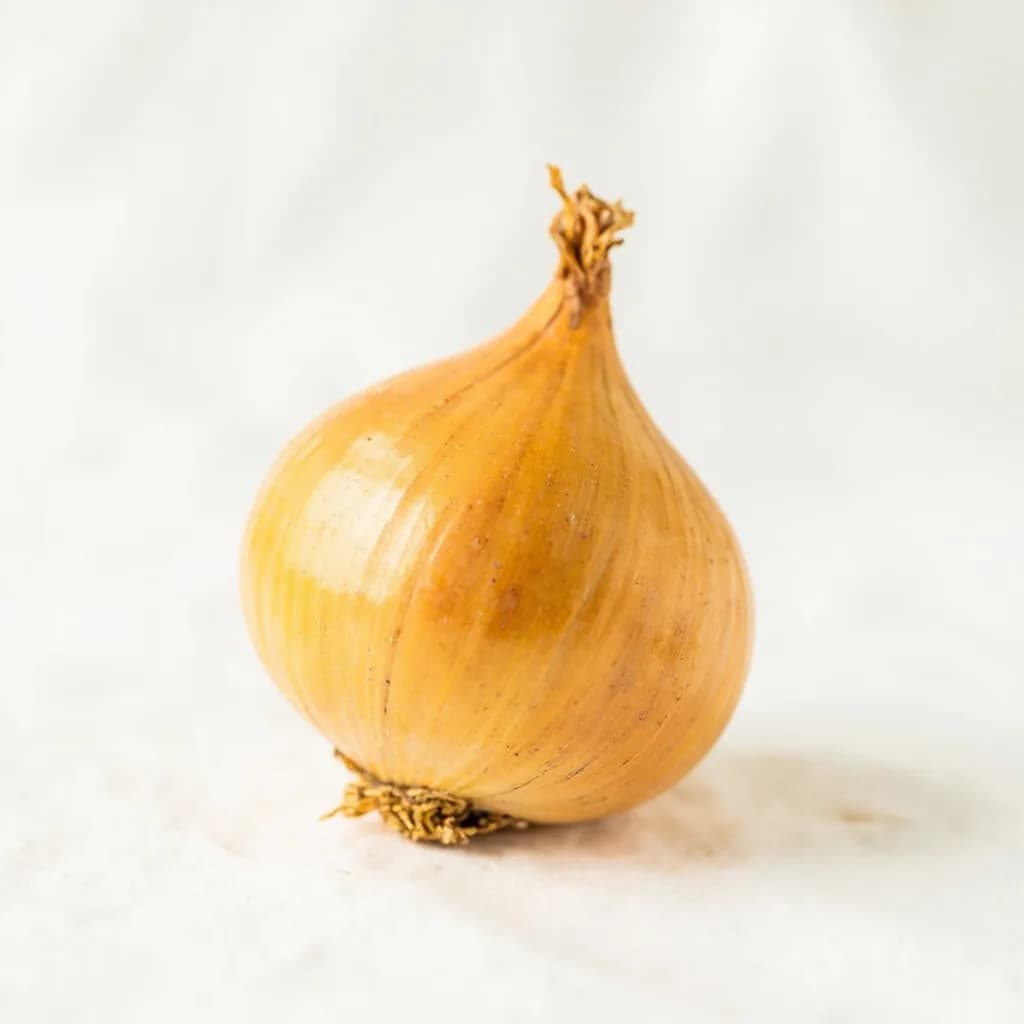
Yellow Onion
The aromatic backbone of soups, sofritos, and braises
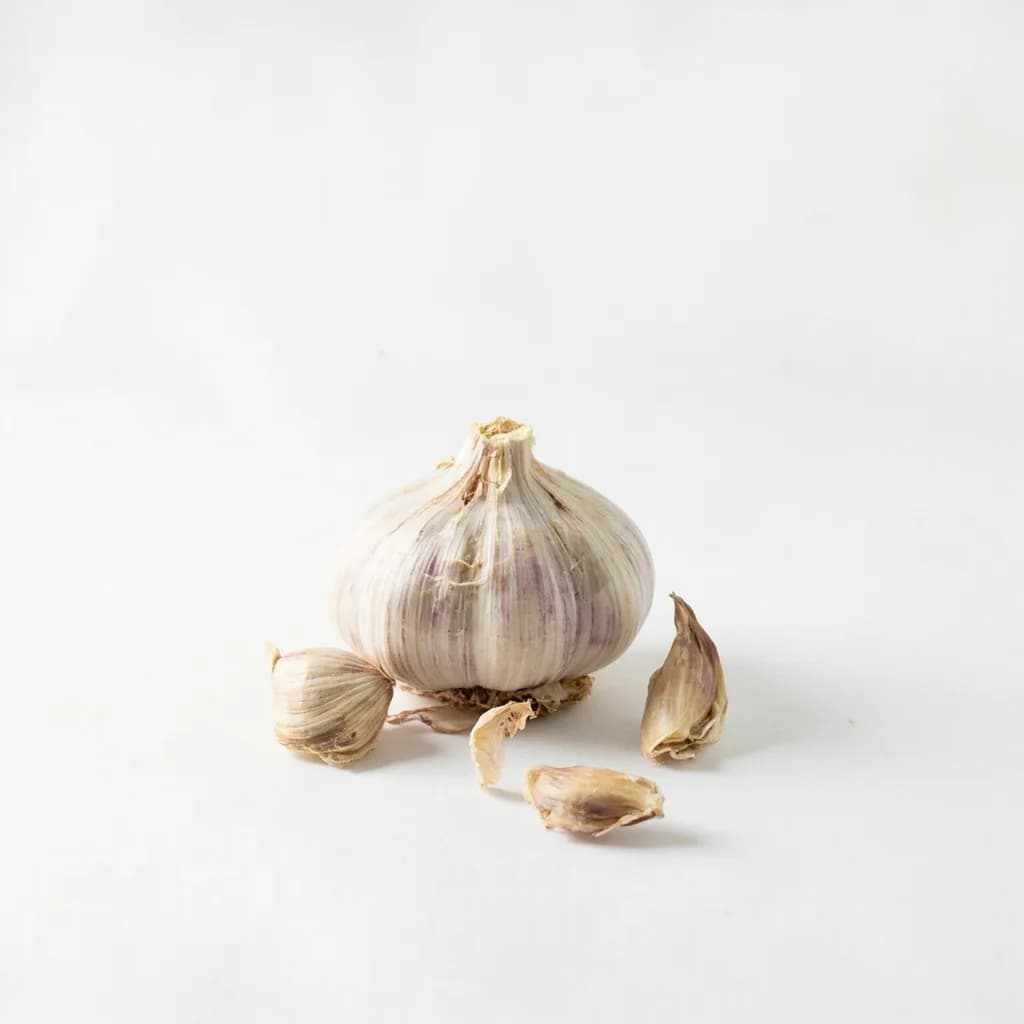
Garlic
Pungent cloves that perfume nearly every savory dish
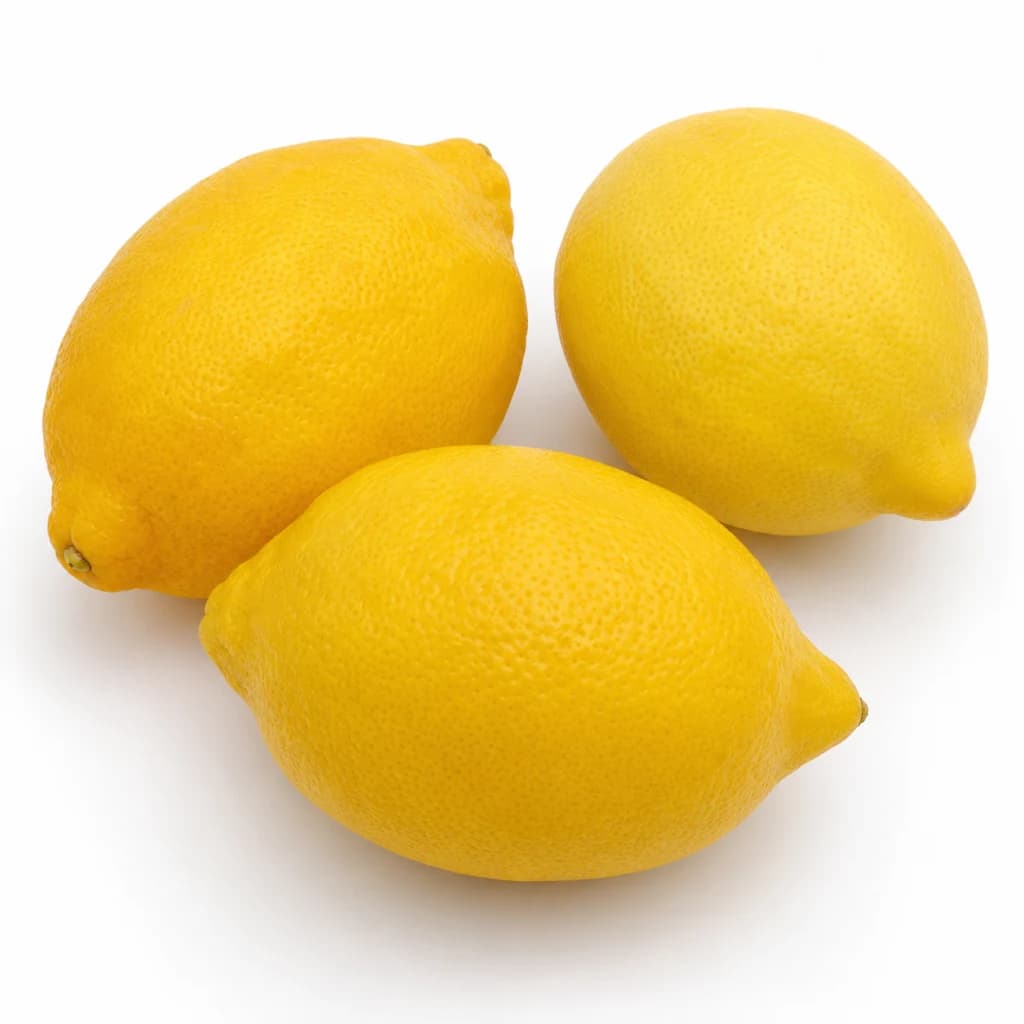
Lemon
Bright, acidic citrus that wakes up almost any dish
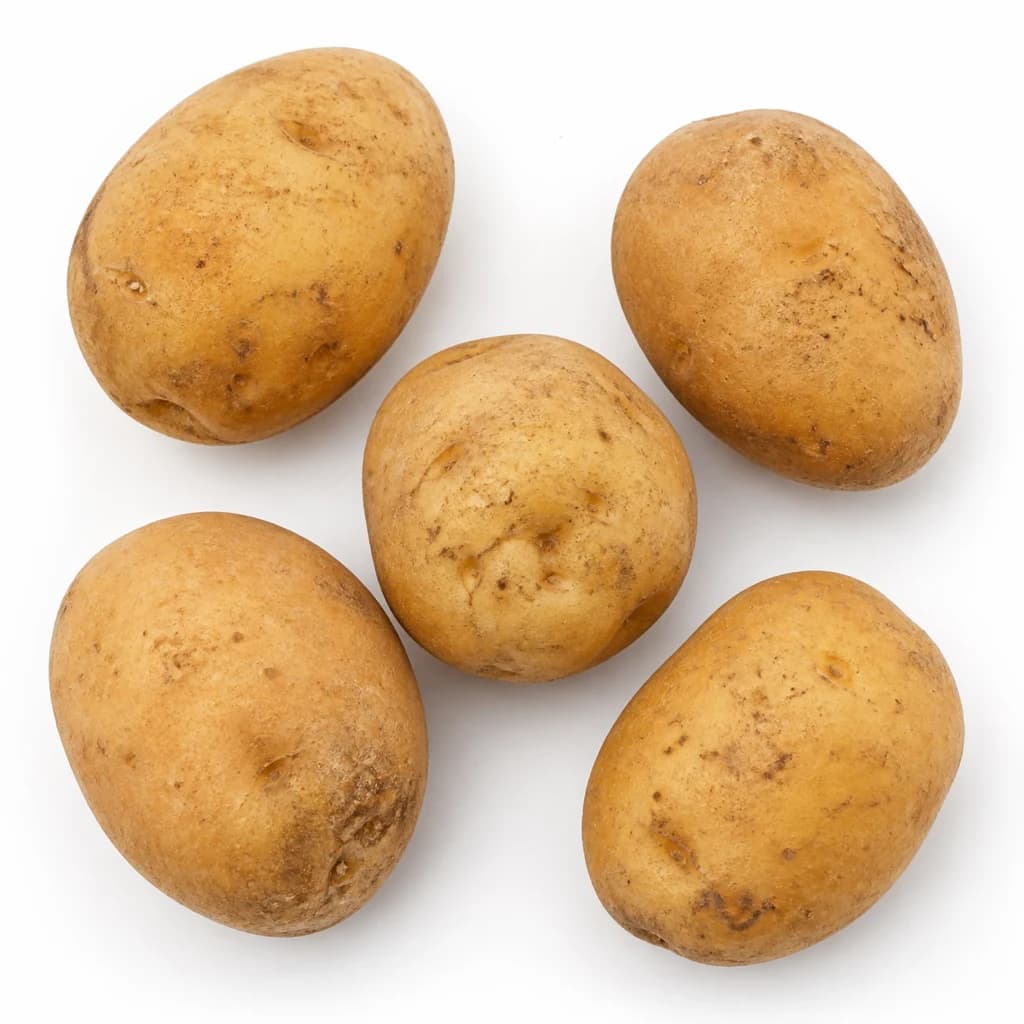
Potato
Humble, hearty staple — roast, mash, fry, or boil
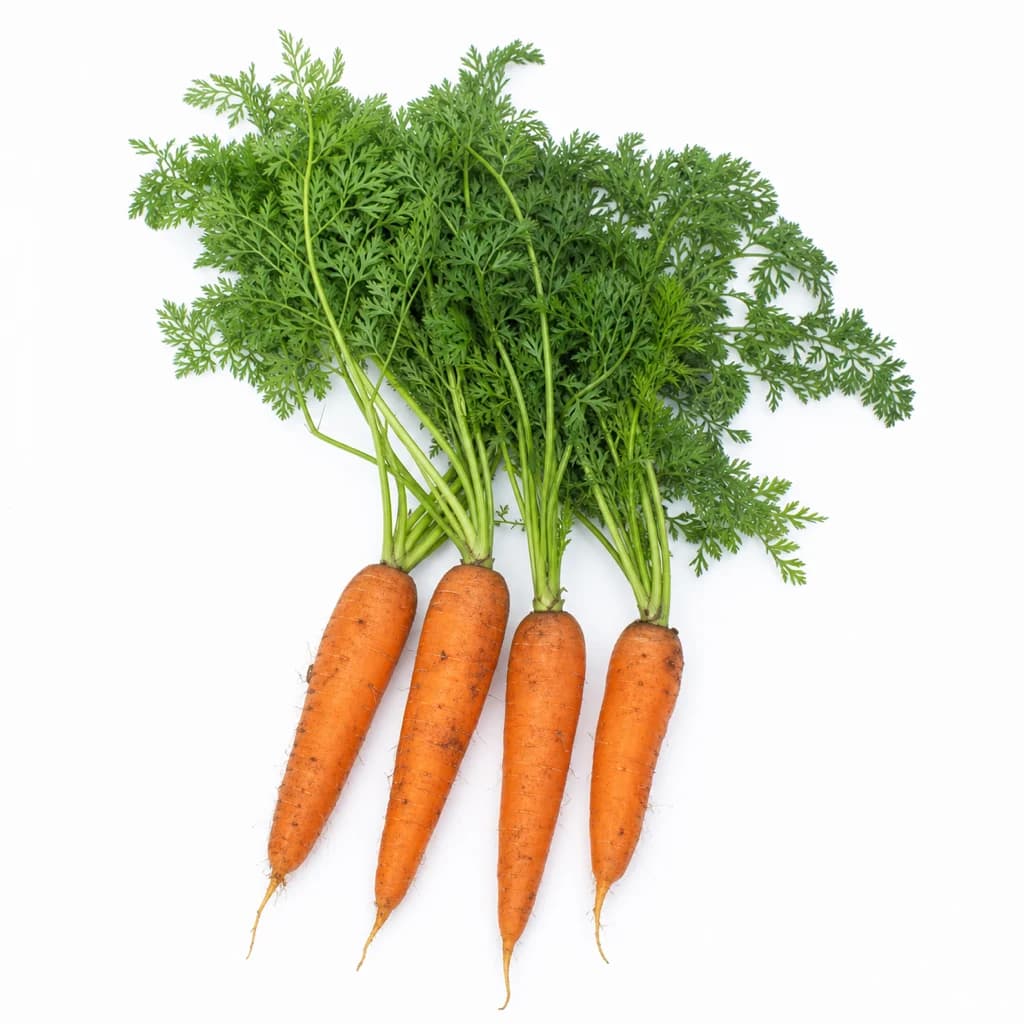
Carrot
Sweet, crunchy root — raw, roasted, or the base of a sofrito
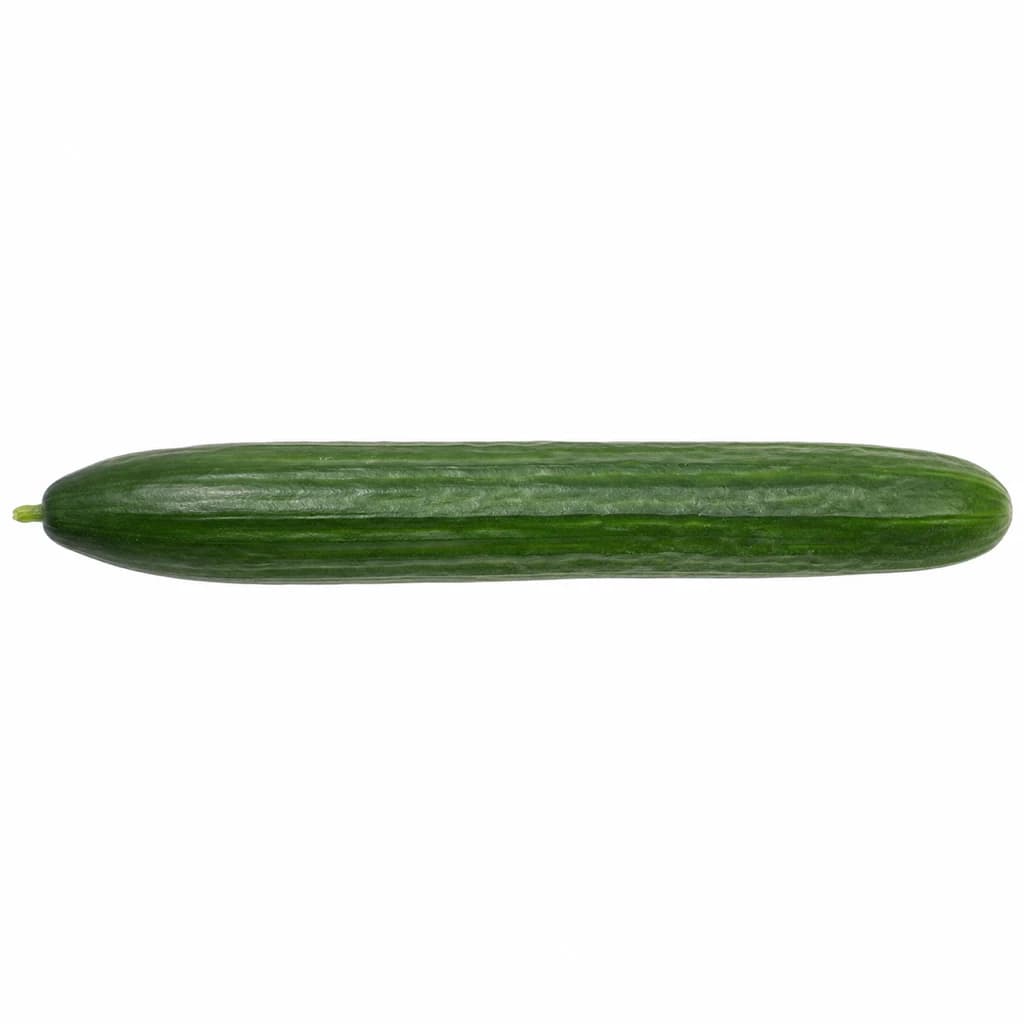
Cucumber
Cool, crisp, and watery — for salads, pickles, and tzatziki

Lettuce
Crisp leaves for salads, wraps, and a fresh crunch