Proteins
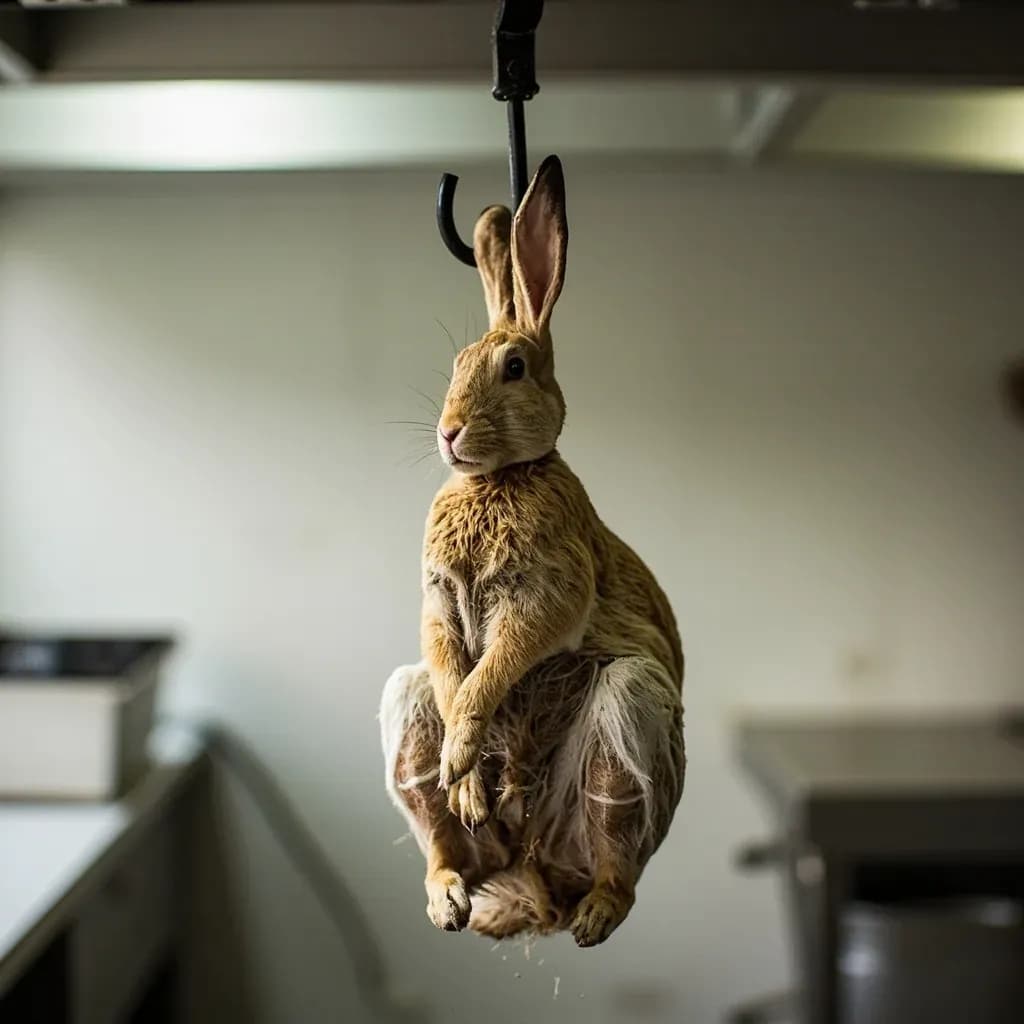
Hare (Lepre)
Dark, gamey wild relative of rabbit, braised slowly in rich winter stews and ragus.
Hare is a wild game animal larger and darker-fleshed than rabbit, with an intense, slightly gamey flavor. Called lepre in Italy, it is traditionally braised long and slow in red wine for dishes like pappardelle alla lepre and the classic French jugged hare (civet). Marinating and slow cooking tenderize its lean, sinewy meat.
Hare is a wild lagomorph prized in Italian and European cuisine for its intensely gamey, dark red meat. Unlike its domestic cousin the rabbit, hare has almost no intramuscular fat and very dense, fibrous muscle that requires long, moist cooking methods. The meat is nearly purple when raw and develops a robust, earthy, slightly metallic flavor that intensifies during cooking. In Italy, hare is a seasonal ingredient, hunted from October through February, and is typically hung three to seven days before sale to tenderize the meat and develop complex flavors. The saddle is the most prized cut and cooks more quickly, while the hind legs require the longest braising—minimum two hours, often three to four. Hare's extreme leanness means it easily dries out; successful preparations always include added fat from pork products and extended, patient cooking. The animal's blood, liver, and other offal are valuable culinary components used to enrich sauces, thicken ragùs, and create sophisticated stuffings. A hare cooked properly is one of the most rewarding experiences in game cookery: the meat becomes yielding and deeply flavored, the sauce takes on a dark, glossy intensity unmatched by any other protein.
Understanding the animal's anatomy is essential before cooking. The saddle runs along the back and contains the most tender meat; it should be treated separately from the legs and cooked briefly. The hind legs are the largest muscle groups and bear the most connective tissue—they need the longest, slowest cooking. The forelegs fall somewhere in between. When buying whole, ensure the hare has been properly hung; fresh, unhung hare is too tough for anything but the longest braise. The liver, heart, and kidneys are small but intensely flavored—reserve them for enriching sauces or making a farce. Collect the blood if your butcher harvests it; it is a remarkable thickening and coloring agent for sauces, used similarly to blood in other European game traditions.
Regional Italian preparations are numerous and instructive. Lazio and Emilia-Romagna treat hare as the foundation of a long-cooked ragù for fresh pasta—often tagliatelle or pappardelle—where the entire animal is braised, then shredded into the reduced braising liquid. In Veneto and parts of Northern Italy, the Belgian-influenced civet brings hare together with red wine, lardons, and onions in a rich stew. The cacciatora preparation—braised with garlic, rosemary, bay, wine, and sometimes tomatoes—is found throughout central Italy. In Umbria and Lazio, lepre in porchetta stuffs the whole hare with herbs and pork fat before roasting, a technique that requires both a well-hung carcass and confident timing.
- Measured in
- g
- Storage
- Fridge
Types & varieties
Most common subspecies; wide distribution across Italy and Central Europe
Smaller subspecies native to Sardinia and Corsica; protected status limits commercial availability
Found in northern Italian Alps; coats white in winter; more delicate flavor
Butchering and Key Cuts
The primary cuts are the saddle (lombo), which runs along the spine and contains the tenderest meat; the hind legs (cosce), the largest and most muscular pieces; the forelegs; and the offal including liver, heart, and kidney. The blood is collected during butchering if the animal is processed traditionally. When breaking down a whole hare yourself, remove the connective tissue membrane (tendine) from the legs before cooking—it becomes rubbery and unpleasant if left in. Separate the saddle from the legs at the joint; treat the saddle briefly (20–30 minutes braising or quick searing) and the legs long (2–4 hours). Reserve the liver, heart, and kidney for sauces or a farce; they add depth and intensity. If buying pre-butchered, ask if the hare has been hung—unhung hare is too tough for all but the longest cooking.
- Saddle (lombo): most tender; cook separately and briefly
- Hind legs (cosce): largest muscles; need 2–4 hours braising
- Forelegs: moderate cooking time between saddle and legs
- Liver, heart, kidney: reserve for sauces or forcemeat
- Blood: collect and refrigerate; use to thicken sauces at end of cooking
The Marinade
A wine-based marinade is traditional and functional—not merely for flavor, but to tenderize the meat and draw out blood. The standard Italian marinade combines a full bottle of robust red wine (Barolo, Chianti, or similar) with wine vinegar, roughly chopped carrots, celery, onion, a handful of juniper berries, bay leaves, and sometimes rosemary and black peppercorns. Submerge the hare pieces completely and refrigerate for 12–24 hours, turning occasionally. The acidity and enzymes in the wine and vinegar begin breaking down the meat's fibers; the aromatics impart their flavors. Do not discard the marinade after removing the hare—strain it well and reduce it as the foundation for the final sauce. Urban or farmed hare from specialty game dealers may not require hanging and may have a milder flavor; adjust your preparation accordingly, but do not skip the marinade, as the low-fat meat benefits from the added moisture and flavor.
- Use a full bottle of robust red wine: Barolo, Chianti, Gattinara, or similar
- Add wine vinegar (2–4 tablespoons) for acidity to begin tenderizing
- Include juniper berries, bay, carrots, celery, onion, and rosemary
- Marinate 12–24 hours refrigerated; turn pieces occasionally
- Always reduce and strain the marinade to use as your sauce base
Common uses
Tips & pitfalls
- Marinate 12–24 hours in wine (Barolo, Chianti), wine vinegar, carrots, celery, onion, juniper, and bay—this tenderizes and draws blood from the meat
- Always remove the connective tissue membrane (tendine) from the legs before cooking; it becomes rubbery if left in
- Reserve the liver, heart, and kidney for enriching sauces or making a farce—do not discard them
- Blood from the hare, if collected during butchering, thickens and enriches sauces—add at the end of cooking, never boil or the sauce will curdle
- Add fat—pork lard, pancetta, or guanciale—to prevent drying during long braises; hare has almost no marbling
- The saddle is most prized; cook it separately and more briefly than the tougher legs (20–30 minutes vs. 2–4 hours)
- Never rush the braise—minimum 2 hours for legs, 3–4 hours for whole or large pieces; the meat should be fork-tender
- A common mistake is discarding the marinade; reduce it as the base for the final sauce
- If buying already butchered, ensure it has been hung—fresh, unhung hare is too tough to cook quickly
- In Italy, lepre in porchetta (stuffed with herbs and pork fat, roasted whole) is a traditional preparation in Umbria and Lazio
Nutrition
Nutrition
No USDA FoodData Central match for Hare (Lepre) yet. We surface a per-100 g profile once a generic whole-food entry is matched and verified.
In the shops
Matched grocery products
No matched grocery products for Hare (Lepre) yet.
Good to know
- Species
- European hare (Lepus europaeus); Italian subspecies includes Lepus corsicanus
- Weight
- 2.5–5 kg (5.5–11 lbs) live; 1.5–3 kg (3.3–6.6 lbs) dressed
- Meat color
- Dark red, nearly purple when raw; darker than rabbit
- Fat content
- <3% intramuscular fat; very lean, leaner than rabbit
- Flavor
- Intensely gamey, earthy, slightly metallic; robust and concentrated
- Texture
- Dense, fibrous; requires long, moist cooking to break down
- Season
- October–February in Italy; typically hung 3–7 days before sale
- Storage
- Refrigerate whole, unwrapped, up to 2 days; freeze up to 3 months
- Yield
- ~50% dressed weight; ~30% usable meat after boning
Substitutes
- Rabbit (coniglio) — Milder flavor and slightly more tender; best substitute for braised dishes; increase cooking time slightly for older or wild rabbit
- Wild boar (cinghiale) — Similar gamey intensity and leanness; good for stews and ragù; slightly longer cooking time needed
- Venison (capriolo, cervo) — Comparable leanness and game character; may require less tenderizing; different fat profile
Pairs with
Also called
Lepre
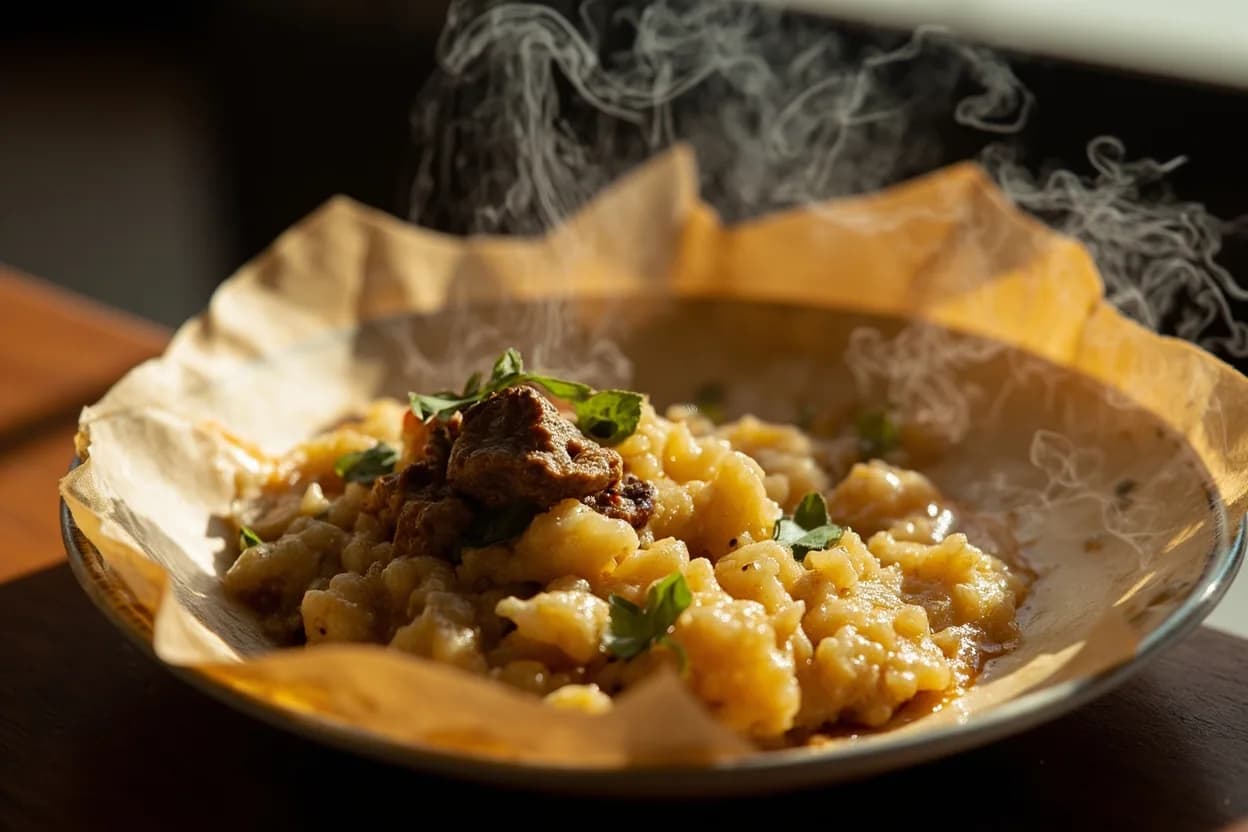
Appears in these dishes
Related
Egg
The kitchen's everything ingredient — bind, leaven, enrich, or fry
Chicken Breast
Lean, quick-cooking white meat for everyday dinners

Ground Beef
Versatile minced beef for burgers, ragù, tacos, and meatballs
Pork Loin
Lean, tender roasting cut that stays juicy with care
Salmon
Rich, rosy fish that roasts, grills, or cures beautifully

Egg White
Pure protein that whips to airy peaks for meringue and more
Egg Yolk
Rich, golden yolk for custards, mayonnaise, and pasta

Quail Egg
Tiny, speckled eggs for garnishing and elegant bites