Baking
Hong Kong Bun Flour
Ultra-fine, bleached low-protein flour for pillowy white Chinese buns and bread.
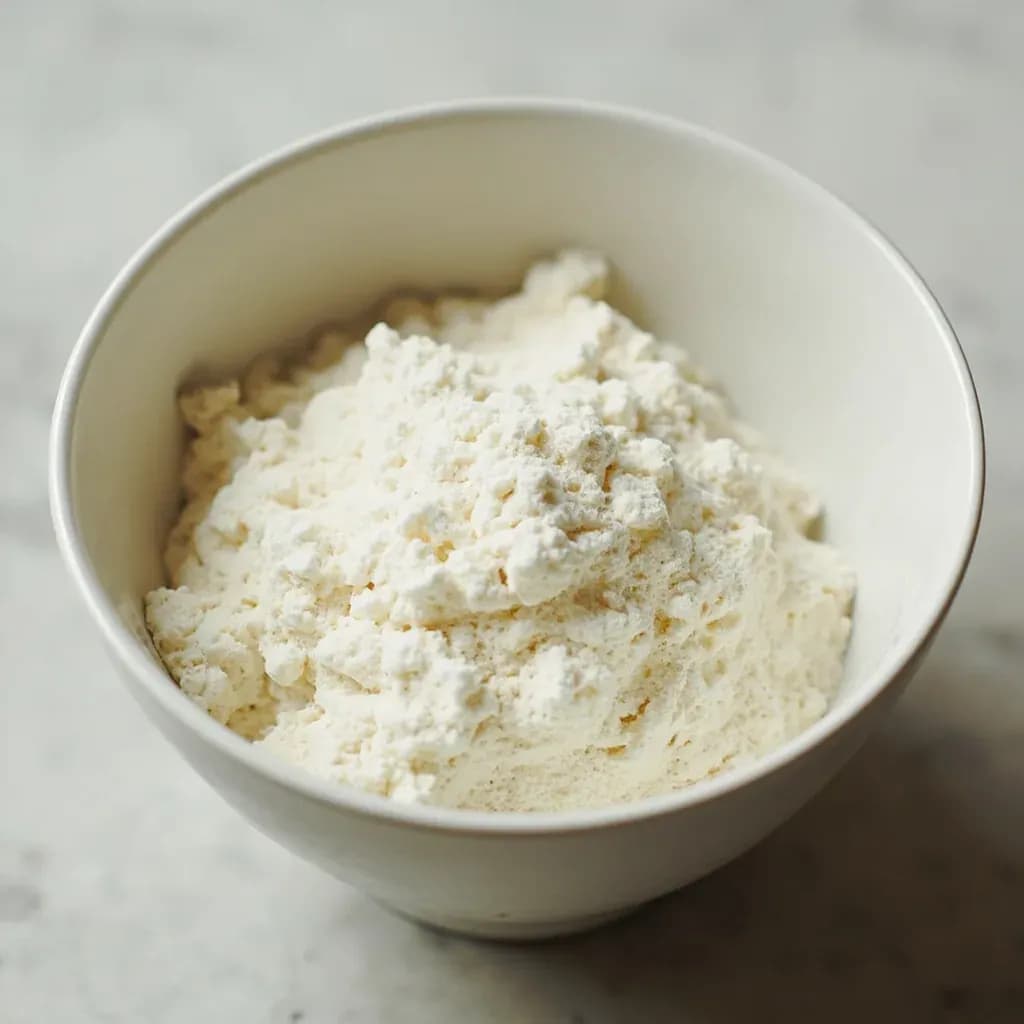
Hong Kong flour is an extra-fine, heavily bleached, low-protein wheat flour used to make snow-white, soft, fluffy Chinese baked goods. It produces the pale crumb and tender bite of bao, milk bread, and bakery buns. Its fine milling and low gluten give a delicate, cottony texture.
Hong Kong Bun Flour is a bleached, extra-fine low-protein wheat flour engineered specifically for the unique demands of Chinese steamed buns. With a protein content of just 7–9%—compared to 10–12% for standard all-purpose flour—this product minimizes gluten formation, producing a tender, cloud-like crumb rather than the chewy structure of Western bread. The ultra-fine milling (often finer than standard cake flour) allows rapid hydration and creates an exceptionally smooth dough that steam cooks into buns with a characteristic glossy dome and snowy interior.
The bleaching process, typically using benzoyl peroxide or chlorine gas, serves two purposes: it produces the bright white color expected of char siu bao, and it slightly damages the gluten-forming proteins to further reduce elasticity. During steaming, the starches gelatinize rather than caramelize, creating that distinctive pillowy texture that rebounds when pressed and splits cleanly along scored lines. This is fundamentally different behavior from baked goods, which is why substituting regular flour produces dense, bouncy results rather than the light, ethereal crumb proper to steamed buns.
The flour is imported primarily from Hong Kong, Taiwan, and China; major brands include Crown (Hong Kong), Lee Kum Kee, and Tai Mail (Taiwan). It is available from Asian grocery stores and specialty importers but remains limited in Western supermarkets. Store in an airtight container in a cool, dry pantry for a shelf life of 6–12 months.
- Measured in
- g
- Storage
- Pantry
Allergens
Types & varieties
The standard low-protein bleached flour for char siu bao and steamed buns; ~8% protein; slightly coarser milling than Taiwanese varieties
Very similar product, sometimes identical to Hong Kong flour; 7–8% protein; used specifically for bánh bao
Milled finer than Hong Kong varieties; typically lower protein; popular in Taiwan for dan tat and steamed applications
Why Protein Matters for Steamed Buns
The low protein content is not incidental—it is the functional foundation of steamed bun texture. When wheat flour hydrates, proteins glutenin and gliadin combine to form gluten strands that create structure. High-protein flours (bread flour at 12–14%) produce strong, chewy networks ideal for bread that must hold gas and develop a crust. Hong Kong Bun Flour's 7–9% protein produces only short, weak gluten strands that stretch minimally during proofing and yield completely under steam pressure.
During steaming, the temperature exceeds the gelatinization point of wheat starch (approximately 140–150°F), causing starch granules to swell and absorb moisture. This gelatinization, combined with the expansion of trapped gases from fermentation, creates the characteristic light, airy interior. If the protein content were higher, the gluten network would resist this expansion and produce a dense, bouncy crumb instead.
The Steaming Process
Steaming operates fundamentally differently from baking. Where baking dries the exterior and cooks from the outside in via dry heat, steaming cooks evenly throughout via moist heat at 212°F (100°C). This gentle, uniform heat allows the dough to rise fully without setting a crust, which is why steamed buns have that characteristic soft, cloud-like texture rather than a browned exterior.
- Steam over high heat for exactly 12–15 minutes
- Place a cloth between the steamer lid and pot to prevent water droplets from falling on buns and causing collapse
- Do not open the lid during steaming—the sudden temperature drop causes buns to collapse
- Let finished buns rest in the closed steamer for 2–3 minutes before opening to prevent wrinkling
Common uses
Tips & pitfalls
- Never substitute directly with all-purpose flour—the higher protein creates a dense, bouncy bun rather than a pillowy one; if you must substitute, blend 1 cup all-purpose flour with 2–3 tablespoons cornstarch and sift 4–5 times
- Dissolve yeast in warm liquid (95–105°F) before mixing—water over 110°F kills the yeast and your dough will not rise
- After kneading, always let the dough rest 30–60 minutes; this relaxation period makes shaping dramatically easier and produces a smoother exterior
- The dough should feel slightly tacky but should not stick to your fingers; if it sticks, lightly flour your hands rather than adding flour to the bowl
- Roll the edges of round buns thinner than the center—otherwise the center will not rise evenly and you'll get a dense spot
- Always use a cloth barrier in your steamer; water droplets hitting the buns during steaming cause the surfaces to collapse and wrinkle
- Steam for exactly 12–15 minutes over high heat; under-steaming leaves the interior raw and gummy, while over-steaming makes the buns tough
- Commercial bakeries sometimes add titanium dioxide for extra whiteness—this is unnecessary at home and the natural bleached color is already bright enough
Nutrition
Nutrition
No USDA FoodData Central match for Hong Kong Bun Flour yet. We surface a per-100 g profile once a generic whole-food entry is matched and verified.
In the shops
Matched grocery products
No matched grocery products for Hong Kong Bun Flour yet.
Good to know
- Protein Content
- 7–9% (very low; all-purpose flour ranges 10–12%)
- Texture
- Ultra-fine, powdery; creates smooth, lump-free batters and doughs
- Color
- Bright white due to bleaching (benzoyl peroxide or chlorine gas)
- Gluten Development
- Minimal — produces tender, cloud-like crumb rather than elastic structure
- Ash Content
- <0.4% (very low, indicating minimal mineral content)
- Origin
- Developed in Hong Kong for steamed bun production; now also produced in Taiwan and China
- Typical Brands
- Crown (Hong Kong), Lee Kum Kee, Tai Mail (Taiwan)
- Storage
- Airtight container in cool, dry pantry; 6–12 months shelf life
Substitutes
- Cake Flour — The closest Western substitute; 6–8% protein produces a similar tender texture but the crumb is slightly denser than true Hong Kong flour
- Pastry Flour — 8–9% protein; acceptable in a pinch but produces a chewier result; use only when slight resistance in the bun is acceptable
- All-Purpose + Cornstarch Blend — Mix 1 cup all-purpose flour with 2 tablespoons cornstarch; sift together 4–5 times to evenly distribute; reduces effective protein to approximately 8%
- Rice Flour — Not a true substitute; produces an entirely different sticky texture; only for gluten-free versions of steamed buns where texture will be noticeably different
Pairs with
Also called
Hong Kong Flour · Bun Flour · Pao Flour
Related

All-Purpose Flour
The do-anything flour for bread, cakes, sauces, and dredging

Bread Flour
High-protein flour for chewy, well-risen breads
Whole Wheat Flour
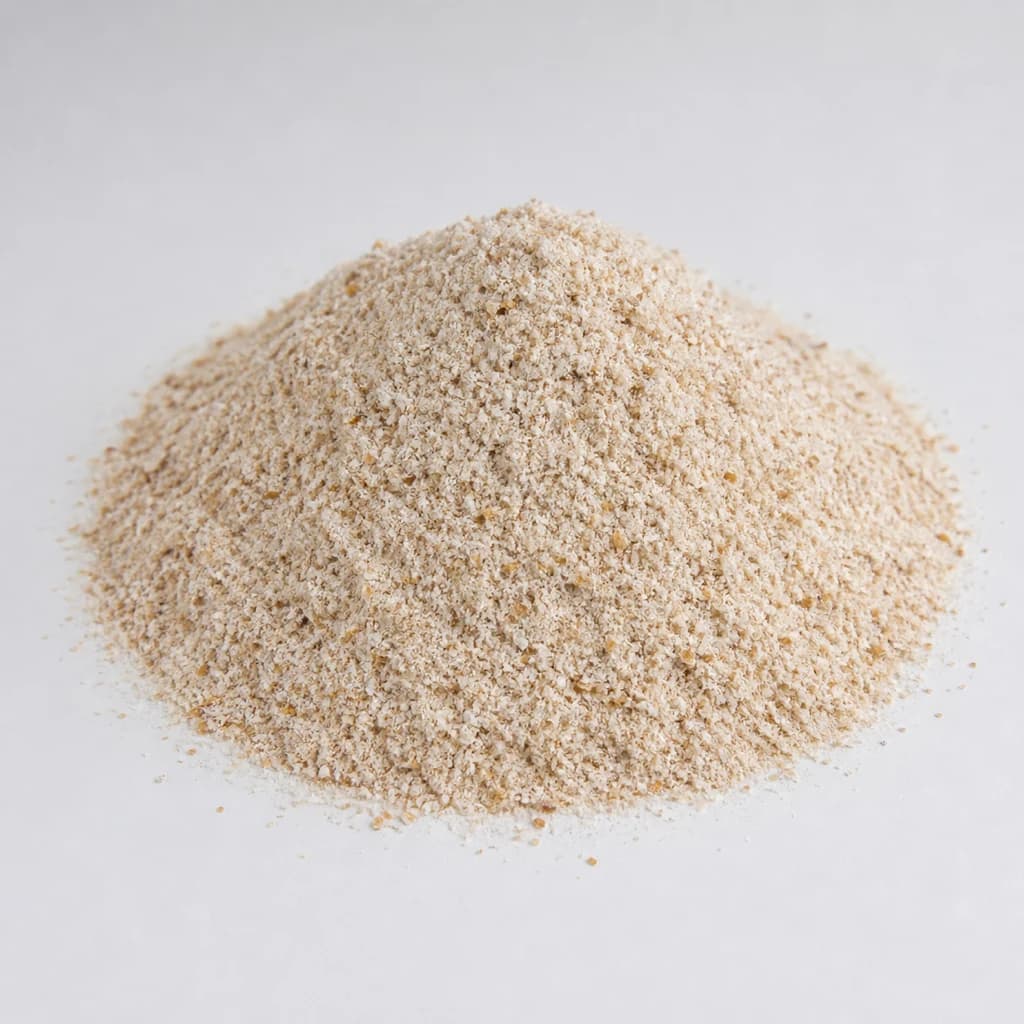
Nutty, whole-grain flour for hearty breads and bakes
Cake Flour
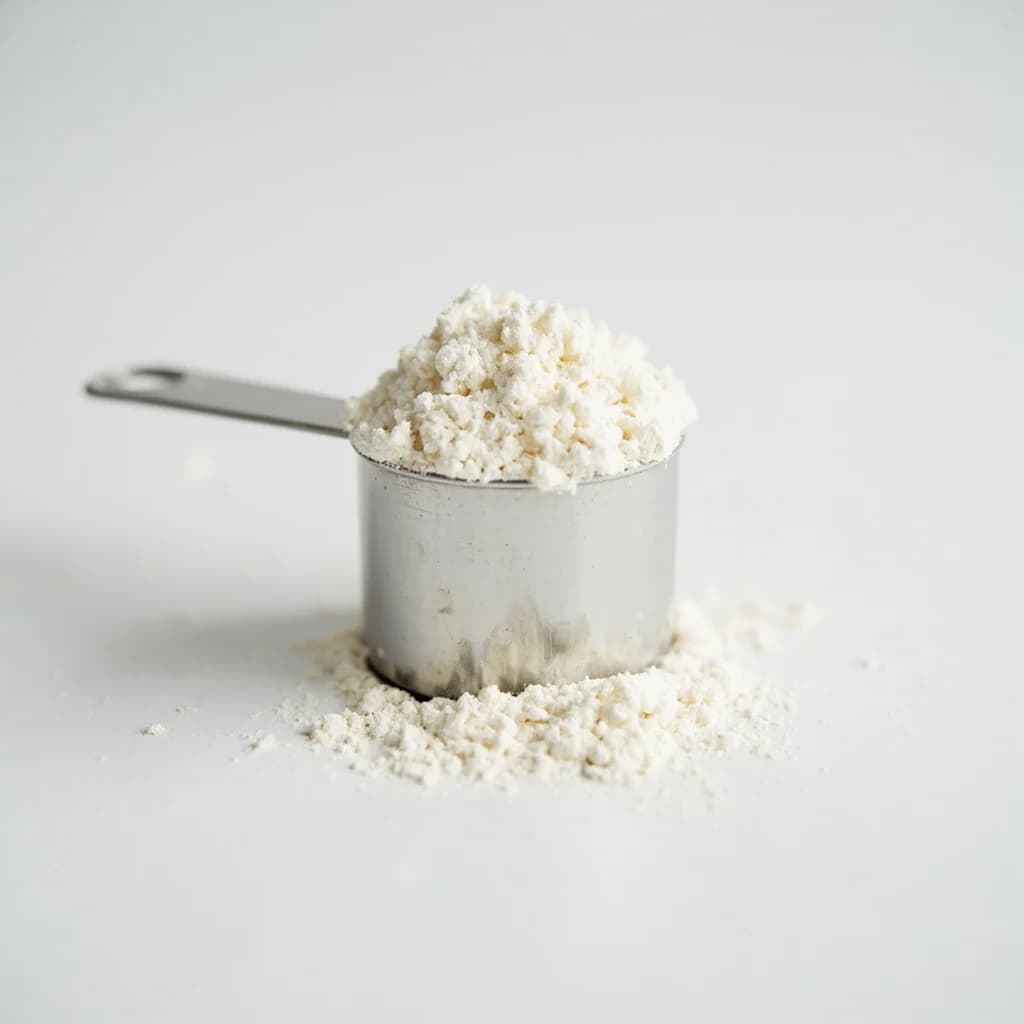
Fine, low-protein flour for tender, delicate cakes
Almond Flour
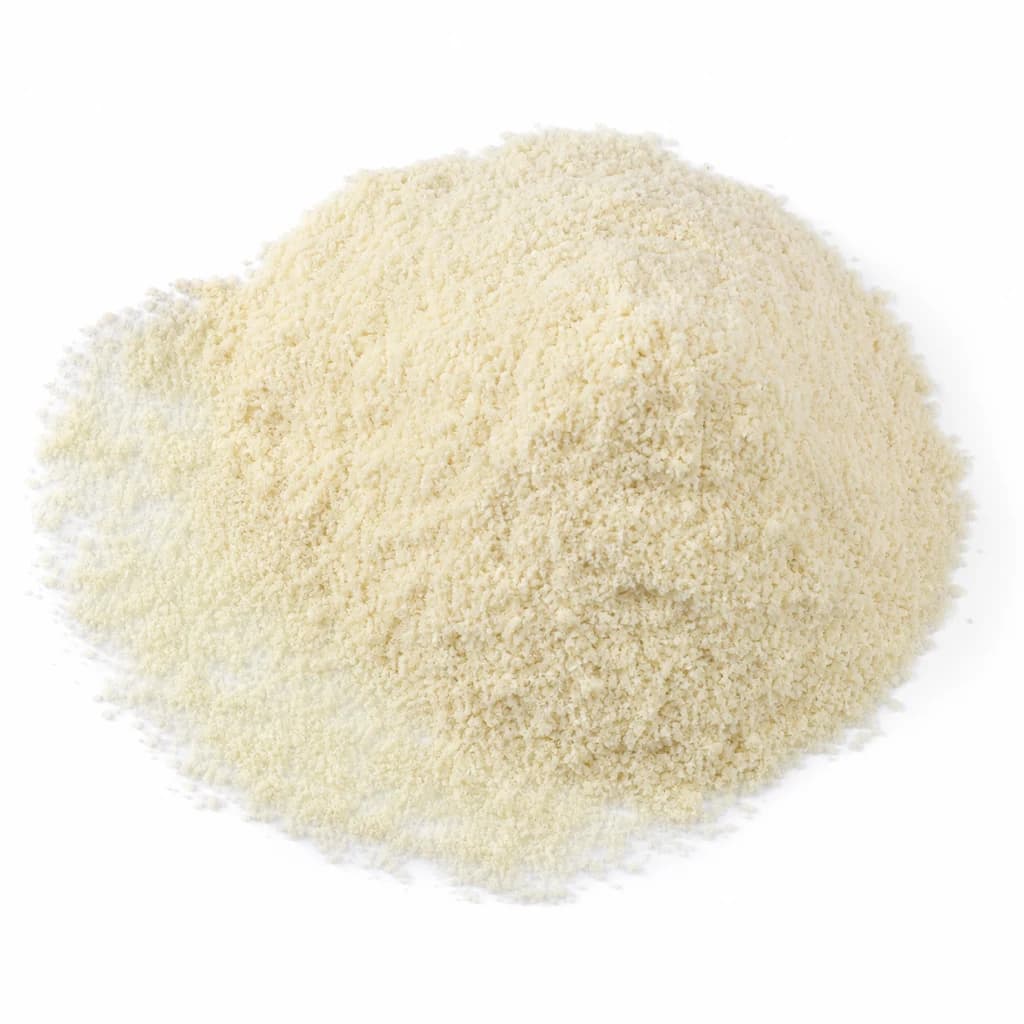
Nutty, gluten-free flour for macarons and tender bakes

Baking Powder
All-in-one leavener for fluffy cakes, pancakes, and biscuits

Baking Soda
Pure leavener that needs acid to lift — and tenderize
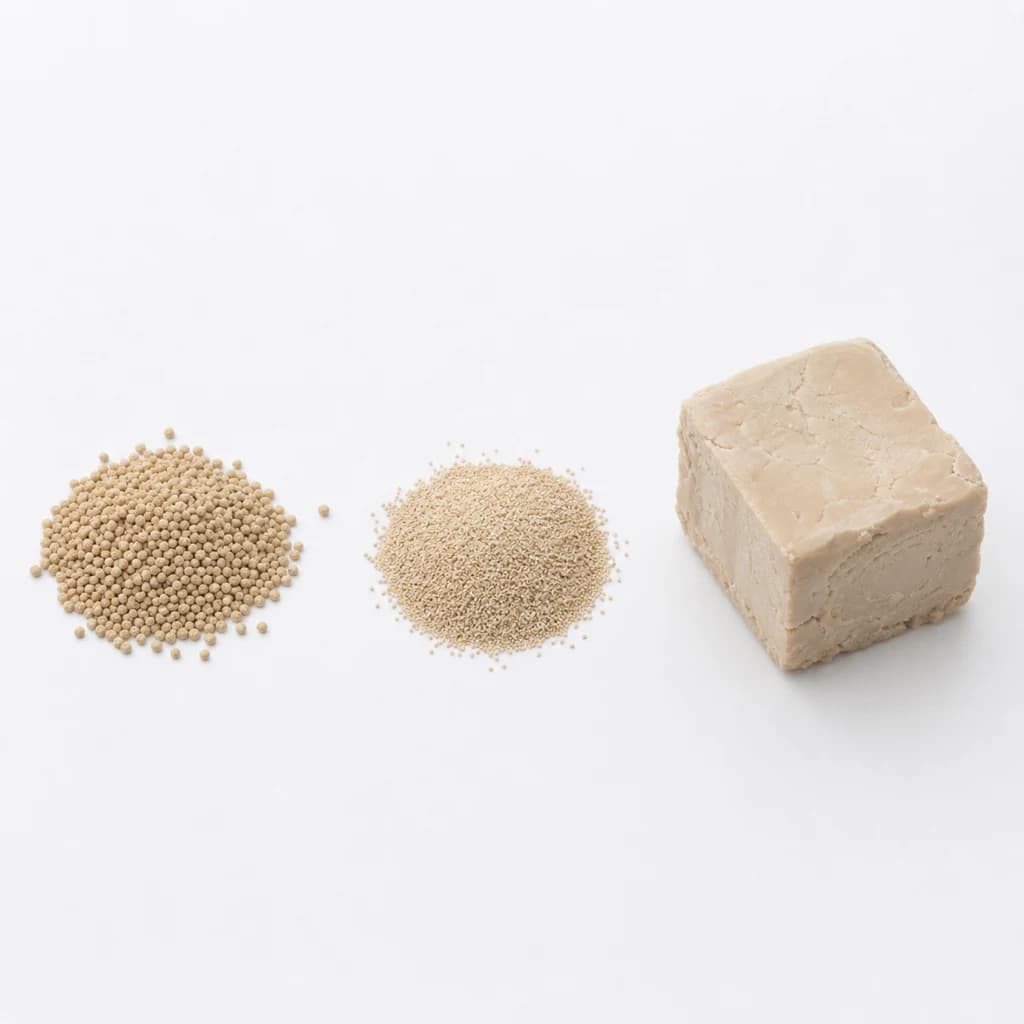
Yeast
Living leaven that makes bread rise and dough come alive