Proteins
Jobfish (Job)
Mild, snapper-like deep-water fish prized in the Pacific and Caribbean for clean white fillets.
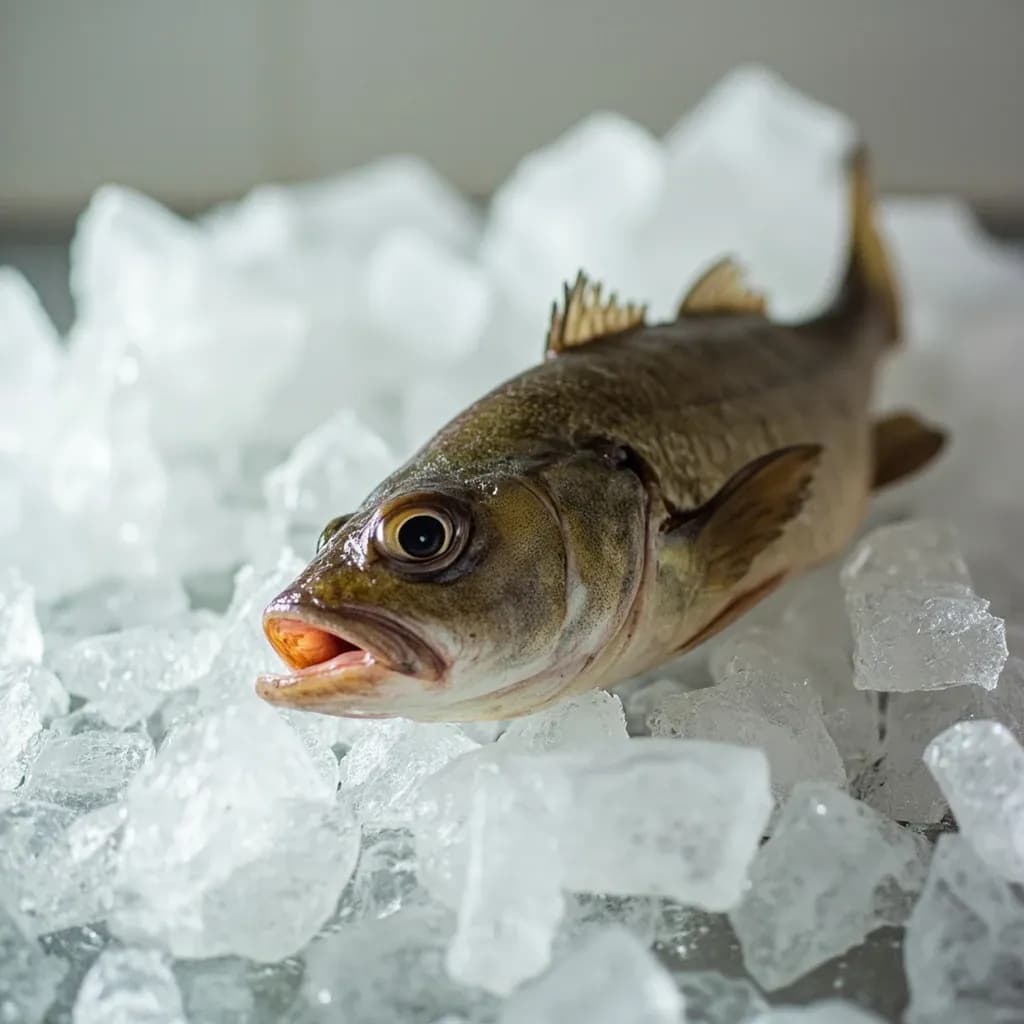
Jobfish is a deep-water fish related to snappers, with firm, mild white flesh and a clean flavor. It is valued in Pacific, Hawaiian and Caribbean cooking, grilled, baked or served raw. Its fine texture suits both delicate preparations and bold seasonings.
Jobfish is a market name, not a true taxonomic category, applied to several genera of deep-water, reef-associated fish across the Gymnocranius (sea bream) and Lutjanidae (snapper) families. The name is most established in Pacific Island and Caribbean commerce, where fishers and vendors have long grouped these lean, mild, white-fleshed species under a single commercial identity. All true jobfish share a lean, medium-firm texture with excellent moisture retention and clean, sweet flavor that makes them extraordinarily versatile in the kitchen. The confusion between markets is real and worth understanding: a buyer in Honolulu and one in Kingston are likely handling different species, but for cooking purposes this grouping holds — all fish sold as jobfish perform interchangeably in nearly any preparation. The lean flesh flakes easily when cooked, holds together well when cubed for tacos or ceviche, and stands up to moderate heat without drying as quickly as some other lean fish. This adaptability is what makes jobfish a valuable find at the fishmonger, particularly in communities where Pacific or Caribbean fishing traditions are strong.
- Measured in
- g
- Storage
- Fridge
Allergens
Types & varieties
Gymnocranius bitorquatus. The most commercially important jobfish; silver-gray body with faint blue lines along the head; widely sold in Pacific Island markets and exported frozen.
Gymnocranius spp. Characterized by faint iridescent blue lines on the face and gill cover; found from East Africa to the Central Pacific.
Gymnocranius grandoculis. Named for its prominent eye; occurs throughout the Indo-Pacific; common in Hawaiian and Tahitian markets.
Lutjanus sebae. Sometimes marketed as jobfish in parts of the Indian Ocean; larger species with bold red coloration; distinct from Gymnocranius but sold under the same common name in some markets.
Various lutjanid species sold as jobfish in the Caribbean and West Atlantic; may include mutton snapper (Lutjanus analis) and others under local market names.
Why the Market Name Matters for Buyers
The distinction between commercial market names and scientific taxonomy is not academic when you are sourcing responsibly. Regional fish markets have their own naming conventions built over generations of local fishing knowledge, and 'jobfish' emerged as a useful catch-all for fish that shared a similar appearance, texture, and value in the market. For sustainability certification and traceability, however, you need the specific species. When purchasing, ask your fishmonger for the scientific name or a species-specific common name rather than accepting 'jobfish' at face value. This is especially important in import markets where product from multiple fisheries may be commingled under a single market name. The practical cooking profile remains consistent across all species sold as jobfish, so the culinary argument for specificity lies in supporting well-managed fisheries and making informed choices about the fish you bring to your table.
- Request the scientific name from suppliers for sustainability verification
- Pacific Island markets typically sell Gymnocranius species
- Caribbean markets may use the name for lutjanid snappers
- All are interchangeable in recipes once you have a fresh, well-handled fillet
Common uses
Tips & pitfalls
- Buy whole or on the bone whenever possible — vacuum-sealed fillets from reputable fishmongers are acceptable but whole fish allows you to assess freshness by checking the gills (bright red) and eyes (clear, convex).
- Scale before filleting if cooking whole; scales are small but firmly attached in Gymnocranius species.
- The skin is thin but holds up to moderate heat — score it diagonally before cooking to prevent curling and ensure even render.
- Do not overcook. Jobfish is lean; target 8–10 minutes per inch of thickness at moderate heat. It will turn tough and dry if cooked past 145°F (63°C) internal temperature.
- Bring fillets to room temperature 20 minutes before cooking to reduce thermal shock and uneven cooking.
- Rest cooked fish 2–3 minutes before serving — residual heat continues cooking and the texture firms up slightly, improving flake.
- Common mistake: assuming its mild flavor means it can absorb strong sauces — it resists bold seasoning; keep accompaniments light to let the fish's clean taste dominate.
Nutrition
Nutrition
No USDA FoodData Central match for Jobfish (Job) yet. We surface a per-100 g profile once a generic whole-food entry is matched and verified.
In the shops
Matched grocery products
No matched grocery products for Jobfish (Job) yet.
Good to know
- Family
- Gymnocranius (Sea Bream / Monotaxidae); some markets group with Lutjanidae snappers
- Flavor
- Mild, slightly sweet; clean marine taste without pronounced fishiness
- Texture
- Medium-firm, moist; flakes easily; low oil content
- Color
- Pearl-white to off-white fillets; faint pinkish tint when raw
- Yield
- 40–45% from whole fish to skinless fillet
- Storage
- Refrigerate on ice within 2 hours of catch; use within 2 days for peak quality
- Freezing
- Blast freeze at −40°C; hold at −18°C for up to 3 months
- Sustainability
- Most stocks healthy but vary by region; check regional fishery advisories before purchase
- Common Markets
- Pacific Islands (Hawaii, Fiji, Tonga, Samoa), Caribbean, East Africa, Southeast Asia, Northern Australia
- Season
- Year-round; peak quality in cooler months
Substitutes
- Red Snapper — Closest flavor and texture match; slightly firmer; readily available in most markets.
- Mahi-Mahi (Dolphinfish) — Comparable lean, white-fleshed fish; slightly sweeter; cooks slightly faster due to lower density.
- Sea Bream (Sparidae) — Genuine culinary cousin; very similar flavor profile; same family as green jobfish.
- Grouper — Firmer texture; mild flavor; holds up well to robust cooking methods like blackening.
- Cod or Pacific Cod — Lean, white, flaky; works in most preparations; slightly more delicate; avoid for high-heat grilling.
Pairs with
Also called
Job · Green Jobfish · Uku
Related
Egg
The kitchen's everything ingredient — bind, leaven, enrich, or fry
Chicken Breast
Lean, quick-cooking white meat for everyday dinners

Ground Beef
Versatile minced beef for burgers, ragù, tacos, and meatballs
Pork Loin
Lean, tender roasting cut that stays juicy with care
Salmon
Rich, rosy fish that roasts, grills, or cures beautifully

Egg White
Pure protein that whips to airy peaks for meringue and more

Egg Yolk
Rich, golden yolk for custards, mayonnaise, and pasta

Quail Egg
Tiny, speckled eggs for garnishing and elegant bites