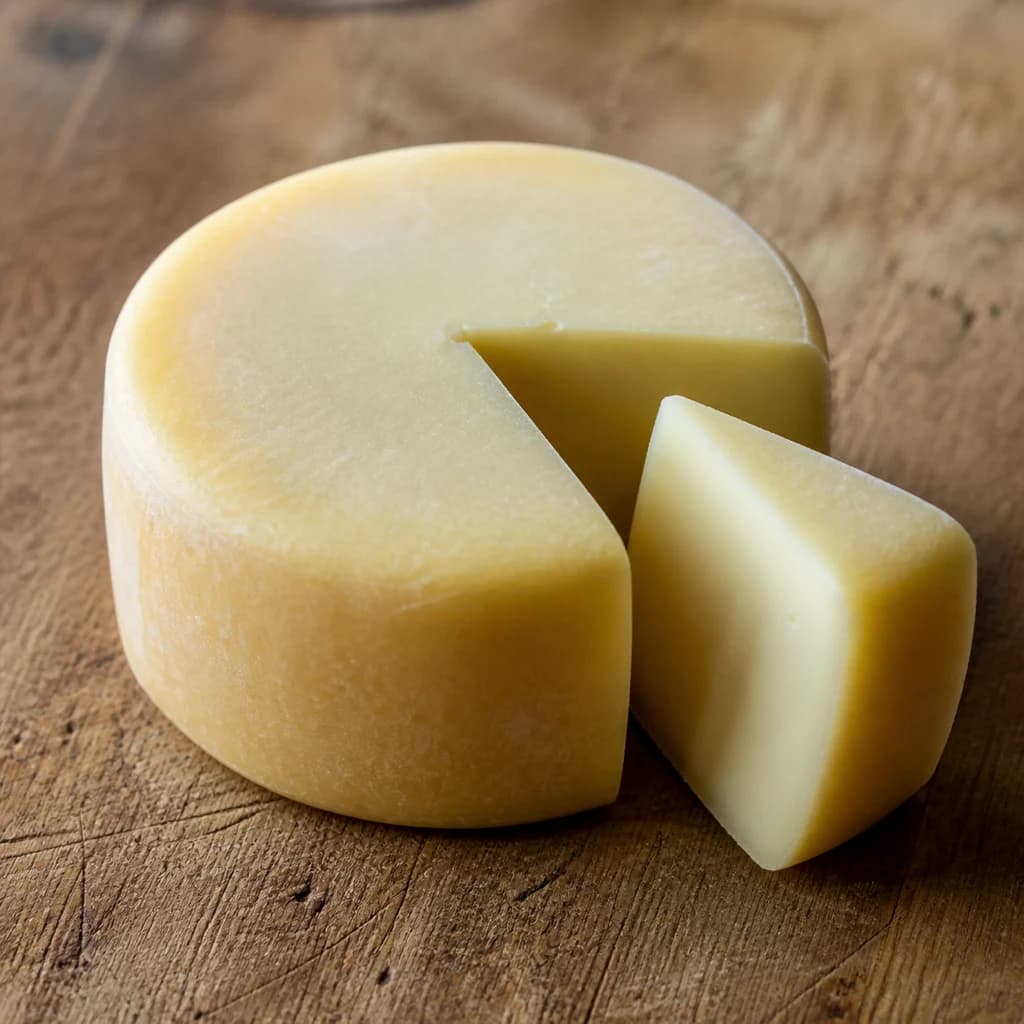
Natural form
A whole wheel of Kashkaval rests on a wooden board, showing its pale-yellow rind.
Shows the cheese in its intact, sold form so readers recognize it at market — the smooth pale-yellow exterior and compact wheel shape are the first identification cues.
Dairy & Eggs
Kashkaval
Firm yellow Balkan pasta-filata cheese, sliced for sandwiches or melted and grilled.
Kashkaval is a semi-hard, pale-yellow pasta-filata cheese made from sheep's or cow's milk across the Balkans, Turkey, and the Levant. It melts smoothly, so it is sliced for sandwiches, fried, or grilled, and grated over baked dishes. Aged versions turn sharper and saltier, comparable to a young provolone or caciocavallo.
Kashkaval is a pasta-filata (stretched-curd) cheese made primarily in Bulgaria and Serbia, with related production in Turkey, Romania, and North Macedonia. Unlike brined white cheeses such as sirene or feta, kashkaval is dry-aged without brine, giving it a firm, slightly elastic texture that behaves quite differently in the kitchen. It occupies a similar culinary niche to younger Gruyère or Provolone—reliable for melting, capable of shredding when aged, and versatile across both hot and cold preparations. The term is used loosely across the Balkans and Turkey, so products labeled kashkaval can range from mild and buttery to moderately sharp depending on origin and aging time.
The cheese is made by heating curds in whey or brine and stretching them repeatedly—a process that aligns its protein fibers and gives kashkaval its characteristic elasticity. When young (several weeks old), it melts evenly without excessive oil separation, making it ideal for grilling and frying. As it ages over several months, it hardens and develops a nuttier, more pronounced flavor suited for grating. The yellow color comes from annatto or carrot juice, natural or artificial, but this affects only appearance, not taste. Match the age to the application: younger for melting, older for grating.
Kashkaval's melting properties are its defining asset. It holds shape reasonably well at moderate heat while achieving a smooth, even melt—unlike harder cheeses that clump or softer ones that turn greasy. This makes it particularly valuable in Balkan and Turkish cuisines for dishes like banitsa, byrek, and grilled cheese sandwiches where a satisfying melt without stringiness or oil pooling is desired. Its flavor is mild to moderately sharp with nutty undertones, so it won't overpower other ingredients but adds meaningful richness when used generously.
- Measured in
- g
- Storage
- Fridge
Allergens
Types & varieties
Bulgarian; widely distributed commercial variety, good all-purpose cheese
Bulgarian; slightly different texture and aging profile
Serbian version; often produced in larger wheels
Romanian equivalent; similar production method and uses
Turkish stretched-curd cheese; closely related, often used interchangeably
Kashkaval vs. Brined Balkan Cheeses
The most common confusion with kashkaval is grouping it with brined white cheeses like sirene (Bulgaria) or feta (Greece). These brined cheeses are soft, crumbly, and intensely salty from their storage in whey or salt brine. Kashkaval, by contrast, is dry-aged, firm, and has no brine component. In Balkan cooking, this distinction matters practically: brined cheeses are used as table cheeses, salad toppings, and pastry fillings where their crumbling texture and saltiness are assets. Kashkaval is used where melting or slicing is needed—on pizzas, in grilled sandwiches, or for frying. When a recipe calls for kashkaval specifically, substituting brined cheese will yield an entirely different result.
- Sirene and feta are brined; kashkaval is dry-aged
- Brined cheeses crumble, kashkaval slices and melts
- Use kashkaval where the recipe requires melting or firm texture
- Substituting brined cheese for kashkaval will oversalt and undermelt the dish
Age and Application
Kashkaval's behavior changes meaningfully with aging, and choosing the right age for your purpose matters more than with many other cheeses. Young kashkaval (a few weeks old) has the best elasticity—it stretches when heated and melts smoothly without toughening. This is what you want for grilled cheese sandwiches, frying, pizza toppings, and any dish where you want the cheese to become gooey and cohesive. Older kashkaval (several months) develops a harder, drier texture and a more concentrated, sharper flavor. It grates cleanly and works well as a finishing cheese sprinkled over dishes, similar to how younger Parmesan might be used. When shopping, ask the vendor or check labeling if possible; if the cheese feels quite firm and heavy for its size, it's better suited for grating than melting.
- Young = elastic, good melt; buy this for grilling, frying, pizza
- Older = hard, sharp; grate it for finishing dishes
- Harder cheeses can still melt but may turn rubbery if overheated
- Bring younger kashkaval to room temperature before cooking for even melting
Common uses
Tips & pitfalls
- Choose younger kashkaval for melting—it has better elasticity and less toughening during cooking
- Slice thinly for sandwiches; cut thicker for grilling to prevent over-browning before the center melts
- If a rind forms during storage, trim it before use as it becomes tough and unpleasant
- Do not overheat: high heat causes rubbery texture and destroys the smooth melt quality
- For frying, coat slices in flour or breadcrumbs for a crispier crust and better structural integrity
- Shred or grate harder, aged kashkaval directly onto dishes; it substitutes for Parmesan in some Eastern European preparations
- Store wrapped tightly in plastic wrap or an airtight container to prevent drying and absorbing refrigerator odors
- When substituting kashkaval in recipes designed for mozzarella, use slightly less—its flavor is more concentrated
- Bring kashkaval to room temperature before cooking; cold cheese melts unevenly and may seize
- Avoid freezing: the texture breaks down and results in crumbly, poor-melting cheese when thawed
Nutrition
Energy
1628 kJ · per 100 g
Where the calories come from
Protein
25.6g
51% DV
Carbs
1.6g
1% DV
Fat
31.1g
40% DV
Fiber
0g
0% DV
Sugars
1.6g
of which
Sodium
800mg
35% DV
Source · USDA FoodData Central · approx. Cheese, fontina
View on FDC →In the shops
Matched grocery products
No matched grocery products for Kashkaval yet.
Good to know
- Origin
- Balkans (Bulgaria, Serbia); also Turkey, Romania, North Macedonia
- Milk
- Primarily cow's milk; sheep's milk versions available
- Type
- Pasta filata (stretched curd)
- Color
- Yellow from annatto or carrot juice (natural or artificial)
- Texture
- Firm, smooth, slightly elastic when young; harder when aged
- Flavor
- Mild to moderately sharp, nutty; intensifies with aging
- Aging
- Several weeks to months; younger melts better, older grates well
- Shelf Life
- Refrigerated: 4–6 weeks sealed; freezing not recommended
Substitutes
- Mozzarella — Best melt substitute; use equal amount, slightly lower fat versions work fine
- Provolone — Similar stretching properties and mild-to-sharp flavor progression
- Young Gruyère — Comparable nutty flavor and good melting; more expensive
- Young Gouda — Similar texture and melting; slightly sweeter
- Emmental — Acceptable for melting; milder flavor, better for baking
Also called
Kaçkavall · Yellow Cheese (Kashkaval) · Kashkaval Cheese
Appears in these dishes

Related

Whole Milk
Rich, full-fat milk for drinking, coffee, sauces, and baking
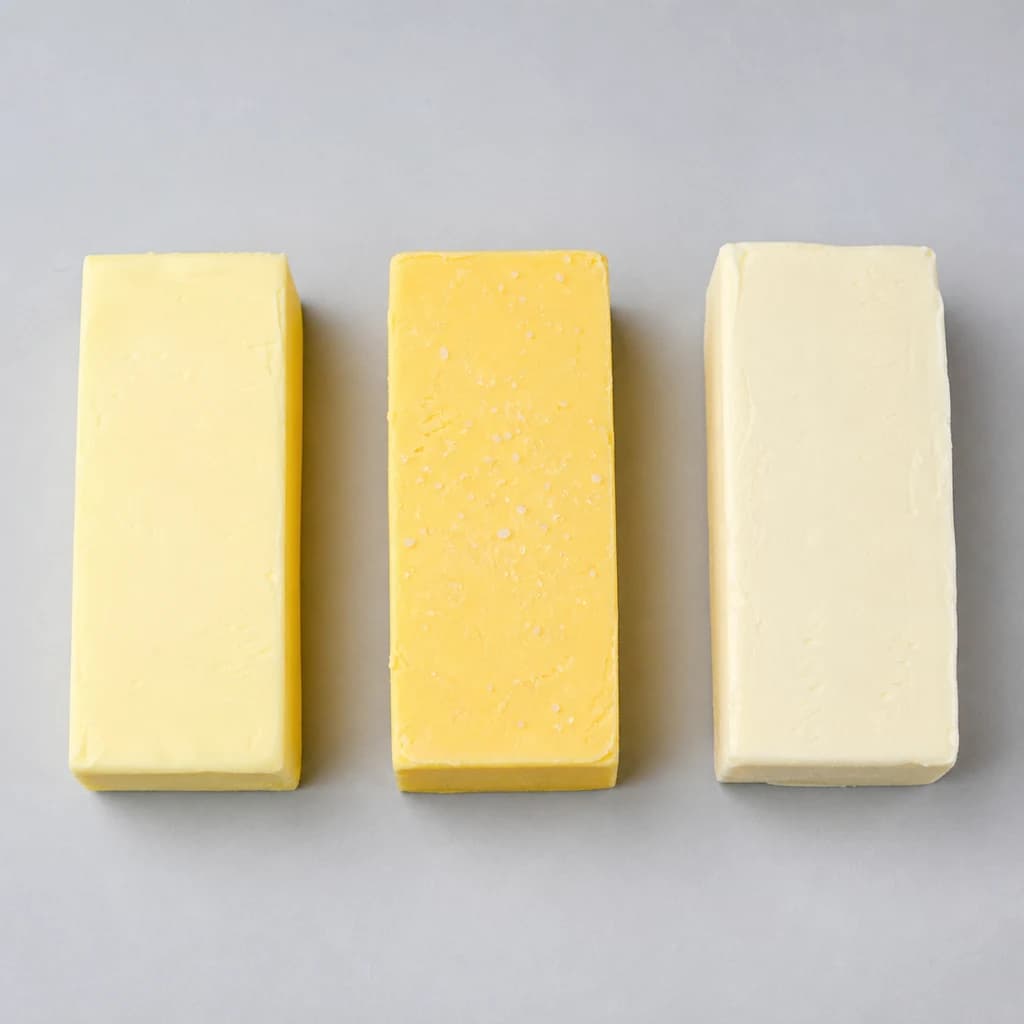
Butter
Golden fat for searing, baking, and finishing a sauce
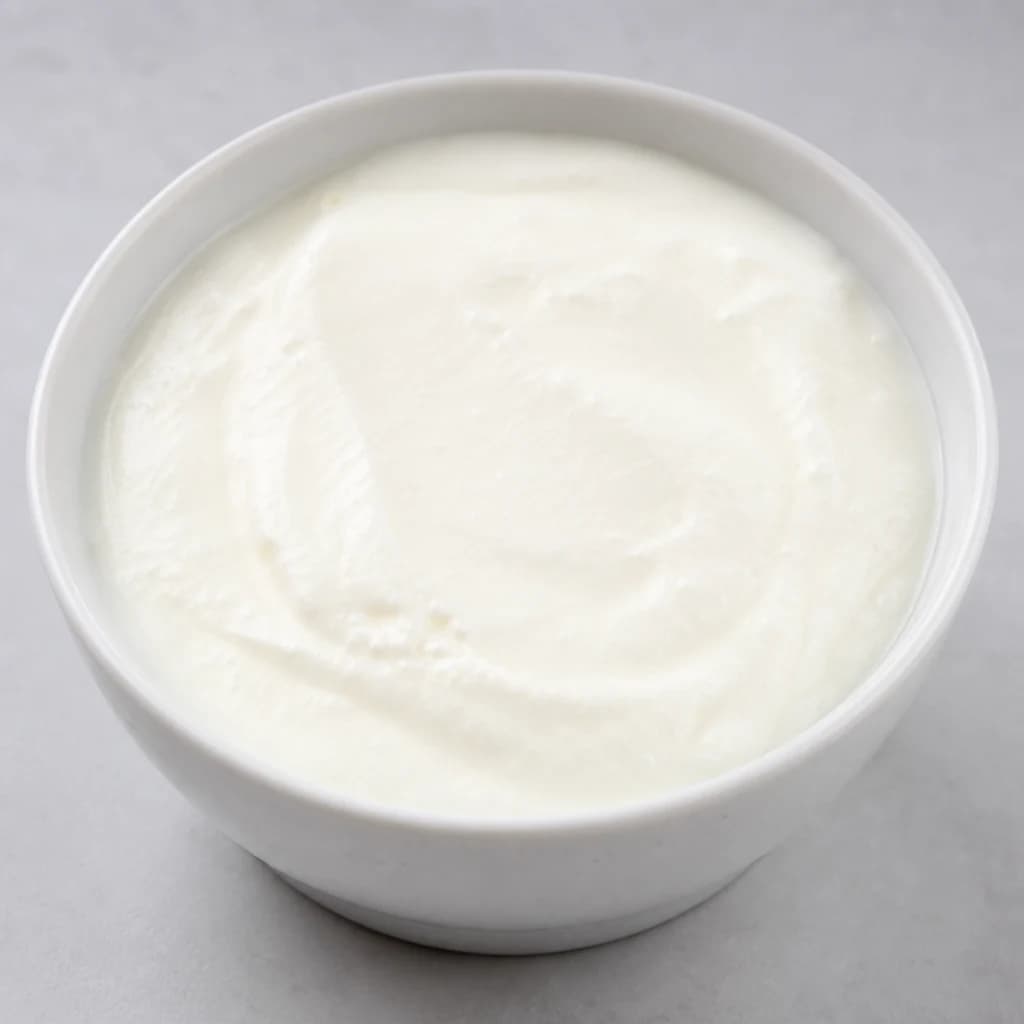
Yogurt
Tangy, creamy culture for breakfast, sauces, and marinades
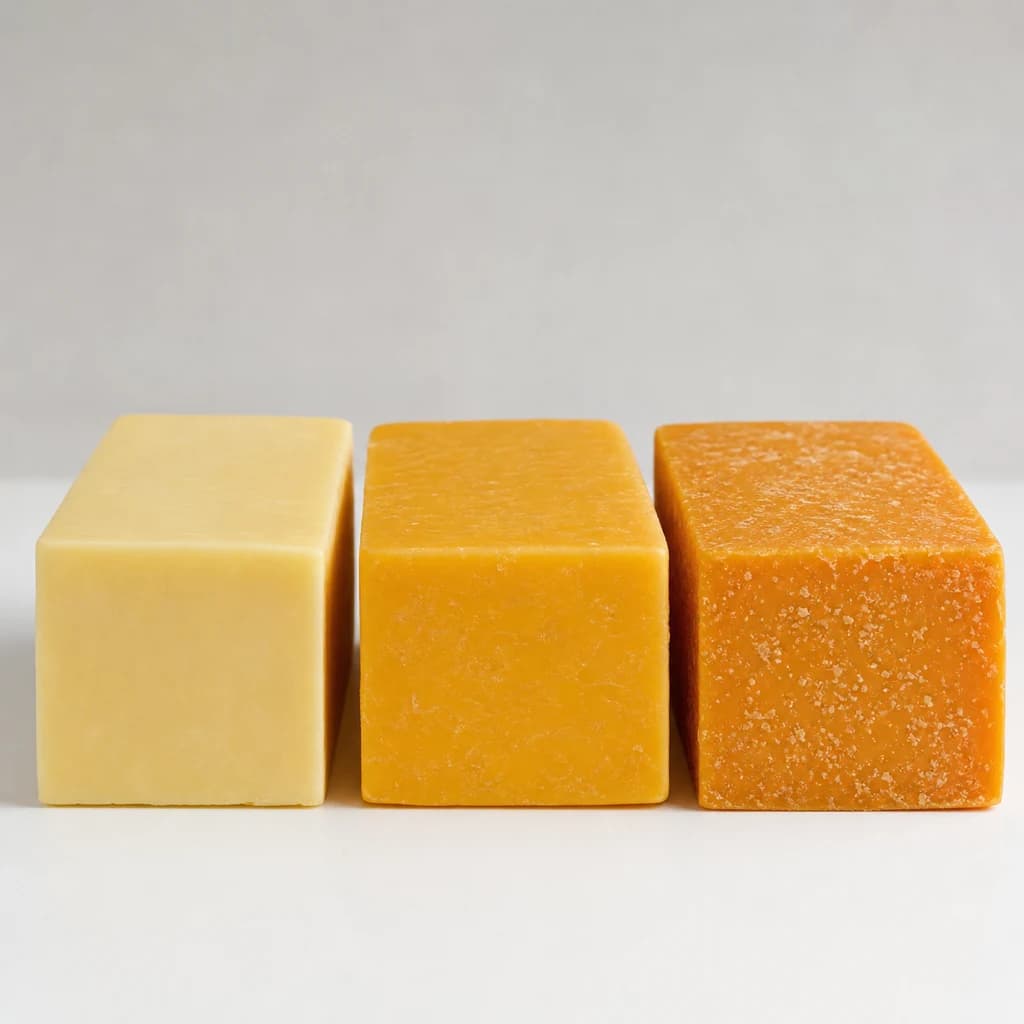
Cheddar Cheese
Sharp, melty cheese for sandwiches, gratins, and grating
Skim Milk
Fat-free milk for lighter drinking, coffee, and cooking
Heavy Cream
Rich cream that whips, enriches sauces, and sets ganache

Sour Cream
Tangy, thick cream for dolloping, baking, and dips
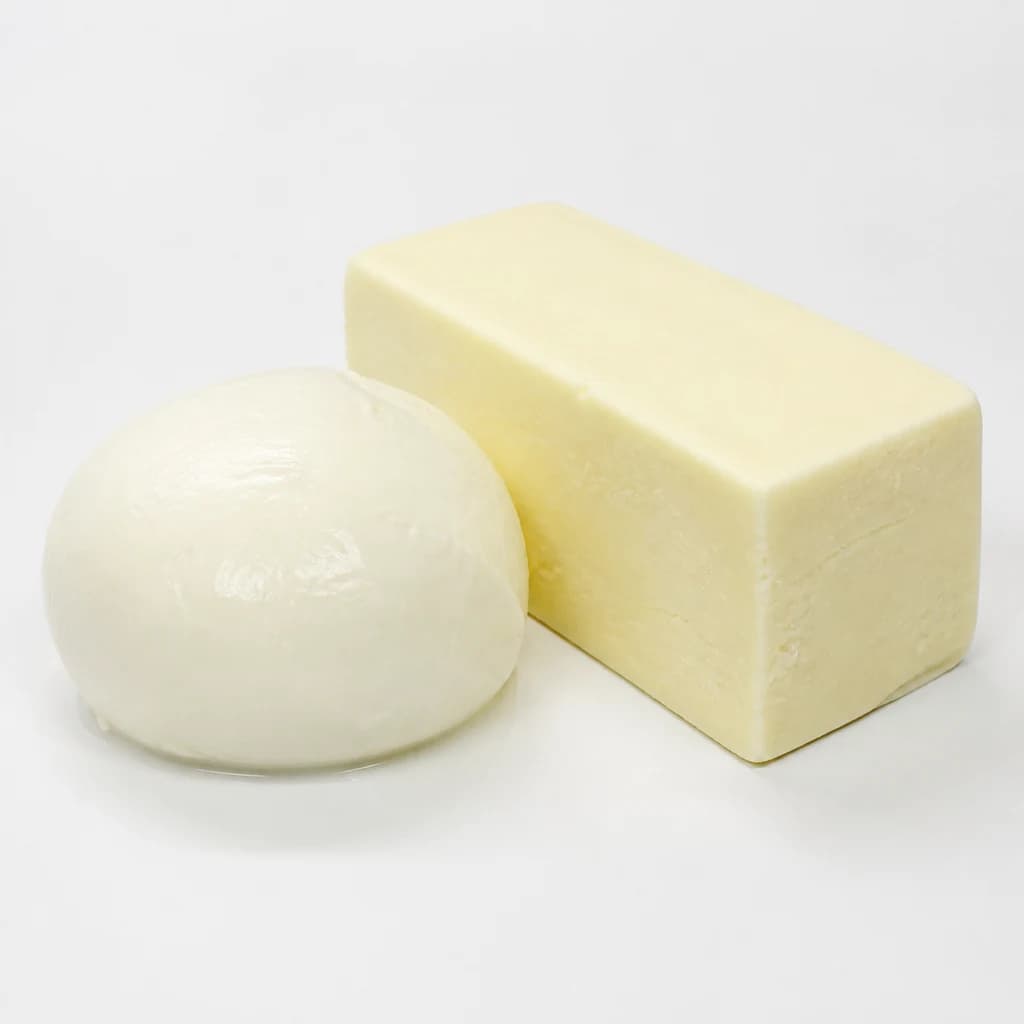
Mozzarella
Soft, milky cheese that melts into stretchy pizza pulls