Natural form
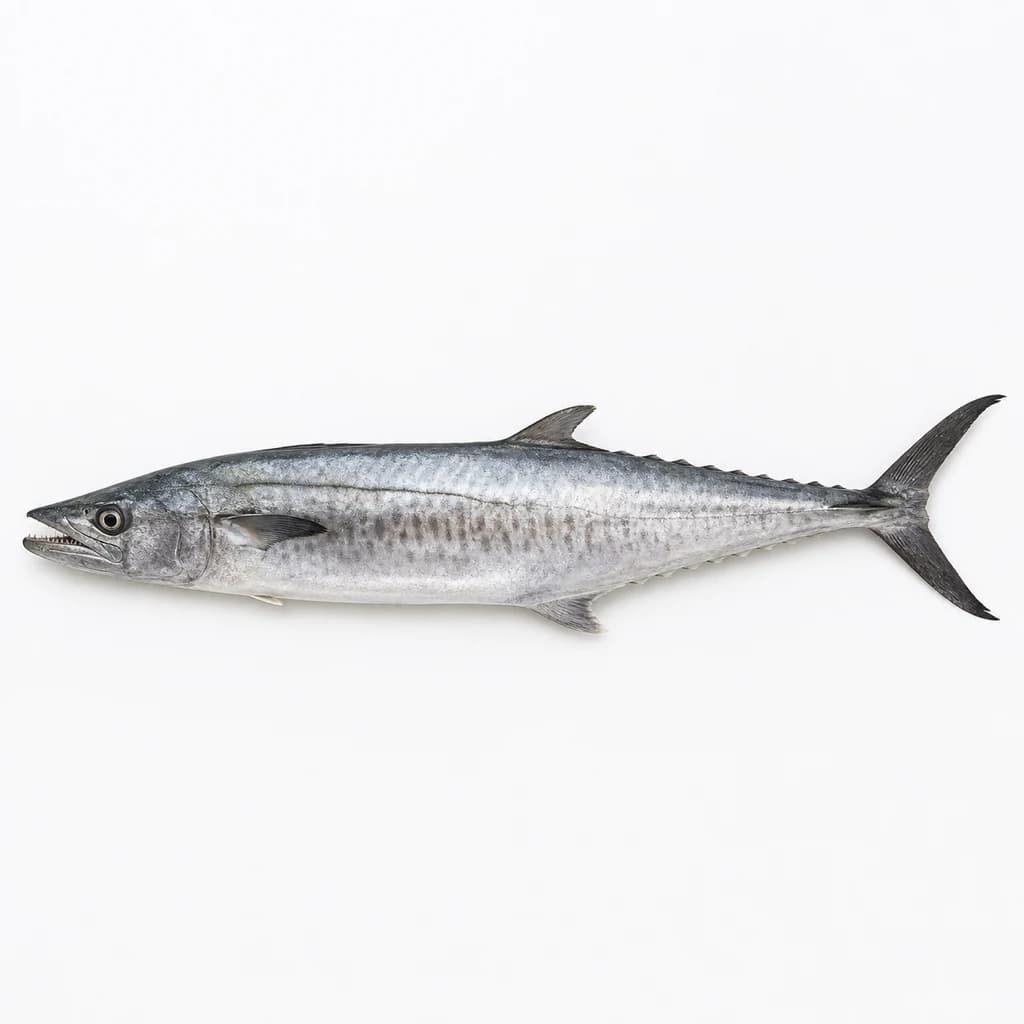
Whole kingfish (king mackerel) showing its elongated silver body with lateral stripe.
Establishes species identity — the iridescent silver skin, elongated torpedo shape, and forked tail are the primary recognition features of king mackerel.
Proteins
Kingfish
Firm, oily game fish cut into steaks — grilled, fried, or curried across tropical coasts.
Kingfish is a large, firm, oily-fleshed game fish (king mackerel) cut into thick steaks and cutlets. Its dense, meaty texture stands up to grilling, frying, and rich spiced curries across South Asia, the Caribbean, and Pacific islands. The bold flavor pairs well with assertive marinades and slow simmering.
Kingfish is a common market name applied to several distinct species of large, predatory ocean fish found in tropical and subtropical waters worldwide. The term most often refers to King Mackerel (Scomberomorus cavalla) in the United States, Yellowtail Kingfish (Seriola lalandi) in Australia and New Zealand, and various related species across the Indo-Pacific. All belong to either the Scombridae (mackerel) or Carangidae (jack) families, and all share a common profile: firm, moist flesh with large flakes, a pronounced oily richness, and fat content between 10–15%. This combination makes kingfish exceptionally forgiving on the grill—it resists drying better than lean fish—but also means it can feel heavy or overwhelming if mishandled. The flesh ranges from pinkish-gray to beige, with a darker lateral muscle strip that may appear greenish in larger King Mackerel; this discoloration is normal, caused by myoglobin and enzymes, and does not indicate spoilage. Kingfish commands respect for its bold, gamey character, making it a staple of tropical coastal cuisines from the American Atlantic to Southeast Asia, yet it remains underutilized in many home kitchens due to its intensity.
In terms of culinary behavior, kingfish occupies a middle ground between true mackerels and leaner oceanic predators like tuna. Its connective tissue and fat distribution allow it to stand up to high-heat methods—grilling, pan-searing, broiling—without falling apart, while its richness responds well to bright acids, aromatic herbs, and bold spice mixtures. Steaks cut from the cross-section of the fish are the most common preparation, though center-cut fillets and whole small fish are also excellent. Kingfish's oily nature means it benefits from generous heat and adequate fat in the cooking vessel; lean preparations or insufficient heat will leave it tasting flabby rather than succulent. The fish is an excellent source of omega-3 fatty acids (EPA and DHA) and protein—about 20g per 100g serving—but its moderate-to-high mercury content warrants limiting consumption to 1–2 servings per week for adults.
The specific species you encounter matters. King Mackerel, the dominant commercial catch in US markets, has the strongest, most assertive flavor and the characteristic greenish lateral muscle. Yellowtail Kingfish from the Southern Hemisphere is generally milder and more delicate, commanding premium prices. Northern Kingfish (Menticirrhus saxatilis) found on the Atlantic coast of North America is smaller and sweeter, often marketed as simply 'kingfish' in New England fish markets. Indo-Pacific Kingfish (Scomberomorus guttatus) is the workhorse of South and Southeast Asian cooking. Understanding which species you have—and adjusting your seasoning and technique accordingly—makes the difference between a dish that tastes brutish and one that showcases the fish's magnificent richness.
- Measured in
- g
- Storage
- Fridge
Allergens
Types & varieties
Atlantic species; most common 'kingfish' in US markets; strongest, most assertive flavor
Indo-Pacific and Southern Hemisphere; prized in Australian, NZ, and South African cuisines; mildest flavor of the kingfish types
Atlantic coast of North America; smaller, sweeter; marketed as 'kingfish' in New England
Found from India through Southeast Asia to Indonesia; important in South and Southeast Asian cooking
The Lateral Line Muscle: What It Is and How to Handle It
The darker, sometimes greenish strip running along the side of larger kingfish is the lateral line muscle, a specialized tissue that powers sustained swimming in open water. It contains higher concentrations of myoglobin and enzymes than the rest of the fillet, which gives it that darker color and a stronger, more 'fishy' flavor. This tissue is perfectly safe to eat but can dominate the flavor of a dish if left in. For milder preparations—pan-seared fillets, carpaccio, tartare—trim it out. For bold preparations where you want maximum fishy intensity—strong curries, heavily spiced dishes—leave it in. The lateral line also has a slightly different texture, coarser and denser, so consider your final presentation when deciding.
- The greenish discoloration in larger King Mackerel is caused by myoglobin, not spoilage
- Trim for milder dishes; leave in for assertive preparations
- Removing it also improves visual appeal of pale fillet dishes
Cooking Behavior and Texture
Kingfish's firm texture and high fat content make it remarkably resilient to overcooking compared to lean fish like sole or cod. The fat renders during cooking, basting the flesh from within and preventing the dry, chalky texture that plagues lean fish. This resilience has limits, however. Beyond medium (when the flesh yields easily to gentle pressure and shows just a hint of translucency at the center), the fat mobilizes and the flesh becomes soft and greasy rather than rich and moist. For grilled steaks, aim for an internal temperature of 55–57°C (130–135°F) for medium-rare; for pan-seared or broiled preparations, pull at 52–54°C (125–130°F). The fish will continue cooking during resting, climbing another 2–3 degrees.
- Kingfish is more forgiving than lean fish but still overcooks
- Best served medium-rare to medium; flesh should yield to gentle pressure
- Thicker cuts (3–4 cm) are more forgiving than thin ones
- Rest cooked fish 2–3 minutes before slicing to redistribute juices
Common uses
Tips & pitfalls
- Bring fish to room temperature 20–30 minutes before cooking for even heat distribution and consistent doneness throughout the steak
- Score the skin and fat layer on thick steaks (3 cm+) with a sharp knife in a crosshatch pattern to prevent curling and ensure even cooking across the entire surface
- For grilled kingfish, oil both the fish generously and the grill grates; kingfish's natural oils help prevent sticking, but starting with well-lubricated grates is essential
- Do not overcook—kingfish is best when the flesh still shows slight translucency at the bone and yields easily to gentle finger pressure; it should feel like pressing the meat between your thumb and forefinger when making a loose fist
- When pan-searing, always start skin-side down (if present); the skin crisps and acts as a stable handle for turning
- Northern Kingfish has a more delicate flavor than King Mackerel and benefits from lighter seasoning; larger King Mackerel can stand up to bold marinades and aggressive spices
- To reduce the stronger 'fishy' taste of larger specimens, bleed the fish immediately upon catch and remove the dark lateral muscle strip before cooking
- Kingfish steak thickness: 2.5–4 cm is ideal; thinner cuts dry out quickly, thicker cuts don't cook evenly without scorching the exterior
- If smoking kingfish, maintain temperatures between 40–50°C (105–120°F) for cold-smoking or 60–70°C (140–160°F) for warm-smoking; temperatures above 75°C will cause the fat to render too quickly and the flesh to dry out
- Store kingfish on ice or at near-freezing temperatures; its high fat content makes it more susceptible to oxidation and rancidity than lean fish
Nutrition
Energy
439 kJ · per 100 g
Where the calories come from
Protein
20.3g
41% DV
Carbs
0g
0% DV
Fat
2g
3% DV
Fiber
0g
0% DV
Sodium
158mg
7% DV
Source · USDA FoodData Central · Fish, mackerel, king, raw
View on FDC →In the shops
Matched grocery products
No matched grocery products for Kingfish yet.
Good to know
- Scientific Family
- Scombridae (mackerels) or Carangidae (jacks); species varies by region
- Primary Species
- King Mackerel (S. cavalla), Yellowtail Kingfish (S. lalandi), Northern Kingfish (M. saxatilis), Indo-Pacific Kingfish (S. guttatus)
- Flavor Profile
- Bold, pronounced fish flavor; rich, oily taste; firm, moist texture with large flakes
- Fat Content
- 10–15% lipids; excellent source of omega-3s (EPA and DHA)
- Protein
- Approximately 20g per 100g serving
- Mercury Level
- Moderate to high; limit to 1–2 servings per week for adults
- Color When Raw
- Pinkish-gray to beige flesh; darker lateral line muscle may appear greenish in larger King Mackerel (normal, not spoilage)
- Preferred Cuts
- Cross-cut steaks (2.5–4 cm thick), center-cut fillets, whole (small fish)
Substitutes
- Spanish Mackerel — Similar oil content and firm texture; slightly milder flavor; use 1:1 in most preparations
- Wahoo (Ono) — Leaner but with comparable firm texture; milder flavor; good for those who find kingfish too assertive
- Bluefin or Yellowfin Tuna — Firm texture and rich flavor; holds up to similar cooking methods; best for grilled preparations
- Salmon (Atlantic or King/Chinook) — Different fat profile but similar cooking behavior; softer flakes; acceptable for most preparations
- Swordfish — Very firm, leaner; stands up to grilling and broiling; substitute 1:1 in most recipes
Pairs with
Also called
King Fish · King Mackerel
Appears in these dishes
Related
Egg
The kitchen's everything ingredient — bind, leaven, enrich, or fry
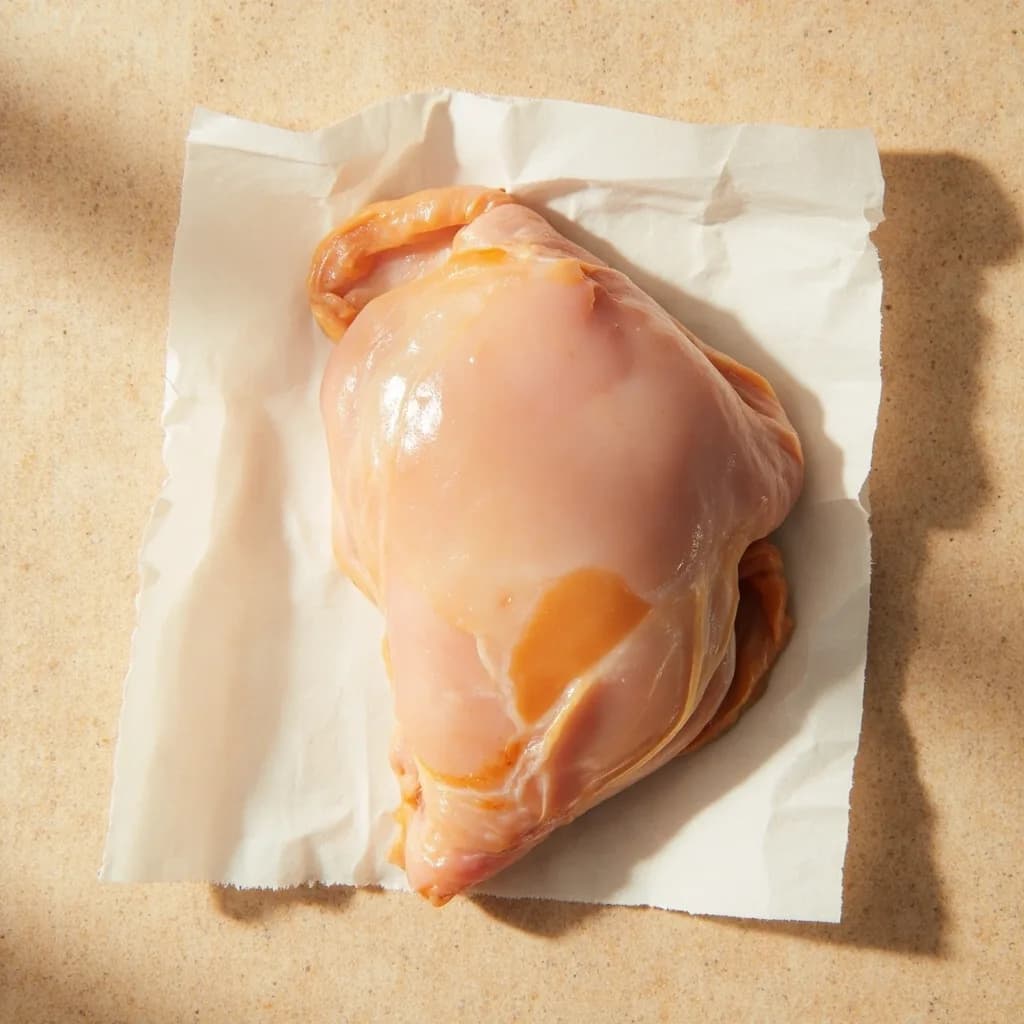
Chicken Breast
Lean, quick-cooking white meat for everyday dinners

Ground Beef
Versatile minced beef for burgers, ragù, tacos, and meatballs
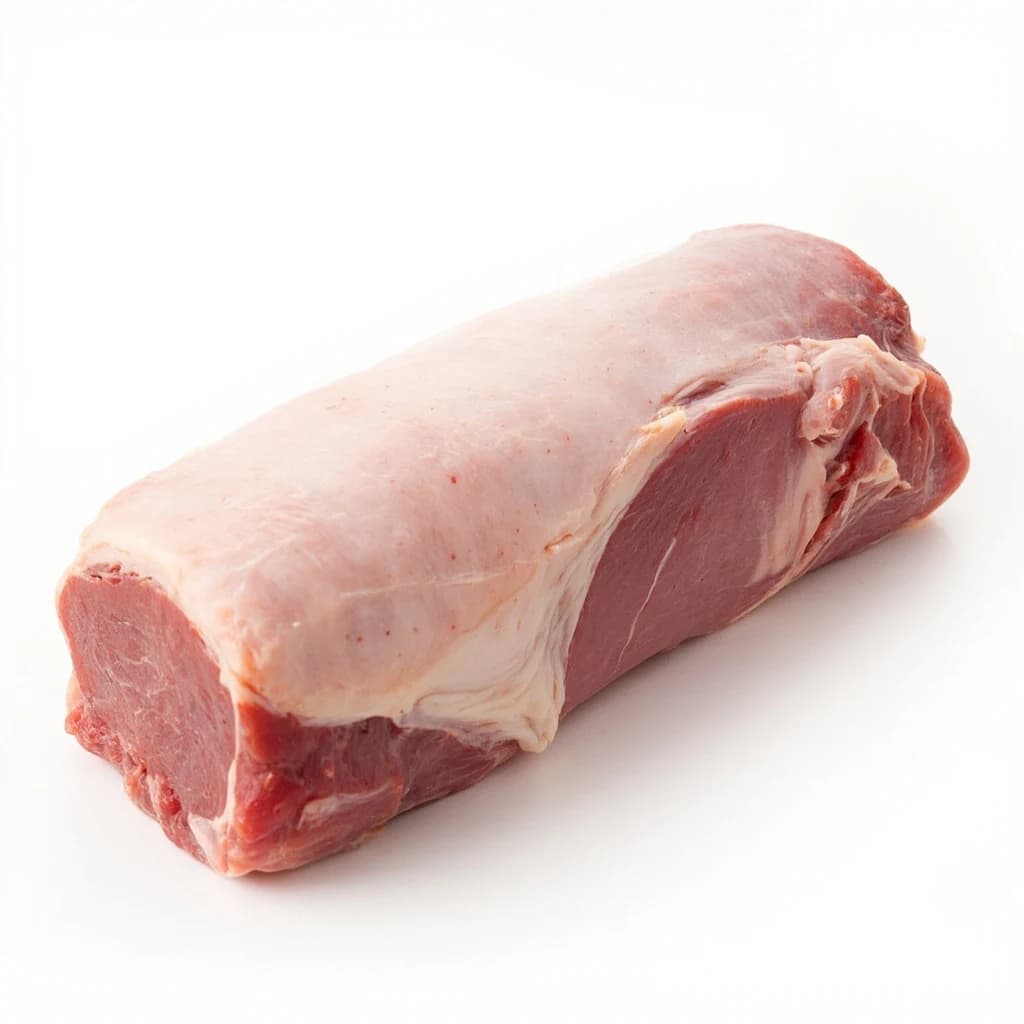
Pork Loin
Lean, tender roasting cut that stays juicy with care
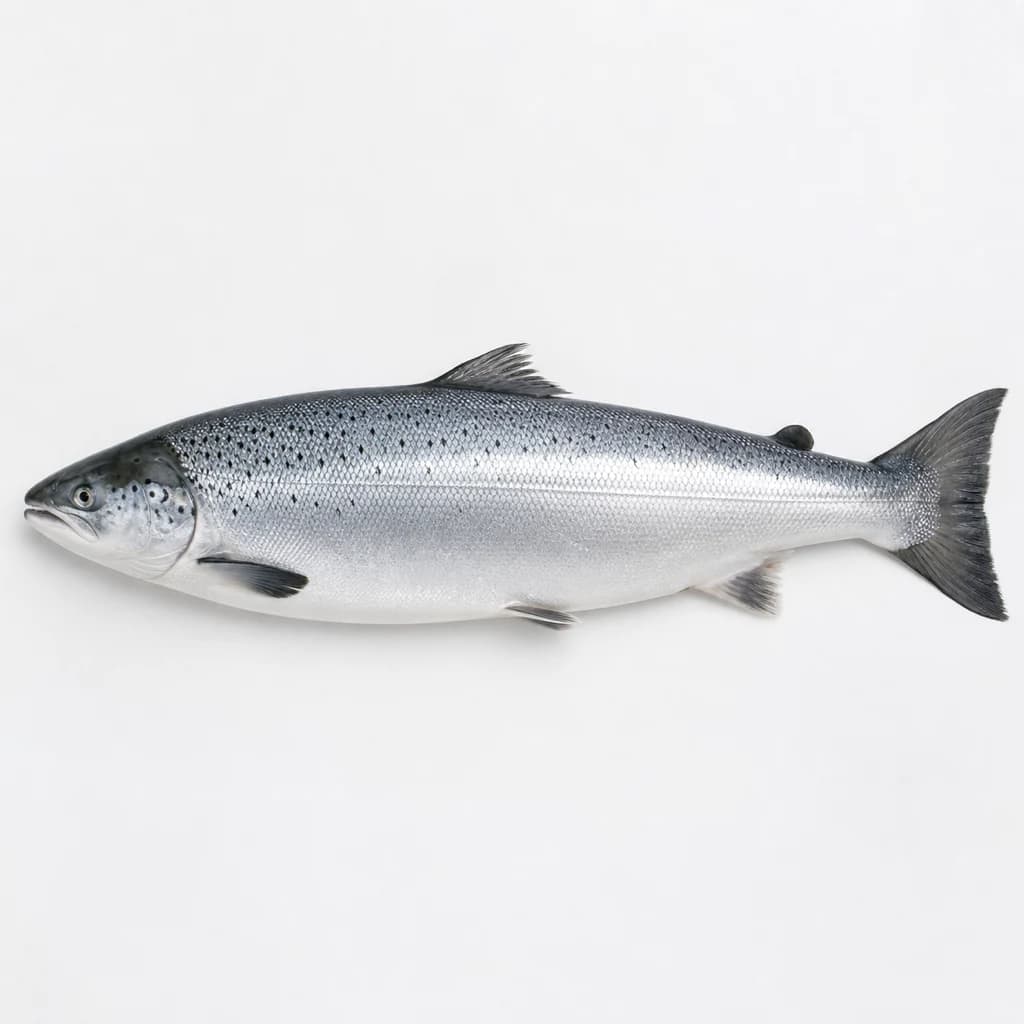
Salmon
Rich, rosy fish that roasts, grills, or cures beautifully

Egg White
Pure protein that whips to airy peaks for meringue and more
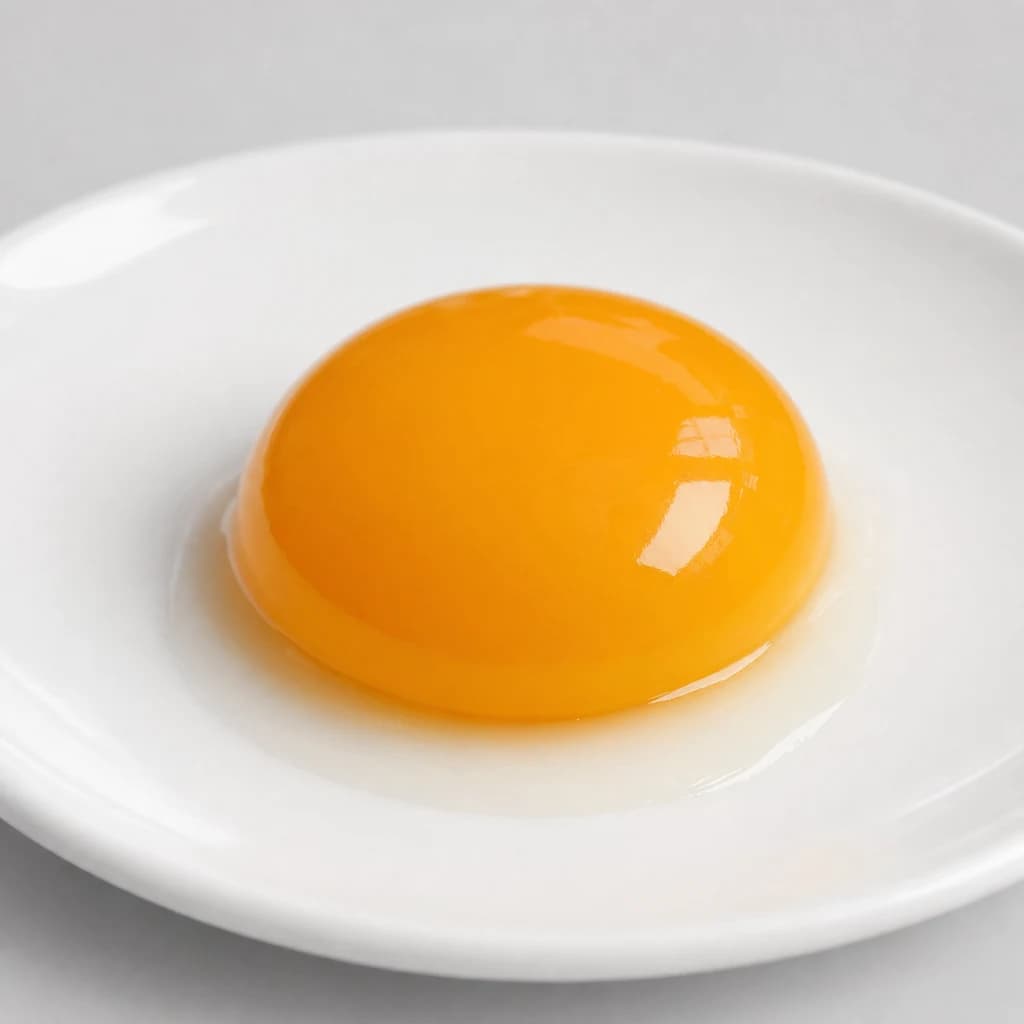
Egg Yolk
Rich, golden yolk for custards, mayonnaise, and pasta

Quail Egg
Tiny, speckled eggs for garnishing and elegant bites