Produce
Komatsuna
Mild Japanese mustard-spinach green for stir-fries, soups, and quick pickles.
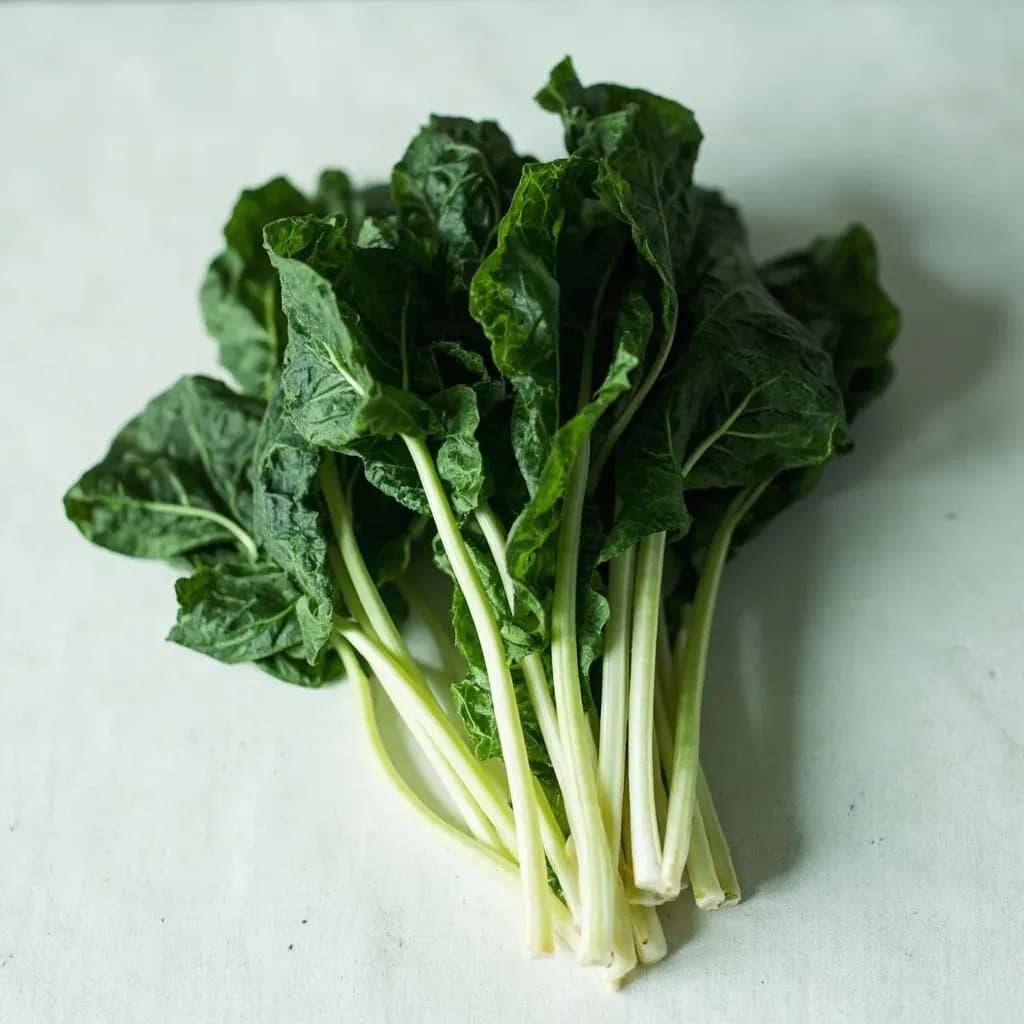
Komatsuna is a Japanese leafy green in the mustard family, with tender dark leaves and a mild, slightly peppery flavor milder than mustard greens. It is quickly stir-fried, simmered in miso soup and hot pots, or made into light pickles, and both leaves and stems are eaten. It cooks fast and wilts down like spinach, which it can substitute for.
Komatsuna is a Japanese leafy green belonging to the Brassicaceae family, prized for its smooth, tender leaves and mild mustardy bite that sweetens beautifully when cooked. Developed during the Edo period and named after Komatsu in Shizuoka Prefecture (the 'na' simply means greens), it has been a staple of Japanese home cooking for centuries. While often confused with mizuna—which has deeply frilled, peppery leaves—komatsuna has larger, smoother foliage and a gentler flavor that makes it extraordinarily versatile. The entire plant is edible, from dark green leaves to pale stems, and it holds its shape remarkably well in soups and hot pots, unlike more delicate greens that disintegrate under heat.
Fresh komatsuna should display vibrant dark green leaves with no yellowing or wilting, and crisp pale stems that snap rather than bend. The flavor profile shifts dramatically with cooking: raw leaves offer a subtle mustardy edge, while briefly cooked leaves become sweet and mellow, almost reminiscent of spinach but with a cleaner, brighter finish. Commercially grown year-round, komatsuna reaches peak quality during cool seasons—spring and fall—when the leaves are most tender and the flavor most developed. At the market, look for compact bunches with firm stems; avoid any with yellowed leaves or a dull, aged smell.
In Japanese culinary tradition, komatsuna bridges the gap between delicate greens and heartier vegetables, making it suitable for everything from raw salads to long-simmered braises. Its ability to absorb seasonings without overwhelming them—while still contributing its own mild brassica character—makes it a canvas for sesame, dashi, and soy-based preparations. Young leaves (harvested at 20–30 days) offer the most delicate texture for raw or barely-cooked applications, while mature plants (40–50 days) hold up beautifully in cooked dishes. Understanding this range allows you to choose and prepare komatsuna appropriately for each technique.
- Measured in
- g
- Storage
- Fridge
Types & varieties
The common green-stemmed variety found in markets
Yellow-stemmed variant; slightly sweeter; also called 'Kikyo Komatsuna'
Green-stemmed type with more vigorous leaf growth
A named cultivar bred for bolt resistance and leaf yield
Distinguishing Komatsuna from Mizuna
Both komatsuna and mizuna belong to the same species (Brassica rapa), but they differ substantially in appearance and flavor. Komatsuna has smooth, oval leaves up to 8 inches long with a mild, almost sweet taste when cooked. Mizuna features deeply frilled, feathery leaves with a more pronounced peppery bite, especially when raw. In cooking, komatsuna behaves more like spinach—wilting quickly and absorbing sauces—while mizuna retains more texture. They can be used interchangeably in some applications, but the milder komatsuna is more forgiving in cooked dishes where mizuna's assertiveness might dominate.
- Komatsuna: smooth, large leaves, mild flavor, behaves like spinach when cooked
- Mizuna: frilled, feathery leaves, peppery bite, retains more texture when cooked
- Mizuna is Brassica rapa var. japonica; komatsuna is Brassica rapa var. perviridis
- Both are edible raw or cooked, but komatsuna handles heat more gracefully
Understanding Harvest Stages
Komatsuna's versatility stems partly from how its character changes at different growth stages. Young leaves harvested at 20–30 days are small, tender, and mild enough for raw salads and garnishes. At this stage, the stems are virtually undetectable in texture. Full-size plants at 40–50 days develop thicker midribs and more pronounced flavor, making them ideal for stir-fries, soups, and braises where structural integrity matters. Commercial production typically harvests at the younger stage for salad mixes, while farmers' markets may offer more mature plants better suited to cooking. When buying, let the intended use guide your selection—young leaves for raw applications, mature for cooked.
- Young (20-30 days): small leaves, mild, tender, best raw
- Mature (40-50 days): larger leaves, thicker stems, better for cooking
- Thicker midribs in mature plants hold up to stir-frying and braising
- Harvest stage affects both texture and flavor intensity
Common uses
Tips & pitfalls
- Do not overcook; leaves wilt quickly and lose their bright color within 30–60 seconds of direct heat
- For stir-fries, separate the thicker stems and start them first, adding leaves just before serving
- When pickling, salt the leaves and let them sit for 15–30 minutes before rinsing to draw out excess water and achieve proper texture
- Young, tender leaves (harvested small) are best for raw applications; mature leaves are better suited to cooking
- Komatsuna absorbs flavors readily, so use restrained seasoning initially and adjust
- For ohitashi, a 30-second blanch with a small amount of dashi premade is standard; shock in ice water immediately to preserve color
- Common mistake: over-salting when pickling; komatsuna needs less salt than expected because the leaves are already partially tender
Nutrition
Energy
96 kJ · per 100 g
Where the calories come from
Protein
2.9g
6% DV
Carbs
3.6g
1% DV
Fat
0.4g
1% DV
Fiber
2.2g
8% DV
Sugars
0.4g
of which
Sodium
79mg
3% DV
Source · USDA FoodData Central · approx. Spinach, raw
View on FDC →In the shops
Matched grocery products
No matched grocery products for Komatsuna yet.
Good to know
- Also Known As
- Japanese mustard spinach, Tendergreen (in English markets)
- Scientific Name
- Brassica rapa var. perviridis
- Origin
- Japan; developed during the Edo period (1600s–1800s)
- Family
- Brassicaceae (cabbage family)
- Season
- Year-round; peak quality in cool months (spring and fall)
- Flavor
- Mild mustardy bite when raw; sweetens and mellows when cooked
- Plant Part
- Leaves and tender stems; whole plant is edible
- Texture
- Tender, smooth leaves; slightly thicker midribs that cook well
- Color
- Dark green leaves; pale green to white stems
- Storage
- Wrap loosely in paper towel, seal in plastic bag; refrigerate up to 4–5 days
- Freezing
- Not recommended; best used fresh
- pH Range
- Slightly acidic; affects pickling brines (typically 3.5–4.0 pH for quick pickles)
Substitutes
- Spinach — Milder flavor; reduce cooking time as spinach wilts faster; good 1:1 substitute in cooked applications
- Bok Choy — Sturcier texture; similar mild sweetness when cooked; stems require slightly longer cooking
- Swiss Chard — Similar tender texture but earthier flavor; cook stems separately
- Mizuna — Similar Brassica; has more frilled leaves and peppery bite; not identical but usable in salads and quick cooking
- Tatsoi — Sweeter, more delicate; excellent in salads; reduce cooking time further
- Turnip Greens — Slightly more bitter; acceptable in cooked dishes where komatsuna's mildness is not critical
Pairs with
Also called
Japanese Mustard Spinach
Related
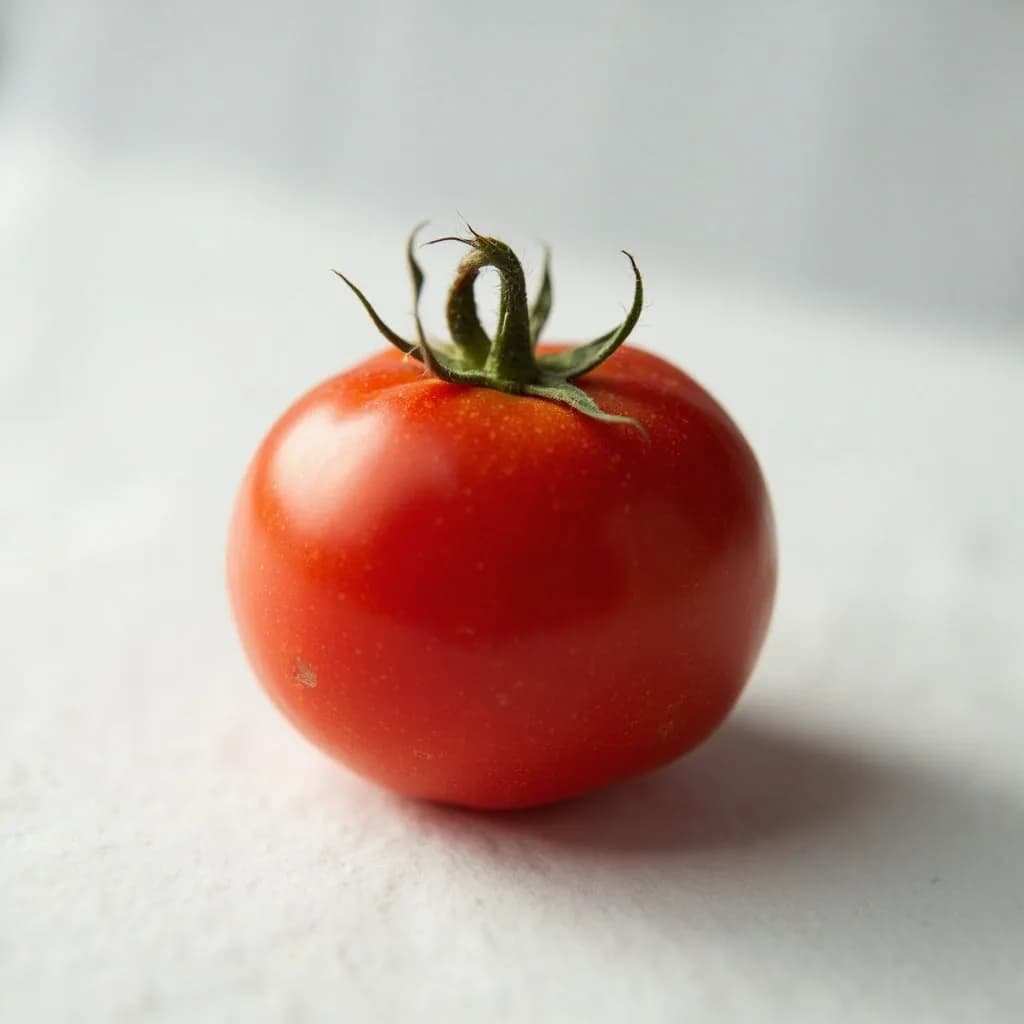
Tomato
Juicy, sun-sweet fruit for sauces, salads, and slow-cooked depth
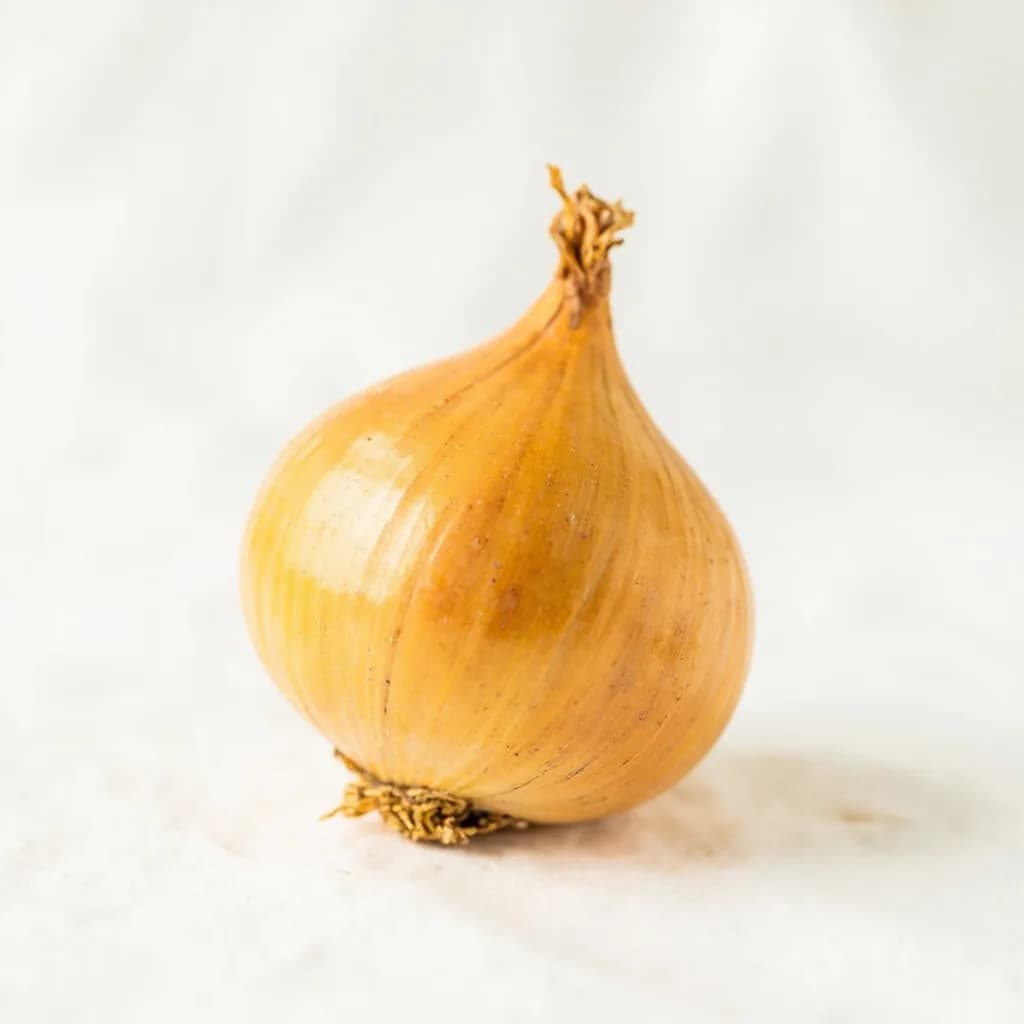
Yellow Onion
The aromatic backbone of soups, sofritos, and braises
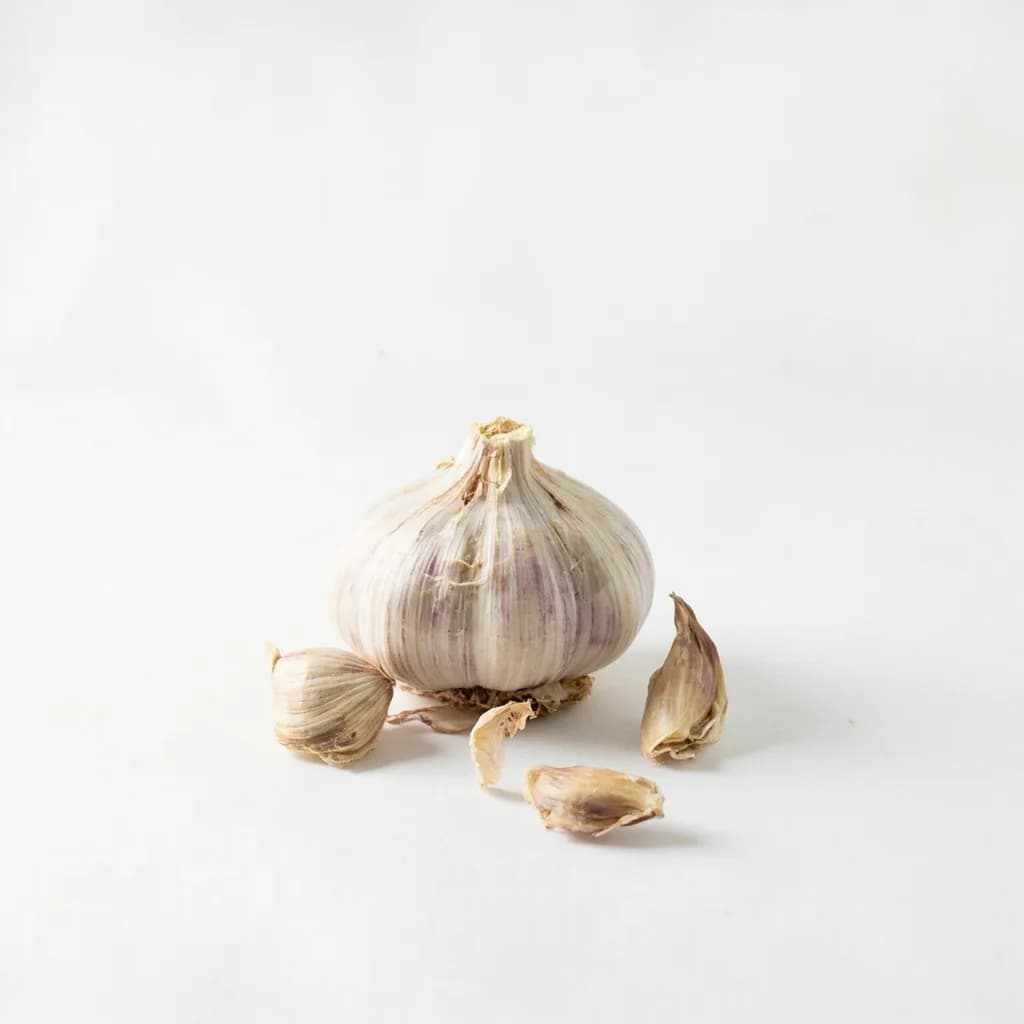
Garlic
Pungent cloves that perfume nearly every savory dish
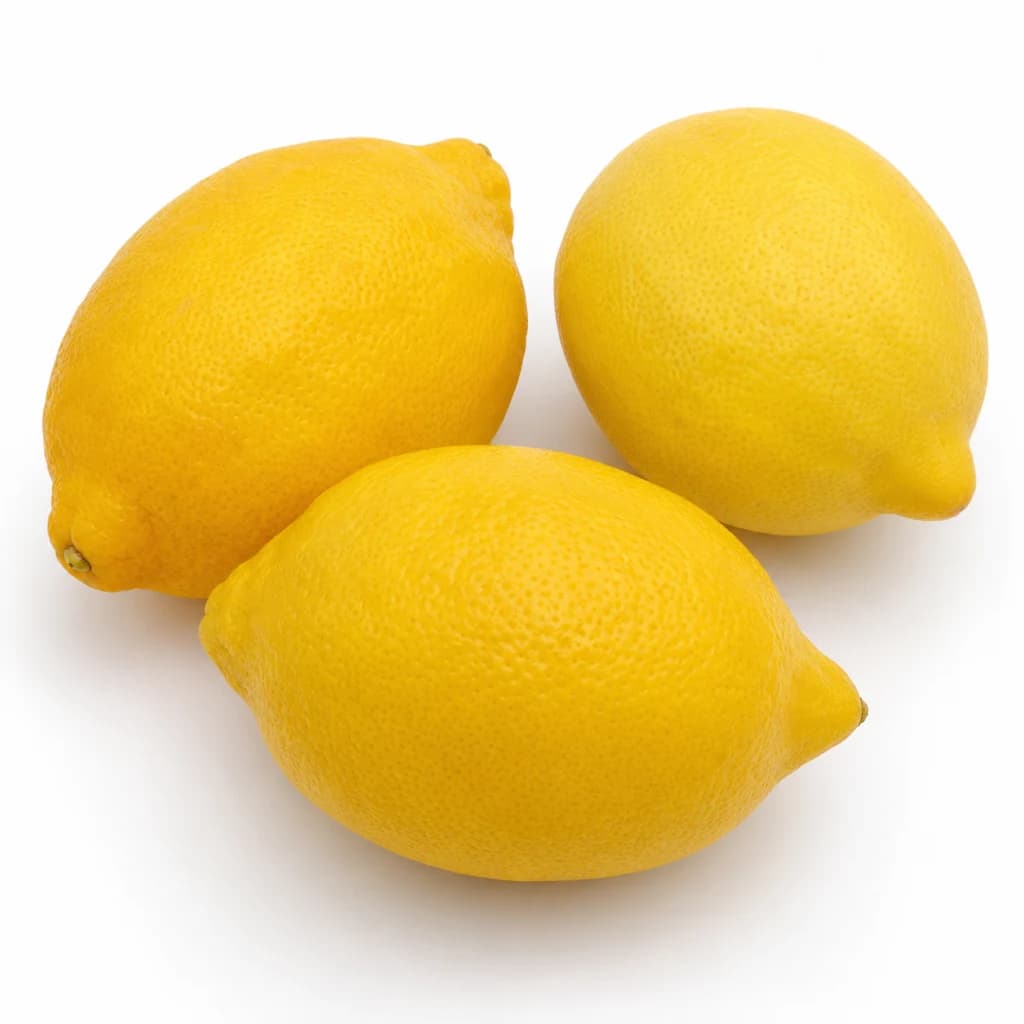
Lemon
Bright, acidic citrus that wakes up almost any dish
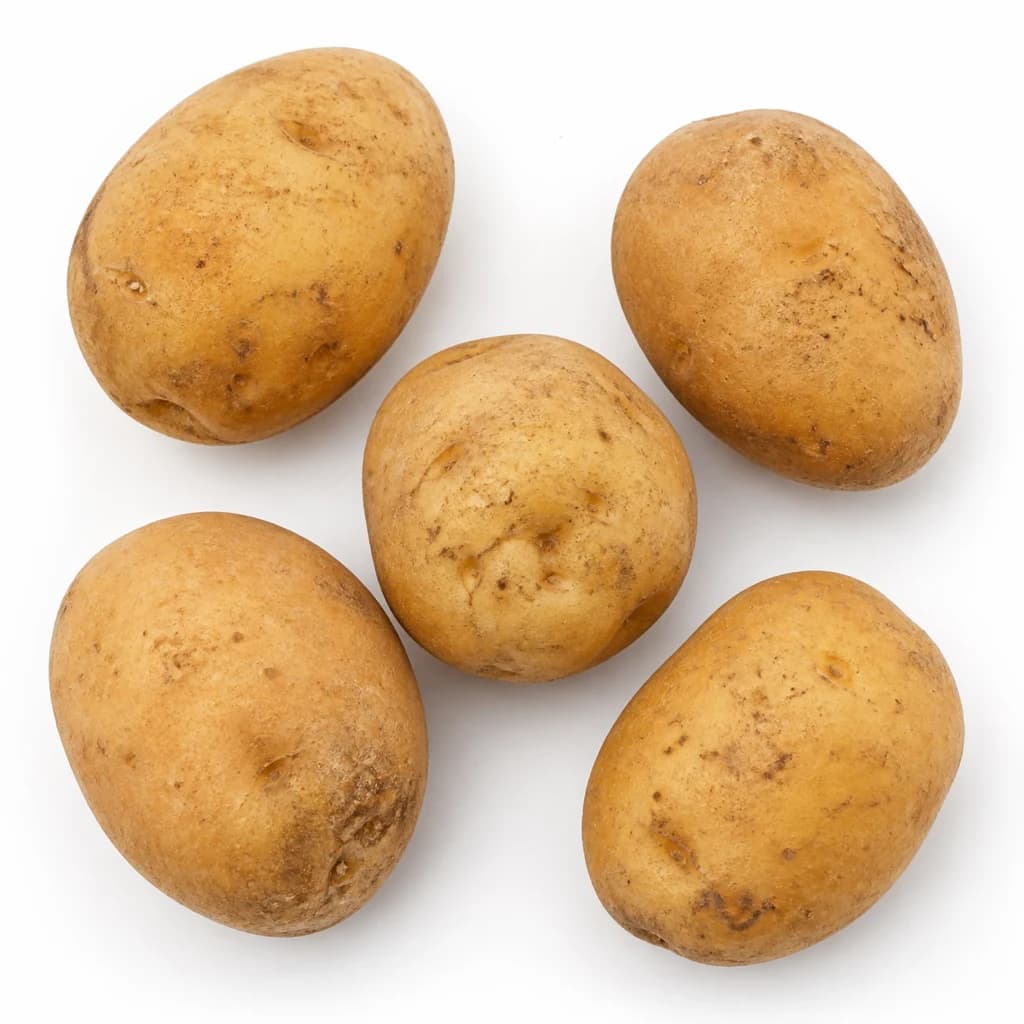
Potato
Humble, hearty staple — roast, mash, fry, or boil
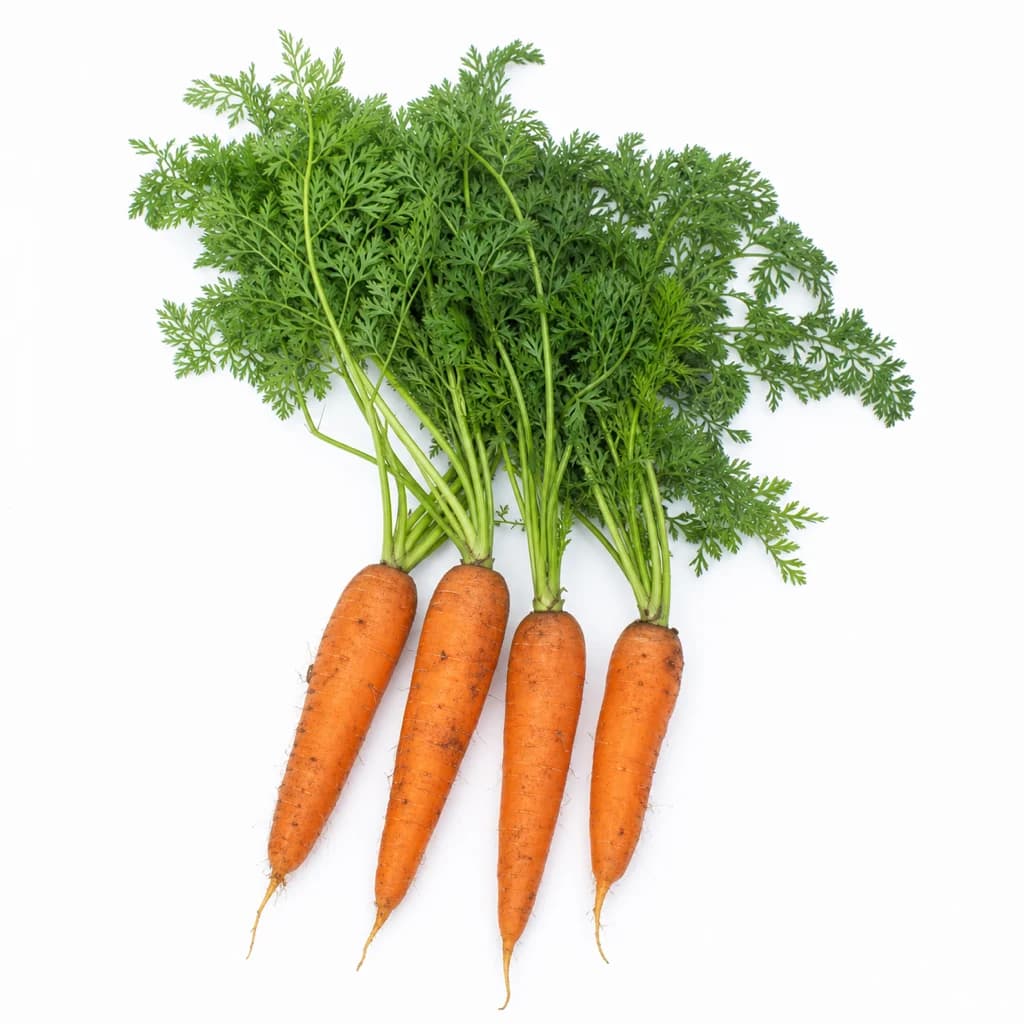
Carrot
Sweet, crunchy root — raw, roasted, or the base of a sofrito
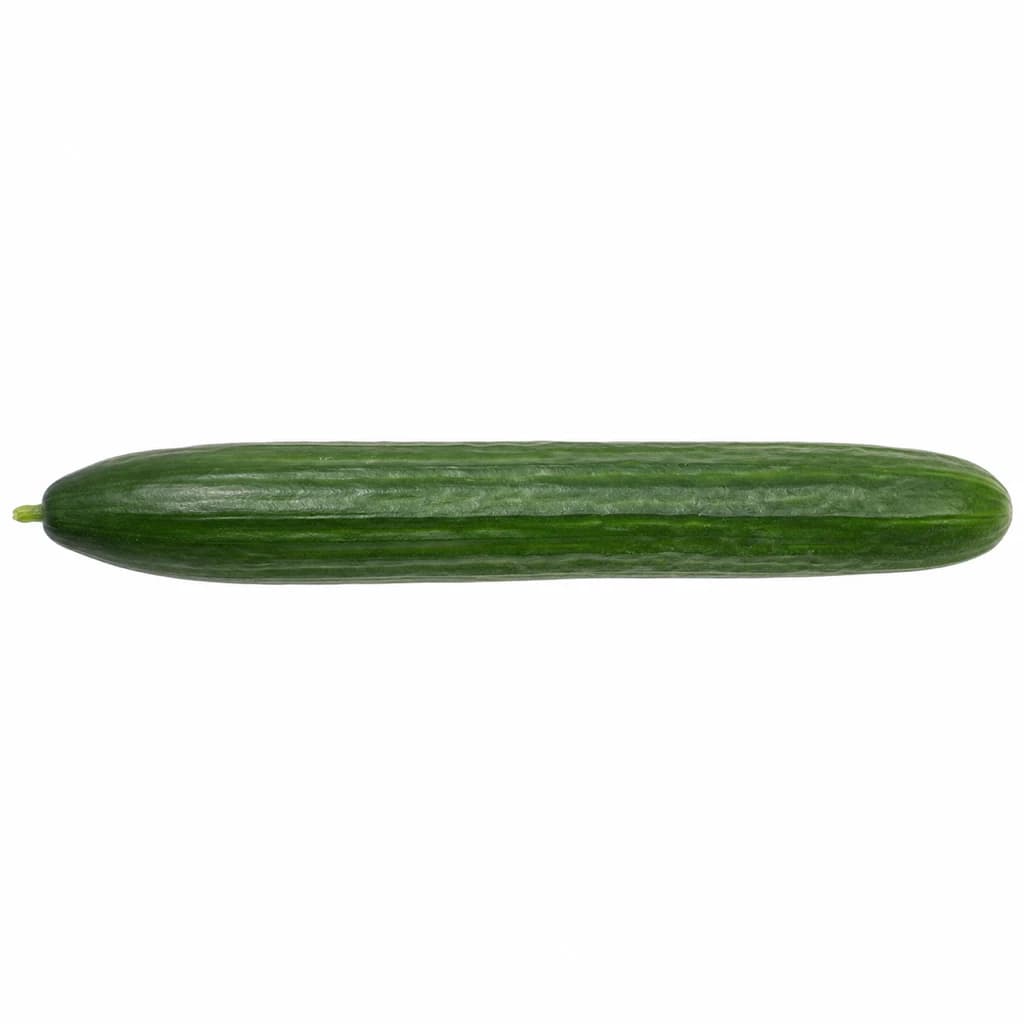
Cucumber
Cool, crisp, and watery — for salads, pickles, and tzatziki

Lettuce
Crisp leaves for salads, wraps, and a fresh crunch