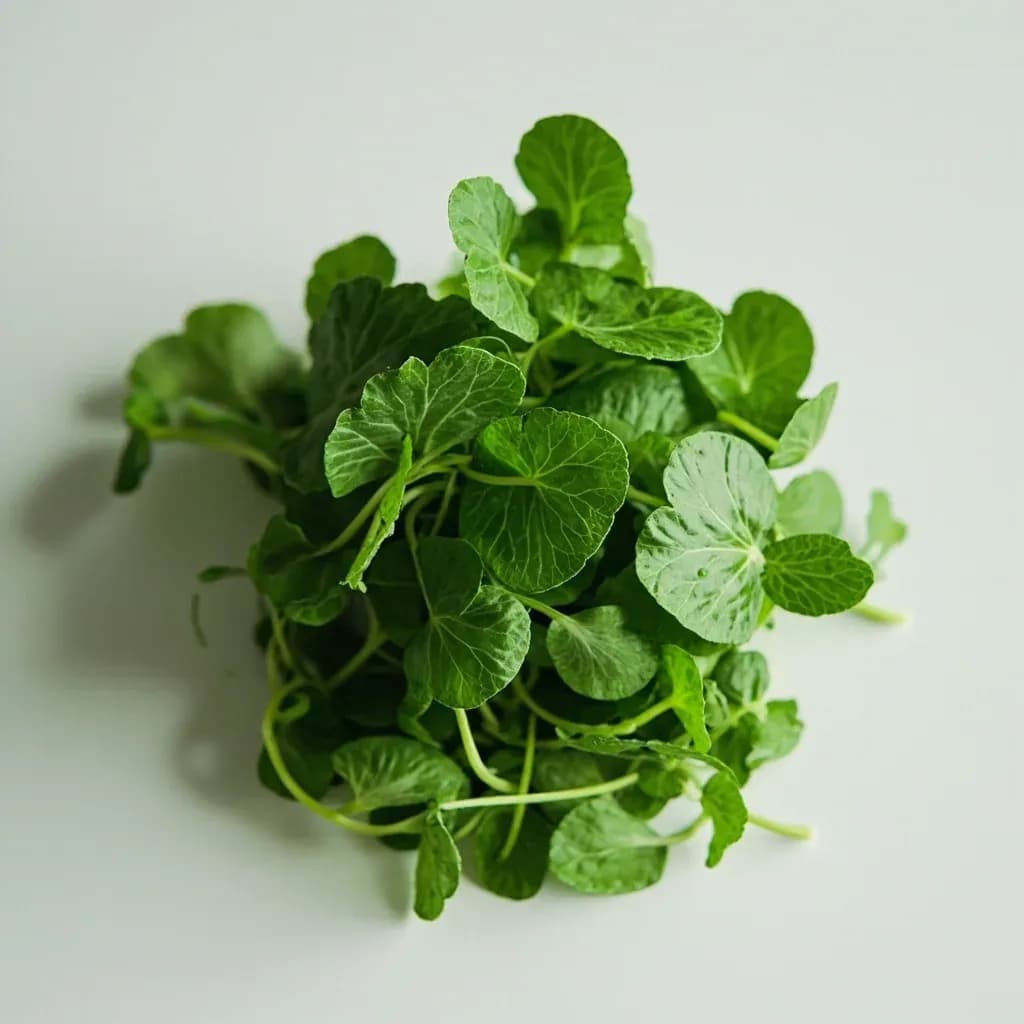
Produce
Lamb's Quarters
Wild leafy green cooked like spinach; mild, mineral-rich, and tender.
Lamb's quarters is a wild edible green, also called wild spinach, with soft diamond-shaped leaves that have a faint silvery dusting underneath. It tastes mild and earthy, much like spinach or chard, and is sauteed, added to soups, or wilted into stews. Foraged in many cuisines, it is best cooked, which mellows its mineral flavor.
Lamb's quarters (Chenopodium album), also known as goosefoot, pigweed, and wild spinach, is one of the most nutritious wild greens in the temperate world. It belongs to the Amaranthaceae family and is among the oldest cultivated plants on earth—humans grew it for its grain seeds millennia before dominant cereals like wheat and rice took over. Native to Eurasia, it has naturalized worldwide and grows abundantly as a volunteer in gardens, fields, and disturbed soil from spring through fall. The plant produces triangular, toothed leaves with a characteristic white, mealy powder on their undersides, distinguishing it from potentially dangerous look-alikes in the nightshade family.
The primary culinary advantage over cultivated spinach is its milder, less acidic flavor and more tender texture when cooked properly. Young leaves and tender tips cook quickly and hold their structure better than spinach, which tends toward mushiness. The flavor is mineral-rich and slightly earthy without spinach's assertive sharpness. Nutritionally, lamb's quarters is exceptional: it rivals legumes in protein content and provides very high levels of vitamins A and C, calcium, iron, magnesium, and potassium. This combination of mild flavor, tender texture, and exceptional nutrition makes it one of the most practical foraged greens for everyday cooking.
The main caution involves oxalates and saponins, antinutrients that the plant naturally produces. These are significantly reduced by cooking—blanching for one to two minutes eliminates most of them, making occasional consumption perfectly safe for most people. Raw consumption in large quantities is not advised. Always harvest young leaves and tender growing tips; once the plant bolts and sends up flower stalks, the leaves become bitter and tough. Foragers must be absolutely certain of identification, particularly with very young seedlings, though the distinctive white-mealy coating on mature leaves is a reliable distinguishing feature.
- Measured in
- g
- Storage
- Fridge
Types & varieties
Most common North American variety; green leaves with white mealy coating on undersides
Separate species, also edible; seeds were a significant food source for Indigenous peoples
Distinct species with reddish-tinged leaves; similar edible properties
Identification and Harvesting
Lamb's quarters grows 1 to 4 feet tall with upright, often reddish-tinged stems. The leaves are triangular to diamond-shaped with irregular, wavy teeth along the edges—a key identification feature. The undersides carry a distinctive white, mealy coating (epicuticular wax) that rubs off easily. This coating is natural, not mold. Harvest only young leaves and tender growing tips; once the plant produces flower spikes, the leaves turn bitter. Early morning harvest yields the crispest leaves. Avoid plants growing near roadsides, agricultural fields that may have received pesticides or herbicides, and areas prone to flooding.
- Look for triangular, toothed leaves with white mealy coating underneath
- Harvest young leaves and growing tips only—discard mature or bolted foliage
- Avoid roadsides and areas with potential pesticide contamination
- Pick in early morning for best texture and freshness
Preparation and Cooking
Unlike some wild greens, lamb's quarters benefits from proper cooking, which reduces antinutrients and improves both flavor and texture. Blanching in salted boiling water for 1–2 minutes is the most reliable method for eliminating oxalates and saponins. After blanching, squeeze the greens dry and proceed with your recipe. When sautéing directly, work quickly over high heat—the greens wilt rapidly and overcooking produces a mushy texture and dull olive-green color. The cooking ratio is dramatic: expect 1 pound of raw greens to yield roughly 1 cup of cooked product. This substantial shrinkage means plan quantities accordingly when adapting recipes originally written for spinach.
Common uses
Tips & pitfalls
- Harvest young leaves and tender tips only; mature leaves become tough and bitter
- Collect from clean areas—avoid roadsides, areas with pesticide or herbicide use, and flood-prone zones
- Always cook lamb's quarters before eating in quantity due to oxalic acid content
- Blanch in boiling salted water for 1–2 minutes, then squeeze dry—this removes the most oxalates and saponins
- Work quickly over high heat when sautéing; overcooking produces a mushy texture and diminished color
- The fine white powder on leaf undersides is natural epicuticular wax, not mold
- Wear gloves if you have sensitive skin, as some people develop contact irritation
- Bolted plants with flower heads have bitter leaves—harvest before bolting begins
- The seeds are also edible and were historically ground into flour or popped like amaranth
Nutrition
Energy
96 kJ · per 100 g
Where the calories come from
Protein
2.9g
6% DV
Carbs
3.6g
1% DV
Fat
0.4g
1% DV
Fiber
2.2g
8% DV
Sugars
0.4g
of which
Sodium
79mg
3% DV
Source · USDA FoodData Central · Spinach, raw
View on FDC →In the shops
Matched grocery products
No matched grocery products for Lamb's Quarters yet.
Good to know
- Scientific Name
- Chenopodium album (white goosefoot)
- Family
- Amaranthaceae (formerly Chenopodiaceae)
- Also Known As
- Goosefoot, pigweed, melde, fat-hen, wild spinach
- Season
- Spring through fall; young leaves best in cool weather
- Flavor
- Mild, mineral-rich, slightly earthy; less acidic than spinach
- Key Nutrients
- Very high in vitamins A and C, calcium, iron, protein; good source of magnesium and potassium
- Antinutrients
- Contains oxalates and saponins; significantly reduced by cooking
- Plant Height
- Grows 1 to 4 feet tall
- Yield
- Cooks down substantially; 1 lb raw yields about 1 cup cooked
- Storage
- Use within 24–48 hours; wrap in damp paper towels and refrigerate
- Origin
- Native to Eurasia; one of the oldest cultivated plants, grown for grain before dominant cereals; now naturalized worldwide
Substitutes
- Spinach — The most direct substitute; cook identically though lamb's quarters has a milder, less acidic flavor
- Amaranth greens — Similar texture and cooking behavior; slightly earthier flavor
- Swiss chard — Works in all applications; stems take longer to cook than lamb's quarters
- Dandelion greens — More bitter; reduce cooking time and pair with stronger flavors to balance
Pairs with
Also called
Wild Spinach · Goosefoot · Bathua
Related
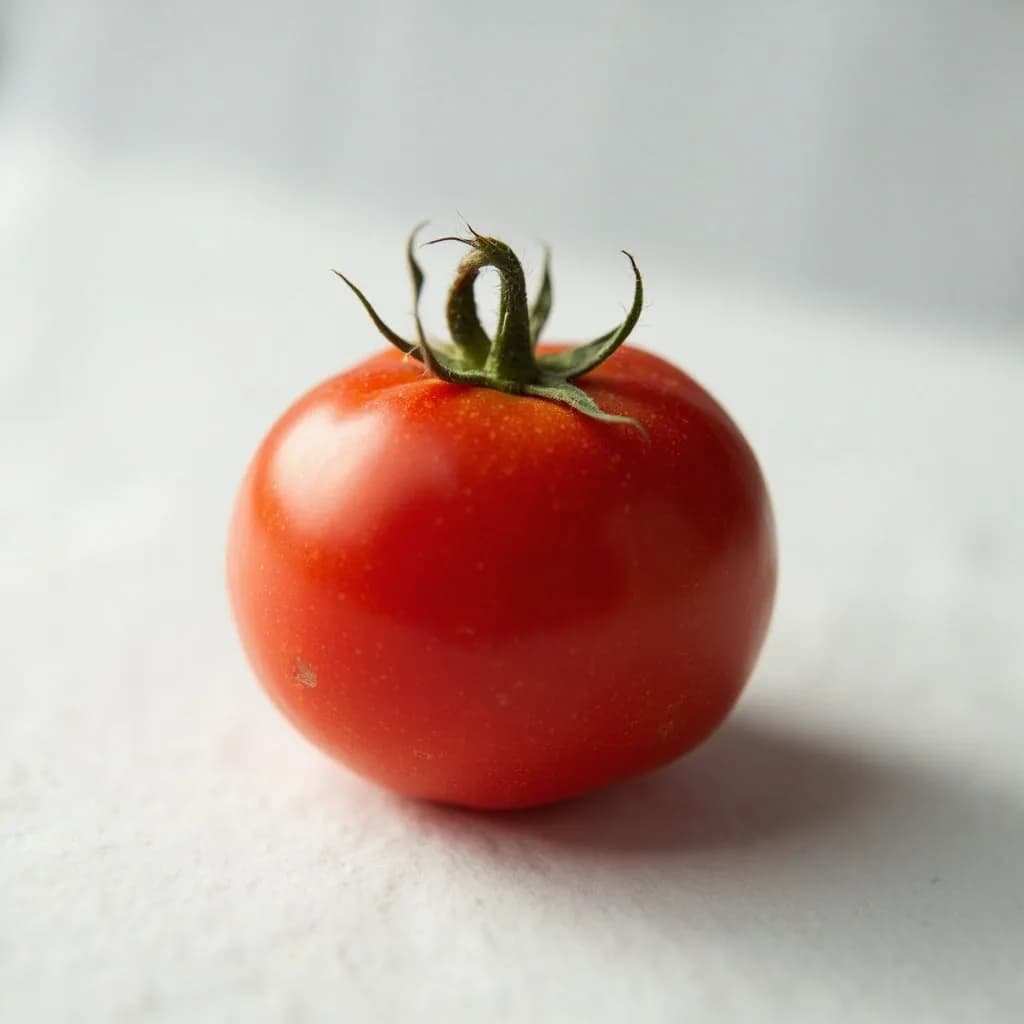
Tomato
Juicy, sun-sweet fruit for sauces, salads, and slow-cooked depth
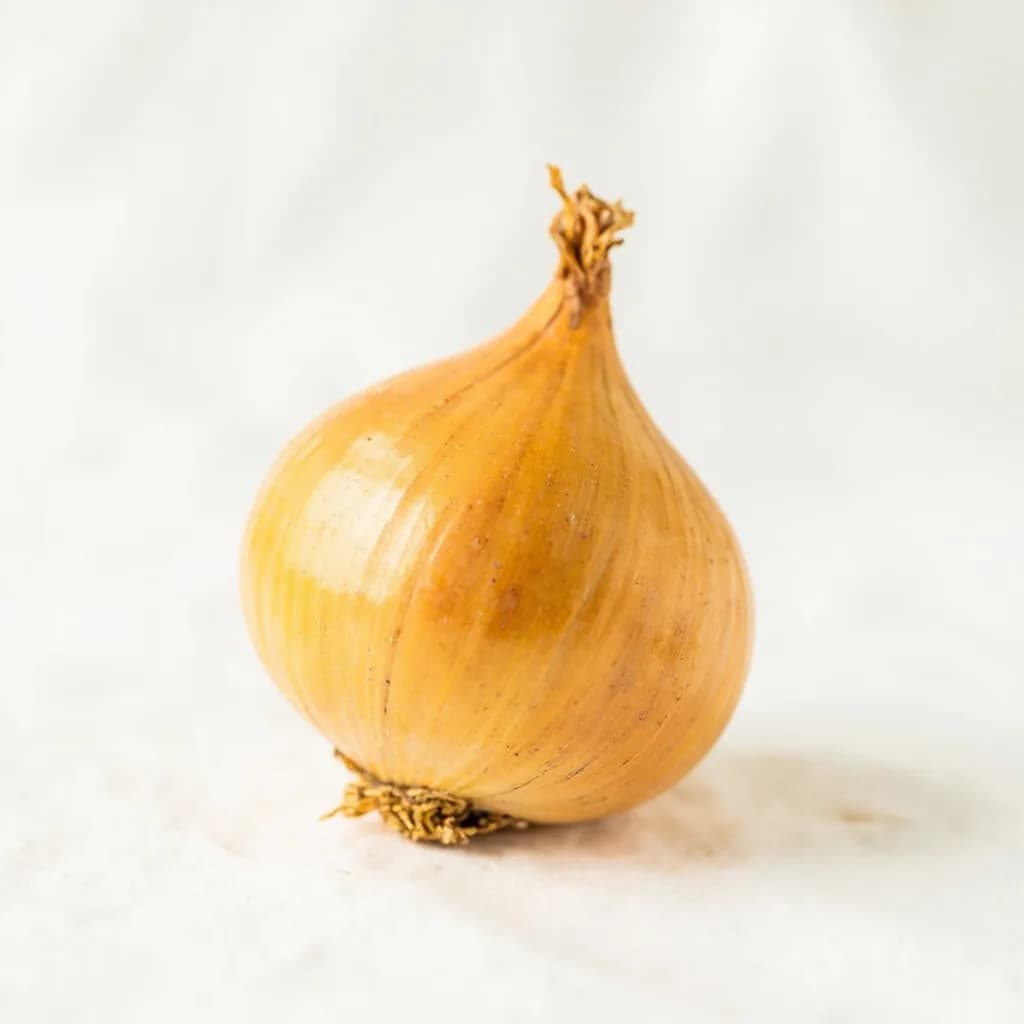
Yellow Onion
The aromatic backbone of soups, sofritos, and braises
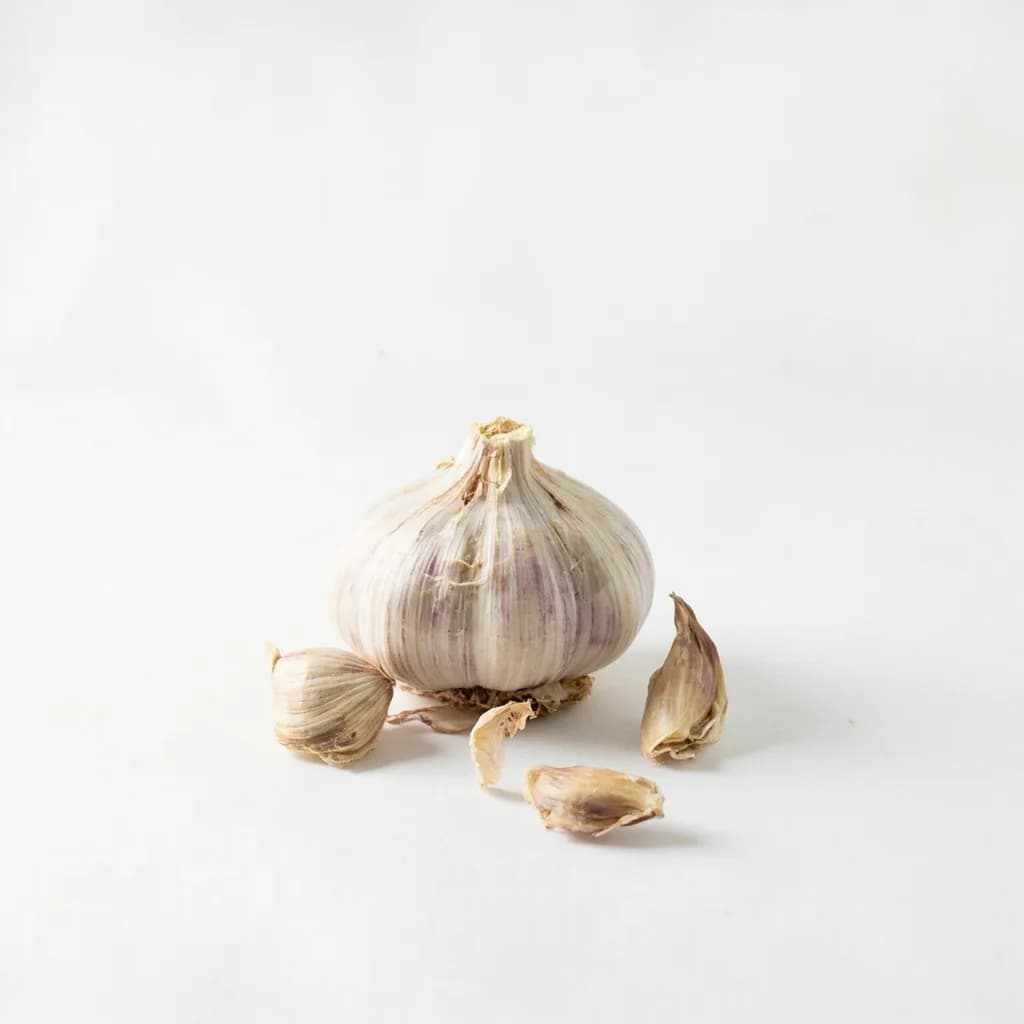
Garlic
Pungent cloves that perfume nearly every savory dish
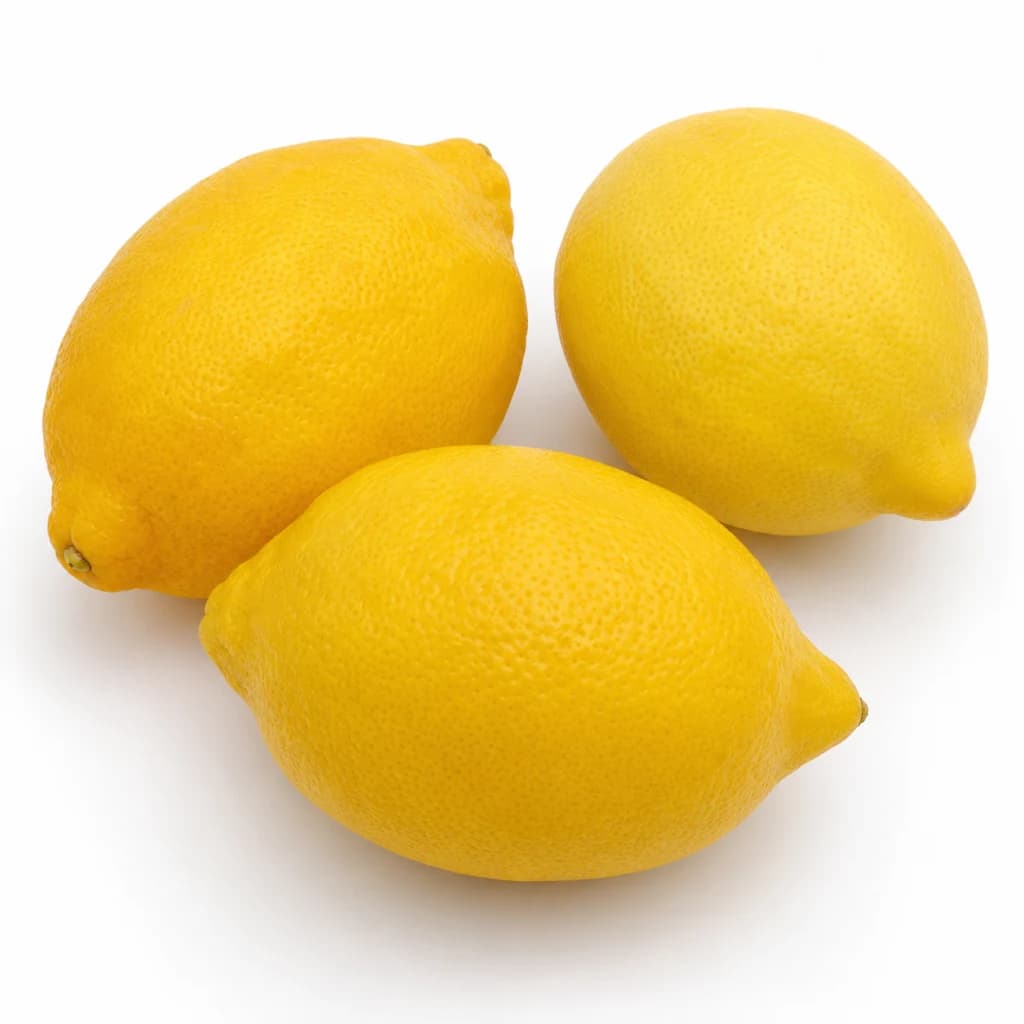
Lemon
Bright, acidic citrus that wakes up almost any dish
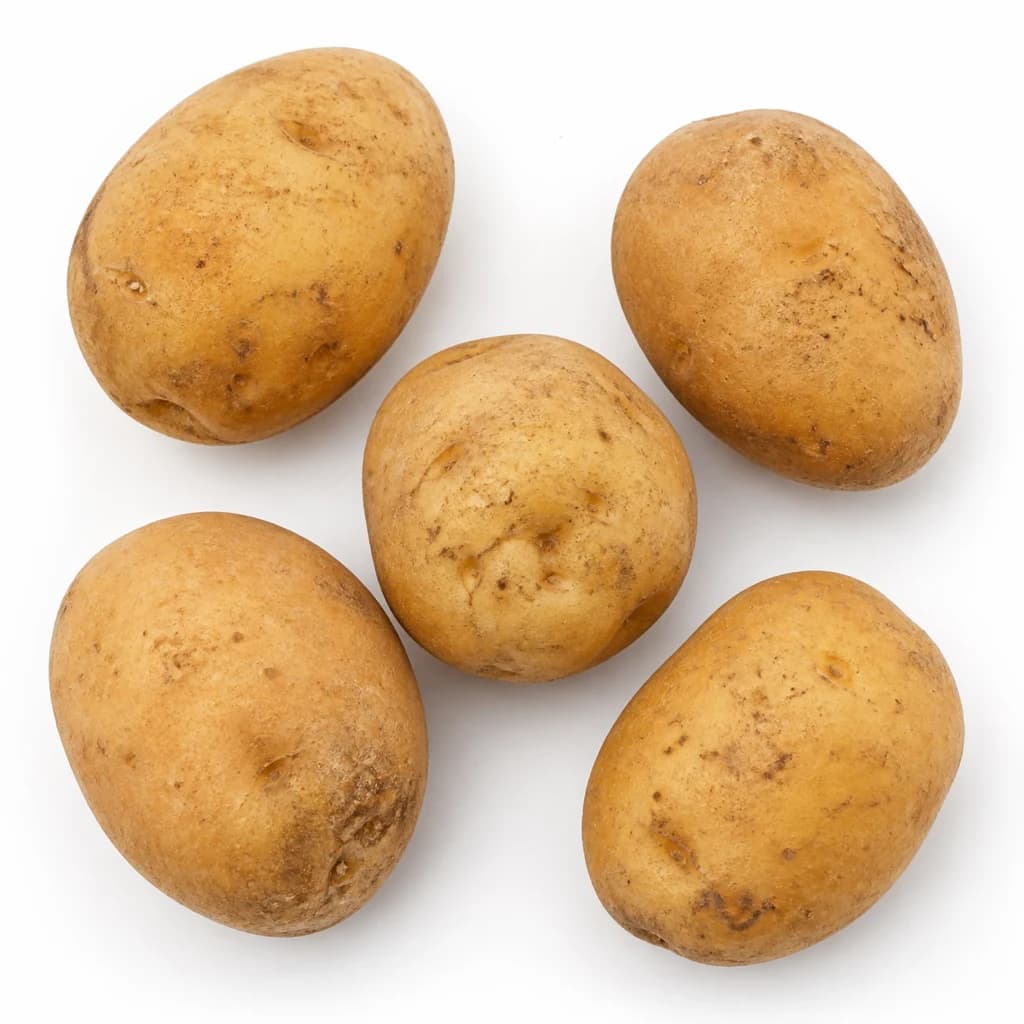
Potato
Humble, hearty staple — roast, mash, fry, or boil
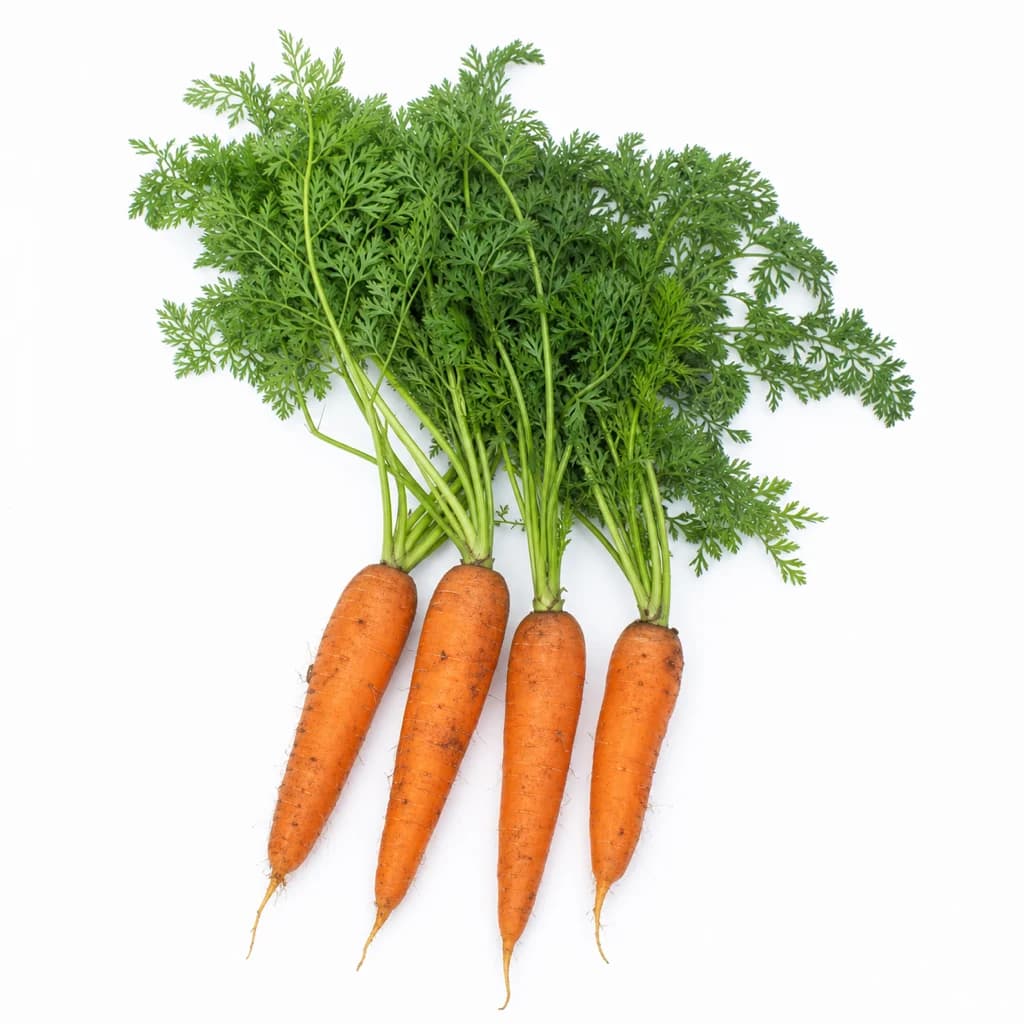
Carrot
Sweet, crunchy root — raw, roasted, or the base of a sofrito
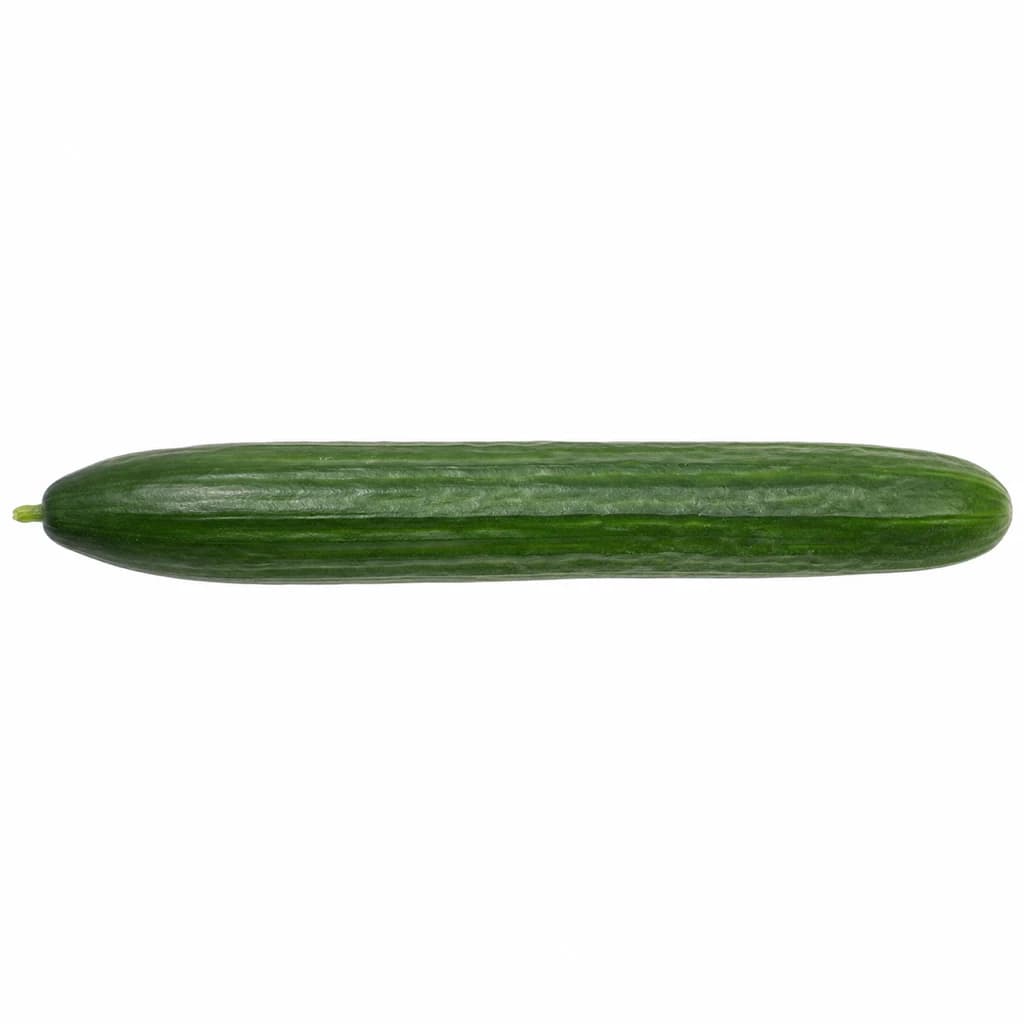
Cucumber
Cool, crisp, and watery — for salads, pickles, and tzatziki

Lettuce
Crisp leaves for salads, wraps, and a fresh crunch