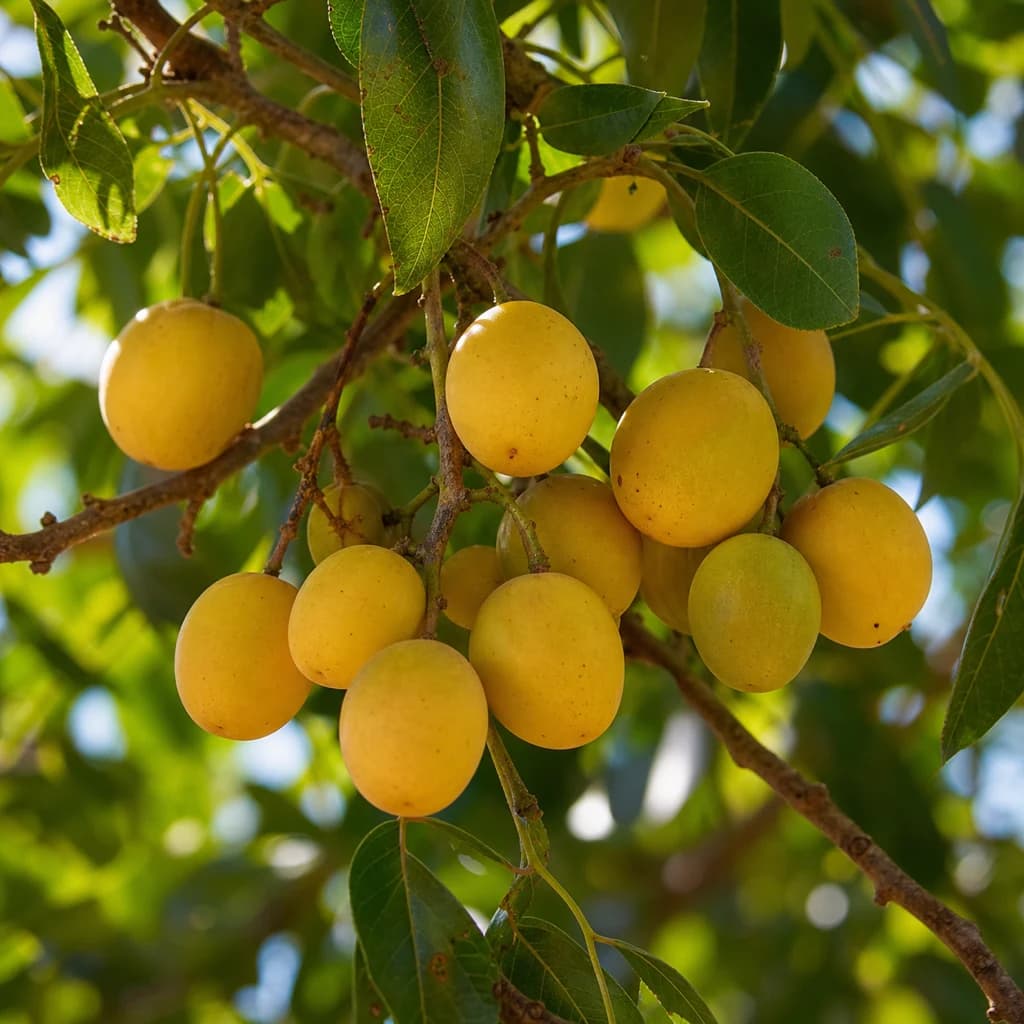
Natural form
Ripe marula fruits as they appear on the tree, small yellow globes with smooth skin.
Shows the reader the fruit's natural appearance — size, color, and form — so they can recognize it in the wild or at market.
Produce
Marula Fruit
Tart-sweet southern African fruit used for juice, jam, and the basis of marula cream.
Marula is a small yellow fruit native to southern Africa, with juicy, tangy-sweet flesh and a high vitamin C content. It is eaten fresh, pressed into juice, cooked into jams, and famously fermented into the cream liqueur Amarula. The fruit holds cultural significance among many southern African communities, including the Tsonga who call it umganu.
Marula (Sclerocarya birrea) is a stone fruit native to the warm savannas of southern and southeastern Africa, where it has been a staple food and cultural touchstone for at least 10,000 years. The fruit grows 2.5–4 cm in diameter, turning from green to yellow or yellow-orange when ripe, with a tough outer skin encasing fibrous, juicy orange-yellow pulp surrounding 1–3 hard stones. The flavor is distinctively tart-sweet with noticeable acidity, offering aromatic citrus and pineapple notes that demand generous sugar when eaten fresh. The high pectin and vitamin C content (significantly higher than oranges) make marula exceptionally suited to preserves and fermented products, while the hard seeds contain a prized oil used both in cooking and cosmetics. Commercially, the fruit forms the basis of Amarula cream liqueur, sourced through fair-trade wild-harvesting arrangements with rural African communities. The tree itself holds protected status in several regions and carries deep cultural significance across multiple ethnic groups.
- Measured in
- piece
- Storage
- Fridge
Types & varieties
Most common variety in southern Africa; commercially used for Amarula liqueur production
Found in West and Central Africa; exhibits slightly different fruit characteristics
Various unnamed regional types selected by traditional communities over generations; size and sweetness vary significantly by location
From Wild Harvest to Global Spirit
Marula fruit has sustained African communities for millennia, but its journey to international markets centers on Amarula cream, a dairy-based liqueur with caramel, vanilla, and tropical fruit notes. Unlike most commercial spirits, Amarula sources fruit exclusively from wild-harvested trees through cooperative agreements with rural communities. The fruit is fermented, distilled, and aged in oak before blending with cream. Understanding this supply chain matters for cooks: the distinctive flavor you encounter in fresh marula is the same fruit that anchors the liqueur, so quality and source affect both applications. When purchasing marula products, seek brands that support sustainable harvesting practices and fair compensation for harvesting communities.
- Commercial marula products depend on wild-harvested fruit, not cultivated crops
- Amarula cream liqueur is the best-known global product; flavor is distinctly caramel, vanilla, and tropical fruit
- Seek fair-trade sourced products to support African harvesting communities
- Seed oil (marula oil) has gained international recognition for its stability and antioxidant properties
Common uses
Tips & pitfalls
- Select fruit with unblemished yellow skin; slight give under gentle pressure indicates ripeness. Green or hard fruit will not ripen off the tree.
- Refrigerate unwashed fruit in a breathable container and use within 5 days for best quality.
- To extract pulp, halve the fruit and scoop out flesh with a spoon, or briefly blanch for 30 seconds to soften and make straining easier. The skin is tough and not eaten.
- Work quickly when making preserves—the pulp oxidizes and loses its bright color within 30 minutes. Add citrus juice immediately upon cutting.
- The high natural pectin content means preserves set rapidly; test for gel point earlier than with other fruits to avoid overcooking.
- For juice, blend pulp with water at a 1:1 ratio, strain through fine mesh, and sweeten to taste. A squeeze of lime brightens the flavor considerably.
- Common mistake: Overcooking jam. Marula's pectin and high acid cause rapid setting; remove from heat at the earliest gel point.
- Seed oil has a high smoke point (~210°C/410°F) with a subtle nutty flavor; use sparingly as a finishing oil rather than for high-heat frying.
- Do not confuse marula liqueur (cream-based, South African) with similar-sounding spirits—the flavor is distinctly caramel, vanilla, and tropical fruit.
Nutrition
Energy
1427 kJ · per 100 g
Where the calories come from
Protein
0g
0% DV
Carbs
85.1g
31% DV
Fat
0g
0% DV
Fiber
0.1g
0% DV
Sugars
53g
of which
Sodium
0mg
0% DV
Source · USDA FoodData Central · approx. Fruit syrup
View on FDC →In the shops
Matched grocery products
No matched grocery products for Marula Fruit yet.
Good to know
- Scientific Name
- Sclerocarya birrea
- Family
- Anacardiaceae (sumac family)
- Origin
- Southern and southeastern Africa (Zimbabwe, South Africa, Botswana, Namibia, Mozambique)
- Season
- December to March (Southern Hemisphere summer)
- Size
- 2.5–4 cm diameter
- Color When Ripe
- Yellow to yellow-orange
- Flavor Profile
- Tart-sweet, acidic, aromatic; citrus and pineapple notes
- Vitamin C Content
- 68 mg per 100g (higher than oranges)
- Flesh Texture
- Fibrous, juicy, orange-yellow pulp
- Seeds
- 1–3 hard stones per fruit; contain edible marula oil
- pH
- 3.0–3.5 (moderately acidic)
- Shelf Life
- 2–3 days at room temperature; 5–7 days refrigerated
Substitutes
- Tamarind paste — Use 1 tablespoon paste per cup marula pulp for sourness, though the flavor profile differs significantly
- Mango (partially unripe) — Provides similar tartness in preserves; add lemon juice to approximate the acidity
- Passion fruit pulp — Matches intensity and acidity; reduce sugar slightly as passion fruit is sweeter
- Apricot (underripe) — Similar texture and acidity in jam applications; flavor is milder
- Umeboshi paste — For sour-sweet applications; intensely salty, use sparingly
Pairs with
Also called
Umganu · African Marula
Appears in these dishes
Related
Tomato
Juicy, sun-sweet fruit for sauces, salads, and slow-cooked depth
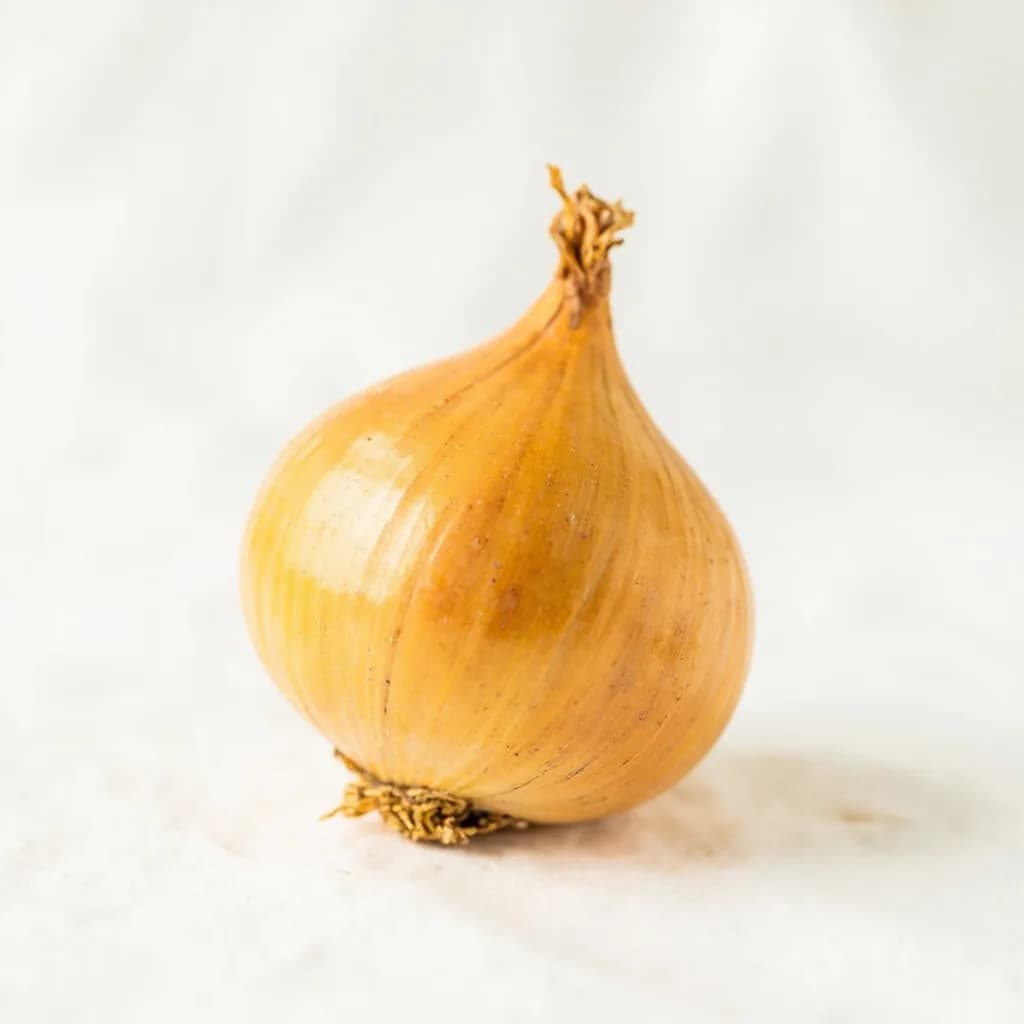
Yellow Onion
The aromatic backbone of soups, sofritos, and braises
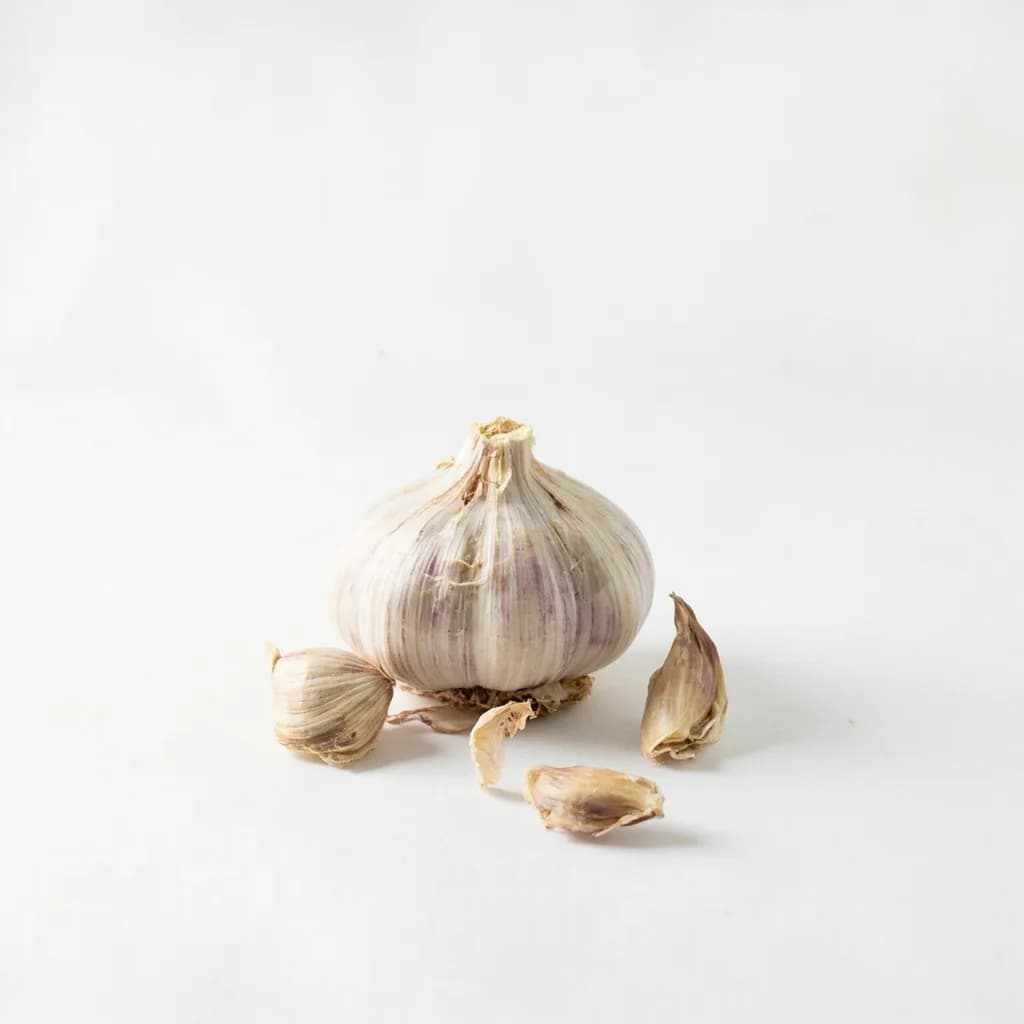
Garlic
Pungent cloves that perfume nearly every savory dish
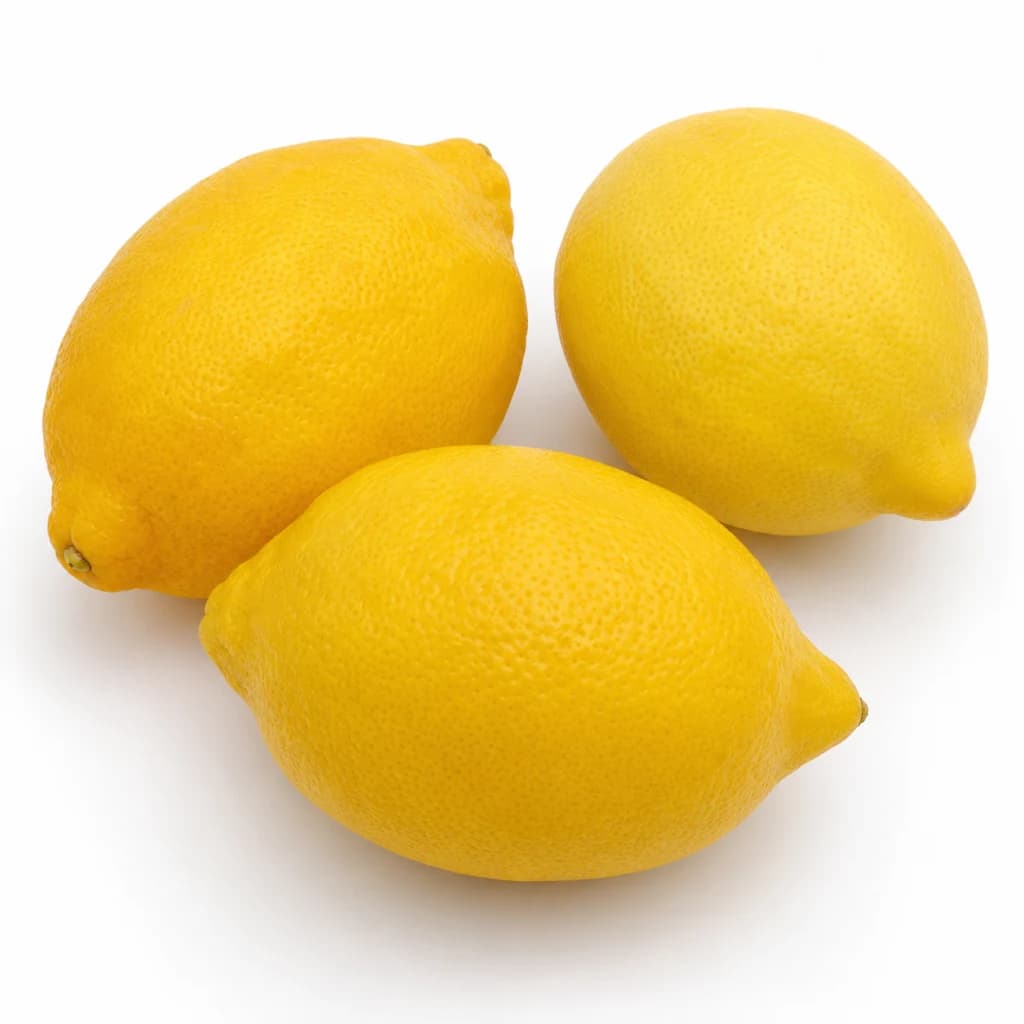
Lemon
Bright, acidic citrus that wakes up almost any dish
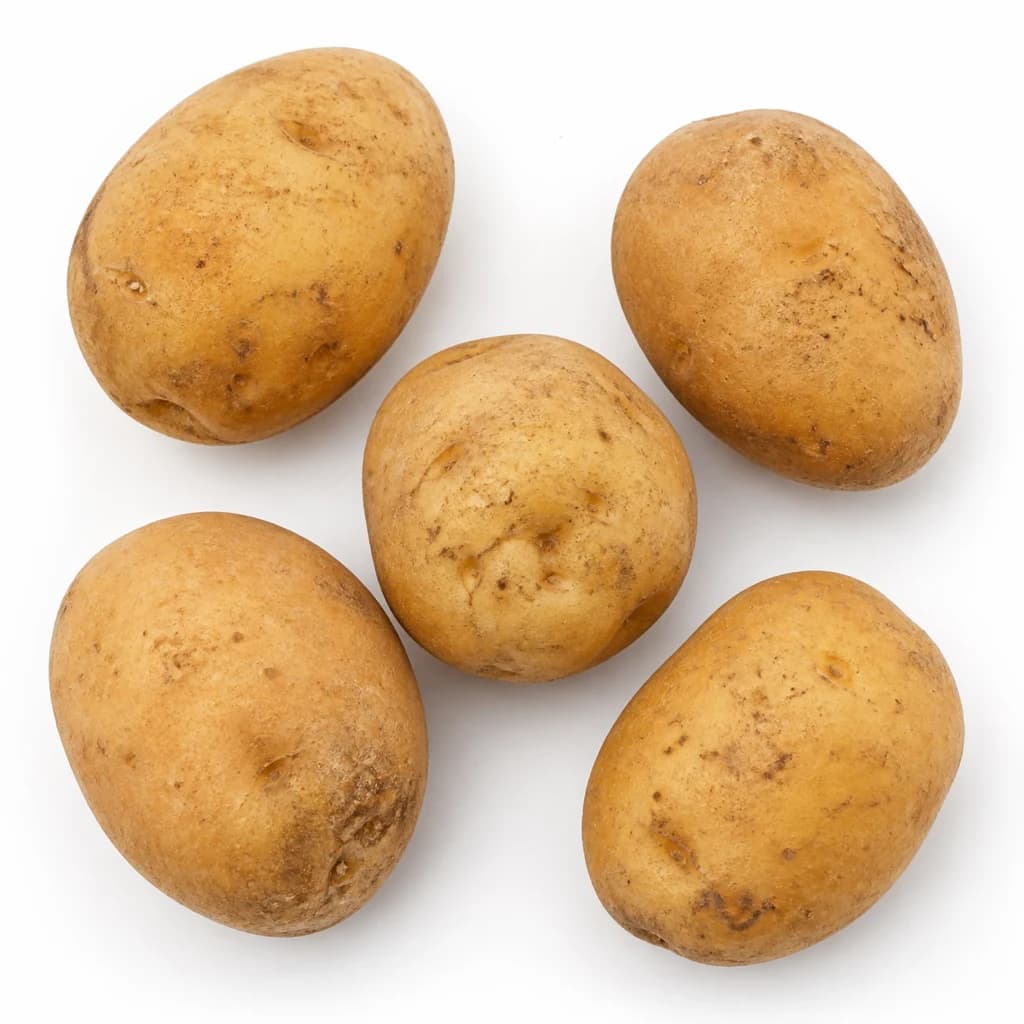
Potato
Humble, hearty staple — roast, mash, fry, or boil
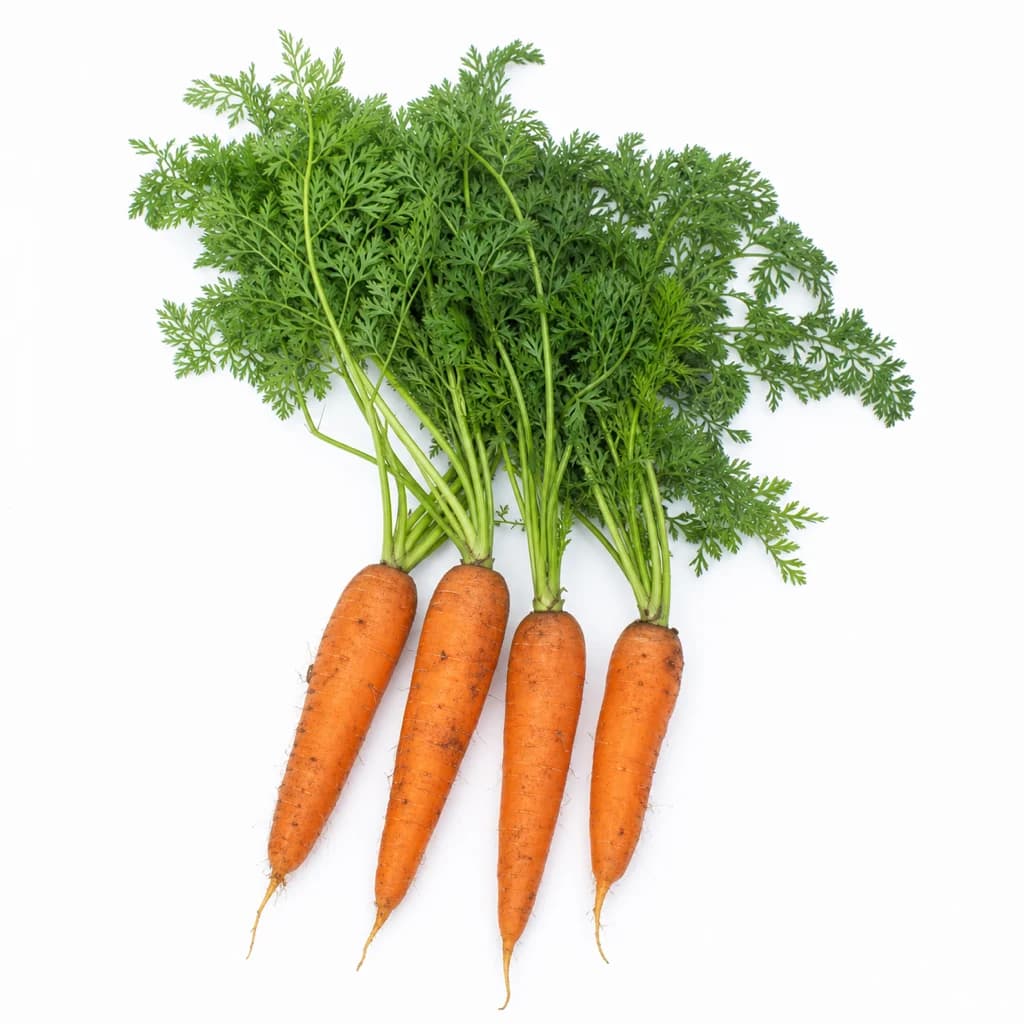
Carrot
Sweet, crunchy root — raw, roasted, or the base of a sofrito
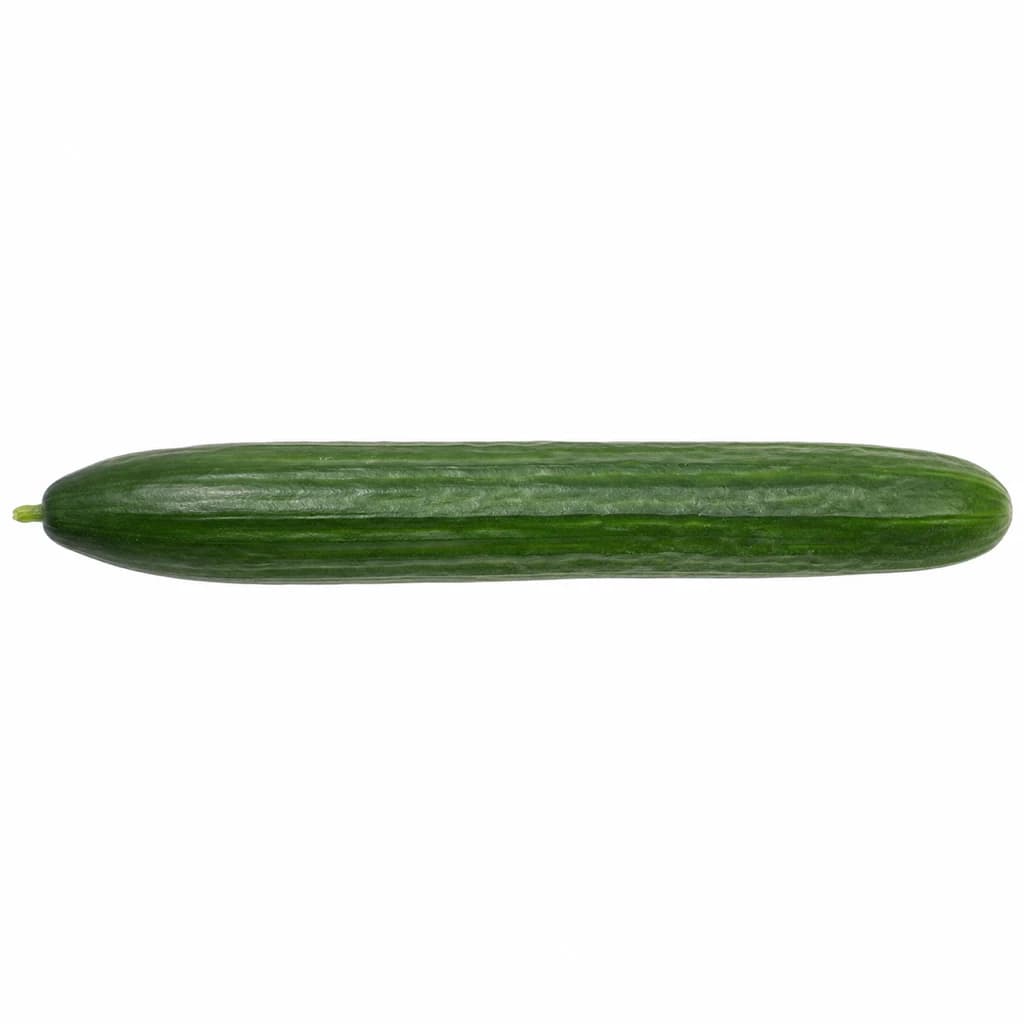
Cucumber
Cool, crisp, and watery — for salads, pickles, and tzatziki

Lettuce
Crisp leaves for salads, wraps, and a fresh crunch