Proteins
Nile Perch (Capitaine)
A large East African freshwater fish with firm, mild white fillets, grilled, fried, or stewed.
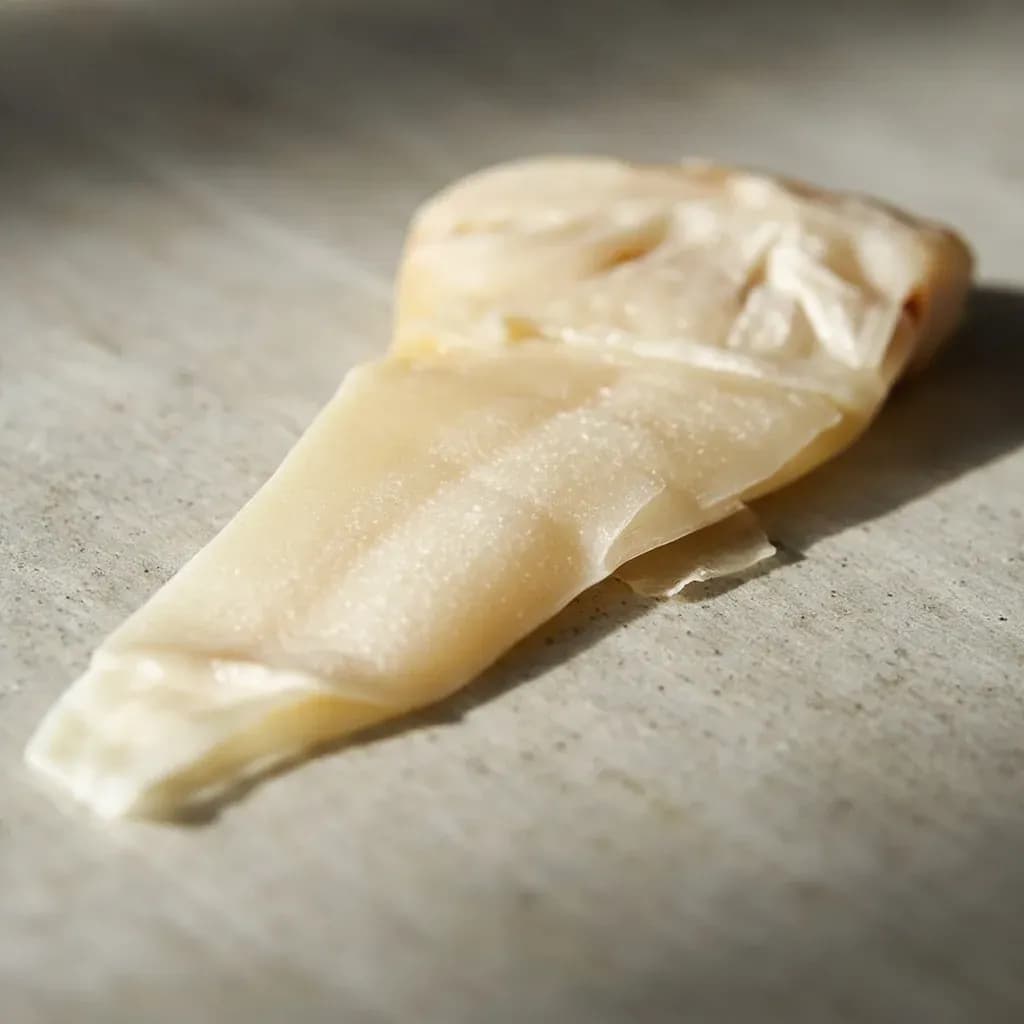
Nile perch, known as capitaine in francophone Africa, is a large freshwater fish from Lake Victoria and the Nile basin. Its firm, meaty, mild white fillets hold up to grilling, deep-frying, and tomato-based stews, and it is a major regional and export catch. The flesh is low in bones and pleasantly clean in flavor.
Nile perch, known throughout East and West Africa as capitaine, is one of the most commercially important freshwater fish on the continent. Originally native to the Nile River system, Lake Chad, and the Niger River, it was introduced to Lake Victoria in the 1950s–60s and became a cornerstone of regional food security. The fish grows to imposing sizes—up to 2 meters and 200 kilograms in the wild—with market specimens typically ranging from 5 to 25 kilograms. Its fillets, which represent 35–45% of whole weight, are prized for their near-total absence of intermuscular bones, making them exceptionally easy to prepare and eat.
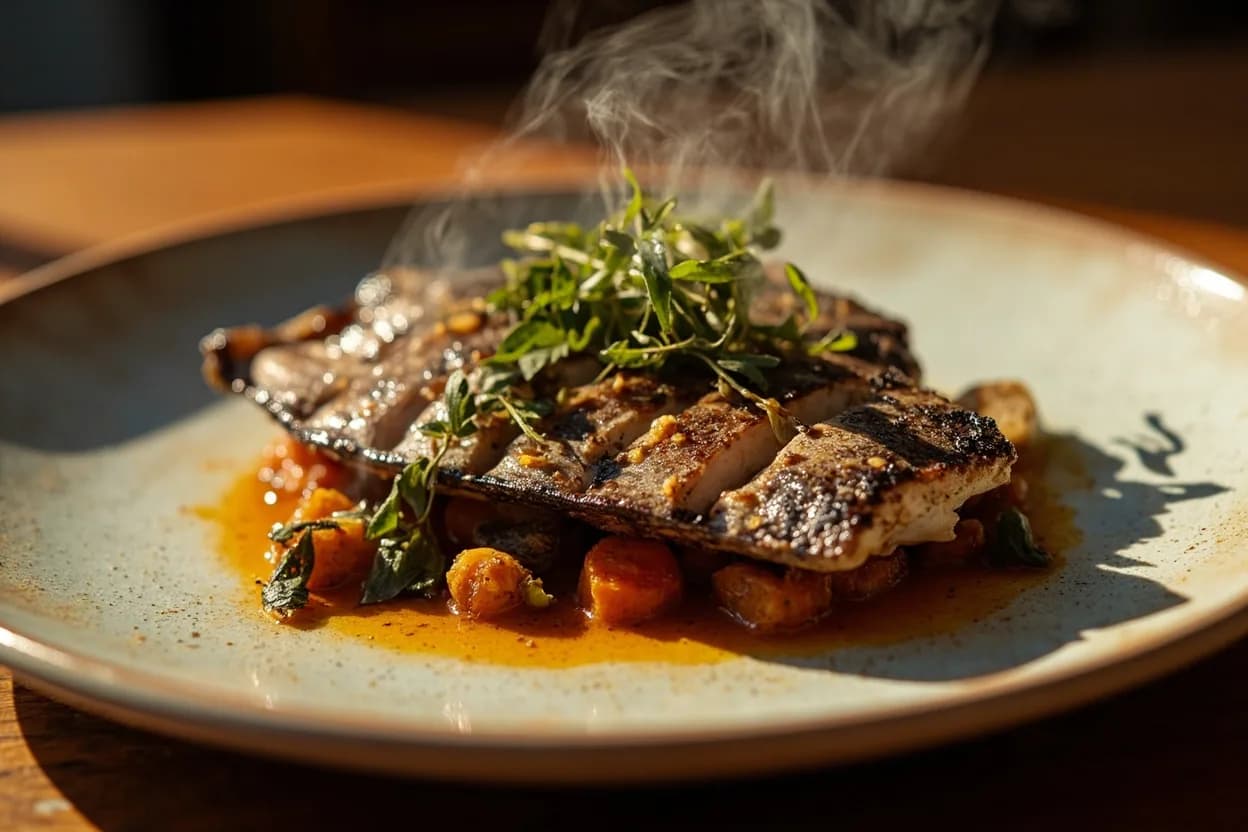
From a culinary standpoint, Nile perch is a cook's workhorse. The flesh is firm, dense, and flaky with a clean, neutral freshwater quality that accepts bold seasonings without resistance. Its lean composition (1–2% fat) means it cooks quickly and holds together well under intense direct heat, but it also dries out readily if overcooked. The skin, when scored and crisped, becomes pleasantly textured and entirely edible. Whether grilled over charcoal, braised in coconut stews, or fashioned into fish cakes, capitaine behaves predictably and reliably in the kitchen.
Frozen fillets travel well and are widely available internationally, though fresh whole fish remain common in local African markets. When purchasing whole, look for clear eyes, bright red gills, and flesh that springs back firmly when pressed. Avoid any fish with a muddy odor or ammonia notes—these indicate age. Properly frozen and stored at −18°C, fillets maintain good quality for 6–8 months, though slight textural changes may appear after the four-month mark.
- Measured in
- g
- Storage
- Fridge
Allergens
Types & varieties
The dominant export grade from Uganda, Kenya, and Tanzania. Consistent firm texture and quality from industrial fishing operations.
Smaller average size with a subtly different flavor influenced by local vegetation. More common in West African markets.
Traditional preparation in inland regions; deeply flavored and often sold head-on for added intensity. Used in stews and with starches.
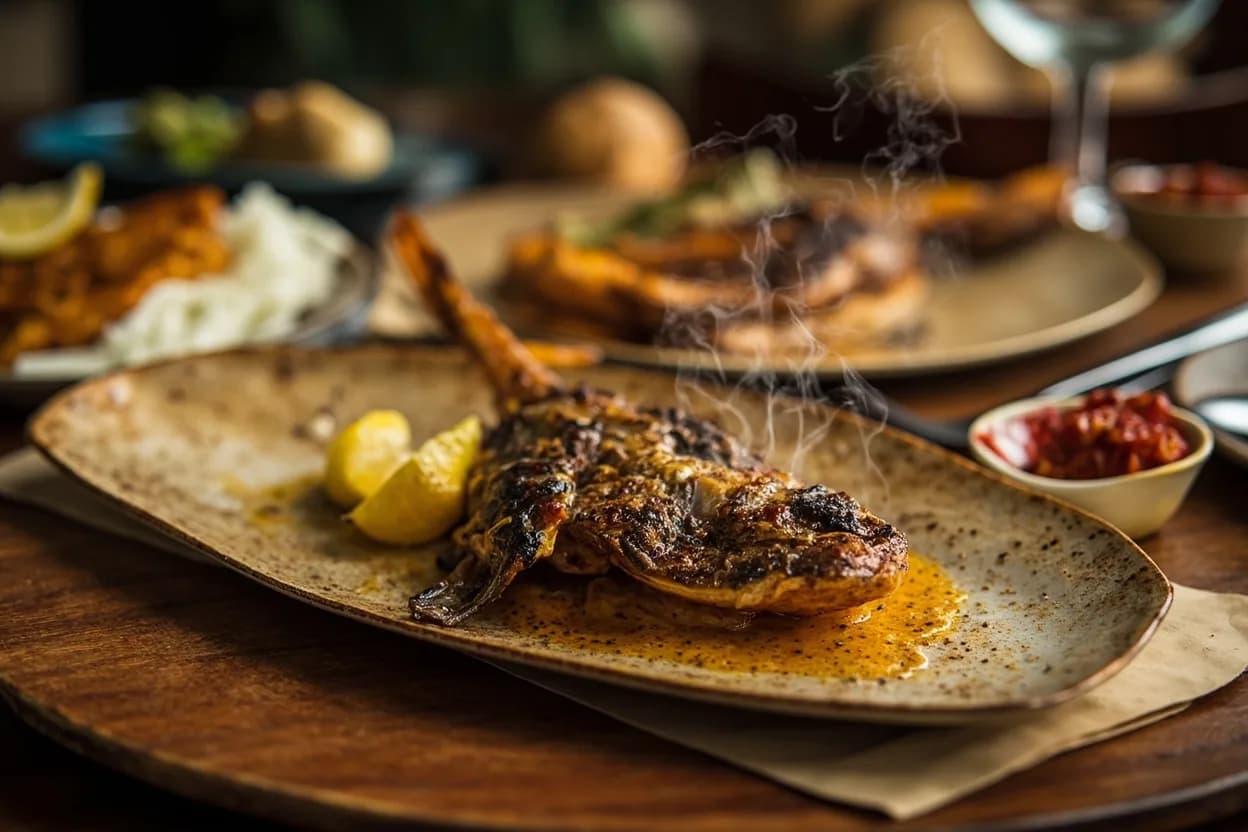
Sold head-on and gutted throughout East African markets. Ideal for charcoal-grilled whole preparation as done in Uganda and Tanzania.
Common uses
Tips & pitfalls
- Score the skin deeply with a knife before grilling to prevent curling and ensure even crisping across the surface
- Do not overcook—the lean flesh dries out quickly. Target 63°C (145°F) internal temperature and remove from heat immediately
- Bring fillets to room temperature for 20 minutes before cooking to ensure even heat penetration throughout
- For stews, cut into large chunks (5 cm/2 inches) and add toward the end of cooking to maintain structure and avoid mushiness
- When substituting Nile perch for softer white fish in recipes, reduce cooking time by 15–20% due to its firmer texture
- Marinate briefly in citrus juice or spice mixtures for 15–30 minutes to add brightness to the neutral flesh
- Avoid frozen fillets that show signs of freezer burn or ice crystals, which indicate prolonged storage and textural degradation
- When buying whole, check for clear eyes and bright red gills—these are reliable indicators of freshness
Nutrition
Nutrition
No USDA FoodData Central match for Nile Perch (Capitaine) yet. We surface a per-100 g profile once a generic whole-food entry is matched and verified.
In the shops
Matched grocery products
No matched grocery products for Nile Perch (Capitaine) yet.
Good to know
- Scientific name
- Lates niloticus
- Origin
- Nile River system, Lake Victoria, Lake Chad, Niger River, and other African freshwater systems
- Flavor profile
- Mild, slightly sweet; clean and neutral with subtle freshwater character
- Texture
- Firm, dense, and flaky; holds structure well through grilling, braising, and frying
- Fat content
- Lean; 1–2% fat, similar to cod or sea bass
- Yield
- Fillets represent 35–45% of whole weight; skin is edible when scored and crisped
- Shelf life
- Fresh: 1–2 days on ice. Frozen: 6–8 months at −18°C (0°F)
- Peak availability
- Year-round from aquaculture; wild-caught best May–October
Substitutes
- Sea bass (Barramundi) — Most similar in texture and mildness; widely available in most markets and behaves identically in cooking.
- Halibut — Comparable firmness and lean quality with slightly sweeter flavor. Excellent for grilling and baking.
- Monkfish — Similar dense, meaty texture that withstands aggressive cooking methods. Particularly good for grilling.
- Grouper — Firm white flesh with mild flavor; works as an all-purpose substitute for most preparations.
- Tilapia — Acceptable in stews and quick-cook methods but has much softer texture; reduce cooking time significantly.
- Cod — Flakier and softer when cooked; suitable for baking and pan-frying but avoid high-heat grilling applications.
Pairs with
Also called
Nile Perch (Capitaine) · Capitaine · Mbuta
Appears in these dishes
Related
Egg
The kitchen's everything ingredient — bind, leaven, enrich, or fry
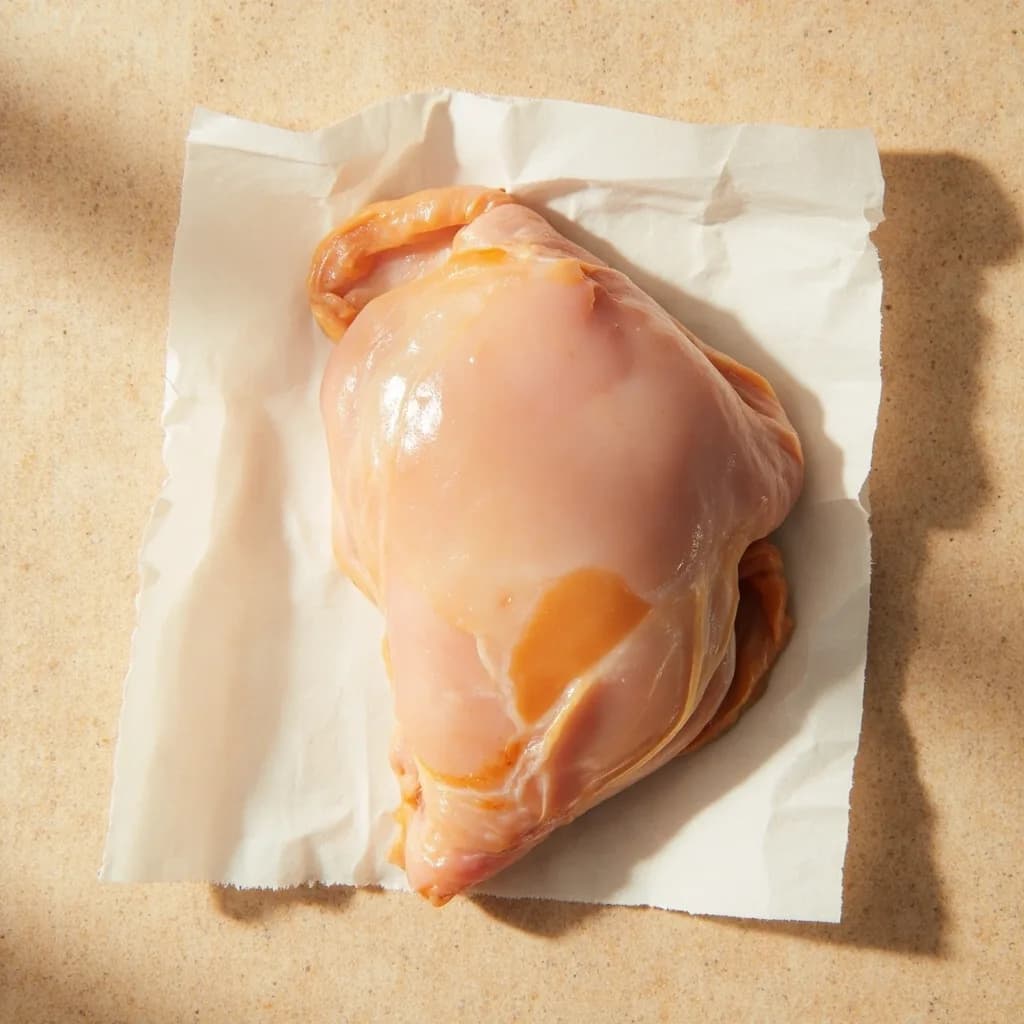
Chicken Breast
Lean, quick-cooking white meat for everyday dinners

Ground Beef
Versatile minced beef for burgers, ragù, tacos, and meatballs
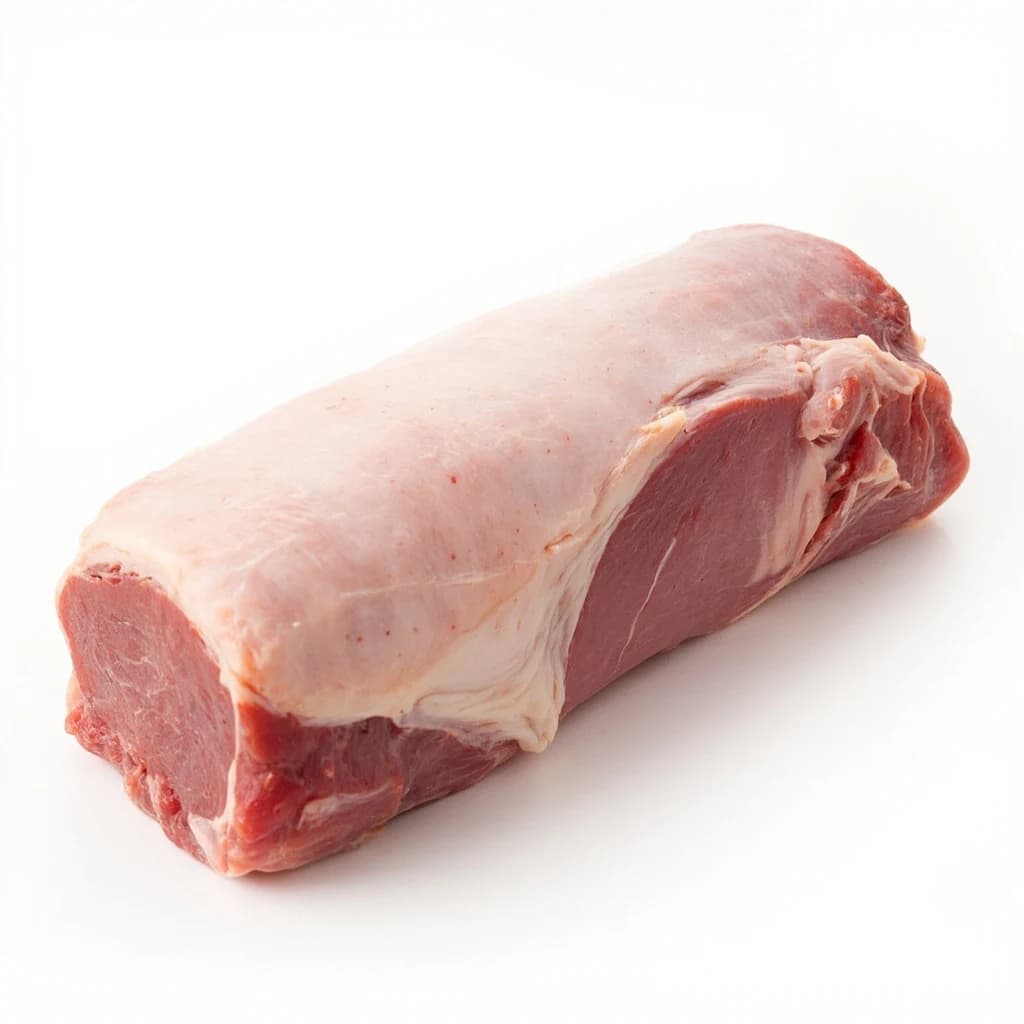
Pork Loin
Lean, tender roasting cut that stays juicy with care
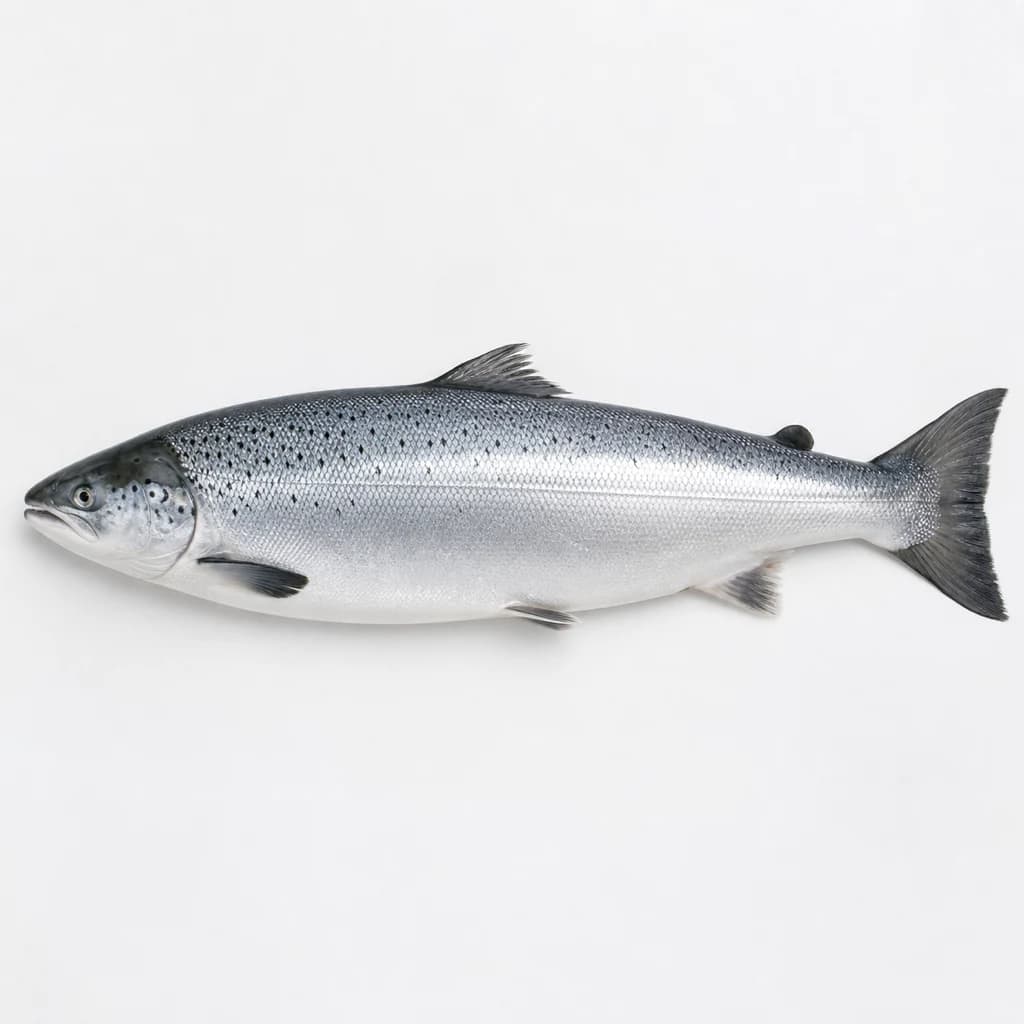
Salmon
Rich, rosy fish that roasts, grills, or cures beautifully

Egg White
Pure protein that whips to airy peaks for meringue and more
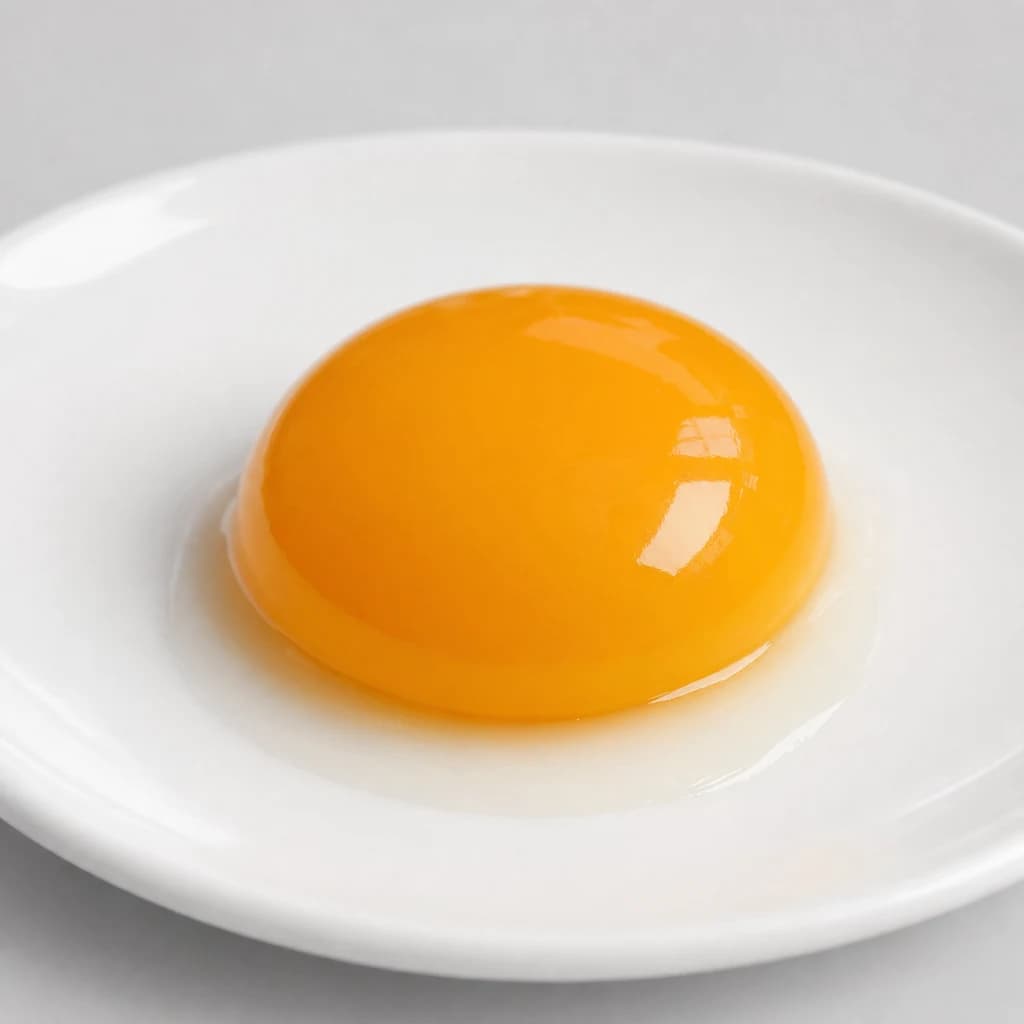
Egg Yolk
Rich, golden yolk for custards, mayonnaise, and pasta

Quail Egg
Tiny, speckled eggs for garnishing and elegant bites