
Natural form
Whole pandanus fruit showing its knobby red-orange segmented exterior on a neutral background.
Shows the full fruit's distinctive shape, size, and color so readers can identify it in the wild or at market.
Produce
Pandanus Fruit
Large segmented tropical fruit chewed or boiled, a Pacific Island staple.
Pandanus fruit is the large, knobby red-orange fruit of the screwpine, made up of wedge-shaped segments called keys. A staple across the Pacific atolls and the Maldives, the fibrous segments are chewed for their sweet juice, boiled, or processed into a preserved paste. It is distinct from the pandan leaf used as an aromatic flavoring.
Pandanus fruit grows on Pandanus trees (Pandanus tectorius and related species) in dense clusters weighing 5–15 kilograms, with each wedge-shaped segment—called a drupe—measuring 5–15 centimeters long. The edible portion is the seed kernel nestled within each segment, a white to pale yellow nugget that is starchy, chewy, and mildly sweet with nutty undertones reminiscent of chestnuts or sweet potato. Pacific Island and Southeast Asian cooks have relied on this fruit for centuries as a staple starch source, particularly in Fiji, Samoa, Hawaii, the Philippines, and Indonesia, where it grows year-round in tropical climates. The fruit's high carbohydrate content made it valuable for energy, while its versatility—eaten fresh, boiled, roasted, ground into flour, or fermented—established it as a foundational ingredient across diverse cooking traditions.
Extracting the kernels requires effort: each segment must be pried open to reveal the triangular seed within, and roughly 30–40% of the fruit's total weight is edible. Some varieties, particularly wild types, contain calcium oxalate crystals or other compounds that cause irritation if eaten raw, necessitating thorough cooking. The fruit oxidizes quickly once cut, turning grayish-brown within minutes if exposed to air. Commercially, pandanus fruit remains rare outside growing regions, though frozen kernels and dried flour are increasingly available through specialty suppliers. Notably, this fruit should not be confused with pandan leaves (Pandanus amaryllifolius), a different plant species prized in Southeast Asian cuisine for its distinctive floral aroma and green coloring—both share the pandanus name but serve entirely different culinary roles.
Fresh pandanus fruit is most easily found in farmers' markets and tropical produce shops near growing regions. Select fruit with vivid, even coloring (yellow-orange to bright red depending on variety) and firm, unblemished segments. A ripe fruit releases its segments easily when tugged; resistance indicates immaturity. Whole fruit keeps refrigerated up to two weeks, while extracted kernels freeze well for six months. Dried pandanus flour, useful for baking and as a thickening agent, keeps indefinitely in an airtight container. When cooking with unfamiliar varieties, err on the side of thorough preparation—raw kernels from unknown sources can cause mouth and throat irritation.
- Measured in
- piece
- Storage
- Pantry
Types & varieties
Primary edible species; widely distributed across Pacific and Southeast Asia; most commonly used in cooking
Lower starch content; can be eaten raw or lightly cooked; common in Hawaii and Fiji
High in beta-carotene; vivid orange-red color; favored for desserts and sweet preparations
Higher in astringent compounds; requires prolonged cooking or fermentation before consumption
Hardier variety adapted to higher elevations; primarily processed into flour
Common uses
Tips & pitfalls
- Select fruit with bright, even coloring and no soft spots or mold at the segment bases—blemishes indicate spoilage
- Test ripeness by gently pulling a segment: ripe fruit releases with minimal resistance; stubborn segments mean the fruit is underripe and the kernels will be underdeveloped
- To extract kernels cleanly: cut the fruit into segments, then briefly boil whole wedges for 5 minutes to soften flesh before prying out the triangular kernels—this prevents crushing and saves time
- Always cook wild or unfamiliar varieties thoroughly; some contain calcium oxalate crystals that cause painful irritation of mouth and throat if consumed raw
- Toast raw kernels in a dry skillet over medium heat before adding to savory dishes for a deeper, nuttier flavor that complements richer preparations
- For pandanus flour: spread extracted kernels in a single layer on drying racks under direct sunlight for 2–3 days, turning occasionally, or use a dehydrator at 50°C until brittle and fully dried
- Do not confuse pandanus fruit with pandan leaves (Pandanus amaryllifolius)—they come from different species and serve entirely different culinary purposes; pandan leaf extract provides aroma and green color, not fruit flavor
- The fruit oxidizes rapidly once cut, turning gray-brown; work quickly or immerse cut pieces in lightly salted water until ready to use
- When substituting, prioritize textural similarity (starchy, chewy) over flavor matching—breadfruit or sweet potato approximate the mouthfeel even if the taste differs
- Many Pacific Island cultures consider certain pandanus varieties sacred and reserve them for ceremonial use; commercially available frozen kernels and flour come from common culinary varieties safe for everyday cooking
Nutrition
Energy
1427 kJ · per 100 g
Where the calories come from
Protein
0g
0% DV
Carbs
85.1g
31% DV
Fat
0g
0% DV
Fiber
0.1g
0% DV
Sugars
53g
of which
Sodium
0mg
0% DV
Source · USDA FoodData Central · approx. Fruit syrup
View on FDC →In the shops
Matched grocery products
No matched grocery products for Pandanus Fruit yet.
Good to know
- Origin
- Southeast Asia and Pacific Islands (Hawaii, Fiji, Philippines, Indonesia, Polynesia)
- Season
- Year-round in tropical regions; peak season varies by location
- Flavor
- Mildly sweet, nutty, reminiscent of sweet potato or chestnut; varies by variety
- Part Used
- Seed kernel (endosperm) extracted from each wedge-shaped segment (drupe)
- Typical Size
- Clusters weigh 5–15 kg; individual segments 5–15 cm long
- Yield
- 30–40% edible portion by weight (kernels only)
- Edible Color
- Outer skin: yellow-orange to bright red; inner kernel: white to pale yellow
- Storage
- Refrigerate whole fruit up to 2 weeks; frozen kernels 6 months; dried flour indefinitely
Substitutes
- Breadfruit — Similar starchy texture and cooking behavior; can be boiled, roasted, or fried in comparable preparations
- Sweet potato — Comparable mild sweetness and cooking behavior; significantly easier to find outside tropical regions
- Taro — Similar culinary role in Pacific Island cooking; must be cooked thoroughly due to calcium oxalate content
- Sago pearls — Effective substitute when the recipe calls for pandanus flour or starch as a thickening agent
- Pandan leaf extract — Not a flavor substitute—use only for green color and floral aroma in Southeast Asian-style baking
Pairs with
Also called
Te Kaina · Screwpine Fruit · Kashikeyo · Fala
Related
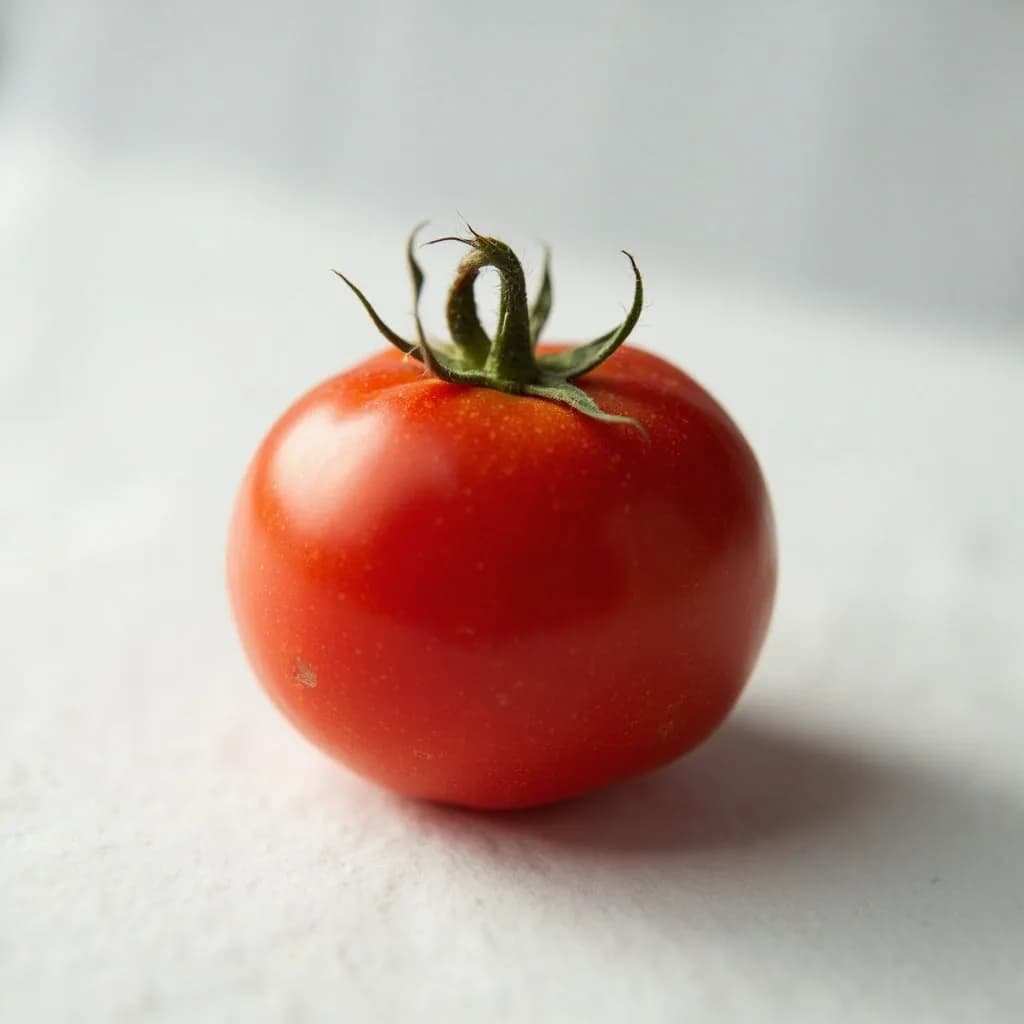
Tomato
Juicy, sun-sweet fruit for sauces, salads, and slow-cooked depth
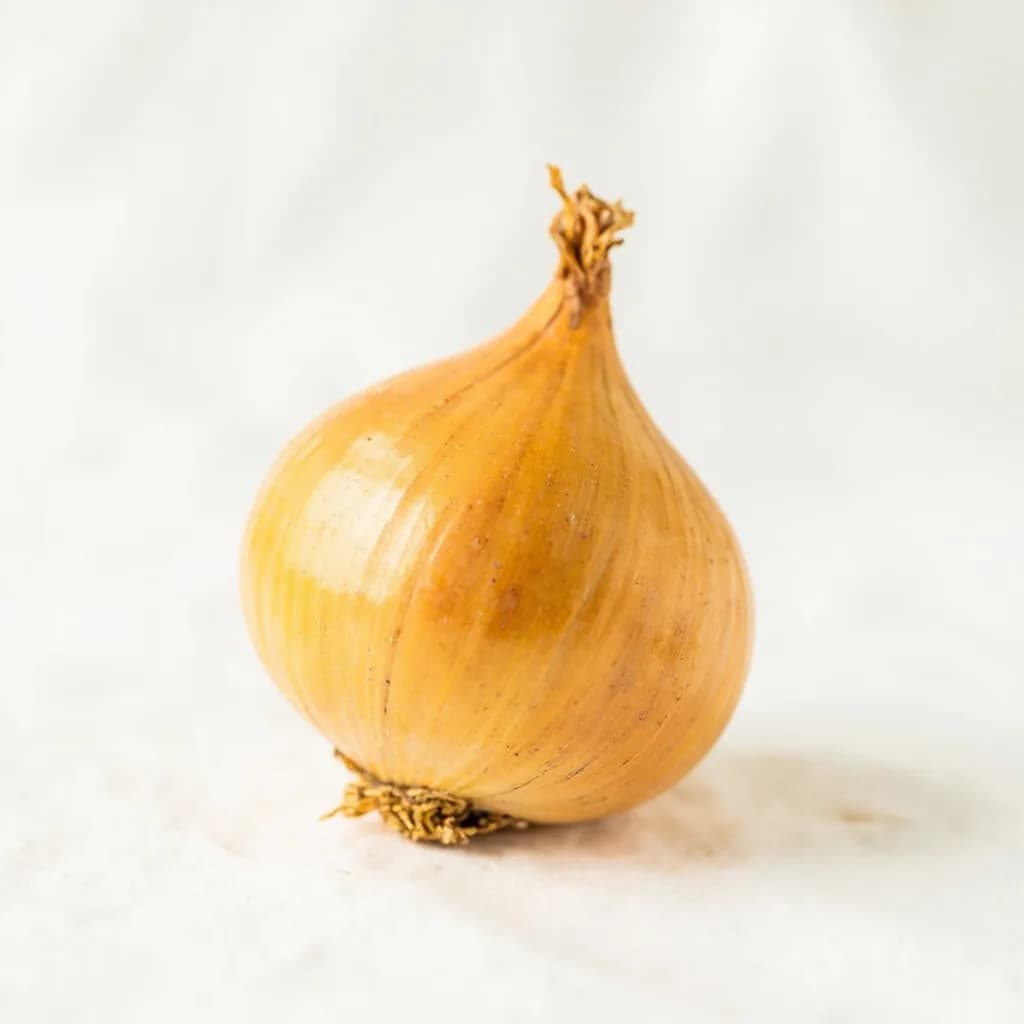
Yellow Onion
The aromatic backbone of soups, sofritos, and braises
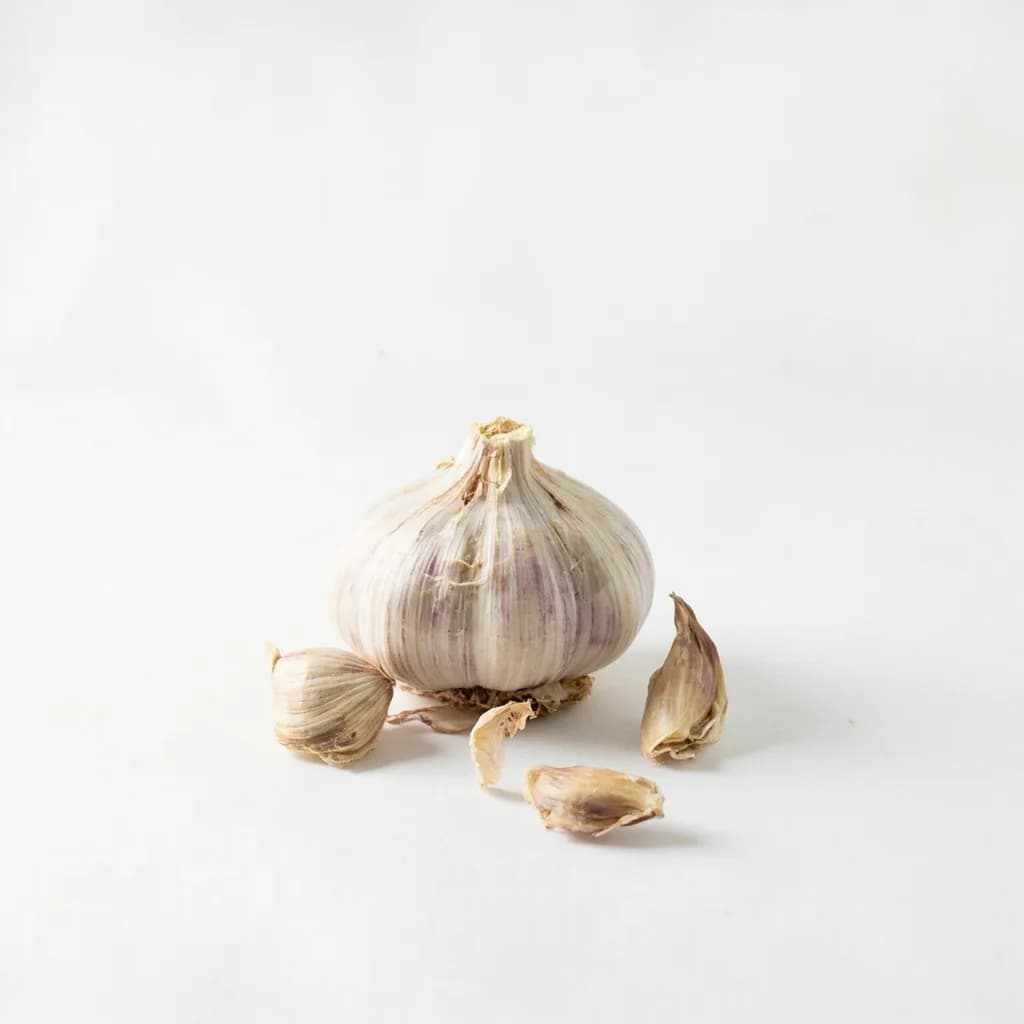
Garlic
Pungent cloves that perfume nearly every savory dish
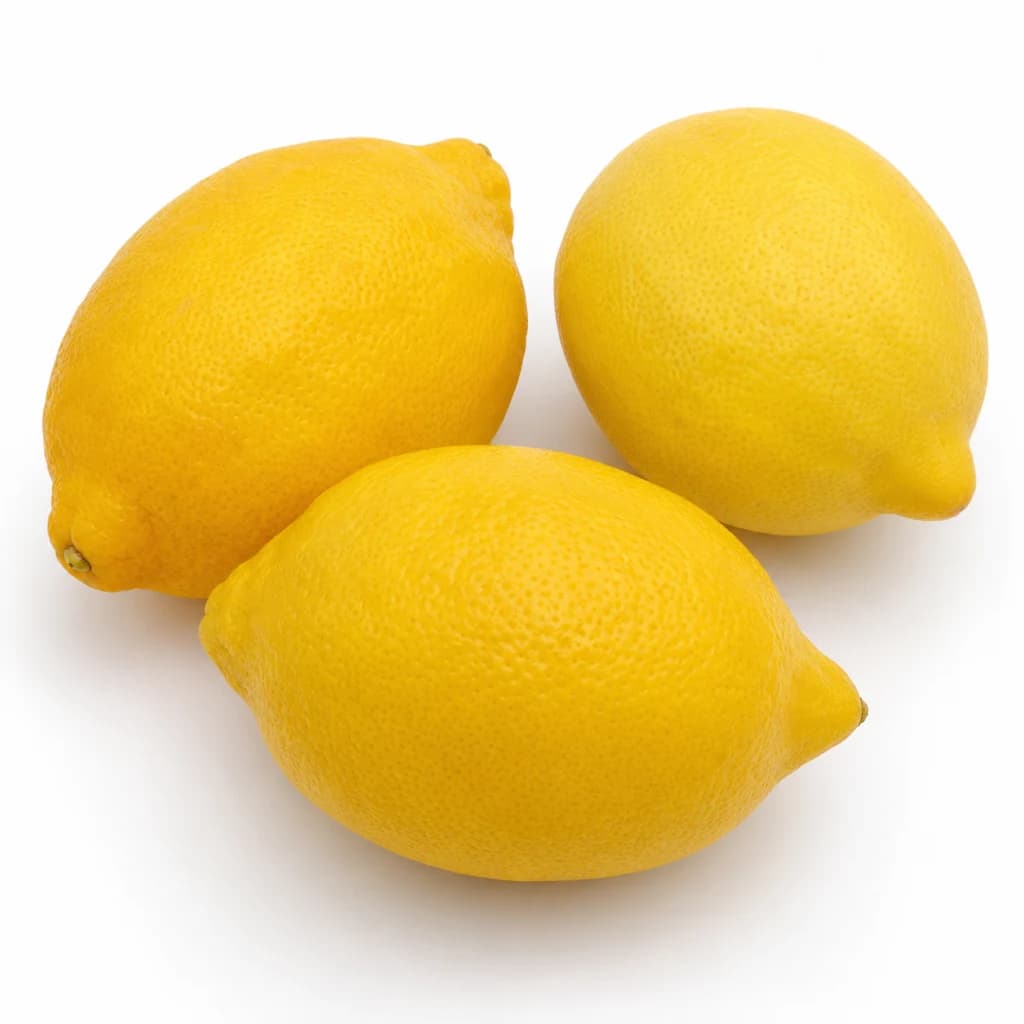
Lemon
Bright, acidic citrus that wakes up almost any dish
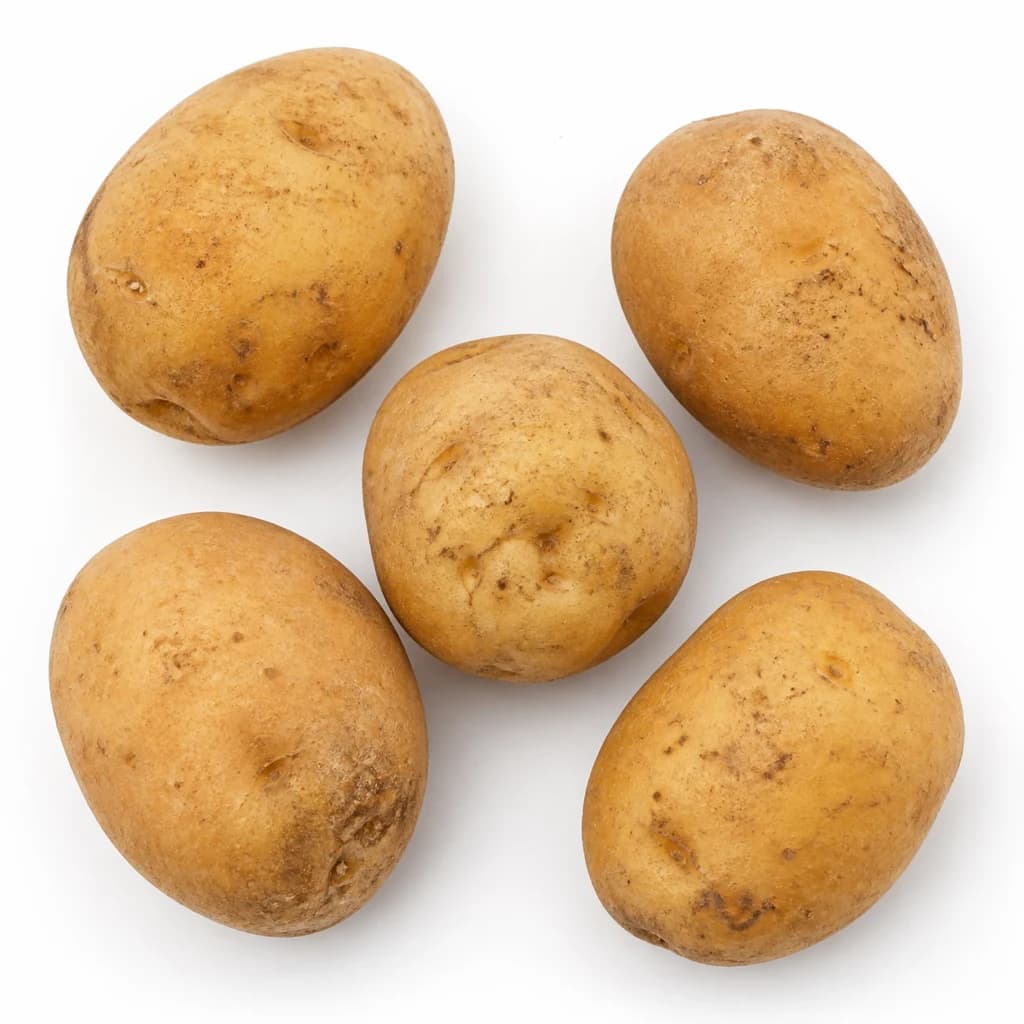
Potato
Humble, hearty staple — roast, mash, fry, or boil
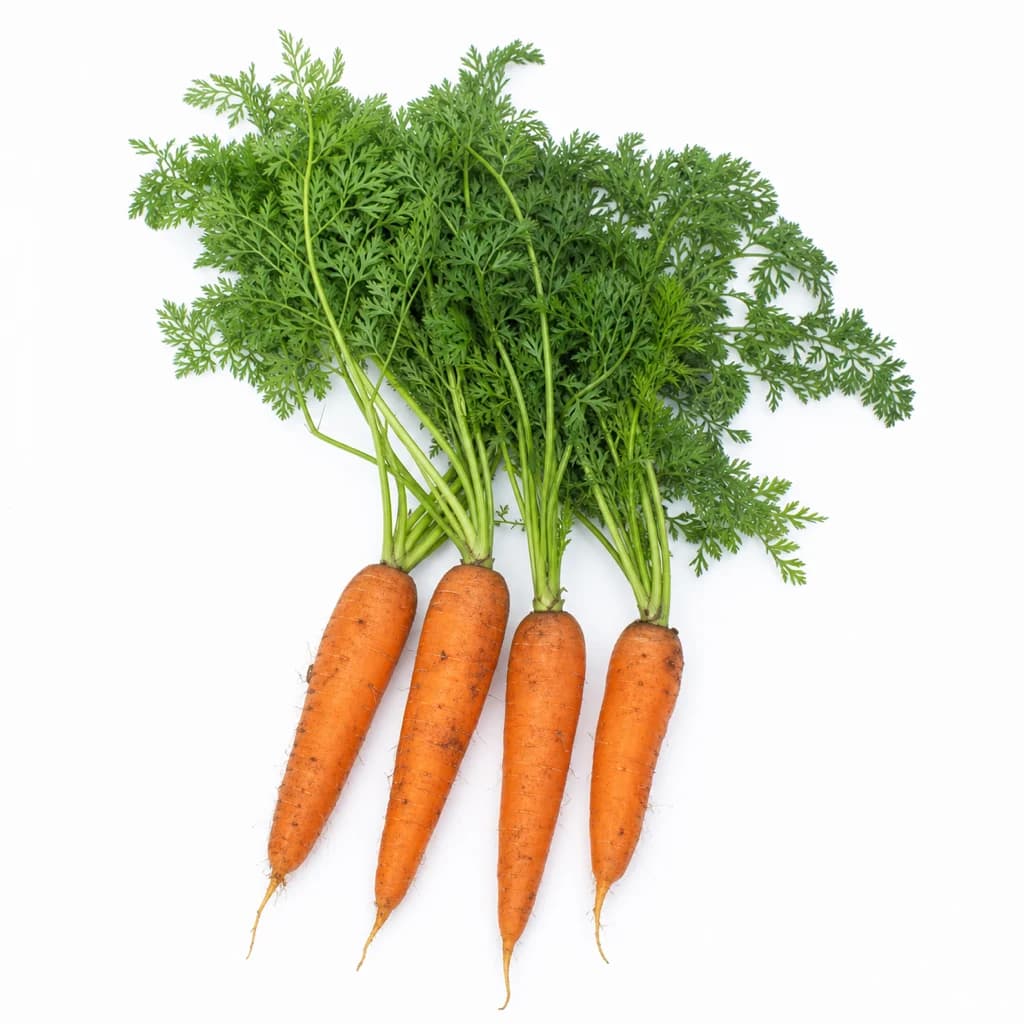
Carrot
Sweet, crunchy root — raw, roasted, or the base of a sofrito
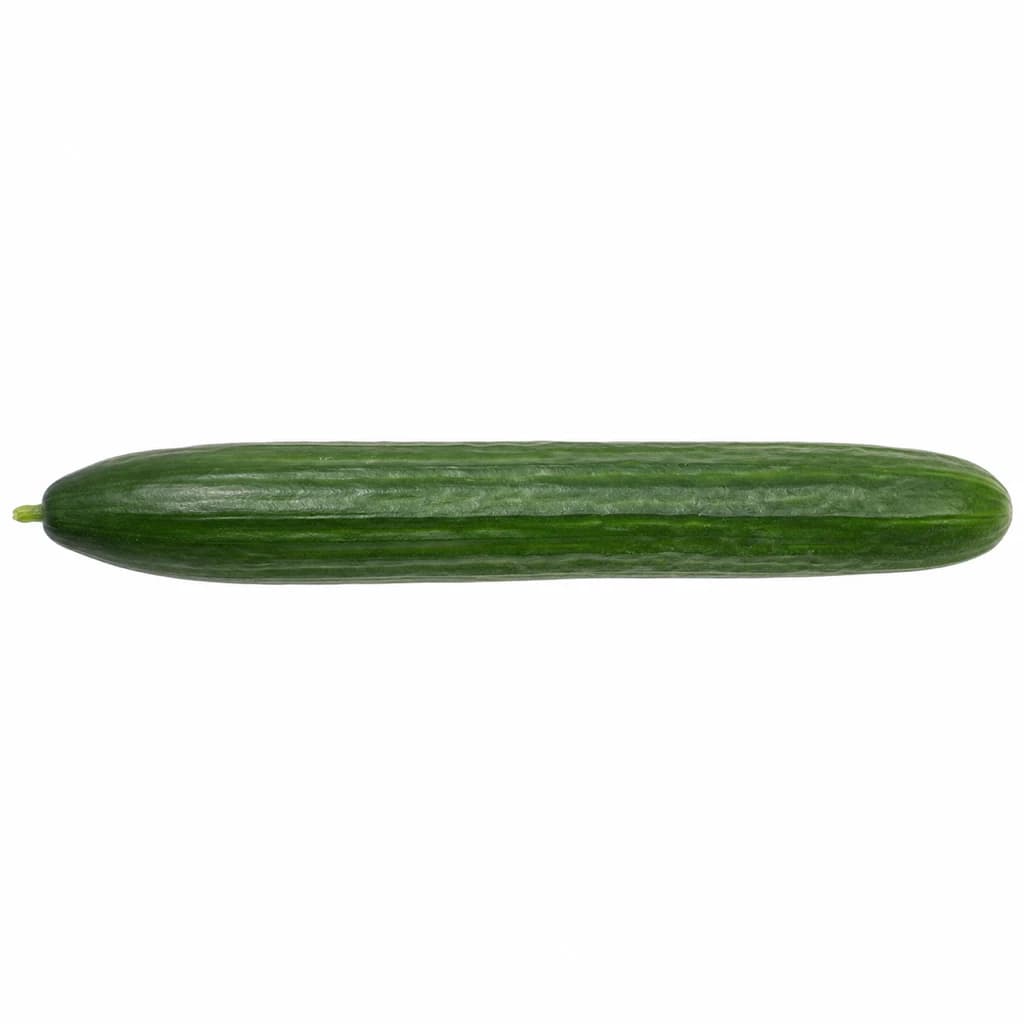
Cucumber
Cool, crisp, and watery — for salads, pickles, and tzatziki

Lettuce
Crisp leaves for salads, wraps, and a fresh crunch