
Natural form
A whole aged Pecorino Romano wheel shows its characteristic hard, rough natural rind.
Showing the intact wheel communicates the cheese's hard-aged form, dense pale interior, and thick natural rind that distinguish it from softer cheeses.
Dairy & Eggs
Pecorino Romano
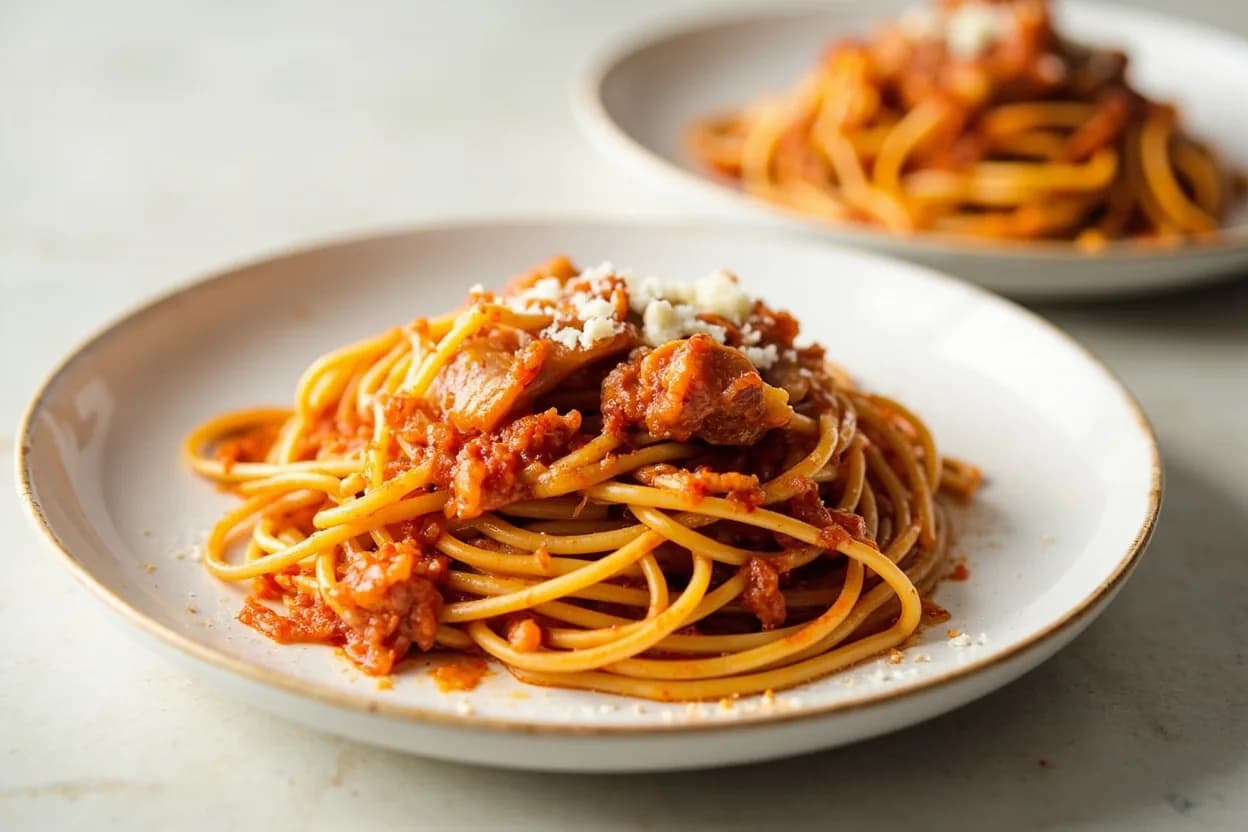
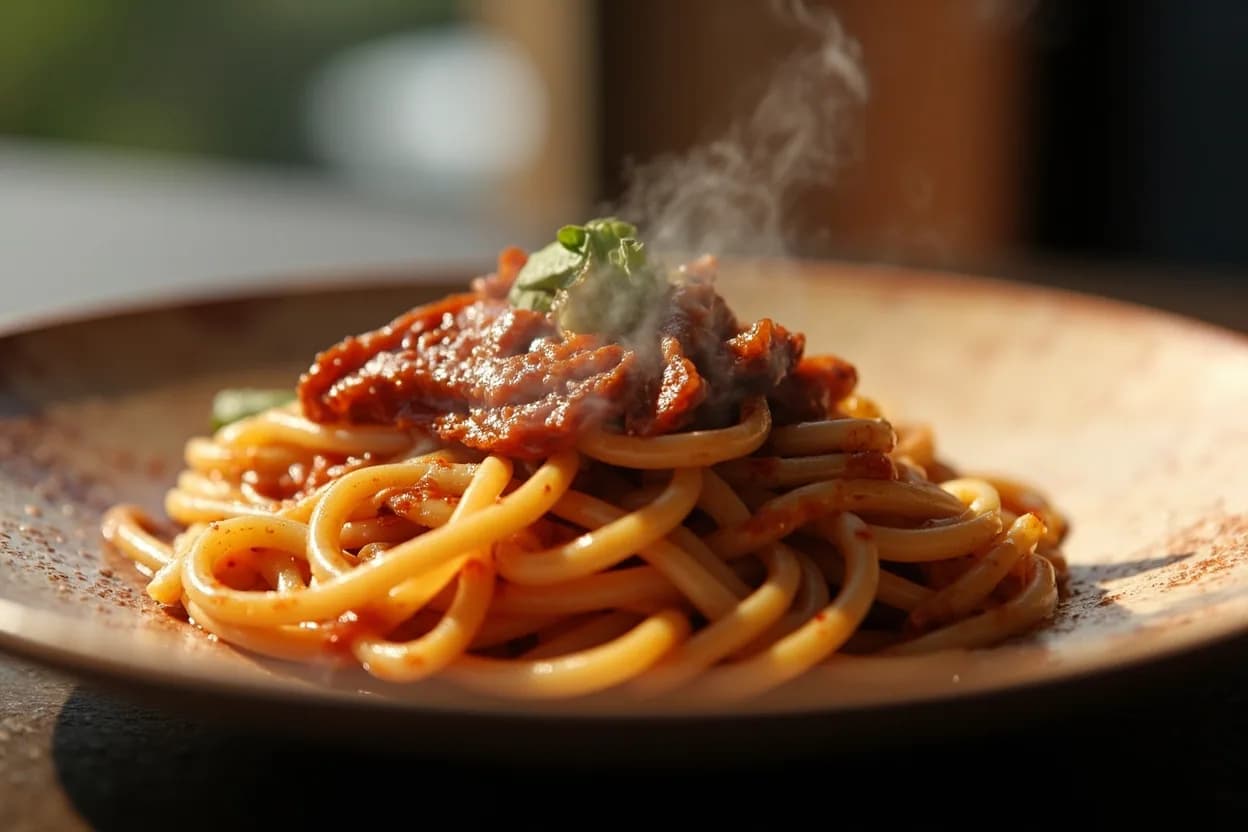
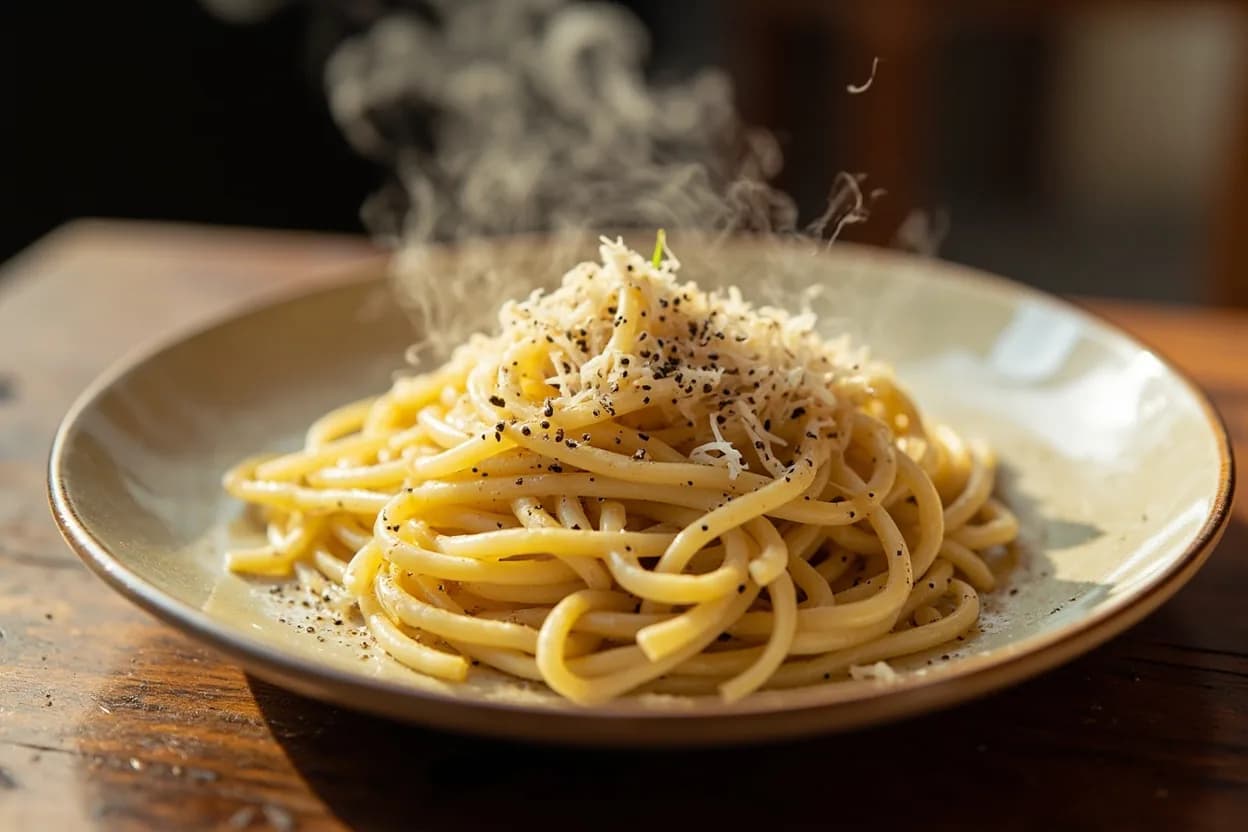
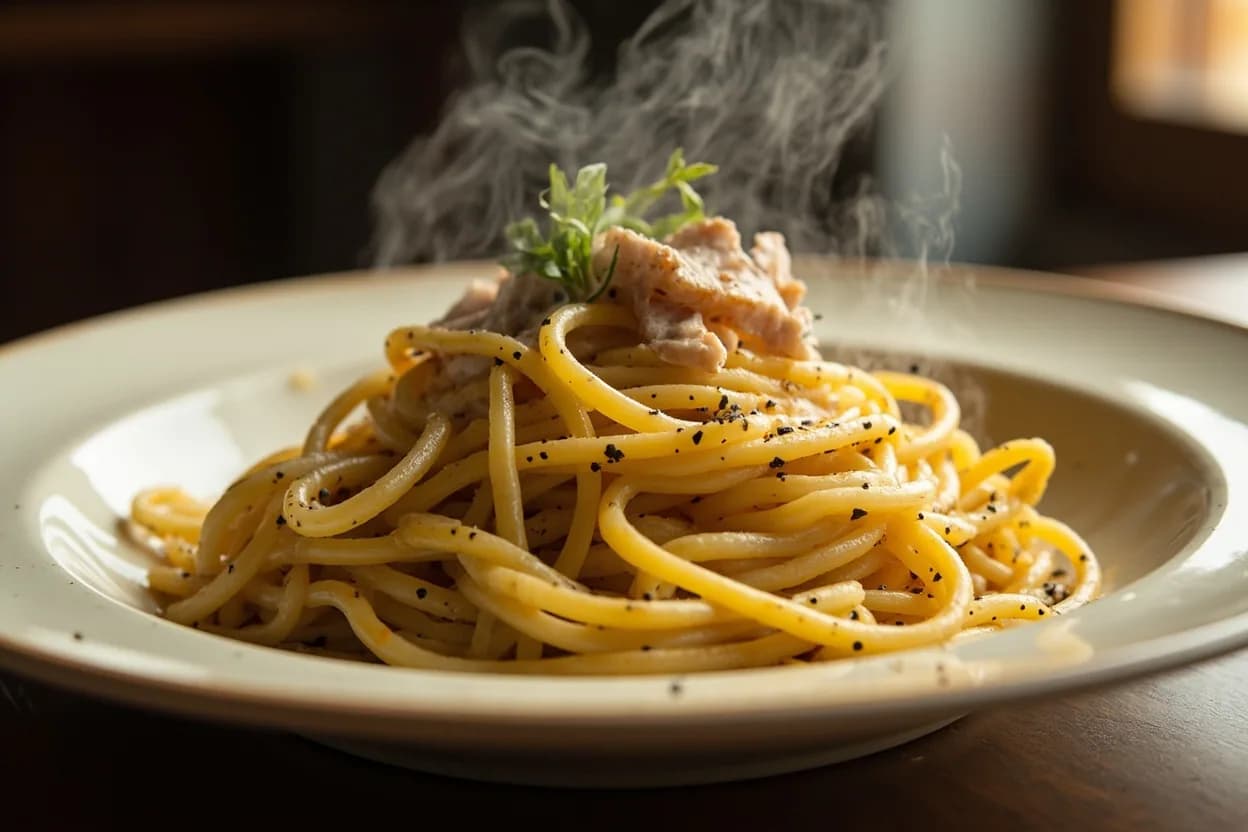
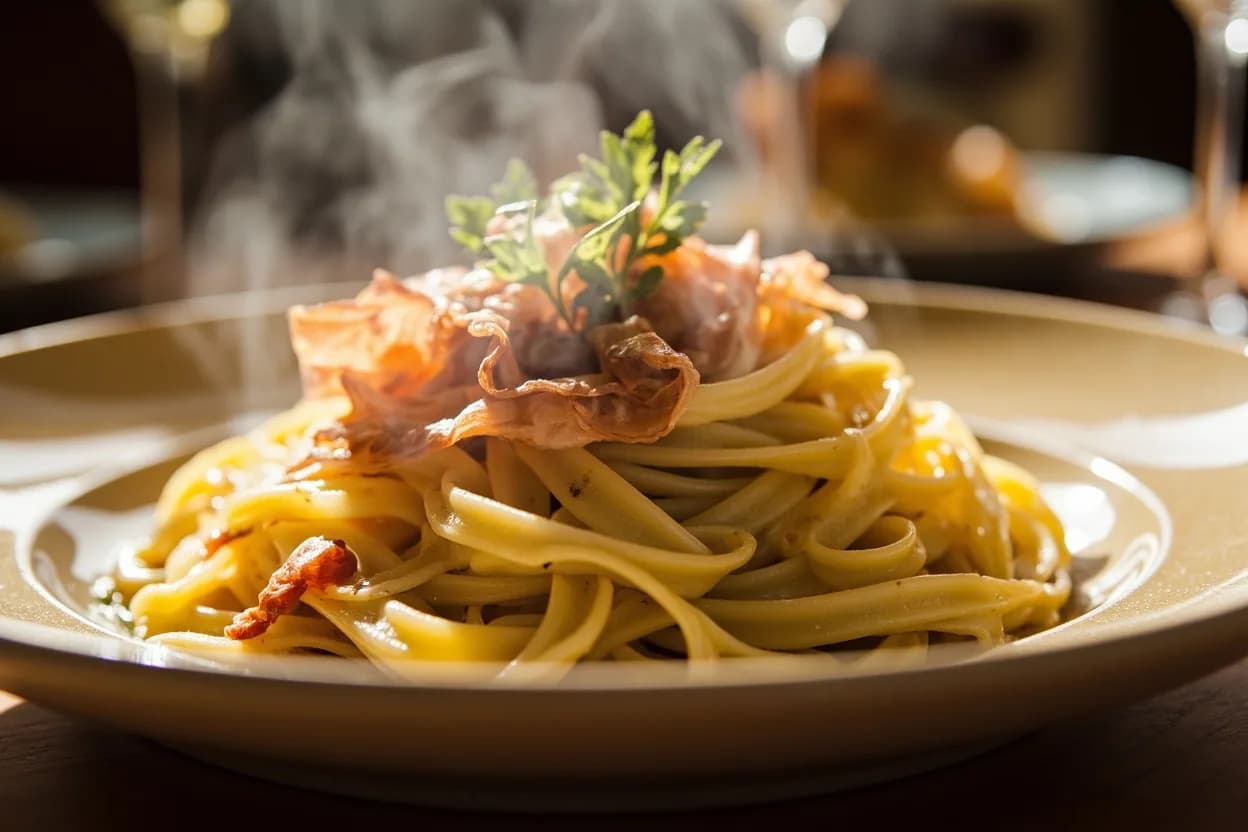
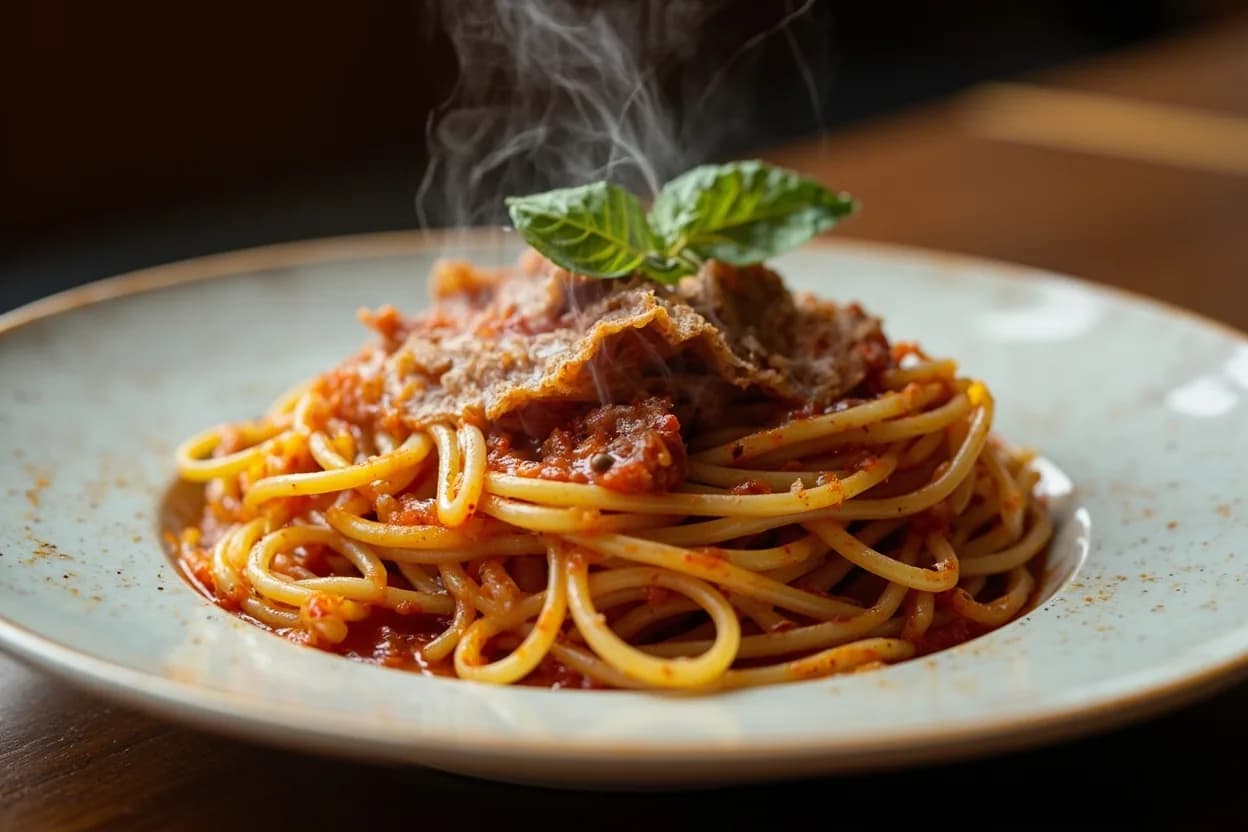
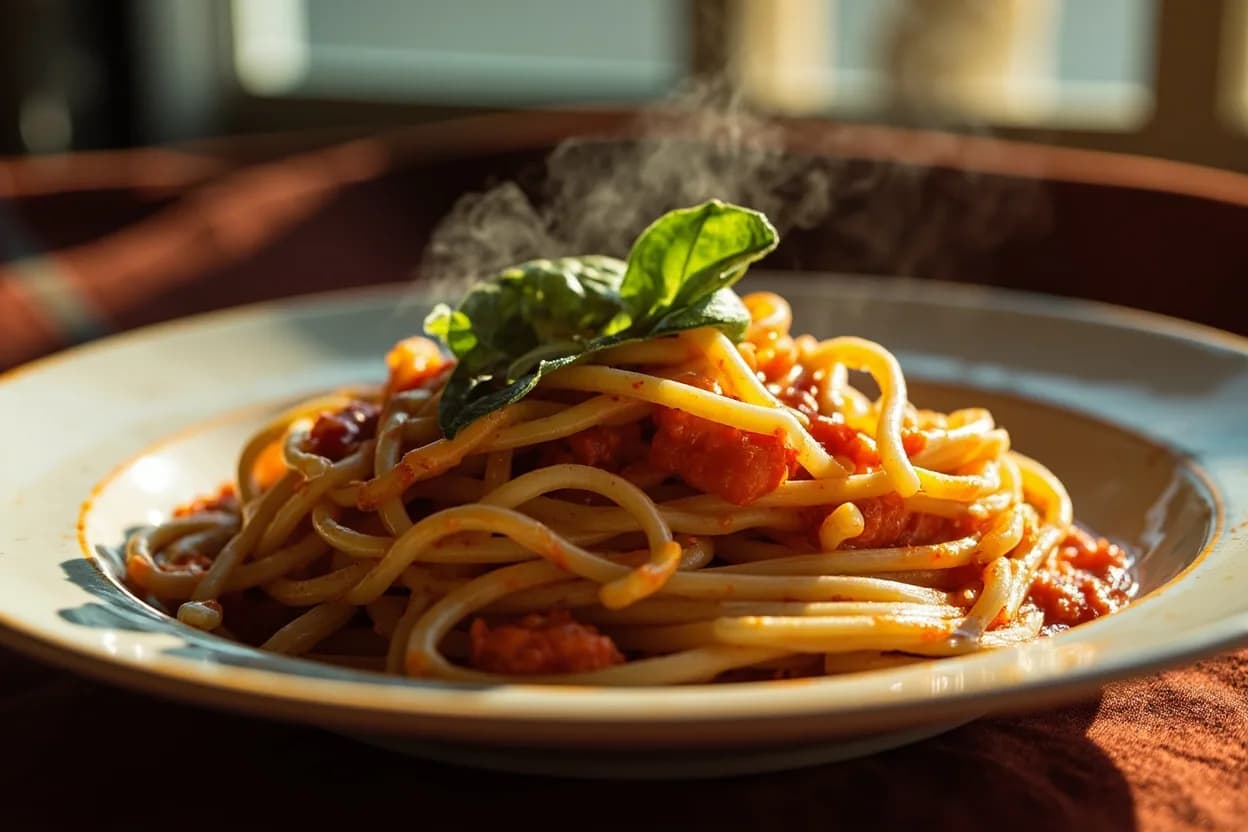
Hard, salty Italian sheep's-milk cheese; grated over cacio e pepe, carbonara, and amatriciana.
Pecorino Romano is a hard, aged Italian cheese made from sheep's milk, with a sharp, salty, tangy bite. It is grated over Roman pasta classics like cacio e pepe, carbonara, and amatriciana. Saltier and more piquant than Parmesan, it is used both as a seasoning and a finishing cheese.
Pecorino Romano is one of Italy's oldest and most characterful cheeses, a hard, granular sheep's-milk cheese produced exclusively in the Lazio region under strict PDO regulations. Its sharp, assertively salty, tangy flavor comes from 100% sheep's milk and a minimum five-month aging period—longer for the grating grades. The cheese was a staple of Roman Legion rations precisely because it traveled well: hard enough to survive transport and naturally preserved by its high salt content. Today it remains the defining cheese of Rome's most celebrated pasta dishes. The distinctive black wax coating on PDO wheels dates to the 19th century and serves both protective and ceremonial purposes; beneath it lies a white-to-straw-yellow interior that becomes more crumbly and intense as it ages. When you grate it, the cheese fractures into slightly oily, pungent shards that melt readily into emulsified sauces without greasing out—a quality that makes it indispensable for cacio e pepe and carbonara. Note that 'Romano' in the name refers to the market (Rome) rather than manufacture: authentic PDO production comes from Lazio, not Sardinia, which produces Pecorino Sardo under its own protected designation.
- Measured in
- g
- Storage
- Fridge
Allergens
Types & varieties
The classic table and grating cheese from Lazio; minimum 5 months aging, characteristic black rind.
Pre-grated version, often bagged; check labels for additives and anti-caking agents.
Distinct PDO from Sardinia; milder and sweeter, available in fresh (tenero) and aged (maturo) versions.
Similar sheep's milk cheese from Tuscany; younger, milder, sometimes finished with olive oil or black pepper crusts.
Shorter-aged version (2–3 months); softer texture, less sharp, usable as a table cheese.
Common uses
Tips & pitfalls
- Buy whole wheels when possible; pre-grated Pecorino loses flavor and often contains anti-caking agents that affect texture in sauces.
- Grate on the finest holes of a box grater or use a microplane for cacio e pepe; coarser grinds dissolve poorly in the emulsified sauce.
- Add grated cheese off-heat and in small additions when incorporating into hot pasta water or sauces; direct heat causes clumping.
- For table use, look for wheels with a natural black rind and a deeply colored, slightly crumbly interior.
- Pecorino Romano from Sardinia is NOT the same as Pecorino Romano PDO—always check the label for DOP/DOC certification for Lazio origin.
- High-quality Pecorino Romano is extremely salty; if a recipe specifies both Pecorino and additional salt, reduce or omit the added salt.
- Store cut surfaces with a damp paper towel under loose plastic to prevent excessive drying.
Nutrition
Energy
1619 kJ · per 100 g
Where the calories come from
Protein
31.8g
64% DV
Carbs
3.6g
1% DV
Fat
26.9g
35% DV
Fiber
0g
0% DV
Sugars
0.7g
of which
Sodium
1433mg
62% DV
Source · USDA FoodData Central · Cheese, romano
View on FDC →In the shops
Matched grocery products
No matched grocery products for Pecorino Romano yet.
Good to know
- Origin
- Lazio region, Italy (PDO protected)
- Milk
- 100% sheep's milk
- Aging
- 5 months minimum (table); 8–12+ months (grating)
- Shape
- Cylindrical wheel, 20–30 kg
- Rind
- Black wax coating on PDO wheels
- Interior color
- White to light straw yellow
- Texture
- Firm, granular, brittle when fully aged
- Flavor
- Sharp, salty, tangy, assertively savory
- Fat content
- 36% minimum (fat in dry matter)
- Yield
- ~10 liters milk per 1 kg cheese
- Storage
- Refrigerate; use within 4–6 weeks for best quality
Substitutes
- Parmigiano-Reggiano — Closest in texture and function; less salty, milder; use 1:1 but note it lacks the characteristic tang.
- Grana Padano — Good substitute in a pinch; similar granular texture; less assertive flavor; 1:1 replacement.
- Pecorino Sardo Maturo — Same species milk, similar texture; from Sardinia; sharper and saltier than Pecorino Romano; 1:1.
- Asiago d'Allevo — Italian hard cheese, decent texture match; flavor is milder; acceptable in pasta dishes.
Pairs with
Also called
Pecorino · Romano Cheese
Appears in these dishes
Related

Whole Milk
Rich, full-fat milk for drinking, coffee, sauces, and baking
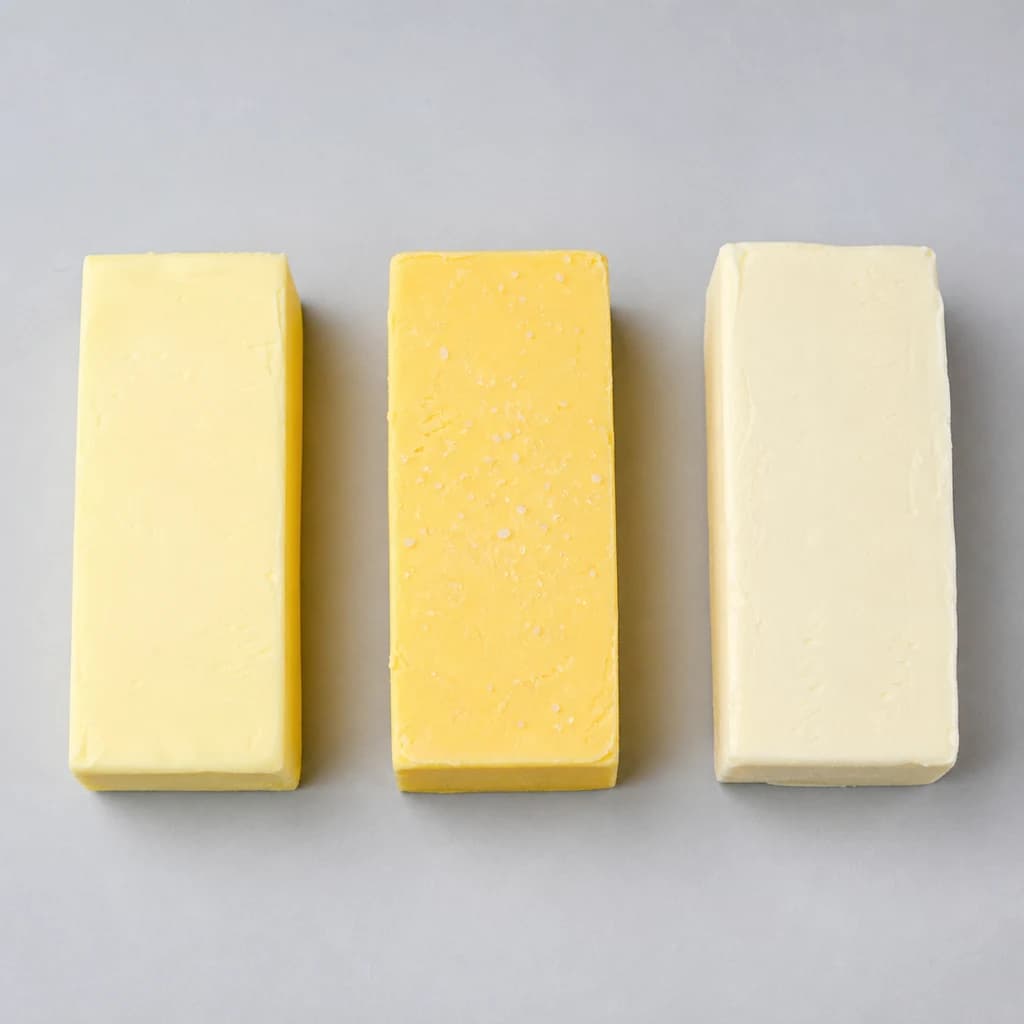
Butter
Golden fat for searing, baking, and finishing a sauce
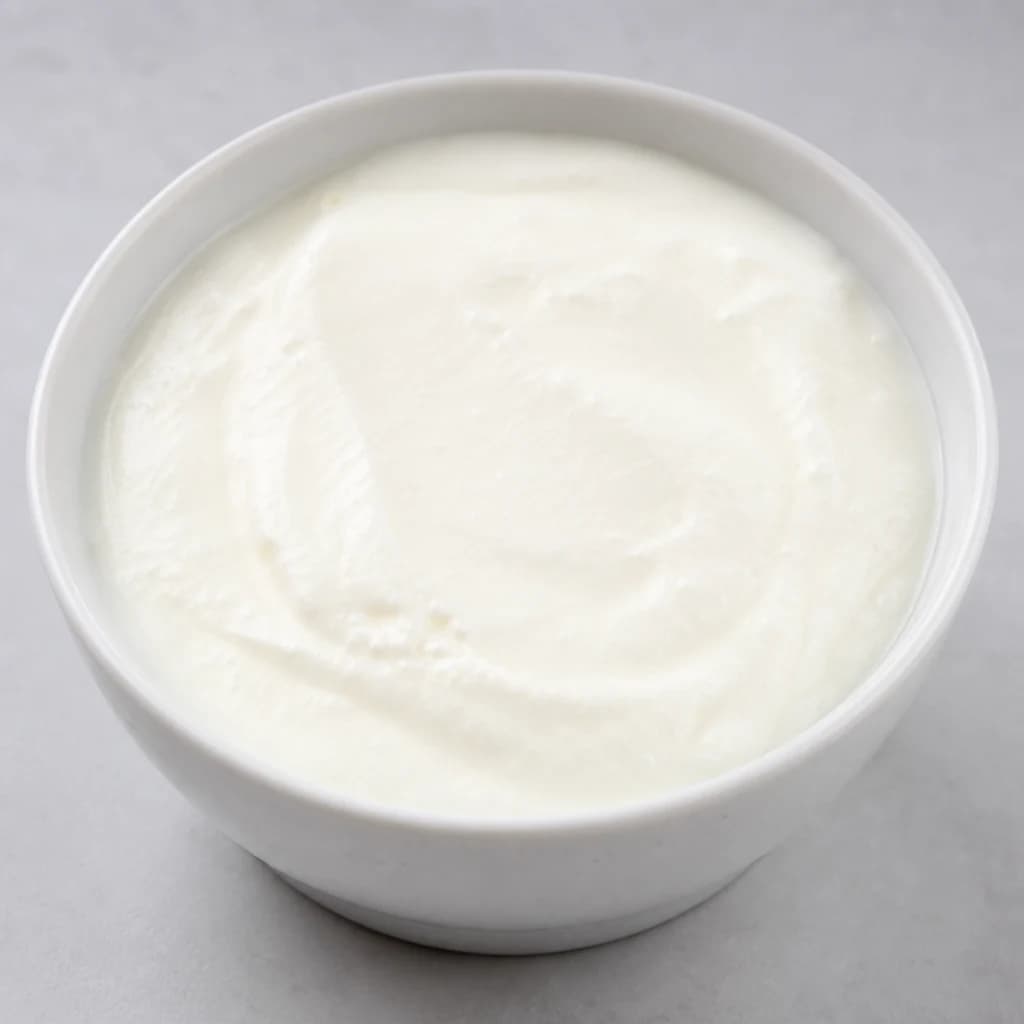
Yogurt
Tangy, creamy culture for breakfast, sauces, and marinades
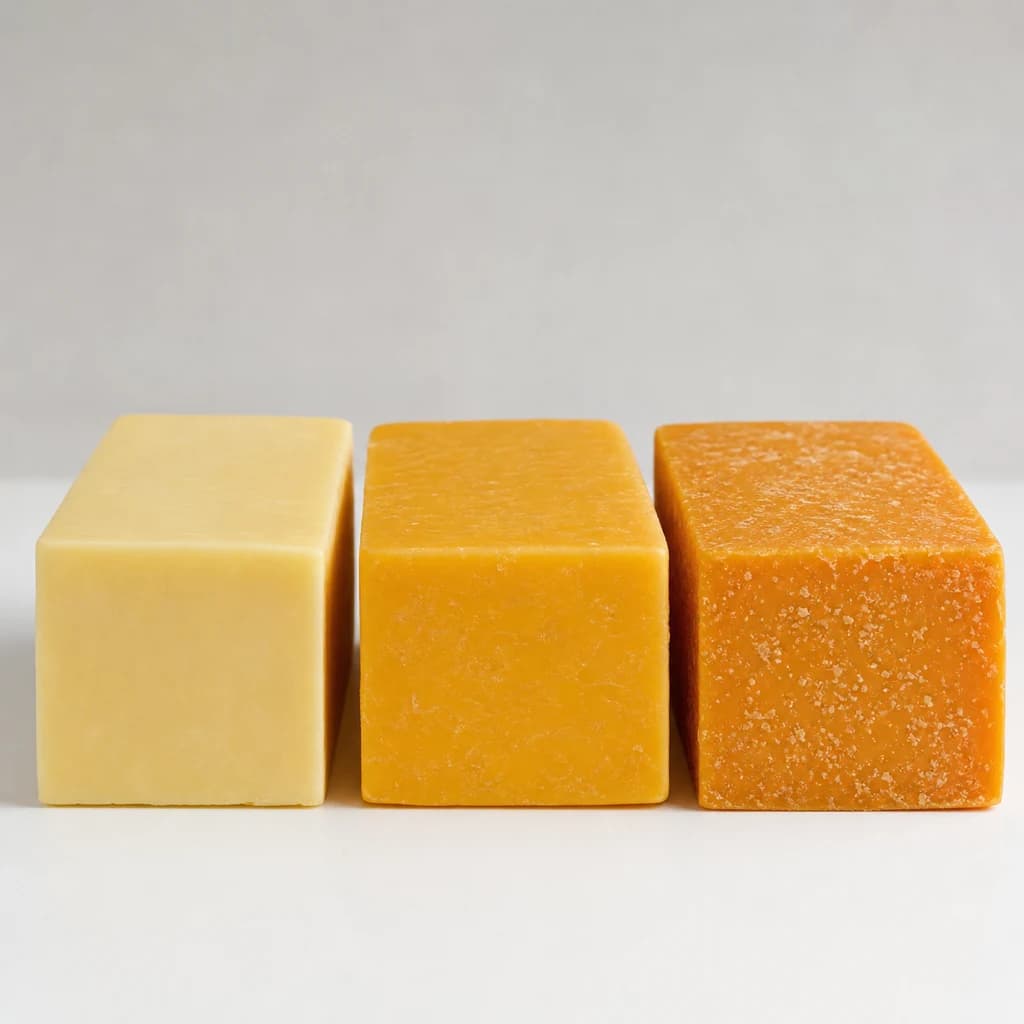
Cheddar Cheese
Sharp, melty cheese for sandwiches, gratins, and grating
Skim Milk
Fat-free milk for lighter drinking, coffee, and cooking
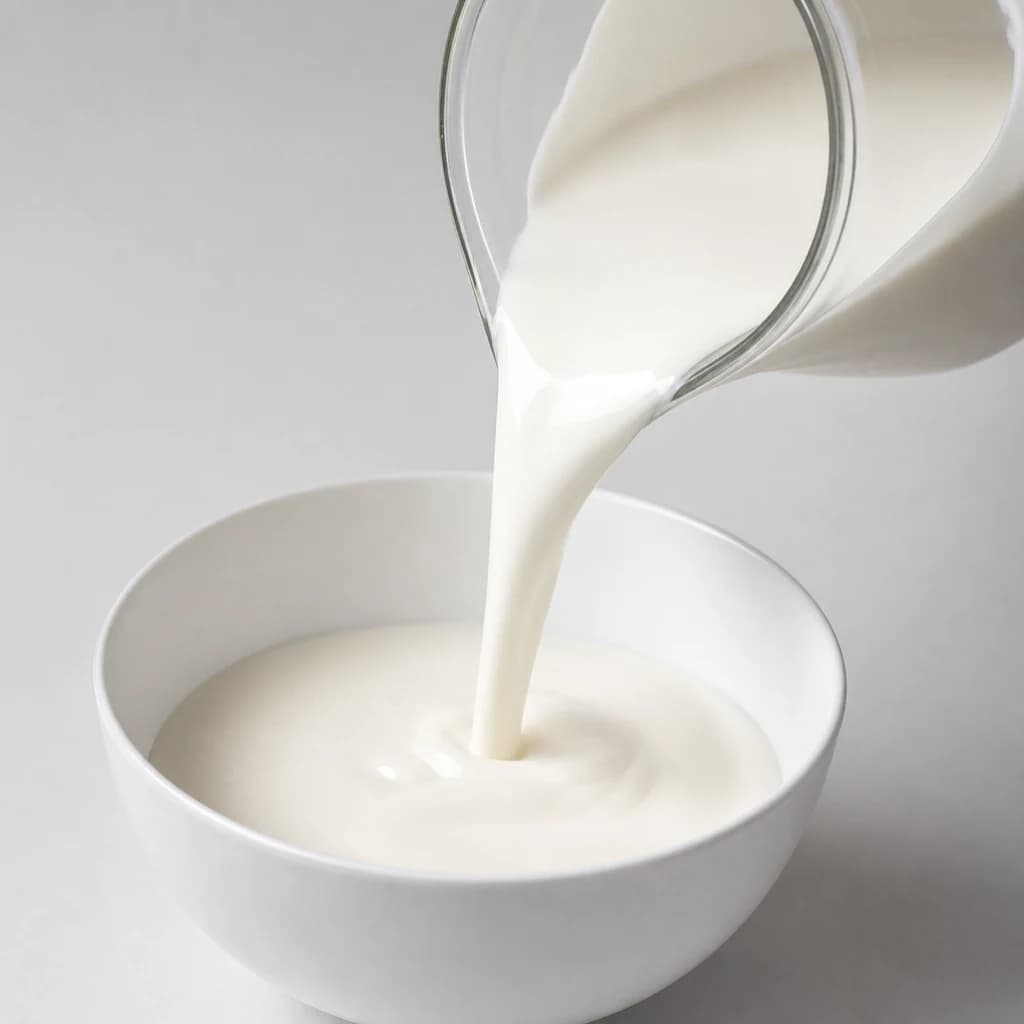
Heavy Cream
Rich cream that whips, enriches sauces, and sets ganache

Sour Cream
Tangy, thick cream for dolloping, baking, and dips
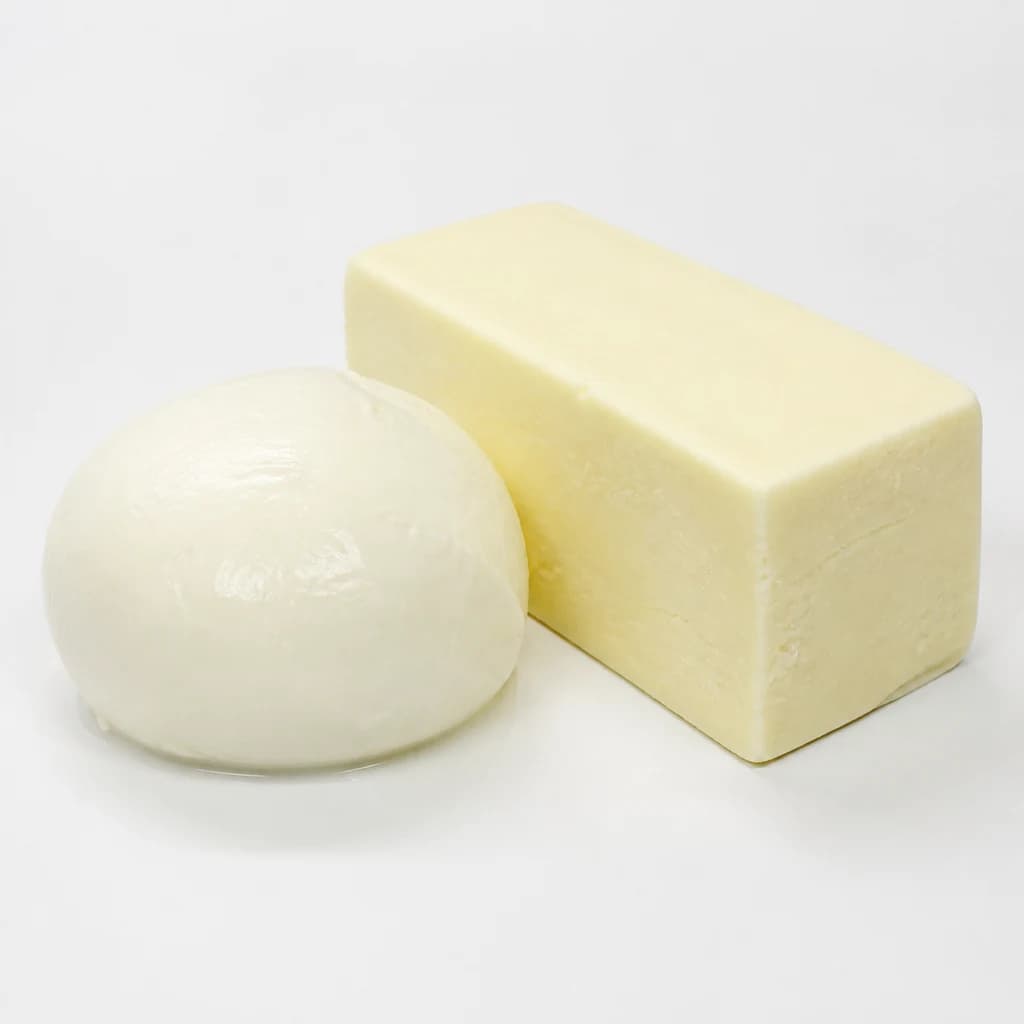
Mozzarella
Soft, milky cheese that melts into stretchy pizza pulls