Proteins
Preserved Duck
Salt-cured, air-dried Cantonese duck used in claypot rice and winter stews.
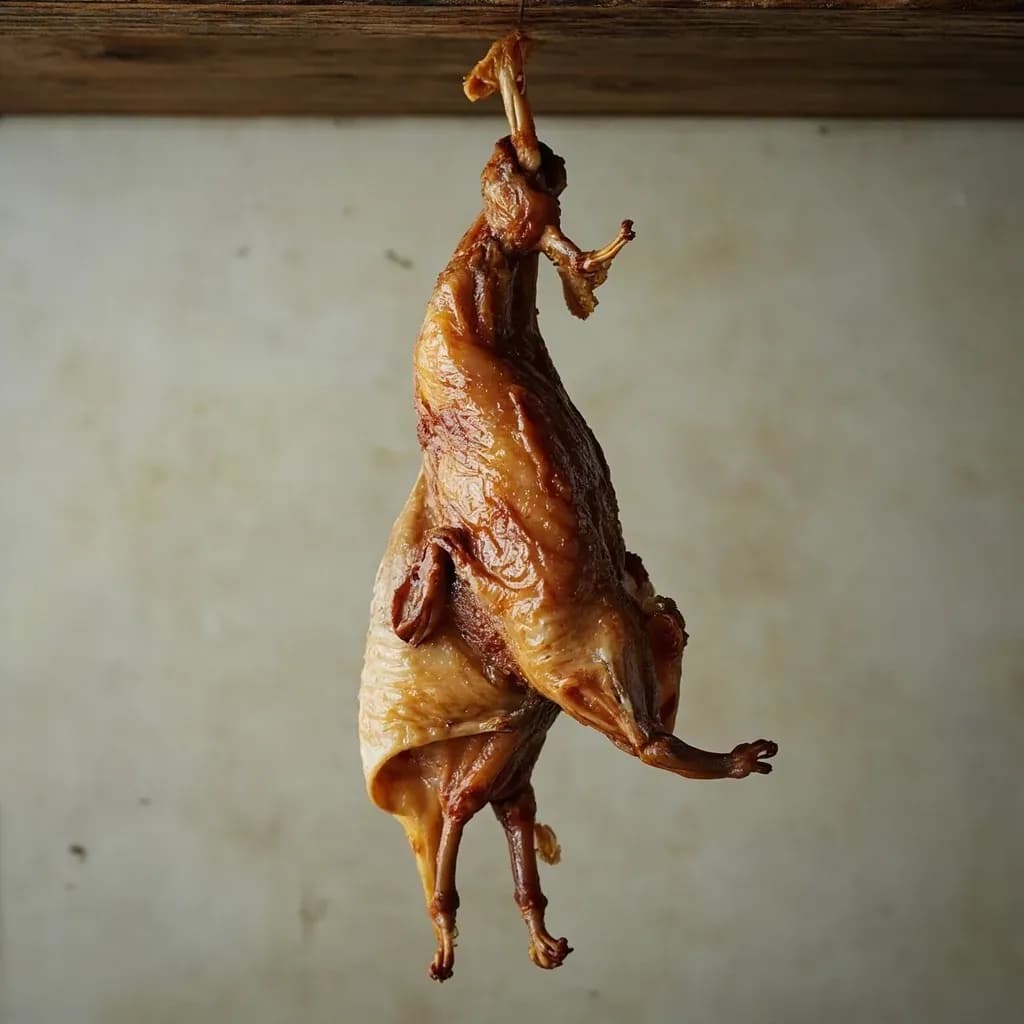
Preserved duck is salted, seasoned and wind-dried duck, a staple of Cantonese winter cooking. It is steamed and sliced over claypot rice, simmered in soups, or paired with preserved sausage (lap cheong). Drying concentrates its flavor into something deeply savory, fatty and slightly funky.
Preserved duck, known in Cantonese as 腊鸭 (lap ap), is a cornerstone of winter cooking in Guangdong province and among Chinese communities worldwide. The process is elemental: fresh duck is thoroughly coated in salt—sometimes with additions like sugar, rice wine, and five-spice—and then hung to air-dry in the cool, dry autumn and winter months. What emerges over several weeks is a transformed ingredient: the meat firms and darkens, the fat concentrates into a buttery, golden reservoir, and the flavor intensifies into something deeply savory and mineral-sweet, with a prominent but not harsh saltiness. The skin takes on a mahogany sheen and becomes firm enough to hold its shape through long braising.
Unlike fresh duck, which demands long cooking to render its fat and soften its flesh, preserved duck arrives ready to deliver. The curing has already done the work of concentration. When you slice into it and apply heat, the fat renders quickly and abundantly, the meat softens in minutes rather than hours, and the entire cooking liquid becomes infused with an almost jammy depth. This makes it uniquely efficient for claypot rice, where the duck fat bastes the grains in minutes, or for quick stir-fries where a few pieces deliver the umami punch of an entire fresh bird. The preserved duck is a time capsule of winter's work, giving its intensity to dishes that need only brief cooking to sing.
You will find preserved duck at any well-stocked Asian grocery, typically vacuum-packed and refrigerated in the butcher or specialty meat section. Quality varies considerably. A properly cured duck smells clean and savory, like good ham—never rancid, sour, or overly fishy. The skin should be taut and dark, not spotted or sticky. Avoid any package with moisture inside or a dull, faded appearance. Once opened, it keeps for weeks in the refrigerator, or months in the freezer. The rendered duck fat, by the way, is one of cooking's great treasures—save it for rice or vegetables.
- Measured in
- g
- Storage
- Fridge
Types & varieties
Standard Cantonese preserved duck; salt-cured and air-dried, the most widely available variety
Adds a smoky dimension to the curing process; less common, found in specialty shops
Individual cuts for smaller portions; convenient for single servings of claypot rice or stir-fries
Cantonese preserved duck originating from San Francisco's Chinatown; popular in North American Chinese communities; often pre-packaged for retail
Choosing and Assessing Quality
Not all preserved duck is created equal. The curing process is traditional and unregulated, so quality depends on the producer's care. Look for tight, mahogany-brown skin with a slight sheen—the color indicates proper air-drying and fat preservation. The meat should feel firm, not soft or mushy. Smell is your best test: it should smell savory and clean, like aged ham. Any sourness, ammonia, or rancid-fat smell means the duck was improperly cured or stored. Avoid packages with condensation inside, discoloration, or sticky surfaces, which indicate moisture has compromised the cure. When possible, buy from a busy shop with high turnover; fresh stock is generally better maintained.
- Mahogany skin with tight sheen indicates proper cure
- Firm texture throughout; avoid soft or mushy patches
- Clean, savory smell like good ham—no sour or rancid notes
- Avoid packages with internal moisture or discoloration
- High-turnover shops offer fresher stock
Common uses
Tips & pitfalls
- Soak in cold water 30–60 minutes (or overnight in cold milk) before cooking to draw out excess salt
- Blanch in boiling water 2–3 minutes, then scrub gently with a brush to remove surface dust and impurities from drying
- Pat completely dry before frying or broiling to achieve crispy, golden skin
- Use sparingly—the flavor is concentrated; 2–4 pieces per person is plenty for claypot rice
- Render the fat slowly over medium heat for several minutes before crisping the skin; rushing causes toughness
- Add to stews early so the meat has time to soften and the flavors meld into the broth
- Pair with fresh ginger in virtually all preparations—it cuts the richness and balances saltiness
- Store in the freezer if keeping longer than 2 weeks to prevent the fat from oxidizing and going rancid
- Save the rendered duck fat—it is excellent for cooking rice, stir-frying vegetables, or enriching grain dishes
- Common mistake: skipping the soak or blanch; this results in unpleasantly salty, gritty-textured dishes
Nutrition
Energy
569 kJ · per 100 g
Where the calories come from
Protein
18.7g
37% DV
Carbs
3.5g
1% DV
Fat
4.6g
6% DV
Fiber
0g
0% DV
Sodium
140mg
6% DV
Source · USDA FoodData Central · approx. Duck, domesticated, liver, raw
View on FDC →In the shops
Matched grocery products
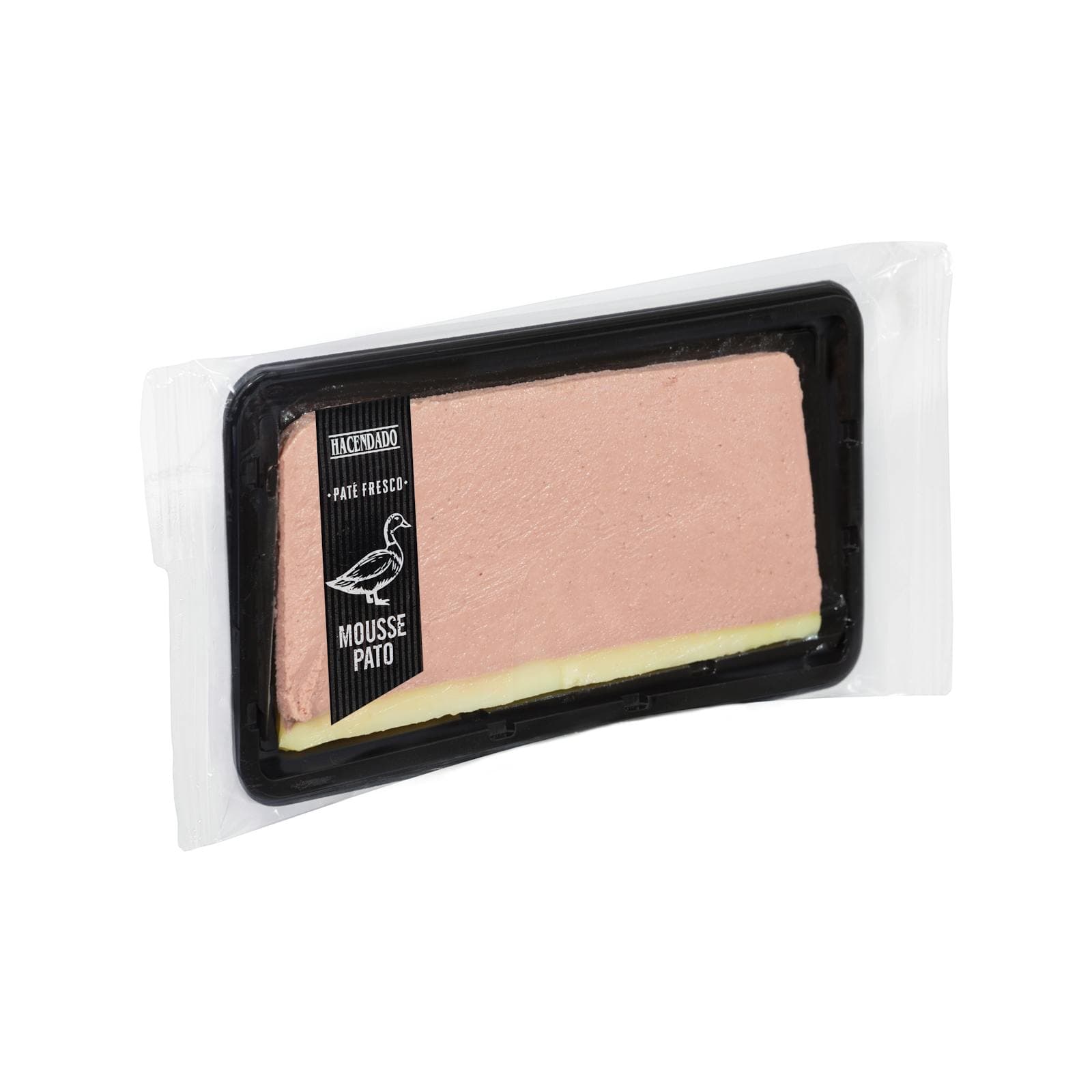 €1.90
€1.90Duck Mousse
Hacendado · 100 g · Mercadona
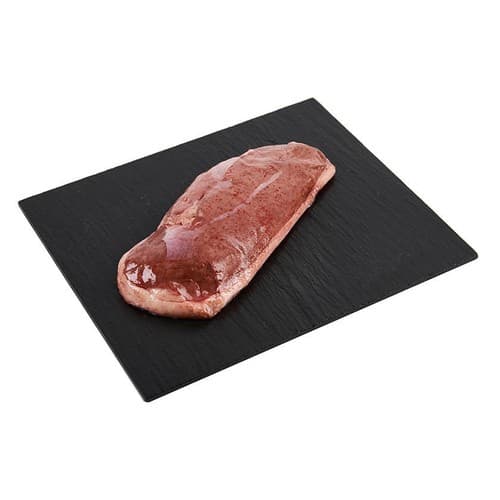 €8.85
€8.85Duck Breast
BONPREU · kg · Bonpreu
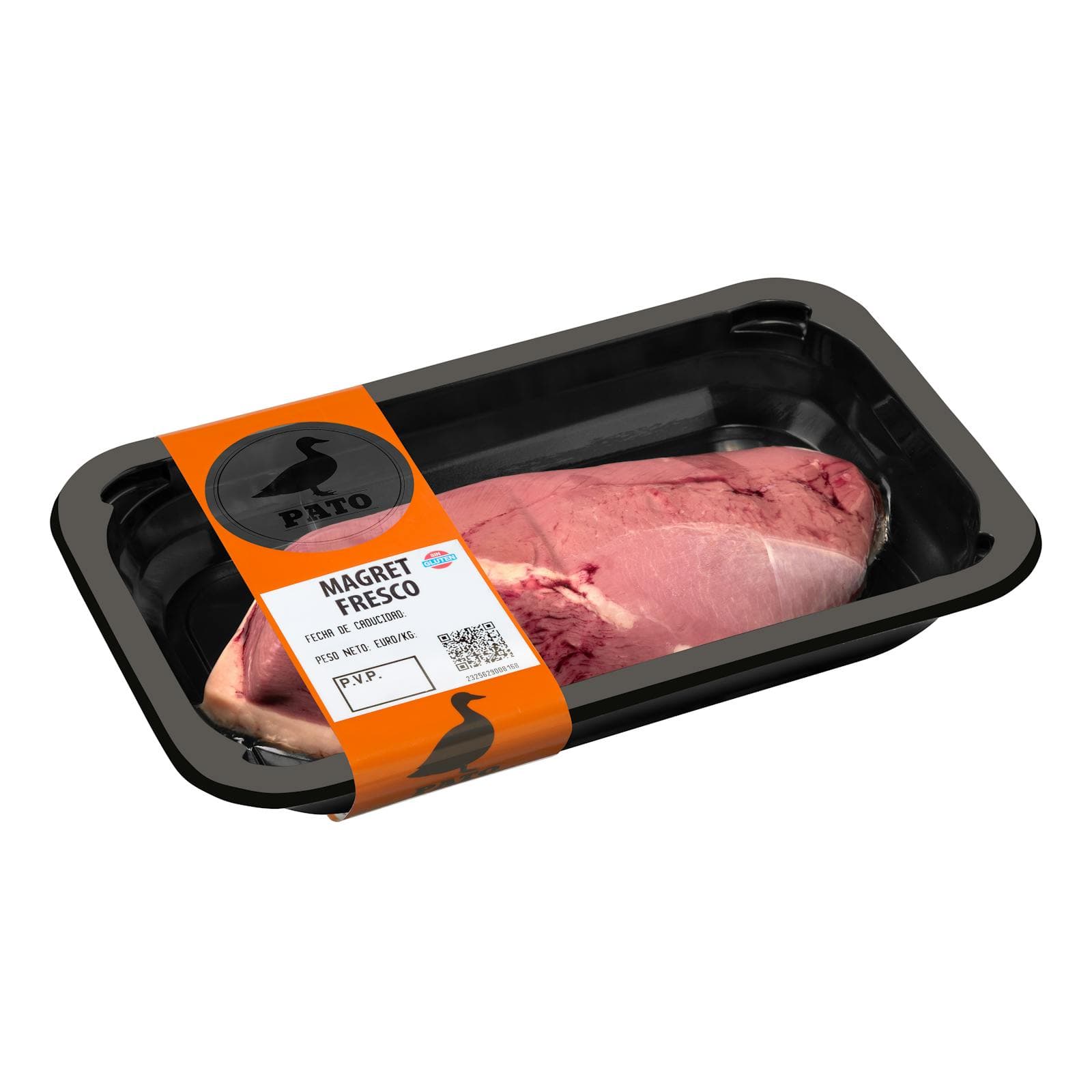 €9.12
€9.12Duck Magret
380 g · Mercadona
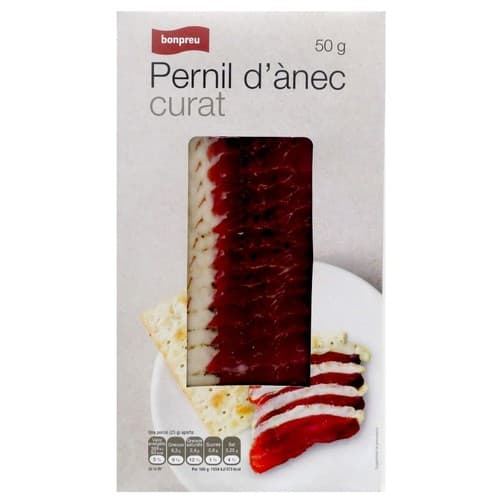 €3.99
€3.99Cured Duck Ham
BONPREU · kg · Bonpreu
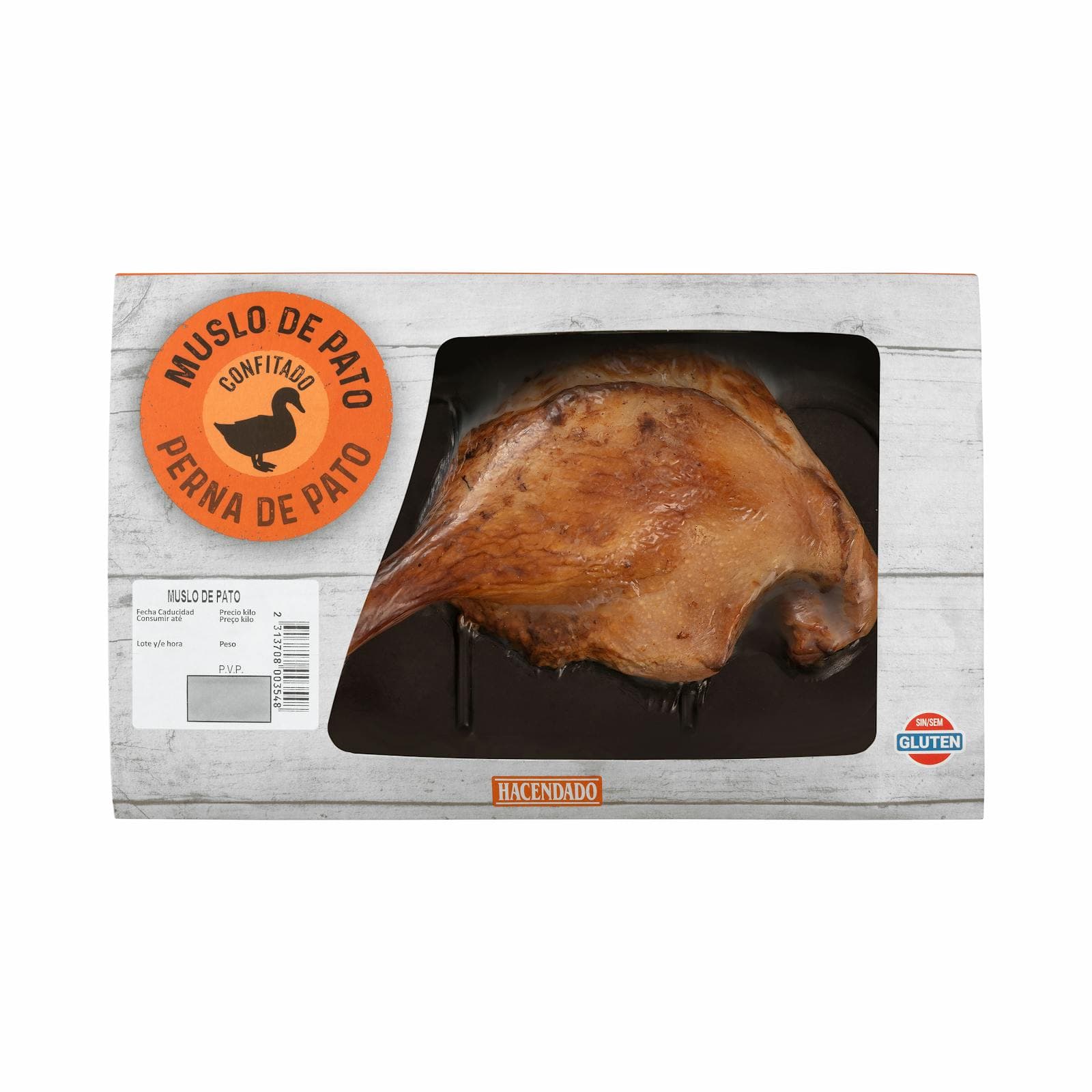 €6.30
€6.30Confit Duck Thigh
Hacendado · 300 g · Mercadona
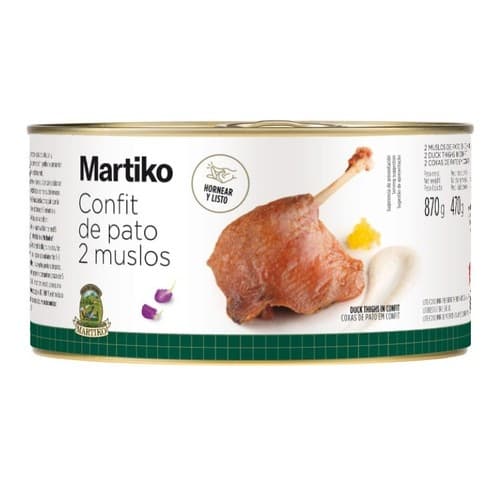 €17.99
MARTIKO Duck Legs
MARTIKO · kg · Bonpreu
Good to know
- Origin
- Cantonese (Guangdong), Southern China
- Preservation Method
- Dry-curing with salt, then air-drying in cool, dry weather
- Traditional Season
- Late autumn to winter; made when humidity is low and temperatures are cool
- Flavor Profile
- Concentrated, intensely savory; rich duck fat with prominent but balanced saltiness
- Salt Content
- High; requires soaking or blanching before cooking to remove excess
- Fat Content
- Significant; fat renders quickly and abundantly with cooking heat
- Shelf Life
- Several months hung in cool, dry place; up to one year refrigerated; freeze for longer storage
- Typical Form
- Whole duck, halved, or cut pieces (legs, wings); very firm, dried texture
Substitutes
- Preserved Goose (腊鹅) — Similar curing method and flavor profile; richer and larger; use in the same applications at similar ratios
- Chinese Bacon (腊肉) — Different protein but same salt-cured, air-dried character; works as a substitute in claypot rice and stir-fries
- Cantonese Sausage (腊肠) — Not a direct protein substitute but provides similar preserved, savory intensity in rice dishes
- Fresh Duck + Salt Cure — Season fresh duck pieces with 2% salt by weight, air-dry uncovered in the refrigerator for 24 hours; emergency substitute only; flavor lacks the depth of traditional curing
Pairs with
Also called
臘鴨 · Lap Aap · Wind-Dried Duck
Related
Egg
The kitchen's everything ingredient — bind, leaven, enrich, or fry
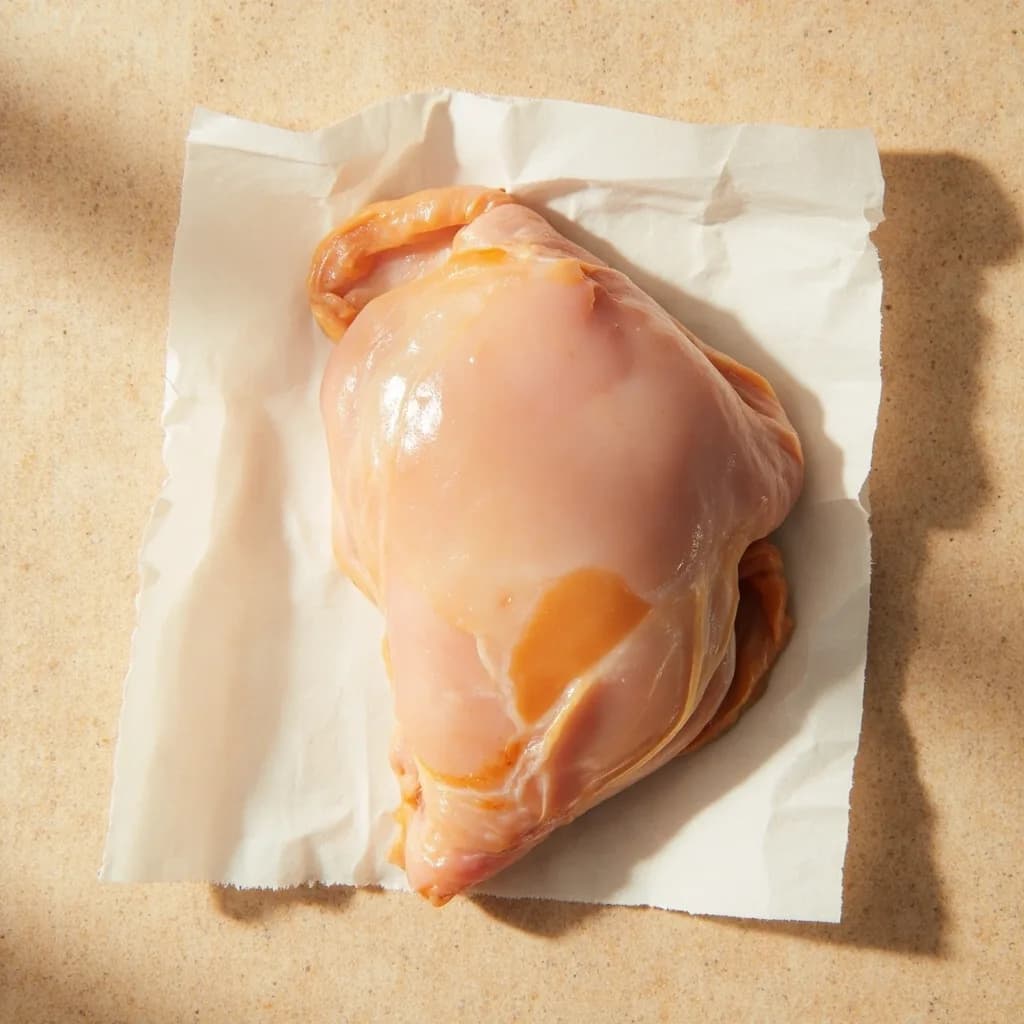
Chicken Breast
Lean, quick-cooking white meat for everyday dinners

Ground Beef
Versatile minced beef for burgers, ragù, tacos, and meatballs
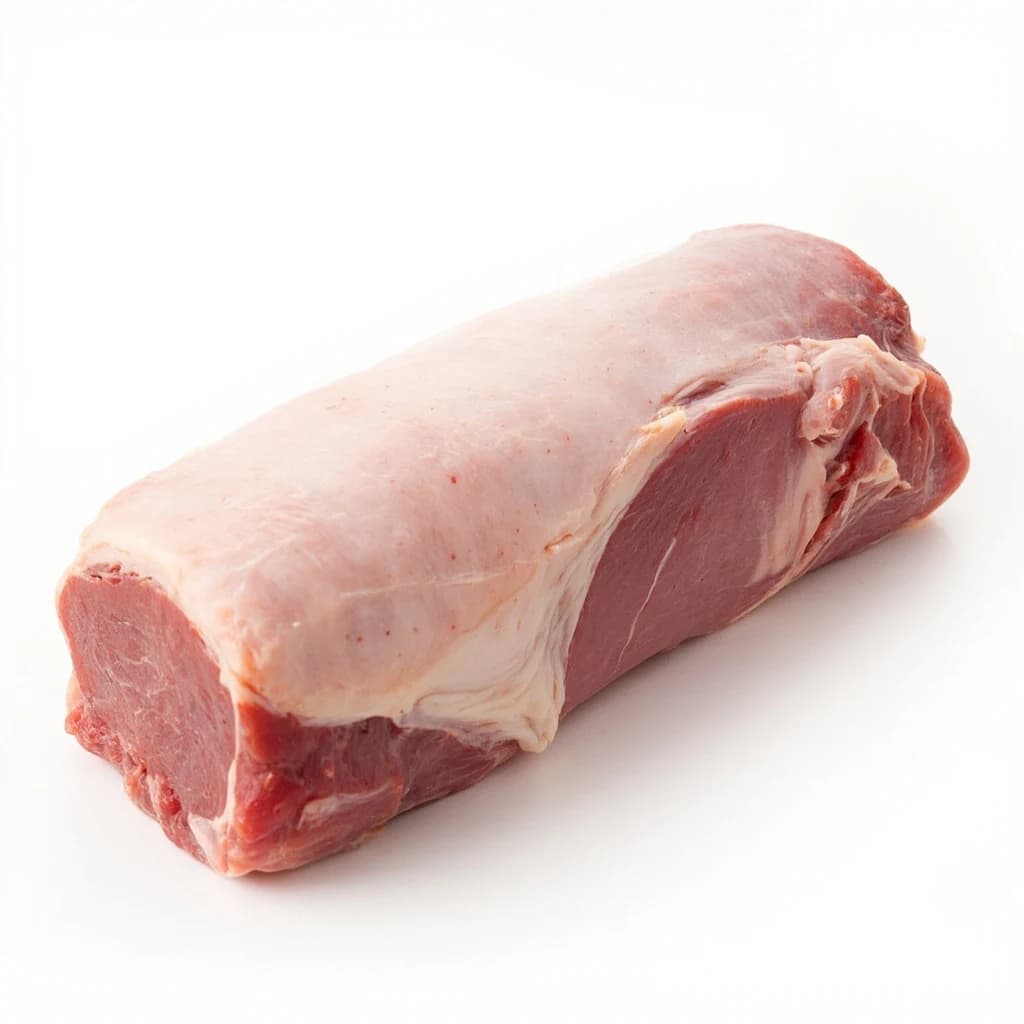
Pork Loin
Lean, tender roasting cut that stays juicy with care
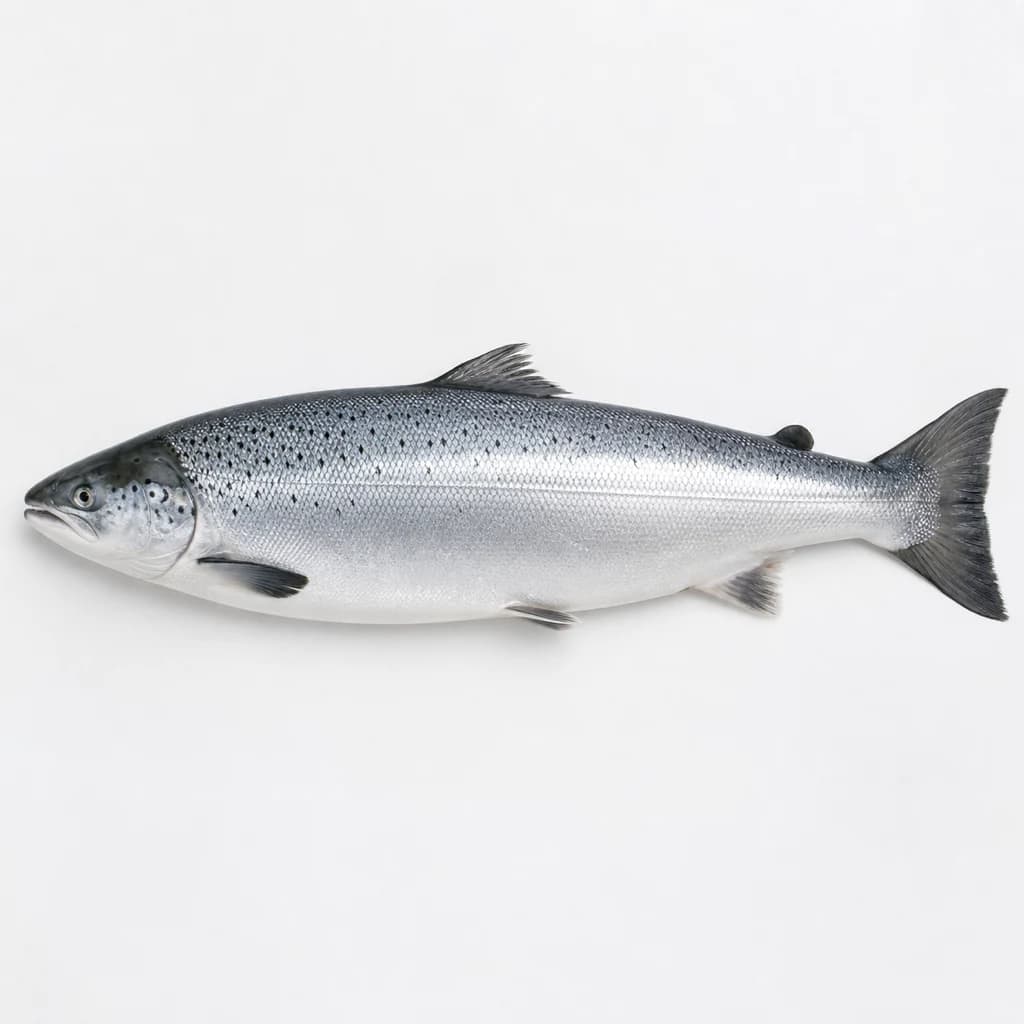
Salmon
Rich, rosy fish that roasts, grills, or cures beautifully

Egg White
Pure protein that whips to airy peaks for meringue and more

Egg Yolk
Rich, golden yolk for custards, mayonnaise, and pasta

Quail Egg
Tiny, speckled eggs for garnishing and elegant bites