Proteins
Cured Pork Belly
Salt-cured, often air-dried or smoked pork belly used to add savory depth.
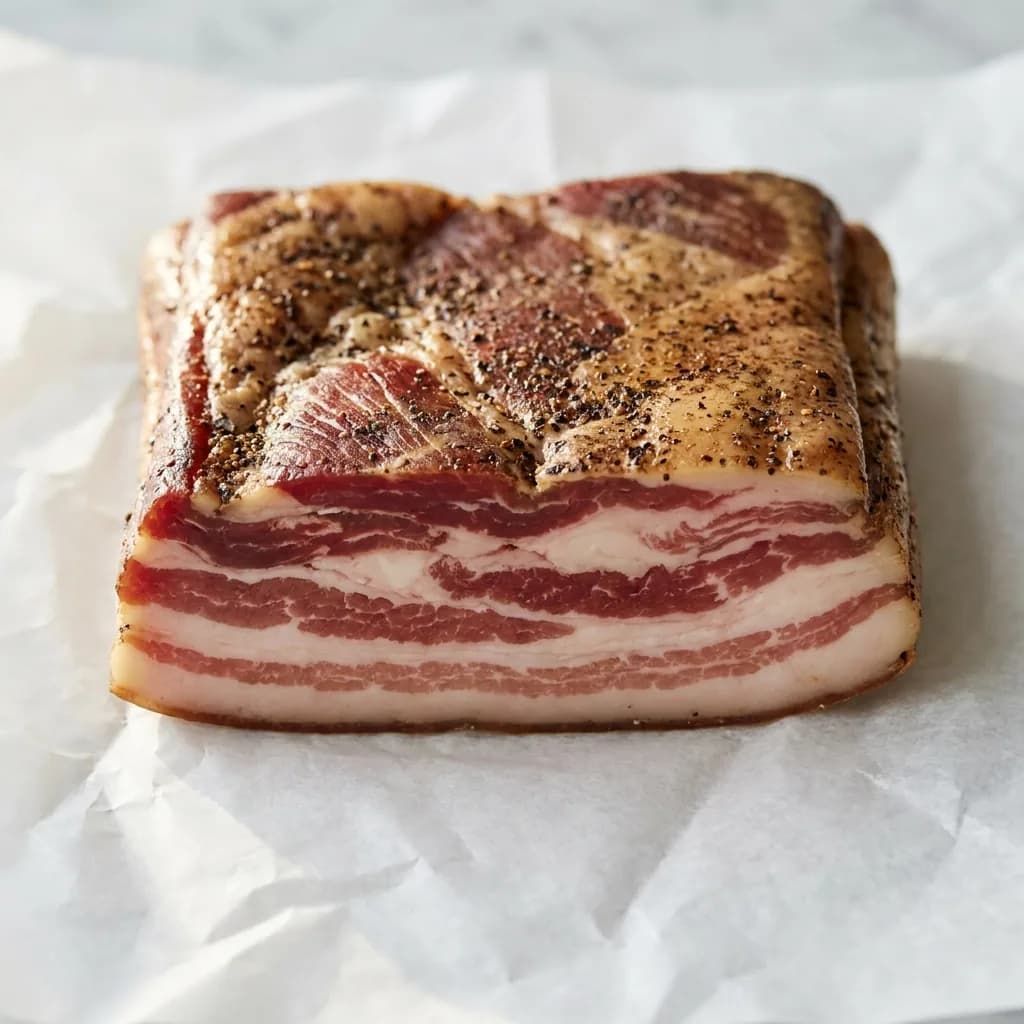
Cured pork belly is pork belly preserved with salt and often air-dried or smoked, as in Chinese lap yuk. Sliced thin, it is steamed, stir-fried, or added to rice and vegetable dishes for concentrated savory, fatty flavor. The curing firms the meat and gives it a translucent, deep-amber appearance.
Cured pork belly is one of the most versatile preserved proteins in any kitchen. Its defining characteristic is the thick fat cap—typically 70–80% fat by weight—which, when rendered slowly, becomes a secondary cooking medium superior to most commercial fats. The curing process concentrates flavor and firms the tissue, allowing it to be sliced thin for charcuterie or diced for seasoning. Unlike fresh pork belly, which must be cooked thoroughly, properly cured pork belly is safe to eat raw (pancetta for pasta) or only briefly crisped (bacon as a garnish), making it both a ready-to-use ingredient and a building block for deeper flavors.
The distinction between cured pork belly varieties is essential to using them correctly. Pancetta, the Italian standard, is dry-cured with black pepper and aromatics, typically unsmoked, and sold rolled or flat—it is a finishing and seasoning ingredient that adds porky savor without smoke. American slab bacon is usually wet-cured and cold-smoked, making it a more assertive centerpiece. This difference determines application: pancetta goes into the pot first to season the fat; bacon often stars on its own. The fat itself is the true workhorse. Render it slowly, reserve it, and you have a cooking medium that elevates eggs, potatoes, and vegetables in the same way butter does in French cuisine.
Cured pork belly behaves differently depending on whether it is cooked or served raw. When crisped, the protein tightens and the fat emulsifies into sauces (carbonara, amatriciana); when added raw to stocks or braises, it seasons from within during long cooking. The high sodium content (500–1,200 mg per 100g) means it seasons automatically, but it also means adjustments are needed when substituting in recipes. Because the fat renders unevenly at high heat, low-and-slow is the governing principle for applications ranging from wrapping delicate proteins to building a soup base.
- Measured in
- g
- Storage
- Fridge
Types & varieties
Italian air-dried pork belly, typically unsmoked, seasoned with black pepper, bay leaf, and sometimes juniper. Sold in a rolled log or flat. The most common variety in professional kitchens.
American-style cured pork belly, usually wet-cured and cold-smoked. Skin-on or skinless. The default cured pork belly in most U.S. markets.
Technically pork jowl (cheek), not belly. Harder to find; used in authentic carbonara and amatriciana. Cured with black pepper and sometimes without nitrates.
Cured pork fatback (from the back, not the belly), seasoned with rosemary, sage, or other herbs. Traditional in Liguria. Slice-thin for charcuterie.
French whole-cube cured pork belly, braised in fat or rendered slowly. Fat is meant to be eaten; chunky texture.
Spanish term for pork belly, often cured with pimentón and garlic. Used in cocido and embutidos.
French slab bacon, typically unsmoked, salt-cured only. Skin-on.
Austrian cured pork belly, marbled, typically smoked and juniper-scented.
Austrian cured pork belly, rolled and tied, similar to pancetta but often smoked.
Common uses
Tips & pitfalls
- Render the fat slowly over medium-low heat to achieve crisp edges; high heat burns the protein before the fat melts.
- Reserve rendered pork fat—called 'lardo di pentola' or 'graisse de rôti'—it is a superior cooking medium for eggs, potatoes, and vegetables.
- If too salty, blanch cured pork belly in boiling water for 2–3 minutes before using; this removes surface salt without losing fat.
- Do not discard the chewy skin unless a recipe specifies; it adds body to stocks and can be rendered separately for cracklings.
- When wrapping meat, score the fat side lightly so it renders evenly and bastes the interior throughout cooking.
- For charcuterie slices, bring whole pancetta or slab bacon to near room temperature before slicing thin—cold fat crumbles and tears.
- In pasta applications, render the fat first, then add aromatics, then the meat itself—not the other way around, which toughens it.
Nutrition
Energy
1293 kJ · per 100 g
Where the calories come from
Protein
11.7g
23% DV
Carbs
5.3g
2% DV
Fat
29.5g
38% DV
Fiber
2.6g
9% DV
Sugars
0g
of which
Sodium
1465mg
64% DV
Source · USDA FoodData Central · approx. Bacon, meatless
View on FDC →In the shops
Matched grocery products
 €3.24
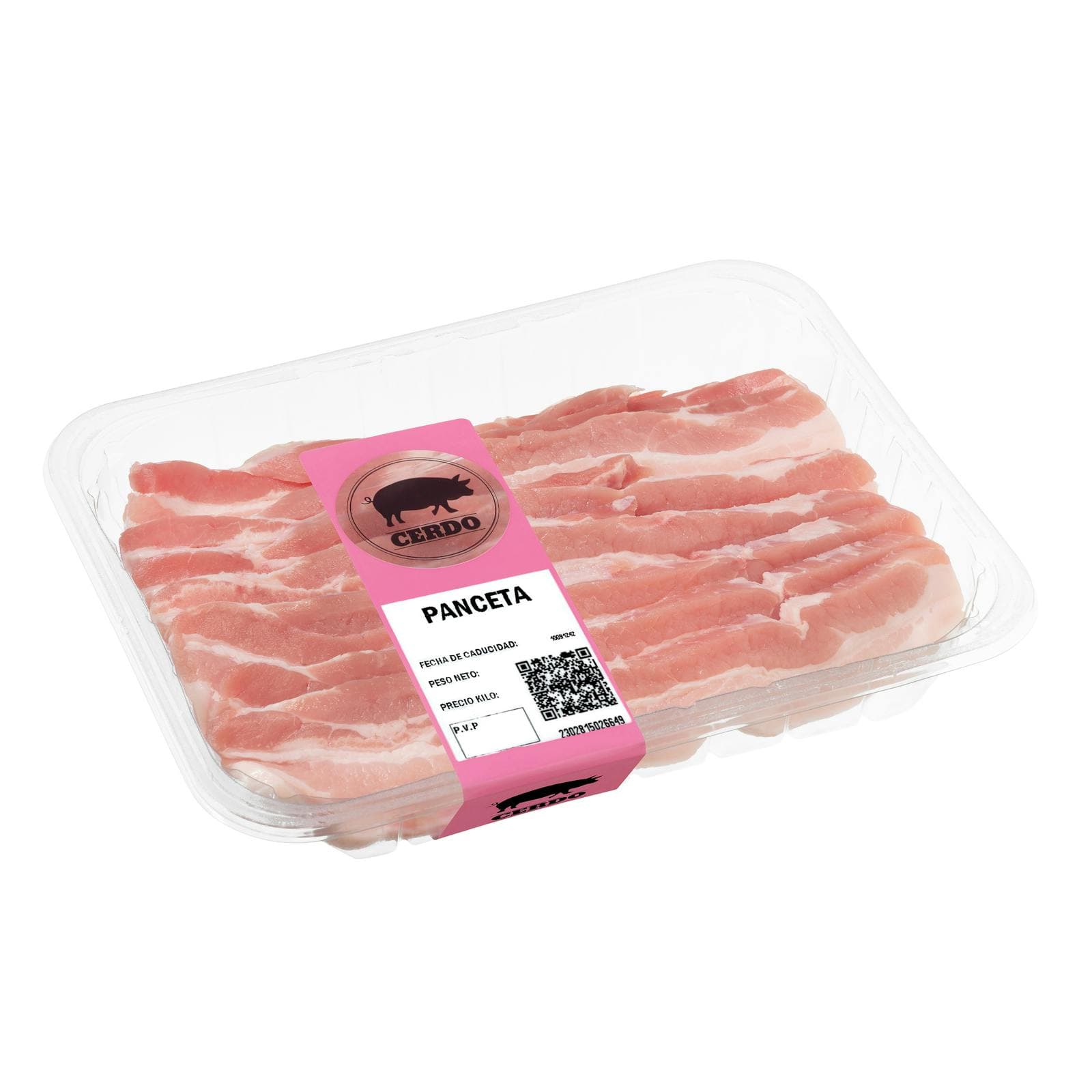
€3.24Pork Belly
590 g · Mercadona
 €2.36
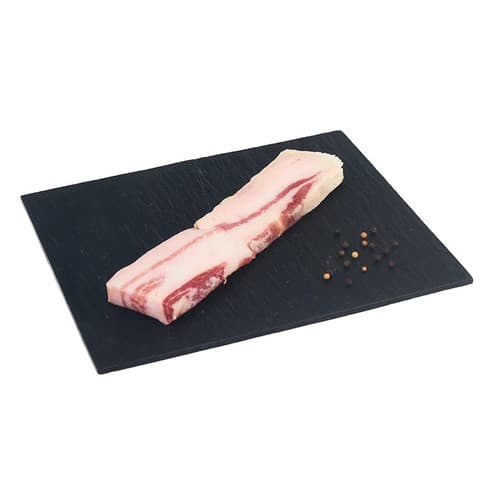
€2.36Iberian Pork Belly
BONPREU · ud · Bonpreu
 €0.75
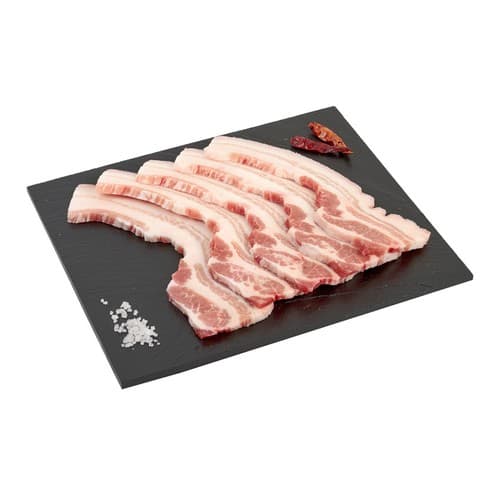
€0.75Pork Belly 50% Duroc
BONPREU DE L'ERA · ud · Bonpreu
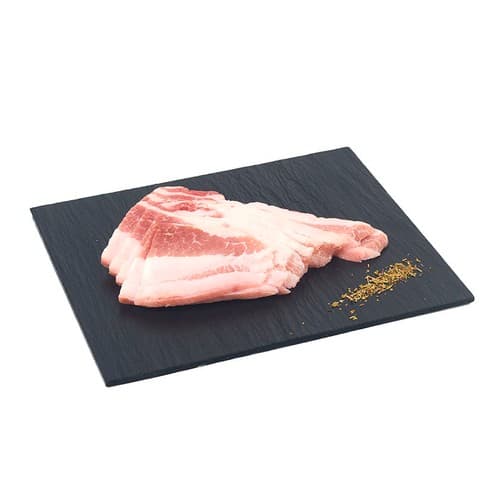 €1.24
€1.24Pork Belly 100% Duroc
BONPREU DE L'ERA · ud · Bonpreu
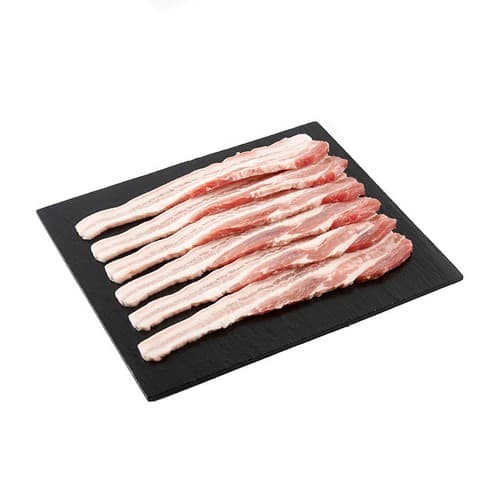 €3.49
€3.49Fresh Pork Belly Slices
BONPREU · kg · Bonpreu
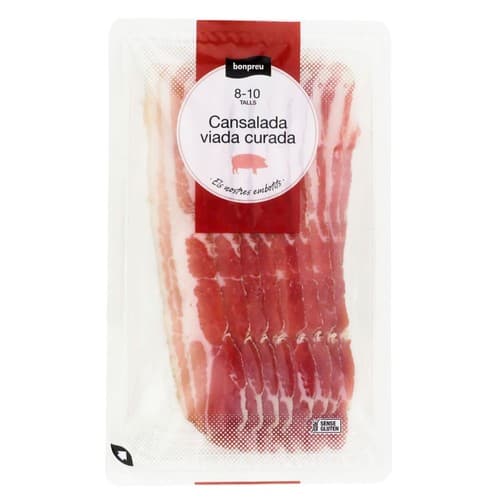 €1.99
€1.99Cured Pork Belly Bonpreu
BONPREU · kg · Bonpreu
Good to know
- Primary Form
- Salt-cured, sometimes smoked pork belly; sold in slabs, rounds, or pieces with or without skin
- Fat Content
- Typically 70–80% fat by weight; fat cap may be 1–3 cm thick
- Curing Method
- Dry-curing with salt and spices, wet-curing in brine, or a combination; may be cold-smoked or unsmoked
- Shelf Life (Refrigerated, Sealed)
- 2–4 weeks; vacuum-sealed up to 6 weeks; whole pancetta up to 3 months if well-wrapped
- Yield (Cooked)
- ~60–70% of raw weight due to fat rendering and moisture loss
- Sodium Content
- High; 500–1,200 mg per 100g depending on cure
- Fat Rendering Point
- ~150°C (300°F) for rendering; crisp texture achieved at sustained medium-high heat
- Native Cuisines
- Italian, American, French, Spanish, Chinese
Substitutes
- Thick-cut slab bacon — Most direct substitute; choose unsmoked for recipes where smoke would overpower. Adjust seasoning if significantly saltier.
- Salt pork — Cured but not smoked; leaner than pork belly. Blanch before use. Use sparingly as it is very salty.
- Uncured pork belly (with cure applied) — Fresh pork belly brined or dry-cured at home; same fat-to-meat ratio. Cure with salt, pink salt #1 if color matters, and seasonings for 5–7 days.
- Speck — Italian smoked pork belly; has a stronger smoke flavor than standard pancetta. Adjust for smoke intensity.
Pairs with
Also called
臘肉 · Lap Yuk · Chinese Bacon
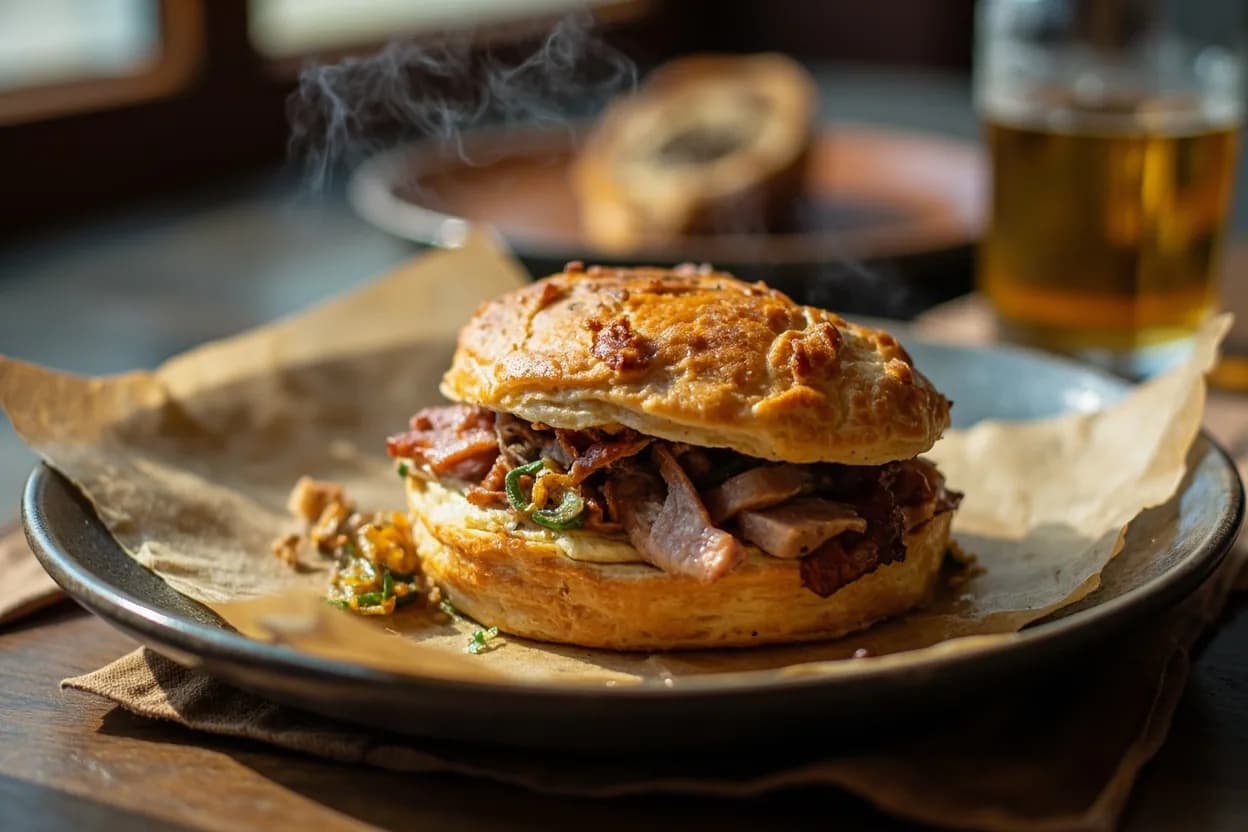
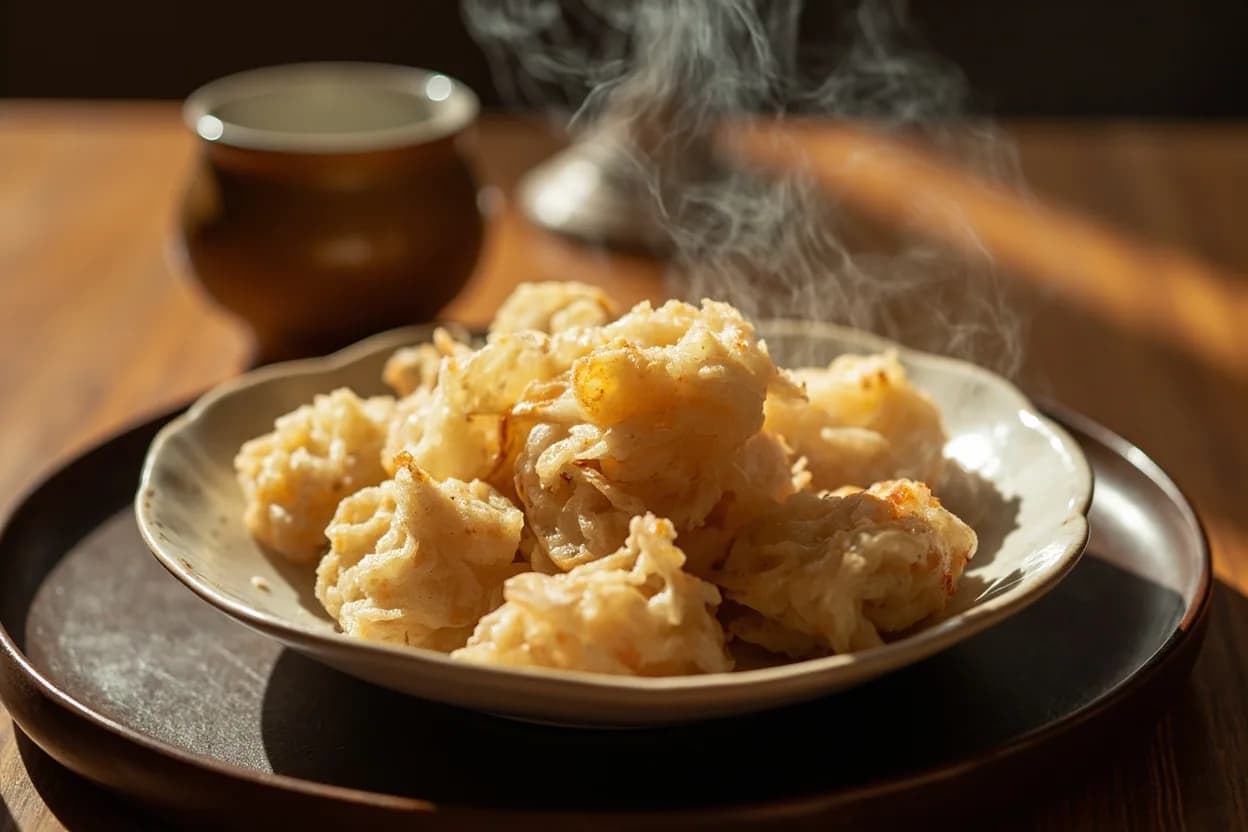
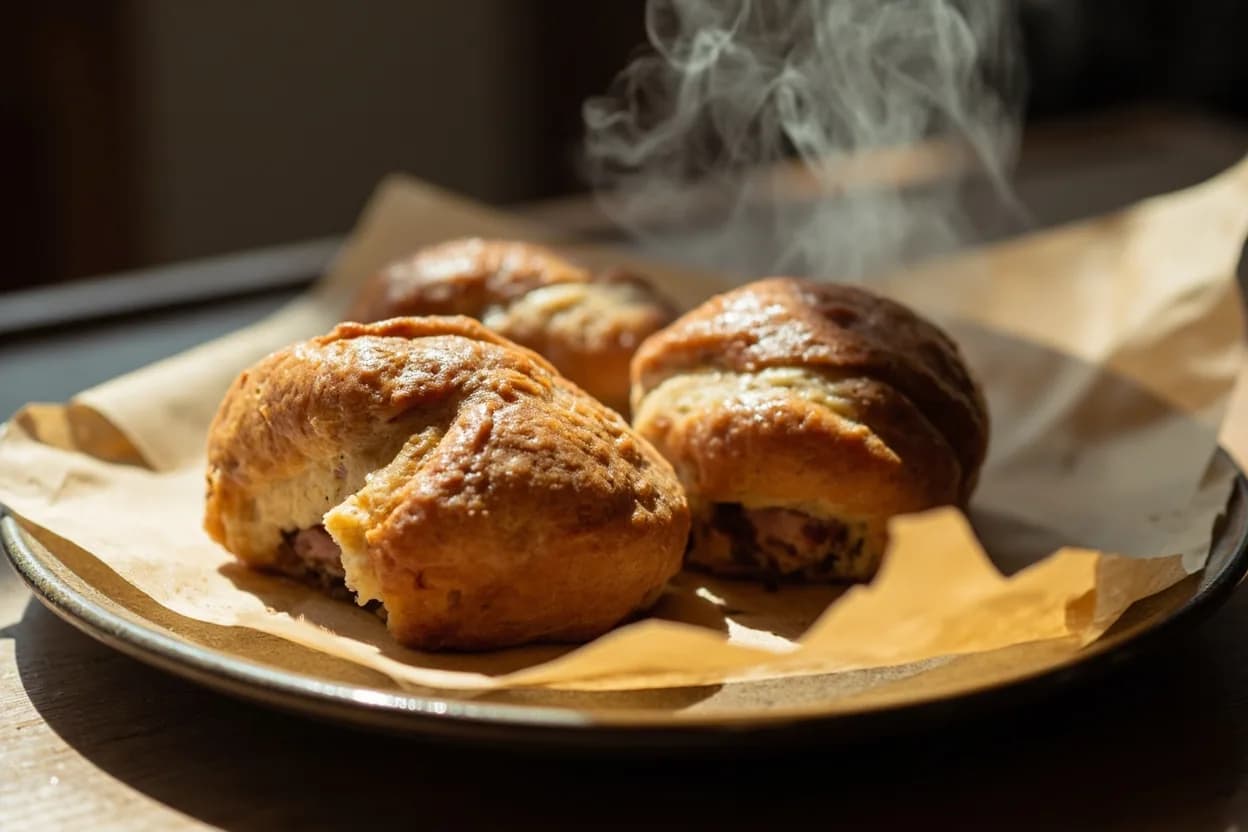
Appears in these dishes
Related
Egg
The kitchen's everything ingredient — bind, leaven, enrich, or fry
Chicken Breast
Lean, quick-cooking white meat for everyday dinners

Ground Beef
Versatile minced beef for burgers, ragù, tacos, and meatballs
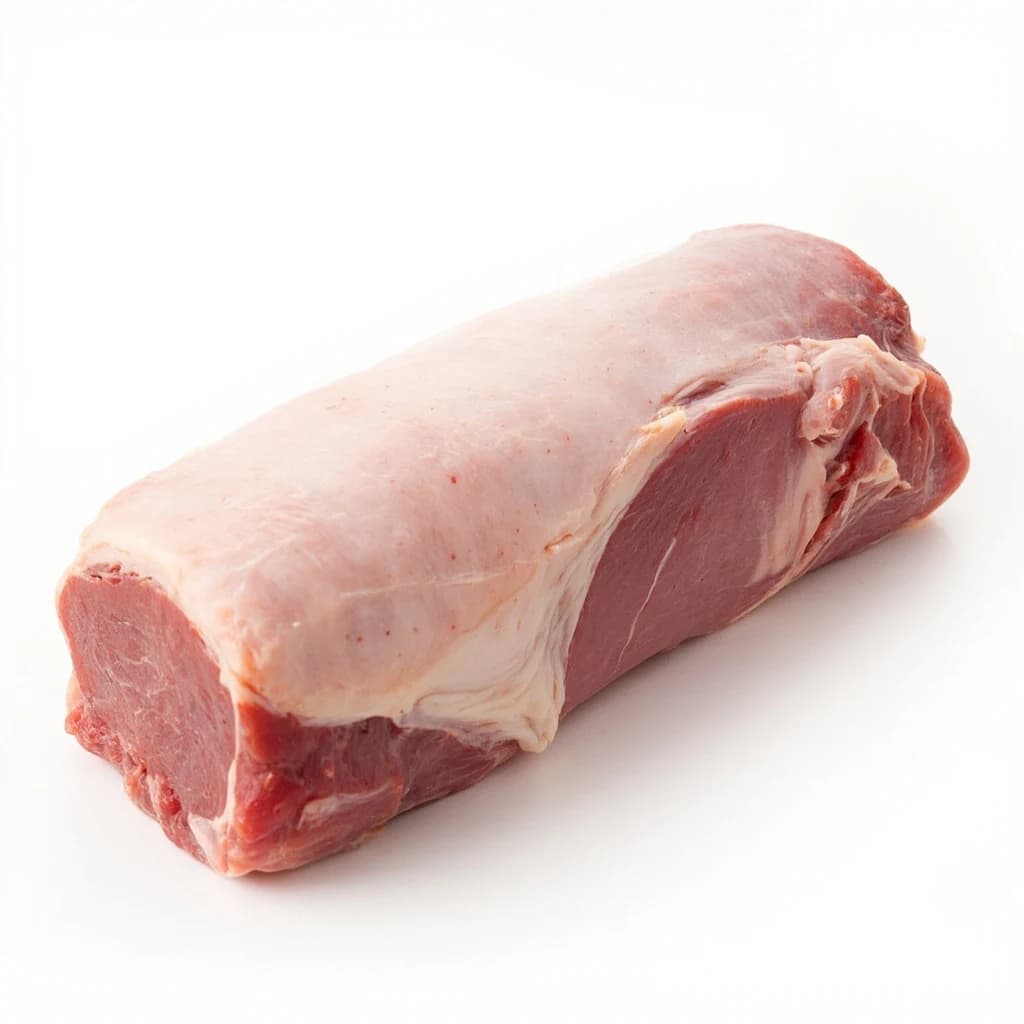
Pork Loin
Lean, tender roasting cut that stays juicy with care
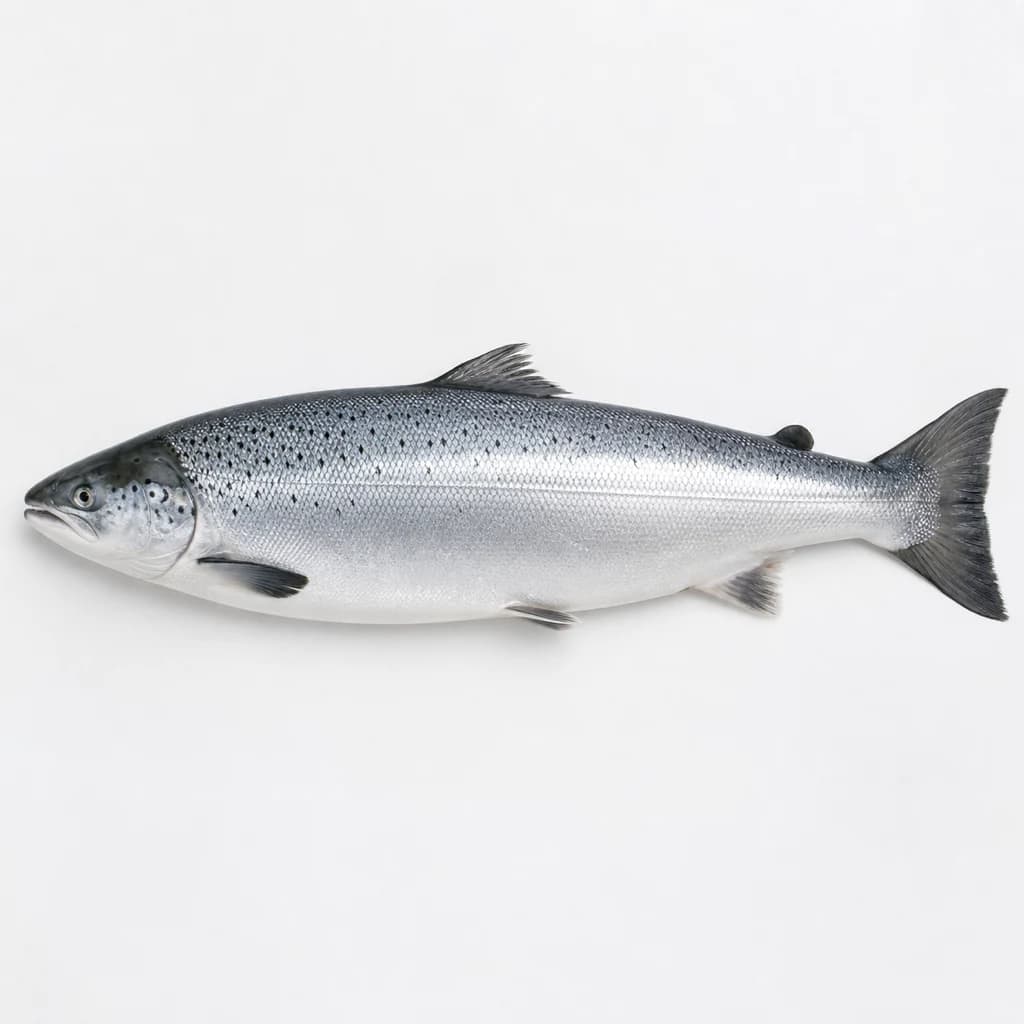
Salmon
Rich, rosy fish that roasts, grills, or cures beautifully

Egg White
Pure protein that whips to airy peaks for meringue and more

Egg Yolk
Rich, golden yolk for custards, mayonnaise, and pasta

Quail Egg
Tiny, speckled eggs for garnishing and elegant bites