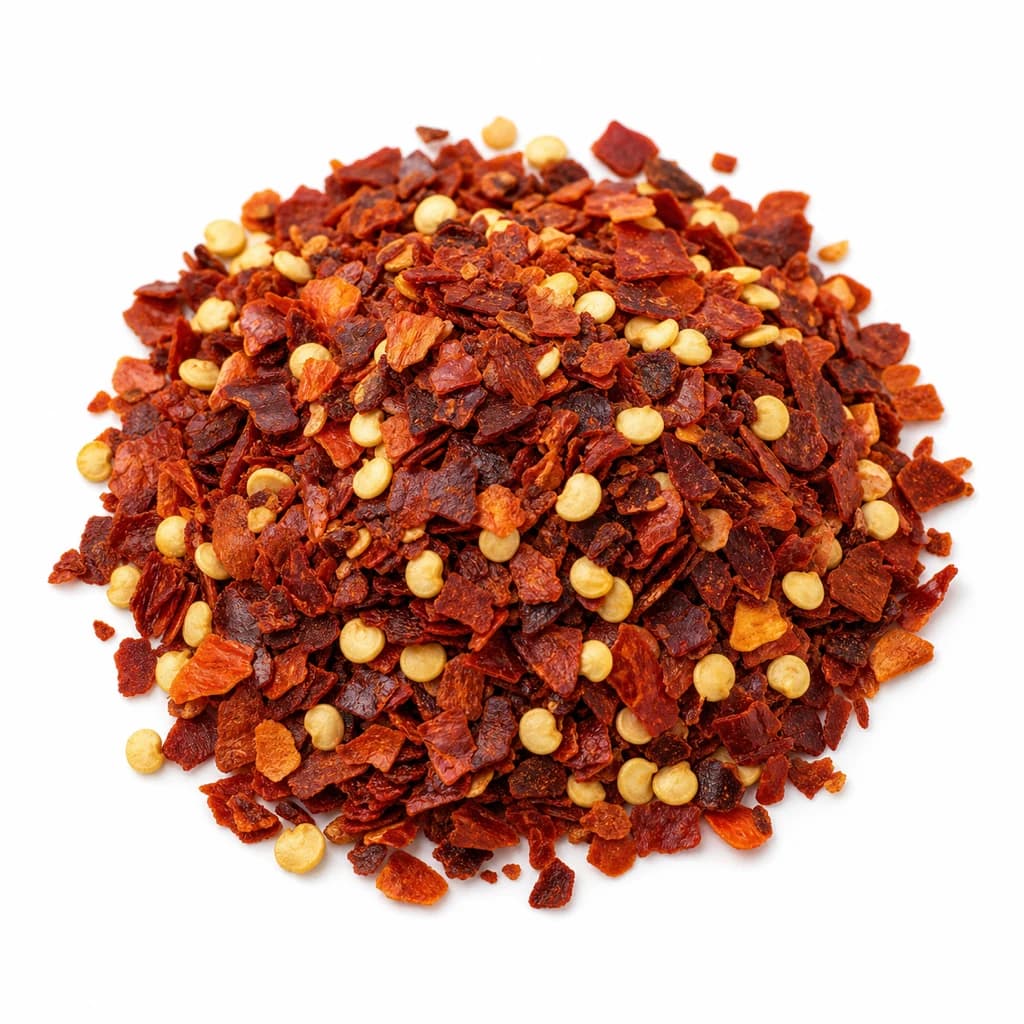
Natural form
Crushed red pepper flakes: deep red skin fragments and pale cream seeds mixed together.
Shows the defining physical form — irregular flakes of dried chili skin combined with round seeds — so readers instantly recognize the product.
Spices
Red Pepper Flakes
Crushed dried chili for a sprinkle of heat anywhere
Flaky and fiery, crushed red pepper sprinkles heat over pizza, pasta, and roasted vegetables, with little flecks of seed and skin. Keep them airtight and dark.
Red pepper flakes — crushed red pepper — are dried, coarsely crushed chilies, flecks of skin and seeds that scatter a bright, building heat over pizza, pasta, and roasted vegetables. Most pizzeria-style flakes are a blend of cayenne-type chilies; the heat comes from the chili’s placental membrane, fragments of which (along with capsaicin-coated seeds and skin) end up in the flakes. Unlike a fine powder, the flakes give visible specks and a slightly slower, textural burn. They bloom beautifully in warm oil — the base of many a quick aglio e olio or chili-oil drizzle — and finish a dish with a sprinkle. A pantry staple for casual, adjustable heat.
- Measured in
- g
- Storage
- Airtight
Find it in
Types & varieties
The classic cayenne-blend flakes with seeds.
Coarse, fruity, mild-to-medium; for kimchi and Korean dishes — not interchangeable.
Fruity, mild Middle Eastern flakes with a hint of oil.
How to use
Sizzle red pepper flakes in warm oil at the start of a sauce — aglio e olio, arrabbiata, chili oil — to bloom and spread their heat, or sprinkle them over a finished pizza, pasta, or pizza of roasted vegetables. The flakes build heat as they sit in a hot dish.
- Bloom in warm oil for sauces and chili oil
- Sprinkle to finish for adjustable heat
- Most of the heat is in the seeds
Know your flakes
Generic crushed red pepper is hot and seed-heavy; specialty flakes like gochugaru, Aleppo, and Maras are fruitier and milder with their own character. Match the flake to the cuisine rather than swapping blindly.
Common uses
Tips & pitfalls
- Bloom in oil to spread the heat through a sauce.
- The seeds carry most of the burn — they make it hotter.
- Sprinkle over finished pizza and pasta for diner-style heat.
- Don't swap generic flakes for gochugaru in Korean dishes.
- Heat builds the longer flakes sit in a hot dish.
Nutrition
Energy
109 kJ · per 100 g
Where the calories come from
Protein
1g
2% DV
Carbs
6g
2% DV
Fat
0.3g
0% DV
Fiber
2.1g
8% DV
Sugars
4.2g
of which
Sodium
4mg
0% DV
Source · USDA FoodData Central · Peppers, sweet, red, raw
View on FDC →In the shops
Matched grocery products
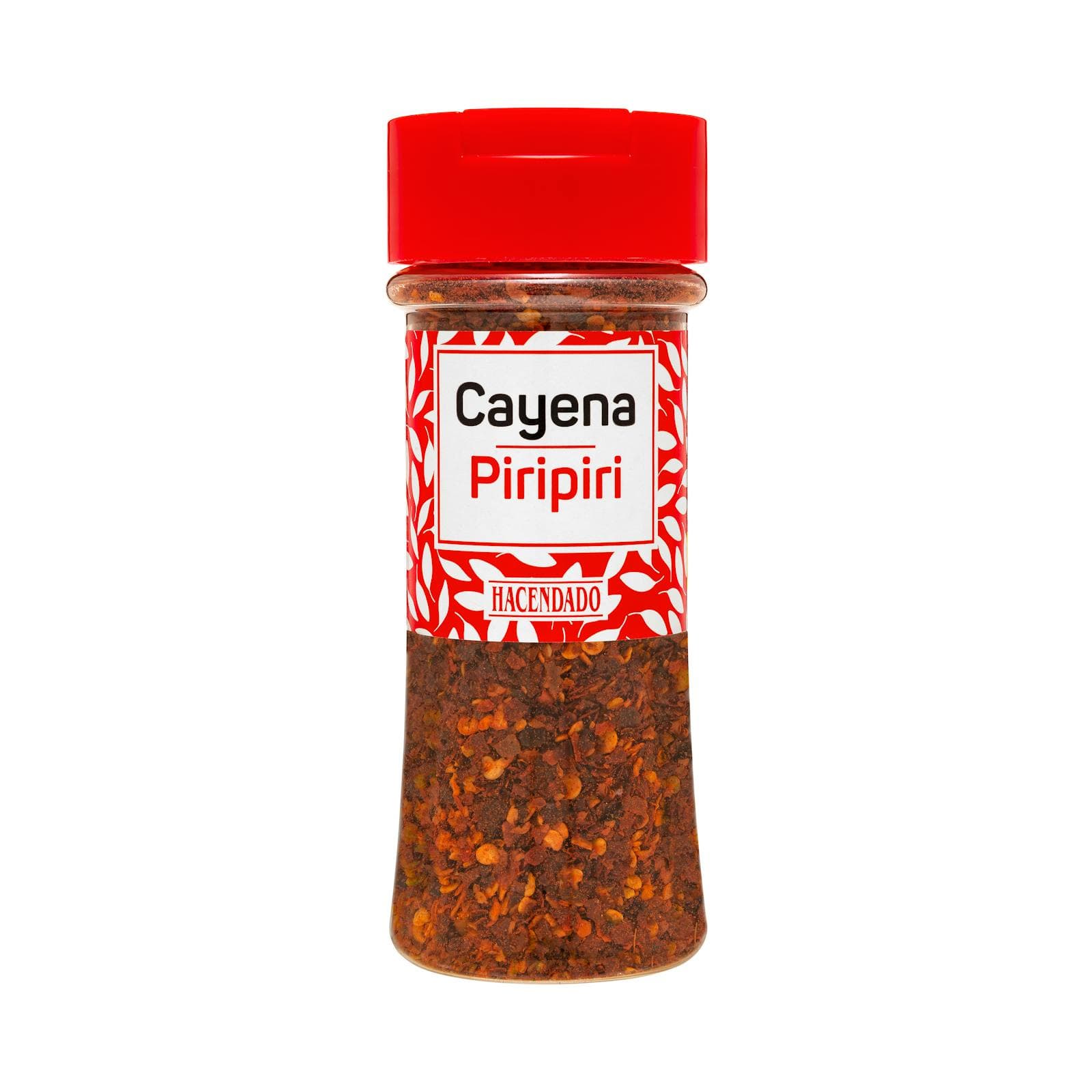 €1.65
€1.65Ground Cayenne
Hacendado · 55 g · Mercadona
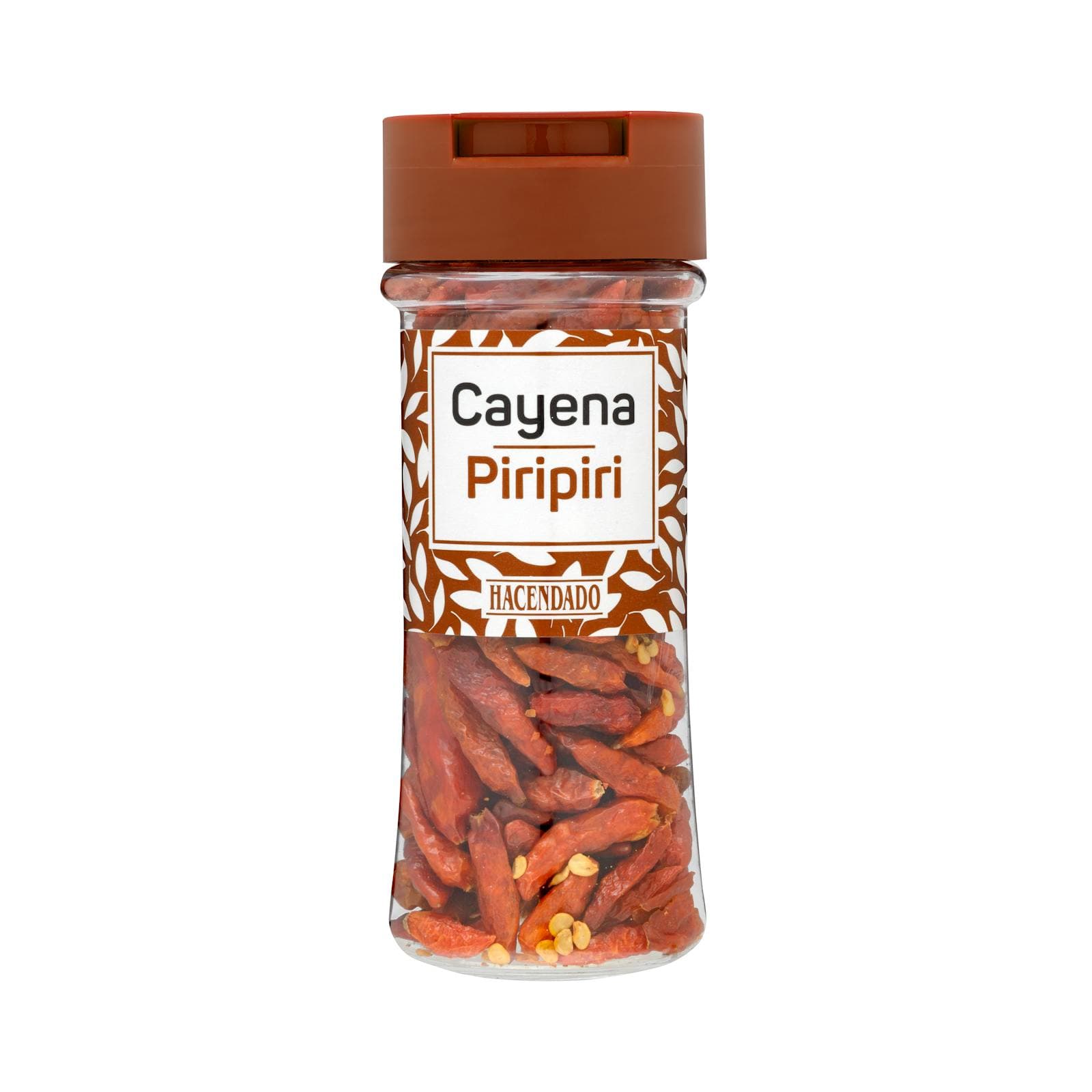 €1.36
€1.36Cayenne Peppers
Hacendado · 0.027 100 g · Mercadona
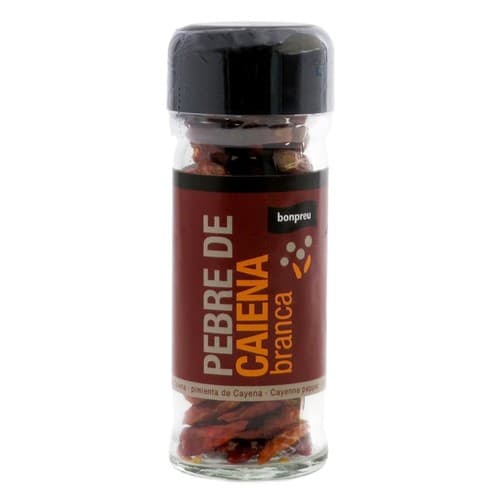 €0.75
€0.75White Cayenne Pepper
BONPREU · Bonpreu
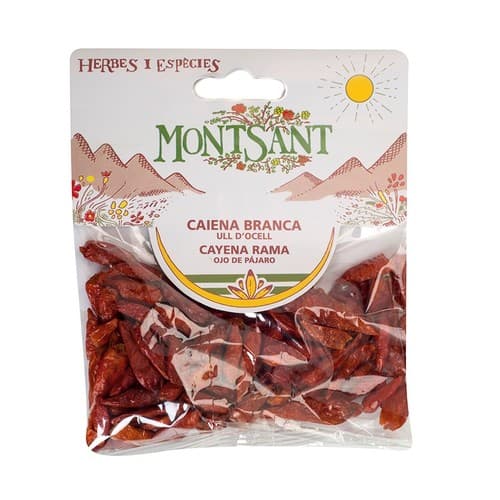 €1.49
€1.49White Cayenne Pepper
MONTSANT · Bonpreu
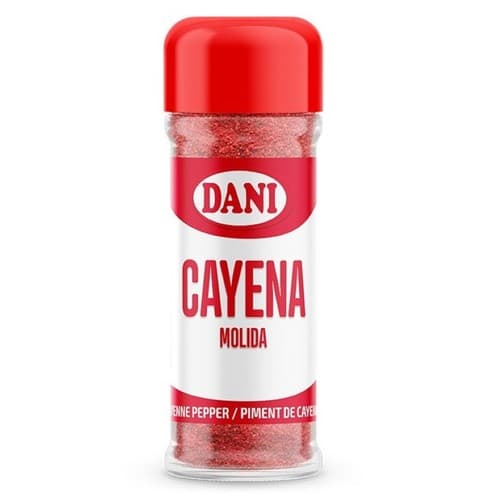 €0.95
€0.95Ground Cayenne Pepper
DANI · kg · Bonpreu
Good to know
- Flavor
- Building chili heat with mild roasted pepper notes
- Form
- Dried, crushed chili flakes (skin and seeds)
- Add when
- Bloom in oil early, or sprinkle to finish
- Cuisines
- Italian-American, Korean, Chinese, global
- How to buy
- Bright red flakes, fragrant; not dull or brown
- How to store
- Airtight, dark; keeps heat well for many months
Substitutes
- Cayenne (less, by pinch) — Finer and hotter; use a fraction of the amount.
- Fresh or dried whole chili — Chop or crumble for a similar building heat.
Also called
chili flakes · chilli flakes · crushed red pepper · red chili flakes · copos de chile · guindilla en copos · pimiento rojo en copos
Appears in these dishes
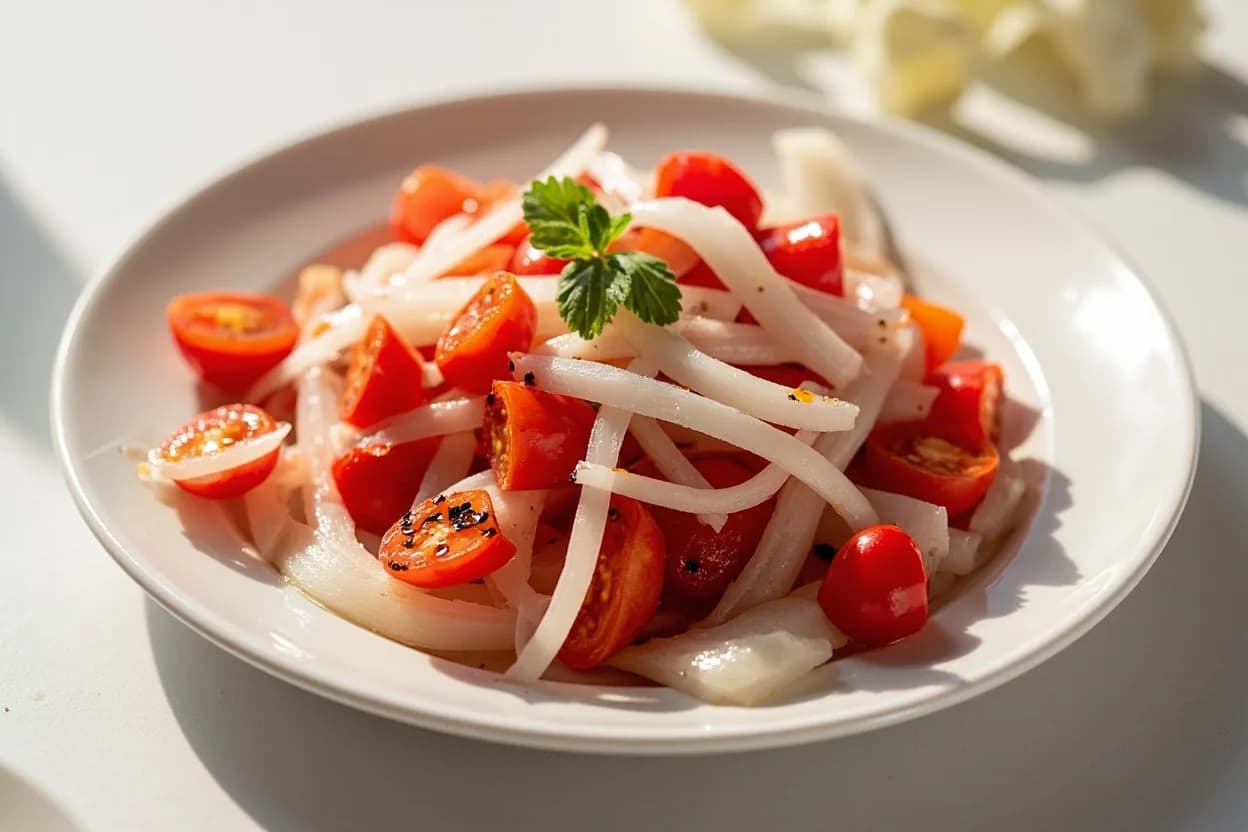
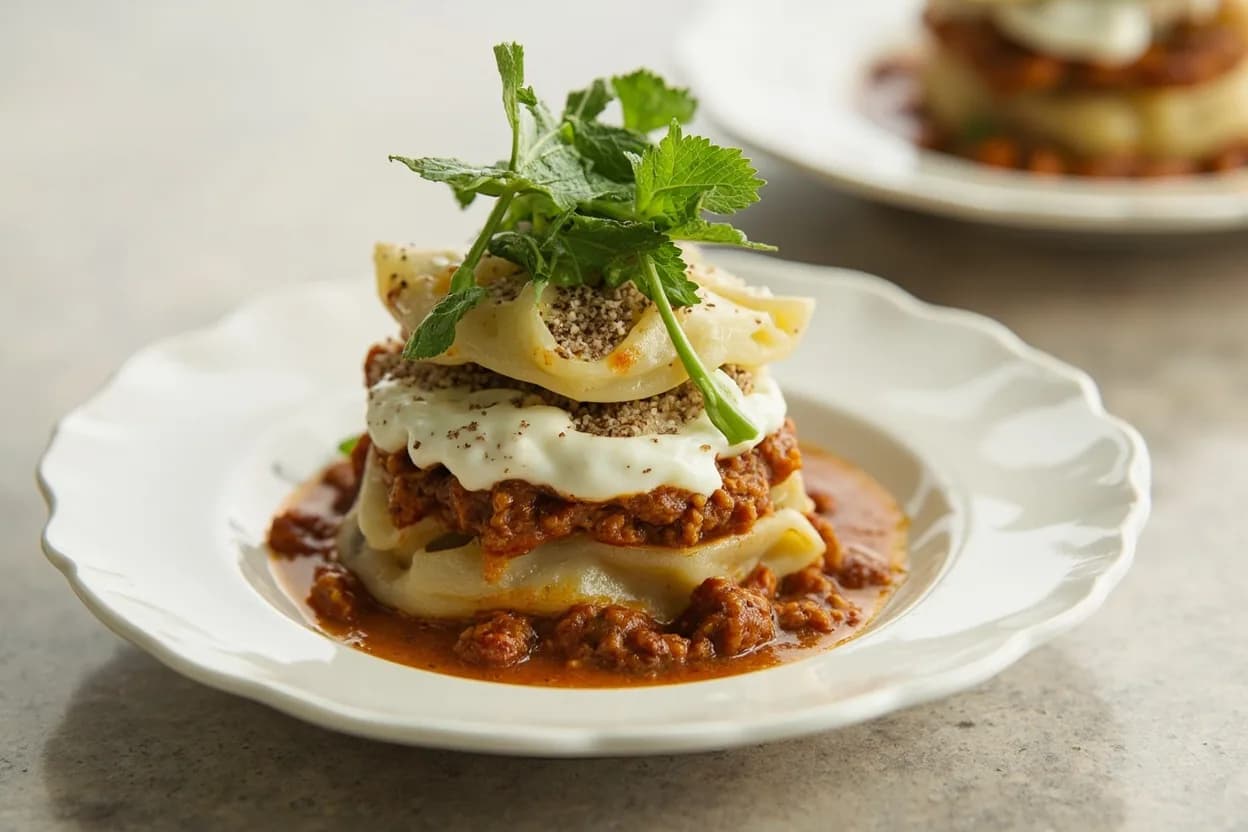
Related
Salt
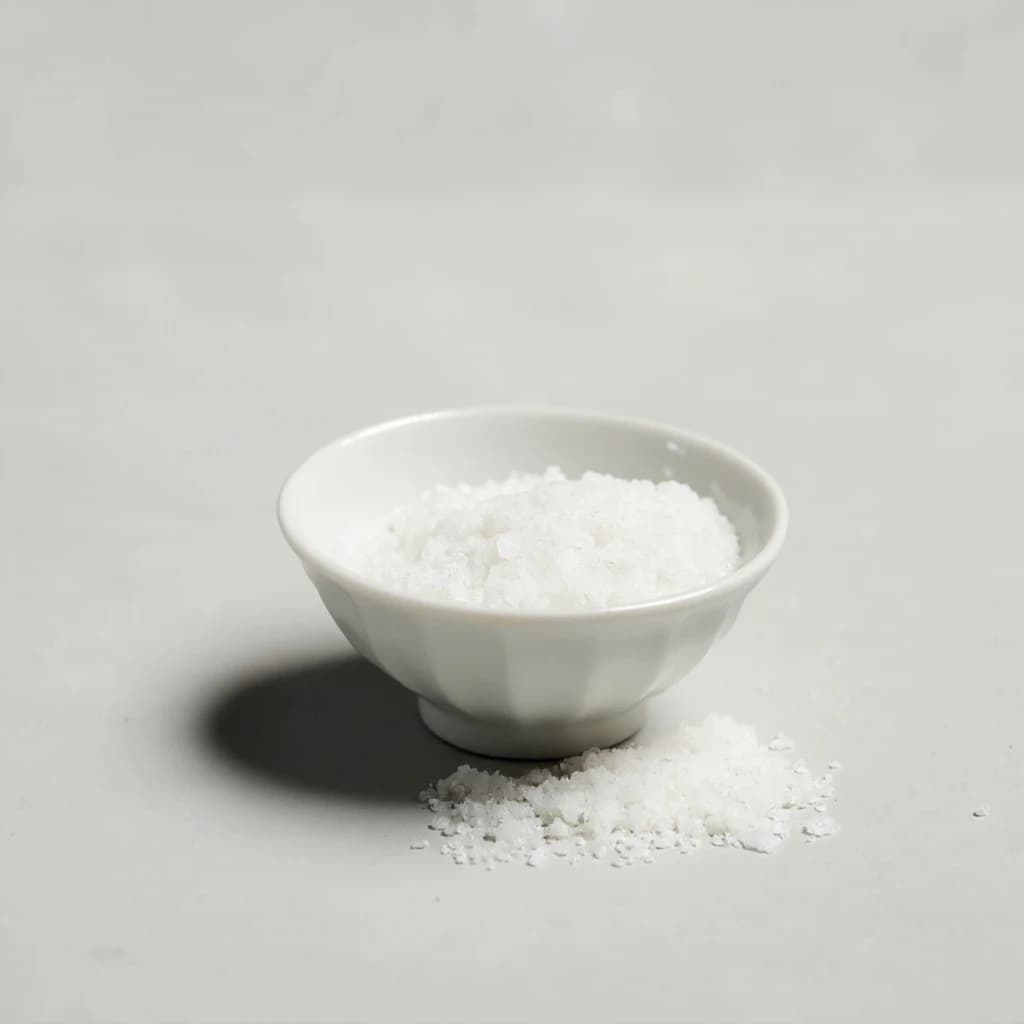
The one seasoning that makes everything else taste like itself

Black Pepper
Pungent, woody heat — best cracked fresh over anything savory
Amchur
Dried unripe mango ground to a tart, fruity souring powder
Paprika
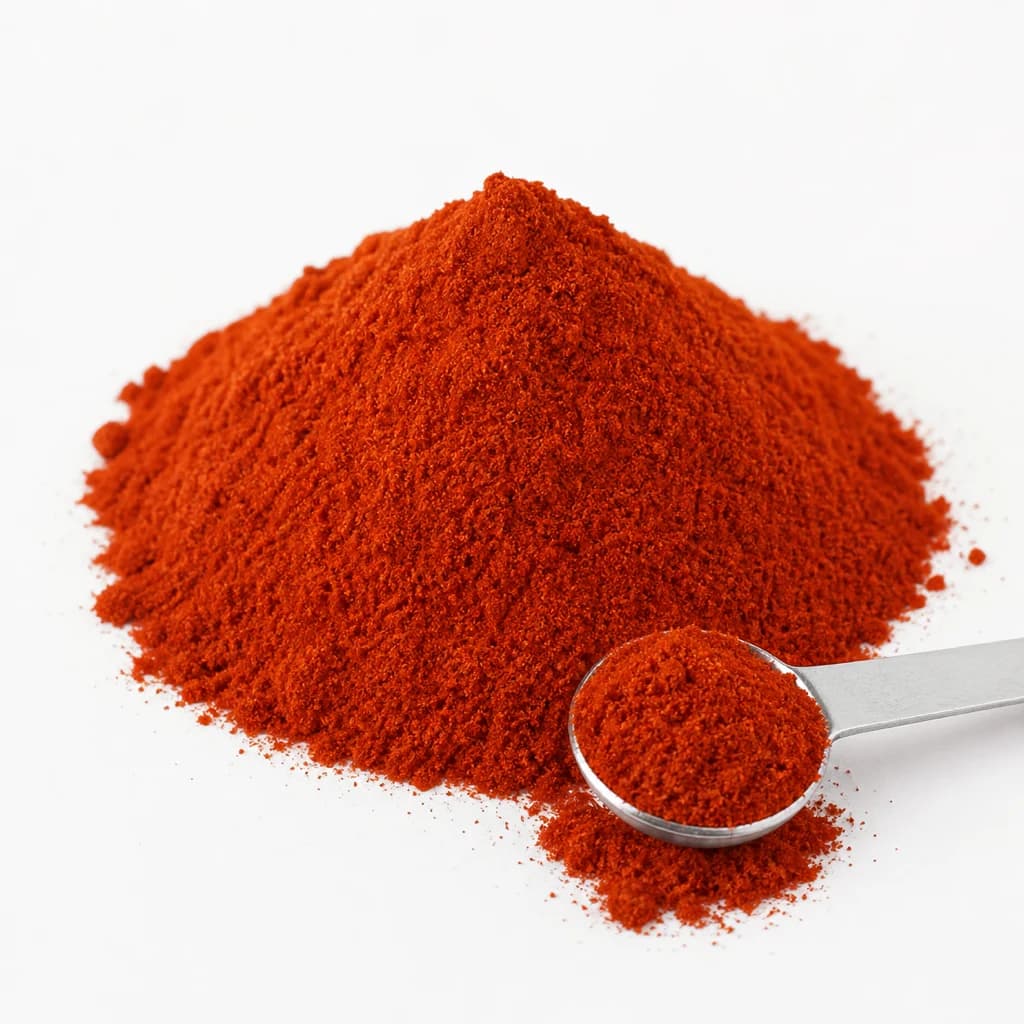
Sweet, vivid ground pepper for color and gentle warmth
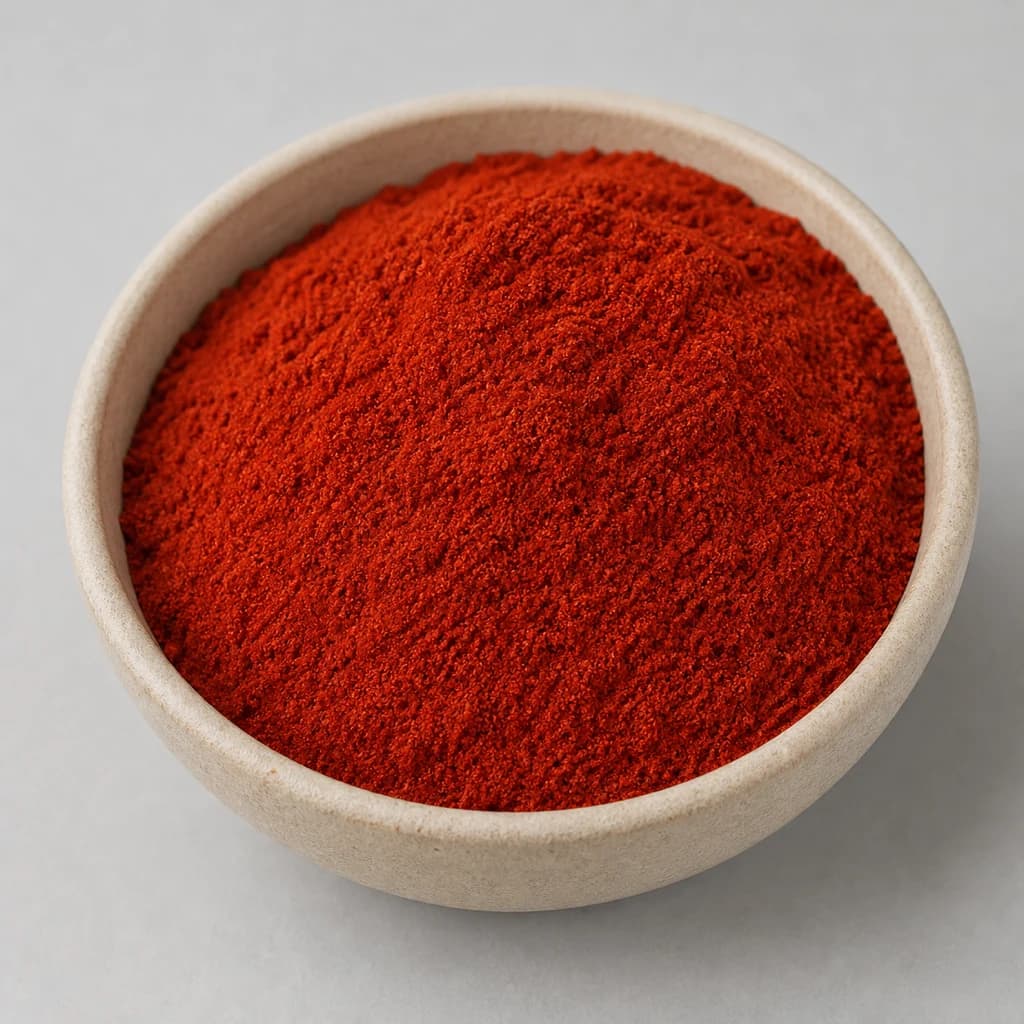
Smoked Paprika
Deep, smoky ground pepper for a campfire warmth
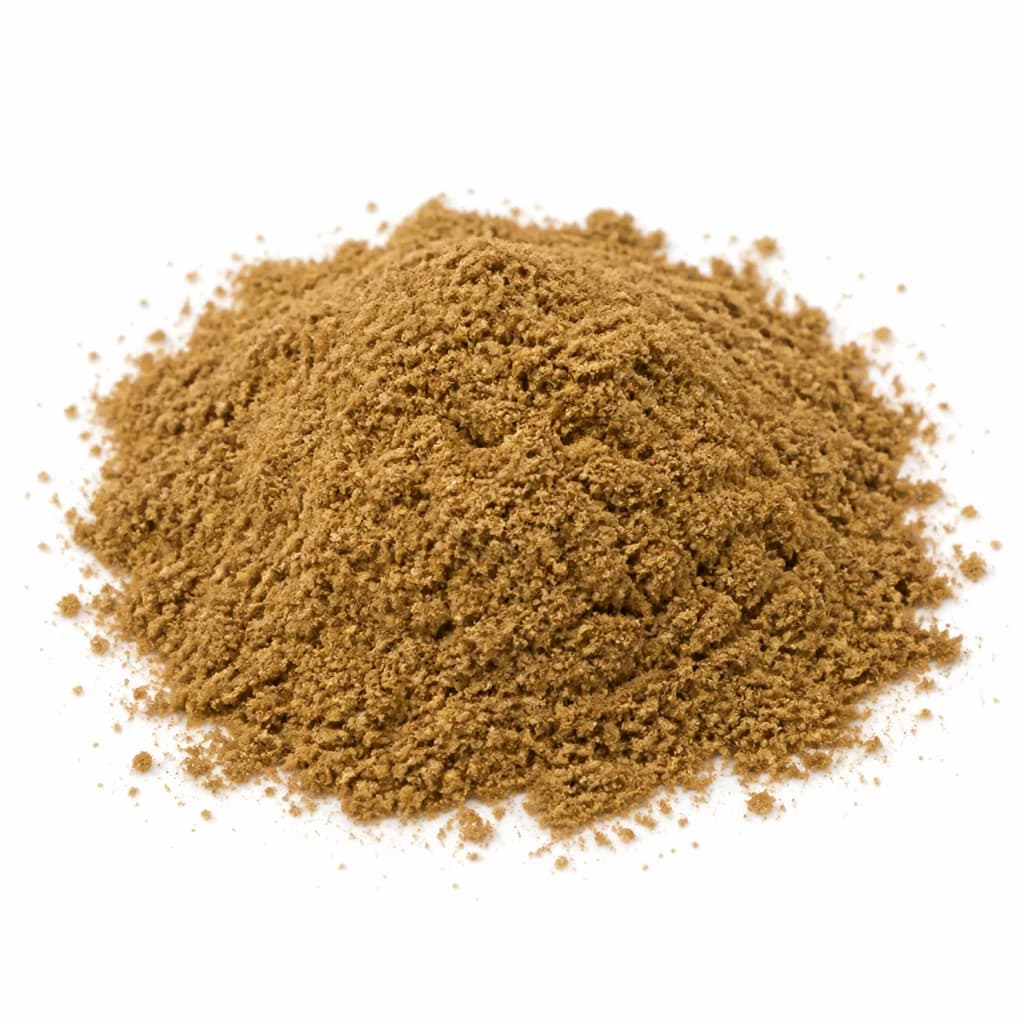
Cumin
Warm, earthy spice central to curries, chili, and tacos
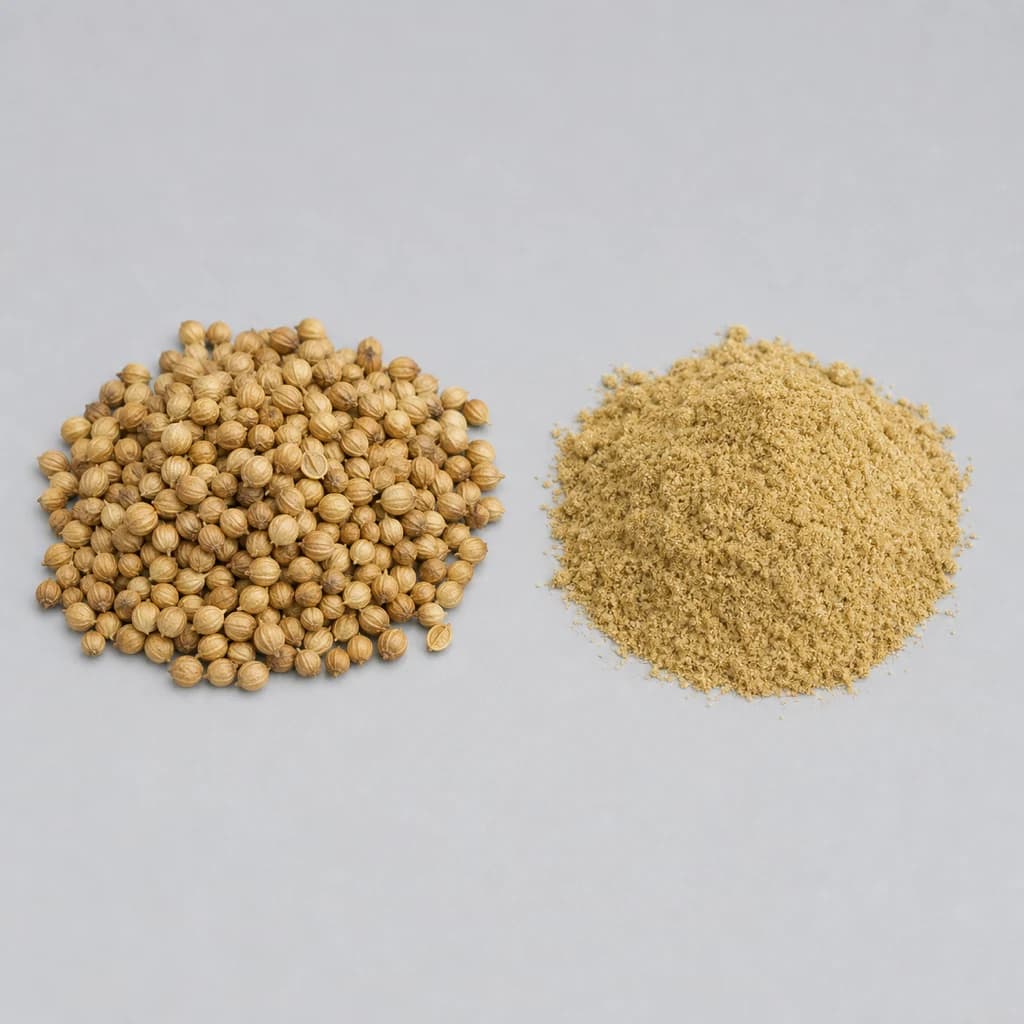
Coriander Seed
Citrusy, warm seed for curries, pickles, and rubs
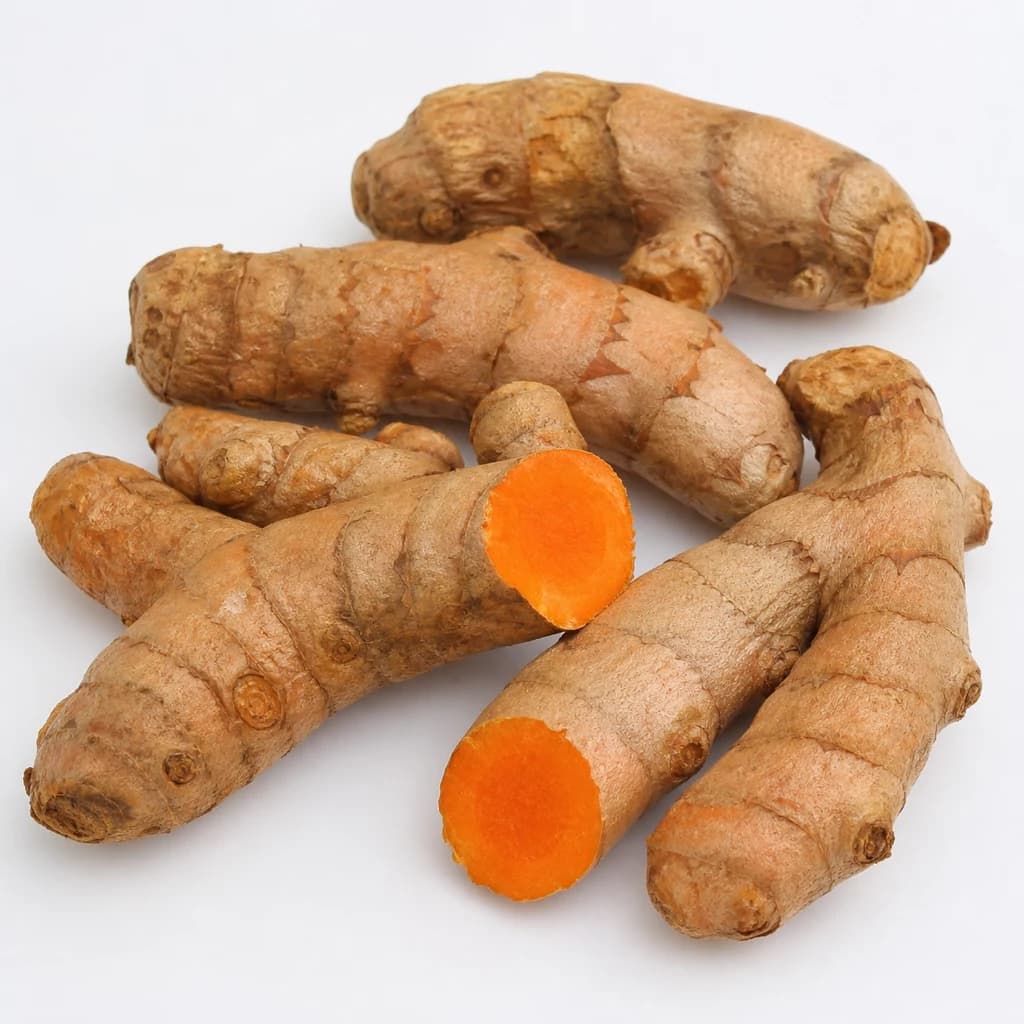
Turmeric
Golden, earthy spice for curries, rice, and color