
Natural form
Whole salted fish showing salt-encrusted exterior, firm dry flesh, and characteristic pale-yellowish color.
Shows the reader the preserved state of the product as encountered before cooking — the salt crust, desiccated surface, and rigid form are the primary recognition cues.
Proteins
Salted Fish
Salt-cured fish with concentrated savory flavor — fried crisp or added to stir-fries and rice dishes.
Salted fish is fish preserved by heavy salting, giving it a firm texture and an intense, savory-salty flavor. It is commonly fried until crisp and crumbled over rice, or chopped into stir-fries and fried rice as a pungent seasoning across Southeast Asia. Like other salt-cured fish, it is sometimes soaked to temper the saltiness before cooking.
Salted fish is one of humanity's oldest preserved proteins, developed millennia before refrigeration as a way to capture the ocean's bounty in a shelf-stable form. The dry-salting or wet-brining process draws out moisture while infusing the flesh with sodium chloride, transforming fresh fish into a dense, intensely savory ingredient. What emerges is a product with a fraction of fresh fish's water content, concentrating its natural glutamates into a powerful umami source that can lift modest rice dishes and simple stews into something deeply satisfying.
The behavior of salted fish in cooking depends entirely on its regional origin and how it will be used. Mediterranean preparations—Italian baccalà, Spanish bacalao, Portuguese dishes—typically require 12 to 48 hours of cold-water soaking to purge excess salt and rehydrate the flesh before gentle cooking in milk, tomato sauce, or olive oil. Cantonese and broader East Asian approaches, by contrast, often use the fish with minimal or no soaking, embracing its assertively saline, chewy character as a fried garnish or stir-fry component. The same ingredient, therefore, demands entirely different prep protocols depending on where it comes from in the world. Understanding this regional logic is essential: don't assume one method serves all.
Quality varies enormously, and purchasing requires attention. Properly cured salted fish should have a clean, marine aroma with no trace of ammonia or rancidity, which signals age or improper storage. The flesh should be firm and evenly colored without dark spots or soft patches. Once opened, the clock starts: refrigerate immediately and use within one to two weeks, or freeze for longer keeping.
- Measured in
- g
- Storage
- Pantry
Allergens
Types & varieties
The most widely known salted fish; used in Portuguese, Spanish, Italian, and Caribbean cuisines. Available bone-in or filleted, with a very firm texture that holds up to braising and stewing.
Similar to Atlantic cod but commonly found in East Asian markets. Offers a slightly sweeter flavor profile and comparable firm texture.
A small, fatty fish staple in Scandinavian and Dutch cuisines. Often sold already filleted and heavily salted; rich in omega-3 fatty acids.
An oily, strong-flavored fish popular across East Asian, Scandinavian, and British cuisines. Its richness holds up well to assertive seasoning.
A milder white fish used as a more affordable substitute for cod in certain preparations. Softer texture; best suited to dishes where it won't be stressed during cooking.
Small whole fish common in Chinese and Southeast Asian cooking. Typically fried crisp and served as a garnish or snack; entire fish is edible.
Used in Mediterranean and some Asian preparations. Firm texture that holds its shape through braising and grilling; notably savory.
A staple in Filipino cuisine, often deboned and stuffed before cooking. Distinctive flavor and meaty flesh; a centerpiece in many traditional dishes.
Soaking Logic: The Critical Variable
The soaking step is where most home cooks go wrong with Mediterranean-style salted fish, either skipping it entirely or underestimating how long it takes. The goal is twofold: restore some moisture to the flesh and purge enough salt to make the fish pleasant to eat, not a sodium delivery system. A 1-inch-thick cod fillet typically needs 24 to 36 hours in cold water, with the water changed every 8 to 12 hours. Taste a small piece after soaking—if it still makes your mouth pucker, keep soaking. The fish is ready when it tastes simply savory, not aggressively salty, and the texture firms up without being chalky or hard in the center.
- Thinner cuts need 12–18 hours; thick pieces 36–48 hours
- Change water at least twice to prevent the salt from re-equilibrating into the flesh
- Test saltiness at the thickest part of the thickest piece
- Cold refrigerator soaking is safer for longer soaks to prevent bacterial growth
- Fish that will be cooked in liquid (stews, braises) still needs soaking—cooking does not desalinate it adequately
Asian-Style Salted Fish: A Different Approach
Cantonese and other East Asian preparations often use salted fish without extended soaking, treating its assertiveness as a virtue rather than a flaw. In these traditions, the fish is typically cut into small pieces and fried quickly in hot oil until the edges crisp and the flesh firms. It is then added to stir-fries, fried rice, or congee as a flavoring agent rather than a centerpiece. The resulting texture is chewy and intensely saline, providing bursts of ocean saltiness throughout a dish. This approach requires less prep time but demands respect for the fish's potency—a little goes a very long way, and overhandling it leads to a mushy, overwhelming result.
- Fry in hot oil (170–180°C) for 30–60 seconds per side until golden
- Cut into small, uniform pieces for even cooking
- Do not soak; the salinity is intentional and part of the dish's balance
- Often paired with sweet or mild ingredients (rice, congee, eggs) to contrast the saltiness
- Press briefly between paper towels before frying to remove surface moisture
Common uses
Tips & pitfalls
- Soak in cold water 12–48 hours, changing water 2–4 times, to remove excess salt and rehydrate. Always taste a small piece after soaking to gauge whether more time is needed.
- Pat fish completely dry with paper towels before frying—any surface moisture creates steam and prevents crispness, resulting in soggy rather than golden fish.
- For stir-fries, cut into small pieces and fry in hot oil until golden and slightly crispy before adding vegetables or rice; this builds texture and flavor depth.
- Store-bought salted fish varies widely in saltiness—start with shorter soaking times for milder products and adjust upward as needed.
- After soaking, squeeze gently to remove water; the flesh should feel firm but pliable, not mushy or chalky hard.
- To test if thick cod is fully rehydrated, press the thickest part—it should give slightly without feeling dense or chalky inside.
- Do not skip the soaking step even if you plan to cook the fish in liquid—the salt concentration is too high to be diluted adequately by sauce or broth.
- For deep-frying, dust lightly with cornstarch or rice flour for extra crunch and to prevent pieces from sticking together in the oil.
- Salted fish is fully cooked when the flesh turns opaque throughout and flakes easily; overcooking makes it tough and dry, especially the leaner species like cod.
- Store opened salted fish wrapped tightly in plastic wrap with a layer of paper towel to absorb moisture; use within two weeks refrigerated.
Nutrition
Energy
1276 kJ · per 100 g
Where the calories come from
Protein
18.5g
37% DV
Carbs
0g
0% DV
Fat
25.1g
32% DV
Fiber
0g
0% DV
Sugars
0g
of which
Sodium
4450mg
193% DV
Source · USDA FoodData Central · approx. Fish, mackerel, salted
View on FDC →In the shops
Matched grocery products
No matched grocery products for Salted Fish yet.
Good to know
- Type
- Preserved protein ingredient
- Preservation method
- Dry salting or wet brining with sodium chloride
- Primary flavors
- Intensely savory, umami-rich, saline, with meaty undertones
- Salt content
- 10–25% by weight, depending on cure duration
- Typical moisture content
- 15–25% for dried-salted varieties; lower than fresh fish
- Shelf life (unopened)
- 6–12 months at cool room temperature; up to 2 years for very dry fish
- Shelf life (opened)
- Refrigerate and use within 1–2 weeks; freeze for extended storage
- Common species used
- Atlantic cod, Pacific cod, herring, mackerel, pollock, croaker, mullet
- Key regions
- Mediterranean, Scandinavia, East Asia, Caribbean, West Africa, Portugal, Spain, Italy
- Prep time
- Soaking 12–48 hours (water changed 2–4 times) before cooking Mediterranean-style preparations
Substitutes
- Unsalted dried fish — Similar texture and marine flavor profile without the heavy salt cure; adjust seasoning in the final dish accordingly.
- Anchovy fillets (salted) — Much smaller and saltier; best used sparingly in cooked dishes to boost umami rather than as a main ingredient.
- Smoked fish (cold or hot) — Different flavor profile—the smokiness replaces clean salinity; works in salads, pasta, and egg dishes.
- Dashi powder — For adding marine umami to a dish, not for replacing texture; use 1/4 teaspoon as a flavor substitute in cooked preparations.
- Rehydrated dried shrimp — Provides marine umami and subtle saltiness; different texture but effective in stir-fries and rice dishes.
Pairs with
Also called
Salted Fish (Ikan Masin) · Ikan Masin
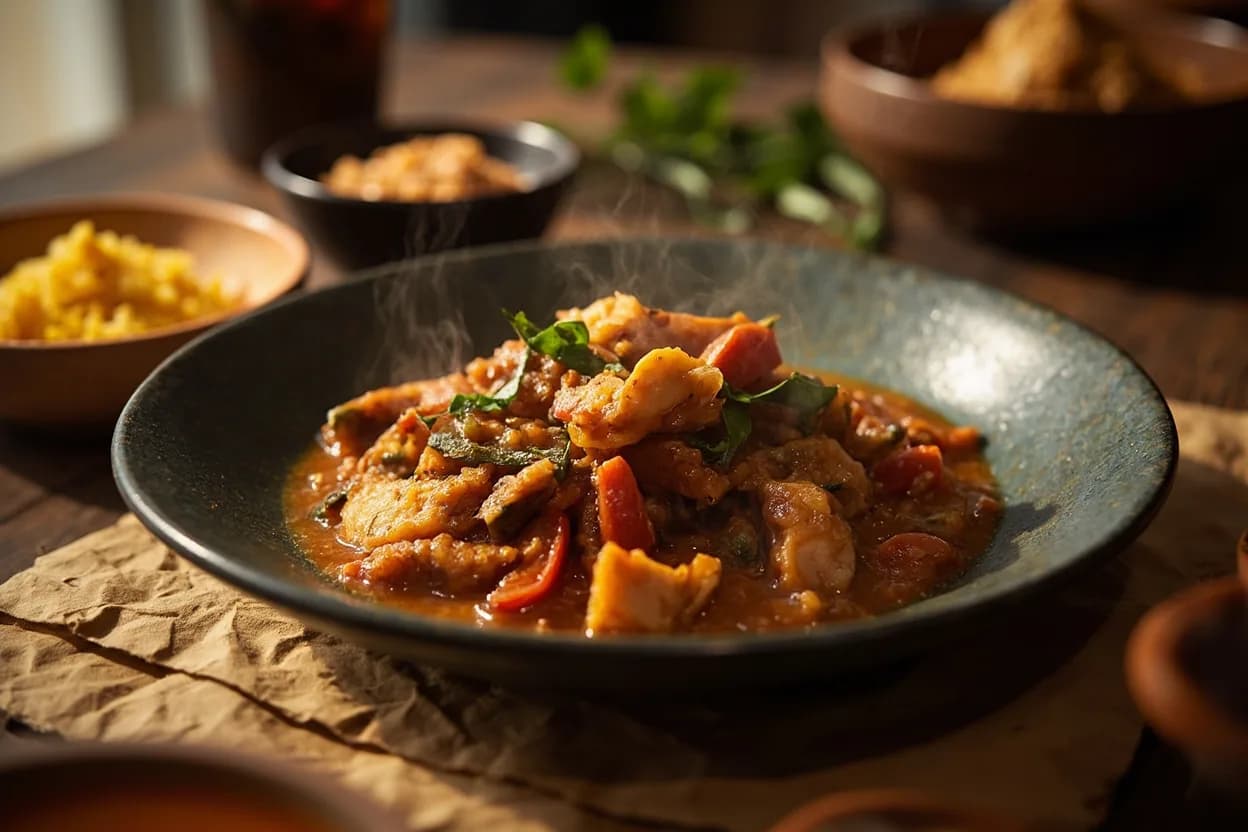
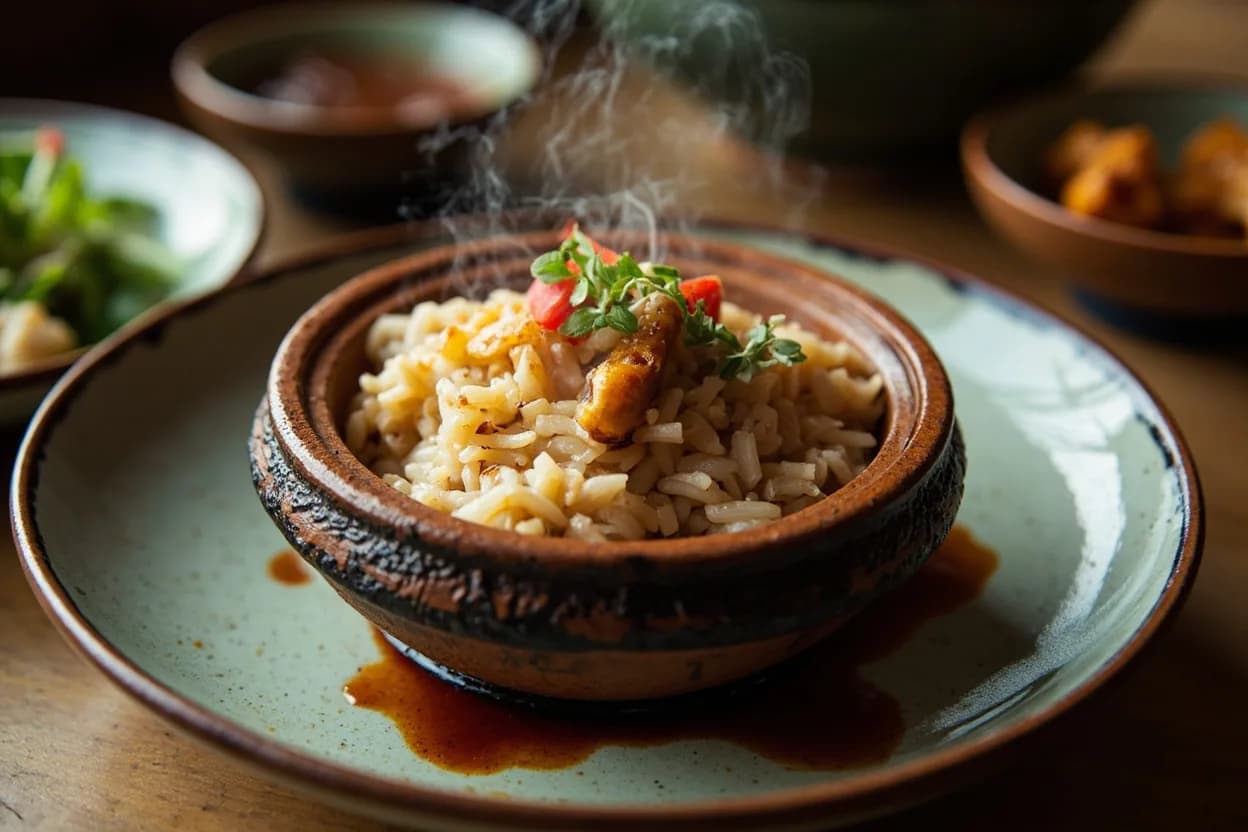
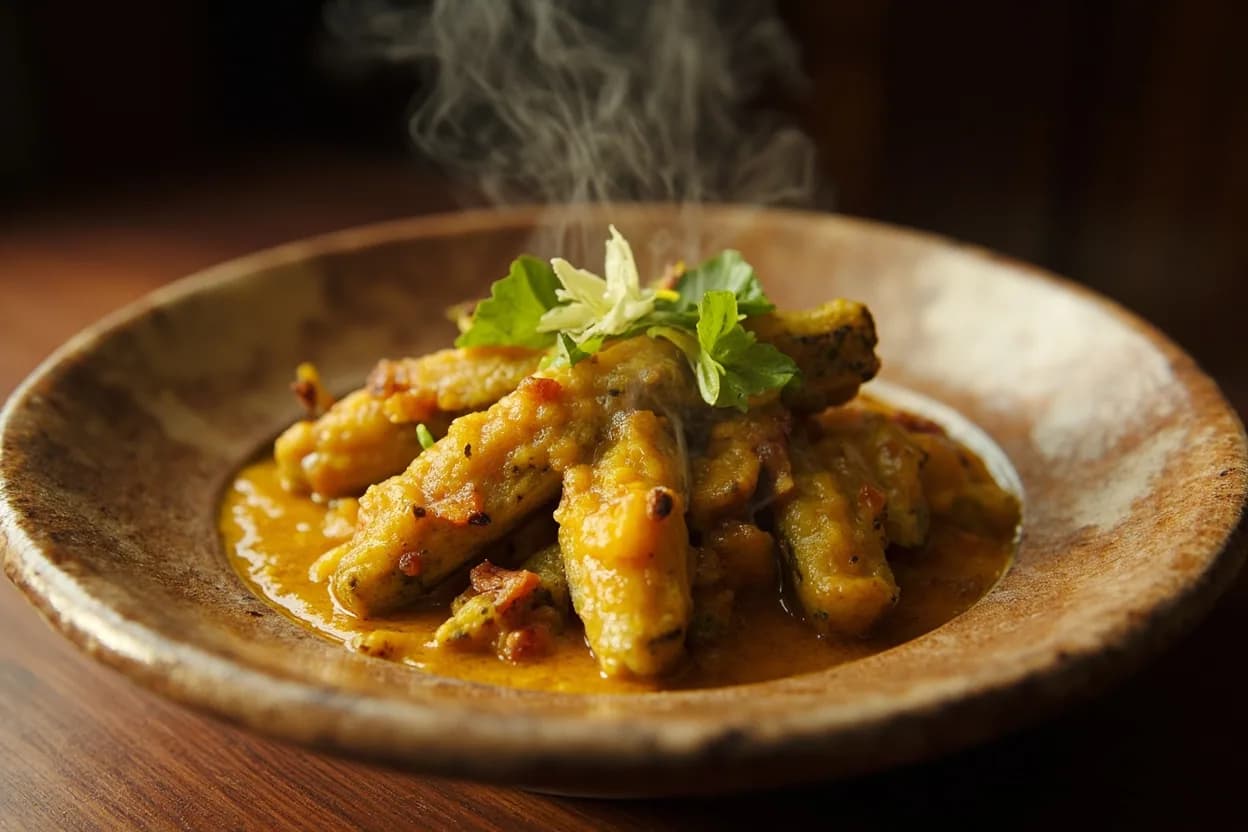
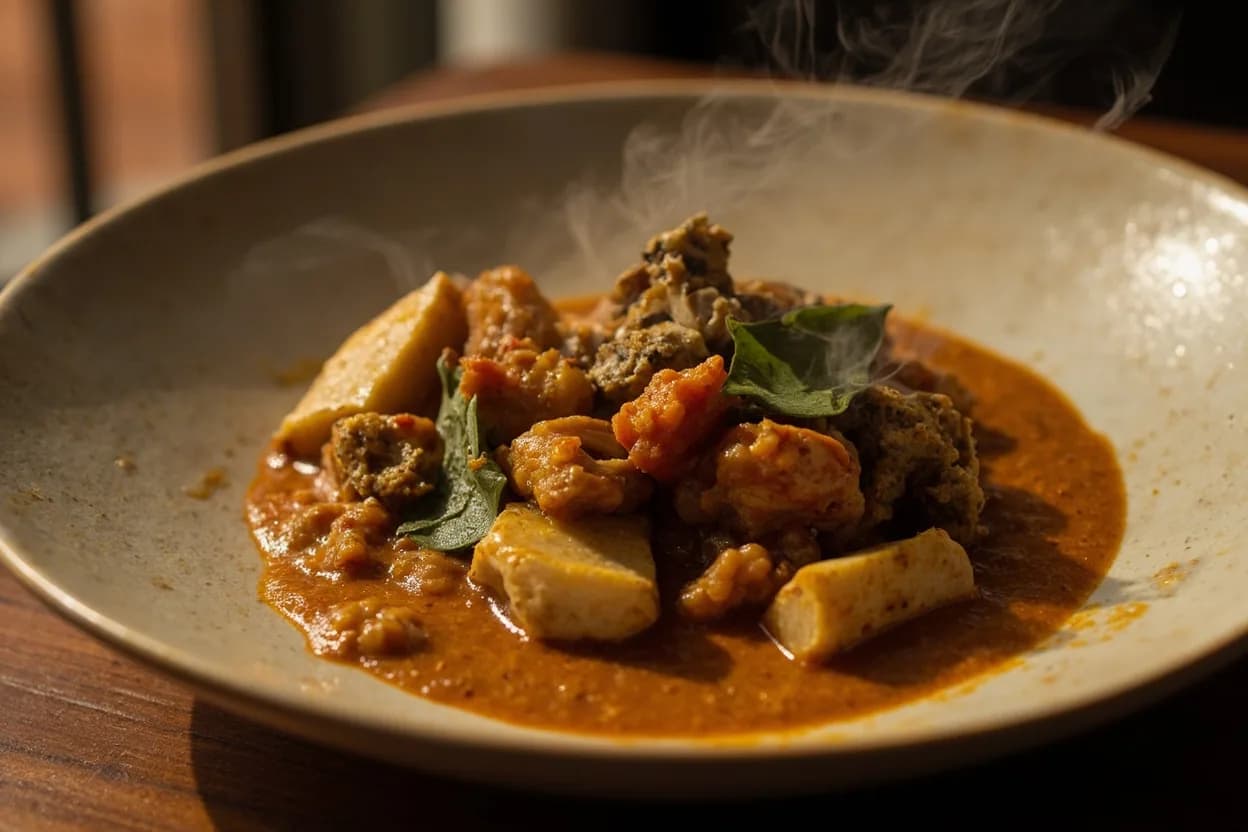
Appears in these dishes
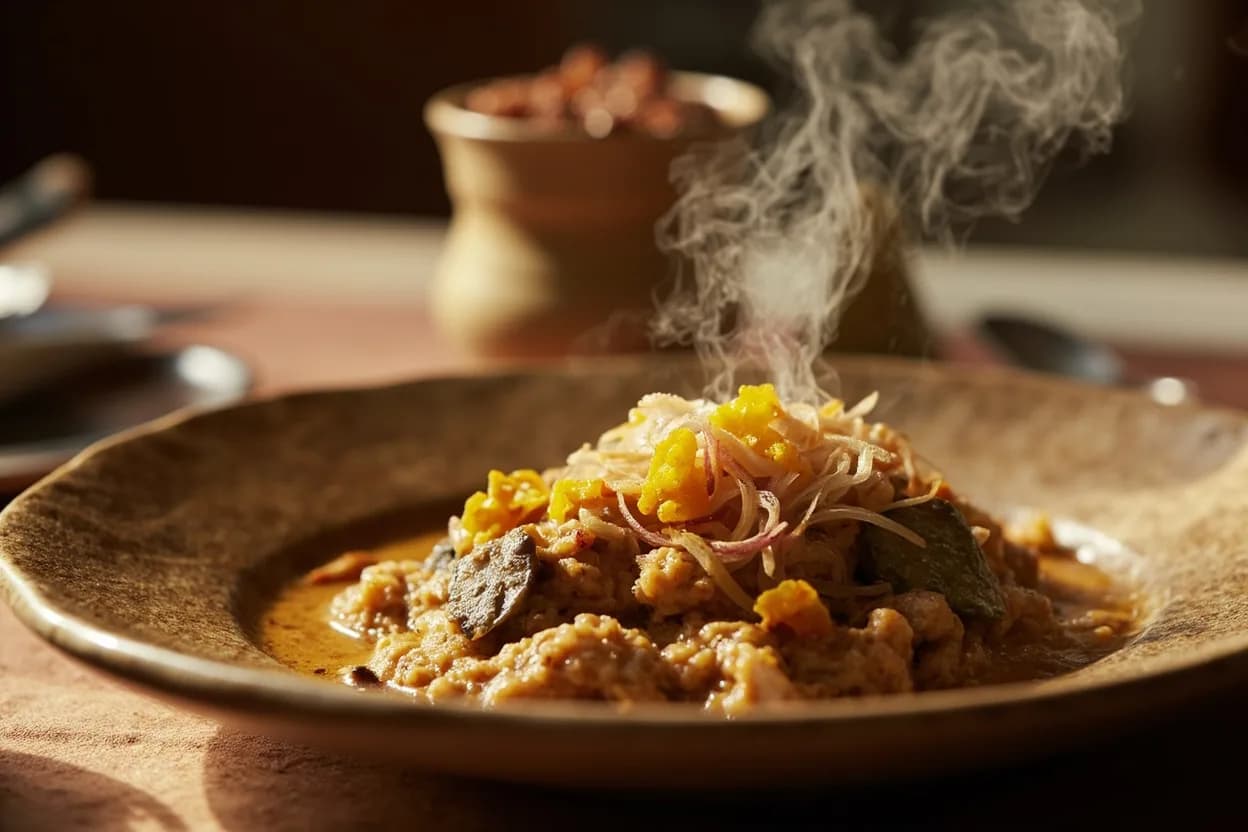
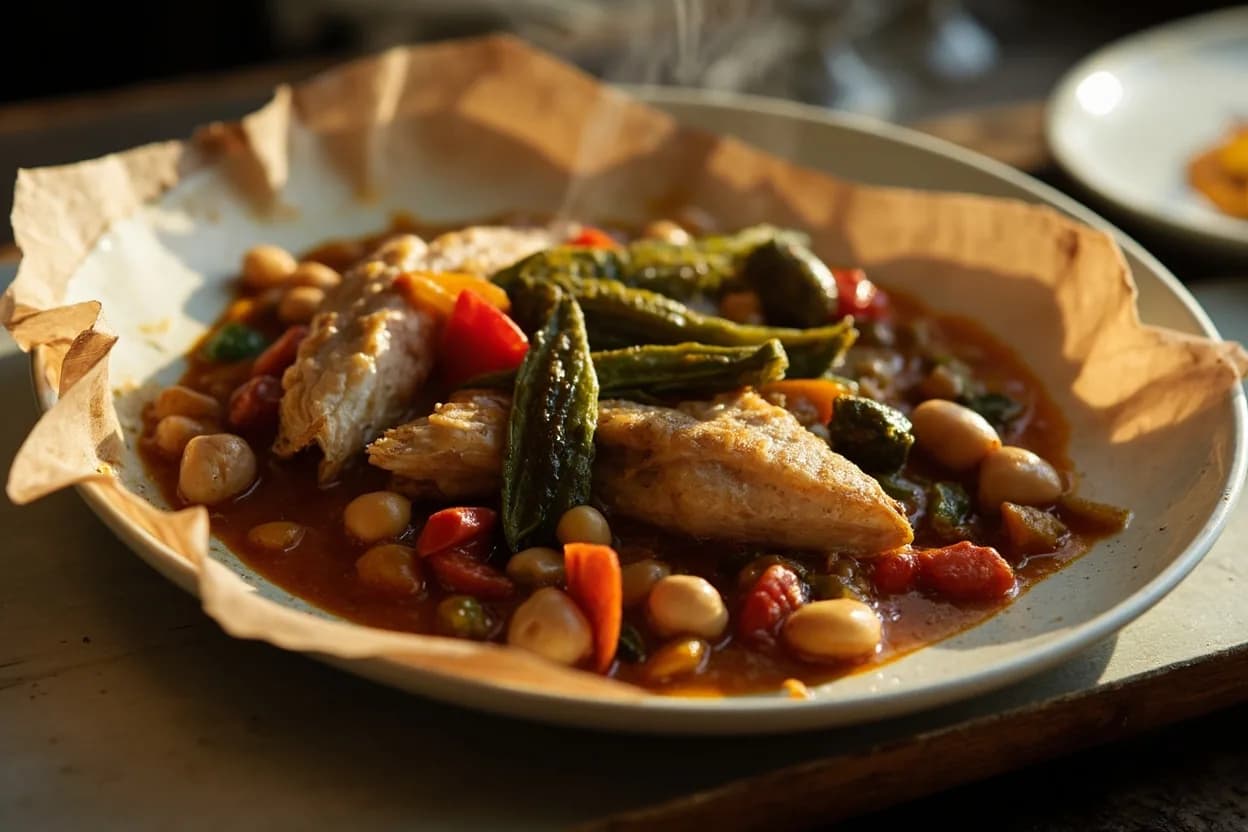
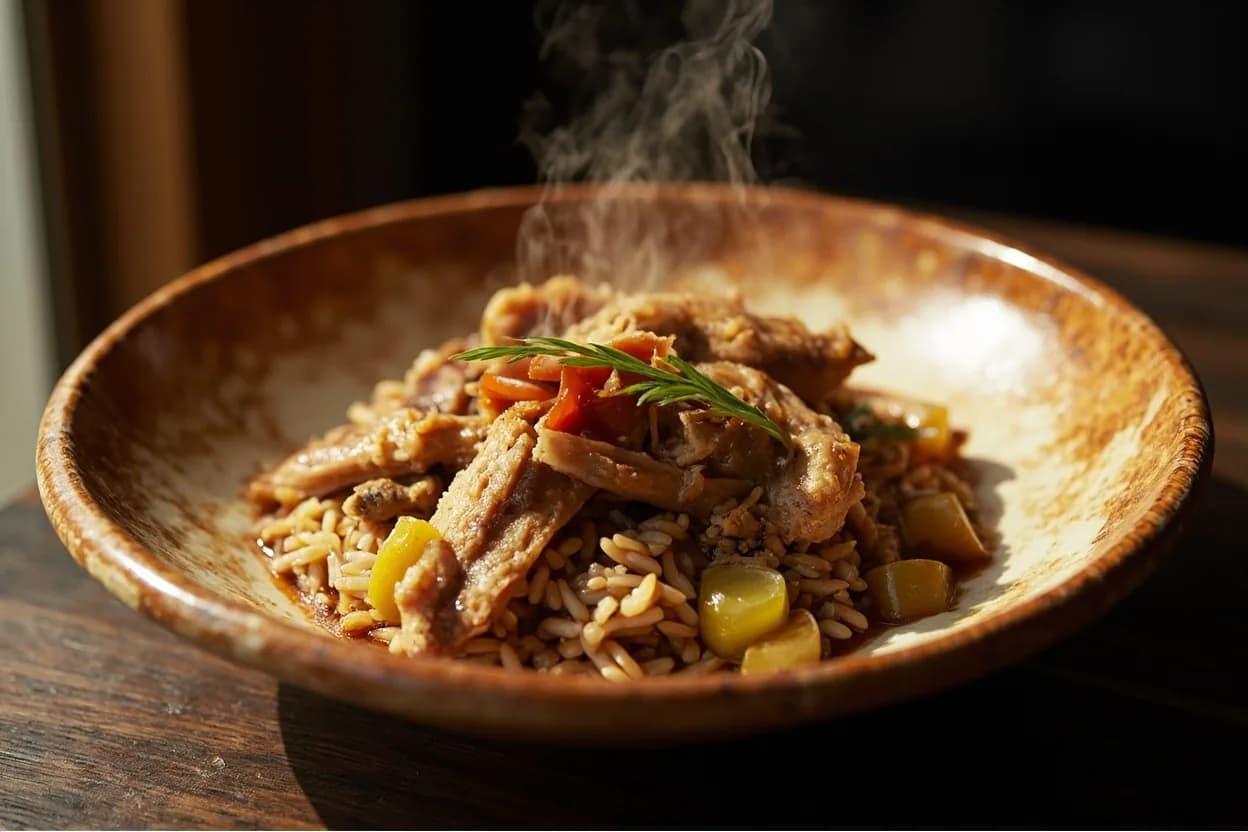
Related
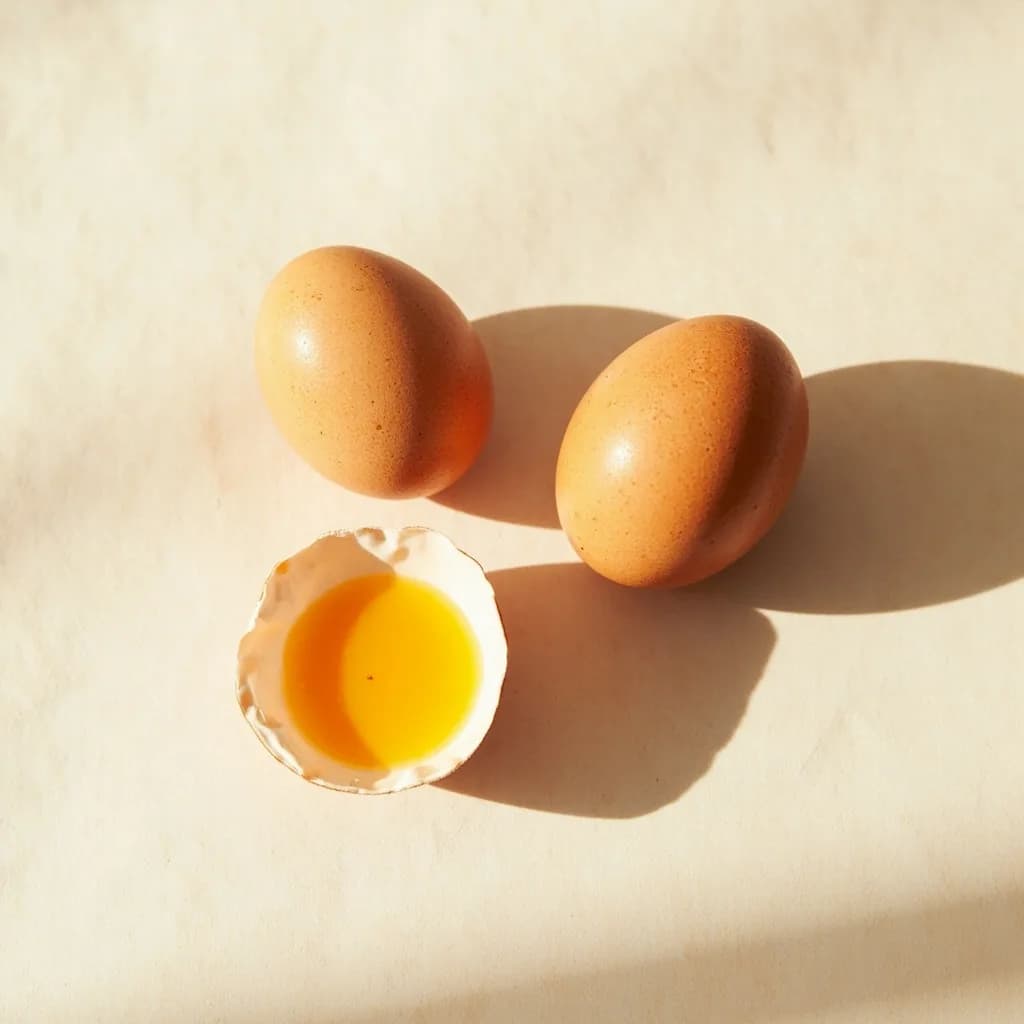
Egg
The kitchen's everything ingredient — bind, leaven, enrich, or fry
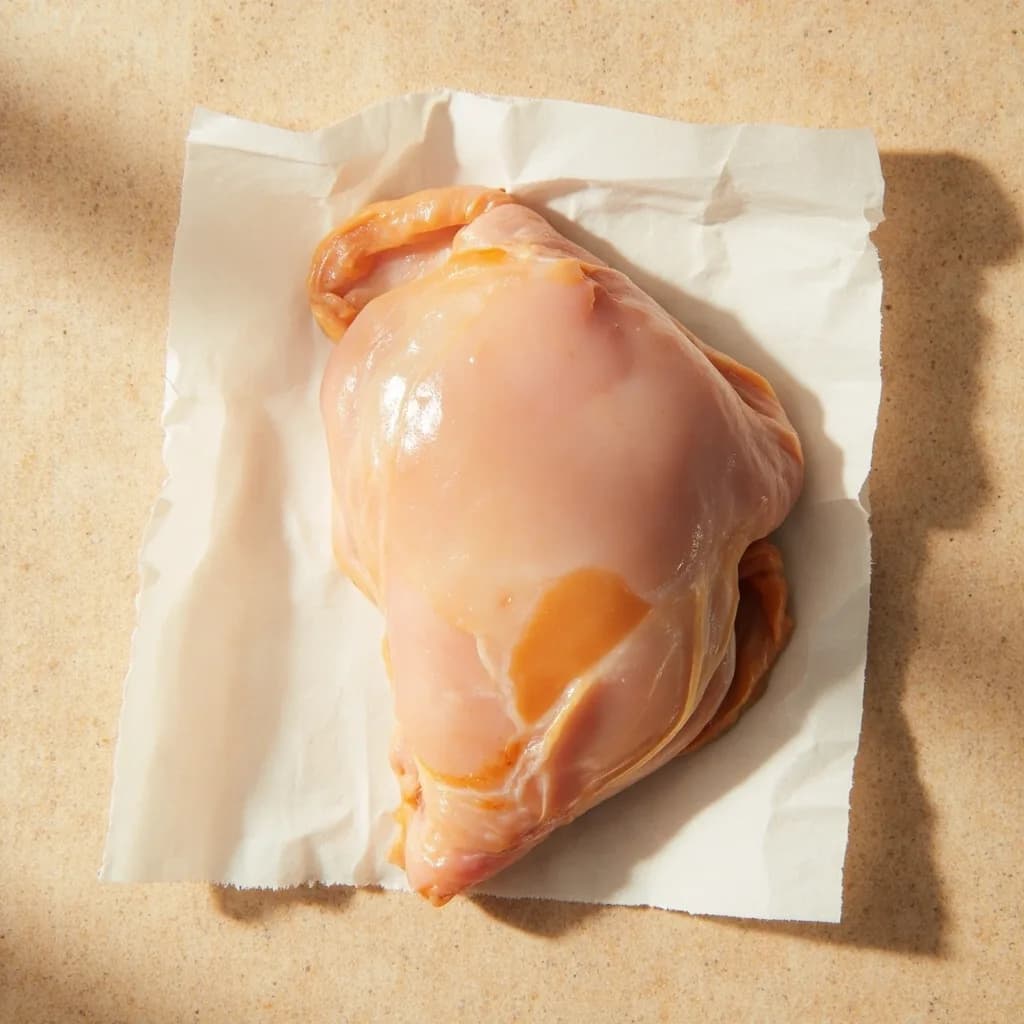
Chicken Breast
Lean, quick-cooking white meat for everyday dinners

Ground Beef
Versatile minced beef for burgers, ragù, tacos, and meatballs
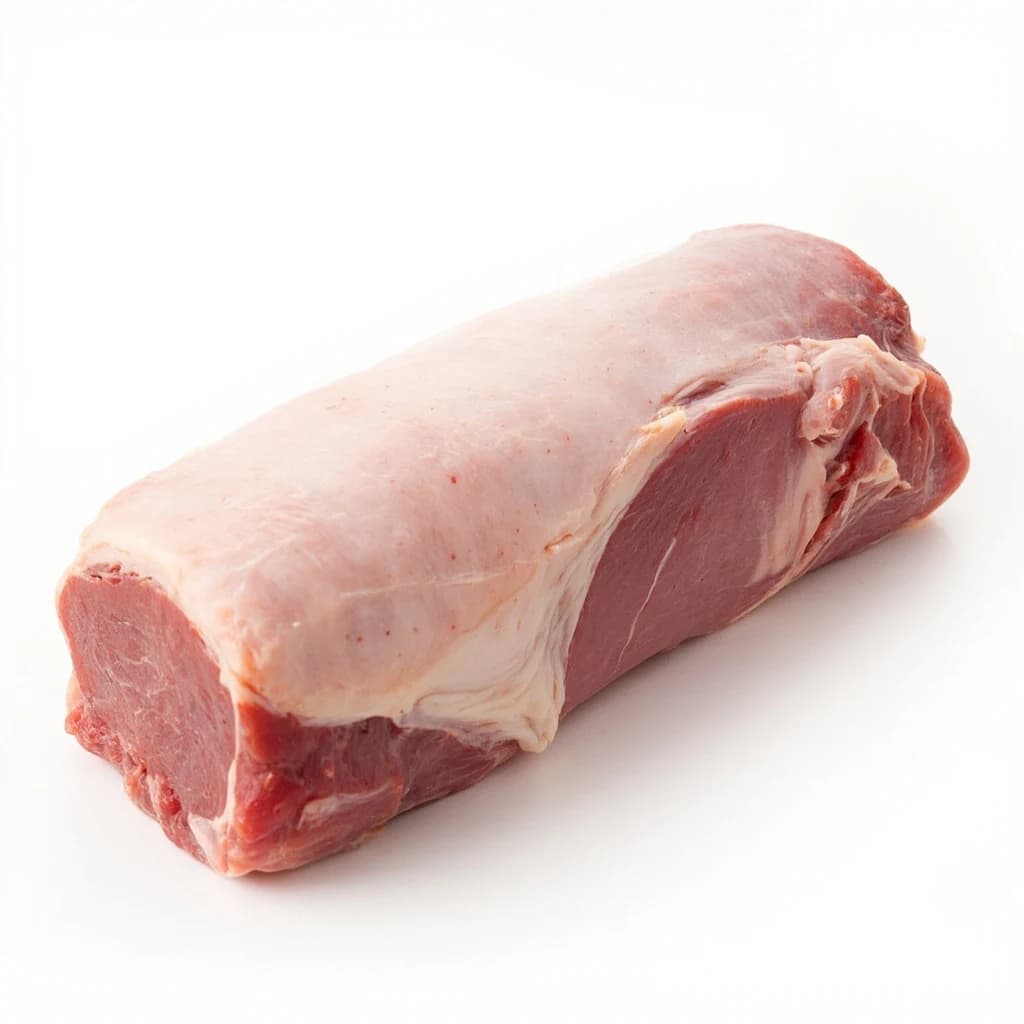
Pork Loin
Lean, tender roasting cut that stays juicy with care
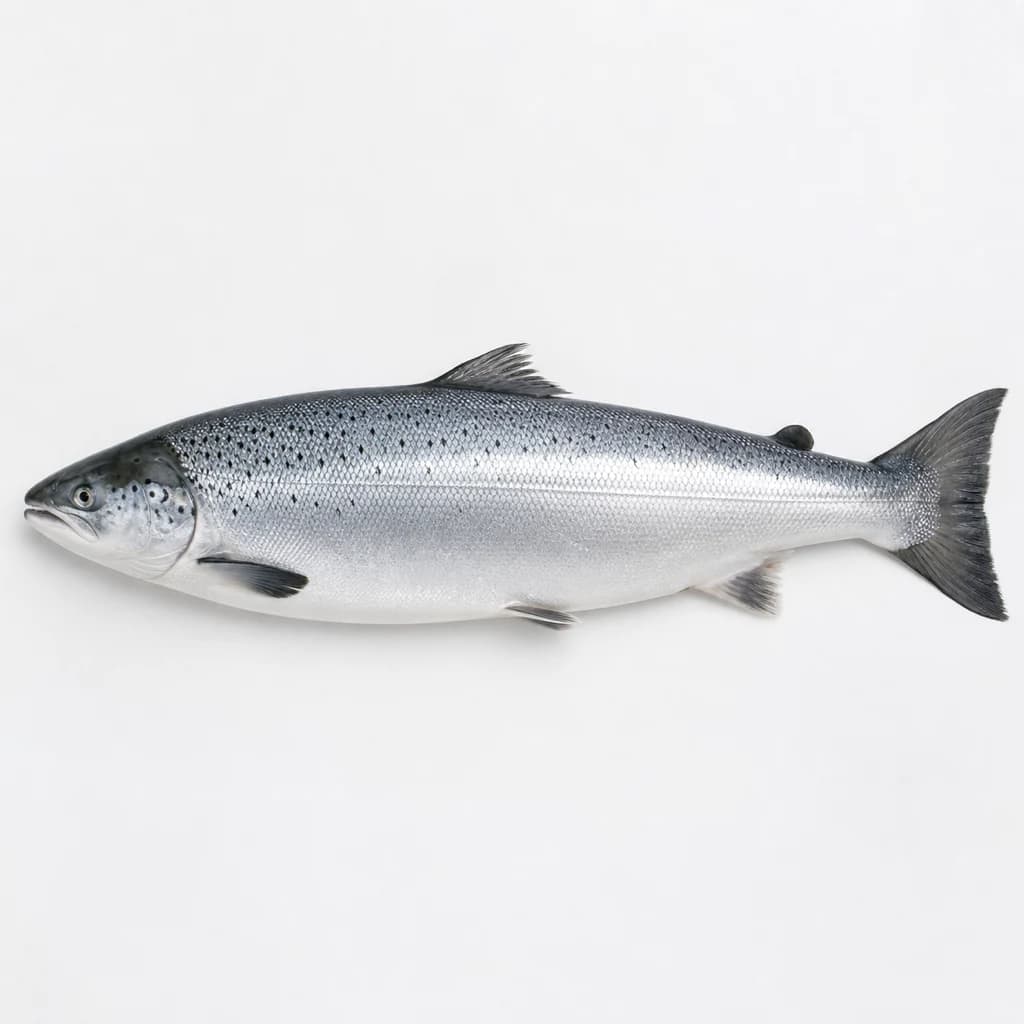
Salmon
Rich, rosy fish that roasts, grills, or cures beautifully

Egg White
Pure protein that whips to airy peaks for meringue and more

Egg Yolk
Rich, golden yolk for custards, mayonnaise, and pasta

Quail Egg
Tiny, speckled eggs for garnishing and elegant bites