
Natural form
Whole fresh scorpionfish showing its distinctive spiny body and mottled reddish-brown coloration.
Establishes the fish's unmistakable silhouette, coloration, and the venomous dorsal spines that define this species.
Proteins
Scorpionfish (Rascasse)
Spiny rockfish with firm, sweet flesh; the essential fish for bouillabaisse.
Scorpionfish, known in French as rascasse, is a spiny Mediterranean rockfish with firm, delicate, sweet white flesh. It is the defining ingredient of Provençal bouillabaisse and is also good roasted or in fish soups. Its venomous dorsal spines must be removed carefully before cooking.
Scorpionfish, known as rascasse in French markets, belongs to the Scorpaenidae family and is the cornerstone of traditional Marseille bouillabaisse. The most prized species is Scorpaena scrofa, the red rascasse, identifiable by its reddish-brown coloring, oversized head, and fan-like pectoral fins. What distinguishes this bottom-dwelling Mediterranean fish is its firm, sweet flesh with a clean oceanic flavor—lean without being bland, and dense enough to hold structure through long simmers in aromatic broths. The large, bony head is not a drawback but an asset: it releases maximum collagen and flavor into stocks and soups, making rascasse indispensable for building complex fish fumets.
Beyond its role in Provençal classics, scorpionfish is underutilized despite being abundant and sustainably fished throughout the Mediterranean. The flesh is versatile—suitable for grilling, baking, poaching, or frying—though it demands respect during preparation. The venomous dorsal, pelvic, and anal spines, which cause intense pain if handled carelessly, are completely neutralized by cooking heat. Before any culinary application, these spines must be removed with kitchen shears or pliers, cutting behind the head and trimming them flush. Once spines are removed, the fish is safe to handle and cook normally. The approximately 50–55% yield after processing is lower than some fish, but the flavor payoff in broths and stews justifies the effort.
The key to working with scorpionfish is understanding its texture: firm but not tough, it tightens quickly when overcooked. A vigorous boil will make the flesh dry and rubbery; instead, maintain a gentle simmer or employ quick, high-heat methods like searing or grilling. The skin is edible when scaled, though it is often removed for refined presentations. Rascasse pairs naturally with the flavors of Provence—saffron, fennel, pastis, tomatoes, and herbes de Provence—though its clean sweetness adapts well to Mediterranean and Asian cooking traditions alike. The term rascasse specifically refers to Scorpaena species in French market hierarchy; scorpionfish is the English culinary and aquarium trade name. In the United States, Pacific scorpionfish (Scorpaenopsis) appear occasionally on West Coast markets.
- Measured in
- g
- Storage
- Fridge
Allergens
Types & varieties
Scorpaena scrofa; the classic bouillabaisse fish; reddish-brown with large head and fan-like pectoral fins
Scorpaena porcus; smaller, darker, finer-flaked; common in Mediterranean markets
Scorpaena notata; smaller species (up to 15 cm); flavor similar but less flesh available
Pterois miles/volnans; invasive in Atlantic/Caribbean; venomous spines; edible and increasingly used by sustainability-minded chefs; flavor comparable to native species
Scorpaenopsis spp.; firm-fleshed relatives used similarly in Asian and Pacific cuisines
Common uses
Tips & pitfalls
- Remove spines carefully with kitchen shears or pliers before cooking—cut behind the head, trim dorsal/pectoral/pelvic/anal spines flush; this is non-negotiable for safety
- Ask your fishmonger to clean and spine the fish if unfamiliar with the process
- The large, bony head is an asset in bouillabaisse—it releases maximum flavor into the broth
- Rinse the cavity well; scorpionfish are bottom-dwellers and can retain grit
- For bouillabaisse, cut into thick cross-sections (3–4 cm) so the flesh holds together in the simmering broth
- Sear or briefly grill the pieces before adding to soup to create a Maillard crust that enriches the final dish
- Do not overcook—the flesh is firm but will tighten and dry if boiled vigorously; gentle simmer only
- The skin is edible when scaled but often removed for refined presentations
- If using lionfish, cook spines thoroughly—venom denatures at cooking temperatures (60°C+)
Nutrition
Energy
377 kJ · per 100 g
Where the calories come from
Protein
18.4g
37% DV
Carbs
0g
0% DV
Fat
1.3g
2% DV
Fiber
0g
0% DV
Sugars
0g
of which
Sodium
74mg
3% DV
Source · USDA FoodData Central · approx. Fish, rockfish, Pacific, mixed species, raw
View on FDC →In the shops
Matched grocery products
No matched grocery products for Scorpionfish (Rascasse) yet.
Good to know
- Family
- Scorpaenidae (scorpionfish family)
- Primary Species
- Scorpaena scrofa (red rascasse)
- Origin
- Eastern Atlantic, Mediterranean Sea; most associated with Provence, France
- Season
- Year-round; peak quality in cooler months (October–March)
- Flavor
- Sweet, clean, oceanic; mild without being bland
- Texture
- Firm, dense flesh; holds structure well in long cooking
- Typical Weight
- 1–3 lbs (0.5–1.5 kg); market fish usually 1–2 lbs
- Key Characteristic
- Venomous dorsal, pelvic, and anal spines (neutralized by cooking heat; removed before service)
- Yield
- Approximately 50–55% usable fillet meat after processing
- Storage
- 2–3 days on ice; 2–3 months properly wrapped in freezer
Substitutes
- Red Gurnard (Trigla lucerna) — Firm, sweet, similarly bony head; traditional companion fish in Provençal markets; acceptable direct substitute in soups and stews
- John Dory (Zeus faber) — Sweet, firm texture; higher price point; works in soups and grilled preparations but lacks the oily, collagen-rich character of rascasse
- Atlantic Rockfish / Pacific Snapper — Acceptable firm-fleshed substitutes for grilled or baked applications; not traditional for bouillabaisse but functional in modern preparations
- Sea Robin — Related bottom-feeding fish with similar firm texture; often dismissed as trash fish but excellent in fish stock and stews
Pairs with
Also called
Rascasse · Rockfish
Appears in these dishes
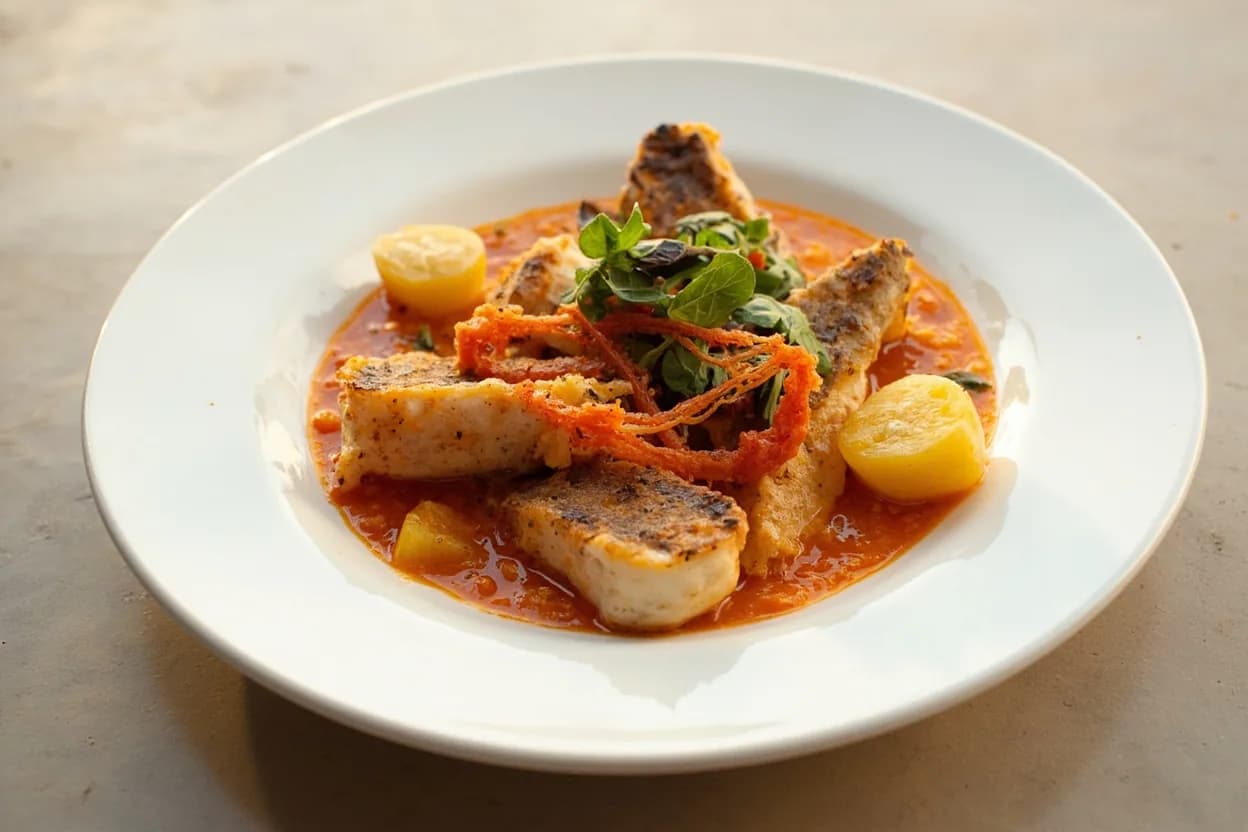
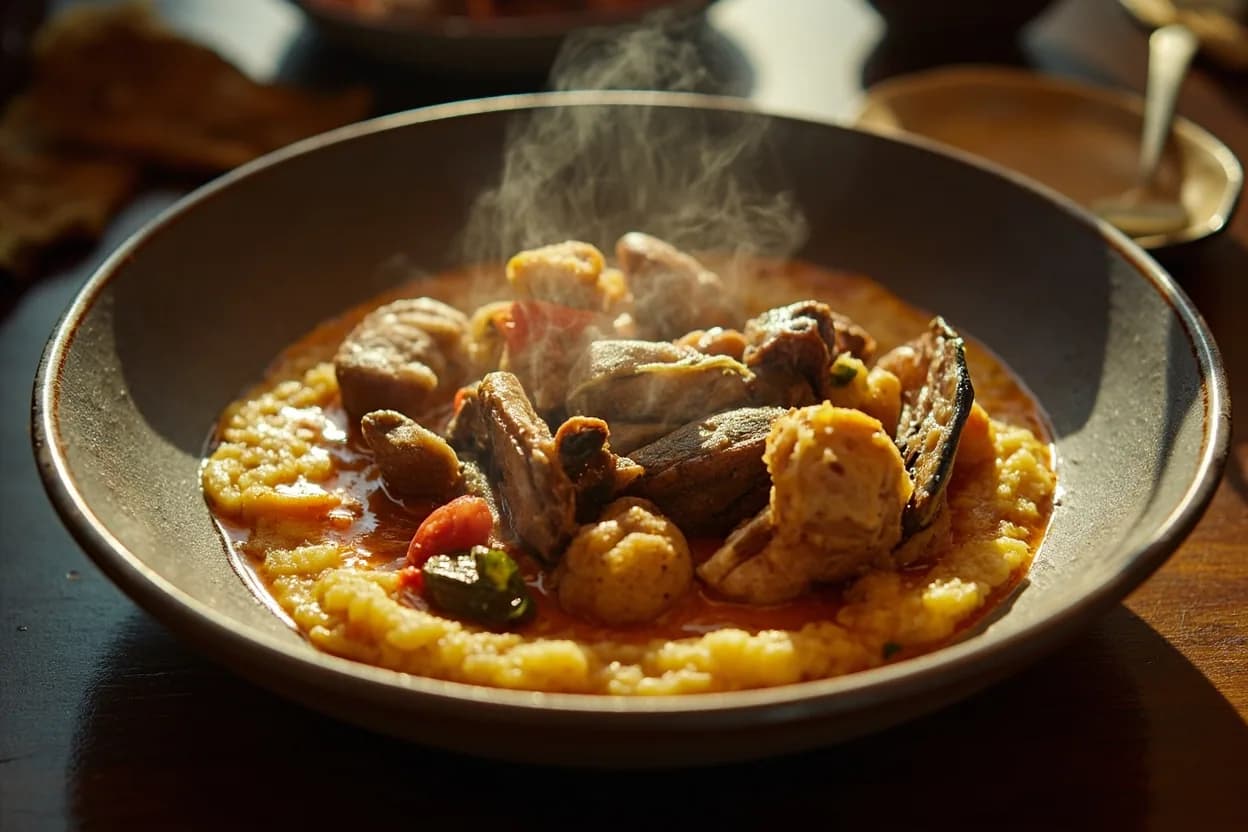
Related
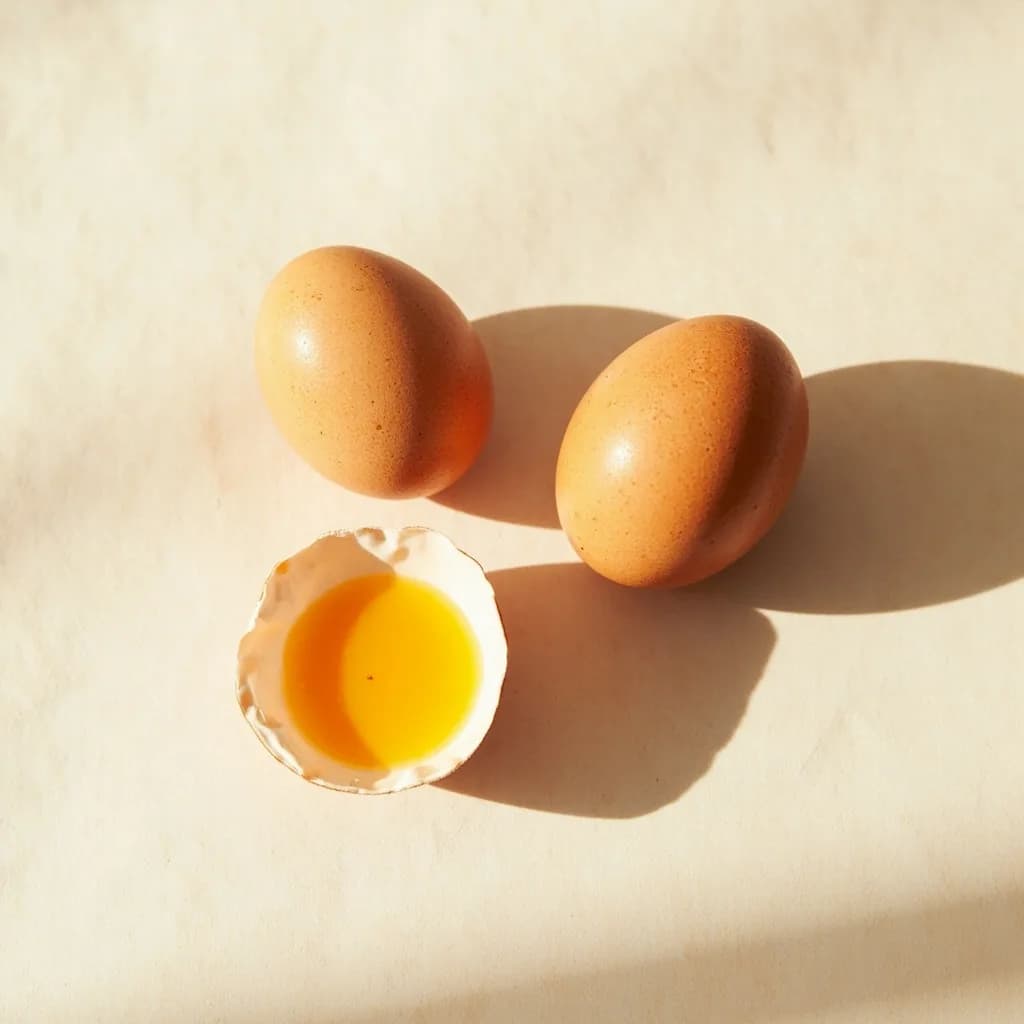
Egg
The kitchen's everything ingredient — bind, leaven, enrich, or fry
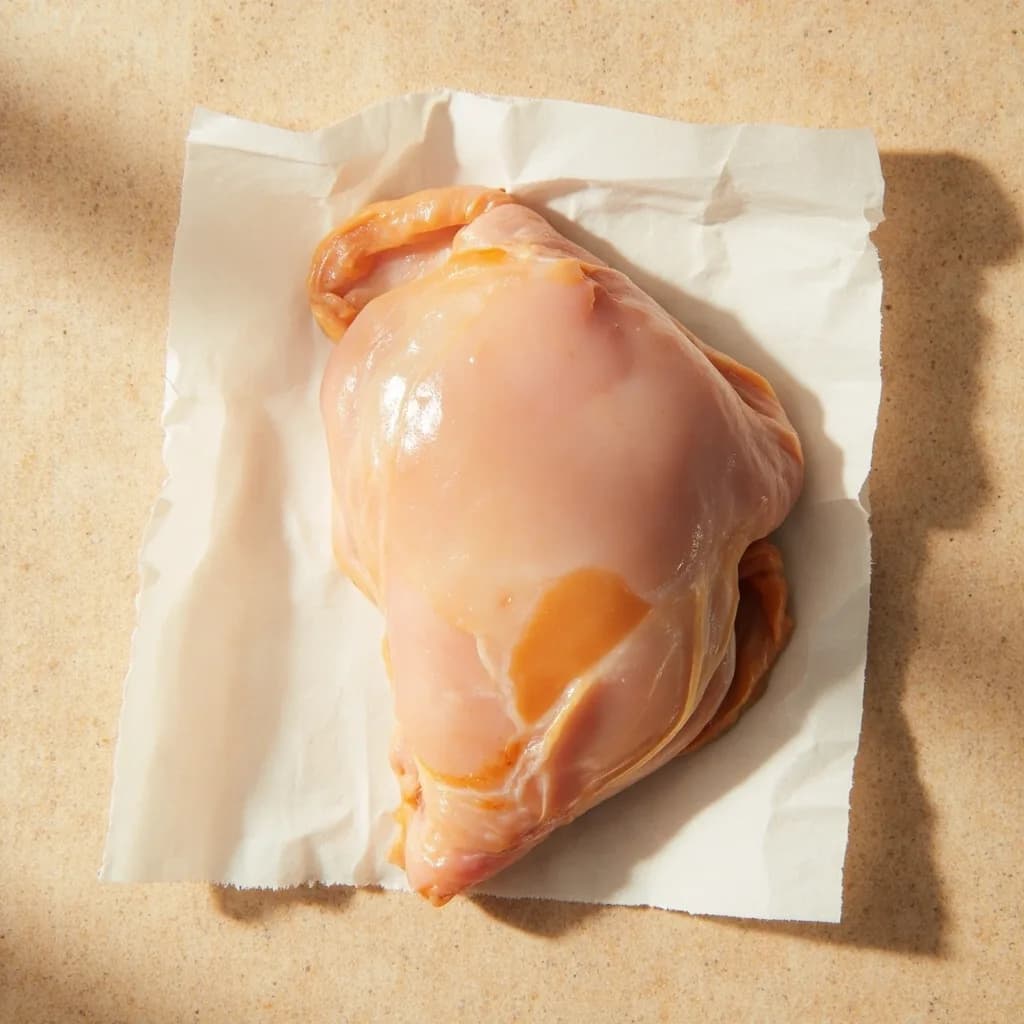
Chicken Breast
Lean, quick-cooking white meat for everyday dinners

Ground Beef
Versatile minced beef for burgers, ragù, tacos, and meatballs
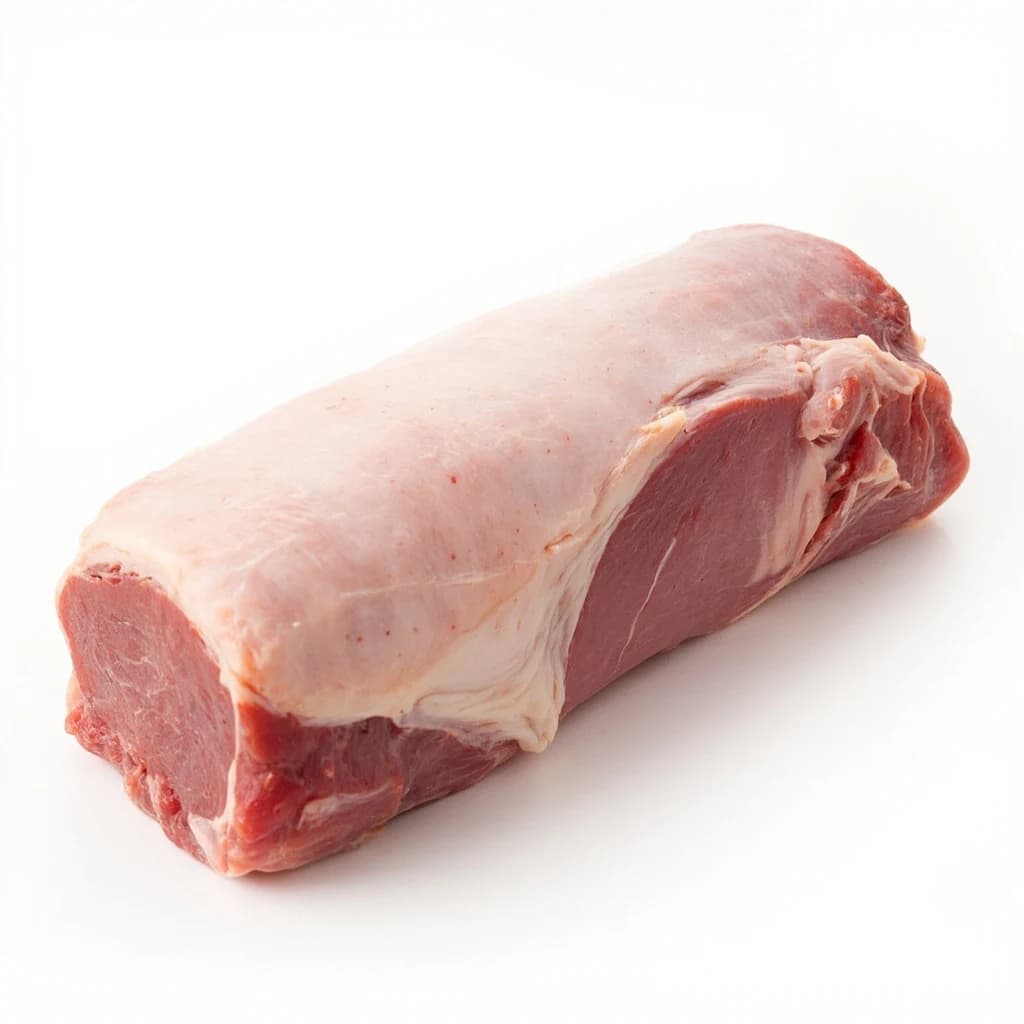
Pork Loin
Lean, tender roasting cut that stays juicy with care
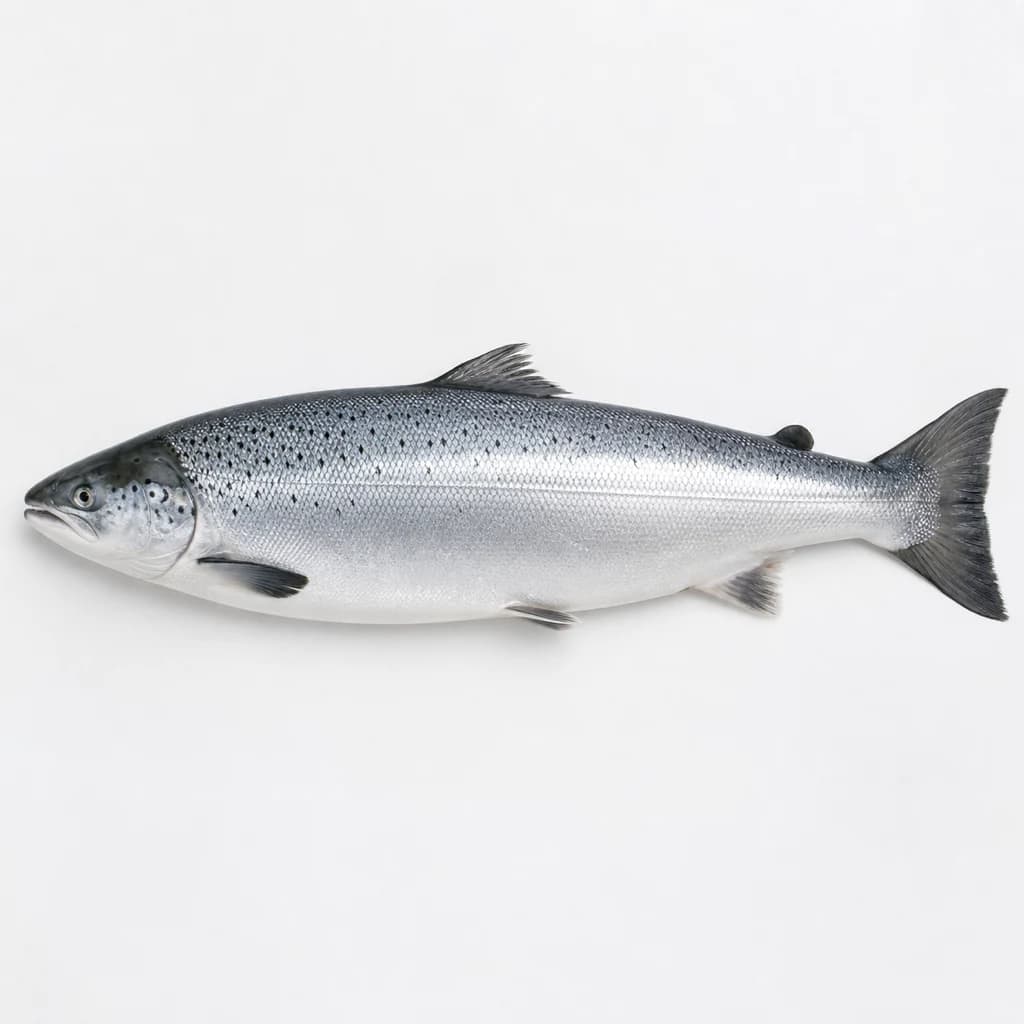
Salmon
Rich, rosy fish that roasts, grills, or cures beautifully

Egg White
Pure protein that whips to airy peaks for meringue and more

Egg Yolk
Rich, golden yolk for custards, mayonnaise, and pasta

Quail Egg
Tiny, speckled eggs for garnishing and elegant bites