Natural form
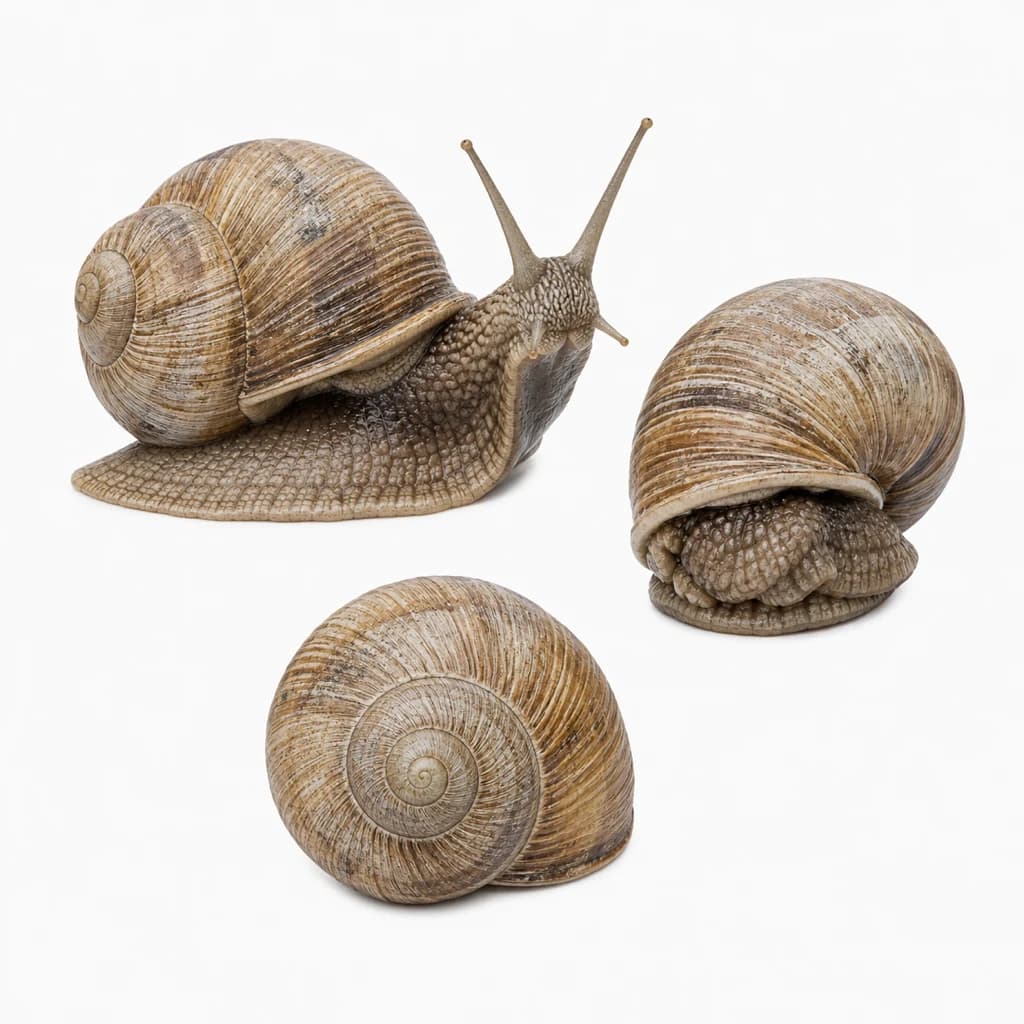
Live edible land snails showing spiral shell, muscular foot, and extended tentacles.
Shows the reader what the living animal looks like before processing, making the ingredient unmistakable.
Proteins
Snail
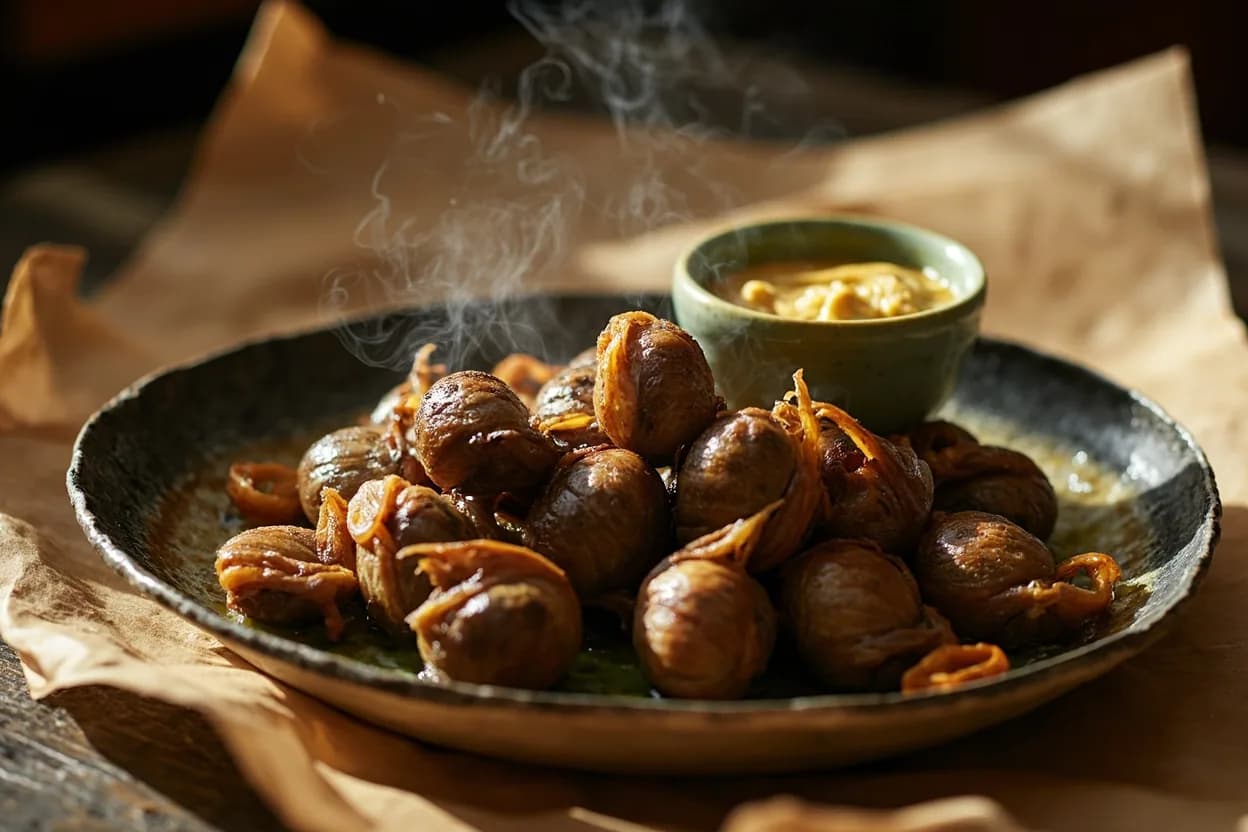
Land snails cooked in garlicky, herby, or spiced sauces — a delicacy in French, Spanish, and West African kitchens.
Edible land snails are a long-standing delicacy with tender, slightly chewy meat and an earthy flavor. They are purged and cleaned, then cooked in rich sauces — French escargot in garlic-parsley butter, Spanish cargols in spiced tomato, or West African giant snails stewed in peppery sauces. They are valued as much for their texture as their ability to carry bold seasonings.
Land snails are gastropod mollusks prized as a delicacy in French, Spanish, Italian, and West African cuisines. The most commercially important species—Helix pomatia (Burgundy snail), Helix aspersa maxima (Petit Gris), and Helix lucorum—are raised in controlled conditions or gathered from limestone-rich soils that produce cleaner-flavored meat. Snail cookery demands patience and attention to hygiene: the digestive tract must be purged over several days on dry bran or cornmeal to eliminate grit and bitter-tasting contents. The meat itself is mild and earthy with a subtle mineral quality—firm and slightly chewy when properly cooked, though it turns rubbery if overdone. Historically a peasant food transformed by French haute cuisine into buttery elegance, snails remain an ingredient that rewards understanding: proper cleaning separates a pleasant, tender bite from a gritty disappointment. Canned and frozen snails, widely available, eliminate the purging step and are acceptable for most preparations, though live snails offer superior texture when handled correctly.
The flavor of well-prepared snail is delicate, absorbing the fats and aromatics it cooks in—garlic butter, olive oil and herbs, wine and Pernod—while contributing a faint mineral backbone that rounds out rich sauces. The texture is the true test of technique: the meat should offer resistance without chew, and the cooking liquid should cling to the shell rather than pool at the bottom. Serves as both an appetizer in classic bistro preparations and as a protein component in braises, stuffings, and stews across multiple culinary traditions.
- Measured in
- piece
- Storage
- Fridge
Types & varieties
Helix pomatia — the largest and most prized species; firm, meaty texture; dominant in haute cuisine.
Helix aspersa maxima — smaller, more common; slightly gamier flavor; widely used in French and Spanish cooking.
Larger than Petit Gris with a pale shell; popular in North Africa and southern France.
Common in Central and Eastern Europe; similar in size to Burgundy snail; used in Greek and Turkish cuisines.
Small wild species; traditional in Mediterranean peasant cooking; requires thorough purging.
Sourcing live snails
The most critical quality marker for live snails is activity—healthy snails cling firmly to surfaces and retract when disturbed. Dead snails must be discarded immediately, as they spoil rapidly and can produce toxins. Shell integrity matters: cracked shells may indicate the snail died during storage. For purging, a ventilated wooden or cardboard box in a cool (10–15°C), dark space works better than a sealed plastic container, which retains moisture and causes the snails to rot.
- Avoid snails with cracked, damaged, or empty shells
- Purchase from reputable suppliers who guarantee live delivery
- Peak season is autumn and early winter when snails have fed and are at optimal size
Cleaning and purging
Purging is non-negotiable for wild or farm-raised snails not processed by the supplier. Place live snails in a ventilated container with dry bran or cornmeal for 48–72 hours. Do not feed them during this period and mist occasionally with water to prevent desiccation. This clears their gut of grit and bitter-tasting contents. After purging, plunge live snails into vigorously boiling salted water for 3–5 minutes—this kills them instantly, loosens the operculum (the trapdoor), and helps remove the slime coat. Extract the meat using a thin skewer or snail pick and trim any dark intestinal portions if a milder flavor is desired. Use kosher salt or seawater brine for boiling; table salt can be too pure and cause snails to burst.
- Never skip the purging step when using live snails
- Work quickly after boiling—cold water stops the cleaning process
- Thoroughly dry meat before cooking to prevent diluting sauces
Common uses
Tips & pitfalls
- Purging is non-negotiable: keep live snails on dry cornmeal or bran for 48–72 hours, misting occasionally. Do not feed them during this time. This clears their gut of grit and bitter-tasting contents.
- After purging, plunge live snails into vigorously boiling salted water for 3–5 minutes. This kills them instantly, loosens the operculum (the trapdoor), and helps remove the slime coat. Work quickly; cold water stops the process.
- Extract the meat from the shells using a thin skewer or snail pick. Trim any dark intestinal portions if the recipe requires a milder flavor.
- Do not overcook: 15–20 minutes in sauce or butter is sufficient. Exceeding this renders the meat rubbery and unpleasantly chewy. Undercooking leaves it too soft and potentially unsafe.
- For serving in shells, preheat the shells briefly and keep them dry. Fill with hot compound butter or sauce immediately before serving so the filling adheres rather than pooling.
- Canned or frozen snails are pre-cleaned and parcooked — use them directly in sauces or gratins without purging. They are a practical shortcut that sacrifices little flavor if the original quality was good.
- Common mistake: failing to dry the snail meat thoroughly before cooking. Moisture dilutes sauces and prevents proper browning.
- Common mistake: using table salt for boiling. It can be too pure and cause the snails to burst. Use kosher salt or seawater brine.
Nutrition
Energy
377 kJ · per 100 g
Where the calories come from
Protein
16.1g
32% DV
Carbs
2g
1% DV
Fat
1.4g
2% DV
Fiber
0g
0% DV
Sugars
0g
of which
Sodium
70mg
3% DV
Source · USDA FoodData Central · Mollusks, snail, raw
View on FDC →In the shops
Matched grocery products
No matched grocery products for Snail yet.
Good to know
- Scientific names
- Helix pomatia, Helix aspersa maxima, Helix lucorum
- Primary producing regions
- France, Spain, Italy, Greece, West Africa (especially Ghana)
- Flavor profile
- Mild, earthy, subtly mineral; firm and slightly chewy when properly cooked
- Typical size
- Burgundy snails 4–5 cm; Petit Gris 3–4 cm
- Yield
- Approximately 30–40% edible meat after cleaning and cooking
- Purging period
- 2–4 days on dry bran or cornmeal to clear the digestive tract
- Shelf life
- Live snails keep several days in a cool, ventilated container; cooked and frozen snails keep 3–4 months
- Peak season
- Autumn and early winter, when snails have fed and are at optimal size
- Equipment
- Snail tongs (pinces) and snail forks for serving; large pot and colander for preparation
- Difficulty
- Medium-high; cleaning and purging are labor-intensive
Substitutes
- Canned or frozen snails — The most direct substitute; use 1:1 in any recipe. Quality varies widely — taste before committing to a dish.
- Mussels — When snails are unavailable, mussels braised in garlic butter offer similar texture and traditional flavor pairings in a fraction of the prep time.
- Clams (littleneck or Manila) — Braised in white wine and garlic, clams provide comparable texture and classic flavor pairings.
- Abalone — If cost is no object, thin-sliced abalone sautéed in butter replicates the tender, slightly mineral character of well-prepared snail.
Also called
Snail (Cargol) · Escargot · Cargol
Appears in these dishes
Related
Egg
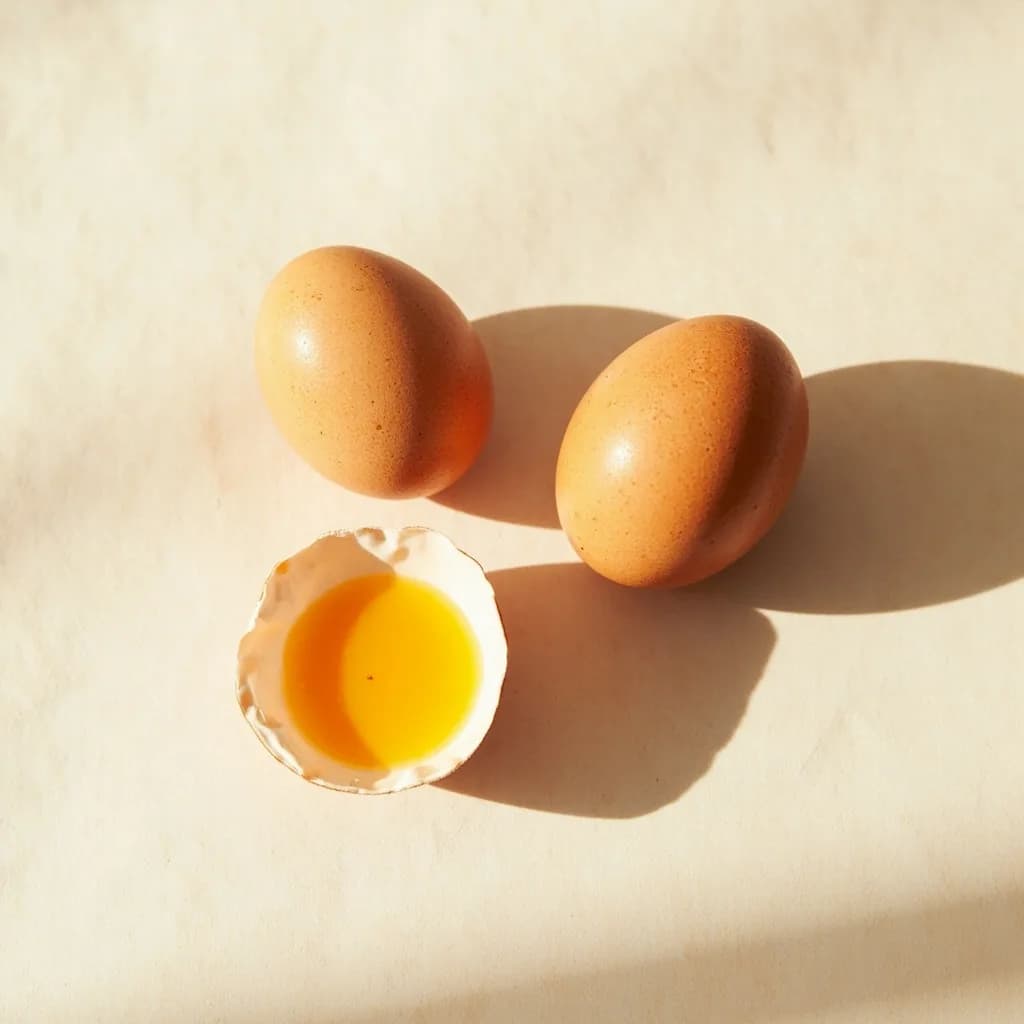
The kitchen's everything ingredient — bind, leaven, enrich, or fry
Chicken Breast
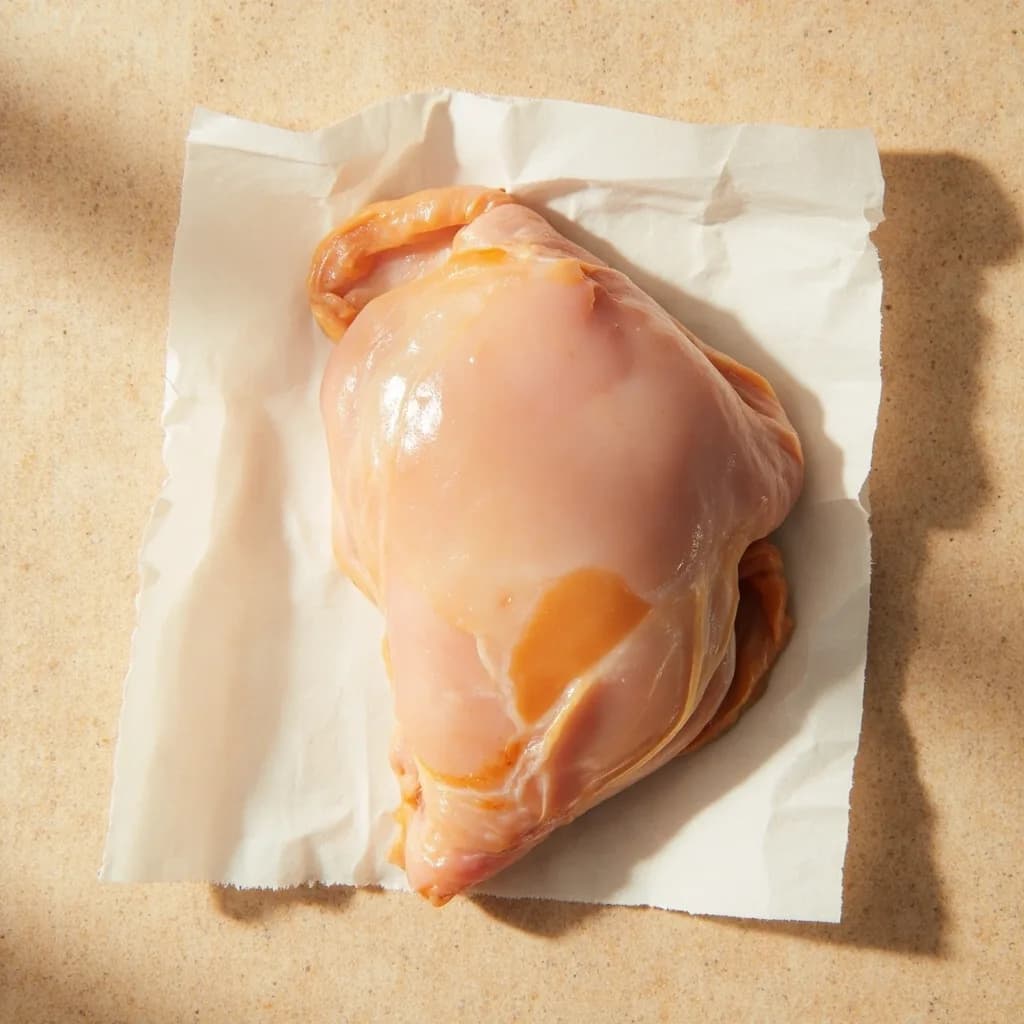
Lean, quick-cooking white meat for everyday dinners

Ground Beef
Versatile minced beef for burgers, ragù, tacos, and meatballs
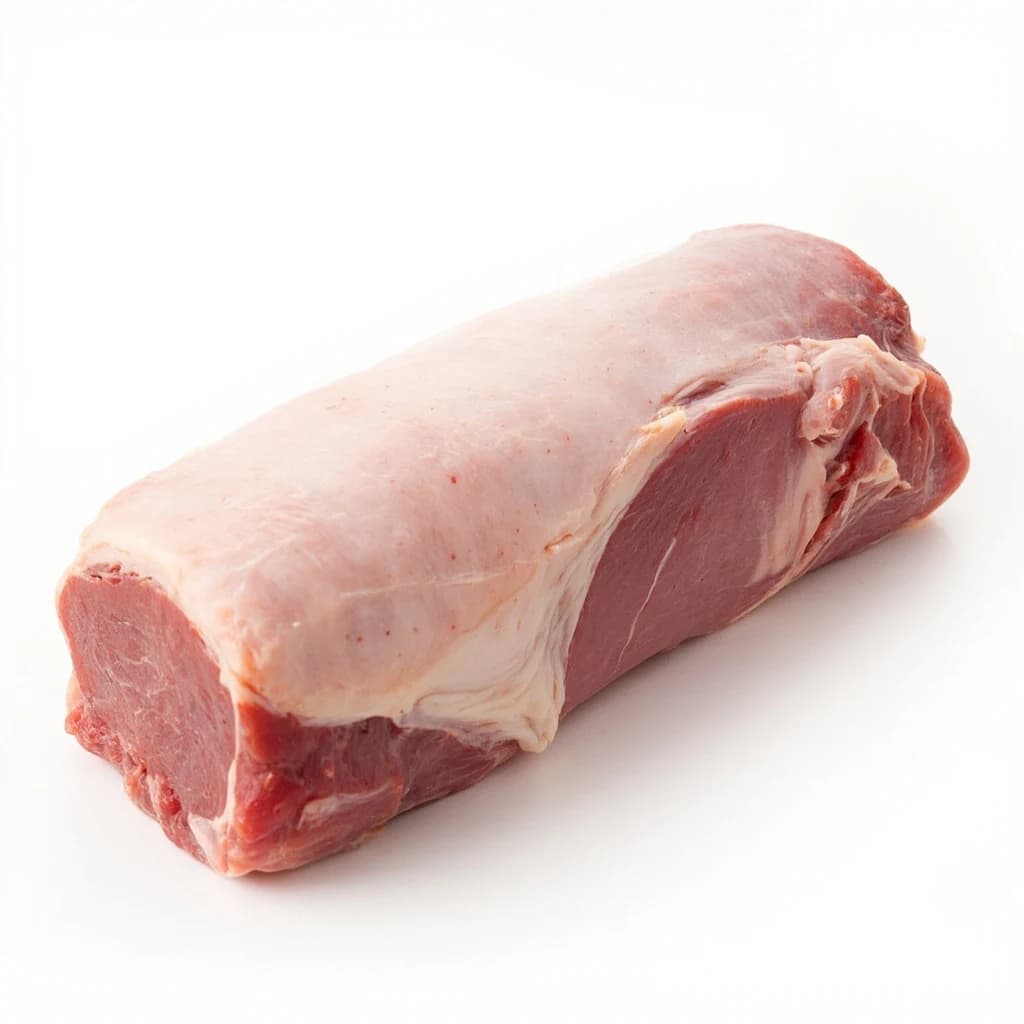
Pork Loin
Lean, tender roasting cut that stays juicy with care
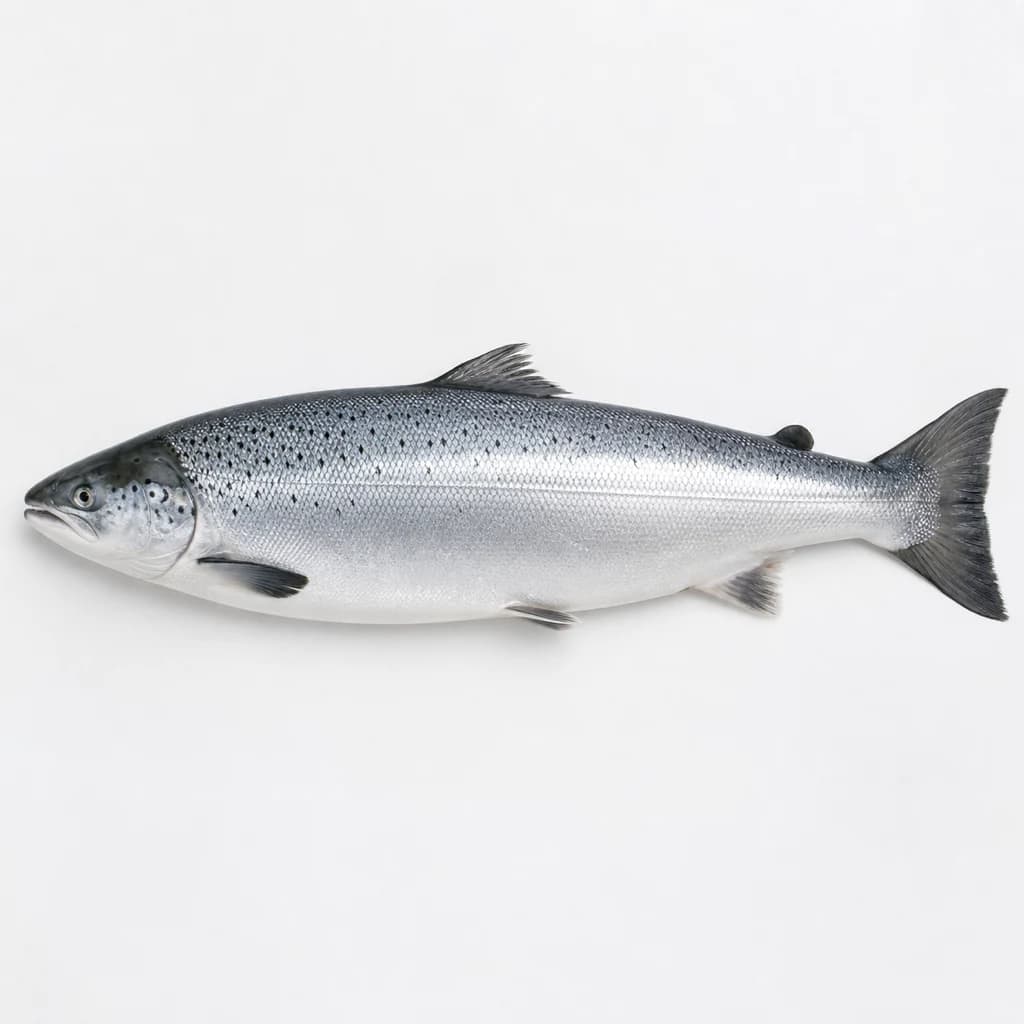
Salmon
Rich, rosy fish that roasts, grills, or cures beautifully

Egg White
Pure protein that whips to airy peaks for meringue and more
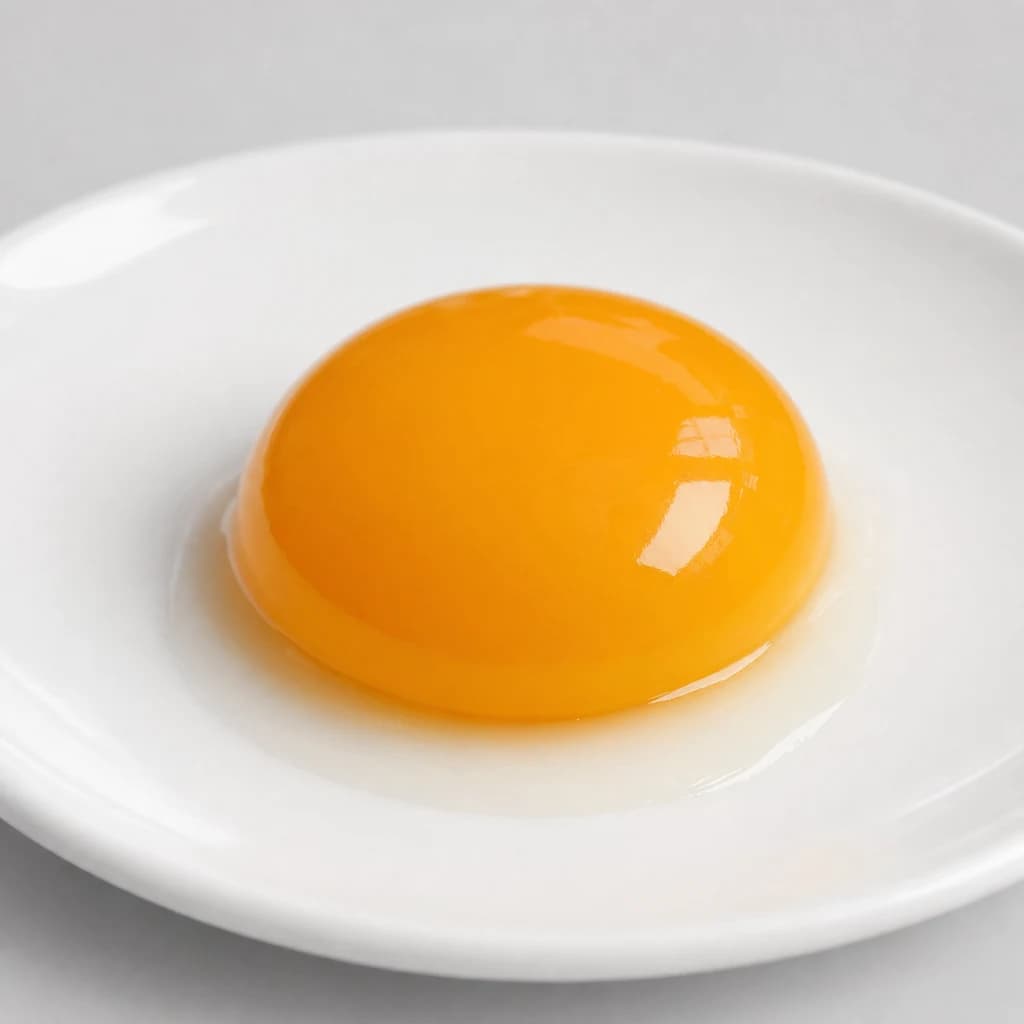
Egg Yolk
Rich, golden yolk for custards, mayonnaise, and pasta

Quail Egg
Tiny, speckled eggs for garnishing and elegant bites