
Natural form
Raw beef soup bones — knuckle, femur, and marrow cuts — shown uncooked on a neutral surface.
Shows the reader exactly what to look for when buying soup bones: size, bone type, visible marrow, and attached meat.
Proteins
Soup Bones
Marrow and meaty bones simmered for rich, gelatinous stock and broth.
Soup bones are meaty and marrow bones, usually beef or pork, used to make deeply flavored stock and broth. Long simmering extracts collagen, gelatin, and minerals, giving body and richness to soups, stews, and sauces. Roasting the bones first deepens the color and savory flavor of the resulting broth.
Soup bones are the structural framework of the animal—femurs, knuckles, necks, and tails—prized not for muscle meat but for the collagen-rich connective tissue and marrow within. Unlike meat cuts that deliver protein and flavor directly, soup bones require extended simmering to break down their cartilage, tendons, and ligaments into dissolved gelatin. This gelatin is what transforms plain water into true stock: a viscous, body-rich liquid that coats the back of a spoon and gives soups, sauces, and braises their characteristic unctuous mouthfeel that commercial products rarely achieve. The marrow inside certain bones also renders out during cooking, providing a rich, buttery fat that rises to the surface and can be skimmed for frying or spooned onto toast. Soup bones are almost always a byproduct of butchery, which makes them inexpensive and widely available at meat counters—often sold at a discount—which is why savvy cooks routinely freeze them until they have enough for a proper batch.
- Measured in
- g
- Storage
- Freezer
Types & varieties
Split or round cross-sections from the femur; primarily for extracting rich marrow fat; minimal connective tissue
From the joint end of the femur; very high in cartilage and collagen; the gold standard for body and gelatin
Vertebral bones with meat adhering; balance of marrow, meat, and connective tissue; economical choice
Tail vertebrae with heavy marbling; exceptionally rich flavor and high gelatin; excellent for small-batch stocks
Meaty with good cartilage; traditional for Southern U.S. style greens and stocks
Lower leg joint; smoked hocks add deep smoky flavor; high collagen, moderate meat
Traditional for Eastern Mediterranean and Middle Eastern stocks; rich, distinctive flavor
Remainder of whole birds after butcher breakdown; primary stock base; lower gelatin than feet
Higher meat-to-bone ratio than carcasses; excellent for everyday cooking stock
Highest collagen content of poultry bones; nearly 100% connective tissue; essential for viscous, gelatinous stock
Common uses
Tips & pitfalls
- Roast bones at 400°F (204°C) for 30–45 minutes until deeply browned before simmering for 30% more flavor compounds and darker color
- Add 1–2 tablespoons of vinegar or wine to cold water before adding bones to help acid extract calcium and minerals from the bones
- Never season stock aggressively—it is a building block; season only when using in final dish
- Skim foam and fat during first hour of simmering, then leave fat on to prevent oxidation and off-flavors
- For clear stock, maintain gentle simmer with occasional bubbles; never boil after initial foam removal
- Use a ratio of 1 gallon cold water to 3–4 pounds beef bones (or 2–3 pounds poultry bones) for properly concentrated stock
- Add aromatic vegetables (mirepoix) only during last 45–60 minutes of cooking to prevent bitterness from over-extraction
- Strain stock through fine-mesh sieve lined with damp cheesecloth to remove sediment
- Store fat layer intact on cooled stock to seal surface; remove before using or reuse for frying
- Stock is fully cooked and safe to eat only after reaching 165°F (74°C) and simmering long enough to extract gelatin (8+ hours for beef)
- Freeze in ice cube trays for quick additions, or flat in freezer bags for measured portions
Nutrition
Nutrition
No USDA FoodData Central match for Soup Bones yet. We surface a per-100 g profile once a generic whole-food entry is matched and verified.
In the shops
Matched grocery products
No matched grocery products for Soup Bones yet.
Good to know
- Primary Type
- Beef, pork, lamb, or poultry skeletal bones with cartilage and marrow attached
- Key Component
- Collagen (converts to gelatin when simmered 8+ hours)
- Typical Yield
- 1–2 quarts rich stock per pound of beef bones; 1–1.5 quarts per pound of poultry bones
- Shelf Life
- 1–2 days refrigerated; up to 4 months frozen
- Simmer Time (Beef)
- 12–24 hours for full gelatin extraction
- Simmer Time (Poultry)
- 4–8 hours for carcasses; 12–24 hours for feet/necks
- Ideal Temperature
- 180–200°F (84–93°C); never boil vigorously (causes cloudy stock)
- Fat Content
- High in marrow bones; moderate in knuckle/neck; low in feet
- Common Cuts
- Femur, knuckle, neck, oxtail, hock, phalanx (feet), carcass
Substitutes
- Store-bought Beef Broth — Acceptable but typically thin-bodied; look for low-sodium, reduced-sodium varieties with 60mg+ sodium per serving indicating some gelatin
- Better Than Bouillon (Roasted Beef Base) — Concentrated paste; use 1 teaspoon per cup of water; far superior to cubes but lacks body and collagen
- Veal Stock — Traditional French base; milder, more delicate flavor than beef; excellent substitute if available
- Pork Neck Bones — If original recipe used poultry bones; avoid if substituting pork for beef as flavor profile differs dramatically
- Ground Beef with Connective Tissue — Brown 2 lbs hamburger, cover with water, simmer 4 hours; inferior gelatin but workable emergency substitute
- Fish or Shrimp Shells — Not interchangeable for meat stocks; appropriate only for seafood applications
Pairs with
Also called
Marrow Bones · Stock Bones
Appears in these dishes
Related
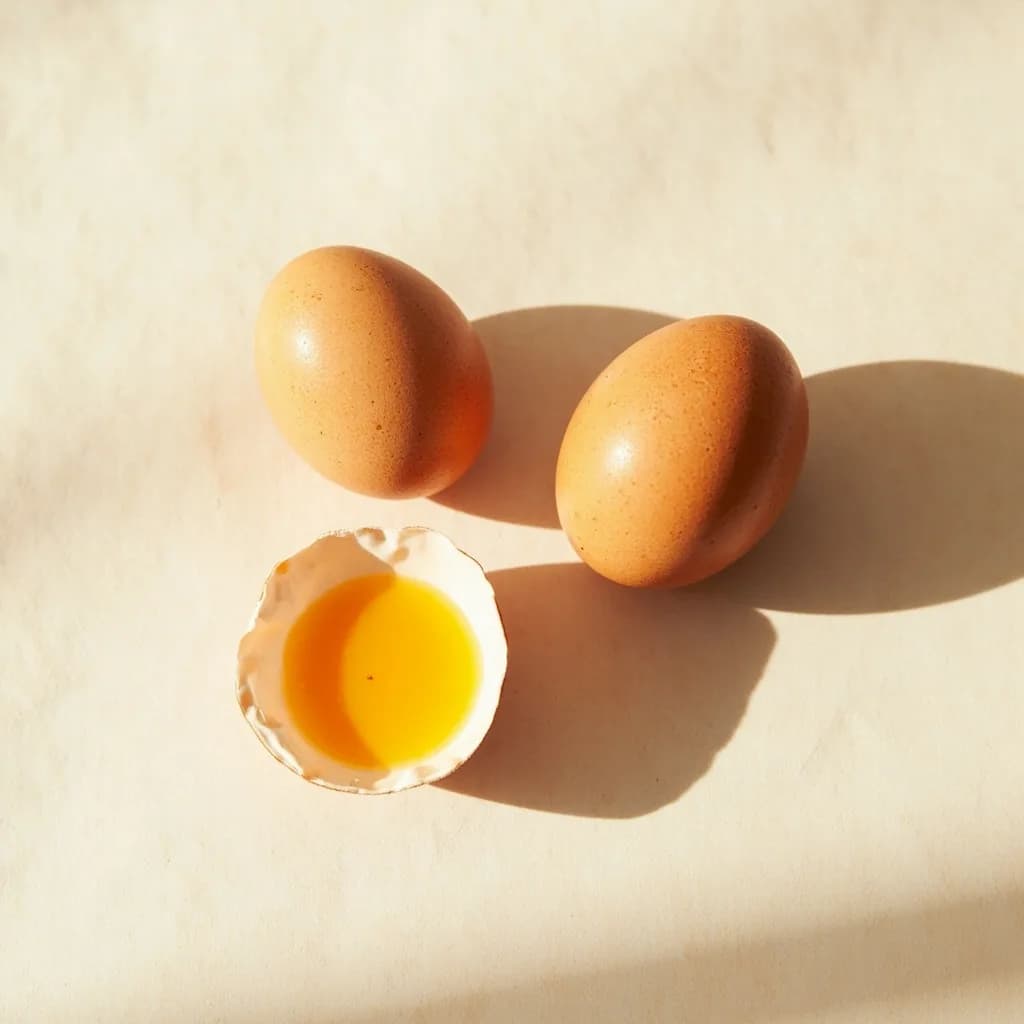
Egg
The kitchen's everything ingredient — bind, leaven, enrich, or fry
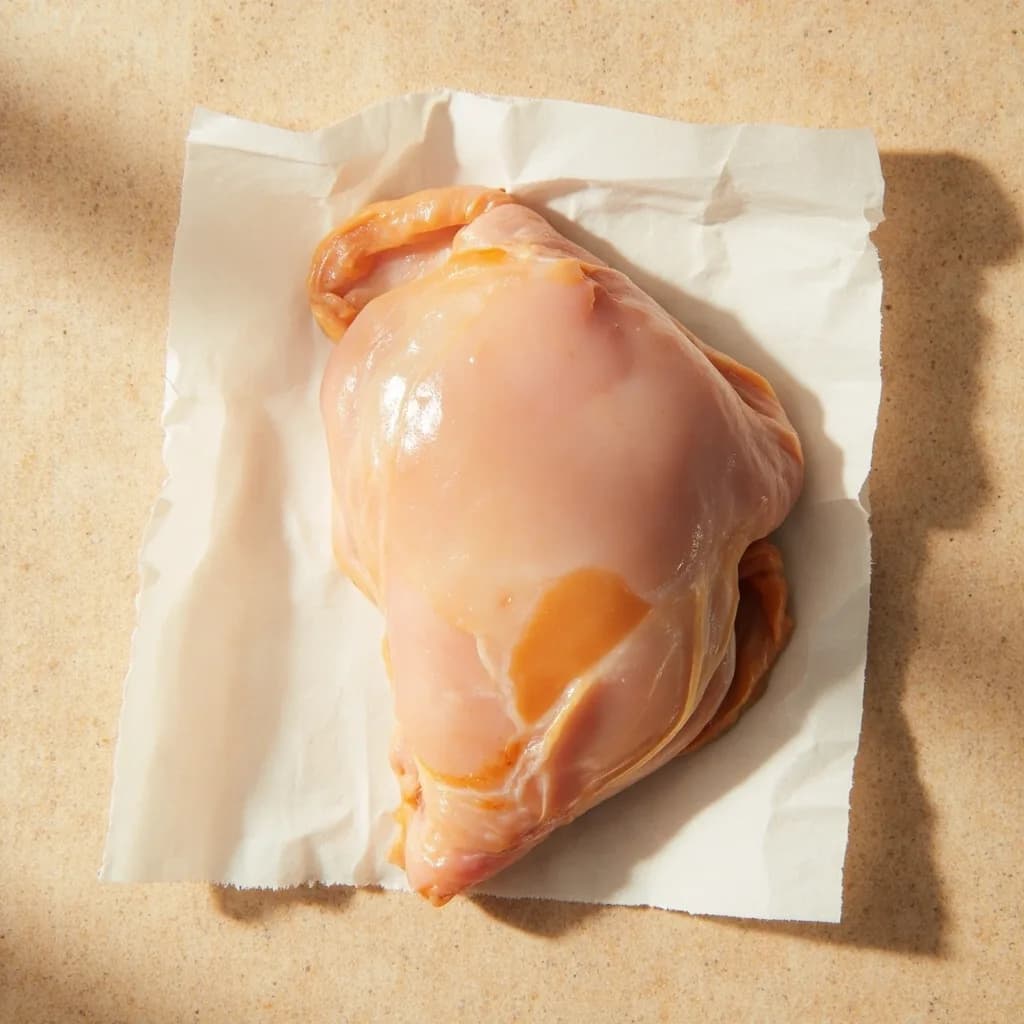
Chicken Breast
Lean, quick-cooking white meat for everyday dinners

Ground Beef
Versatile minced beef for burgers, ragù, tacos, and meatballs
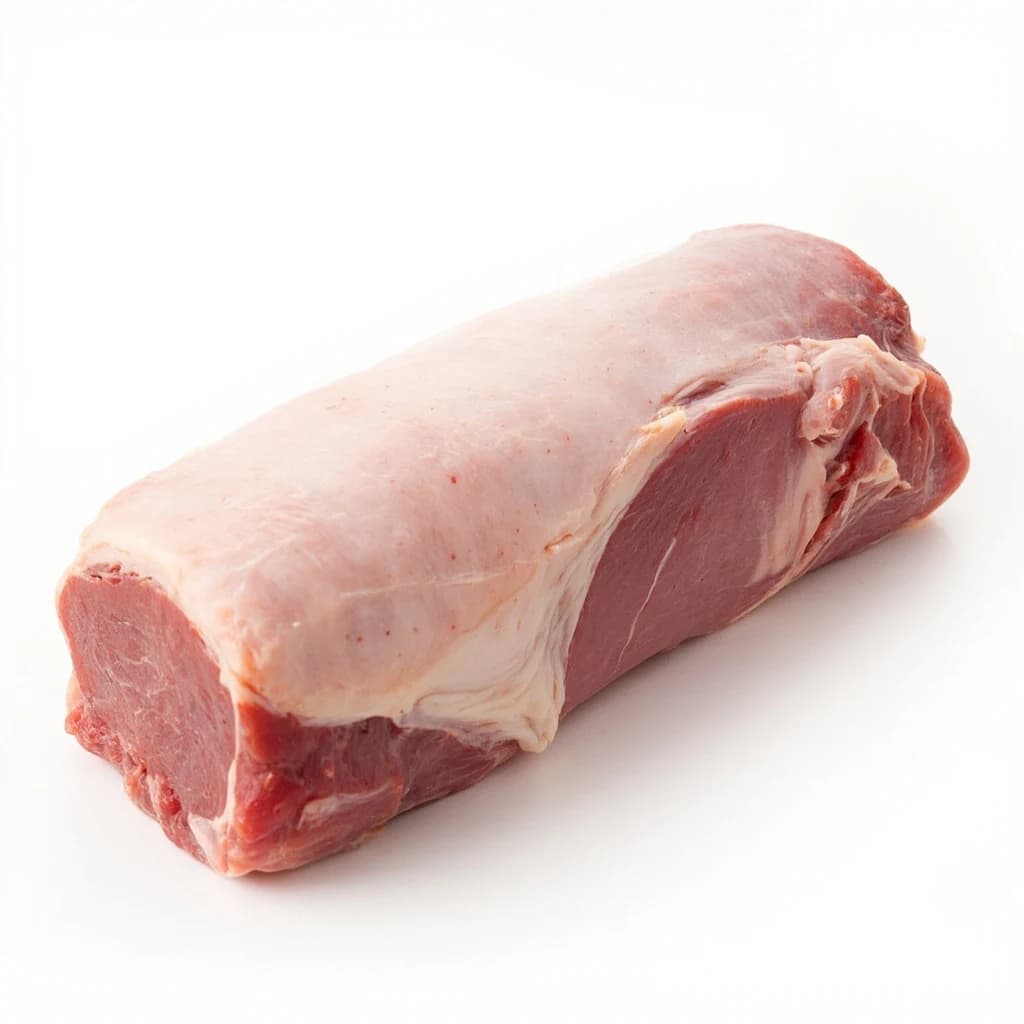
Pork Loin
Lean, tender roasting cut that stays juicy with care
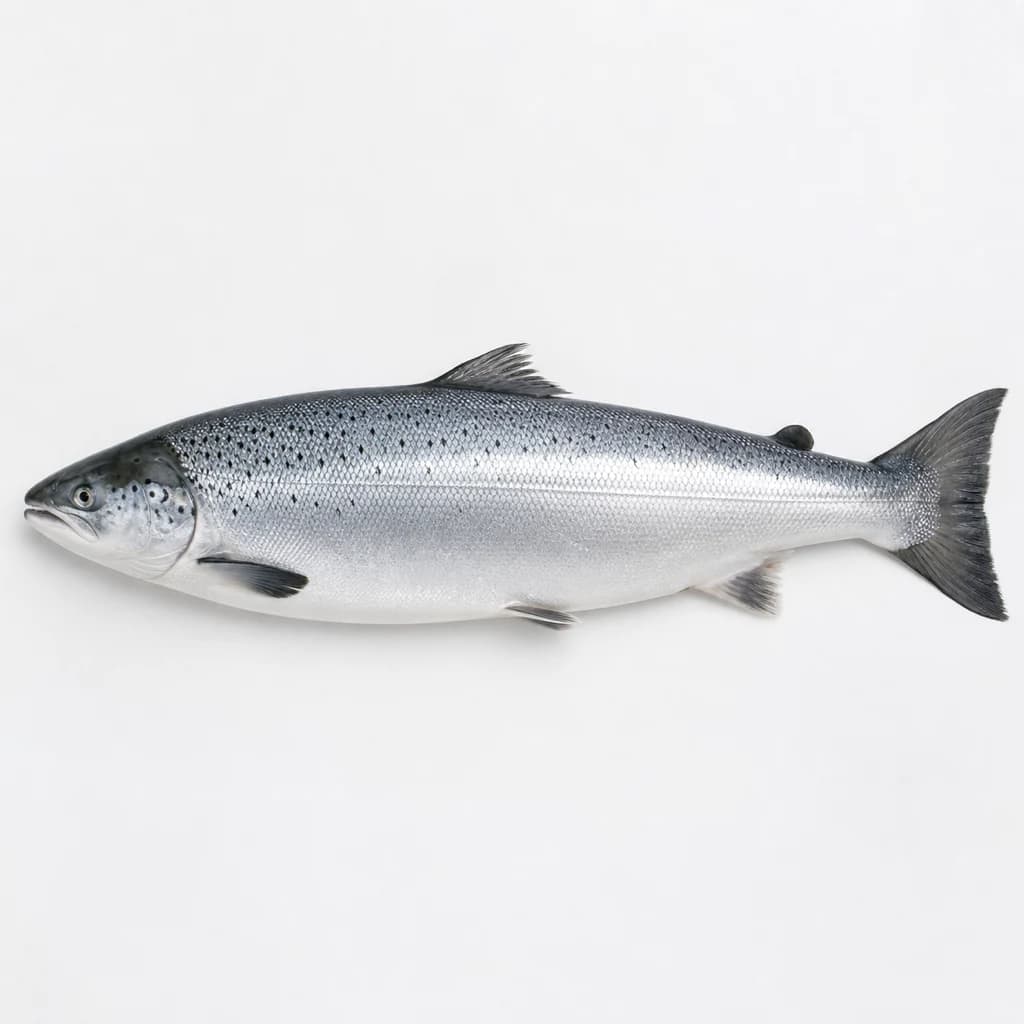
Salmon
Rich, rosy fish that roasts, grills, or cures beautifully

Egg White
Pure protein that whips to airy peaks for meringue and more

Egg Yolk
Rich, golden yolk for custards, mayonnaise, and pasta

Quail Egg
Tiny, speckled eggs for garnishing and elegant bites