Proteins
Stinky Tofu
Fermented tofu with a famously pungent smell, fried or steamed in Chinese street food.
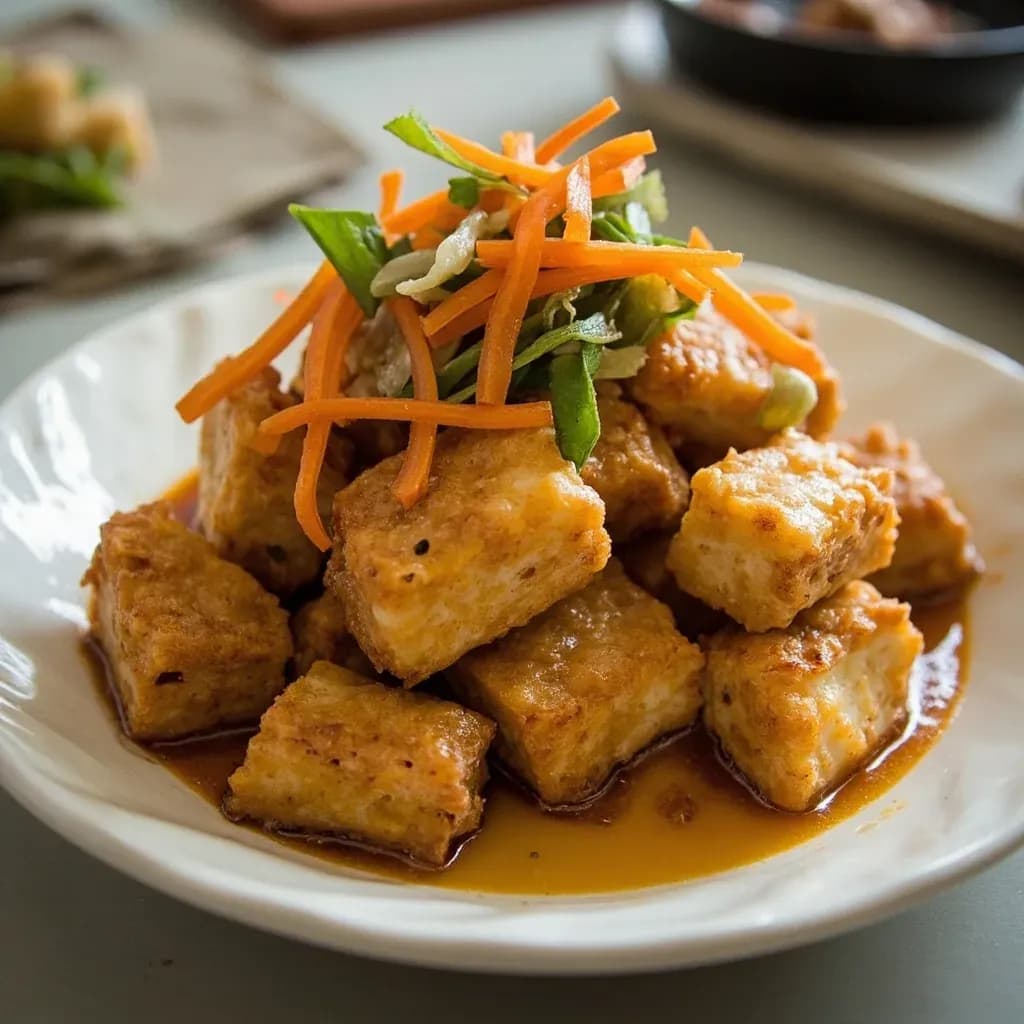
Stinky tofu is fermented tofu known for its intensely pungent aroma, produced by brining the tofu in a fermented vegetable-and-shrimp liquid. A beloved street food in Taiwan and across Greater China, it is most often deep-fried until crisp and served with pickled vegetables and chili sauce, or steamed in hot pots. The strong smell belies a mild, savory taste.
Stinky tofu is fermented tofu that has developed a powerfully pungent aroma through weeks to years of aging in a brine seeded with vegetables, meat, or seafood. The bacterial fermentation produces ammonia, putrescine, cadaverine, and tyramine — the same compounds that give aged cheeses like Limburger or Pont-l'Évêque their formidable funk. Despite its notorious smell, the cooked result is savory, deeply umami, and considerably milder than the raw aroma suggests. The interior turns creamy while the exterior crisps beautifully when fried, making it a textural marvel as much as a flavor one.
The dish has deep roots in the Hangzhou and Nanjing regions of China and remains a cornerstone of street food culture throughout East and Southeast Asia, with Taiwan holding the most diverse and enthusiastic stinky tofu tradition. Night market vendors across Taipei, Taichung, and Kaohsiung offer multiple preparations — fried, steamed, grilled, or simmered in broth — often alongside a tangle of pickled cabbage and a drizzle of chili sauce. It divides rooms more reliably than almost any other ingredient, yet among those who acquire a taste for it, stinky tofu earns genuine devotion as a comfort food unlike any other.
Stinky tofu's fermentation is traditionally conducted in clay crocks, where a complex microbial community cultivates flavor complexity unavailable through shortcut methods. The brine itself — whether white, amber, or dark brown — is a seasoned byproduct that can be used to finish dishes. Commercially produced stinky tofu in sealed containers has a shelf life of 6–12 months refrigerated, though once opened, it must remain fully submerged in brine for up to 4–6 weeks or mold will develop on exposed surfaces. Handle it with the confidence of someone who has cooked aged cheese: the smell is a starting point, not a verdict.
- Measured in
- g
- Storage
- Fridge
Allergens
Types & varieties
Shorter fermentation, milder smell, cream-colored interior; common in Taiwan and southern China, ideal for first-timers
Longer fermentation, deeper brown or black color, more intense aroma and umami; traditional in northern China and Nanjing-style preparations
Semi-dried blocks with a firmer texture; used in smaller quantities as a seasoning or condiment in cooking or congee
Fermented tofu brine combined with preserved quail eggs; extremely pungent, served as a condiment
Fried stinky tofu dressed with chili oil, rice vinegar, and soy sauce; the most common street food preparation in Taiwanese night markets
Why the Smell Is Misleading
The raw aroma of stinky tofu — sharp, ammonia-forward, and assertive — is a poor advertisement for its cooked flavor. Once fried or steamed, the aggressive volatile compounds dissipate substantially, leaving a savory, deeply umami backbone with creamy interior texture. The comparison to aged cheese is apt: Limburger, Époisses, and Pont-l'Évêque share the same putrescine and cadaverine notes but rarely face the same social stigma. Approach the raw product with the same matter-of-factness you would a washed-rind cheese, and you will be rewarded.
- The smell diminishes significantly once cooked — it is far more pungent raw than on the plate
- The bacterial cultures that create the aroma are the same lineages that develop complex flavor in aged European cheeses
- Opening a package of stinky tofu indoors with poor ventilation is the surest way to alarm everyone in the house; work with it near an open window or outdoors
Choosing Your Brine Color
The color of the brine and tofu blocks signals fermentation depth and flavor intensity. White stinky tofu — shorter-fermented and milder — is the best entry point for the uninitiated. Dark stinky tofu has undergone a longer fermentation with more complex bacterial activity, yielding deeper umami and a more pronounced aroma. Do not judge by appearance alone: a pale block can be intensely fragrant, while a dark one may taste more mellow than it smells. When buying, press the block gently; it should feel firm but yield slightly, with no slimy or overly dry patches.
- White stinky tofu is best for first attempts and for dishes where the tofu is the star
- Dark stinky tofu suits broths, braises, and preparations where it shares the stage with bold seasonings
- Dried fermented tofu (furu) is a completely different product — meant as a condiment, not a main ingredient
Common uses
Tips & pitfalls
- Bring stinky tofu to room temperature before cooking for more even heat distribution and crispier results
- Pat tofu completely dry before frying — surface moisture is the primary cause of excessive splattering and a soggy crust
- Fry at 180–190°C (355–375°F) for 3–4 minutes; below this range the tofu absorbs oil instead of crisping, above it burns before the interior cooks through
- Never overcrowd the pot; fry in batches to maintain consistent oil temperature — a 20–30°C drop ruins the crust
- Never reuse fry oil more than 2–3 times with stinky tofu; the fermented aromatics penetrate the oil and make subsequent fried foods taste off
- Store fully submerged in its original brine; exposure to air causes mold and rapid spoilage
- The smell dissipates significantly once cooked — do not judge the finished dish by its raw aroma
- For steamed preparation, score the surface and serve immediately with a soy-sesame dipping sauce — steaming mutes the funk more than frying does
Nutrition
Energy
485 kJ · per 100 g
Where the calories come from
Protein
8.9g
18% DV
Carbs
4.4g
2% DV
Fat
8g
10% DV
Sodium
2873mg
125% DV
Source · USDA FoodData Central · approx. Tofu, salted and fermented (fuyu)
View on FDC →In the shops
Matched grocery products
 €1.90
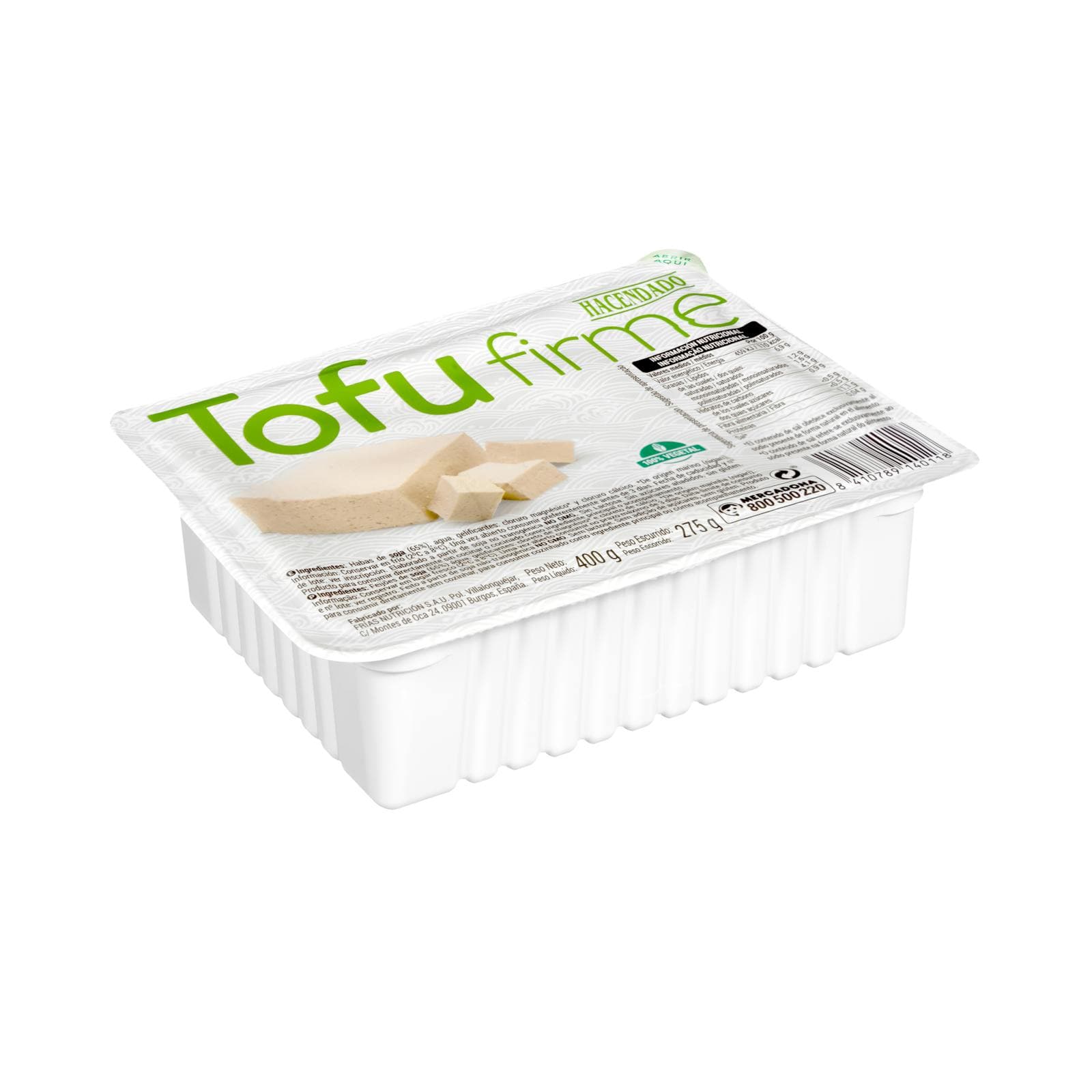
€1.90Firm Tofu
Hacendado · 400 g · Mercadona
 €2.45
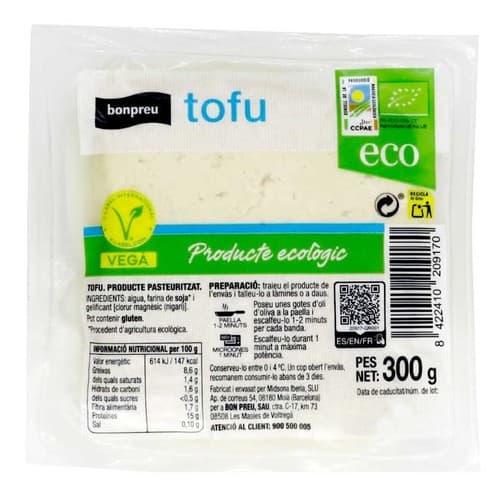
€2.45Bonpreu Organic Tofu
BONPREU · kg · Bonpreu
 €2.99
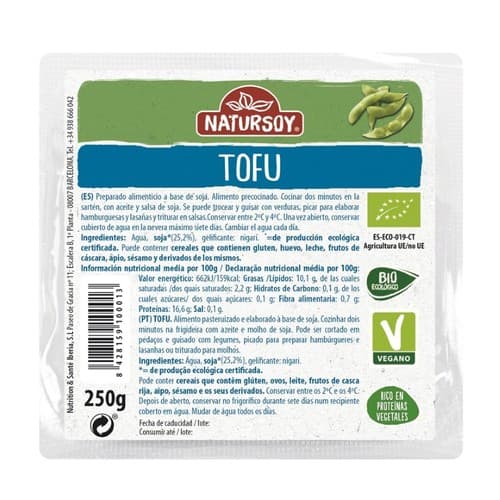
€2.99Natursoy Fresh Organic Tofu
NATURSOY · kg · Bonpreu
Good to know
- Origin
- China (Hangzhou region or Nanjing); popular throughout East and Southeast Asia
- Primary Form
- Fermented tofu blocks in brine, ranging from white to dark brown or black
- Key Flavor Compounds
- Ammonia, putrescine, cadaverine, and tyramine from extended fermentation
- Typical Fermentation Time
- Several weeks to years, depending on variety and desired intensity
- Shelf Life (unopened, refrigerated)
- 6–12 months in sealed brine
- Shelf Life (opened)
- 4–6 weeks refrigerated, kept fully submerged in brine
- Cost
- Inexpensive; a staple of Chinese street food vendors and night markets
- Equipment Needed
- Deep pot or wok for frying; bamboo steamer for steamed preparation
Substitutes
- Tempeh (fermented) — Offers similar earthy, nutty complexity with fermented depth; texture is firmer and grainier but holds up well to frying; considerably less pungent — use more to approximate stinky tofu's funk
- Fermented Black Beans (Douchi) — Provides deep umami and authentic funk without textural similarity; crumble into dishes as a flavor base, particularly in stir-fries or braises; excellent for approximating the savory backbone when the real thing is unavailable
- Aged White Cheese (e.g., Époisses or Limburger) — Shares the same pungent, ammonia-forward aroma and strong umami character; can be breaded and fried with comparable results; the flavor profile is the closest Western substitute
Pairs with
Also called
臭豆腐 · Chou Doufu · Fermented Tofu
Appears in these dishes
Related
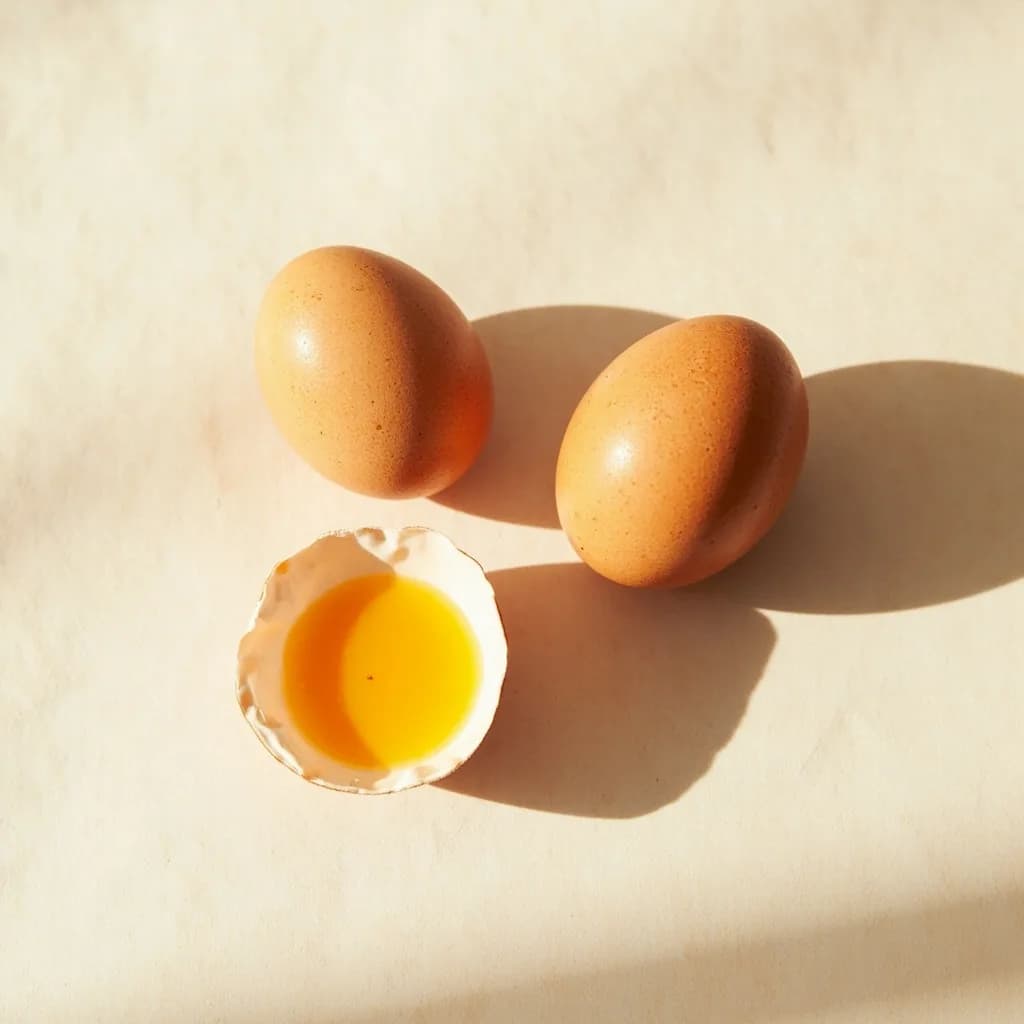
Egg
The kitchen's everything ingredient — bind, leaven, enrich, or fry
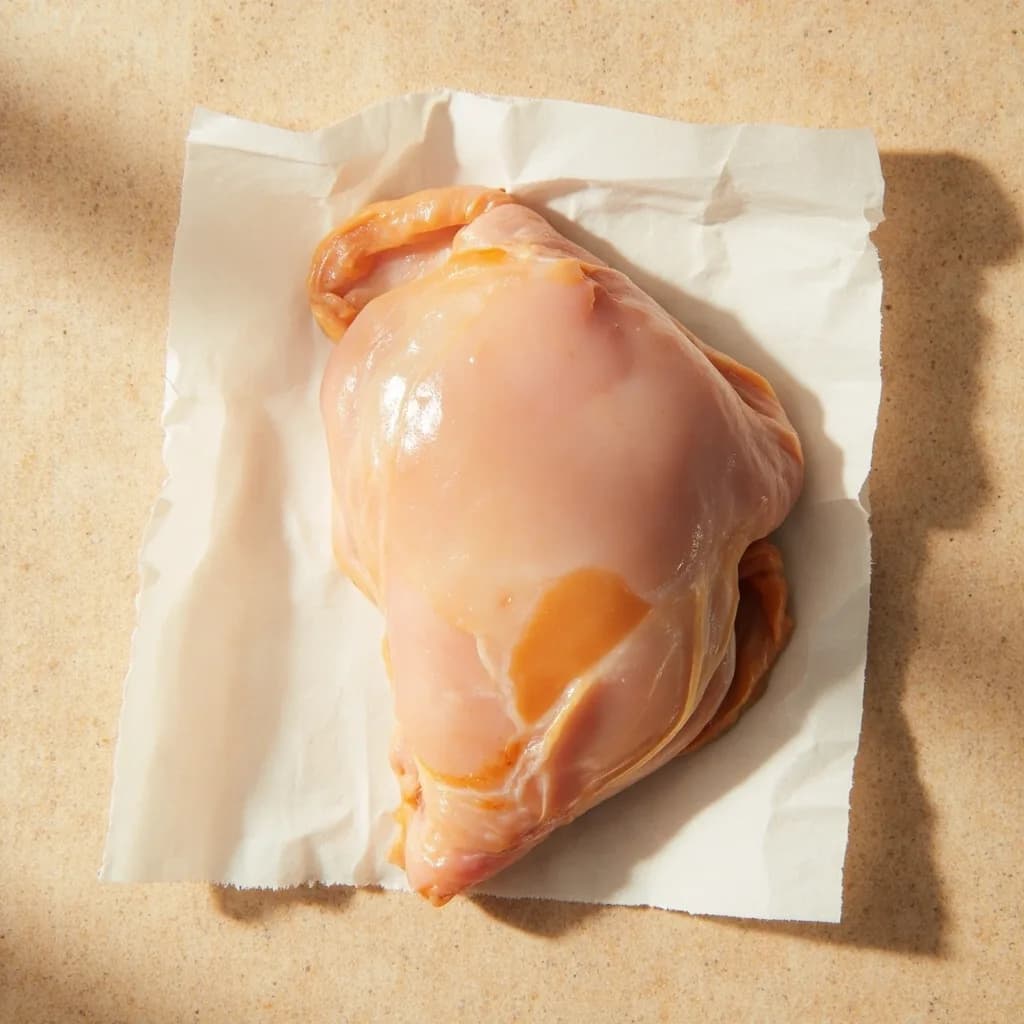
Chicken Breast
Lean, quick-cooking white meat for everyday dinners

Ground Beef
Versatile minced beef for burgers, ragù, tacos, and meatballs
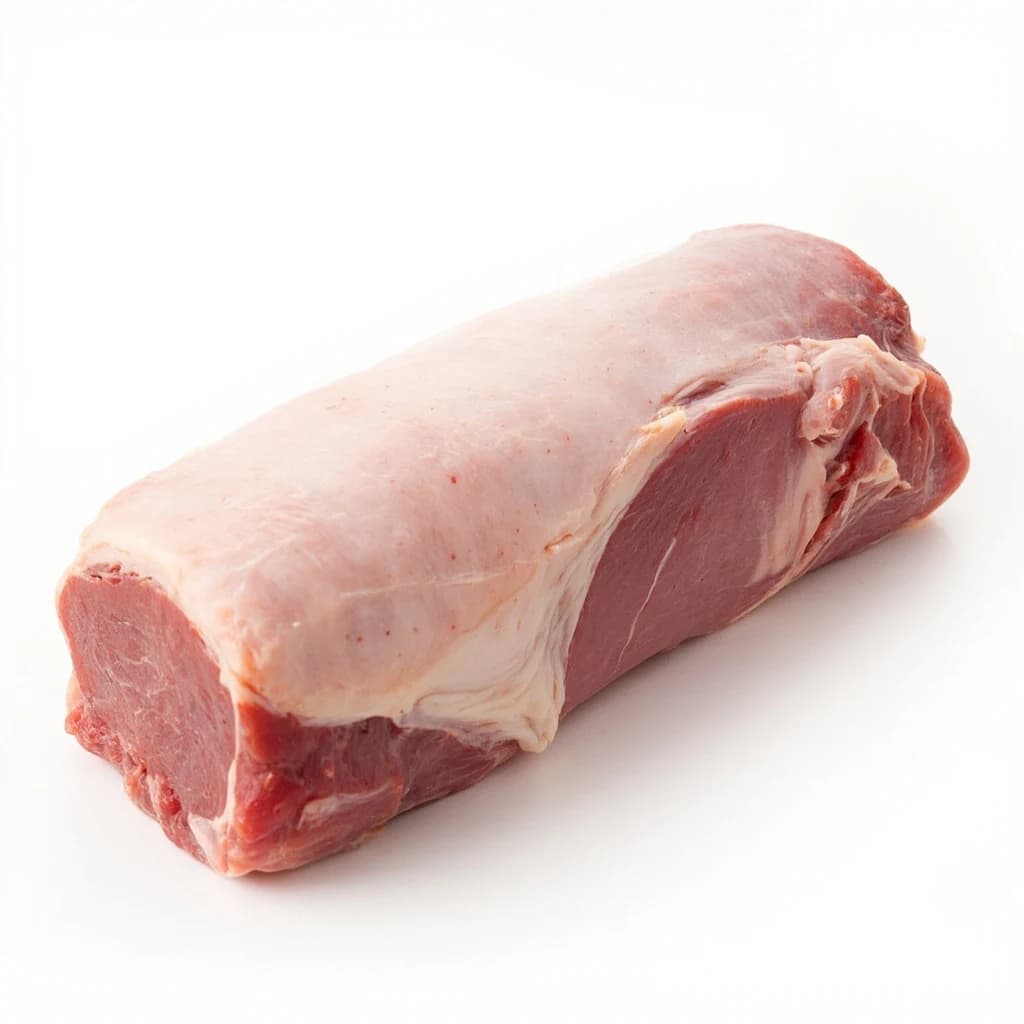
Pork Loin
Lean, tender roasting cut that stays juicy with care
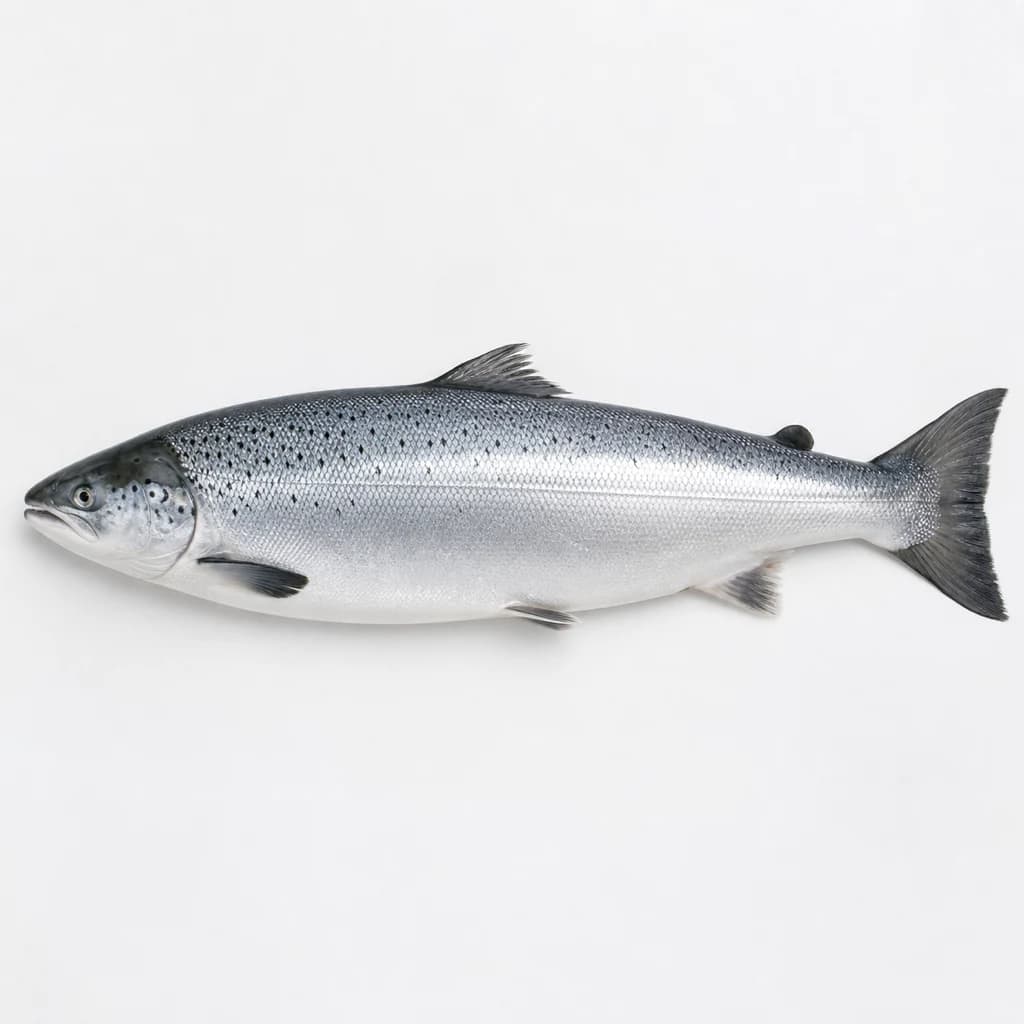
Salmon
Rich, rosy fish that roasts, grills, or cures beautifully

Egg White
Pure protein that whips to airy peaks for meringue and more
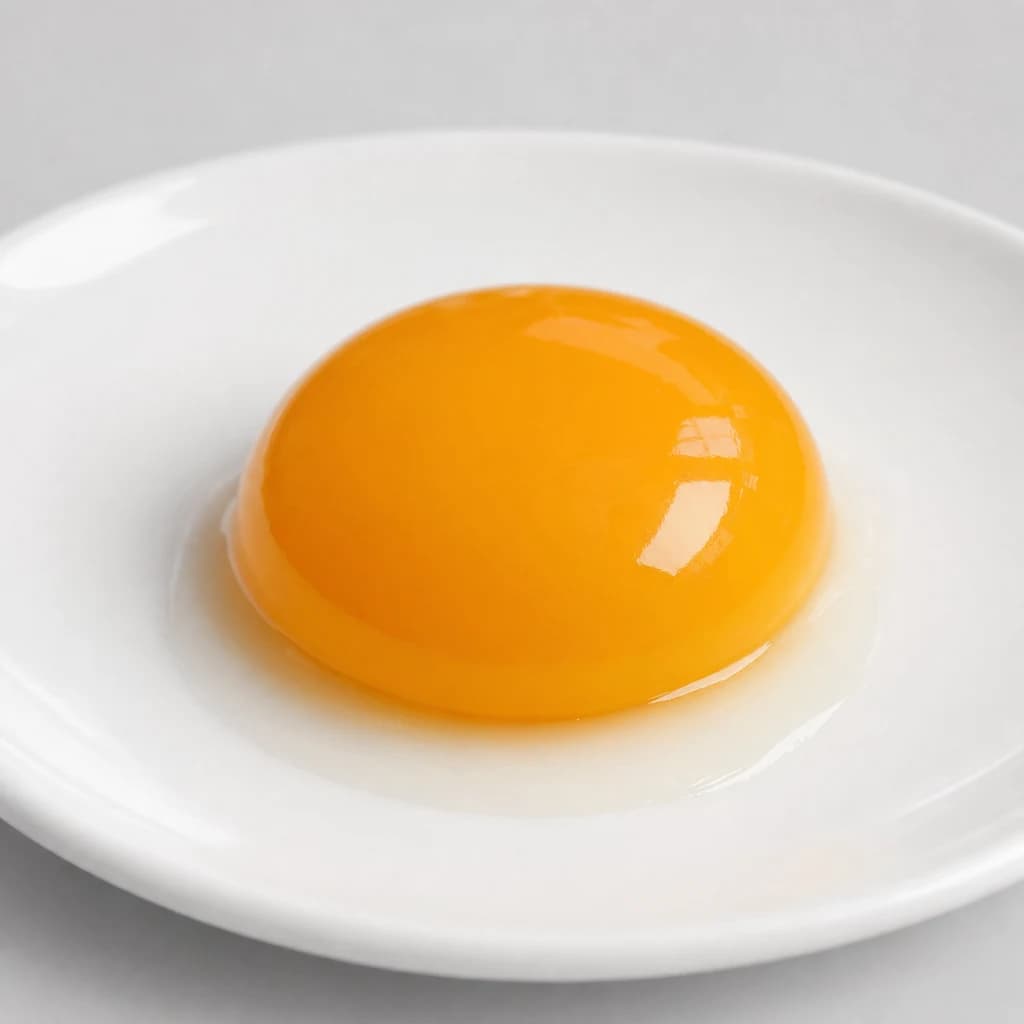
Egg Yolk
Rich, golden yolk for custards, mayonnaise, and pasta

Quail Egg
Tiny, speckled eggs for garnishing and elegant bites