Proteins
Suckling Lamb
Milk-fed baby lamb, exceptionally tender and mild, roasted whole or in pieces.
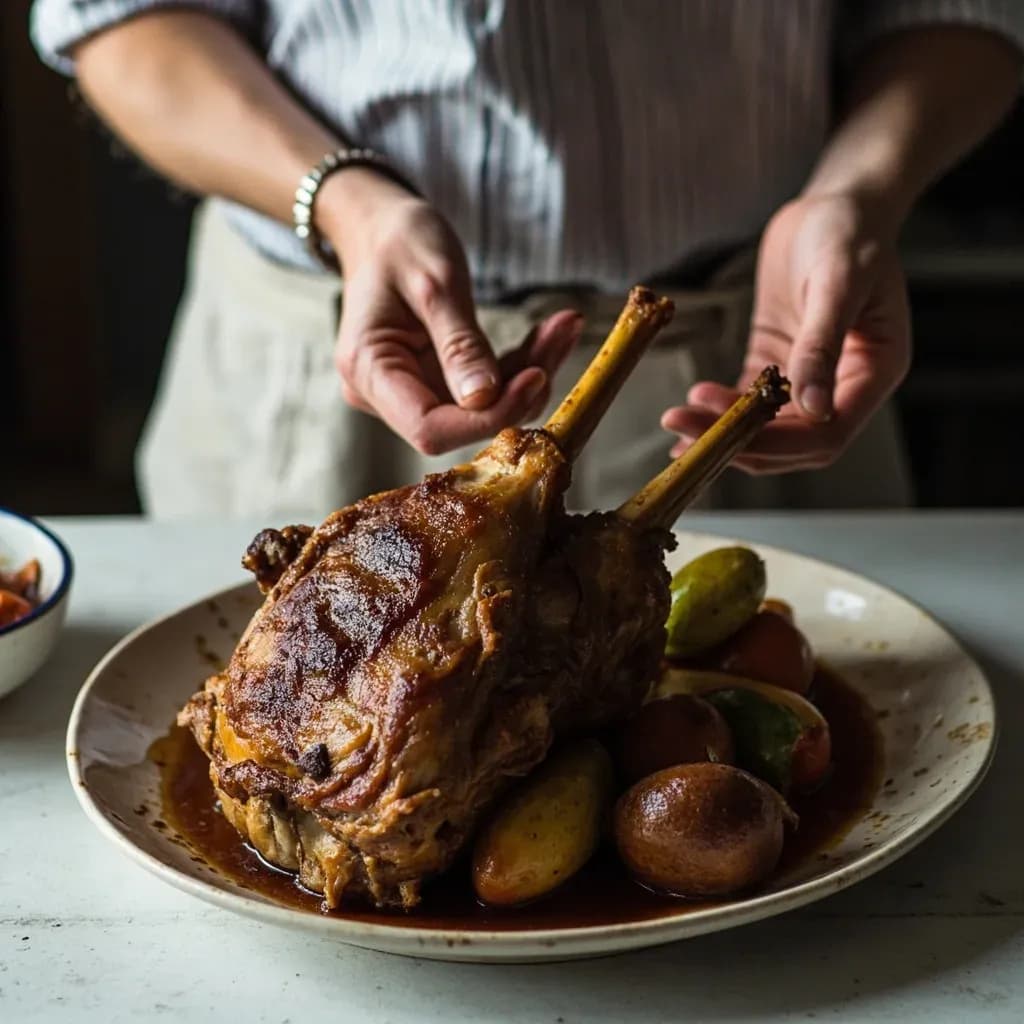
Suckling lamb is a very young, milk-fed lamb (lechazo or cordero lechal in Spain) with pale, delicate and exceptionally tender meat. It is traditionally roasted slowly in a wood oven until the skin crisps and the meat falls from the bone. Its mild flavor is far gentler than that of older lamb.
Suckling lamb is the youngest lamb that reaches the kitchen: an animal slaughtered between roughly four and eight weeks old that has fed exclusively on its mother's milk, never having touched grass, hay, or grain. That diet is the whole story. Without pasture, the meat never develops the grassy, mutton-leaning notes of older lamb, and without exercise it lays down almost no intramuscular fat. The result is a pale, almost ivory flesh with a fine, smooth grain and a faintly milky, sweet flavor that sits closer to veal or even delicate poultry than to a leg of mutton.
Because the animal has barely moved and barely grown, suckling lamb is remarkably tender — so tender that long, slow cooking is almost always a mistake. The fibers have not had time to toughen, and the small amount of fat it carries is soft and bright white, not the waxy covering you find on a mature lamb. A whole suckling lamb will often finish roasting in well under an hour, and the window between perfect and overcooked is narrow. Treat it more like a delicate roast chicken or a prime cut of veal than like the sturdy shoulder you would braise for a Sunday supper.
Across the Mediterranean, suckling lamb is the centerpiece of spring and Easter cooking — Lechazo in Castile, Abbacchio in Rome, Arnaki galaktos in Greece, Agneau de lait in southern France — and every tradition handles it with the same instinct: bold heat, simple seasoning, and confidence that the meat itself is the star. A Spanish asado de lechal is famously austere, with just salt and water in the pan under a fiercely hot oven; the Roman version layers in rosemary, garlic, and anchovies; the Greek version slow-spins the carcass with lemon and oregano. Knowing the breed, the tradition, and the size of the animal in front of you is half the work of cooking it well.
- Measured in
- g
- Storage
- Fridge
Types & varieties
Milk-fed lamb from the Castilian plateau, traditionally from Churra, Castellana, or Ojalada breeds; roasted whole in a wood-fired oven with only salt and water in the pan.
PGI milk-fed lamb from Lazio, classically served at Easter, often with rosemary, garlic, anchovies, and white wine (abbacchio al forno or al girarrosto).
Milk-fed lamb from regions such as the Pyrénées and the Lacaune area; usually roasted, sometimes grilled as chops.
Lamb (often also milk-fed) grazed on Atlantic salt marshes; carries PDO status at Mont-Saint-Michel and the Baie de Somme.
Major commercial export, frozen and shipped worldwide; often around 6–9 kg whole, sold for Easter and special-occasion roasting.
Traditional in Wales, particularly from hill breeds like Welsh Mountain; often butchered into halves or quarters for roasting.
Milk-fed lamb of Greek Easter (Pascha), typically slow-roasted on the spit with lemon, oregano, and olive oil.
Choosing and Storing
Suckling lamb is sold whole, halved, quartered, or as individual cuts. A whole animal typically weighs 5–8 kg live, with a carcass of 3–5 kg — enough to feed six to ten people depending on how it is presented. Look for pale, almost ivory flesh with a soft white fat cap and a faint, clean smell. The skin, if left on, should be smooth and porcelain-white rather than yellowed. In pieces, choose cuts with a high meat-to-bone ratio and moist (not dried-out) exposed surfaces.
- Ask the butcher to splay the carcass: crack the rib bones along one side so the lamb lies flat for even roasting and easier carving.
- If buying frozen (most New Zealand and Australian suckling lamb arrives this way), thaw slowly in the refrigerator for 24–48 hours, never at room temperature.
- Fresh suckling lamb keeps 2–3 days in the coldest part of the refrigerator; once cooked, use within 3 days.
- For Easter or special occasions, order ahead — whole suckling lamb is often booked out weeks in advance at specialist butchers.
Three Classic Approaches
Every Mediterranean tradition that cooks suckling lamb treats it as a showcase for the meat itself, but each arrives at a different balance of seasoning and technique. Knowing the shape of these approaches helps you decide how to cook the piece in front of you.
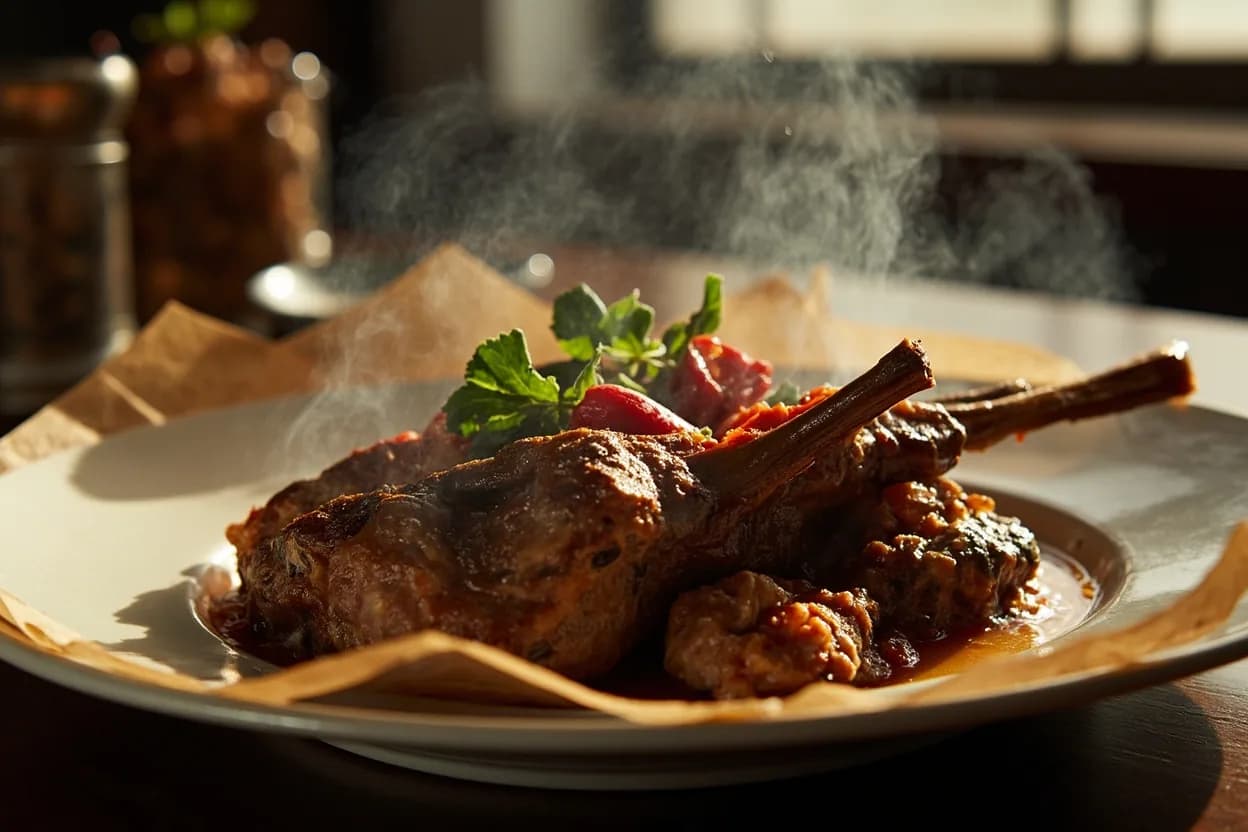
- Castilian Lechazo: whole carcass roasted in a wood-fired clay oven (or a very hot conventional oven) at 200–220°C / 400–425°F, with only salt sprinkled on the skin and water in the pan to baste. No herbs, no oil — the milky flavor must carry the dish.
- Roman Abbacchio al Forno: pieces (usually leg and shoulder) layered with rosemary, garlic, anchovy, and white wine, then roasted and basted. The anchovies melt into the pan juices and add savor without weighing down the lean meat.
- Greek Arnaki galaktos: whole lamb (often butterflied and staked, or quartered) roasted slowly on a spit or in a moderate oven with lemon, oregano, olive oil, and potatoes arranged beneath to catch the drippings.
Common uses
Tips & pitfalls
- Roast hot and fast — the classic Spanish method is 200–220°C / 400–425°F for a short time, with water in the pan to keep the meat basting in its own juices.
- Do not overcook: pull the lamb when a thermometer reads 55–60°C / 130–140°F and let carryover heat finish the job; the internal temperature climbs quickly in such a small roast.
- Salt just before or just after cooking. Salting hours ahead draws out the very little fat this animal has and can dry the meat.
- Rest the roast at least 10–15 minutes, loosely tented, so the juices settle before carving — skipping this step is the single most common mistake with such a lean animal.
- Season simply — salt, garlic, rosemary, lemon, or a drizzle of good olive oil — so the milk-fed character is not lost under heavy sauces.
- If the lamb is frozen, thaw it slowly in the refrigerator for 24–48 hours. Quick-thawing at room temperature ruins the delicate texture.
- Ask the butcher to crack the rib bones and splay the carcass flat (traditional for lechal) for even cooking and easier carving at the table.
- Skip low-and-slow braising on the prime cuts; the fibers have not had time to toughen, so a long cook only dries them out. Save any braising for the shanks, and even there, keep it brief.
Nutrition
Energy
1180 kJ · per 100 g
Where the calories come from
Protein
16.6g
33% DV
Carbs
0g
0% DV
Fat
23.4g
30% DV
Fiber
0g
0% DV
Sugars
0g
of which
Sodium
59mg
3% DV
Source · USDA FoodData Central · approx. Lamb, ground, raw
View on FDC →In the shops
Matched grocery products
No matched grocery products for Suckling Lamb yet.
Good to know
- Definition
- Young lamb fed exclusively on its mother's milk, never having grazed on grass or solid feed
- Typical age at slaughter
- 4–8 weeks (Spanish Lechal rules cap it around 30–35 days; Italian Abbacchio Romano at under 60 days)
- Meat color
- Pale pink to almost ivory white; very fine, smooth grain
- Fat
- Minimal, bright white, and soft; almost no intramuscular marbling
- Flavor
- Delicate, mildly sweet, and faintly milky; far more subtle than grass-fed lamb
- Texture
- Extremely tender, almost veal-like; cooks very quickly
- Cooked internal temperature
- Best at 55–60°C / 130–140°F for pink, juicy meat; overcooks easily
- Refrigerator shelf life
- 2–3 days fresh; 6–9 months frozen if well-wrapped
- Also called
- Lechal / Lechazo (Spain), Agneau de lait (France), Abbacchio / Agnello da latte (Italy), Arnaki galaktos (Greece)
Substitutes
- Spring lamb (weaned, young) — Stronger grassy flavor, more fat, and a slightly firmer texture; use the same roasting method but expect a fuller, more 'lamb-y' taste.
- Veal (young milk-fed calf) — Similar tenderness and pale color; substitute in Italian and French recipes that call for abbacchio or agneau de lait, though the flavor is blander and more dairy-like.
- Cabrito lechal (suckling goat) — The closest analogue in Spanish cuisine; cook with the same high-heat roasting method and similar minimal seasoning.
- Young rabbit — Works in lighter Mediterranean preparations when lamb is unavailable, though it is smaller and even leaner.
Pairs with
Also called
Lechazo · Cordero Lechal · Milk-Fed Lamb
Appears in these dishes
Related
Egg
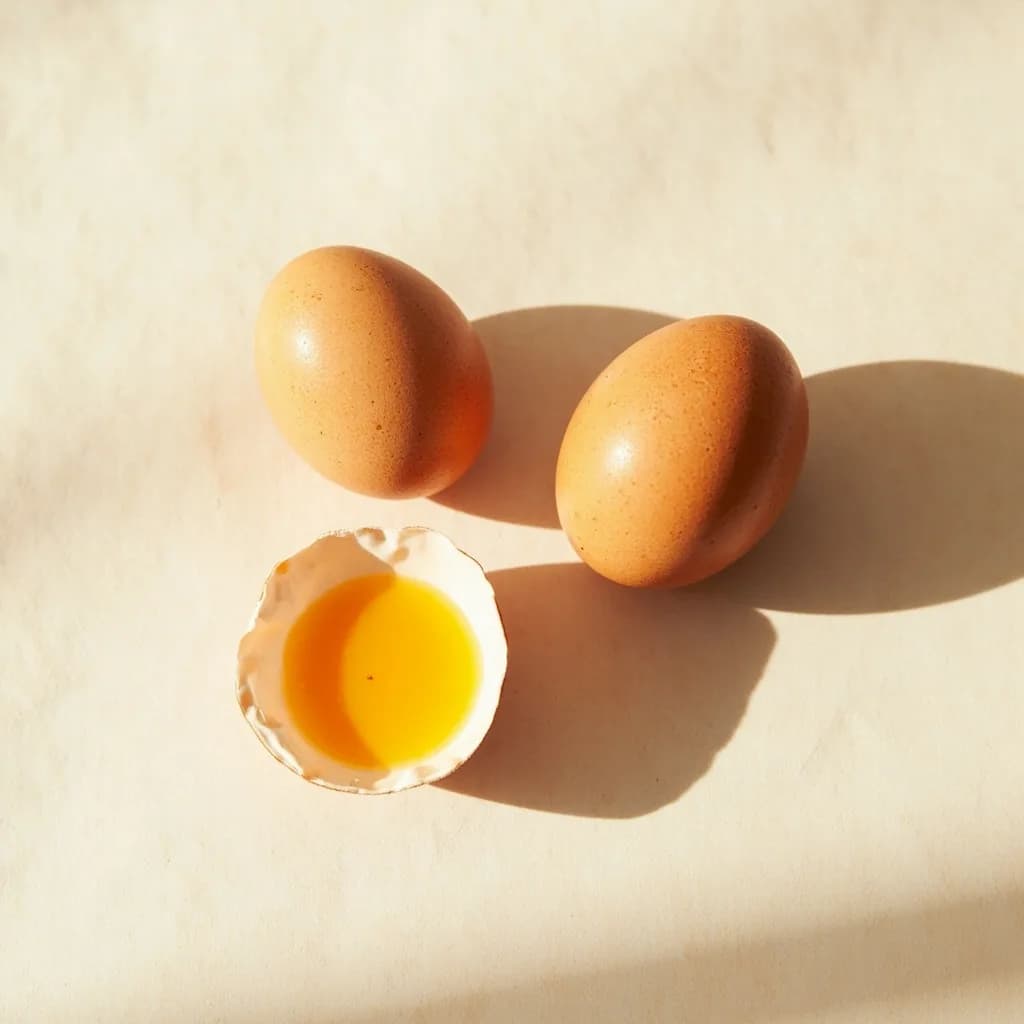
The kitchen's everything ingredient — bind, leaven, enrich, or fry
Chicken Breast
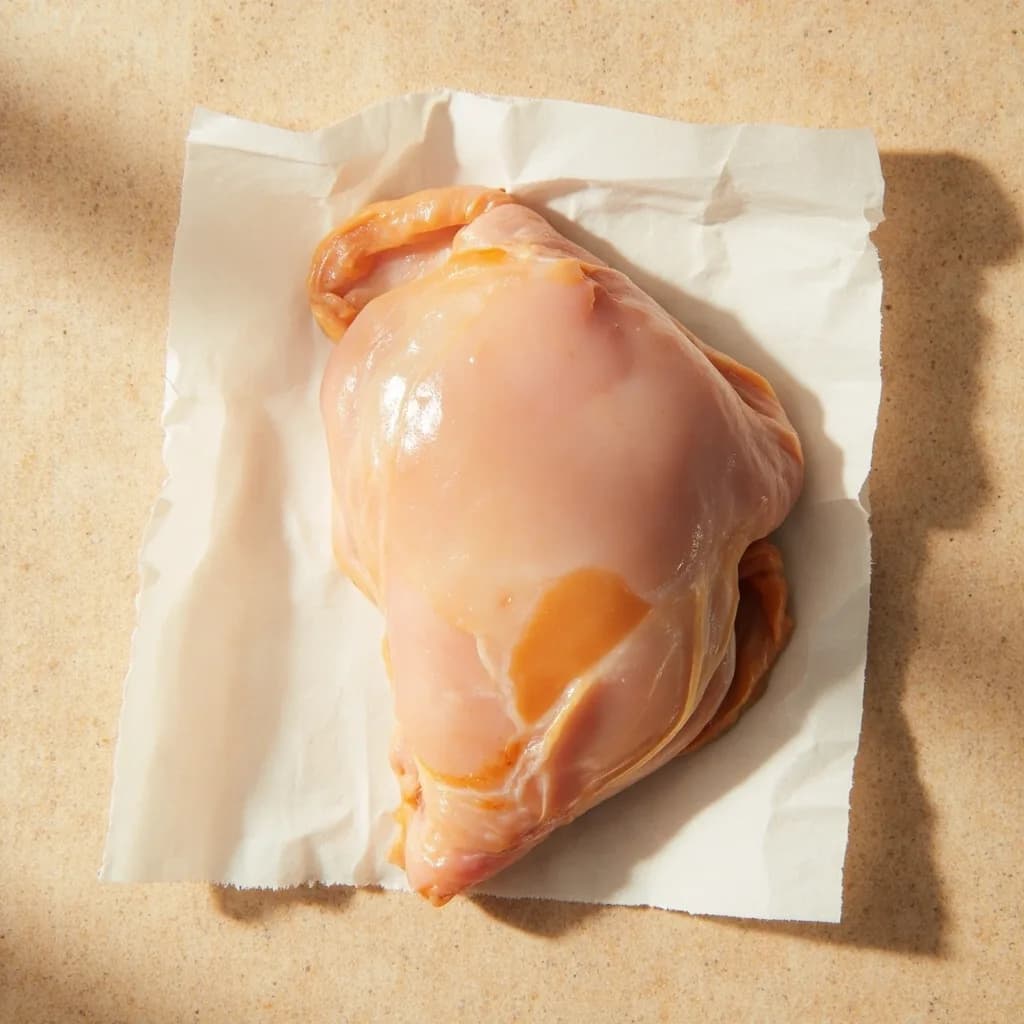
Lean, quick-cooking white meat for everyday dinners

Ground Beef
Versatile minced beef for burgers, ragù, tacos, and meatballs
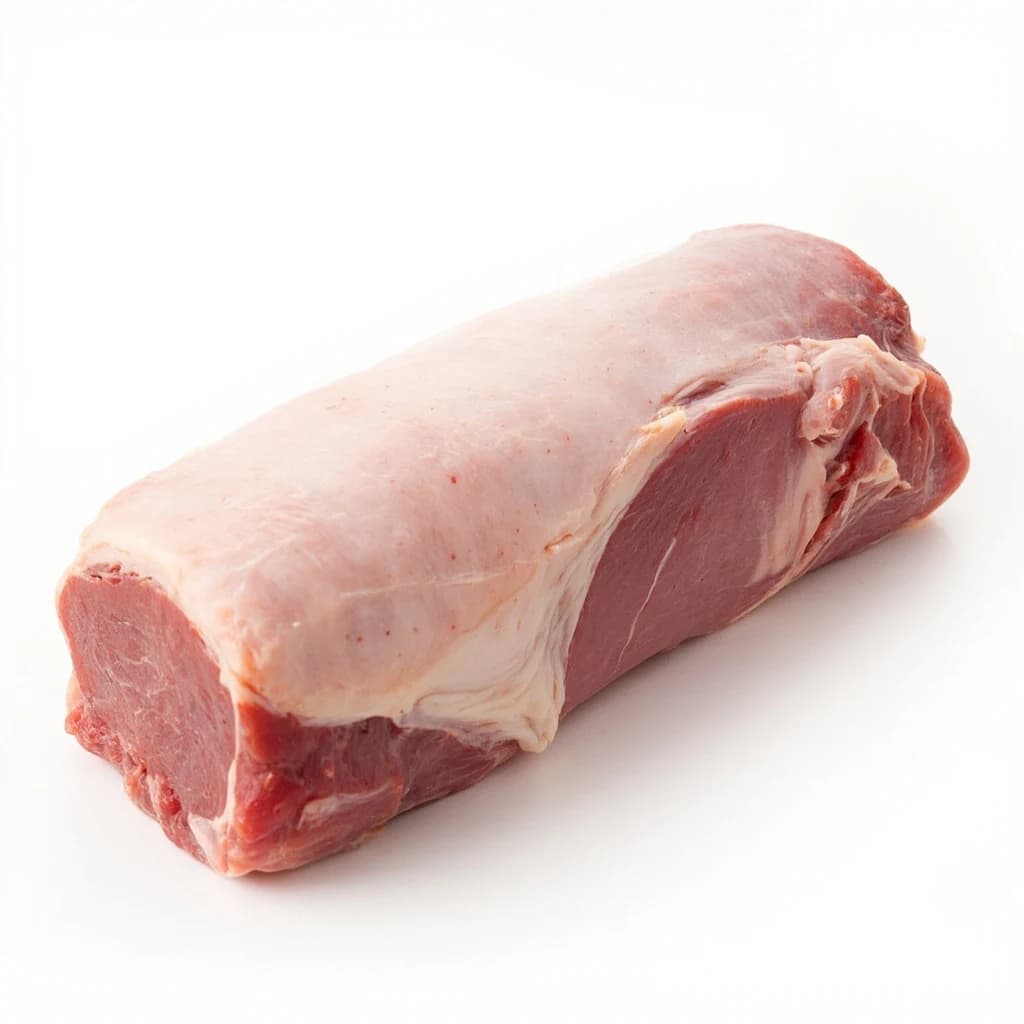
Pork Loin
Lean, tender roasting cut that stays juicy with care
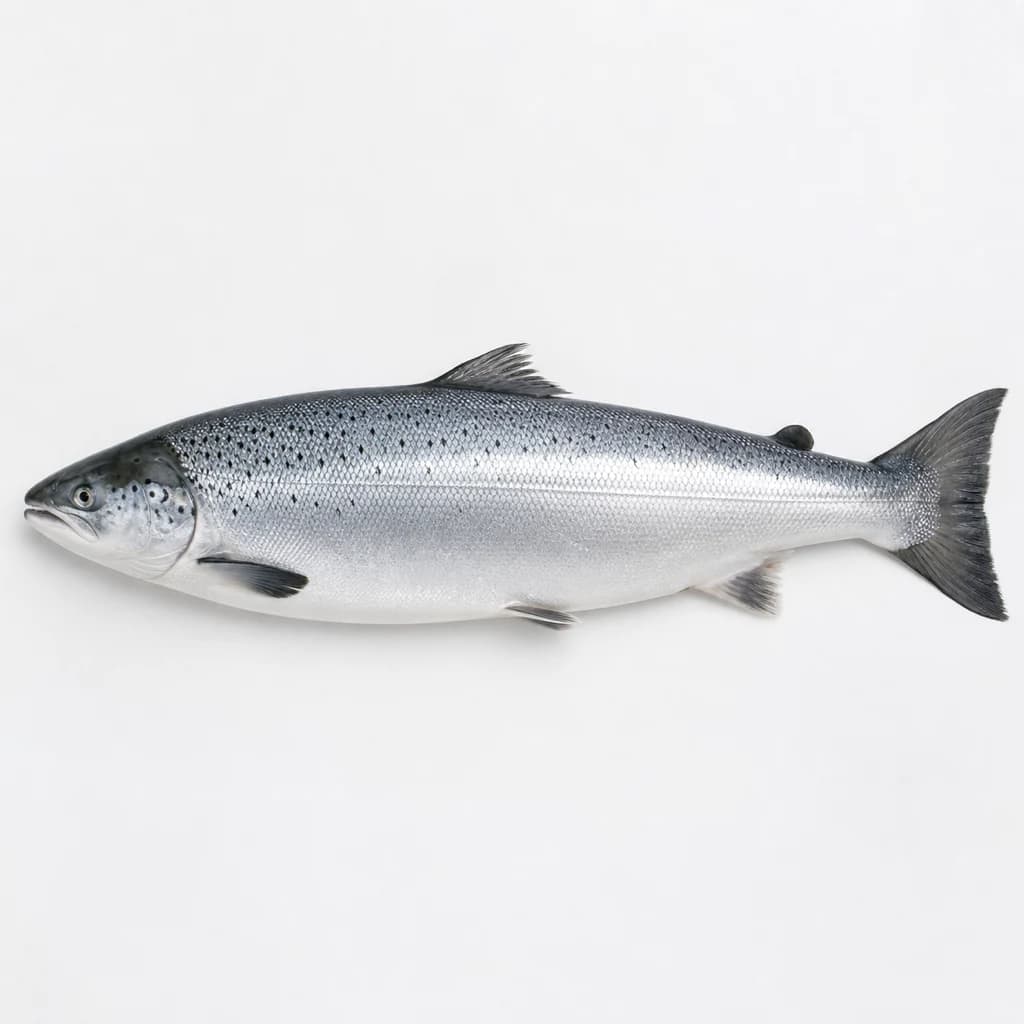
Salmon
Rich, rosy fish that roasts, grills, or cures beautifully

Egg White
Pure protein that whips to airy peaks for meringue and more
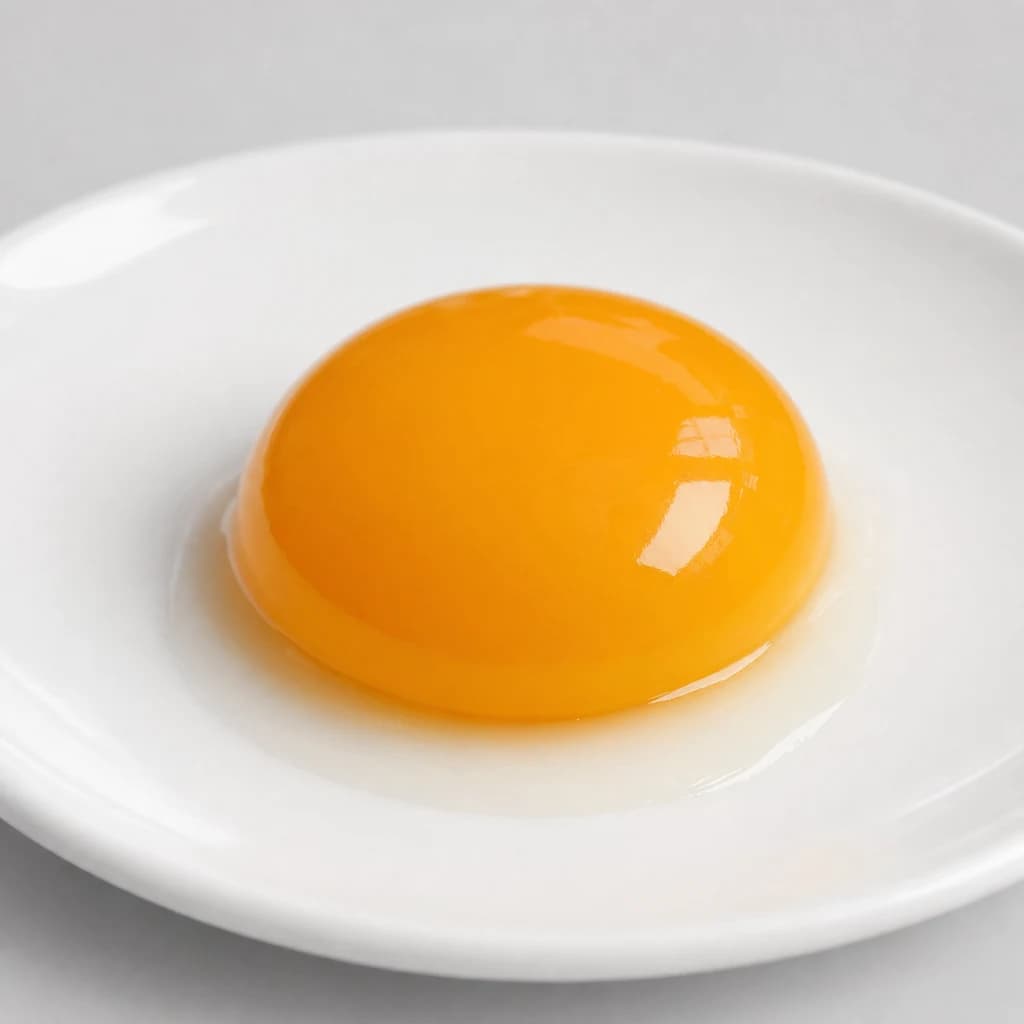
Egg Yolk
Rich, golden yolk for custards, mayonnaise, and pasta

Quail Egg
Tiny, speckled eggs for garnishing and elegant bites