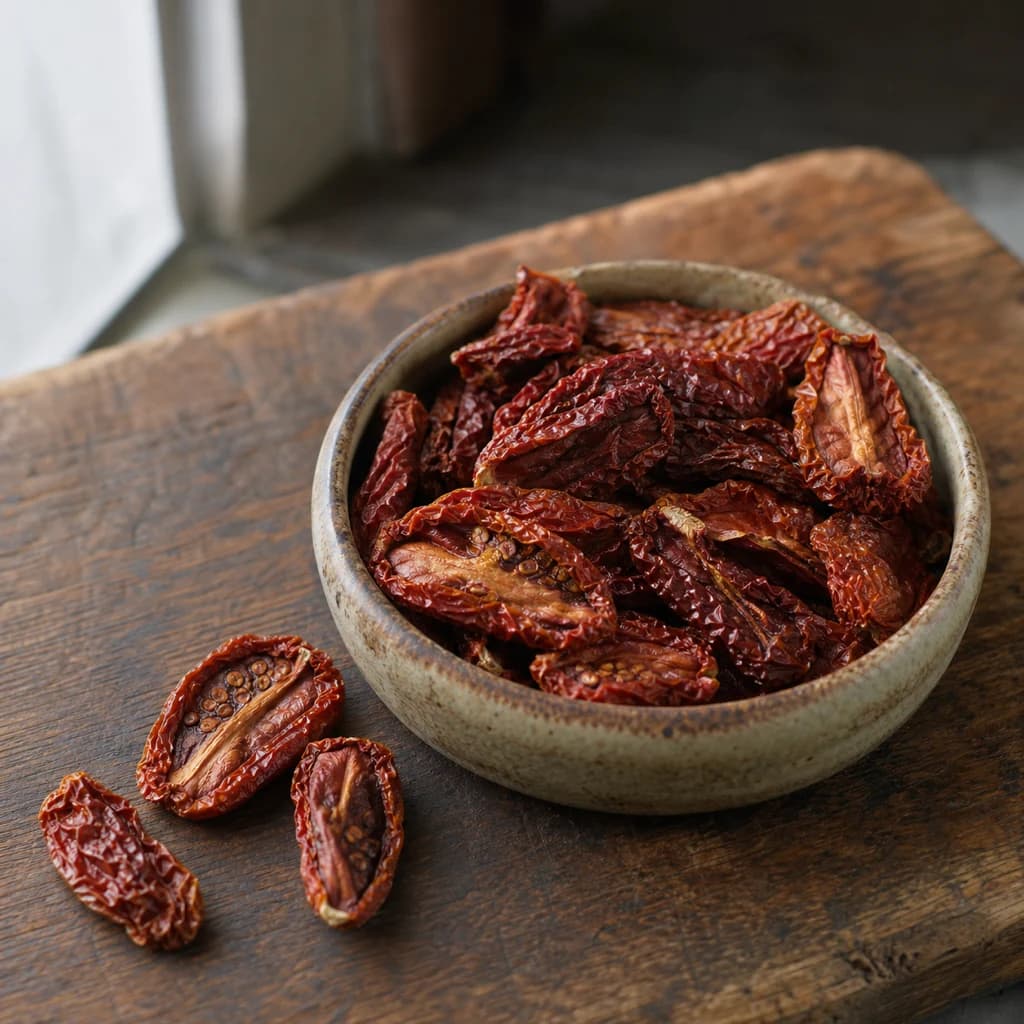
Natural form
Dry-packed sun-dried tomatoes: deep red, leathery, and chewy straight from the bag.
Shows the most common retail form — dry-packed — so readers recognize what they are buying and how the dried state looks.
Produce
Sun-Dried Tomato
Chewy, intensely sweet-savory dried tomatoes packed dry or in oil.
Sun-dried tomatoes are ripe tomatoes dried until leathery, concentrating their sugars and umami into a deep, tangy intensity. Sold dry or packed in oil with herbs, they are chopped into pastas, salads, pestos, and breads, or rehydrated in warm water. A little adds bold tomato flavor where fresh would be too watery.
Sun-dried tomatoes are fresh tomatoes—traditionally Roma, plum, or San Marzano varieties—slowly dehydrated until most of their moisture is removed, leaving a chewy, intensely flavored product that keeps for months without refrigeration. The drying process concentrates sugars and natural glutamates, creating a profound umami depth that fresh tomatoes simply cannot match. This makes sun-dried tomatoes a secret weapon for building flavor in everything from simple weeknight pasta to complex braises.
The preservation technique dates to ancient Mediterranean cultures but was perfected in Southern Italy, particularly Calabria and Sicily, where the hot, dry climate allows tomatoes to dry on racks or exposed surfaces for several days. The result is a pantry staple that bridges seasons, bringing the concentrated essence of summer's ripest tomatoes into winter cooking. Whether purchased dry-packed or submerged in olive oil with herbs, sun-dried tomatoes behave very differently from fresh—they release their intensity slowly, integrate seamlessly into fat-based sauces, and require minimal additional cooking to bloom fully. The texture is distinctive: a leathery exterior that yields to a jammy interior, giving dishes both substance and bursts of concentrated flavor.
- Measured in
- g
- Storage
- Pantry
Types & varieties
Storage-friendly; requires rehydration before use; no added oil flavor; ideal for long-term pantry storage and control over seasoning
Ready to use straight from the jar; imparts olive oil flavor to dishes; often contains basil, oregano, or garlic; significantly higher in fat and calories
Wood-smoked during drying; deeper, earthier flavor profile; popular in American and Australian cuisine and excellent with grilled meats
Halved pieces retain texture better and make an attractive garnish; chopped versions distribute more evenly throughout sauces and salads
Smaller fragments, often from broken halves; less expensive; excellent for sauces, dressings, and where uniform distribution matters
Choosing Between Dry-Packed and Oil-Packed
The choice depends on your cooking goals and timeline. Dry-packed tomatoes are the preference of serious cooks who want control—they require rehydration (typically 20–30 minutes in warm water, broth, or wine) but reward you with a cleaner tomato flavor and the ability to season dishes precisely. Oil-packed tomatoes are convenient and ready to use immediately, making them ideal for quick preparations like tapenade, sandwiches, or garnishes. However, the infused oil they come in can dominate milder dishes, and sodium content varies wildly between brands. Always taste before adding additional salt to any dish using oil-packed tomatoes.
- Dry-packed: better flavor control, cleaner taste, longer shelf life unopened
- Oil-packed: convenience, ready to use, infused with herbs but higher sodium
- Commercial dry-packed with sulfur dioxide retain bright red color; sulfite-free versions darken to brownish-red—this is normal and doesn't affect flavor
Working with Dry-Packed Tomatoes
Rehydrating dry-packed tomatoes is straightforward but benefits from a few deliberate choices. Use warm—not hot—liquid, and resist the urge to rush the process. Cold liquid takes much longer and yields tougher tomatoes. Warm broth or wine infuses flavor directly into the tomatoes as they rehydrate. After 20–30 minutes, the tomatoes should be pliable but still retain some chew. The soaking liquid itself becomes a concentrated flavor base worth saving—it contains leached sugars, glutamates, and any seasoning from the soaking liquid. Strain and use it in dressings, sauces, or as a pasta cooking water substitute for remarkable depth.
- Use warm liquid (water, broth, wine) for best rehydration in 20–30 minutes
- Save the soaking liquid—it's highly flavorful and can replace pasta cooking water
- Toast dry-packed tomatoes briefly in a dry skillet over medium heat to deepen their natural sweetness before rehydrating
Common uses
Tips & pitfalls
- Rehydrate dry-packed tomatoes in warm water, broth, or wine for 20–30 minutes to restore pliability and add flavor to the soaking liquid.
- Save the soaking liquid—it is highly flavorful and can be used in dressings, sauces, or as a pasta cooking water substitute.
- For oil-packed tomatoes, reserve the infused oil after use; it is excellent for sautéing vegetables, dressings, or drizzling over bread.
- Chop sun-dried tomatoes before adding to dishes to distribute their intense flavor more evenly; whole pieces can overwhelm.
- Adjust recipe salt when using oil-packed tomatoes—they contribute sodium and often have added salt in the oil.
- If a recipe calls for fresh tomatoes and you substitute sun-dried, use about 1/4 to 1/3 the volume and account for the lack of liquid.
- Commercial dry-packed versions with sulfur dioxide retain a bright red color; sulfite-free versions will darken to a brownish-red, which is normal and does not affect flavor.
- Toast dry-packed tomatoes briefly in a dry skillet to deepen their sweetness before using.
- Blend oil-packed tomatoes into a paste for a quick pizza sauce or sandwich spread.
Nutrition
Energy
1079 kJ · per 100 g
Where the calories come from
Protein
14.1g
28% DV
Carbs
55.8g
20% DV
Fat
3g
4% DV
Fiber
12.3g
44% DV
Sugars
37.6g
of which
Sodium
107mg
5% DV
Source · USDA FoodData Central · Tomatoes, sun-dried
View on FDC →In the shops
Matched grocery products
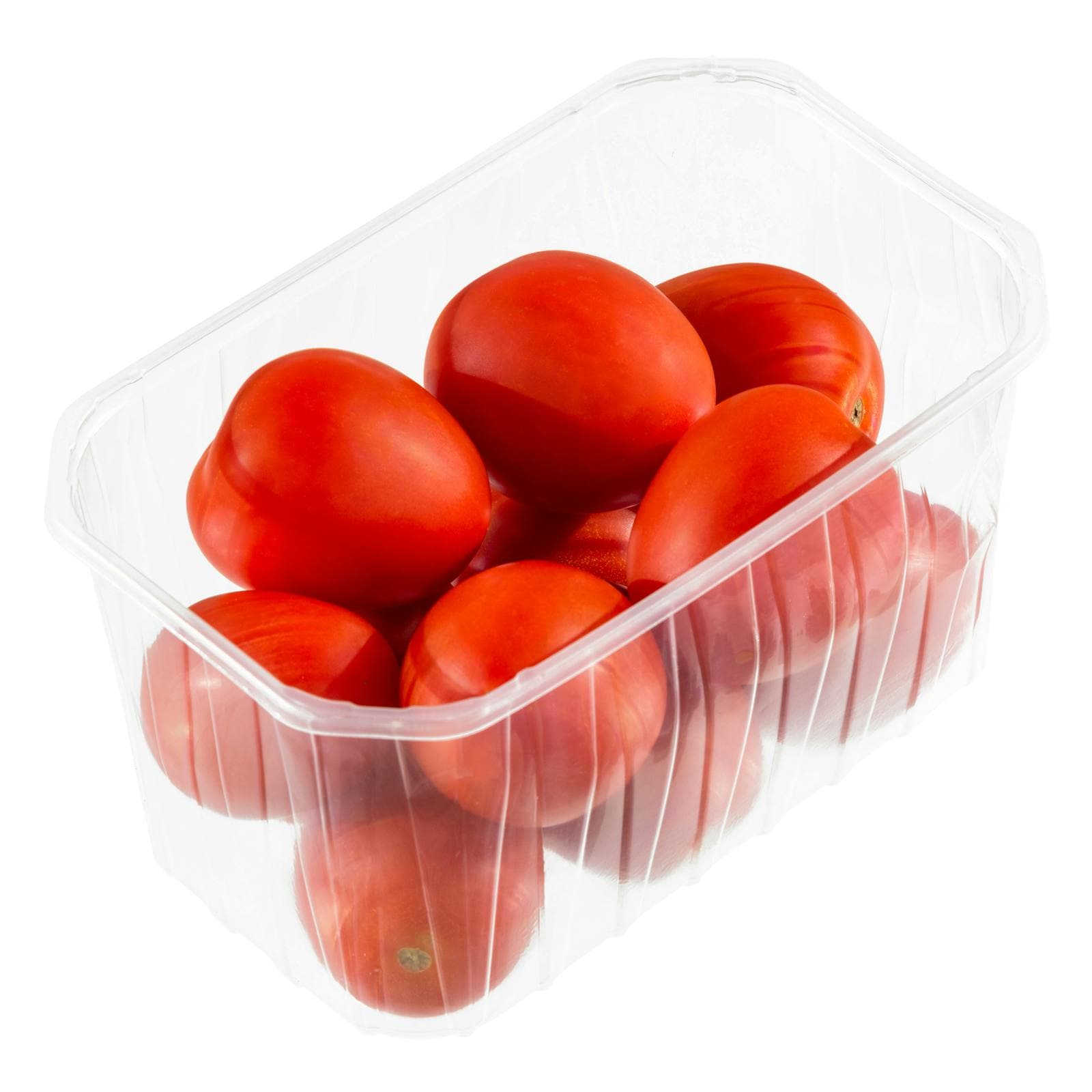 €2.62
€2.62Pear Tomatoes
1.14 kg · Mercadona
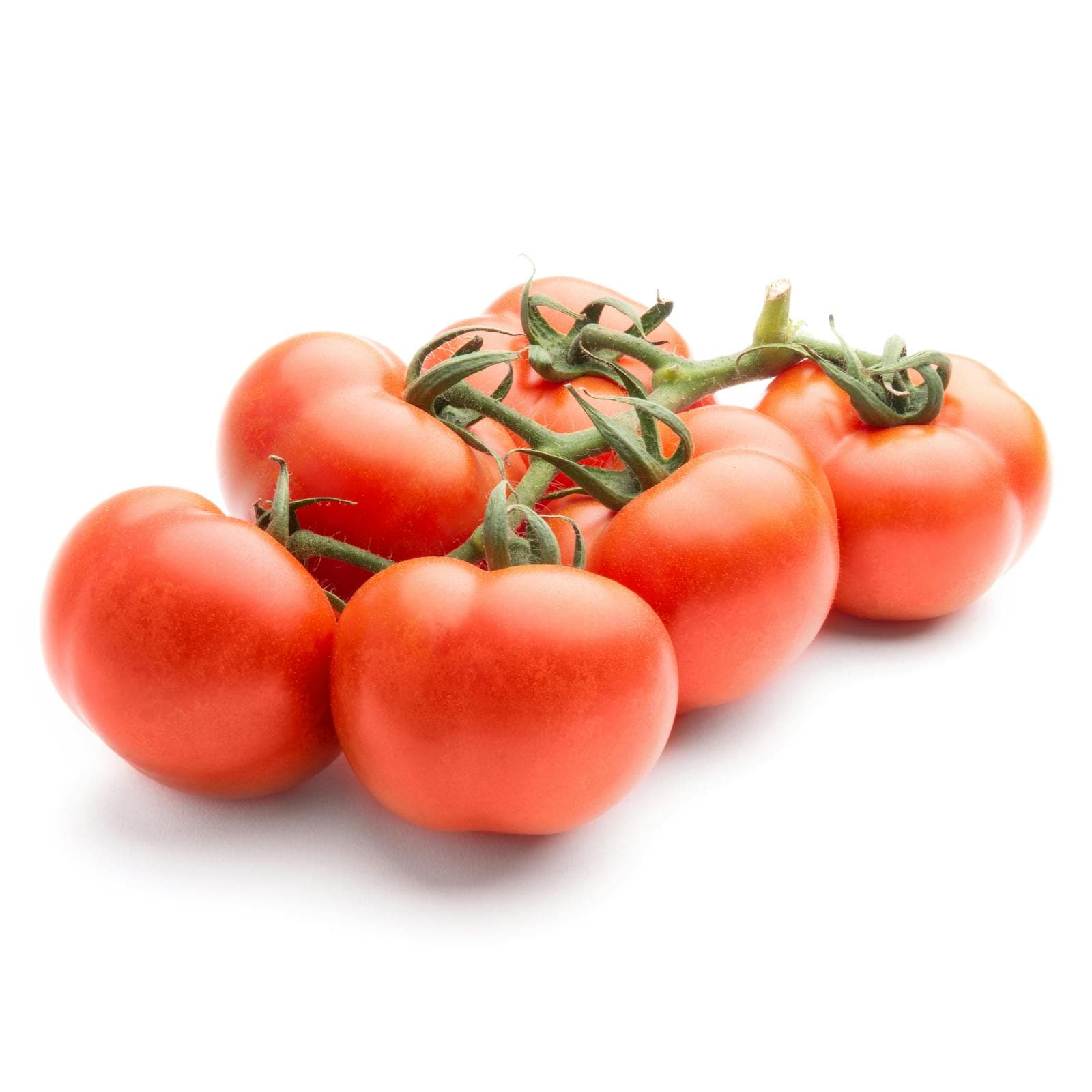 €1.49
€1.49Truss Tomatoes
550 g · Mercadona
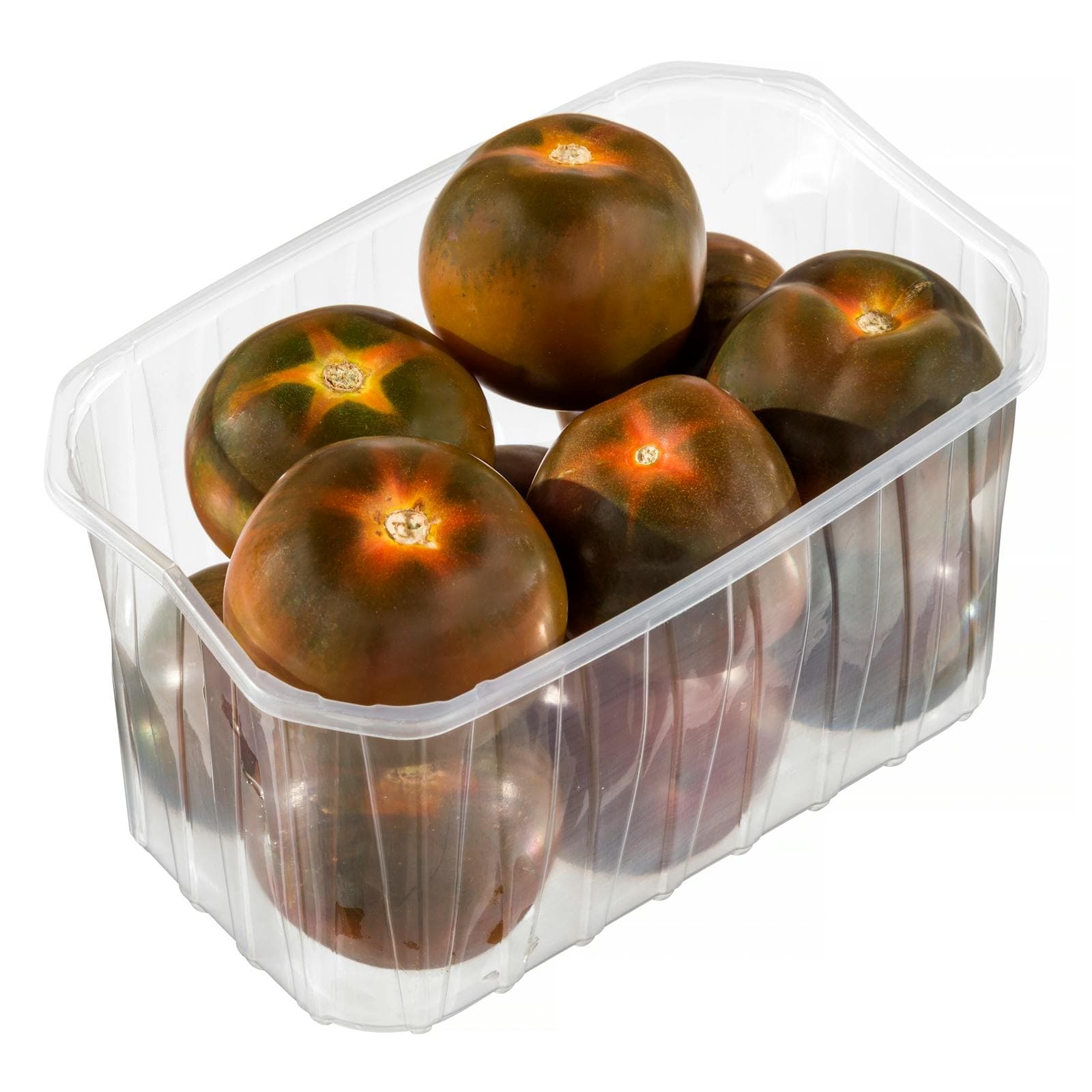 €2.60
€2.60Black Tomatoes
1 kg · Mercadona
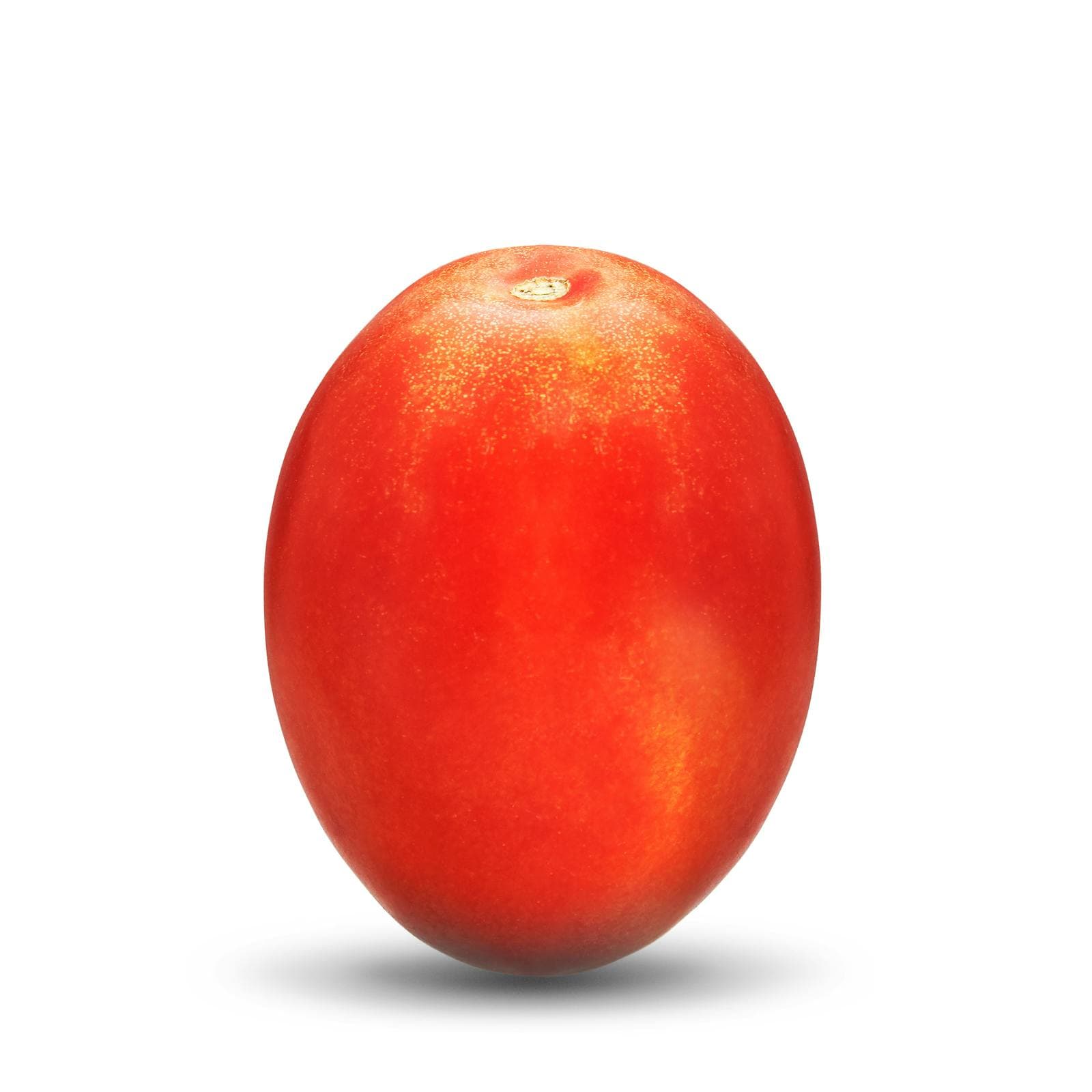 €0.29
€0.29Plum Tomato
130 g · Mercadona
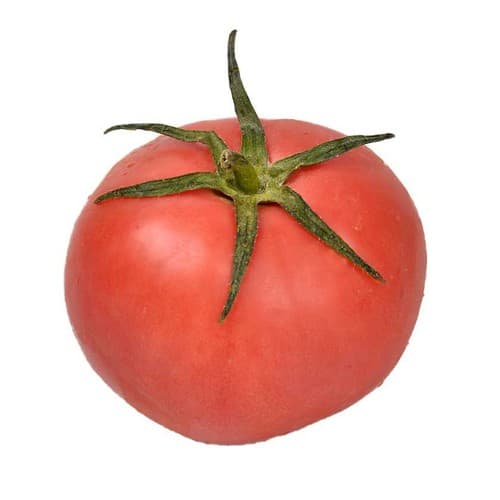 €1.07
€1.07Pink Tomato
ud · Bonpreu
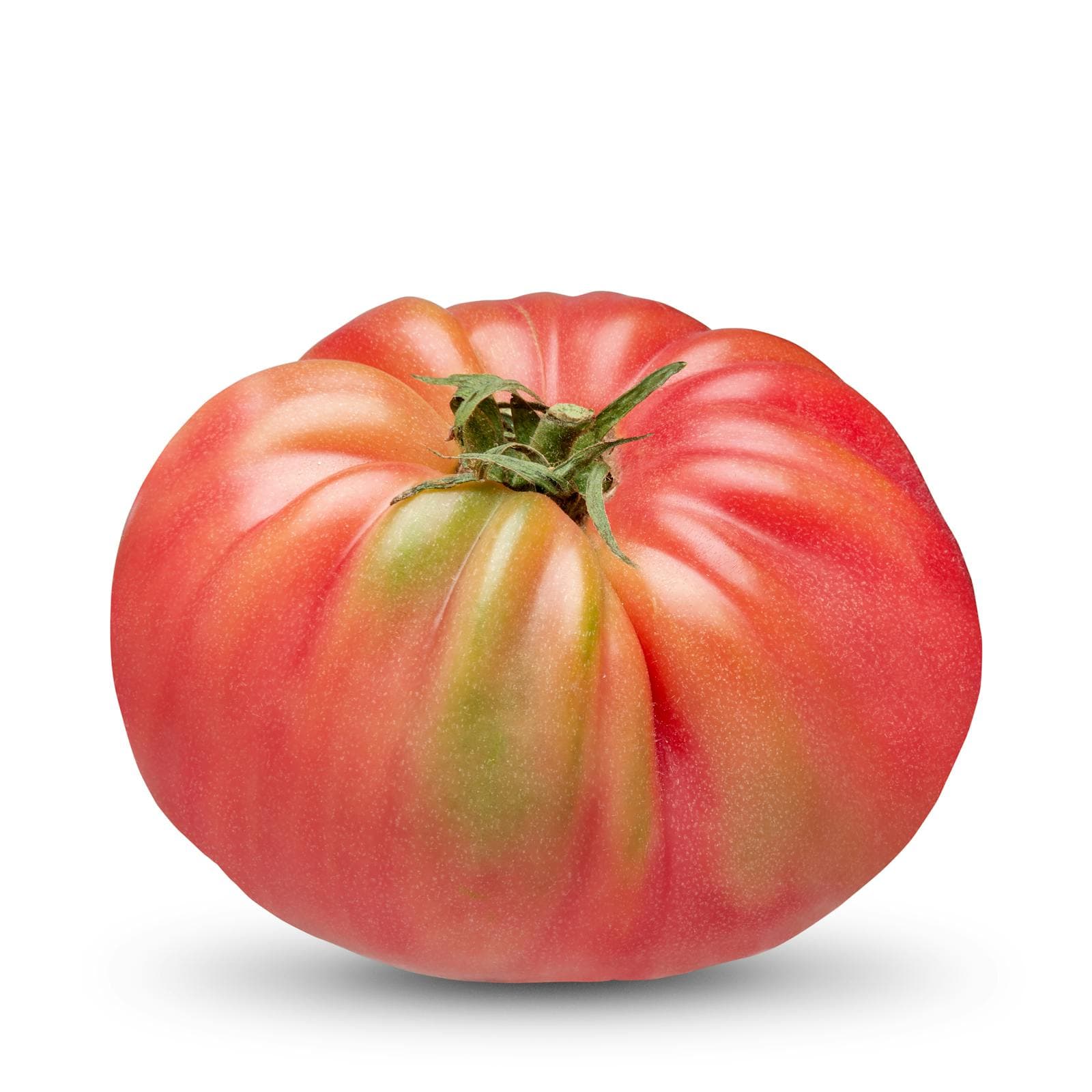 €1.16
€1.16Pink Tomato
340 g · Mercadona
Good to know
- Type
- Preserved dried tomato (Solanum lycopersicum)
- Origin
- Mediterranean region; traditional method perfected in Southern Italy, particularly Calabria and Sicily
- Primary Varieties Used
- Roma, plum, and San Marzano—chosen for low moisture content and few seeds
- Peak Season
- Late summer when tomatoes are at ripest; available year-round in pantry or grocery
- Typical Moisture Content
- 15–25% (versus 90–95% in fresh tomatoes)
- Shelf Life (Dry-Packed, Sealed)
- 12–18 months in a cool, dark pantry
- Shelf Life (Oil-Packed, Opened)
- Refrigerate and use within 2–3 weeks
- Rehydration Ratio
- Dry-packed tomatoes absorb 2–3 parts liquid in approximately 20–30 minutes in warm liquid
- Form
- Dry-packed (dehydrated without oil) or submerged in olive oil with herbs
- Common Additives
- Salt, sulfur dioxide (for color retention in commercial versions), herbs, capers, or garlic in oil-packed varieties
Substitutes
- Tomato Paste — Use 1 tablespoon paste per 2 tablespoons sun-dried tomatoes; similar intensity but lacks chewy texture; best for sauces, braises, and soups where texture doesn't matter
- Fresh Tomatoes (Roasted) — Roast Roma or plum tomatoes at 400°F until collapsed and concentrated; different texture but approximates sweetness; use approximately 3× the volume
- Roasted Red Peppers — Similar chewy-sweet profile; milder tomato flavor; excellent for sandwiches, salads, and antipasto; use equal volume as a direct substitute
- Tomato Jam — Sweet-savory spread; provides intensity and sweet notes; lacks authentic chewy texture but works well in sandwiches and sauces
Pairs with
Also called
Dried Tomato · Pomodori Secchi
Related
Tomato
Juicy, sun-sweet fruit for sauces, salads, and slow-cooked depth
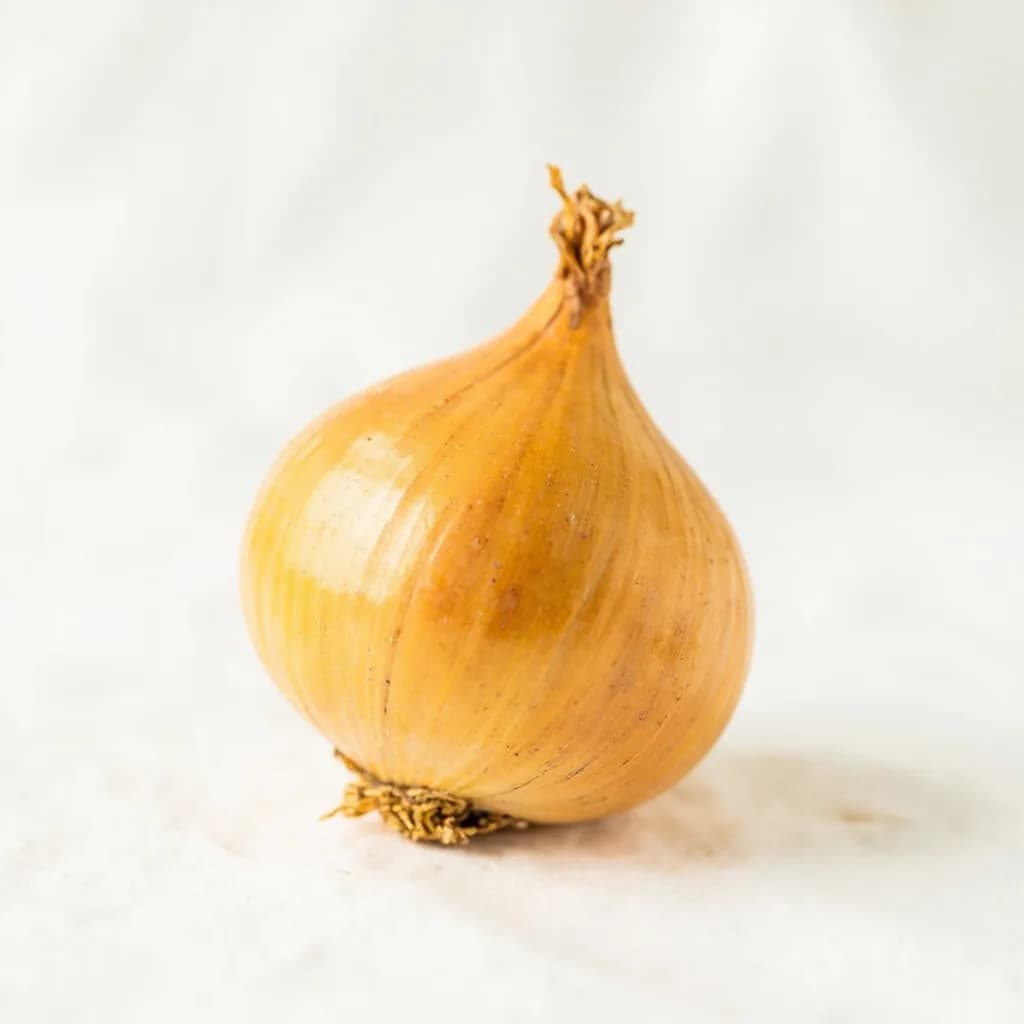
Yellow Onion
The aromatic backbone of soups, sofritos, and braises
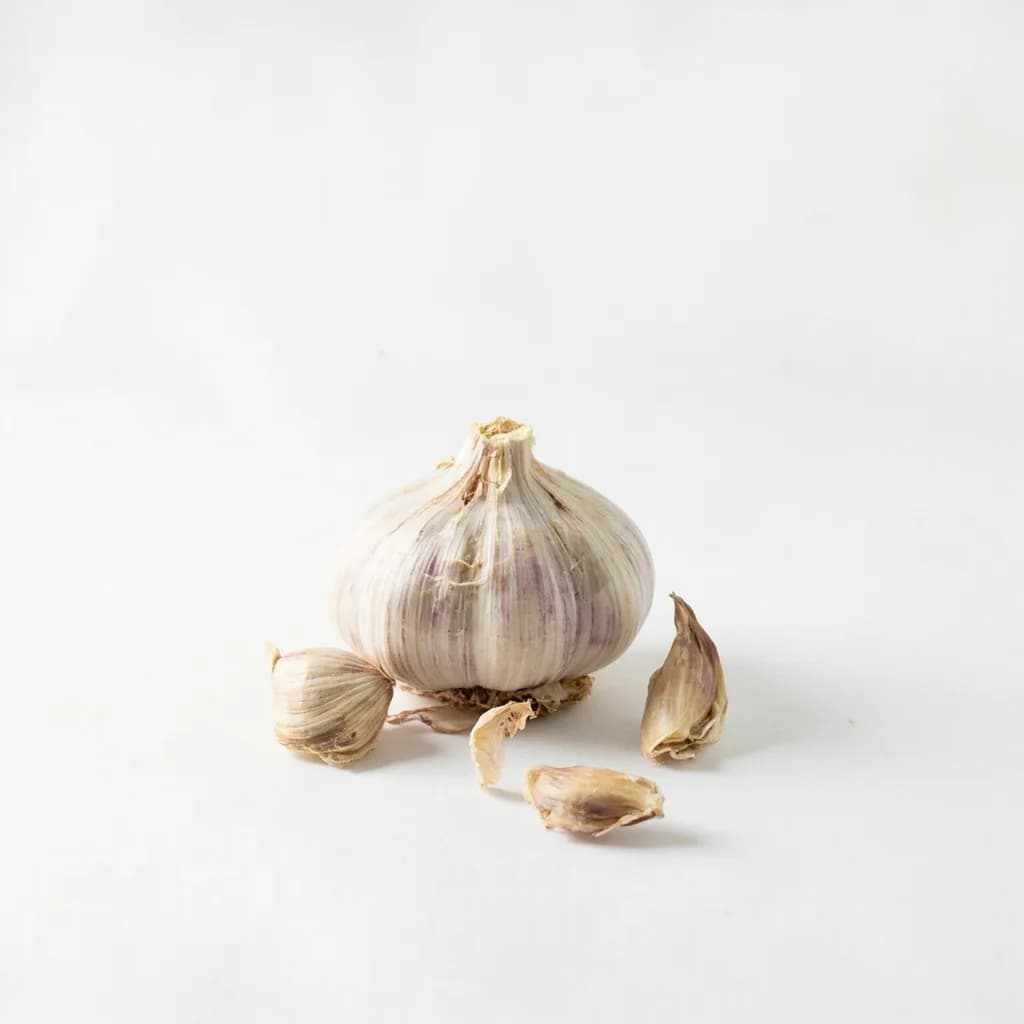
Garlic
Pungent cloves that perfume nearly every savory dish
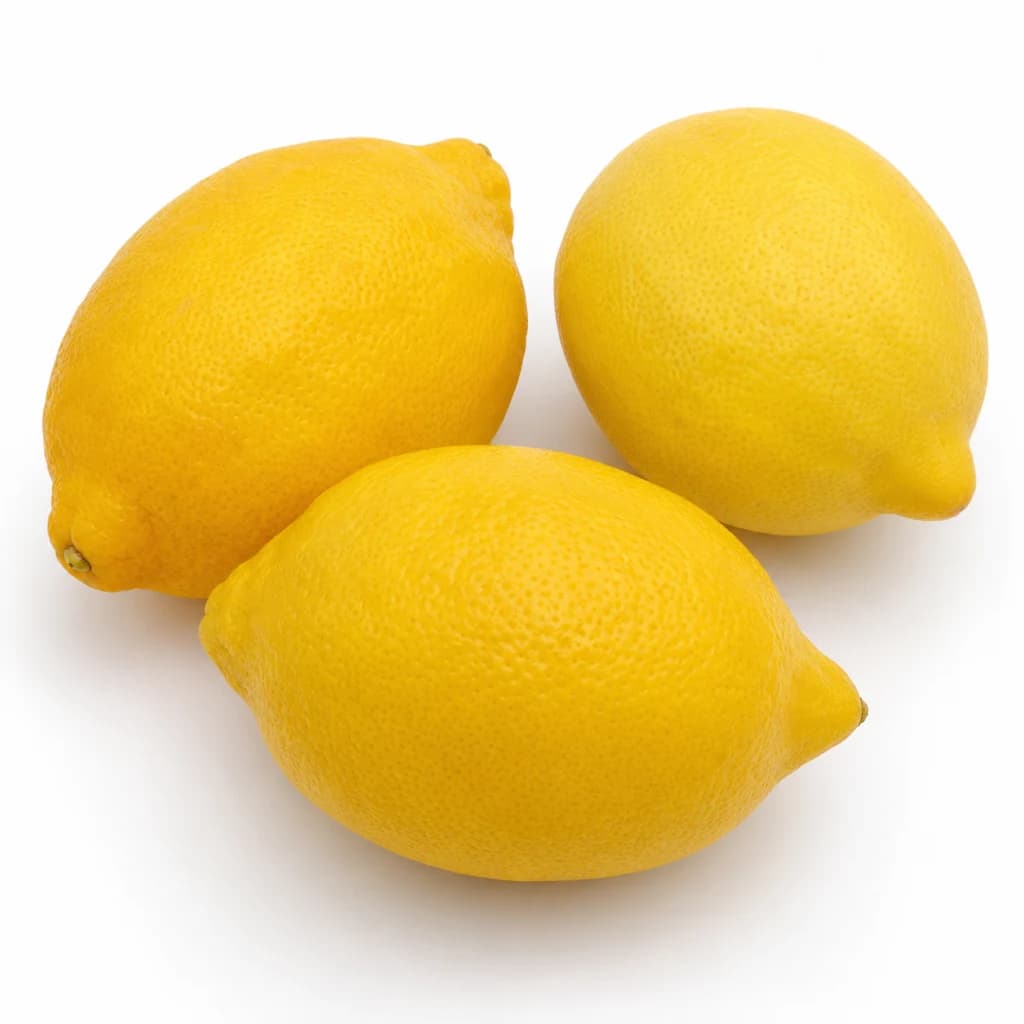
Lemon
Bright, acidic citrus that wakes up almost any dish
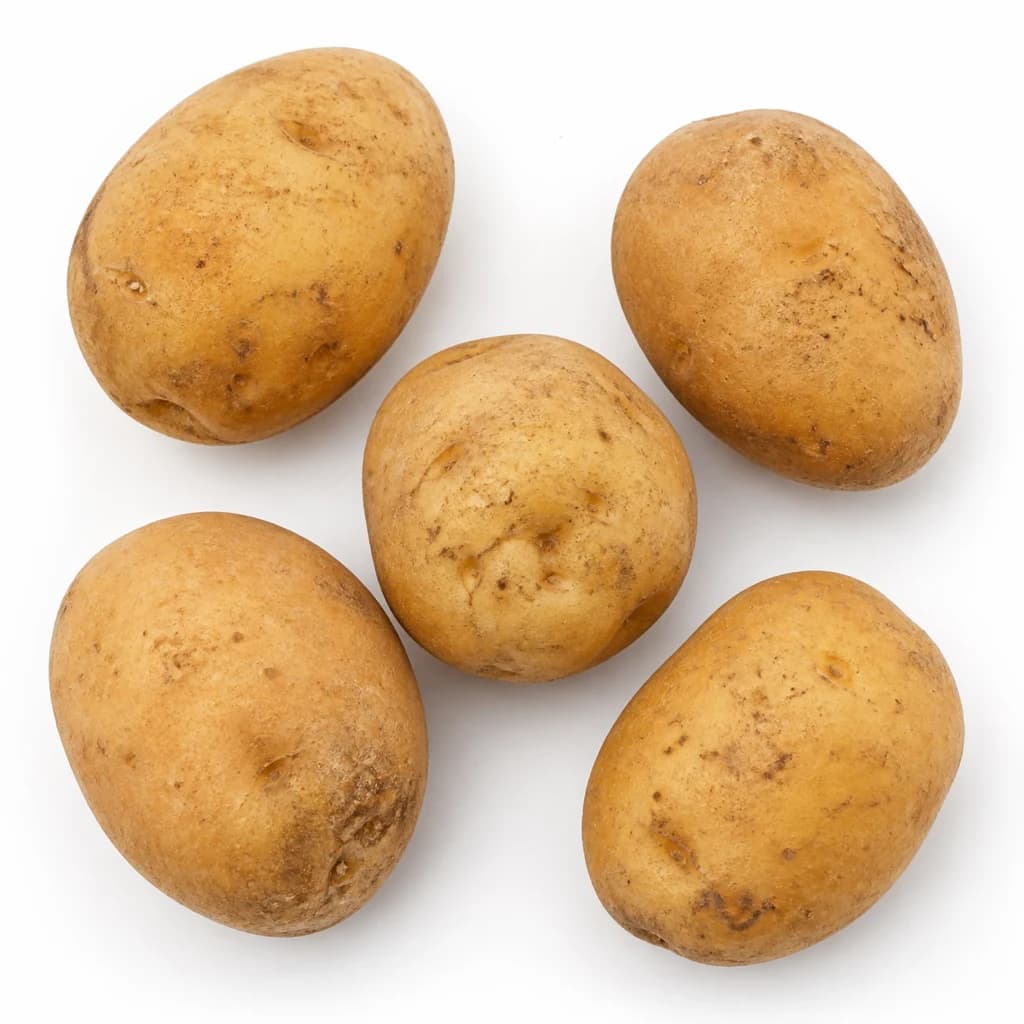
Potato
Humble, hearty staple — roast, mash, fry, or boil
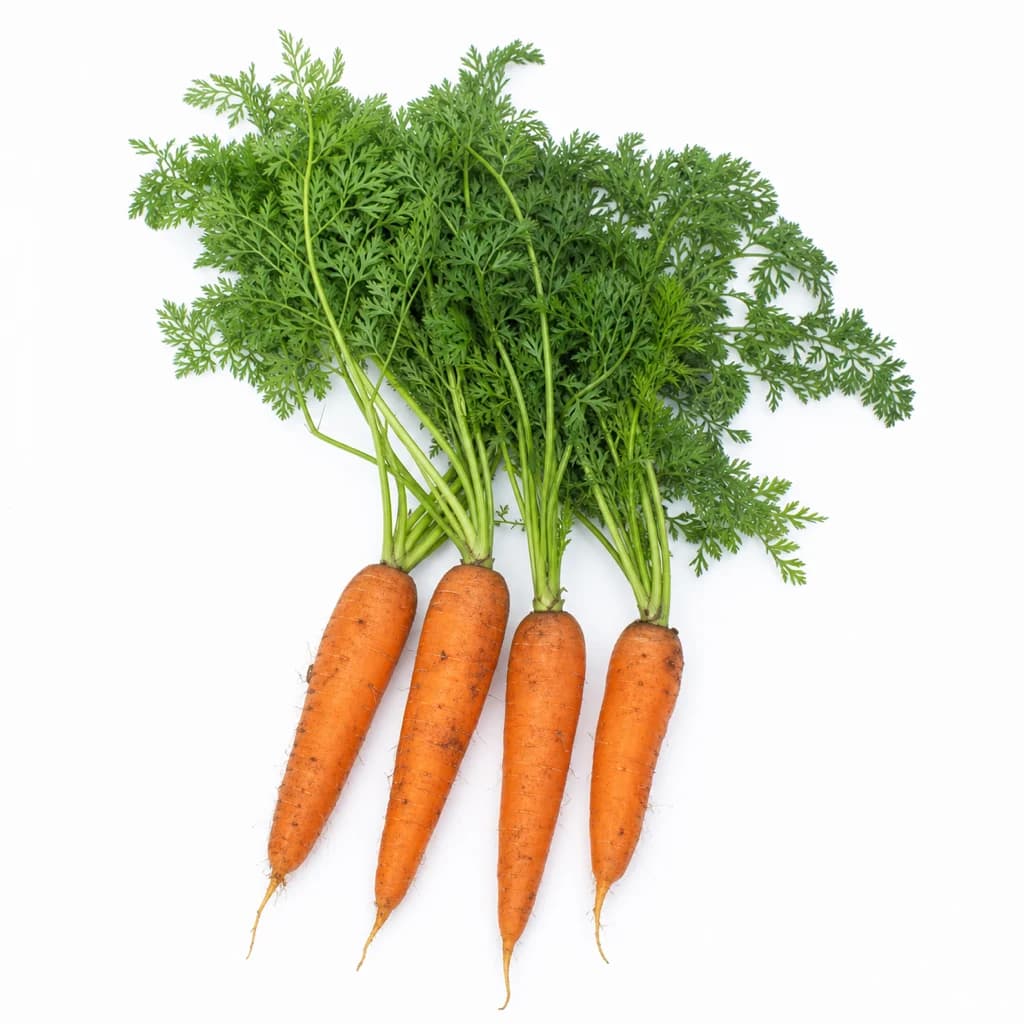
Carrot
Sweet, crunchy root — raw, roasted, or the base of a sofrito
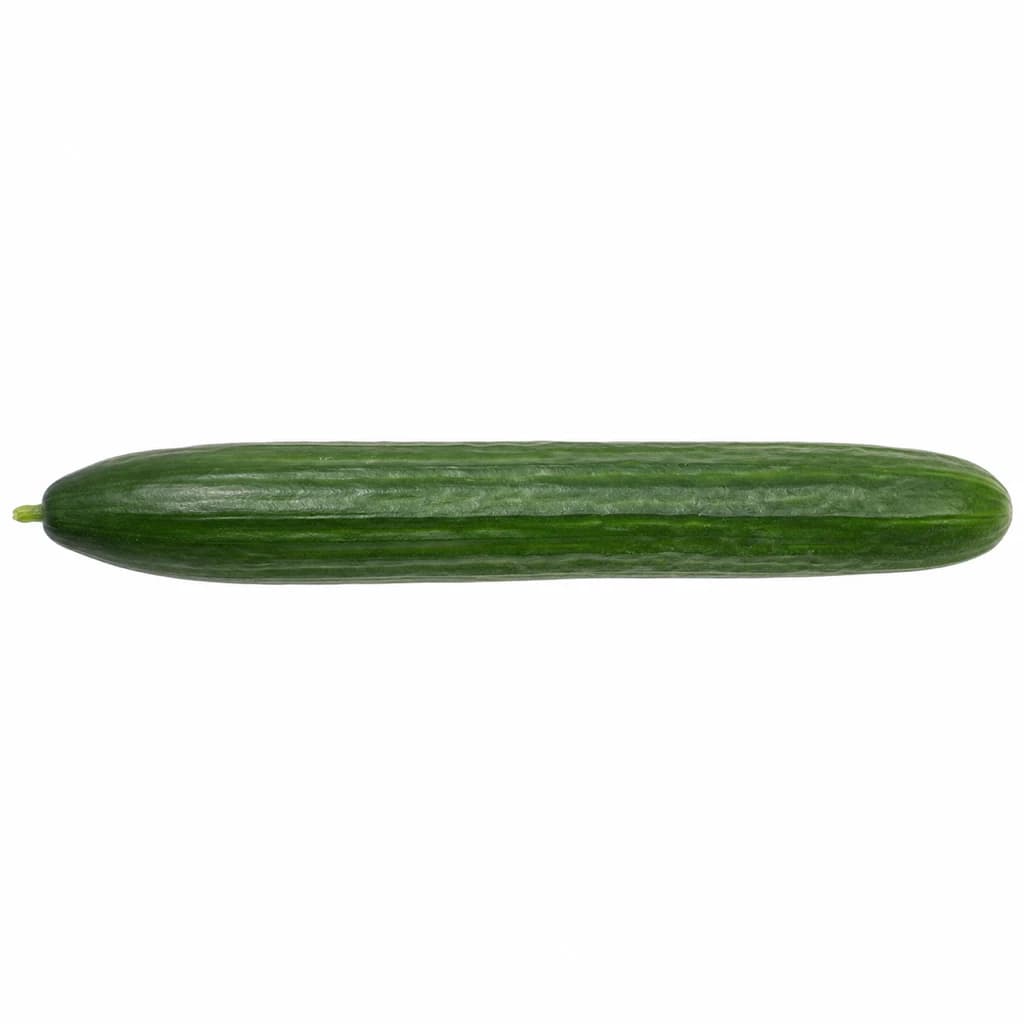
Cucumber
Cool, crisp, and watery — for salads, pickles, and tzatziki

Lettuce
Crisp leaves for salads, wraps, and a fresh crunch