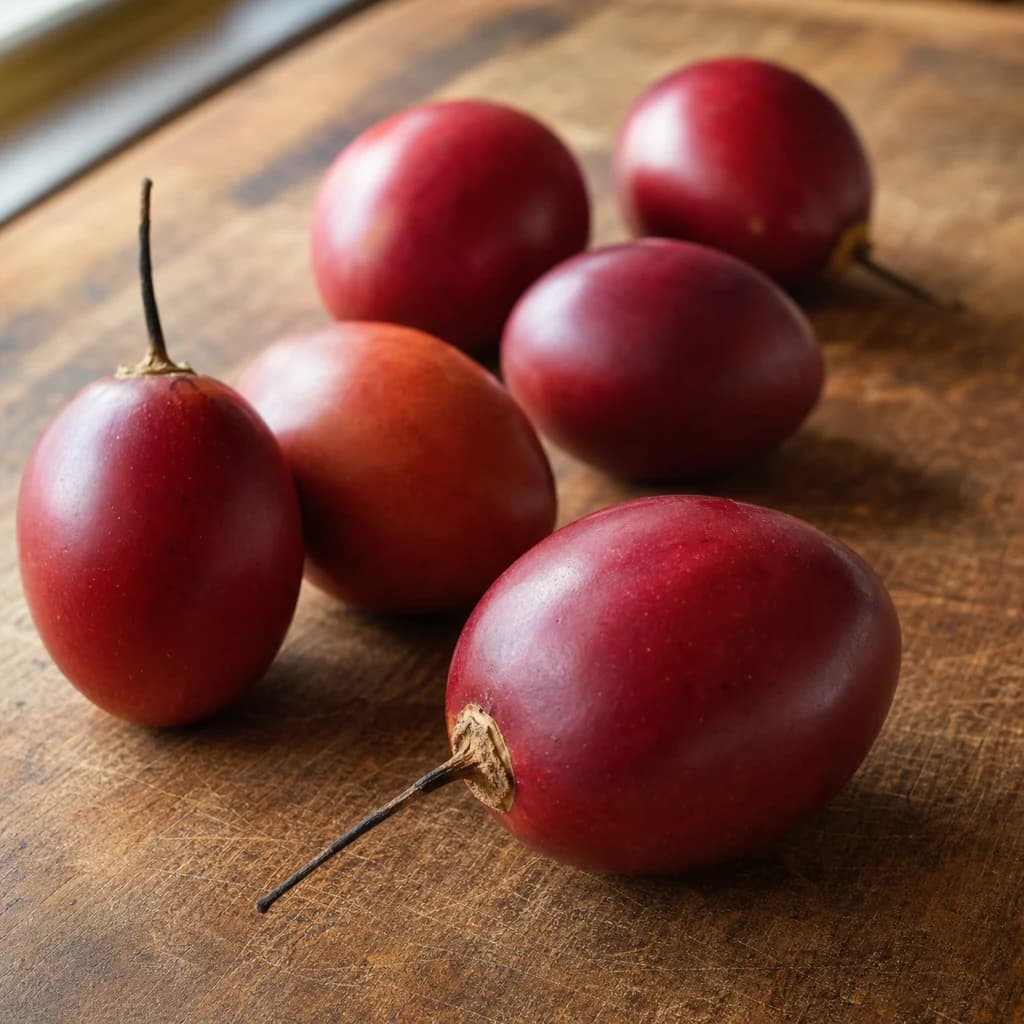
Natural form
Whole tamarillos showing smooth egg-shaped form and deep red skin.
Establishes the fruit's distinctive oval shape, size, and vivid red-to-burgundy exterior so readers can identify it on sight.
Produce
Tamarillo
Egg-shaped tree tomato with tangy red-gold flesh, used in chutneys, sauces, and spooned out raw.
The tamarillo, or tree tomato, is a smooth, egg-shaped fruit with red or golden skin and tart, jewel-toned flesh dotted with edible seeds. Its bold sweet-sour flavor suits both sweet and savory use: scooped raw with sugar, simmered into chutneys and sauces, or paired with meats. Native to the Andes and popular in New Zealand, the skin is bitter and usually peeled or scooped around.
Tamarillo is a small, egg-shaped fruit grown on an evergreen tree native to the Andes Mountains, now produced commercially in New Zealand, Australia, South Africa, and parts of South America. Despite its common name "tree tomato," it belongs to a distinct species within the Solanaceae family and should not be confused with true tomatoes (Solanum lycopersicum). The fruit has smooth, waxy skin—typically deep red or golden-orange depending on variety—and soft, edible seeds embedded in flesh that ranges from burgundy to amber. Its flavor is its defining feature: bright, tangy acidity with only mild sweetness, making it far more assertive than a standard tomato. This tartness is what makes tamarillo so useful in the kitchen, lending itself equally to sharp chutneys and sweetened breakfast preparations. The name "tamarillo" was coined in New Zealand during the 1960s for marketing purposes; in Spanish-speaking regions it is called tomate de árbol, while in Colombia it may be referred to as tamamillo.
Behaviorally, tamarillo differs from true tomatoes in important ways. Its flesh is less juicy and more dense, and its acidity registers at pH 3.0–4.0—significantly lower than most common tomatoes. The skin, while thin, carries a noticeable bitterness that most cooks remove before using. Raw tamarillo has a texture somewhere between a firm kiwi and an underripe tomato, with a pleasant tartness that wakes up the palate. When cooked, the flesh softens readily and breaks down into a smooth, intensely flavored pulp. Tamarillo also contains notably high levels of vitamins A, C, and E, along with potassium and iron, making it not just versatile but genuinely nutritious.
Seasonality shapes tamarillo quality more sharply than with common tomatoes. In the Southern Hemisphere, peak season runs March through August; in the Northern Hemisphere, look for the best fruit from September through February. Outside these windows, tamarillos available in standard supermarkets are often mealy and insipid. When selecting, choose firm fruit that gives slightly under pressure; avoid any with wrinkles or soft spots, which indicate age. Once ripe, refrigerate and use within one to two weeks, or freeze the pulp for up to three months.
- Measured in
- piece
- Storage
- Fridge
Types & varieties
Most common commercial variety; deep crimson skin, burgundy flesh, sharper and more acidic than gold types
Orange-gold skin and flesh; milder, sweeter, less acidic; slightly lower acidity makes it better for raw eating
Less common; dark reddish-purple skin; particularly popular in Colombia; similar acidity to red types
Tamarillo vs. True Tomato
Tamarillo and true tomato share a family but not a species, and this distinction matters in the kitchen. True tomatoes (Solanum lycopersicum) are generally juicier, less acidic, and more savory than tamarillo. When substituting one for the other, tamarillo will add brightness and tartness that a true tomato cannot match, while a true tomato will provide more liquid and a mellower acidity. For recipes that rely on tomato's umami or its juicy texture—fresh salsas, caprese salads, tomato juice—tamarillo is a poor substitute. For recipes that need acidity and brightness—chutneys, braises, bright sauces—tamarillo often outperforms tomato. The practical rule: if a recipe was written for tamarillo, follow that. If you're adapting a tomato recipe, expect to adjust sweetness and liquid.
- Tamarillo has pH 3.0–4.0; most tomatoes fall between 4.0–4.6
- Tamarillo flesh is denser and less watery than tomato
- Tamarillo's flavor leans tart-fruity; tomato's leans savory-umami
- When substituting tomato for tamarillo, add lemon juice to approximate the acidity
Common uses
Tips & pitfalls
- Blanch whole fruits in boiling water for 1–2 minutes, then shock in ice water — the skins slip off effortlessly
- If blanching is inconvenient, score the skin in quarters and peel gently; the skin resists tearing if the fruit is fully ripe
- Roasting concentrates flavor and mellows sharpness; toss halved fruits in oil and roast at 200°C (400°F) for 15–20 minutes
- Add tamarillo late in cooking when using in sauces or chutneys — prolonged boiling breaks down texture into mush
- Taste before adding sweetener; red tamarillos can be very tart and may need more sugar than a recipe specifies
- Pair with ginger, chili, or cardamom to temper the acidity in raw preparations
- Do not assume tamarillo will behave identically to tomato in recipes — it is more acidic and less juicy
- For smooth purees (sauces, desserts), strain out the seeds by pressing through a fine-mesh sieve
- Common mistake: eating the skin — it is edible but noticeably bitter and detracts from the experience
- Common mistake: using underripe tamarillos — they will lack sweetness and have a harsh, overly acidic taste
- Seasonality matters more than with common tomatoes; out-of-season tamarillos are often mealy and insipid
- New Zealand tamarillos tend to be larger and slightly sweeter than South American commercial crops due to different growing conditions
Nutrition
Energy
63 kJ · per 100 g
Where the calories come from
Protein
1g
2% DV
Carbs
3g
1% DV
Fat
0.3g
0% DV
Fiber
0.7g
3% DV
Sodium
23mg
1% DV
Source · USDA FoodData Central · approx. Tomatoes, yellow, raw
View on FDC →In the shops
Matched grocery products
No matched grocery products for Tamarillo yet.
Good to know
- Scientific name
- Solanum betaceum (formerly Cyphomandra betacea)
- Family
- Solanaceae (nightshade)
- Origin
- Andes Mountains of South America (Peru, Colombia, Bolivia)
- Peak season
- Southern Hemisphere: March–August; Northern Hemisphere: September–February
- Typical dimensions
- 4–8 cm long, 3–5 cm wide, egg-shaped; 50–100 g per fruit
- Flavor profile
- Tangy, bright acidity with mild sweetness; pH 3.0–4.0 from tartaric and citric acids
- Skin
- Thin, waxy, mildly bitter; typically peeled before eating
- Edible seeds
- Yes, small and soft; not usually removed
- Storage (ripe)
- Refrigerate 1–2 weeks; puree freezes well up to 3 months
- Key nutrients
- Very high in vitamins A, C, and E; good source of potassium and iron
Substitutes
- Roma tomato — Closest in texture and acidity; will need a squeeze of lemon to match tamarillo's brightness
- Passion fruit — Similar level of tartness and tropical quality; good in sauces and desserts, though texture differs entirely
- Red currant — Acceptable in preserves and sauces; smaller, seedier, but comparable acidity
- Gooseberry — Comparable tartness and texture for cooking; use in similar proportions in pies and preserves
- Green mango — Provides the acidity needed in chutneys; texture differs but works well in sweet-sour preparations
Pairs with
Also called
Tree Tomato · Solanum Betaceum
Related
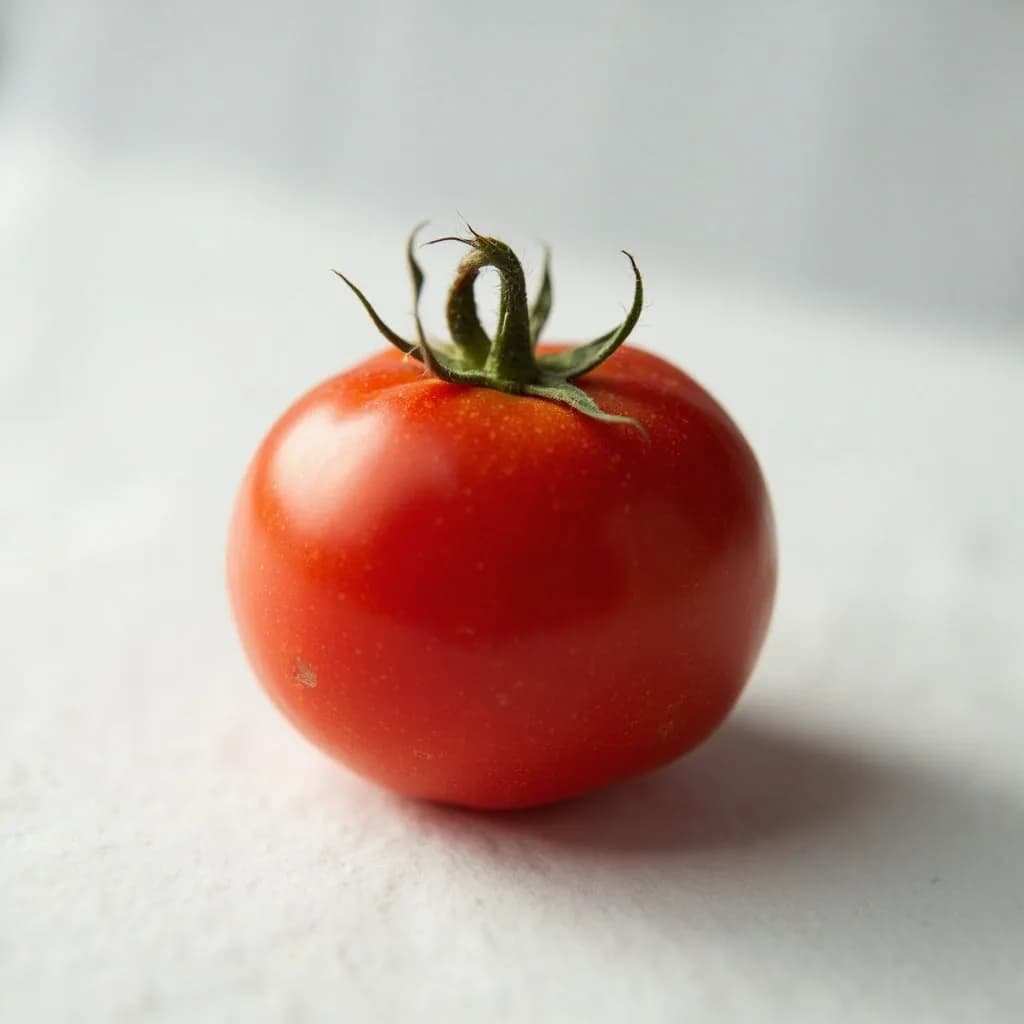
Tomato
Juicy, sun-sweet fruit for sauces, salads, and slow-cooked depth
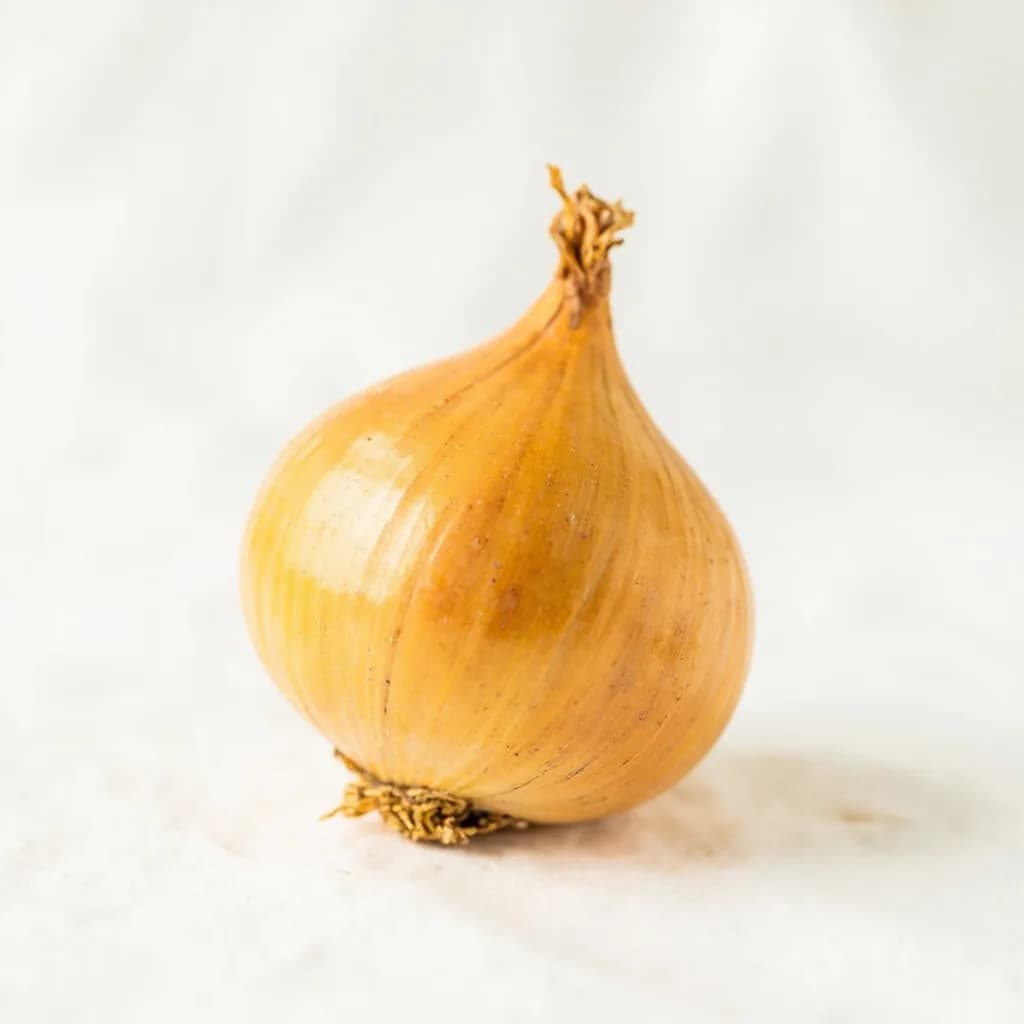
Yellow Onion
The aromatic backbone of soups, sofritos, and braises
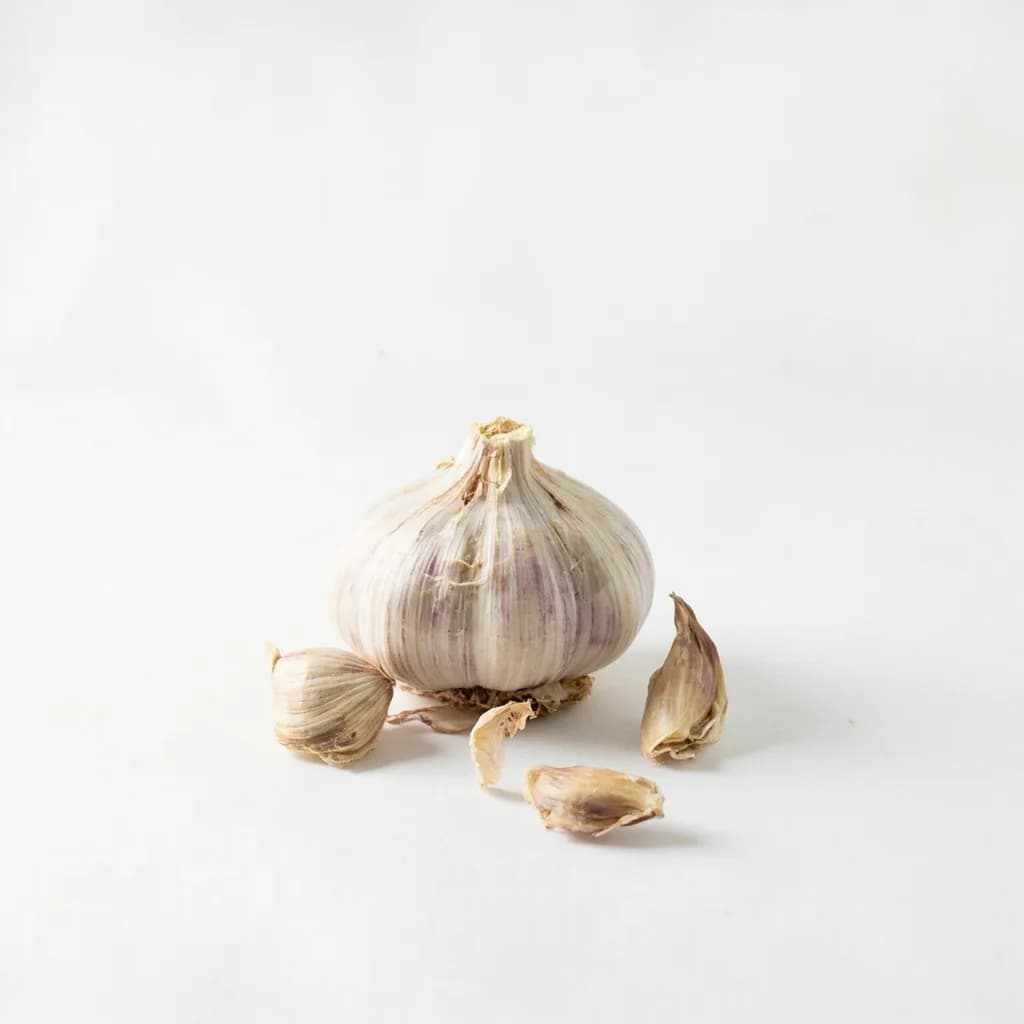
Garlic
Pungent cloves that perfume nearly every savory dish
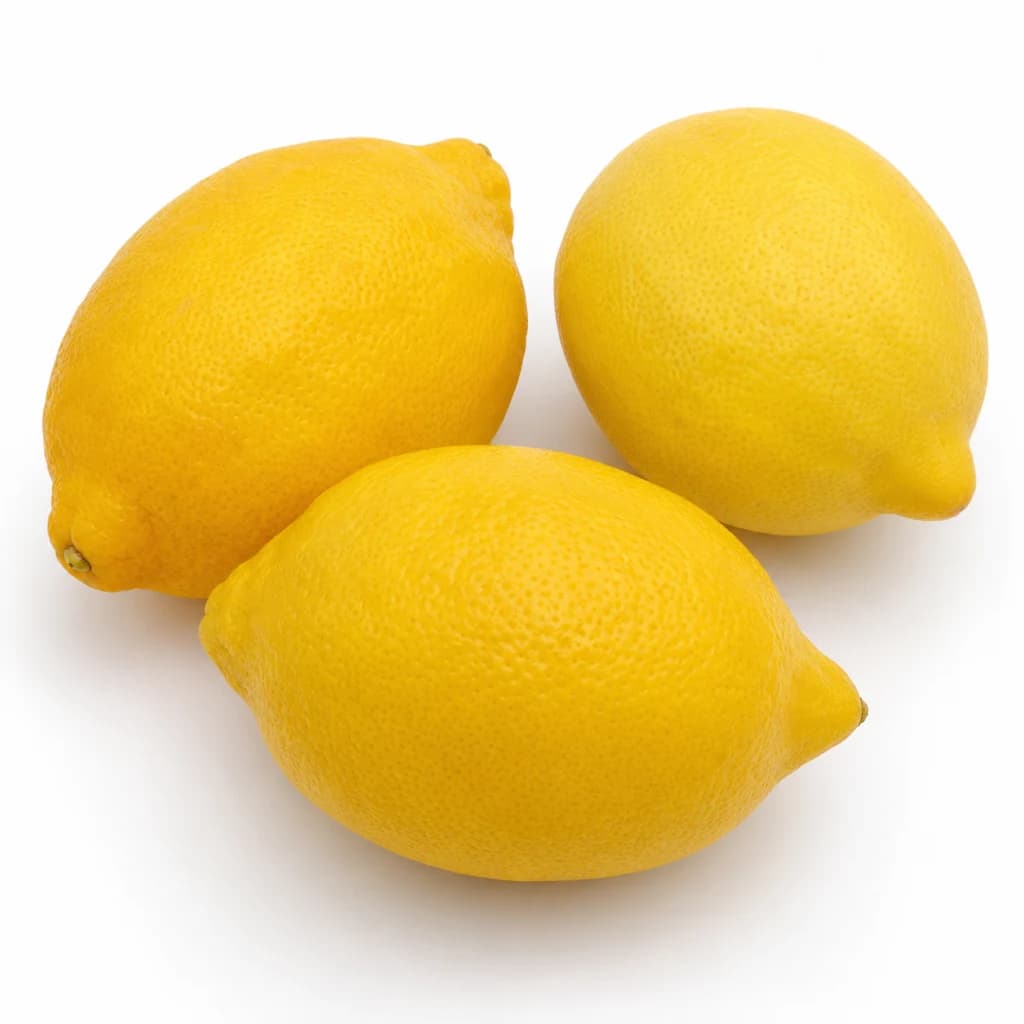
Lemon
Bright, acidic citrus that wakes up almost any dish
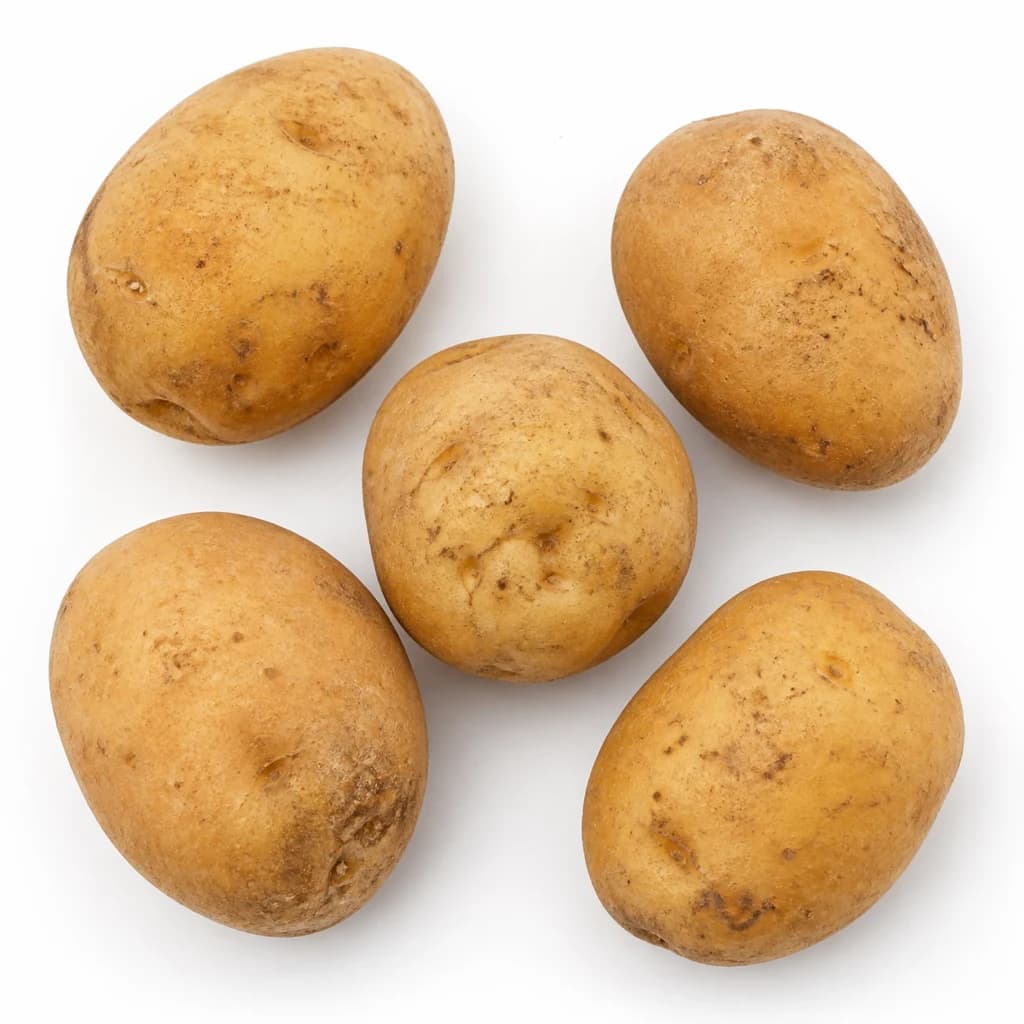
Potato
Humble, hearty staple — roast, mash, fry, or boil
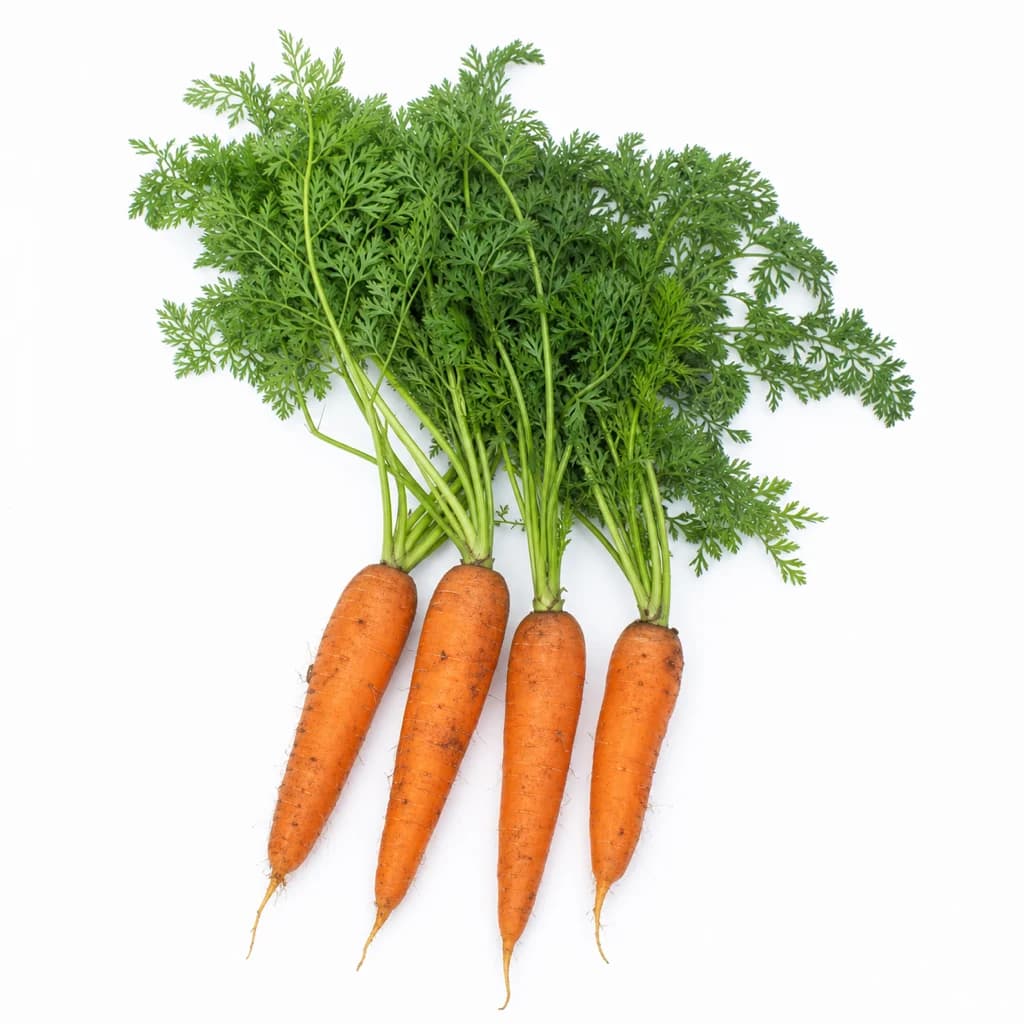
Carrot
Sweet, crunchy root — raw, roasted, or the base of a sofrito
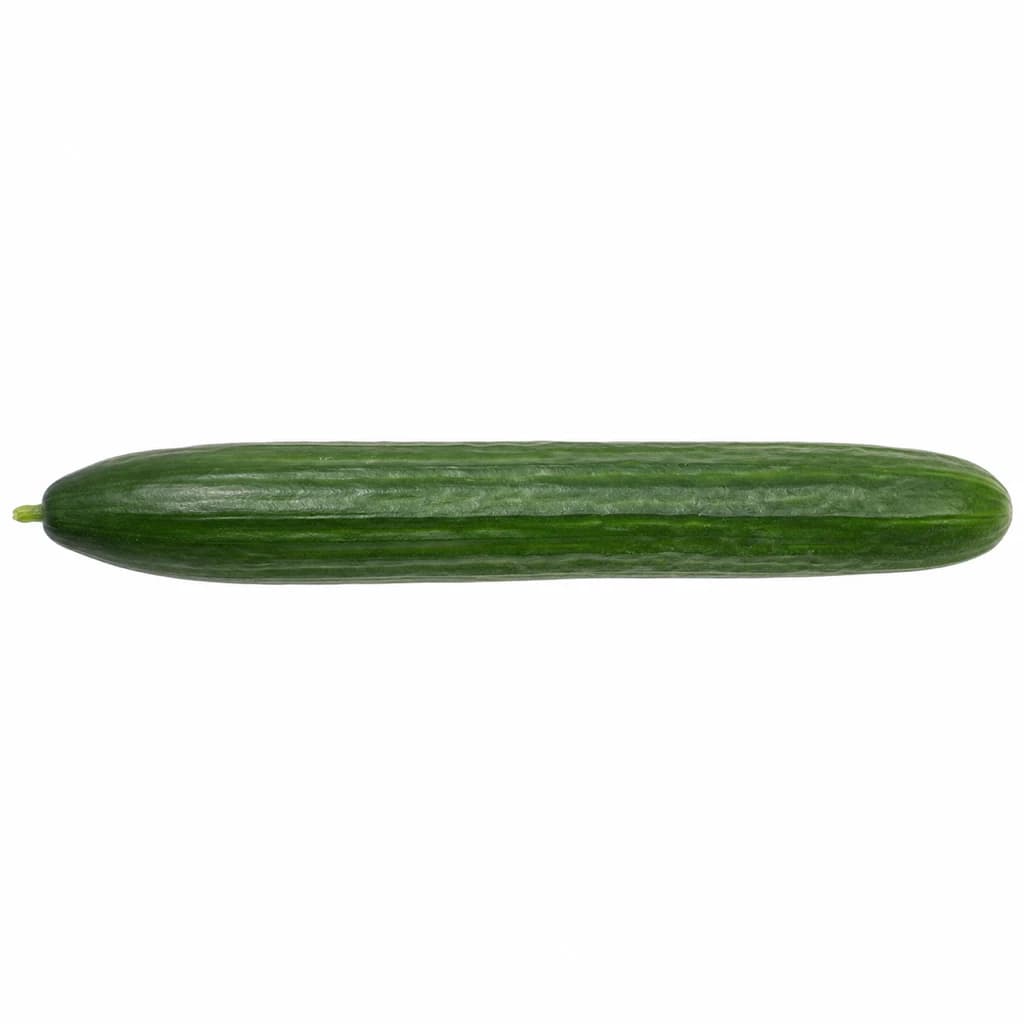
Cucumber
Cool, crisp, and watery — for salads, pickles, and tzatziki

Lettuce
Crisp leaves for salads, wraps, and a fresh crunch