Natural form
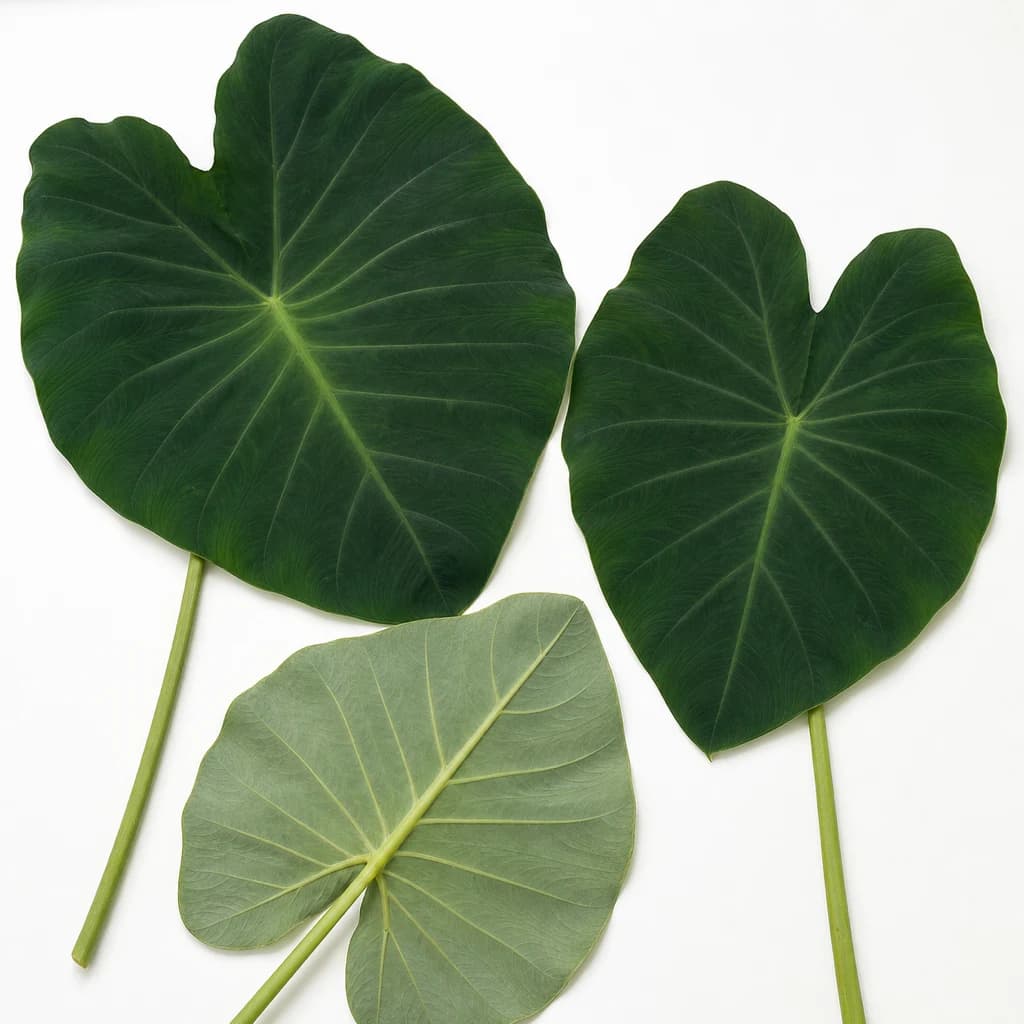
A fresh taro leaf showing its broad heart shape, prominent veins, and deep green color.
Shows the reader the defining physical characteristics — scale, shape, and venation — that make taro leaves unmistakable.
Produce
Taro Leaf
Large heart-shaped green leaf, always cooked, used wrapped or stewed in Pacific and South Asian dishes.
Taro leaves are the broad, heart-shaped greens of the taro plant, eaten across the Pacific Islands, the Caribbean, and South Asia. They must always be cooked thoroughly to neutralize the calcium oxalate that makes them irritating when raw. They are simmered in coconut milk (as in Fijian rourou), used to wrap fillings, or stewed into savory greens.
Taro leaf comes from the taro plant (Colocasia esculenta), one of humanity's oldest cultivated crops, domesticated in Southeast Asia over 10,000 years ago. The large heart-shaped leaves—reaching 30–60 cm—have prominent veining and a mild, earthy flavor with a slightly mineral quality that becomes silky and satisfying when cooked properly. Unlike the plant's starchy corm (taro root), which has become familiar in global markets, the leaves remain a regional specialty found most prominently in Pacific Island, South Asian, Caribbean, West African, and Southeast Asian cuisines. The leaves have a notable cooking behavior: they release starch that naturally thickens cooking liquids, making them integral to creamy stews and curries across their native range.
In traditional Hawaiian cuisine, taro leaves serve as an edible wrapper in the centuries-old lau lau preparation, where fish, pork, or beef is wrapped in the leaves and steamed for hours in ti or banana leaves until everything becomes tender and the greens mellow into the braise. The same thickening property that makes them valuable in coconut milk stews like Fijian rourou, Samoan palusami, and Nigerian eforiro also means cooks must account for the starch when adjusting liquid ratios. The petioles (stems) are edible too, though they require peeling and longer cooking than the leaf blades due to their fibrous nature.
Taro leaf should never be eaten raw. The plant contains calcium oxalate raphides and oxalic acid that cause immediate oral irritation and can lead to kidney issues with repeated consumption of undercooked leaves. Thorough cooking—typically 20 to 30 minutes minimum—destroys these compounds and transforms the sometimes-coarse texture into something silky and pleasant. This safety requirement shapes every traditional preparation method, from the long-steamed Hawaiian parcels to the quick-simmerged Caribbean callaloo.
- Measured in
- g
- Storage
- Fridge
Types & varieties
Large-leafed variety most commonly used for greens; preferred in Caribbean and Pacific cuisines
Smaller plant producing both edible leaves and corms; more common in home gardens
Compact variety with smaller leaves; used in some South and Southeast Asian preparations
Cooking Time Ensures Safety
The calcium oxalate content in taro leaves varies by variety and growing conditions, making thorough cooking essential every single time—no exceptions. In traditional Hawaiian lau lau, the dish steams for four or more hours, ensuring complete safety and allowing the leaves to meld into the braise. In faster preparations like Caribbean callaloo, a minimum of 20–30 minutes of simmering achieves safe consumption. Raw leaves cause immediate burning and irritation in the mouth and throat. Repeated consumption of inadequately cooked leaves has been associated with kidney stone formation and other health issues.
- Always cook taro leaves for at least 20–30 minutes at a simmer or higher
- In wrapper applications, account for the total cooking time of the wrapped dish
- The stinging sensation when biting a raw leaf indicates dangerous oxalate content
- Children and individuals with kidney concerns should be especially careful with preparation
Distinguishing Taro Leaf from Similar Plants
Taro leaf is distinct from taro root (the corm) and should not be confused with lotus leaf, which has a very different texture and is used in Chinese cuisine for wrapping savory fillings that steam briefly. The giant taro (Alocasia) is a related but separate genus; its leaves are not typically used as food. When purchasing, look for bright green, unblemished leaves without yellowing or wilting. The stems should be firm, not soft or mushy.
- Taro leaf has a matte surface with prominent lighter veins
- Lotus leaf is shinier and has a more papery texture
- Giant taro leaves have more deeply lobed margins
Common uses
Tips & pitfalls
- Never eat raw: raw leaves cause immediate oral irritation and can cause kidney issues with repeated consumption
- Cook at least 20–30 minutes: prolonged cooking destroys oxalate compounds and softens the somewhat coarse texture
- Add to liquid last in stews: the leaves release starch that naturally thickens the cooking liquid; factor this into recipe consistency
- Strip center ribs from large leaves before using as wrappers to prevent tearing
- Pair with acidic ingredients (tomato, tamarind, lime juice) to reduce the mineral edge some find in taro greens
- Petioles (stems) are edible but fibrous; peel outer layer and cook separately or longer than the leaf blades
Nutrition
Nutrition
No USDA FoodData Central match for Taro Leaf yet. We surface a per-100 g profile once a generic whole-food entry is matched and verified.
In the shops
Matched grocery products
No matched grocery products for Taro Leaf yet.
Good to know
- Scientific name
- Colocasia esculenta (leaves)
- Origin
- Southeast Asia; one of humanity's oldest cultivated crops, domesticated over 10,000 years ago
- Season
- Year-round in tropical climates; late summer to early fall in subtropical regions
- Flavor
- Mild, earthy, slightly mineral; develops silky texture when cooked; cooking liquid thickens naturally
- Toxicity
- Contains calcium oxalate raphides and oxalic acid; must be cooked thoroughly before consumption
- Typical size
- Leaves reach 30–60 cm (1–2 feet) long; heart-shaped with prominent veining
- Storage
- Refrigerate unwashed in plastic, 1–2 days; blanch and freeze for up to 3 months
- Edible parts
- Leaves and petioles both edible; petioles often peeled before use
- Nutrition highlight
- Good source of vitamins A and C, iron, calcium, fiber, and antioxidants
Substitutes
- Spinach — Most accessible substitute; cook slightly shorter; omit the thickening step
- Swiss chard — Similar texture when cooked; stems can replace taro petioles one-to-one
- Collard greens — Sturdier; requires similar cooking time; better in long-simmered dishes
- Watercress — Works in lighter preparations; cook briefly to avoid mushiness
Pairs with
Also called
Rourou · Dasheen Leaf · Callaloo Leaf
Appears in these dishes
Related
Tomato
Juicy, sun-sweet fruit for sauces, salads, and slow-cooked depth
Yellow Onion
The aromatic backbone of soups, sofritos, and braises
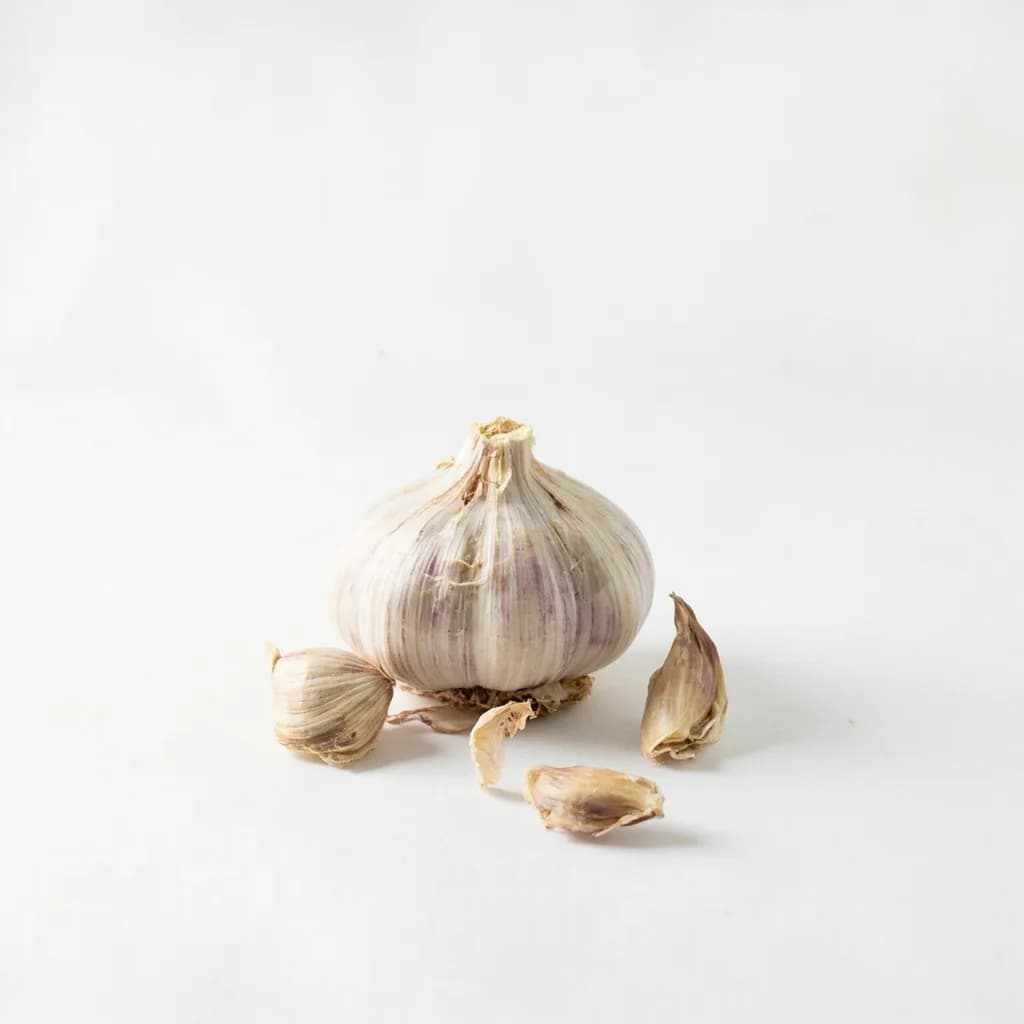
Garlic
Pungent cloves that perfume nearly every savory dish
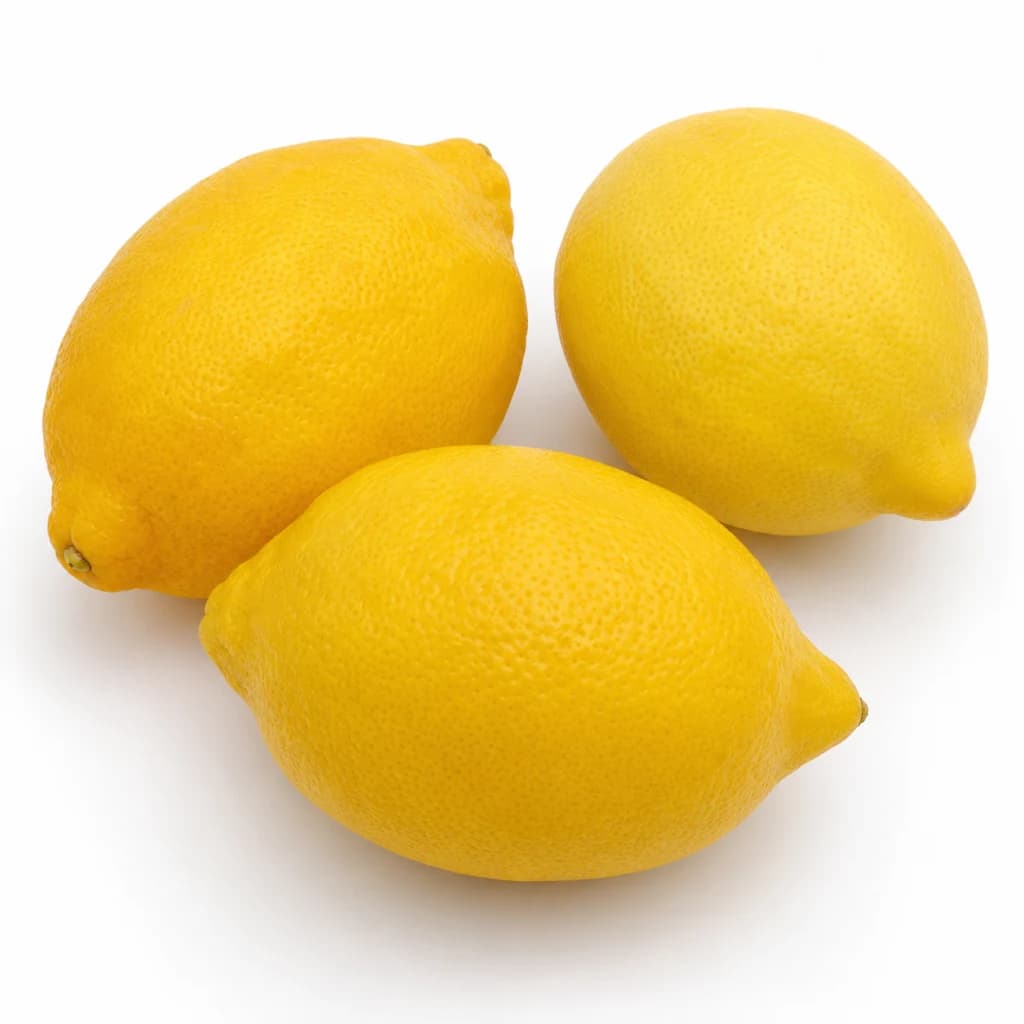
Lemon
Bright, acidic citrus that wakes up almost any dish
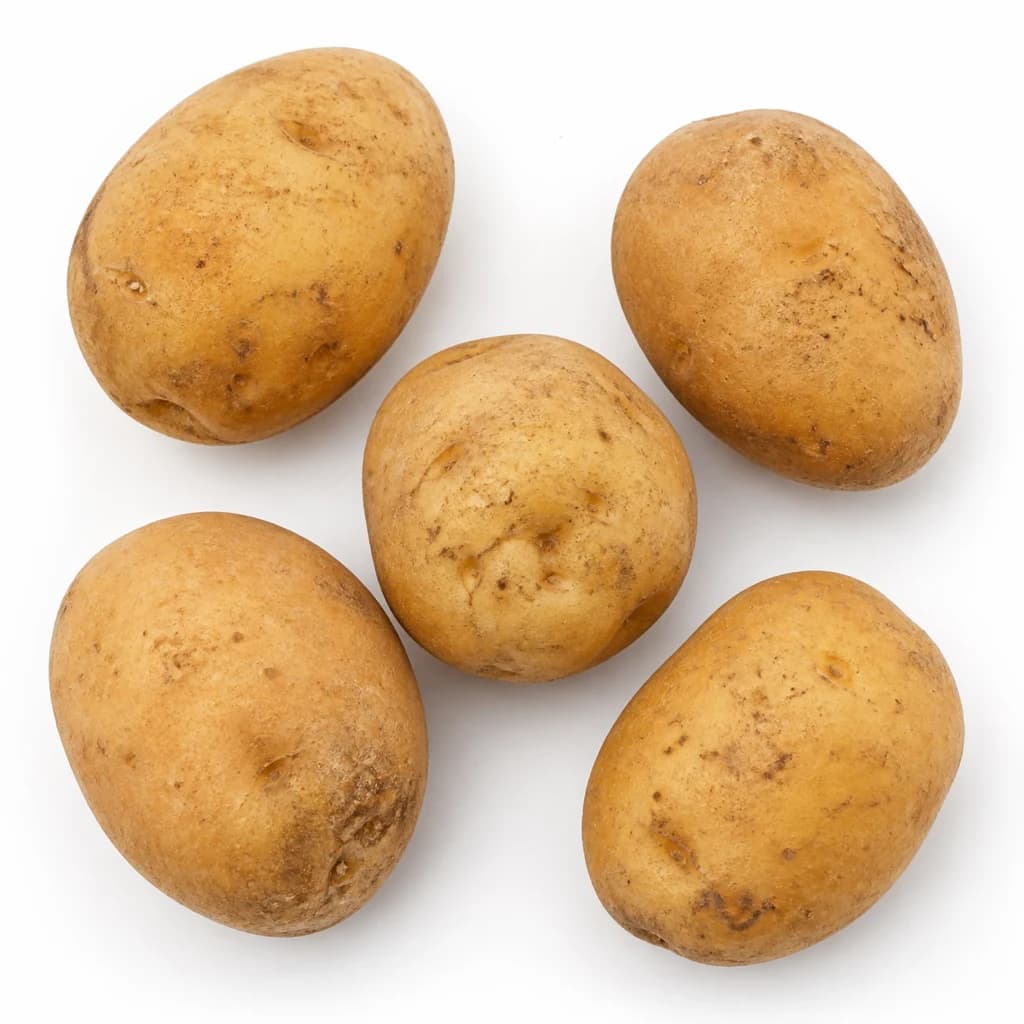
Potato
Humble, hearty staple — roast, mash, fry, or boil
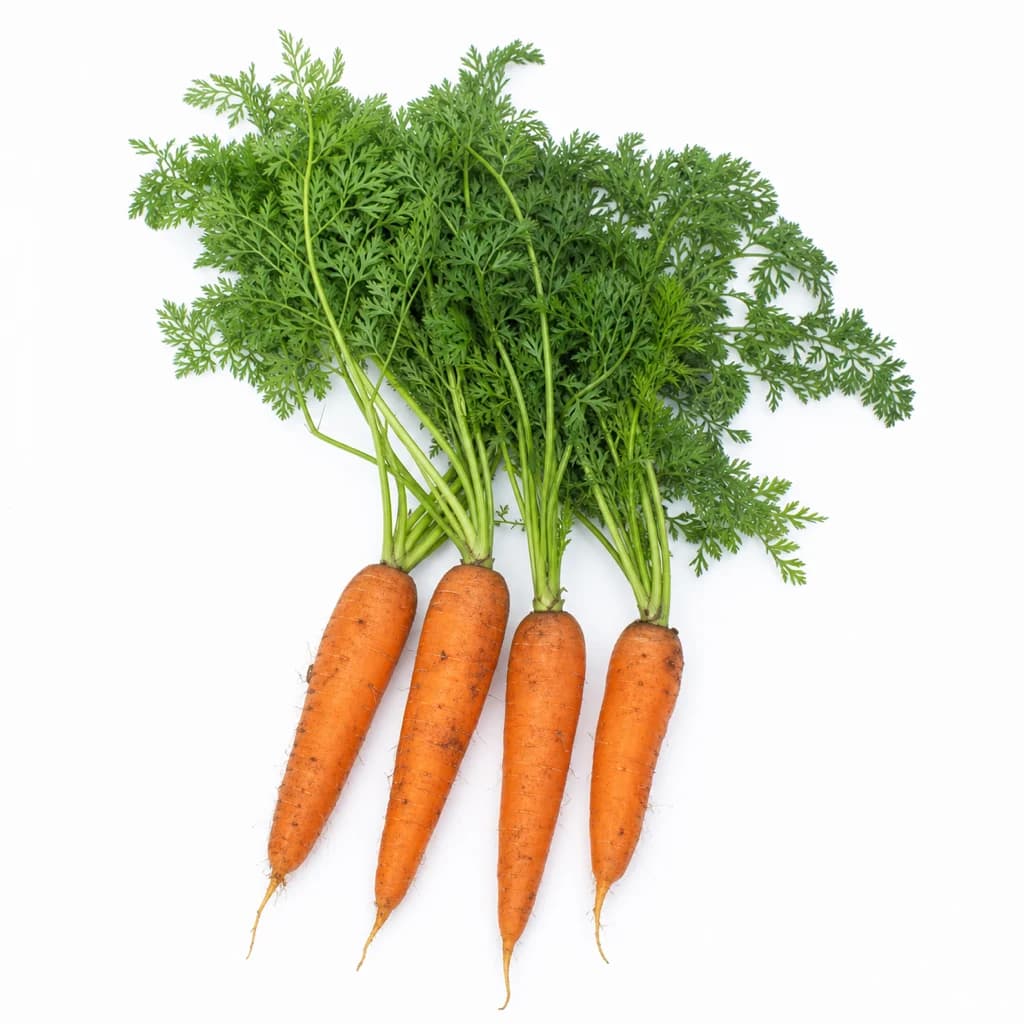
Carrot
Sweet, crunchy root — raw, roasted, or the base of a sofrito
Cucumber
Cool, crisp, and watery — for salads, pickles, and tzatziki

Lettuce
Crisp leaves for salads, wraps, and a fresh crunch