Natural form
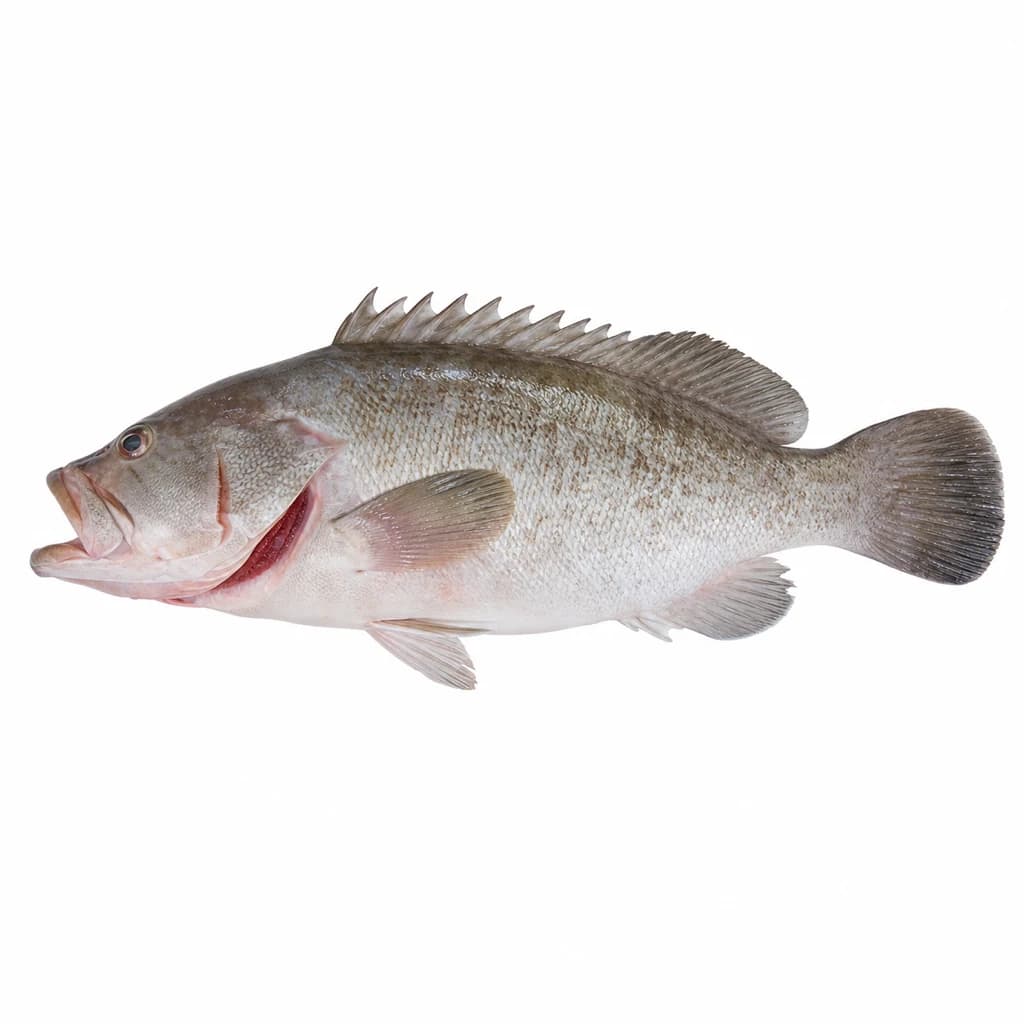
A whole white grouper displaying its robust body, silver-grey scales, and broad fins.
Shows the fish's unmistakable physical profile — stocky deep body, large mouth, and mottled grey-white coloring — so readers can identify it in a market.
Proteins
White Grouper (Thiof)
Senegal's prized white grouper, the heart of the national rice-and-fish dish thieboudienne.
Thiof is the Senegalese name for white grouper, a meaty saltwater fish with firm, lean white flesh and a clean flavor. It is the most prized fish for thieboudienne, Senegal's national one-pot of stuffed fish and rice in tomato sauce. The dense flesh holds together through long simmering and stuffing.
Thiof (Epinephelus aeneus), the white grouper, holds a place in Senegalese cuisine analogous to the baguette in France or the taco in Mexico—it is inseparable from national identity. Caught throughout the Eastern Atlantic from Portugal to Angola, this demersal fish prefers rocky bottoms, coral reefs, and sandy substrates at depths of 20 to 200 meters. Markets sell whole fish typically weighing 1 to 4 kilograms, though specimens can reach 10 kilograms or more. The flesh yields 35 to 45 percent dressed weight and 30 to 35 percent as fillets.
What makes thiof exceptional is its firm, meaty texture with large, distinct flakes and a mild, slightly sweet flavor that reads as clean and oceanic rather than fishy. This combination makes it forgiving for inexperienced cooks while remaining satisfying for discerning palates. The fish's structural integrity means it holds together beautifully during long simmers—essential for thieboudienne—while its mildness welcomes bold Senegalese seasonings without being overwhelmed. Peak season runs October through April off the Senegalese coast, when the fish is most abundant and in prime condition. Sustainable sourcing has become a pressing concern as fishing pressure increases; look for Marine Stewardship Council certification or inquire about provenance when purchasing.
- Measured in
- g
- Storage
- Freezer
Allergens
Types & varieties
The true white grouper; increasingly subject to fishing pressure; sustainable sourcing matters—look for MSC-certified catch
Market term for smaller groupers and sea bass relatives sold interchangeably with true thiof in Senegalese markets
Thiof in Senegalese Culinary Culture
Thiof occupies a position in Senegalese culinary identity that few ingredients achieve anywhere in the world. In thieboudienne—the national dish—thiof is not merely an ingredient but the ceremonial centerpiece around which the entire meal revolves. The fish is stuffed with a fragrant paste of herbs and Scotch bonnet pepper, then nestled among rice and vegetables as everything cooks together into a unified whole. This technique of cooking fish alongside starch in the same vessel creates flavor transfer that no other method quite replicates. Beyond the national dish, thiof appears in grilled preparations with North African chermoula, in yassa-style stews with caramelized onions and lemon, and smoked in ways that concentrate its mild flavor for use in sauces and accompaniments. The fish's versatility stems directly from its firm texture, which tolerates long cooking without disintegrating while absorbing bold seasonings without losing character.
- Thieboudienne tradition: fish is stuffed, then cooked directly with rice—a technique that binds flavors together
- Markets sell thiof head-on for authenticity; the head contains collagen that enriches cooking liquids
- Smoking thiof was historically a preservation method; today it adds depth to rice dishes and sauces
- Palm oil is the traditional cooking fat, though olive oil has entered urban kitchens
Common uses
Tips & pitfalls
- For thieboudienne, leave the skin on during cooking—the skin helps the fish hold together when simmered with the rice and prevents it from falling apart when served
- Score thick steaks or the fish's thickest parts before grilling to ensure even cooking through to the center
- Do not overcook: grouper's firm texture turns rubbery quickly once it passes the ideal point; pull from heat when flesh turns opaque and flakes with gentle pressure from a fork
- Ask your fishmonger to scale and gut the fish but leave the head on for authentic presentations—the head enriches cooking liquid and signals the traditional preparation to come
- Smell test strictly: fresh thiof should smell briny and clean, never fishy or ammonia-like; any sharpness indicates spoilage
- If unavailable fresh, frozen thiof holds up better than many fish in soups and stews; thaw slowly in refrigeration overnight rather than under running water
- When searing steaks, dry the surface thoroughly with paper towels—moisture creates steam and prevents the Maillard crust from developing
- Sustainable sourcing matters: ask your supplier about provenance; thiof populations face pressure from overfishing
Nutrition
Nutrition
No USDA FoodData Central match for White Grouper (Thiof) yet. We surface a per-100 g profile once a generic whole-food entry is matched and verified.
In the shops
Matched grocery products
No matched grocery products for White Grouper (Thiof) yet.
Good to know
- Scientific name
- Epinephelus aeneus (white grouper); related species sometimes sold interchangeably
- Local name
- Thiof (Wolof)
- Geographic range
- Eastern Atlantic from Portugal to Angola, including Senegal, Mauritania, Cape Verde, and Gulf of Guinea
- Average market size
- 1–4 kg whole; large specimens can exceed 10 kg
- Yield
- 35–45% dressed weight; 30–35% as fillets
- Peak season
- October–April off Senegal's coast
- Flavor profile
- Mild, slightly sweet; clean oceanic taste without strong fishiness when fresh
- Texture
- Firm, meaty flesh with large, distinct flakes; low fat content
- Storage
- Use within 1–2 days on ice; freeze at -18°C (0°F) for up to 3 months vacuum-sealed
- Substitution ratio
- Use at 1:1 ratio with other firm white-fleshed fish
Substitutes
- Sea bass (loup de mer) — Similar firm texture and mild flavor; excellent 1:1 substitute for grilling, baking, and thieboudienne
- Red snapper — Comparable flake and firmness; slightly sweeter flavor; works in all preparations
- Halibut — Firm, lean flesh; excellent for grilling and baking; slightly thicker texture holds up to high heat
- St. Pierre (john dory) — Valid substitute though more delicate; best for baked preparations and en papillote rather than whole-fish grilling
- Pacific or Atlantic cod — Firm enough for stews and grilled steaks; slightly softer flake than true thiof; excellent budget alternative
Pairs with
Also called
White Grouper · Thiof
Appears in these dishes
Related
Egg
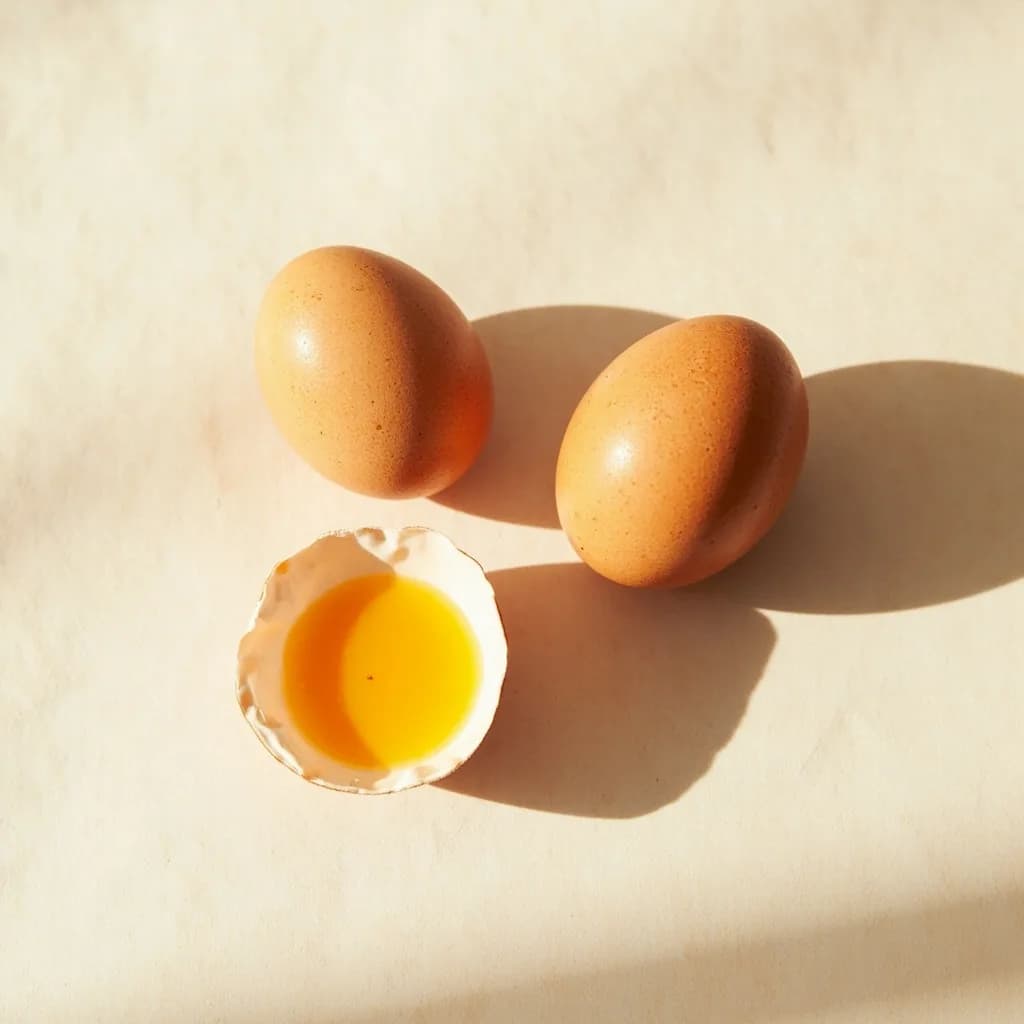
The kitchen's everything ingredient — bind, leaven, enrich, or fry
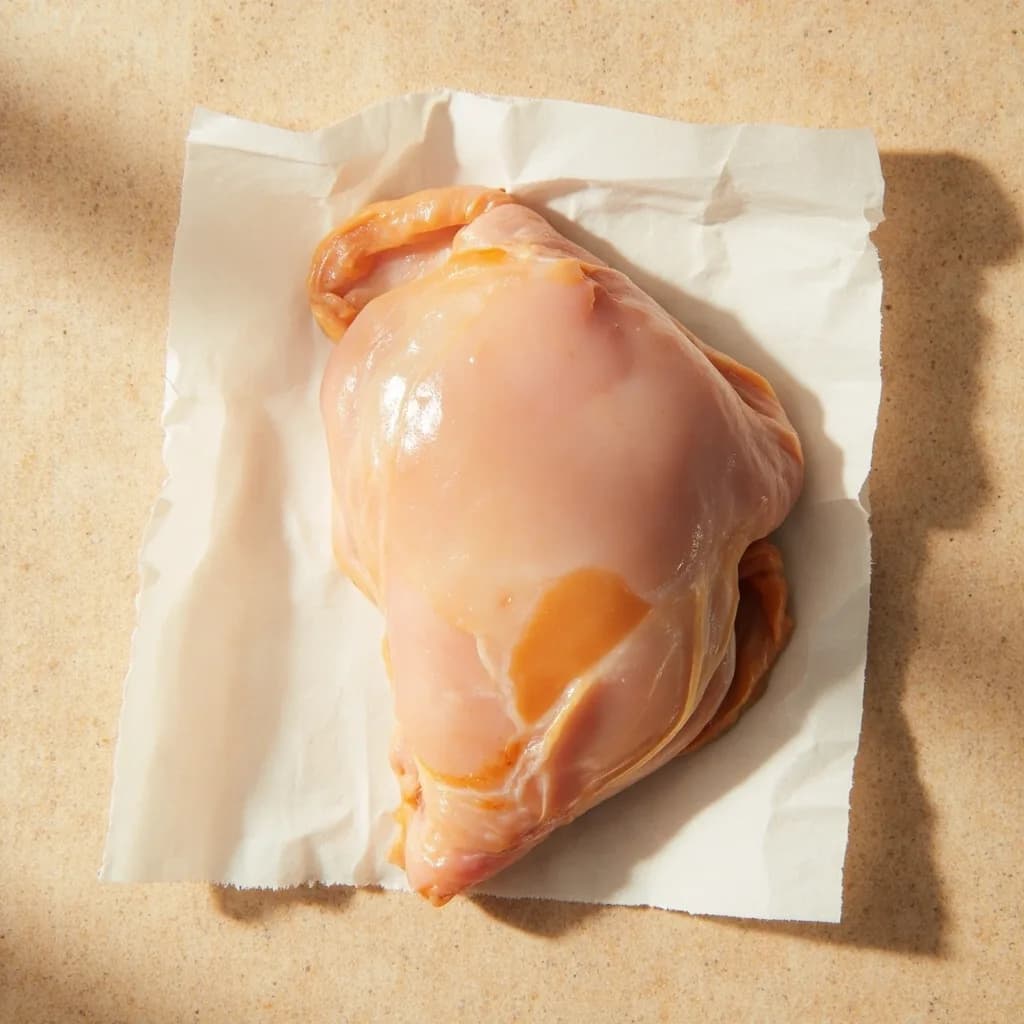
Chicken Breast
Lean, quick-cooking white meat for everyday dinners

Ground Beef
Versatile minced beef for burgers, ragù, tacos, and meatballs
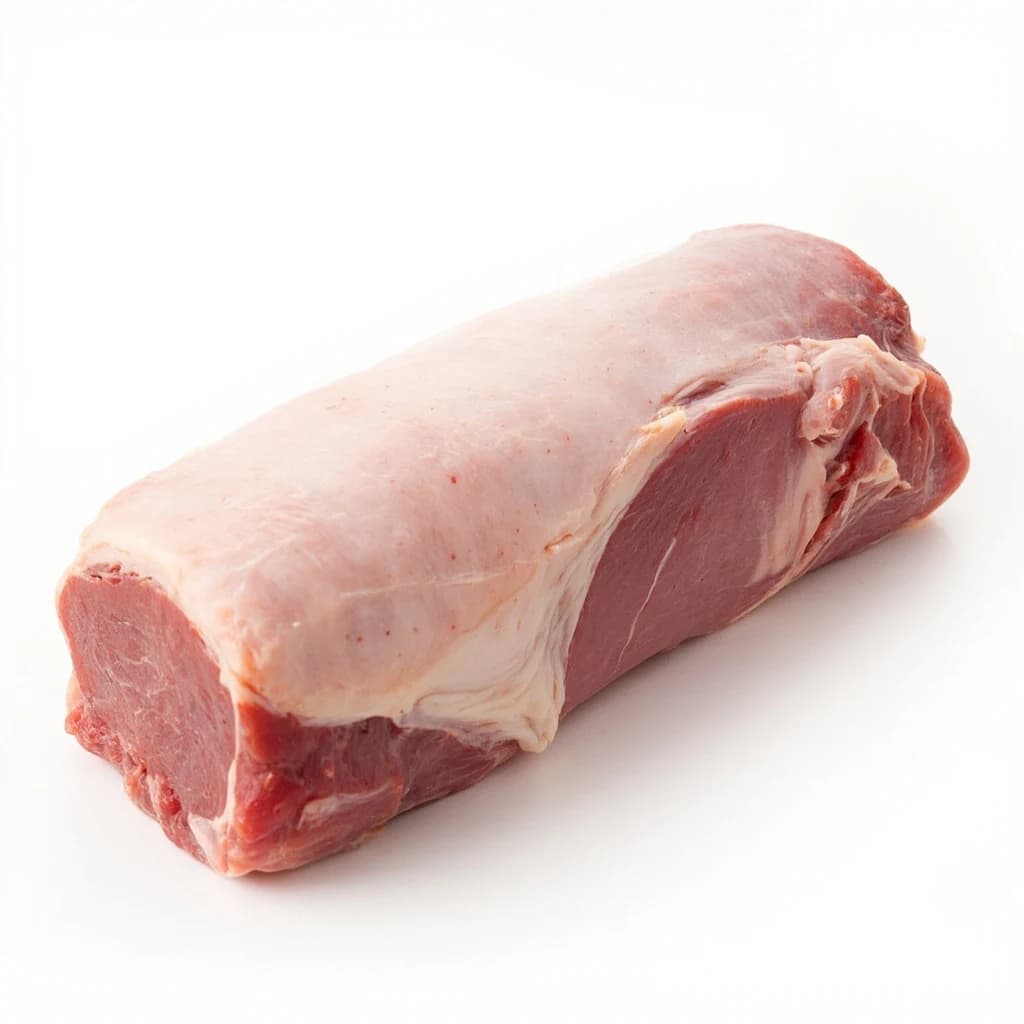
Pork Loin
Lean, tender roasting cut that stays juicy with care
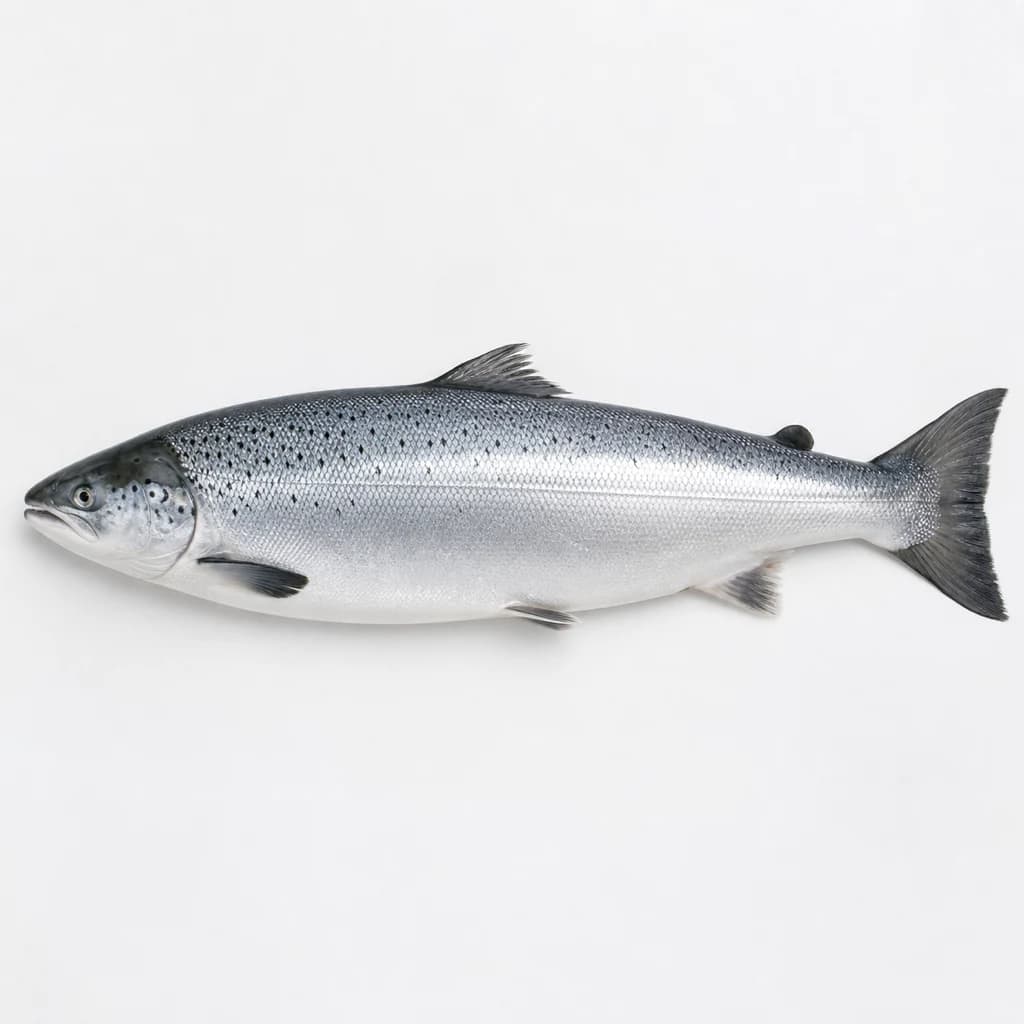
Salmon
Rich, rosy fish that roasts, grills, or cures beautifully

Egg White
Pure protein that whips to airy peaks for meringue and more
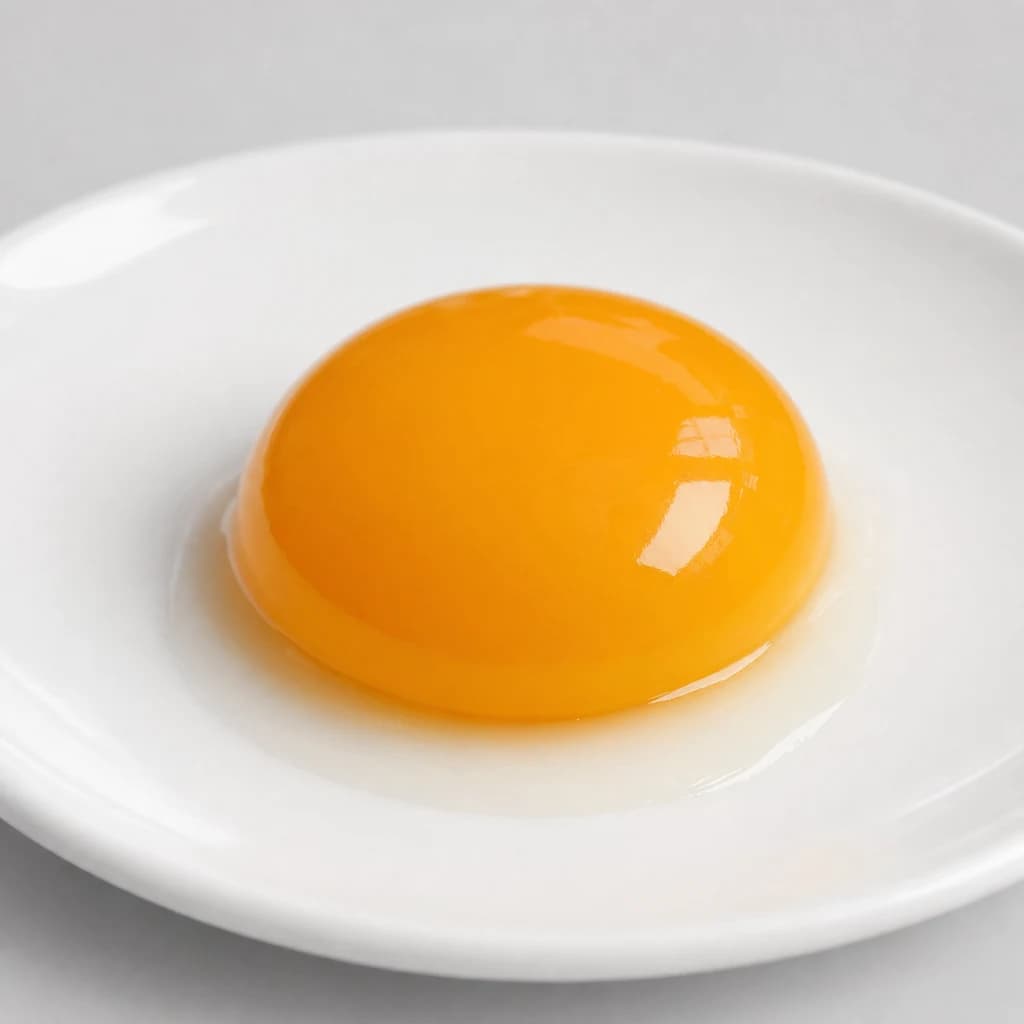
Egg Yolk
Rich, golden yolk for custards, mayonnaise, and pasta

Quail Egg
Tiny, speckled eggs for garnishing and elegant bites