Proteins
Tuna Loin (Sashimi-Grade)
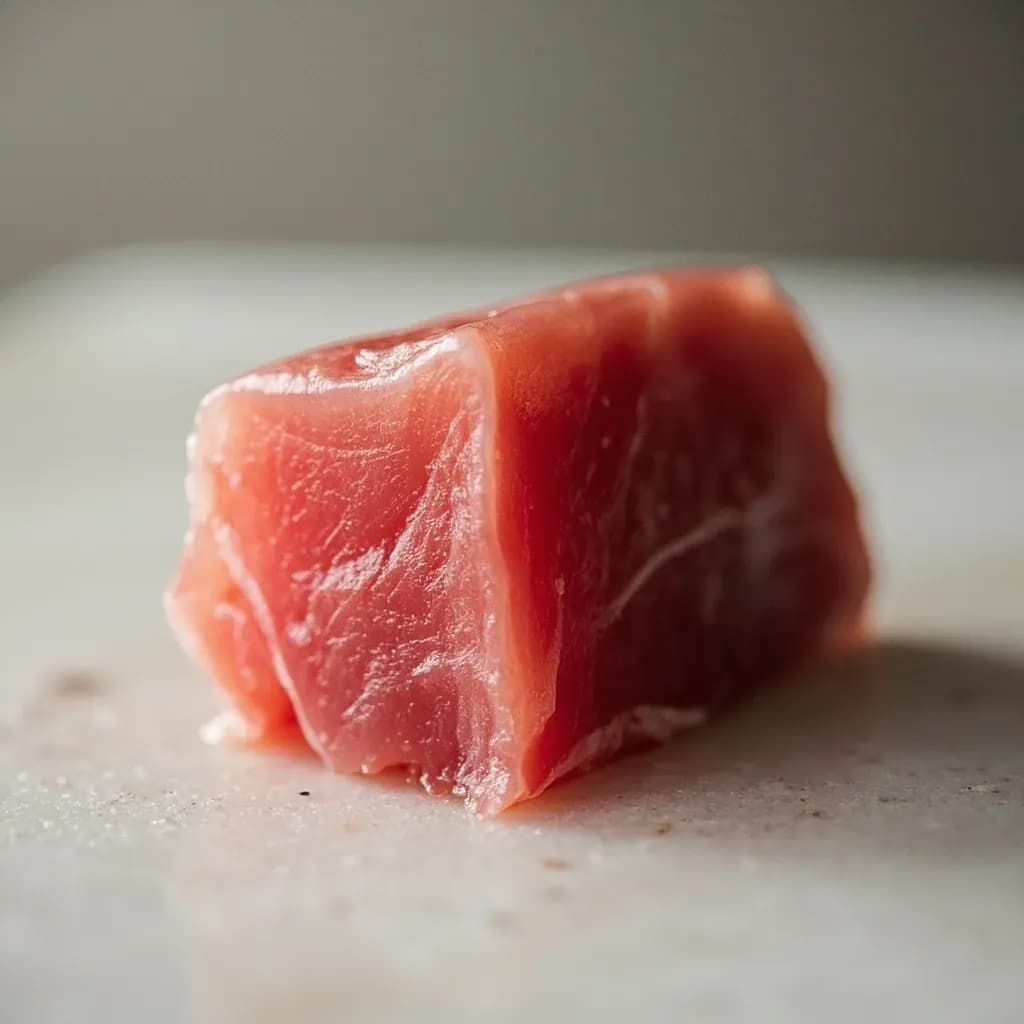
Deep-red sashimi-grade tuna loin sliced raw or seared rare for sashimi and tataki.
Tuna loin is a long boneless cut from the side of the fish, sold sashimi-grade with firm, deep-red flesh. It is sliced thin for sashimi and nigiri, cubed for poke, or quickly seared to leave a rare center for tataki. The leaner akami and fattier toro come from different parts of the same loin.
The tuna loin is the primal dorsal muscle running along the spine of the fish, from behind the head to the tail. This is the most prized section of the tuna—not because it is the largest yield, but because it delivers the cleanest flavor, the most consistent texture, and the vivid deep-red color that signals quality. The loin works harder than the belly, so its flesh is firmer and leaner, with a meaty bite that holds together whether served raw or quickly seared. Three commercial species dominate the market: Bluefin (the apex of flavor and price), Yellowfin (more accessible, clean, and reliable), and Bigeye (an intermediate choice that often substitutes for bluefin at sushi bars). The loin is further divided into akami—the lean red meat that constitutes the bulk of the cut—and the adjacent belly sections (chu-toro and o-toro) where fat infiltrates the muscle. The flesh's vivid color, from deep red to almost purple, comes from residual blood and myoglobin in the muscle; the darker and more saturated it appears, the more concentrated the flavor and the higher the perceived quality. Unlike cooked fish, which firms up, raw tuna loin should feel yielding and slightly springy under pressure—dense but not tough. The moment it is sliced, exposure to air begins degrading that fresh, ocean-clean taste, which is why understanding proper handling is not optional for anyone working with this ingredient.
- Measured in
- g
- Storage
- Fridge
Allergens
Types & varieties
The premium choice for sashimi. Highest fat content and richest umami. Kuro maguro in Japanese. Pacific, Atlantic, and Southern stocks exist; Mediterranean bluefin (Spain) and Japanese Pacific bluefin command the highest prices and the most reverence at the counter.
More widely available and affordable than bluefin. Often labeled 'ahi' in North America. Firm texture, clean flavor, slightly lighter than bluefin. Good year-round but peaks late spring to early fall. The workhorse of non-Japanese sushi bars and restaurant menus worldwide.
An intermediate between bluefin and yellowfin in fat content and price. Deep red flesh, mild flavor. Frequently sold as a bluefin substitute in sushi bars because it holds up well and costs less. Sourced from tropical and temperate waters globally.
The lean, deep-red portion of the loin. The standard sashimi cut. Clean, meaty, and slightly firm with a satisfying bite. Makes up the majority of the loin by volume and is what most people mean when they refer to 'tuna loin' or 'tuna steak.'
The belly section adjacent to the loin, with fat marbled through the muscle. Richer than akami with a buttery mouthfeel that still retains some of the meaty character of the loin. A premium cut that requires skilled butchery to separate cleanly from the leaner sections.
The most prized and expensive cut of the tuna. Not technically the loin—it comes from the ventral belly—but often sold alongside it. Extremely marbled fat infiltrates the flesh, giving it a pale pink to white appearance and a melt-in-your-mouth texture. Peak season is winter months when bluefin build fat reserves.
Common uses
Tips & pitfalls
- Ask your fishmonger explicitly for sashimi-grade. 'Sushi-grade' is not a regulated term; true sashimi-grade fish has been temperature-controlled and tested for parasites. If the supplier cannot confirm their freezing protocol, do not serve it raw.
- Never let sashimi-grade tuna sit at room temperature. Keep it on ice or in the coldest part of the refrigerator until seconds before slicing. The moment it warms, the texture breaks down and bacterial risk climbs.
- Slice against the grain—perpendicular to the muscle fibers—for the characteristic tender bite. Slicing with the grain produces chewy, stringy results that no amount of sharpness can fix.
- Use a long, single-bevel yanagiba or a flexible filleting knife. A dull knife crushes the delicate flesh and ruins the silky texture you are paying for. Chill the blade in ice water between slices for the cleanest cuts.
- Remove the dark bloodline section running along the center of the loin before slicing. It is safe to eat but imparts a metallic, muddy flavor that overwhelms the clean taste of the flesh.
- Buy the entire loin or a large portion, then slice what you need and return the rest to the coldest part of your fridge on a bed of crushed ice—it will hold 1–2 days at peak quality before oxidation and texture degradation set in.
- The flesh should be glossy and vivid, not brownish or dry. Any dullness indicates oxidation or age. Pass on anything that looks faded or desiccated at the edges.
- If using frozen sashimi-grade tuna, thaw it slowly in the refrigerator—never under running water or at room temperature, which degrades texture unevenly and causes the exterior to warm while the center remains frozen.
Nutrition
Nutrition
No USDA FoodData Central match for Tuna Loin (Sashimi-Grade) yet. We surface a per-100 g profile once a generic whole-food entry is matched and verified.
In the shops
Matched grocery products
 €2.90
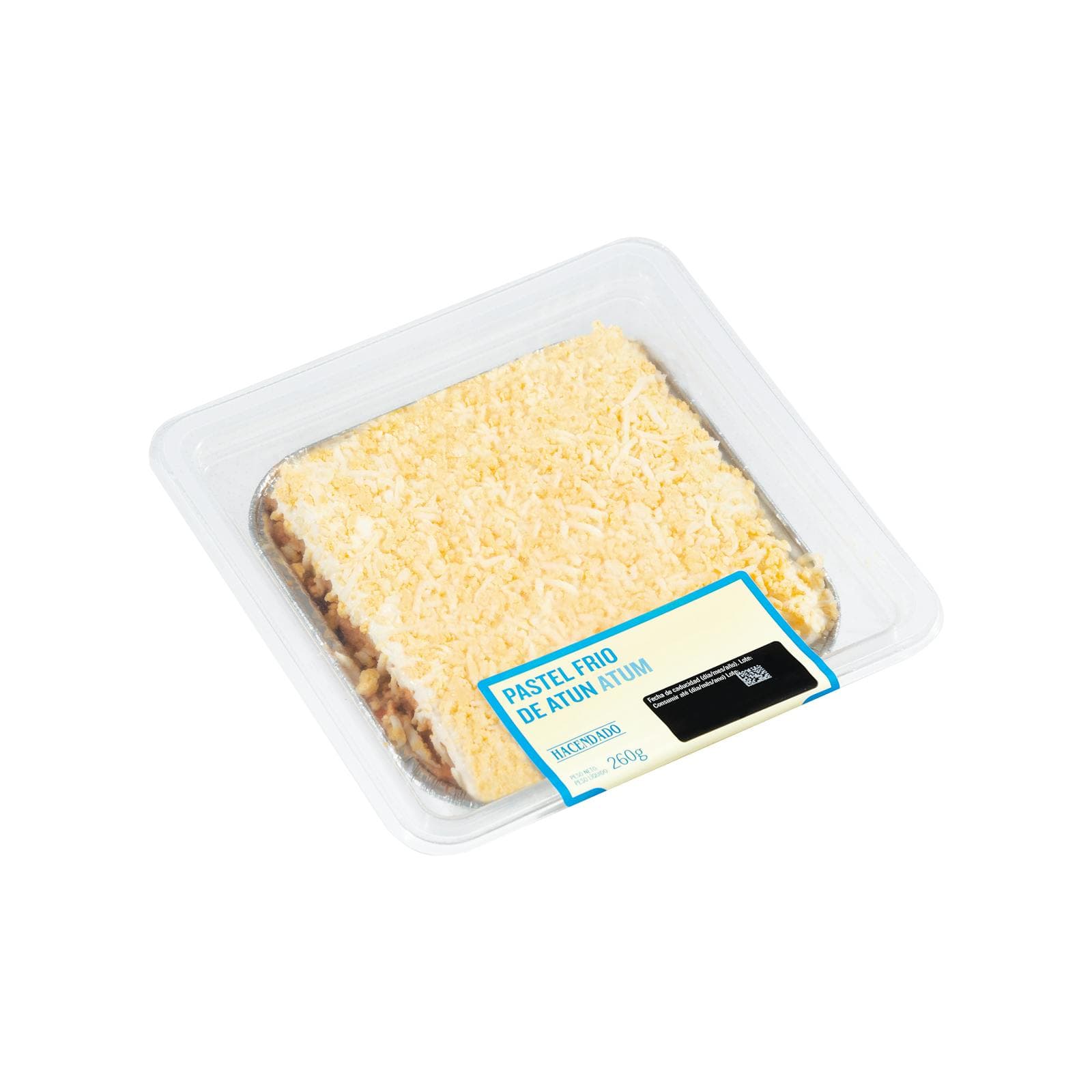
€2.90Tuna Pie
Hacendado · 260 g · Mercadona
 €4.99
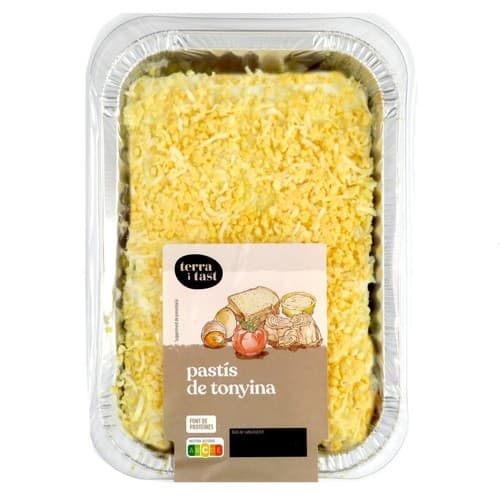
€4.99Tuna Pie
TERRA I TAST · kg · Bonpreu
 €2.30
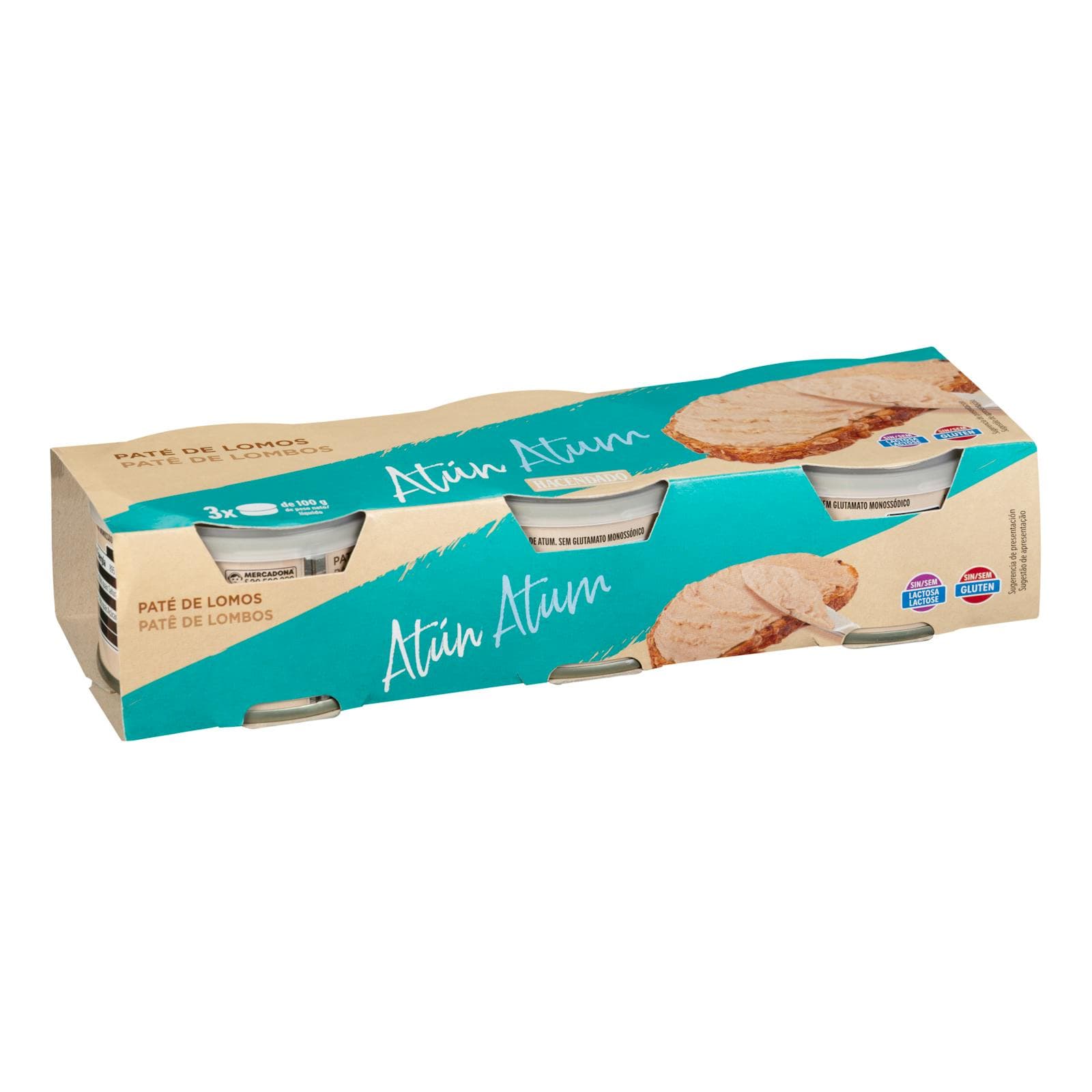
€2.30Tuna Loin Paté
Hacendado · 300 g · Mercadona
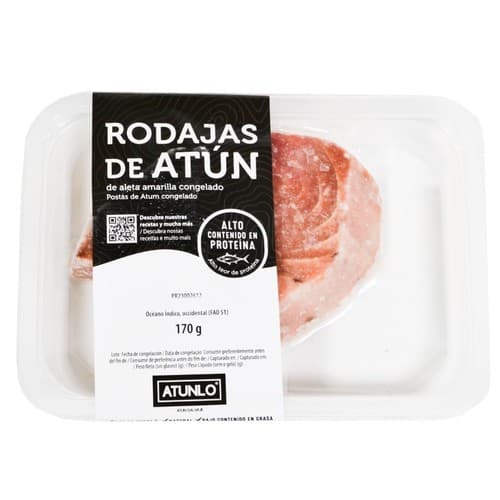 €3.25
€3.25Natural Tuna Rondanxa
ATUNLO · kg · Bonpreu
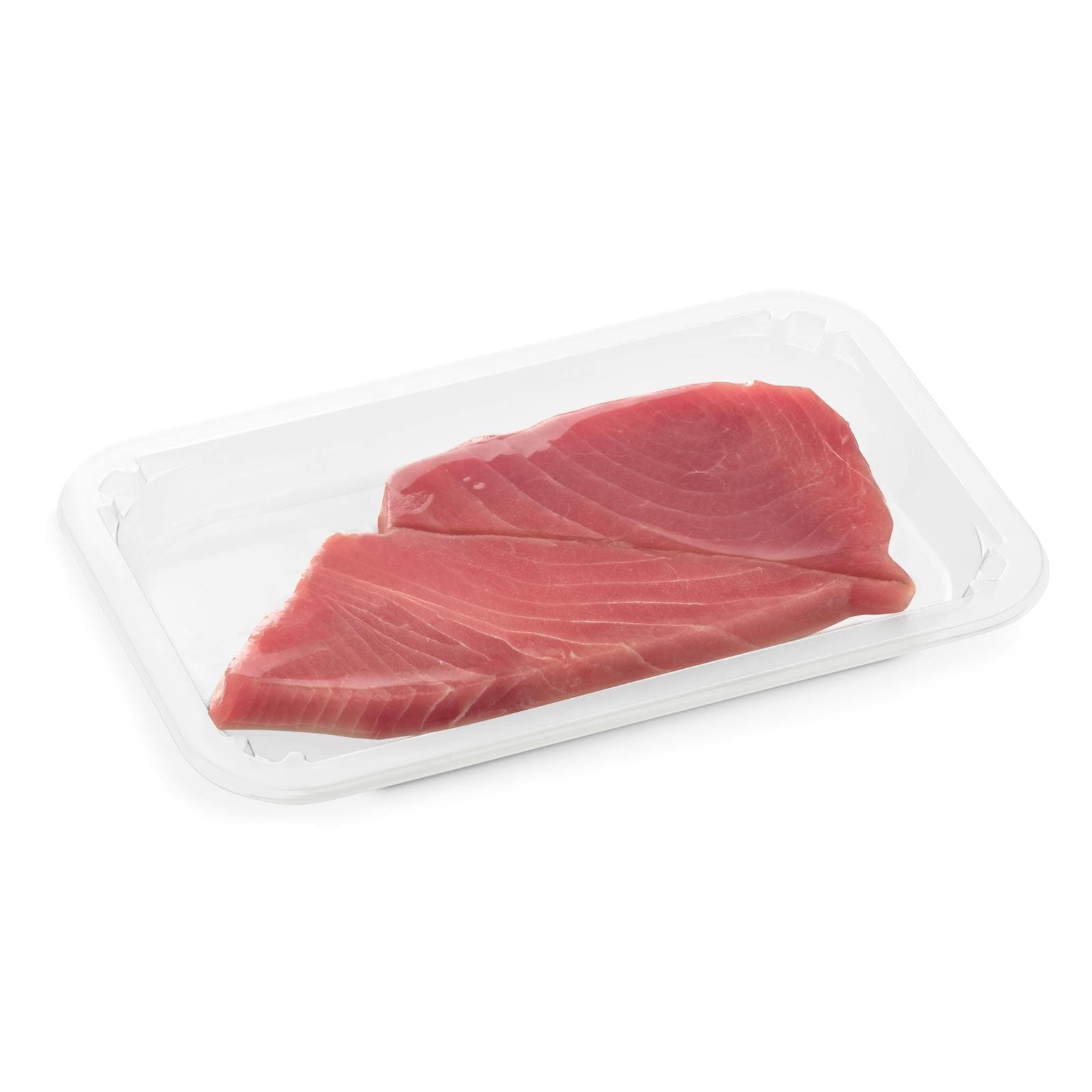 €5.37
€5.37Yellowfin Tuna Slices
235 g · Mercadona
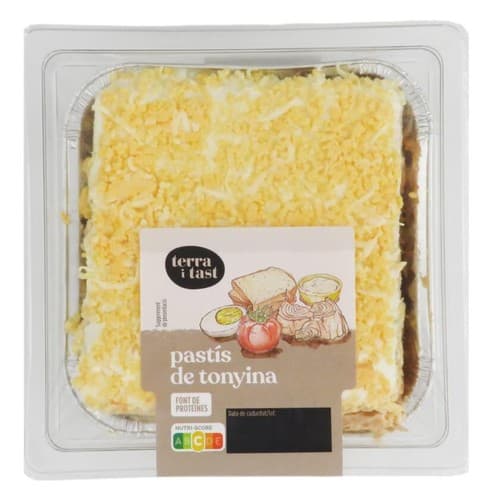 €2.99
€2.99Terra i Tast Tuna Cake
TERRA I TAST · kg · Bonpreu
Good to know
- Primary species
- Bluefin tuna (Thunnus thynnus), Yellowfin tuna (Thunnus albacares), Bigeye tuna (Thunnus obesus)
- Sashimi-grade requirement
- Must be frozen to −20°C (−4°F) for 24+ hours or −35°C (−31°F) for 15+ hours to kill parasites per FDA guidelines
- Best grade source regions
- Japan (Otoro/fatty season Dec–Feb), Spain (Mediterranean bluefin), Maldives (Indian Ocean yellowfin)
- Cut location
- Dorsal muscle along the spine, between the head and the tail — the most prized section for texture and flavor
- Flavor
- Mildly oceanic, clean, meaty; bluefin has the richest umami, yellowfin is slightly lighter
- Color
- Vivid deep red to almost purple when raw; the hallmark of freshness and quality
- Fat content by cut
- Akami (lean red), Chu-toro (medium fatty), O-toro (richly fatty belly — adjacent to the loin)
- Optimal storage temp
- 28–32°F (−2–0°C) on crushed ice; use within 1–2 days of purchase for best quality
Substitutes
- Yellowfin Tuna — The closest substitute; leaner and more affordable but with a comparable clean, meaty flavor. Widely available at quality fishmongers. Not quite the depth of bluefin, but reliable.
- Bigeye Tuna — Good intermediate option with deeper color and richer flavor than yellowfin. Often sold as 'bluefin substitute' in markets. Holds up well in raw preparations.
- Sashimi-Grade Salmon — Not interchangeable in flavor—salmon is richer and oilier—but the closest available raw fish with similar culinary uses. Look for farmed Scottish or Norwegian salmon labeled sashimi-grade. Never substitute raw Atlantic salmon from grocery counters.
Pairs with
Also called
Sashimi Tuna · Maguro Loin · Tuna Block
Related
Egg
The kitchen's everything ingredient — bind, leaven, enrich, or fry
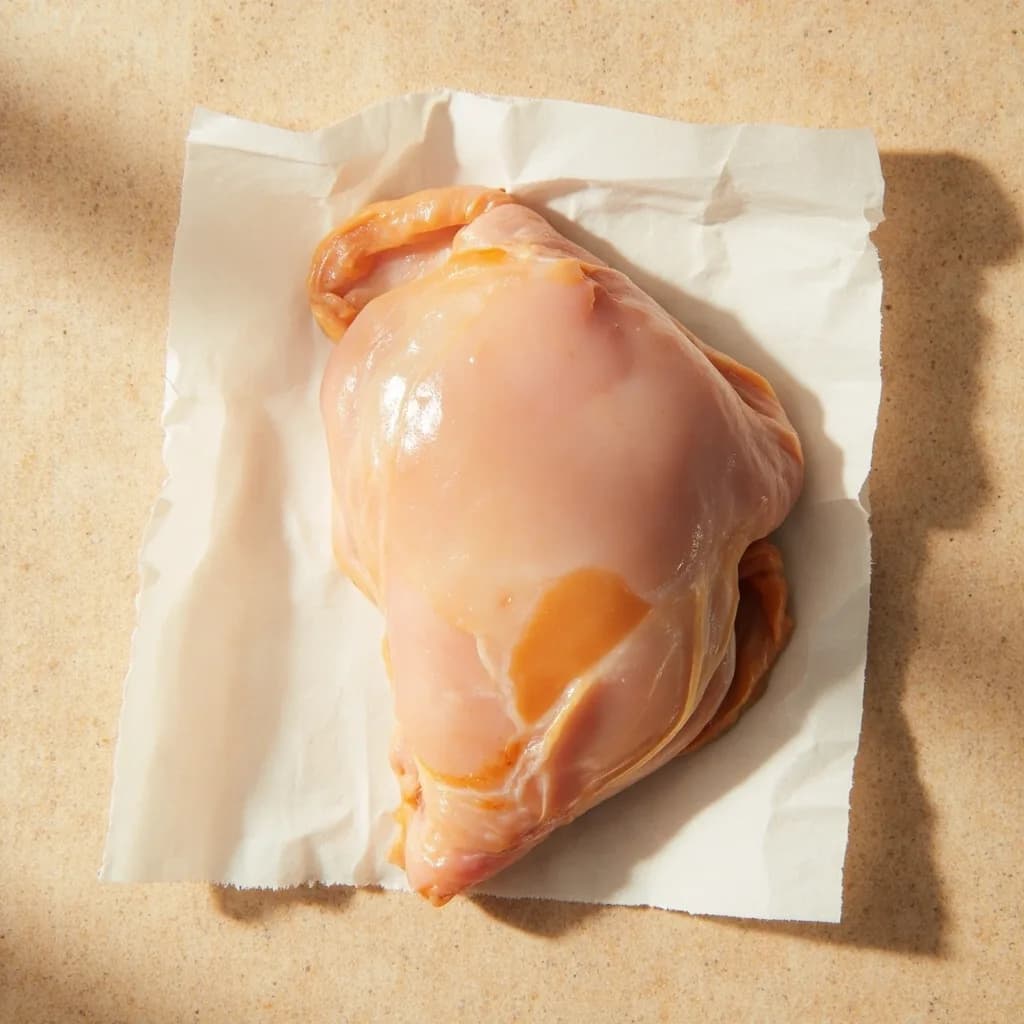
Chicken Breast
Lean, quick-cooking white meat for everyday dinners

Ground Beef
Versatile minced beef for burgers, ragù, tacos, and meatballs
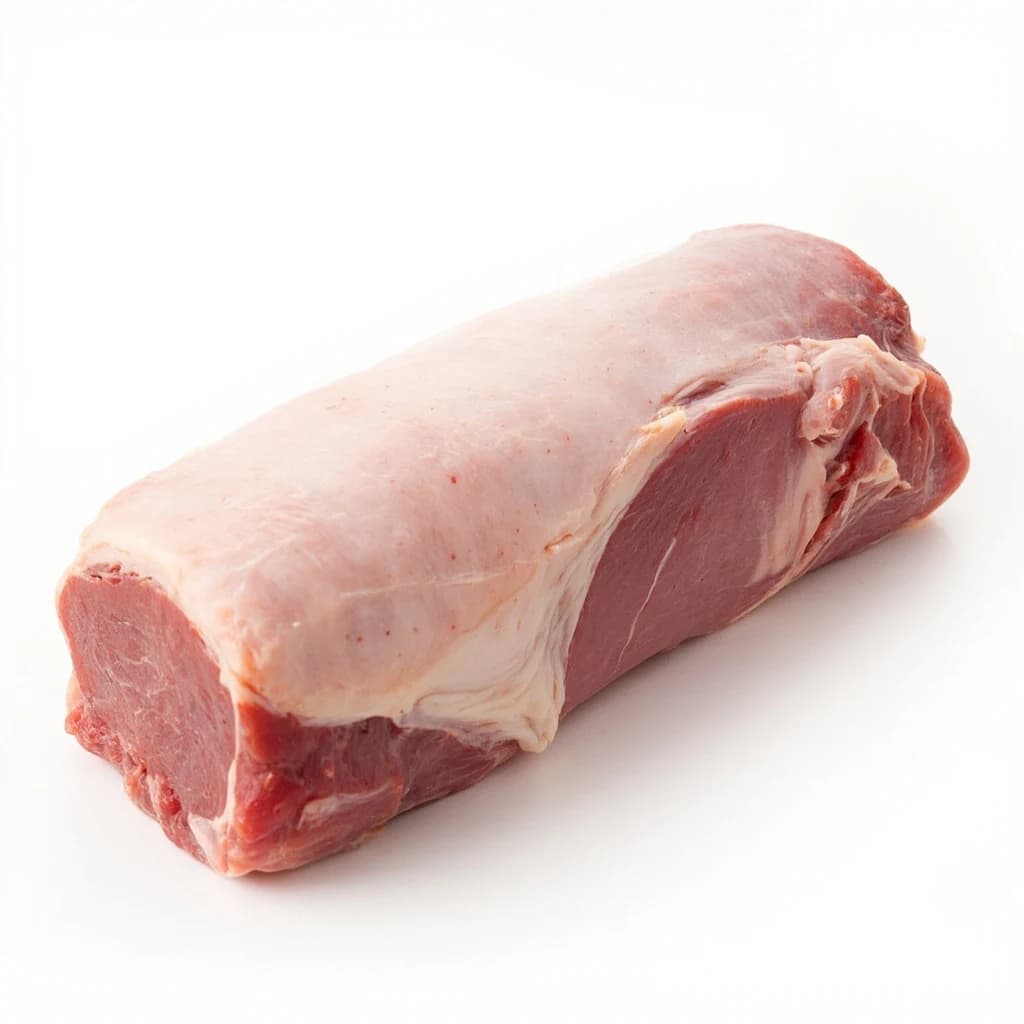
Pork Loin
Lean, tender roasting cut that stays juicy with care
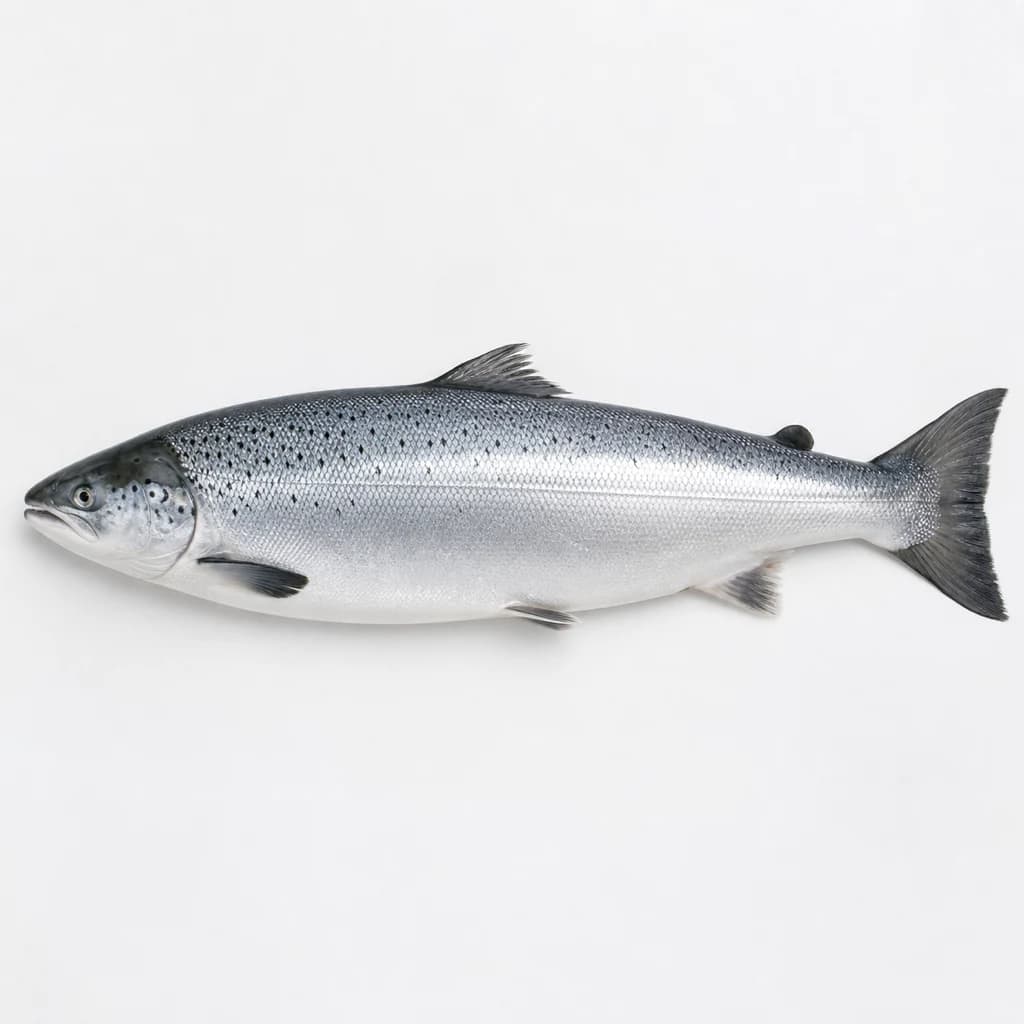
Salmon
Rich, rosy fish that roasts, grills, or cures beautifully

Egg White
Pure protein that whips to airy peaks for meringue and more
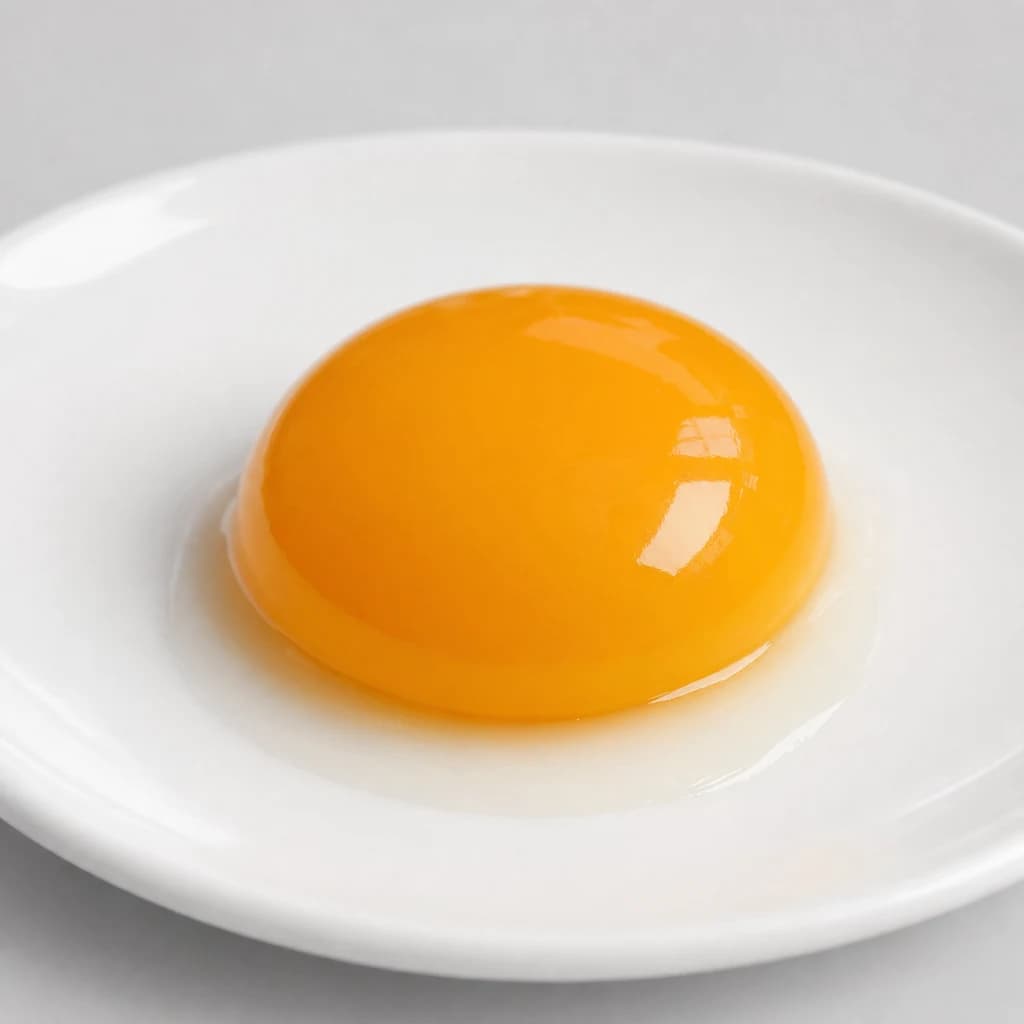
Egg Yolk
Rich, golden yolk for custards, mayonnaise, and pasta

Quail Egg
Tiny, speckled eggs for garnishing and elegant bites