Natural form
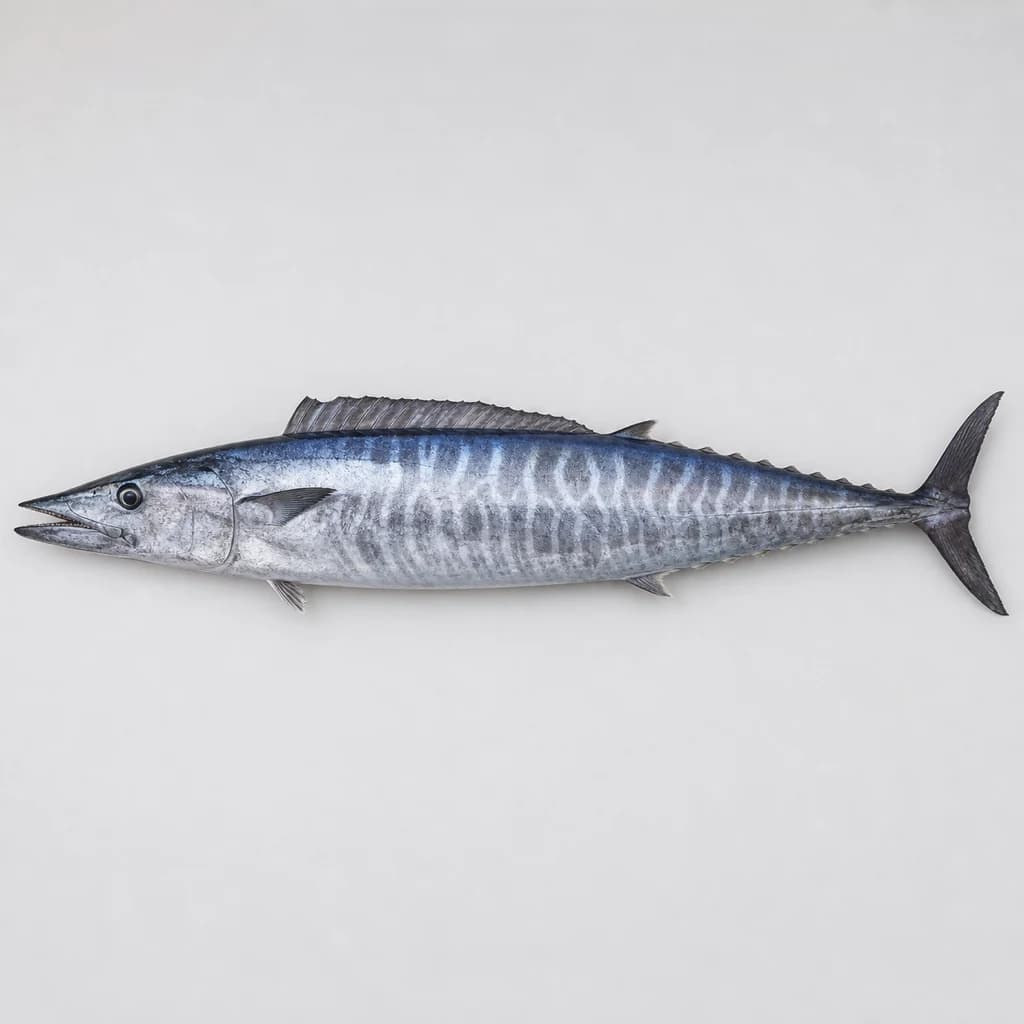
Whole wahoo fish showing its characteristic elongated, torpedo-shaped silver-blue body.
The whole-fish view establishes unmistakable species identity through wahoo's distinctive elongated shape, coloration, and finlets, enabling readers to recognize it at market or on a boat.
Proteins
Wahoo (Serra)
Fast, lean game fish with firm white flesh, excellent grilled, seared or as ceviche.
Wahoo is a sleek, fast-swimming ocean fish related to mackerel, with firm, mild, low-fat white flesh that flakes cleanly. It is prized by anglers and cooks alike for grilling, searing as steaks, or curing into ceviche and crudo. Its delicate flavor benefits from quick cooking to avoid drying out.
Wahoo (Acanthocybium solandri) is a fast-swimming, open-ocean predator in the mackerel family (Scombridae), prized by sport fishermen for its speed and fighting power. In the kitchen, it occupies a unique niche—milder than most mackerel yet with considerably more character than mild white fish like cod or halibut. Its firm, dense flesh flakes into large pieces when cooked, making it forgiving for high-heat methods like grilling where more delicate fish would fall apart. The flavor is clean and mildly sweet, with a subtle oceanic quality that takes well to bold marinades and sauces. One practical consideration: wahoo contains small, Y-shaped bones that are easily detected and removed during filleting—a simple task that ensures a pleasant eating experience.
- Measured in
- g
- Storage
- Freezer
Allergens
Types & varieties
Caught off the southeastern US, Caribbean, and Gulf of Mexico
Caught in Hawaiian waters and throughout the Central and Eastern Pacific
Found in tropical waters of the Indian Ocean
Common uses
Tips & pitfalls
- Wahoo's leanness makes it prone to drying out; always use oil-based marinades or baste while grilling
- Do not overcook—remove from heat the moment flesh turns opaque throughout, as it continues cooking from residual heat
- Score the skin before grilling at regular intervals to prevent curling and ensure even cooking across the fillet
- Bring fish to room temperature for 20–30 minutes before cooking for more even results throughout the thickest part
- Use immediately upon purchase—wahoo deteriorates faster than many other fish because its lack of fat provides no natural preservation
- When pan-searing, ensure the cooking surface is very hot and the fish surface is completely dry to achieve a proper golden crust
- Common mistake: treating wahoo like dense tuna and overcooking it—its texture is actually closer to mahi-mahi and requires less cooking time
- Always verify local regulations and sustainability status before purchasing, as wahoo stocks vary significantly by region
Nutrition
Nutrition
No USDA FoodData Central match for Wahoo (Serra) yet. We surface a per-100 g profile once a generic whole-food entry is matched and verified.
In the shops
Matched grocery products
No matched grocery products for Wahoo (Serra) yet.
Good to know
- Scientific name
- Acanthocybium solandri
- Family
- Scombridae (mackerel family)
- Other common names
- Atlantic wahoo, Pacific wahoo, hoo, jack mackerel (regional)
- Typical market size
- 10–40 lbs dressed; whole fish can reach 100+ lbs
- Flesh color
- White to pale pink when raw, turns opaque when cooked
- Texture
- Firm, dense, with large flakes when cooked
- Fat content
- Very lean (under 2% fat)
- Shelf life
- 1–2 days refrigerated; freeze for longer storage
- Yield
- Approximately 50–55% dressed from whole fish
Substitutes
- Mahi-mahi — Similar firm texture and mild sweetness; cook with slightly less time as mahi is even leaner
- Swordfish — Comparable firm texture and meaty bite; cook using identical high-heat methods
- Marlin — Closest substitute in both texture and flavor; excellent for grilling applications
- Yellowfin tuna (aku) — Firmer texture but acceptable substitute in raw applications or quick-searing
- King mackerel — Similar density; higher fat content means less drying risk and more forgiving cooking
Pairs with
Also called
Serra · Ono · Peto
Appears in these dishes
Related
Egg
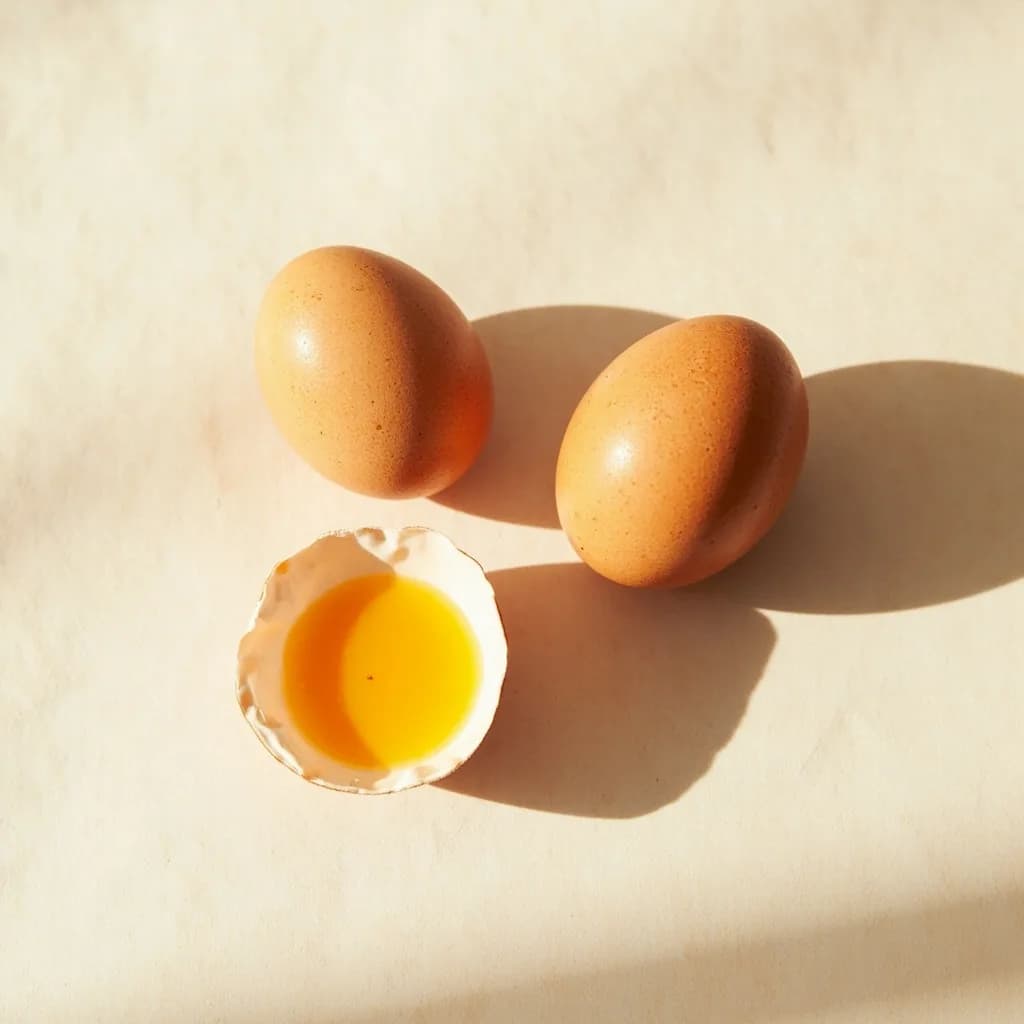
The kitchen's everything ingredient — bind, leaven, enrich, or fry
Chicken Breast
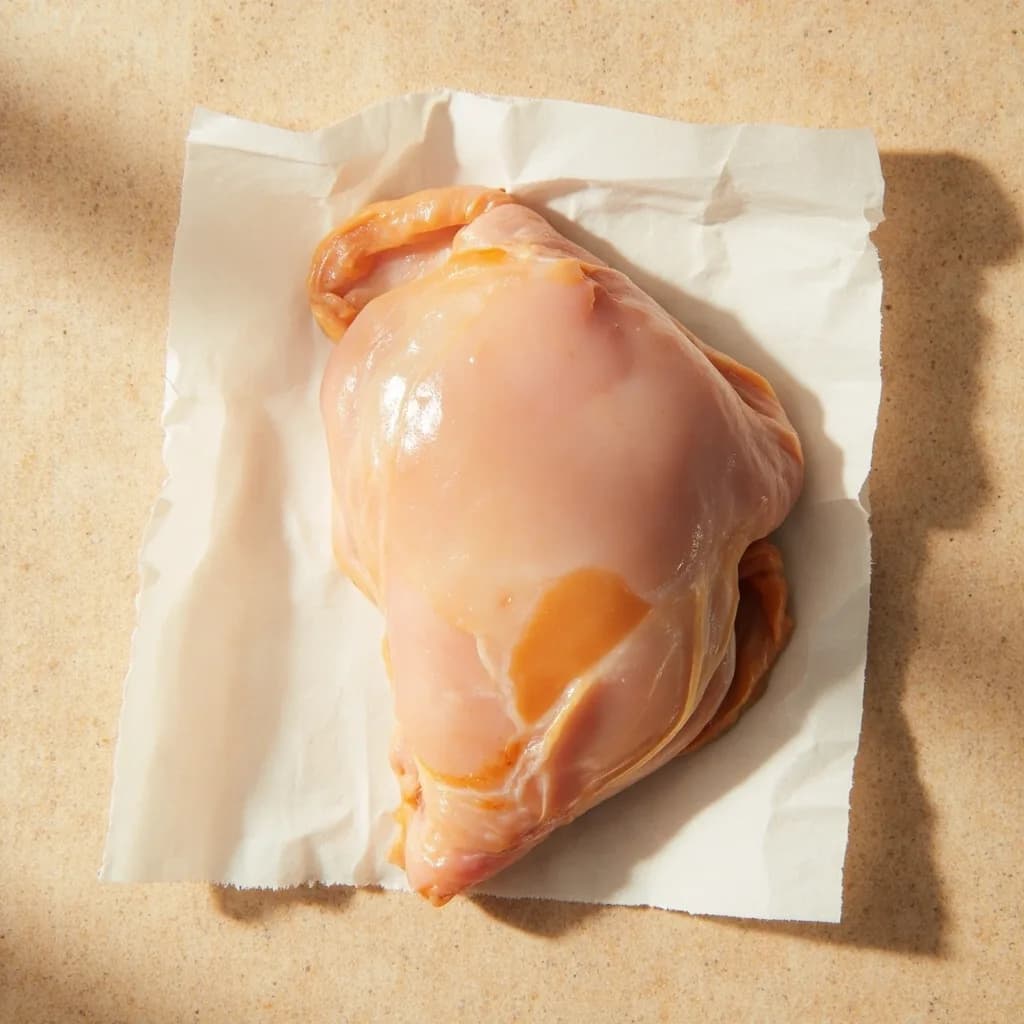
Lean, quick-cooking white meat for everyday dinners

Ground Beef
Versatile minced beef for burgers, ragù, tacos, and meatballs
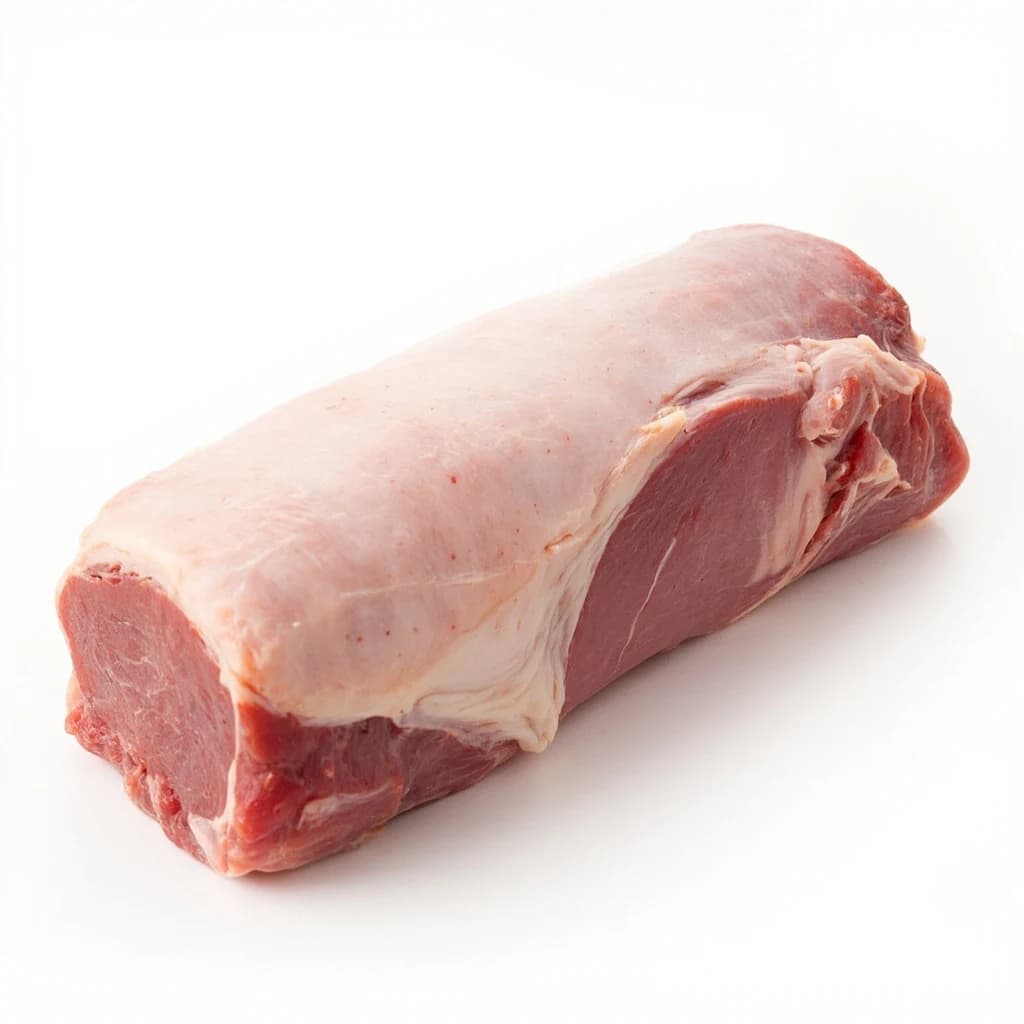
Pork Loin
Lean, tender roasting cut that stays juicy with care
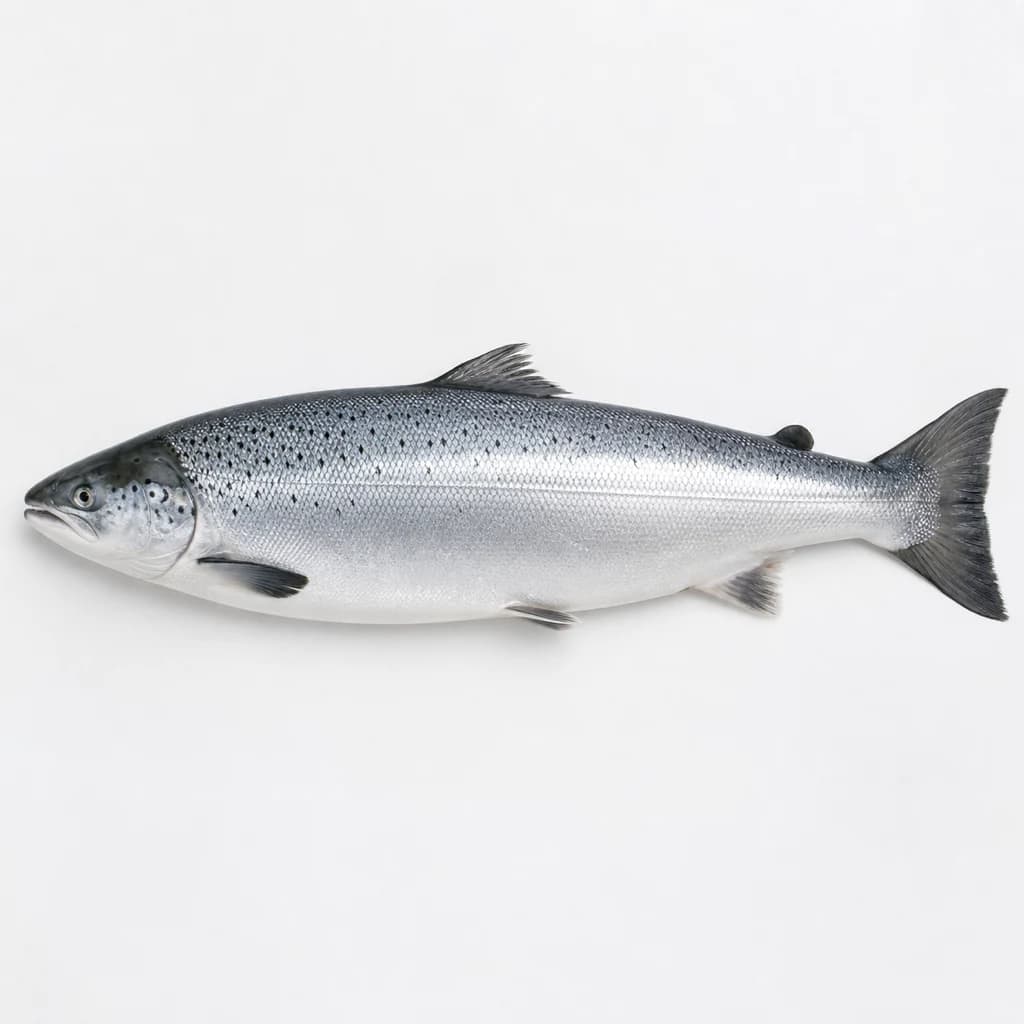
Salmon
Rich, rosy fish that roasts, grills, or cures beautifully

Egg White
Pure protein that whips to airy peaks for meringue and more
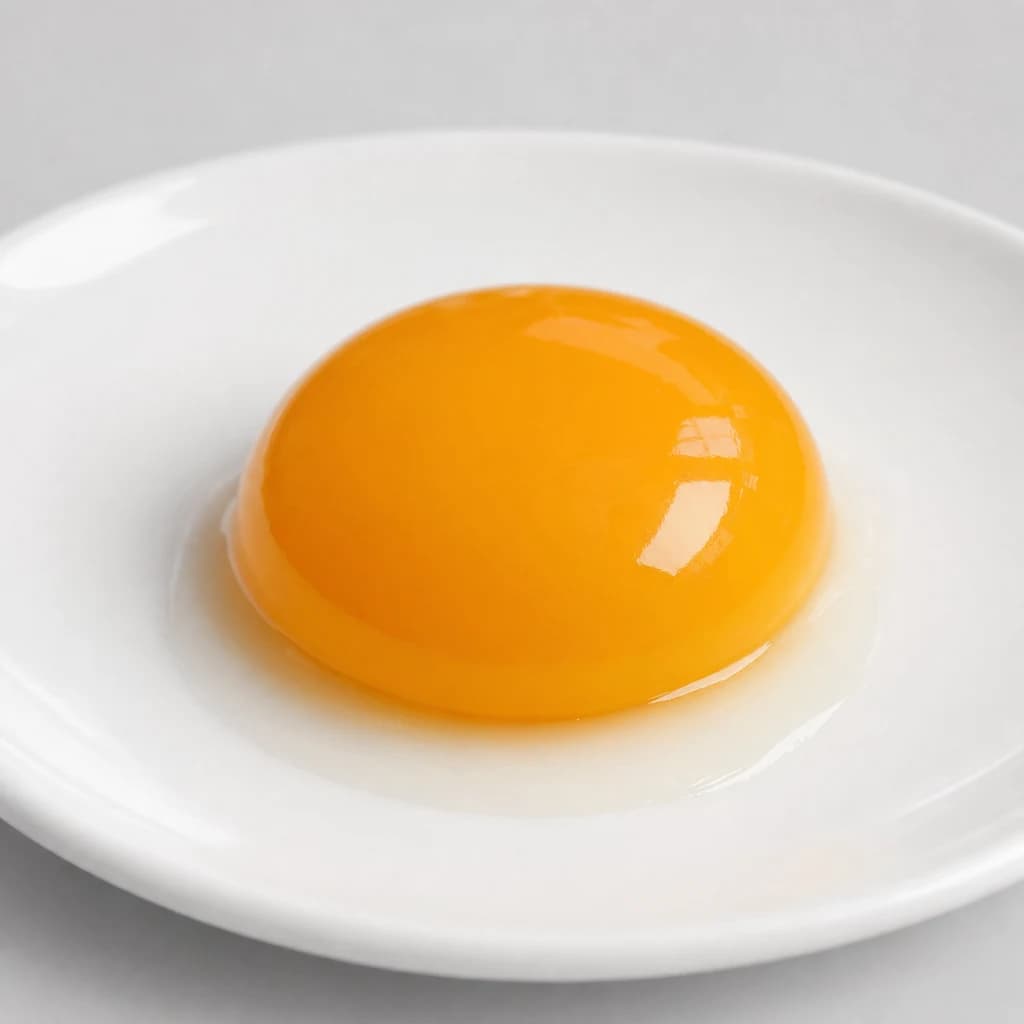
Egg Yolk
Rich, golden yolk for custards, mayonnaise, and pasta

Quail Egg
Tiny, speckled eggs for garnishing and elegant bites